
No matter what they are called, indigo buntings are lovely birds.
John Nelson of Good Thunder, MN saw this extended family yesterday.
Bryce Gaudian of Hayward snapped this photo of a pensive house sparrow.
No matter what they are called, indigo buntings are lovely birds.

John Nelson of Good Thunder, MN saw this extended family yesterday.

Bryce Gaudian of Hayward snapped this photo of a pensive house sparrow.

A friend, John Beal, sent me this photo of baby chickadees, of which there are few things cuter.

I loved seeing this yellow-headed blackbird. My Dad called them mustard heads.

Chipmunks love grape jelly, too.

A female rose-breasted grosbeak is a lovely bird.

Carol Lang sent this photo of a bay-breasted warbler.

And Tom Jessen snapped photos of this Great Plains toad.


A white-throated sparrow is almost hidden. This beauty whistles, "Old Sven Peterson, Peterson, Peterson."

A nuptial tubercle on an American white pelican. This is a fibrous plate on the upper bill that falls off when the mating season is over. The bird's crest turns gray at that time.


This bird is at the Duane and Judy Vonch place in Fountain, Minnesota. The photo was taken with a cellphone by Mark Kothman.

On the walk to an aviary in a nursing home.

The only thing digital about it was the fingers broken in a fall.

This photo of a burrowing owl taken by Greg and Terry Tellier.

Cedar waxwings. Photo taken by Tim Scott of Mankato.

That wintered in Madelia, Minnesota. Photo by Tom Jessen.

A double-crested cormorant photo taken by Julie Bronson of Emmons.

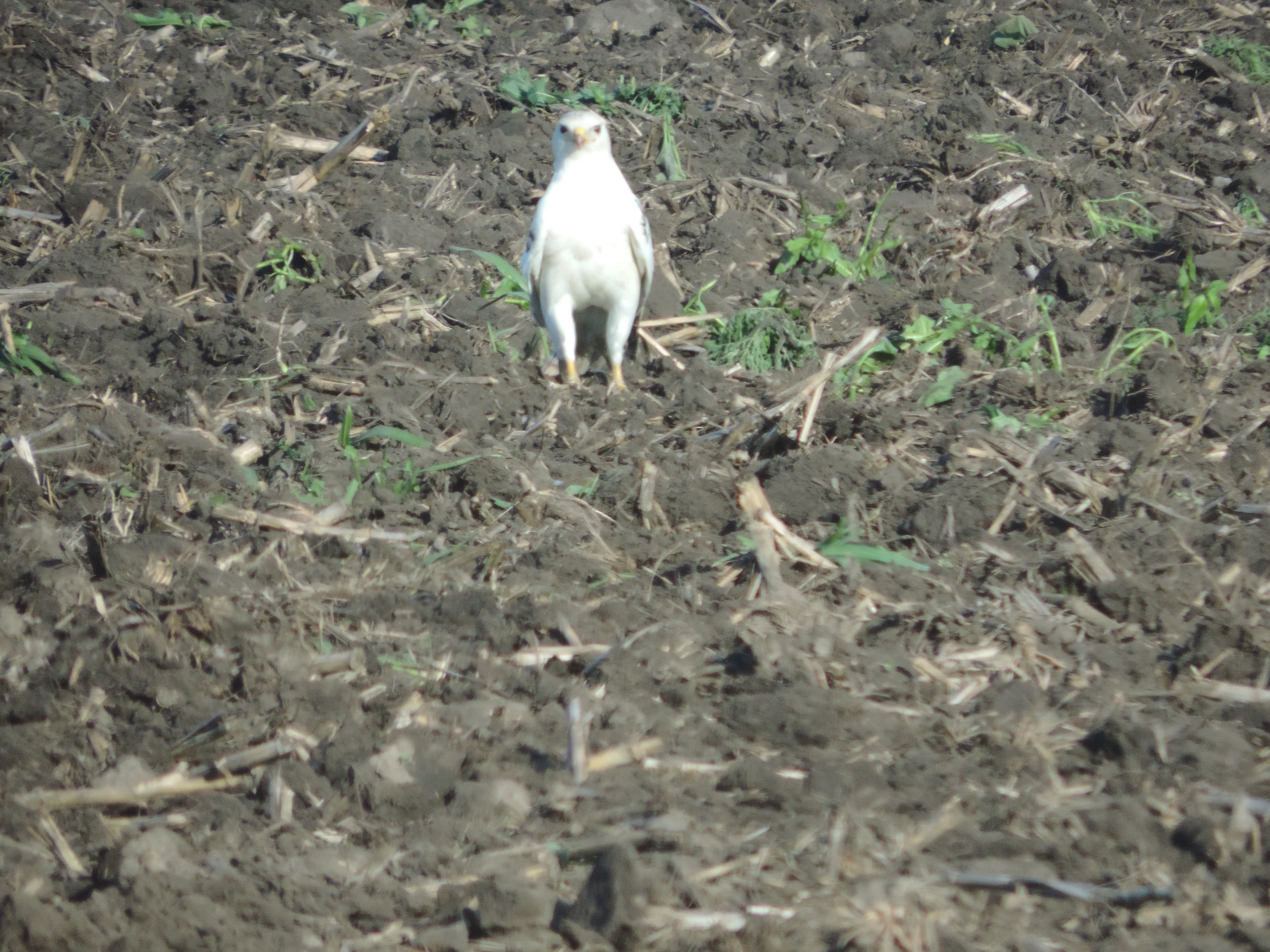
Ray Splinter took a photo of this common grackle with a white head. An example of leucism.

Photos taken by one of my good neighbors, Glenn Ausen.

Tom Jessen of Madelia sent me this photo of a rose-breasted grosbeak blending in with its environment.

The wild blue phlox. At least part of his name was derived from that. That's my story and I'm sticking with it.

A dandelion is a dandy. I've found it easier to appreciate them then to try to eradicate them.

I have northern bedstraw on the knee. This plant was used for years to stuff mattresses and to color hair.

It's a mystery, but the arrow tells us where it is.
A wild leek. I used to eat one on a hot dog each year. It gave me garlicky breath for several days.

Spring beauty. A perfect name for this ephemeral.

Known to many as itch weed.

I love violets. This one looks like a butterfly.

Virginia bluebells make me anything but blue.

Download the Free Merlin Bird ID App
Free, Instant Bird ID Help for 400 North American birds

Paul Loomis of Winnebago. Paul grew up around Hartland just as I am attempting to do.

Mankato, MN

Wild ginger.

Trout lily.

Blooming trout lily.
Jack Madsen sent me this photo of a bird seen near Rapidan, Minnesota.


Jan Wicklund of Wayzata sent a couple of photos of a turkey vulture on the hood of an automobile that were taken by her son-in-law Mancel Mitchell. Jan was wondering what the bird was eating. I love seeing vultures, the sanitation crew of our roadways who are willing to work for food. The vulture in the photo was likely nibbling on windshield-wiper blades or window seals. Everglades Park has a problem with black vultures destroying those things. There are records from here and there of crows and jays doing the same thing. Keas in New Zealand demolish wiper blades and rubber moldings. Learned behavior, I suppose. The vultures must get something from this behavior. Perhaps they are using the cars for biting and tearing practice. Maybe it’s part of the initiation into a vulture fraternity. It might be a rite of passage, a step on the path to maturation. Maybe wiper blades are easier to find than bubblegum. As far as I’m aware, no one knows for certain why vultures do this. Vultures have also been known to gnaw away at vinyl roofs. What will a vulture be nibbling on next, a tire?


What better name could there be for a sparrow that sings.


