Birds and mudbugs

Norm Emerson of St. James sent this photo of a common nighthawk.

image.jpg

Paul Godtland saw and photographed these. 

Red knots

Red knots

A magnolia warbler. 

A magnolia warbler. 

An eastern towhee.  I still occasionally call it by its old name, the rufous-sided towhee. I hope it doesn't mind. 

An eastern towhee.  I still occasionally call it by its old name, the rufous-sided towhee. I hope it doesn't mind. 

And a crayfish, crawdad, crawfish or mudbug. 

And a crayfish, crawdad, crawfish or mudbug. 

An important food in Louisiana. Not in Minnesota. We have lutefisk. 

An important food in Louisiana. Not in Minnesota. We have lutefisk. 

A chipping white-throated cedar thrasher.

Joyce Street of Hesper, Iowa, sent these two photos. 

A chipping sparrow. 

A chipping sparrow. 

And a white-throated sparrow. 

And a white-throated sparrow. 

And Bob Guenther of Alden took these two.

A cedar waxwing. 

A cedar waxwing. 

And a brown thrasher. 

And a brown thrasher. 

Baby cardinals

Neil and Barb Lang sent these photos of nestling cardinals. 

image.jpg
image.jpg

Joyce Street snapped a photo of a white-lined sphinx moth. 

image.jpg
image.jpg

Oh, the gall!


Daniel Otten sent this photo of maple bladder galls caused by mites. The damage to a tree is generally cosmetic. The galls turn from green to red to black.


image.jpg

Purple martins  

image.jpg

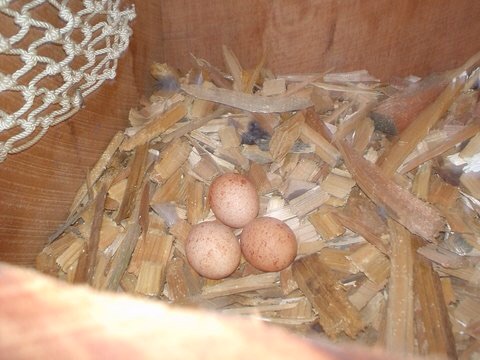
One nest had seven eggs. I hope they all become flying purple martins one day. 

image.jpg

Western tanager

Bob Hargis had this western tanager enter his home. It was caught and released unharmed. 

image.jpg

Photo by Greg and Terry Tellier. 

image.jpg

Pileated woodpeckers. Photo by Kent Gernander. 

The male has a red "moustache." The female has a black one. 

The male has a red "moustache." The female has a black one. 

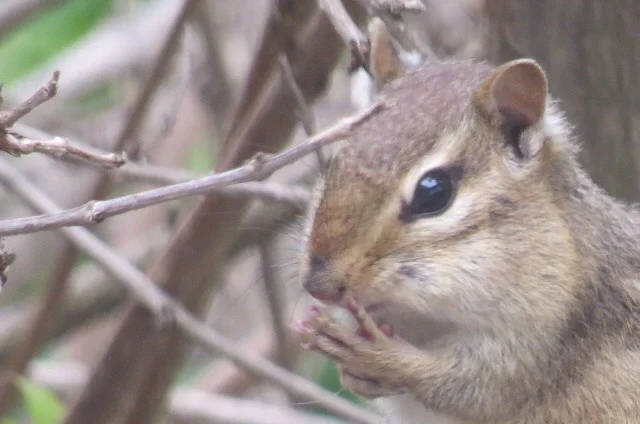
A chipmunk picks its nose.

It has no pockets to keep a hankie in. 

image.jpg

A black and yellow garden spider (Argiope aurantia). I would like her to be my friend. 

image.jpg

Greg and Terry Tellier sent these photos from Arizona. 

image.jpg
image.jpg

Let there be birds.

Mary Guggisberg of Freeborn spotted an American golden plover. 

image.jpg

Tom and Kathy Sheehan of Emmons took these photos of a trumpeter swan dwarfing Canada geese and a bald eagle on a nest. 

image.jpg
image.jpg

An ovenbird in a van.

Tom Jessen of Madelia sent these photos of an ovenbird that tried to take a ride in his van, The bird was released unharmed.

image.jpg
image.jpg
image.jpg
image.jpg
image.jpg

Birds to look for. All birds are worth looking for.

Karen and Jerry Ibberson of Ellendale took this photo of a Wilson's warbler. 

image.jpg

Neil Lang of Albert Lea caught this Cape May warbler at a feeder. 

image.jpg

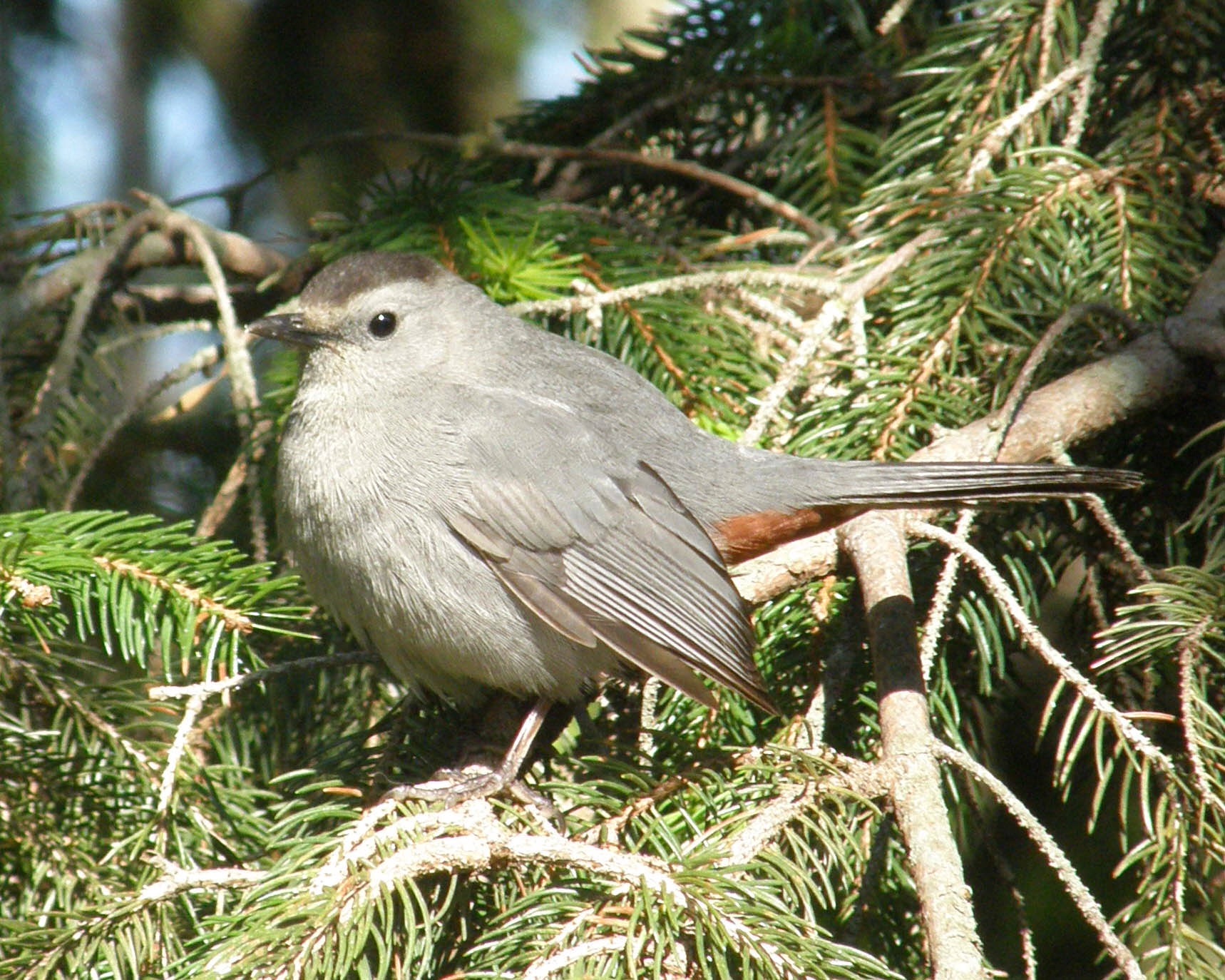
Linda Eisterhold of Austin snapped this picture of a gray catbird. 

image.jpg

Erwin Hill captured this image of a Baltimore Oriole. 

image.jpg

My father called them blue canaries.

No matter what they are called, indigo buntings are lovely birds. 

image.jpg

John Nelson of Good Thunder, MN saw this extended family yesterday. 

image.jpg

Bryce Gaudian of Hayward snapped this photo of a pensive house sparrow. 

image.jpg

Baby chickadees.

A friend, John Beal, sent me this photo of baby chickadees, of which there are few things cuter. 

image.jpg

I loved seeing this yellow-headed blackbird. My Dad called them mustard heads. 

image.jpg

Chipmunks love grape jelly, too. 

image.jpg

Warbling toads.

Carol Lang sent this photo of a bay-breasted warbler. 

image.jpg

And Tom Jessen snapped photos of this Great Plains toad. 

image.jpg
image.jpg
image.jpg

Bird is the word.

A white-throated sparrow is almost hidden. This beauty whistles, "Old Sven Peterson, Peterson, Peterson." 


image.jpg

A nuptial tubercle on an American white pelican.  This is a fibrous plate on the upper bill that falls off when the mating season is over. The bird's crest turns gray at that time. 


image.jpg
image.jpg
image.jpg
image.jpg