
Guinea fowl are supposed to eat ticks and keep the rats away. Nobody told the rats.
A handsome rooster, the white crested black Polish.
Guinea fowl are supposed to eat ticks and keep the rats away. Nobody told the rats.

A handsome rooster, the white crested black Polish.


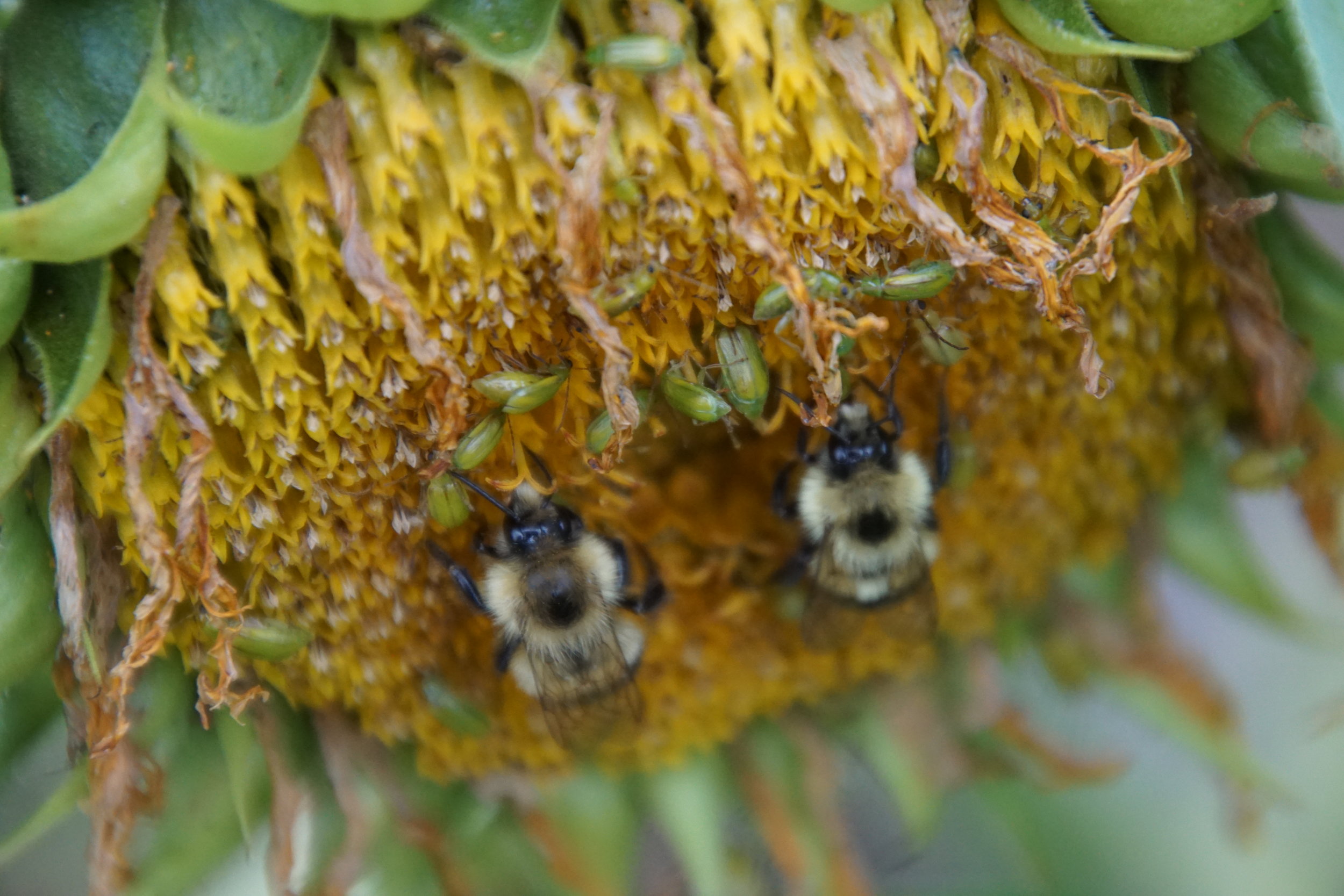
It was a two bee race.


Coincidentally, the grasshopper's name was Rose.

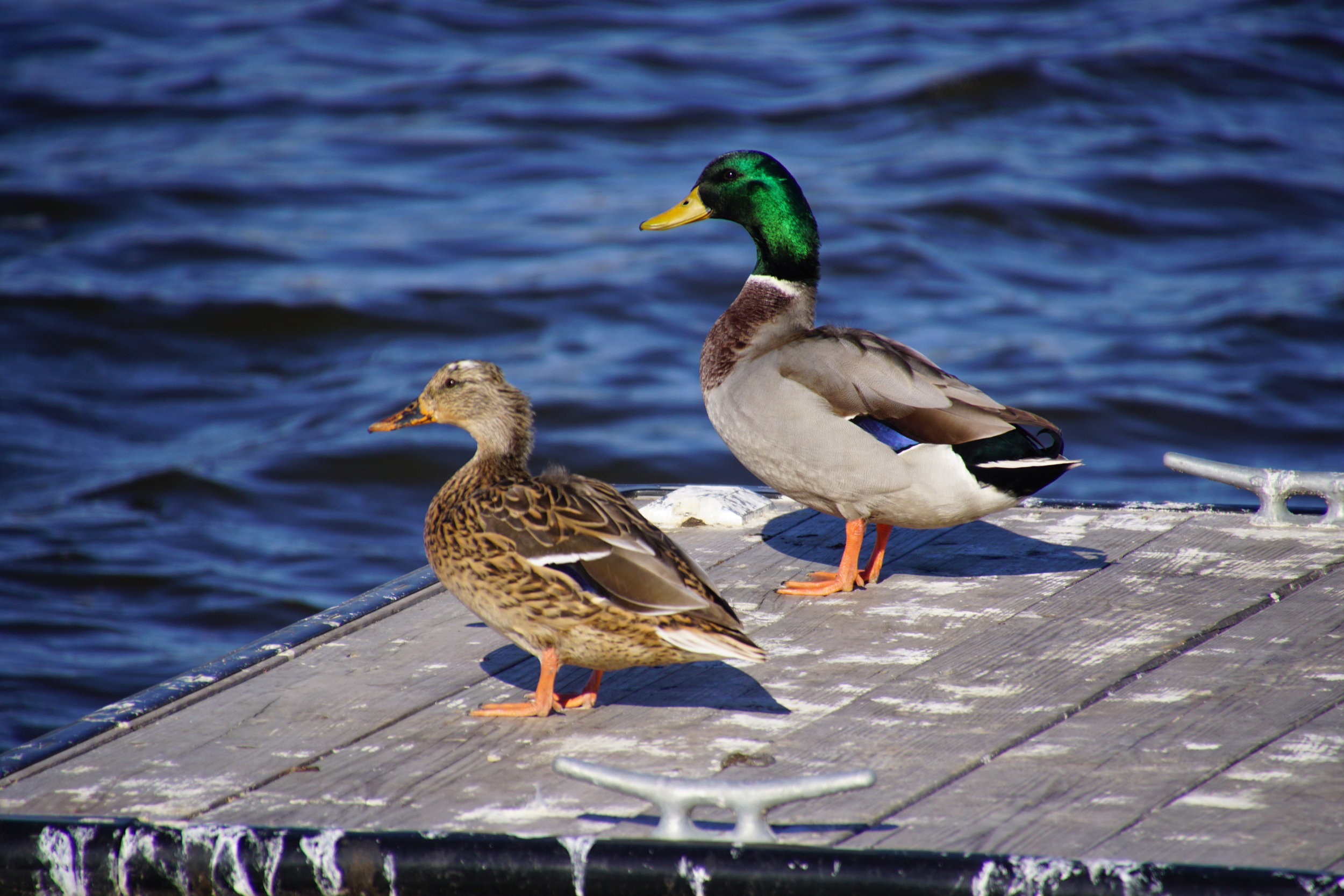
A pair of ducks is sometimes called two ducks.
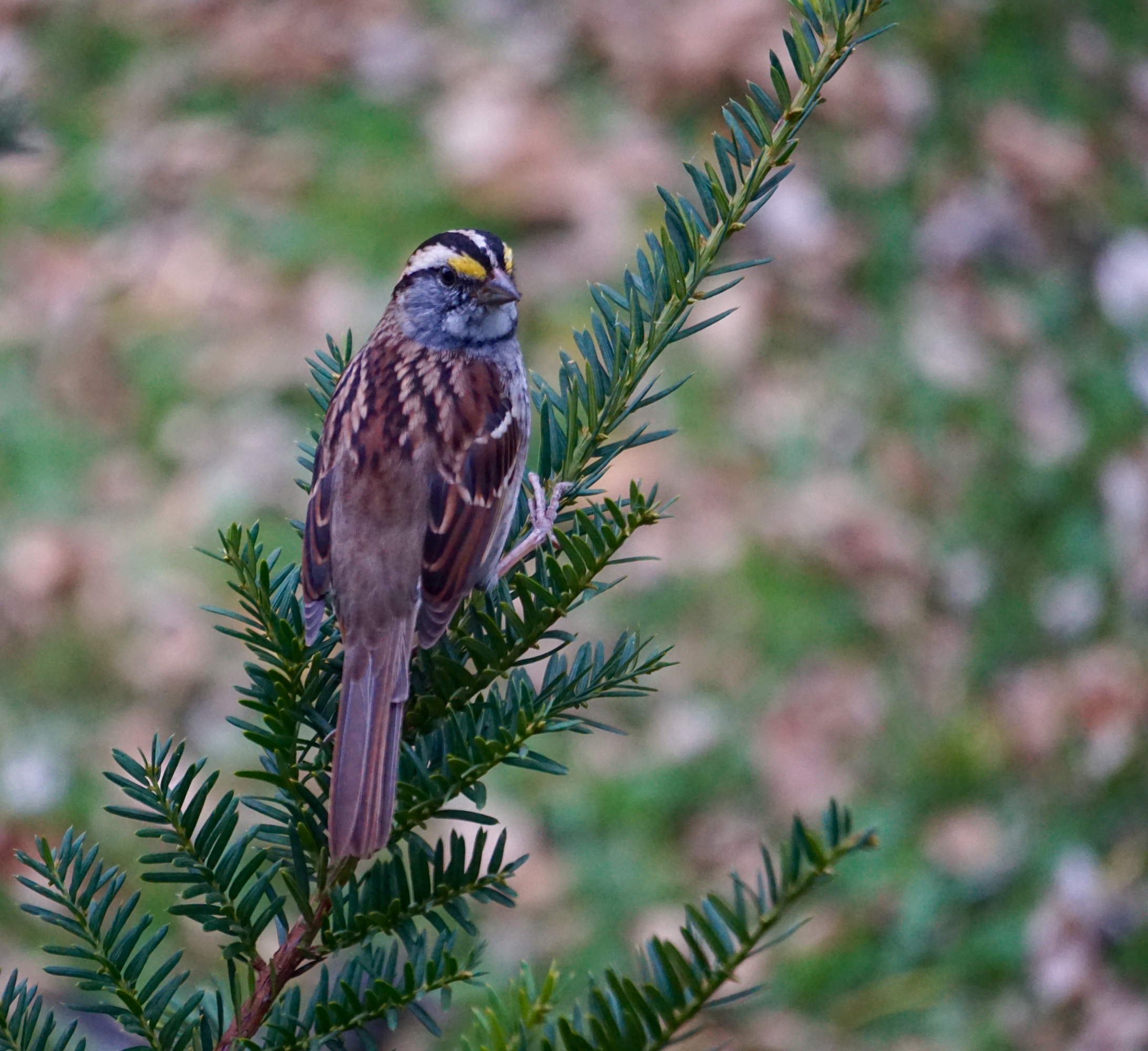
Some of the birds have primarily white and black feathers in the median and lateral crown stripes of their heads. Others have primarily tan and brown crown stripes. The two forms are genetically determined. Individuals almost always mate with a bird of the opposite morph. Males of both color types prefer females with white stripes. Both types of females prefer tan-striped males. White-striped males blame their parents for this. White-striped birds are more aggressive than tan-striped ones. White-striped females may out-compete tan-striped females for tan-striped males. Male birds that insist on wearing hats are unlucky in love.
The opossums.


They will bring winter, eventually.


Sun dogs.

They have circled the blue jays.


A nice touch in Minnesota.

And a dianthus.

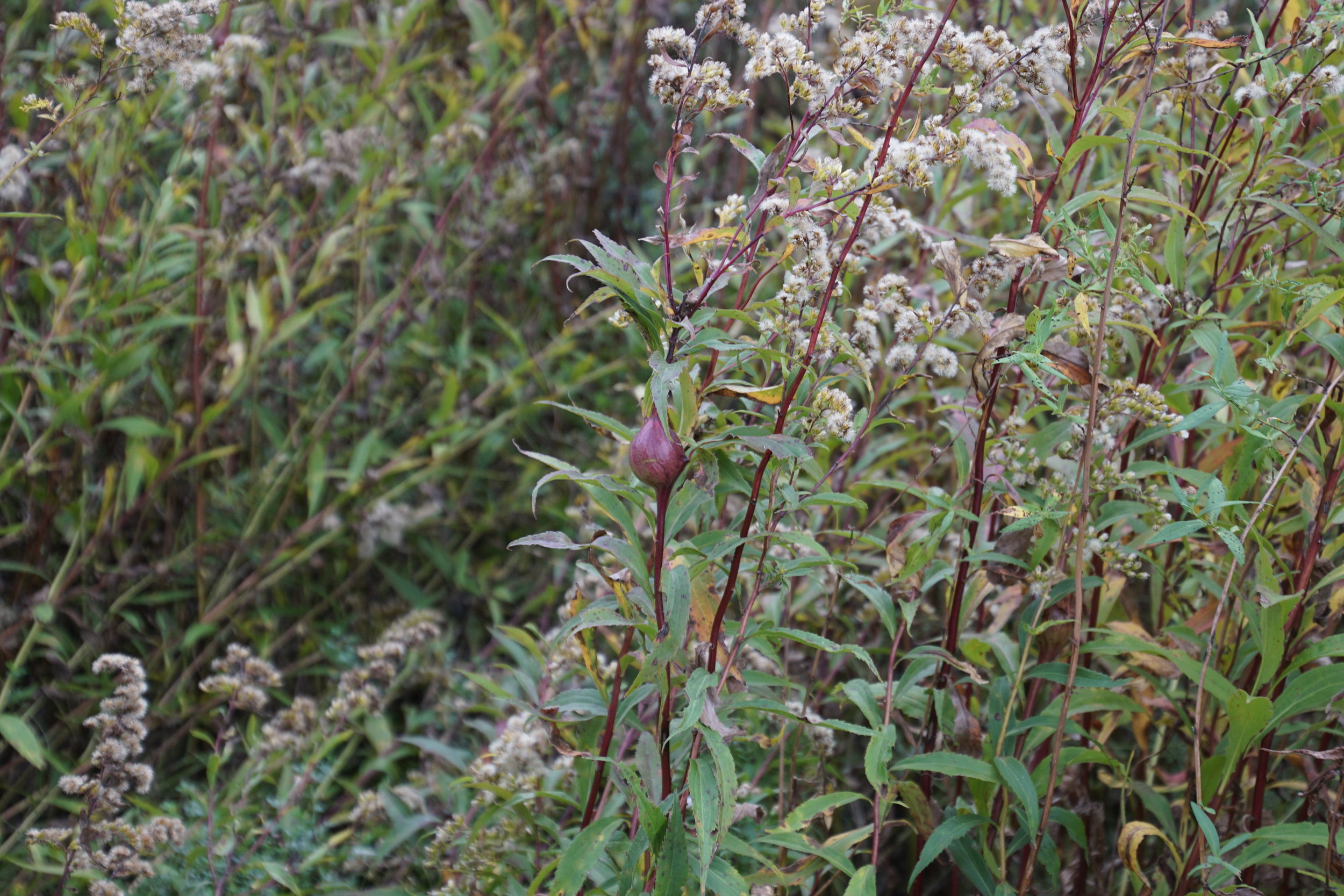
Folklore says that its height will equal the depth of winter's snow.
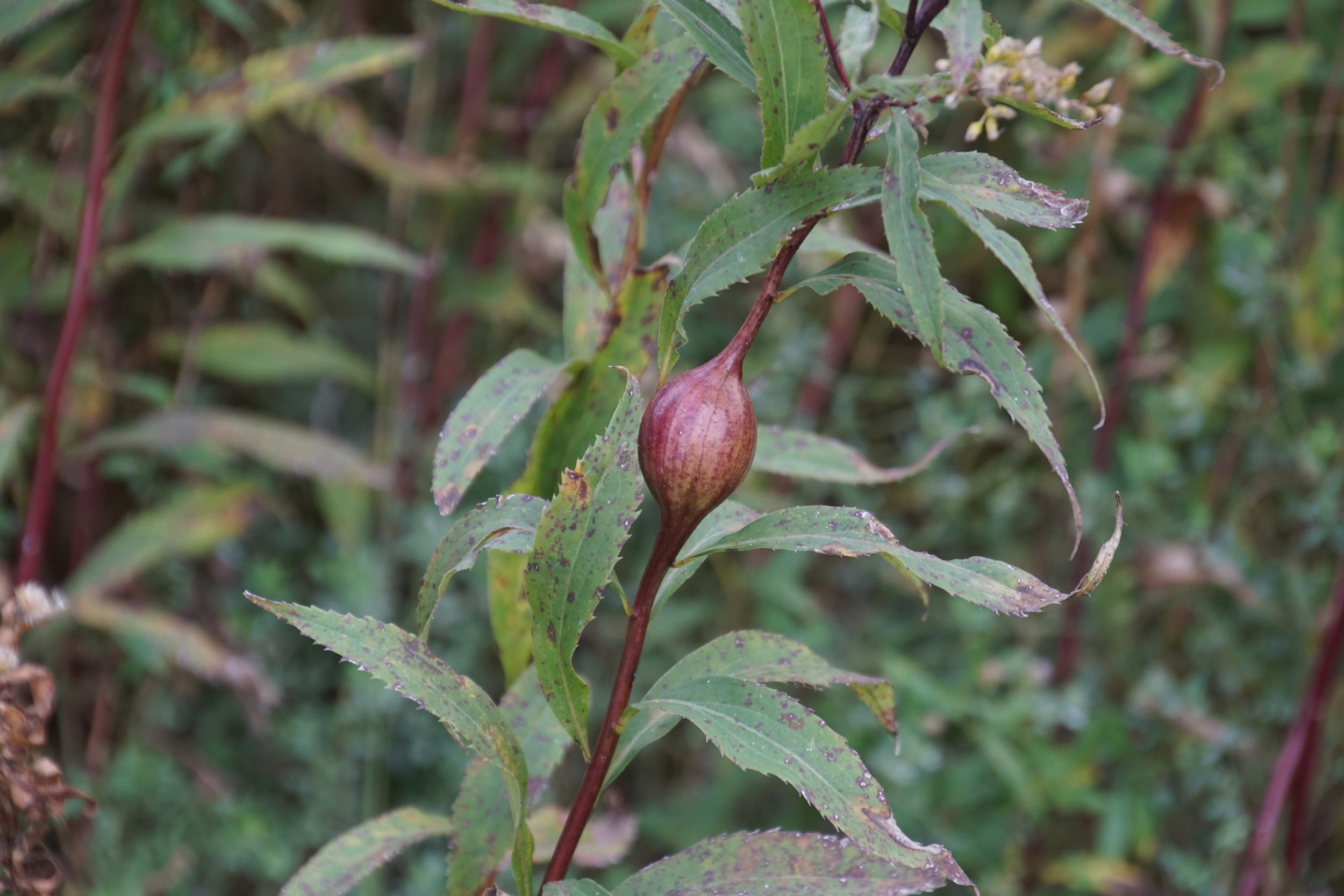
It's the home of the larva of the goldenrod gall fly.

These lovely photos were taken by Tom Jessen of Madelia.
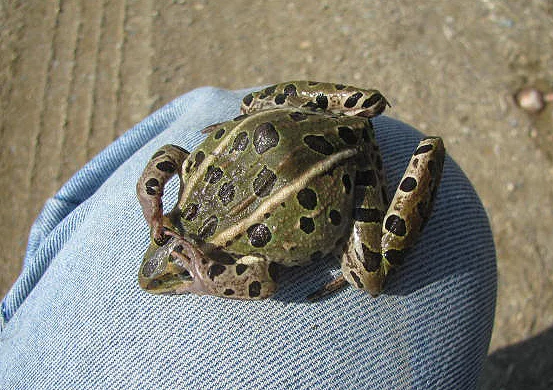


Oh, dear! Oh, deer.

A photo by Greg and Terry Tellier.

I think The Grackles would be the perfect nickname for an athletic team. People tend not to like them and they look mean. That's what a team is looking for.

Having finished its stump speech, the chipmunk was both chipping and munking.

A reminder that it was a pretty day.

A butterbutt. A yellow-rumped warbler.

A cedar waxwing.

A chestnut-backed chickadee in Juneau.

A house wren with lunch.

A goldenrod soldier beetle.

Antique carousel.


A lark sparrow is always good for a lark.

On a hot day in Arizona, this lesser goldfinch made me smile by finding the coolness of a bubbler.

The beautiful red rocks of Sedona, Arizona, and a ladder.


