
Singing in the rain.
Hoping for a good crop of purple martins this year.


Singing in the rain.

Hoping for a good crop of purple martins this year.


Works better than a “Keep off the grass” sign.

I remember a fall day in Manteo, North Carolina

Large-flowered trillium allowed me to tiptoe through trillions of trillies.

As egrets go, this was a great one.
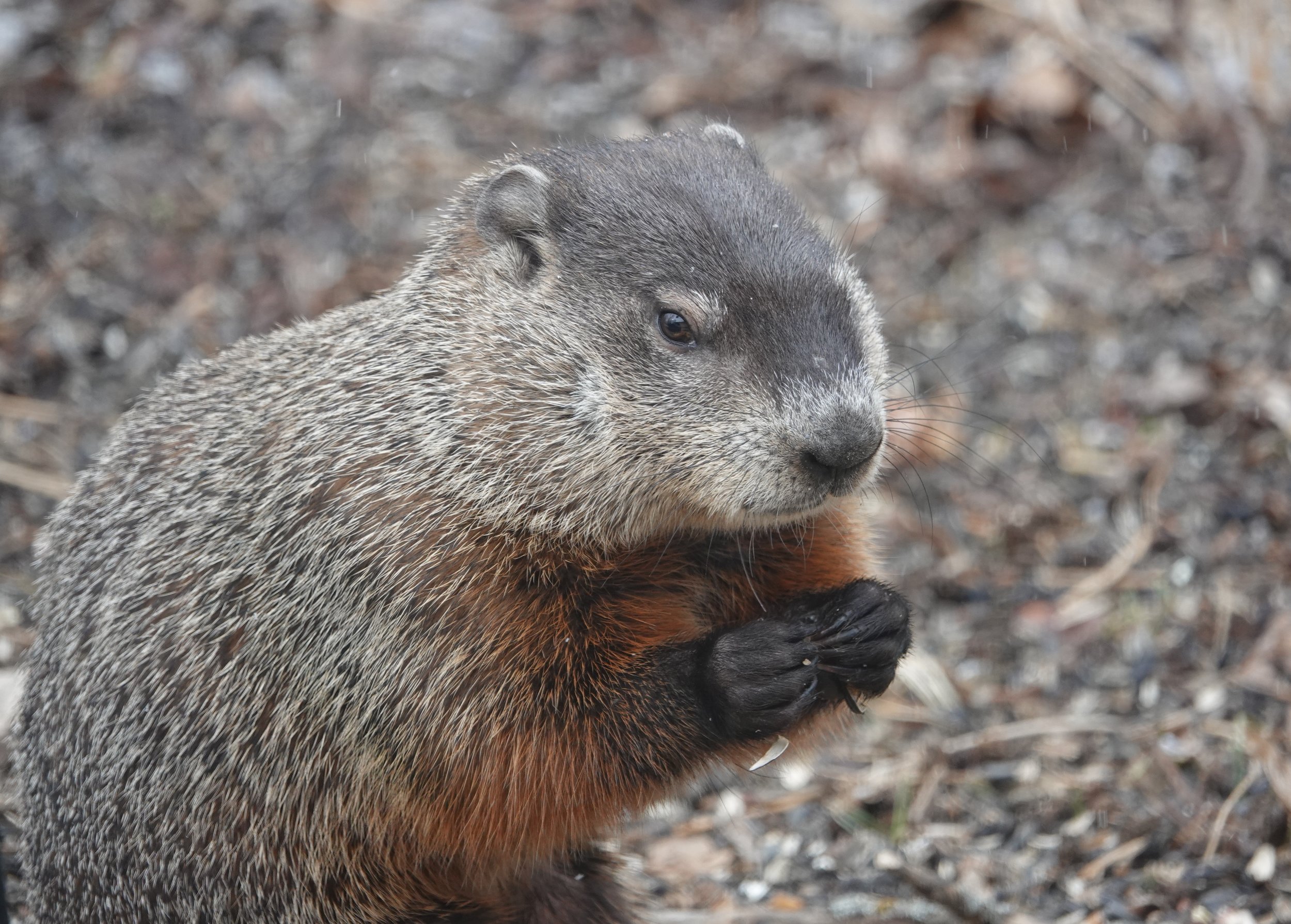
A woodchuck taking a break from chucking wood.

This woodpecker didn’t know his own strength.

Tools for picking corn by hand.

A crane that erects wind turbines.


When I was in Bayfield, Wisconsin, I was a real blockhead.

I was charged by this mallard hen. Either someone had been feeding her or it was an annual event, The Running of the Ducks.

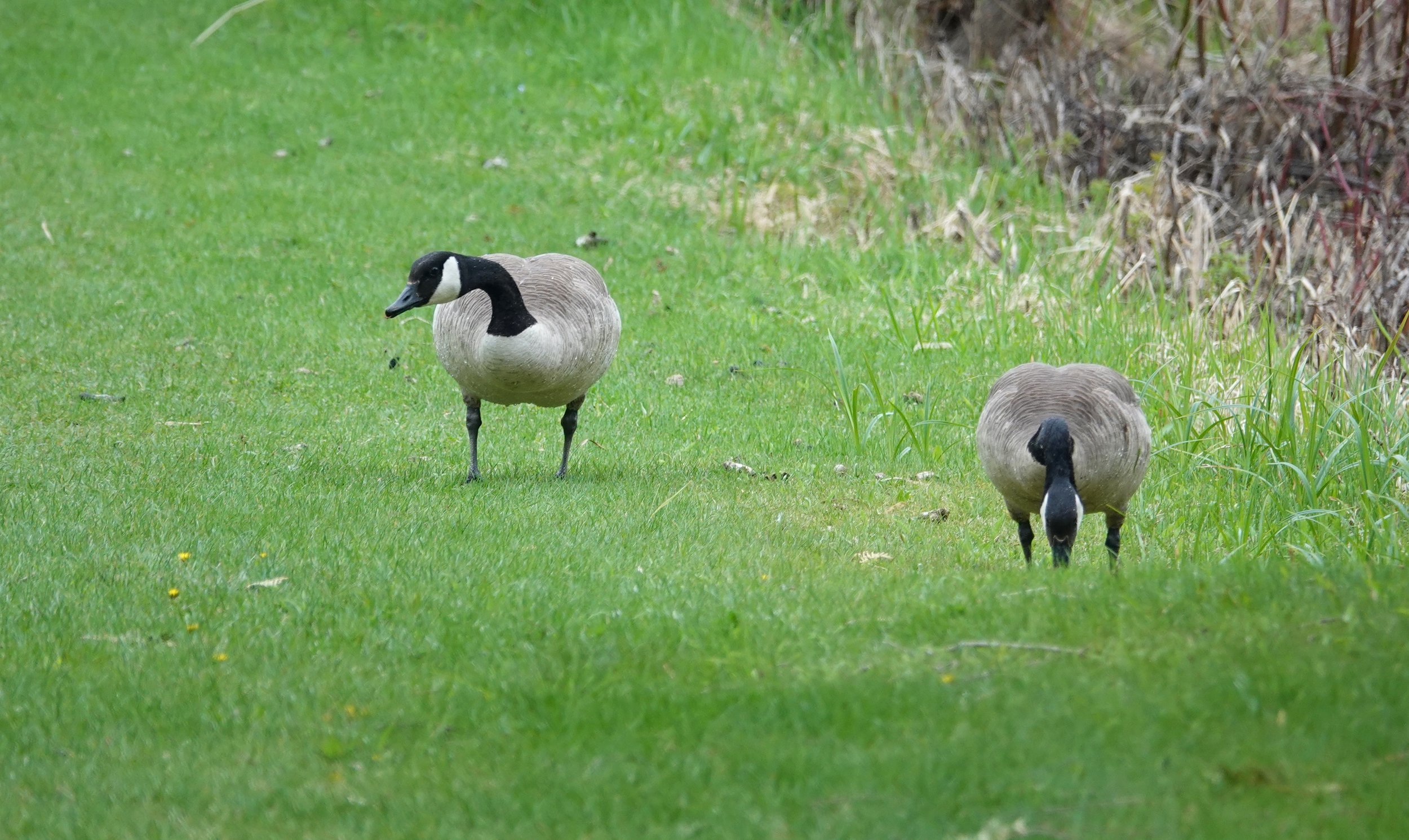
I nearly stepped on this nesting Canada goose. That would have resulted in a confrontation.

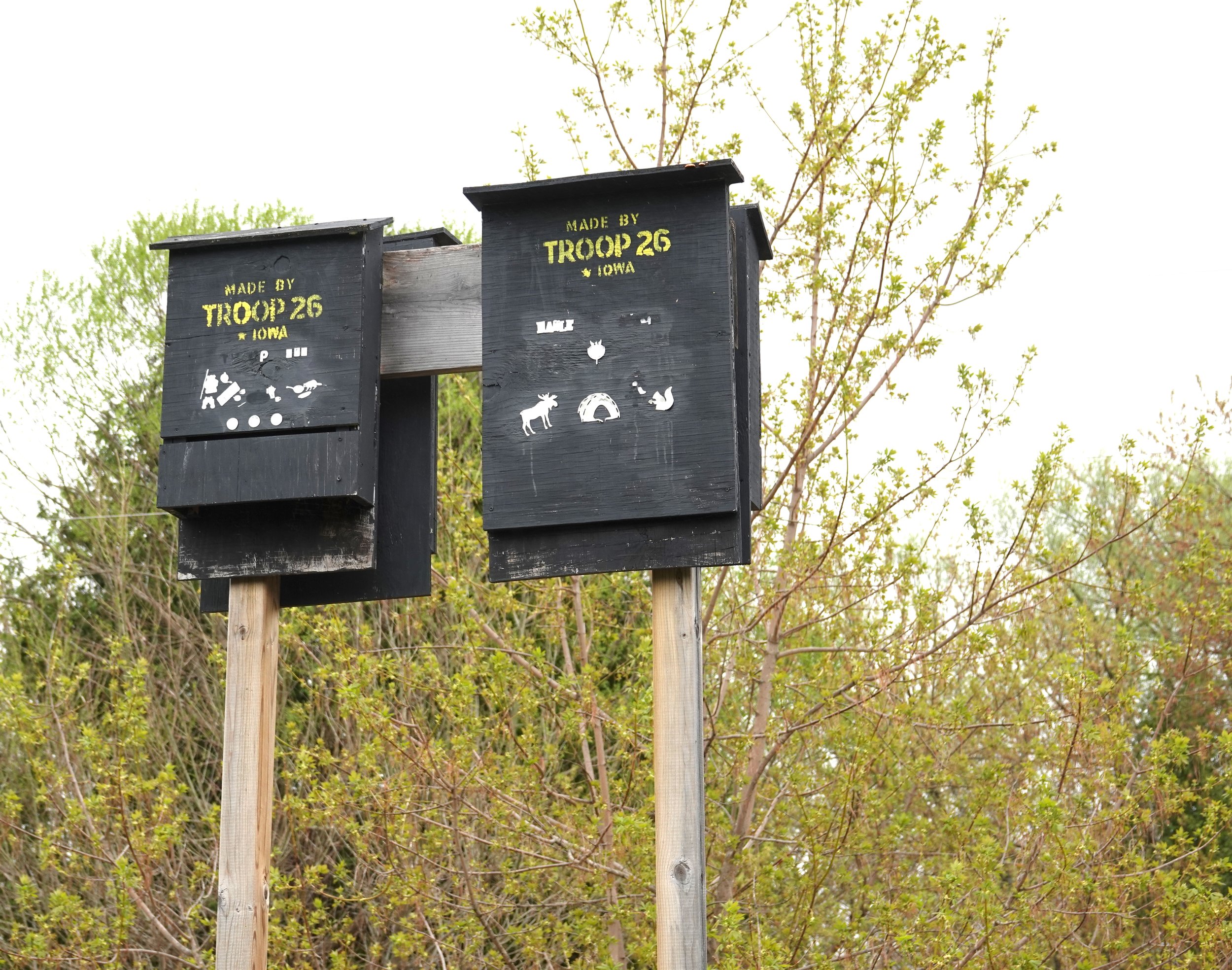
Bat houses.

The marsh marigold is a plant I called cowslip when I was a lad.

by Al Batt, albertleatribune.comMay 18, 2018 04:18 PM
Nature’s World by Al Batt
My neighbor Crandall stops by.
“How are you doing?“ I ask.
“Everything is nearly copacetic. I’m as busy as a nudist camp mosquito. I’m pretty satisfied with myself, but I’m easy to please. Pop told me I should go to the bank and borrow more money. He believes if you owe a bank $1 million, the bank owns you. But if you owe a bank $10 million, you own the bank. Pop has more dough than a deep-dish pizza, so he has to worry about other things. He was worried because he couldn’t remember what shirt he’d worn yesterday. He’s solved that problem. He’s going to wear his favorite shirt every day. I’ve found that people do care. A fellow fell on the sidewalk the other day. Other people were careful not to step on him. My neighbor mowed his lawn. Talk about peer pressure. The grass has grown too tall for my mower. I’ll have to mow it even though in just six weeks, it’ll need mowing again.”
Naturally
I’m a sustaining member of the fanatic bird feeders of my zip code.
As I came out of the house to fill the feeders, the first three birds I saw were a house finch, house wren and house sparrow. That seemed appropriate.
The yard had become Goldfinch City as the chatter of the tiny birds filled the air. I saw a Swainson’s thrush looking something like a coloring-book robin that hadn’t been completely colored. Male birds sang for the ladies. An avian serenade. Orchard orioles, while their chatter is similar, don’t whistle like Baltimore orioles, but sing more like a house finch. Carpenters worked in the yard. Woodpeckers, nuthatches and chickadees excavated nesting cavities in trees. A chipmunk being chased by anotherchipmunk ran over a fox squirrel feeding on the ground. The squirrel was perturbed, but the chipmunks had quickly left the scene.
Gardening was on my mind. Ancient Romans planted seeds on dirt-filled carts and rolled them into the sunshine. Rhubarb, native to Central Asia, first appeared in American seed catalogs in 1829 and is called “pie plant” by some.
From the car, I saw coots eating grass, walking as if they were wearing clown shoes. Magnolias bloomed, their flowers appearing before their leaves. I visited the National Wildlife & Fish Refuge, which covers 261 miles of Minnesota, Wisconsin, Iowa and Illinois. In 1972, the refuge had one bald eagle nest. Now it has over 250 active nests. Bald eagles incubate their eggs for 35 days with the young fledging in 12 weeks and the adults weighing 8 to 14 pounds.
Color-coordination is overrated. Each time I see a sunset, I’m reminded that orange goes well with any color.
Q&A
Jim Lageson of Ellendale wrote about young great horned owls on branches and wondered if the owls eat carrion. Young great horned owls move onto nearby branches when they are about 6 weeks old. They are capable of short flights at around seven weeks of age. There can be a significant age difference in owlets as the mother typically lays an egg every couple days until the clutch is complete and starts incubating as soon as the first egg is laid. The eggs laid first hatch soonest. After leaving the nest, the fledglings remain close for several weeks, often roosting together in a tree near the nest. They react to the sight of their parents with begging calls and flights aimed at the older owls. Fledglings keep company with their parents for most of the summer. The owlets’ noisy begging can be heard into October. Most nests are used for only a single season. By the next nesting season, the young owls will have left the territory. After dispersal, most young owls are excluded from breeding by the aggressive behavior of territorial owls. Great horned owls eat almost anything that moves and will eat carrion if they must, but it probably isn’t their favorite fare.
Pat Ryan of Rapidan saw a robin with white wings and wondered what was going on there. It sounds like leucism, a genetic condition in which pigments don’t reach all the feathers. This results in white patches or a pale plumage. The bird would retain the normal color of skin and eyes. Albinism, on the other hand, results in pink eyes and skin.
“Do fake owls work to keep other birds away?” No, but they do keep other fake owls away.
“Why do young birds leave the nest before they can fly?” It’s to the advantage of some young birds to get out of the nest as soon as possible because a nest full of loud baby birds attracts predators and the nests can have parasites.
Thanks for stopping by
“Every day may not be good, but there’s something good in every day.” — Alice Morse Earle
“To damage the earth is to damage your children.”— Wendell Berry
Do good.
Al Batt of Hartland is a member of the Albert Lea Audubon Society. Email him at SnoEowl@aol.com.
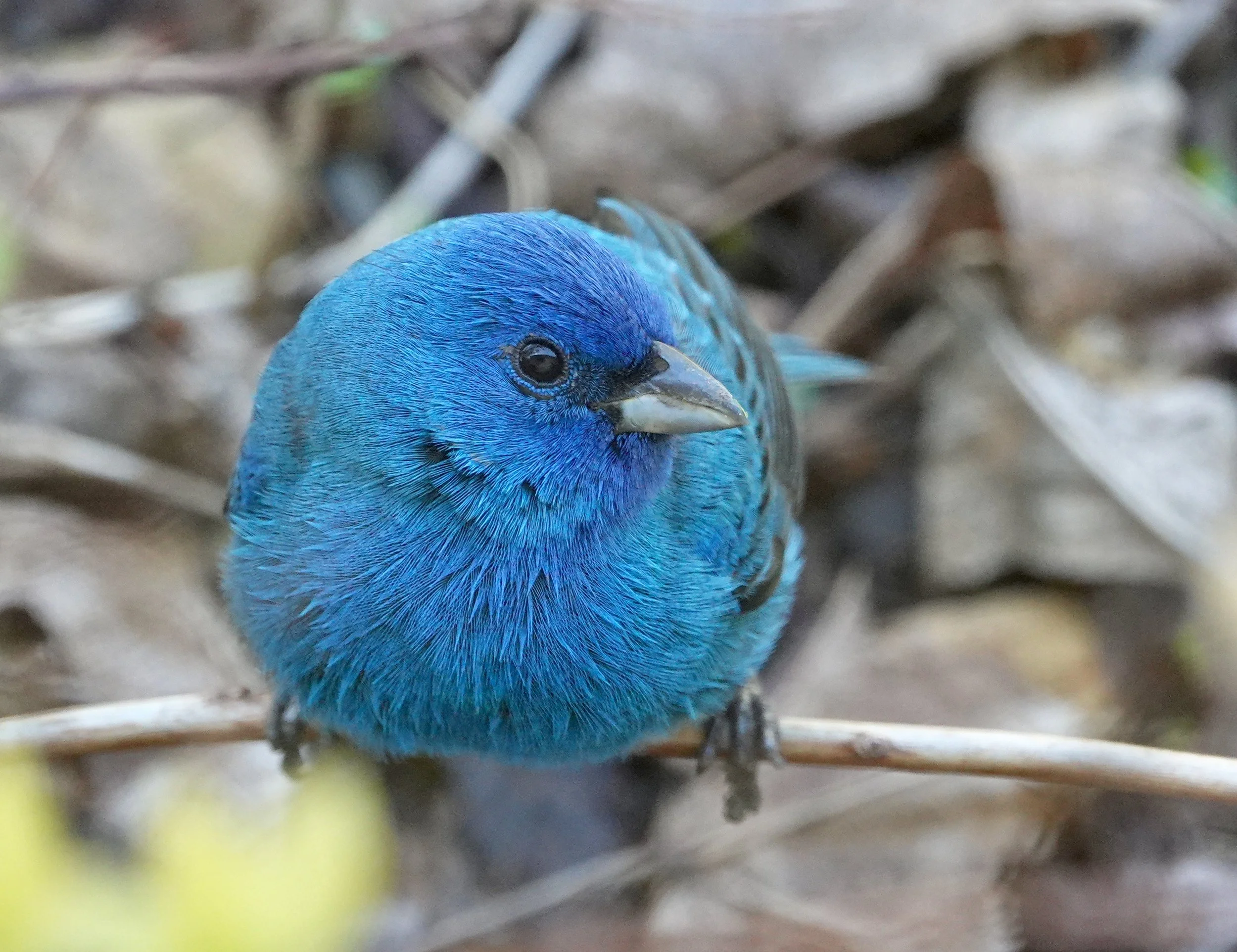


Red and white. Fight, fight, fight.
Flowers turn me into a cheerleader.


The cliff swallow is famous for its returns to San Juan Capistrano.

Cliff swallows build by mouth.


A mammoth seen at Horicon Marsh.


The tree swallow was just visiting.
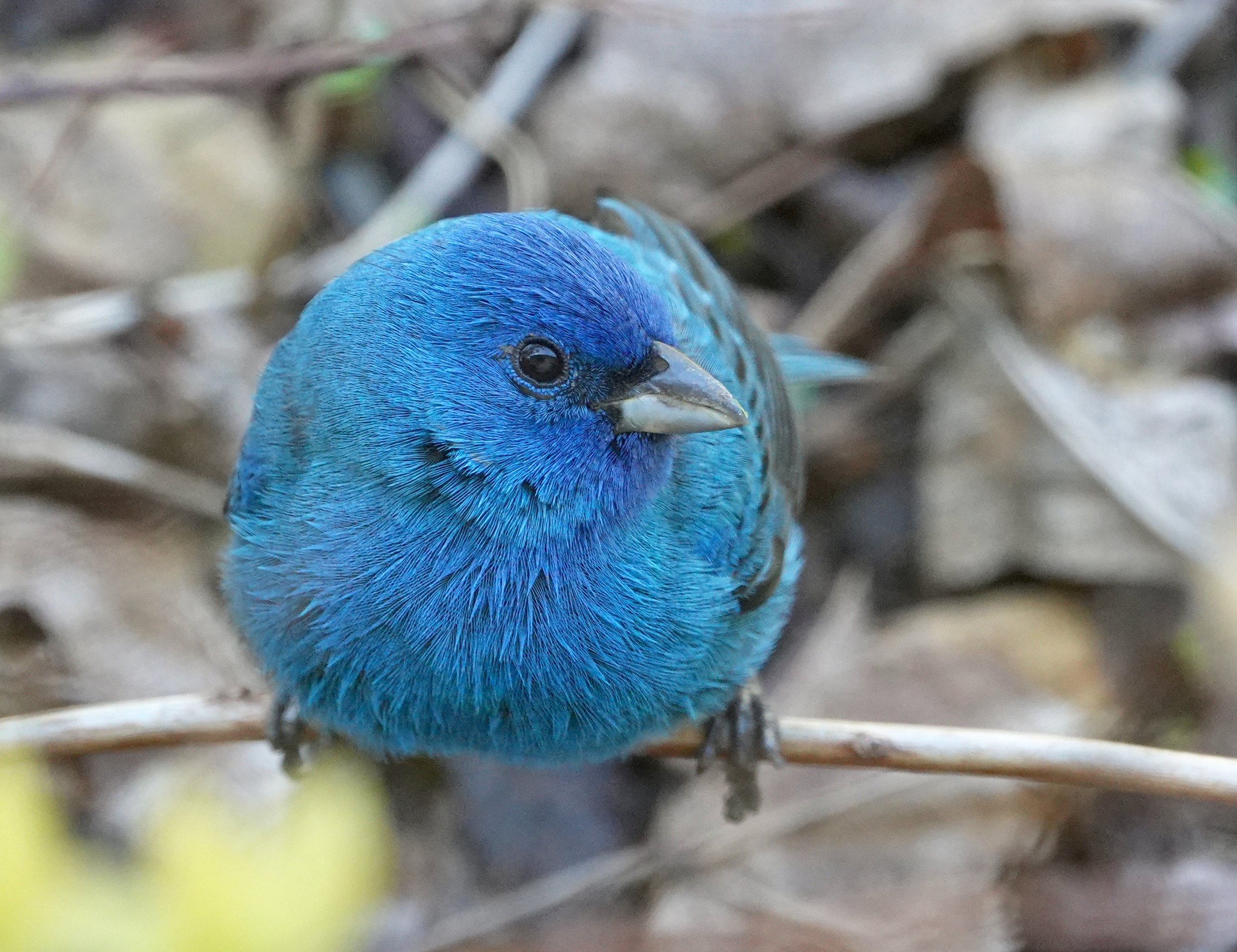

My wife puts out food for me and I put out food for the birds.

The Harris’s sparrow is the only songbird that breeds exclusively in Canada.

A wren house made from license plates.

I love this yellow warbler.
Prothonotary warblers and cluster flies.


A ruby-throated hummingbird not looking very ruby-throated.

A bad photo of a hummingbird’s handsome gorget.

A mewing gray catbird.

A gray catbird has lots of personality.

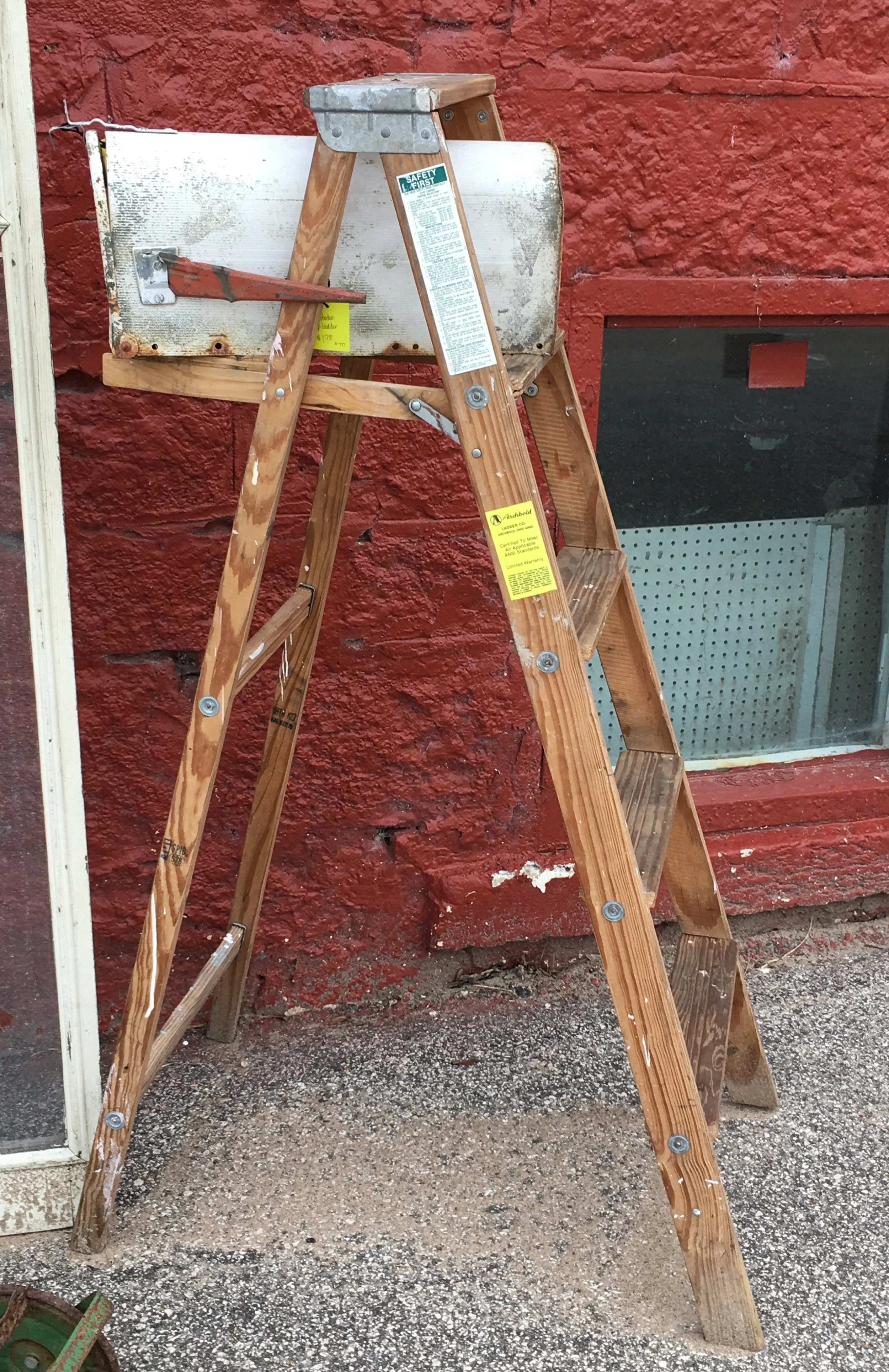
The perfect mailbox for the man who changes his address often.

A long view from Gavin Heights Park in Winona, Minnesota.

Sugar Loaf is likely the most photographed thing in Winona, Minnesota.

As I strolled by this garbage receptacle, a gray squirrel popped its head from this hole. The animal was probably expecting a delivery.


Male rose-breasted grosbeaks.


It was looking in the window as I was looking out.
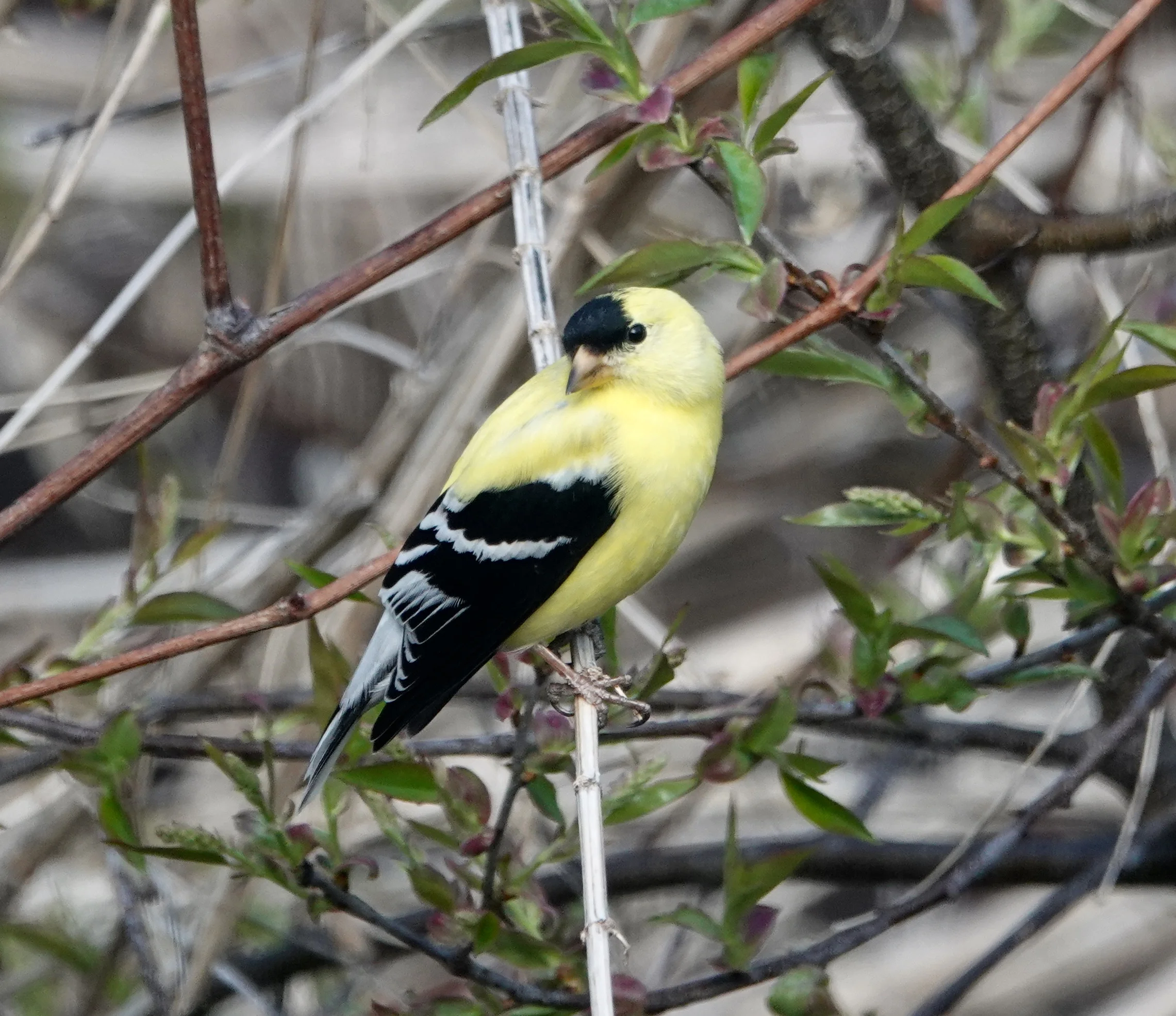
The gold of spring.
And now this brief word about nature.


Geese have a thriving business recycling grass into fertilizer.

A prothonotary warbler looking all prothonotary.


The prothonotary warbler played an important role in the Alger Hiss espionage trial (1948-1950). This involved the House Un-American Activities Committee and Whitaker Chambers. It brought Richard Nixon to prominence.

A song sparrow, the deluxe version.

Coots have difficulty finding shoes that fit.
A newspaper column about dancing lesser prairie-chickens.
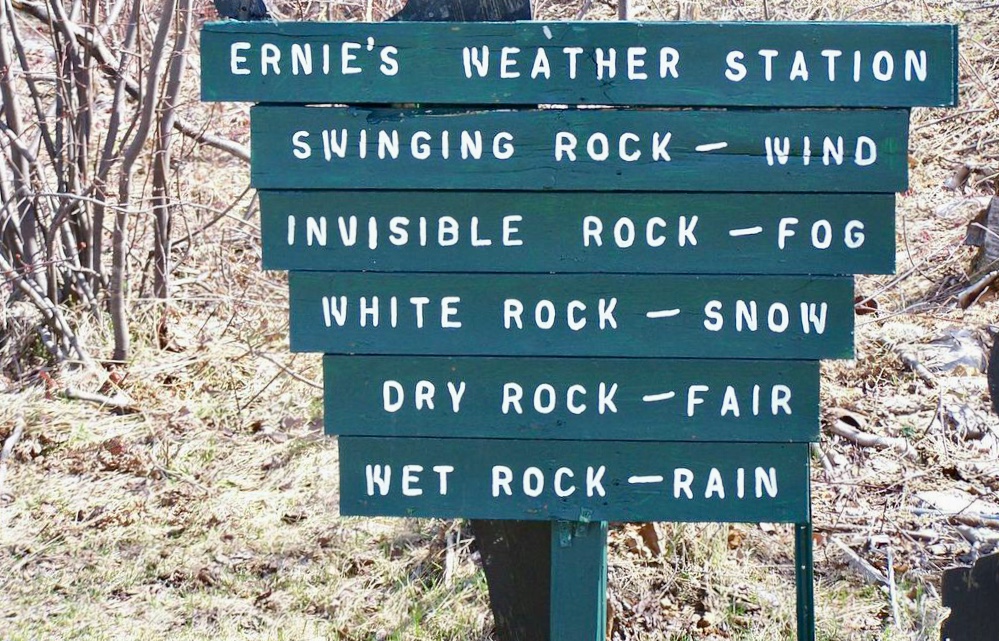

Each year, I herald the return of the purple martins. When there are no flying insects, it can be a sad event.

I think his name was Blackie.

Corn on the cob.

Orange you nice.
And a couple of radio shows.


For those who wish to get back to nature—toilet paper.

I love the blue around a mourning dove’s eye.

A sad slab of marble at Johnson’s Island Prison, a prisoner of war camp for Confederate officers, near Sandusky, Ohio.

You should go here if you get the chance. You should go here if you don’t get the chance. It’s birdy nice.


At the Hormel Nature Center in Austin, MN


Seen in Lake Crystal, MN


Still have a foxy fox sparrow in my yard.

A handsome fellow, the yellow-headed blackbird’s song is not appreciated by every ear.

A nuthatch notices things like me.

House finches nearly hidden by small twigs.

A purple finch purplifizes my day. Or maybe it finchifizes my day.


A brown thrasher has graced my yard. He chairs a gardener’s support group. A mnemonic for his melodious song in which he repeats himself as men my age do is, “Plant a seed, plant a seed; bury it, bury it; cover it up, cover it up; let it grow, let it grow; pull it up, pull it up; eat it, eat it.”

A white-throated sparrow brightens a yard. It’s lovely whistle tells part of the tale of, “Old Sven Peterson, Peterson, Peterson.”

A 60-ton buffalo seen in Jamestown, North Dakota.

White storks roosting on the roof of a house in Austria.


I see snowbirds in my yard in May each year.

Here’s something for you to chew on.

seen in Haines, Alaska.

A Baltimore oriole stopped by today for a bite of jelly.


From back in an era when not everything was captured in a photo.

A blast from the past.

Keeping a meal warm.

By the end of the day, it’s shot.

A raven pretending to be Alfred Hitchcock.


It’s in the rearview mirror.
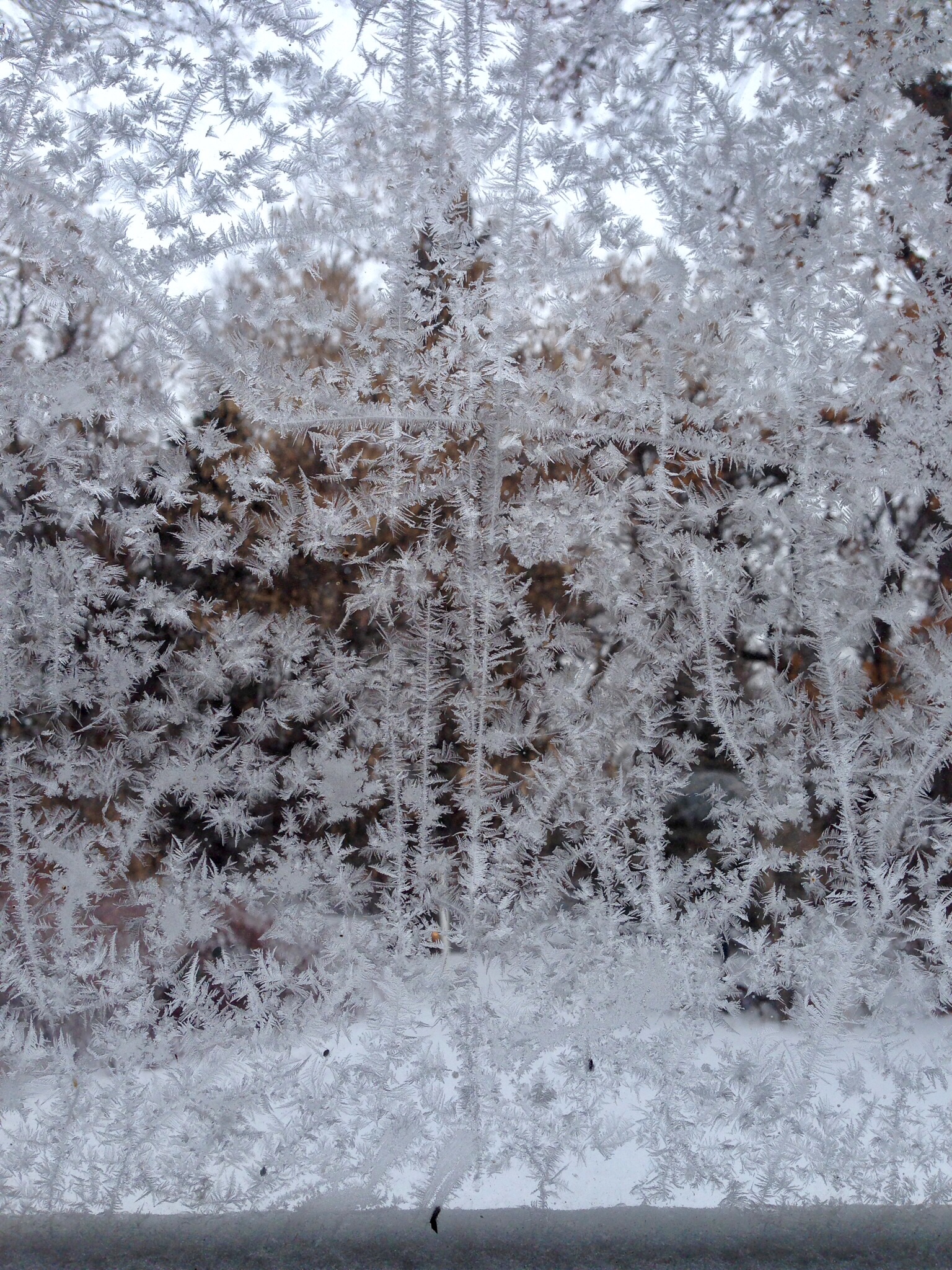
Spring is when vision clears.

The Hartland band marched down the street. I’m not sure when this occurred, but I don’t think it was last week.

This scene is from New Richland, Minnesota, back in the days when you dressed up to go to a carnival.

From back in the days when people could put in their two cents’ worth this way.

As far as I know, no song was written about the wreck of the M & STL in Otisco, Minnesota.

An off-color house finch.

The Eldred Rock Lighthouse, located 20 miles south of Haines in the Lynn Canal, is the oldest original lighthouse building having been constructed in 1906.