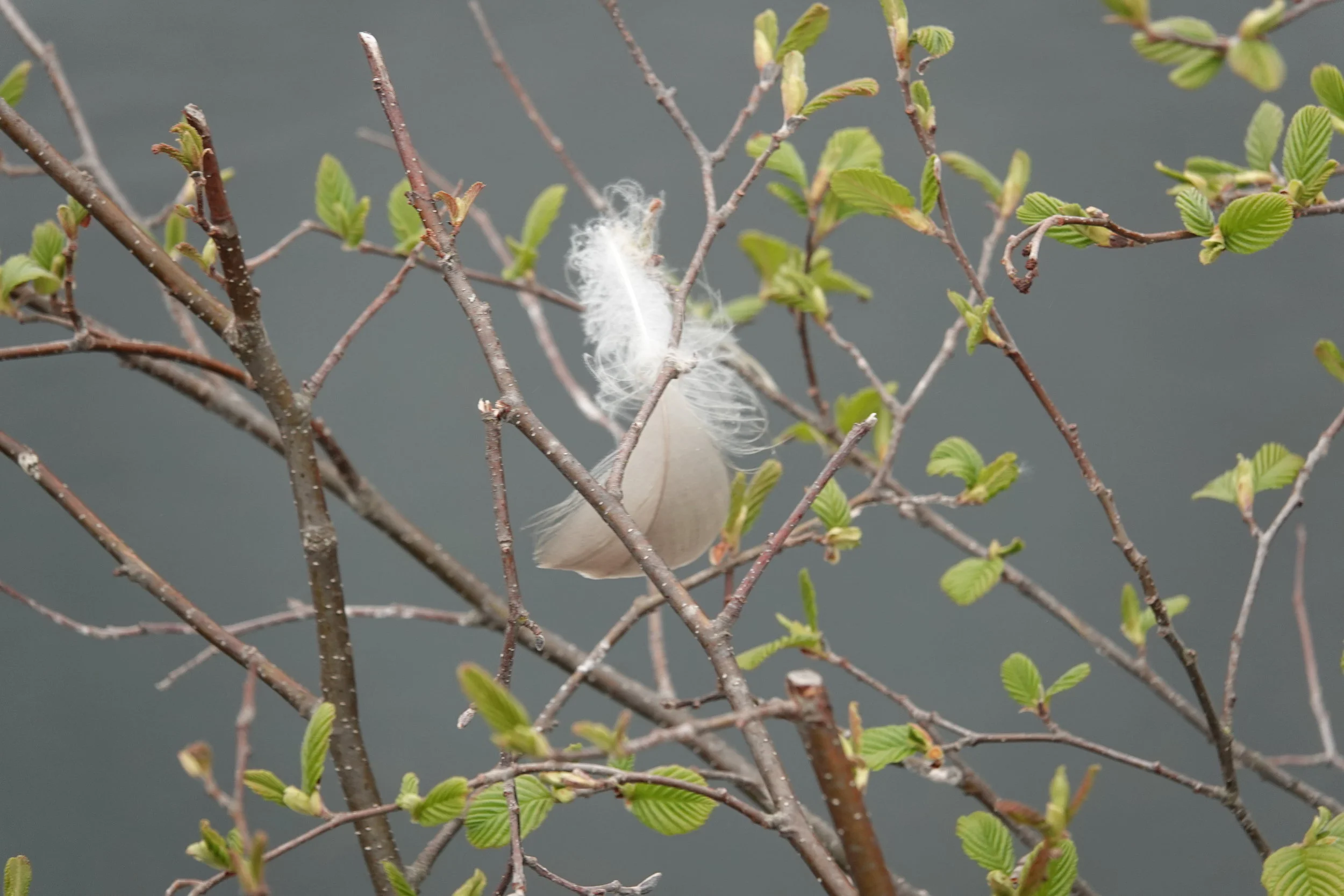
It’s the time of the year when everything seems to have feathers.
A yellow warbler losing yet another game of hide-and-seek.



It’s the time of the year when everything seems to have feathers.

A yellow warbler losing yet another game of hide-and-seek.



The yellow-headed blackbird’s song sounds as if it is being strangled.


The indigo bunting breeds from southeastern Saskatchewan east to New Brunswick, and south to central Arizona, central Texas, Gulf Coast, and northern Florida. It is very tired.

Trout lily.

What happens when you hug a tree.

A chipmunk using its cheeks as lunch boxes.


A common yellowthroat wears a mask.

A yellow-rumped warbler looks at home with the dandelions.

The Wilson’s warbler wears a black crown.

An American redstart. Start is an old English word for tail. In Latin America, the redstart is called candelita or "little torch."

Shadow tail.
Al Batt on KMSU radio.
https://soundcloud.com/kmsu/al-batt-05292018
by Al Batt, albertleatribune.comMay 26, 2018 09:00 AM
A nest of barn swallows. - Al Batt/Albert Lea Tribune
Al Batt of Hartland is a member of the Albert Lea Audubon Society. Email him at SnoEowl@aol.com.
My neighbor Crandall stops by.
“How are you doing?” I ask.
“Did you hear that Jane Johnson is marrying John Johnson‘s son, John Junior? They’re going to hyphenate their last name. So it will be John and Jane Johnson-Johnson, Junior. Pop finally got hearing aids. Ma hasn’t stopped talking since he got them. She says it’s been years since he has heard anything she has said. She saved it all and is letting him hear it. I see the neighbor has an old pickup planted in the middle of his lawn. Why did he do that?”
“He didn’t want to get a gnome,” I said.
“I had to take time away from slaving on my Hostile Acres Farm to attend to some family matters. It involved more than enough traveling. I’m always happy to get home. My bathroom understands me. I love having the home-bathroom advantage.”
Naturally
I had the blues. And I was happy to have them. There were six male indigo buntings at the feeders. It made me want to hug a cardinal. There was a female bunting, too, a lovely brown bird. Some might call her an LBJ — Little Brown Job.
The morning’s birdsong was a flawless symphony. An egret flew over. As egrets go, it was a great one. Bobolinks sang a song that has been described as “a tinkle of fairy music, like the strains of an old Greek harp.” Bobolinks wear black tuxedos with the wrong side at the front. Most birds with contrasting plumages are light underneath and dark on top. Not bobolinks.
The horned lark, the only native lark in North America, begins nesting early in spring and the tinkling songs of the males come from high overhead. The “horns” of the horned lark are feather tufts. A great crested flycatcher covered in feathers of earth tones pursued flying insects in the yard. I spotted turkey vultures in a dead tree. That seemed appropriate.
A squirrel ran past. They can run up to 20 mph. They work up a sweat that way, as they have sweat glands in their feet.
Jeff Bahls of Beaver Dam, Wisconsin, told me that he’d spotted a barred owl eating nightcrawlers on a road.
There are mysteries to bird migration. The wandering of birds leaves me wondering. Birds can be expected, but they can confound expectations.
A red fox trotted through my yard. I was happy to see it. A study by an ecologist at the Cary Institute of Ecosystem Studies found that where Lyme disease is found, it occurred most often where fox numbers were the lowest. The reason is because red foxes are effective predators of mice, major carriers of Lyme disease.
The day’s red-winged blackbird’s opponent was a bald eagle. The blackbird was fighting out of its weight class, but it hectored the eagle enough that it landed in a farm field. The feistiness of a redwing is impressive.
I heard “kek-kek-kek” coming from on high. It was the call of a Cooper’s hawk, the chicken hawk of my boyhood days. I hear that sound often when I’m near the raptor’s nest. An impressive aerial skirmish took place. A crow and the hawk fussed with one another. Then a second crow came in like the cavalry to put the hawk on the run. They forced the Cooper’s to land in a tree. The crows turned to fly away and the hawk came shooting out of the tree at breakneck speed and chased both the corvids out of the neighborhood.
Q&A
Mary Thostenson of Ellendale asked if goldfinches will nest here. The American goldfinch’s main natural habitats are weedy fields and floodplains, where plants such as thistles and asters are common. They’re also found in backyards, cultivated areas, orchards and roadsides. Goldfinches can be found at feeders all year. They don’t start nesting until July when the fibers, such as thistle down, they need for nesting material become available.
Dennis Seaton of Emmons asked how to prevent barn swallows from nesting under the eaves of a house. It has been speculated that one reason swallows choose to nest close to humans is because that keeps crows and other predators away. In some cultures, it’s considered good luck to have barn swallows nest on a house. To prevent barn swallows from nesting on a building, cover the area with bird netting, chicken wire, aluminum foil or plastic cling. It’s generally four weeks from the time the swallows begin incubating eggs until the young leave the nest.
Thanks for stopping by
“Show respect to people who don’t even deserve it; not as a reflection of their character, but as a reflection of yours.” — Dave Willis
“Character is like a tree and reputation its shadow. The shadow is what we think it is and the tree is the real thing.” — Abraham Lincoln
Do good.


My father called the yellow warbler a summer warbler.


The Blackburnian warbler was named after the botanist Anna Blackburne.
The baseball team could have been named the Baltimore Blackburnians.

The betting window was busy at the duck races today. These two blue-winged teal swam bill-to-bill.
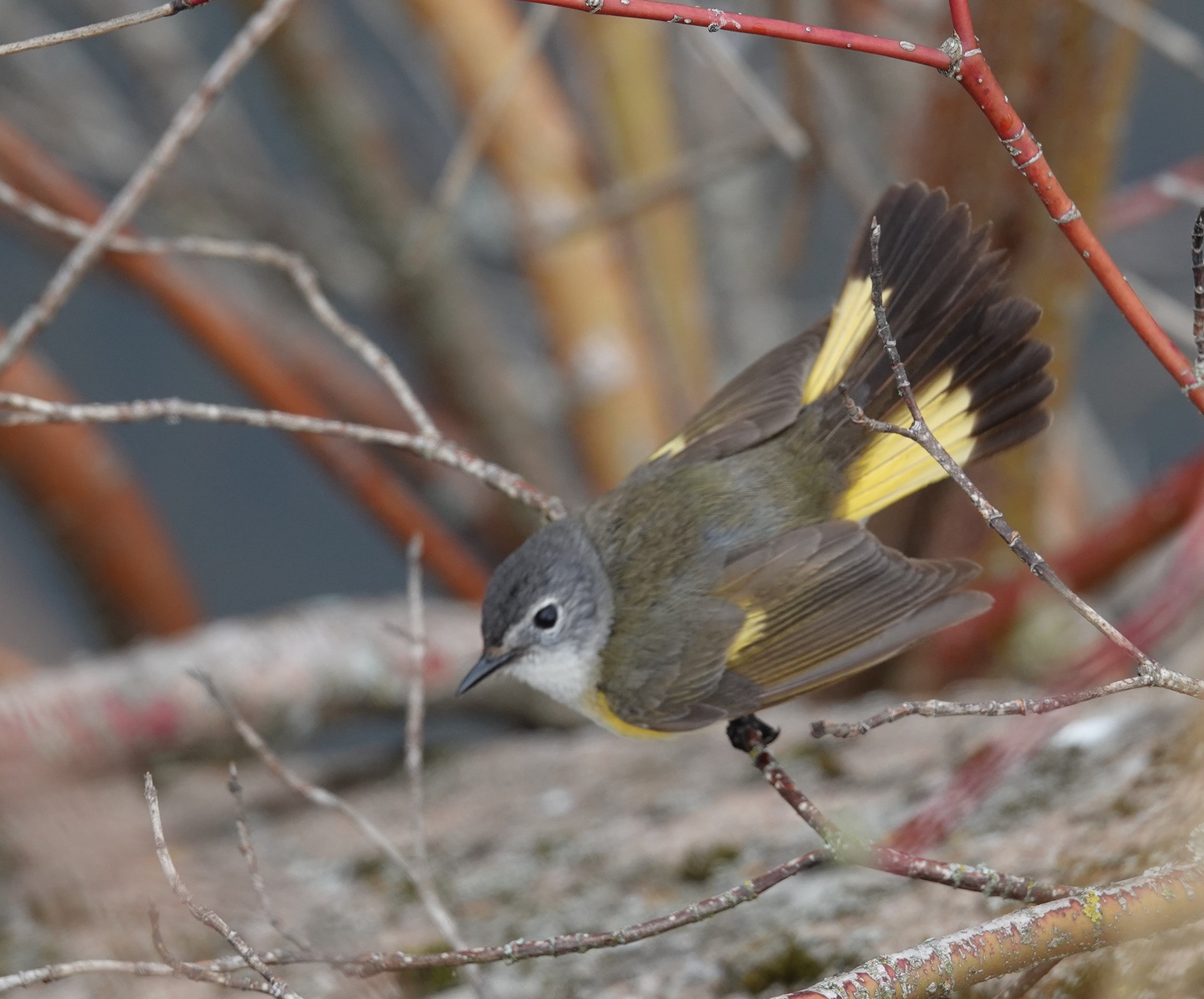
A female American redstart. A snazzy little hen is this butterfly of birds.


Singing in the rain.

Hoping for a good crop of purple martins this year.


Works better than a “Keep off the grass” sign.

I remember a fall day in Manteo, North Carolina

Large-flowered trillium allowed me to tiptoe through trillions of trillies.
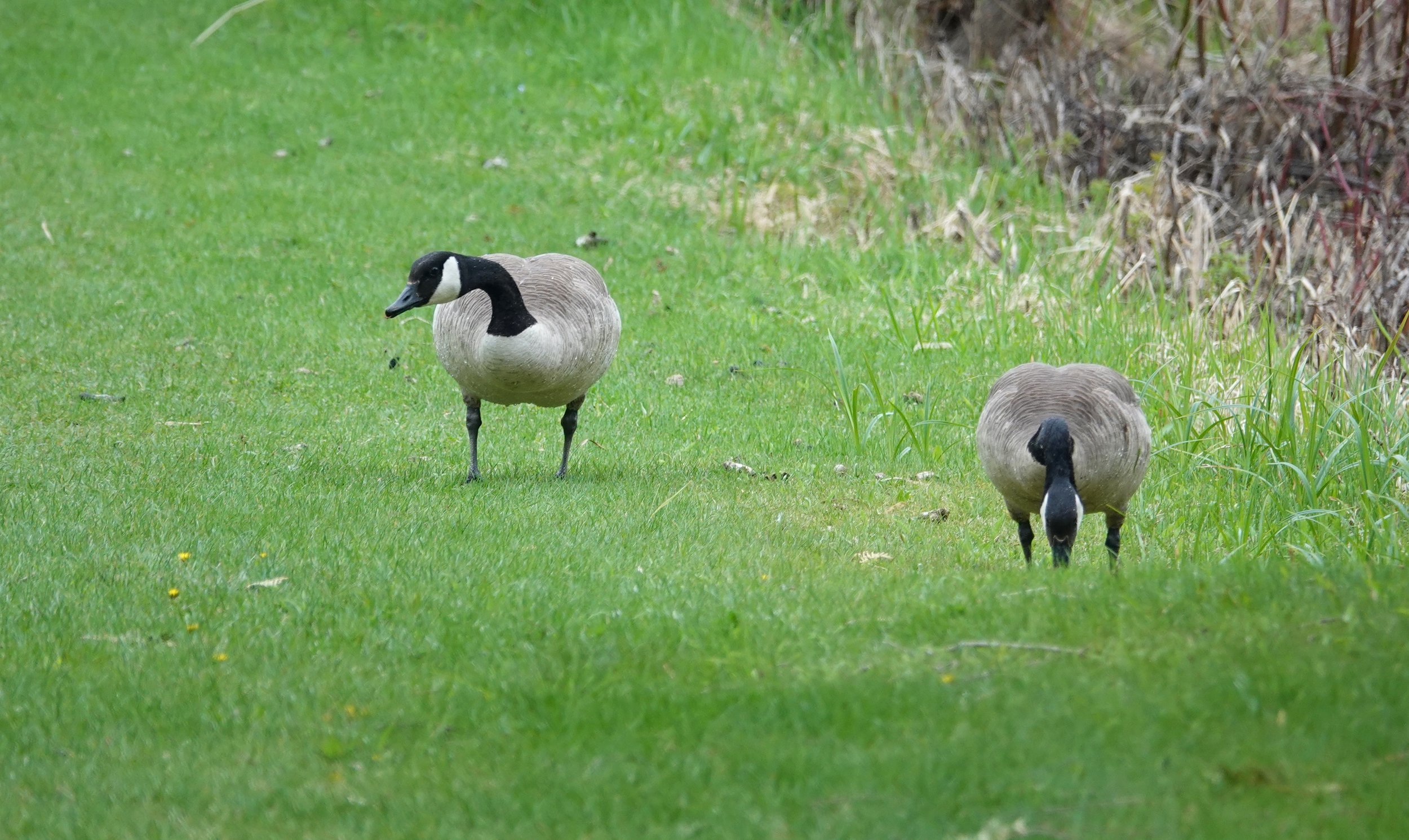

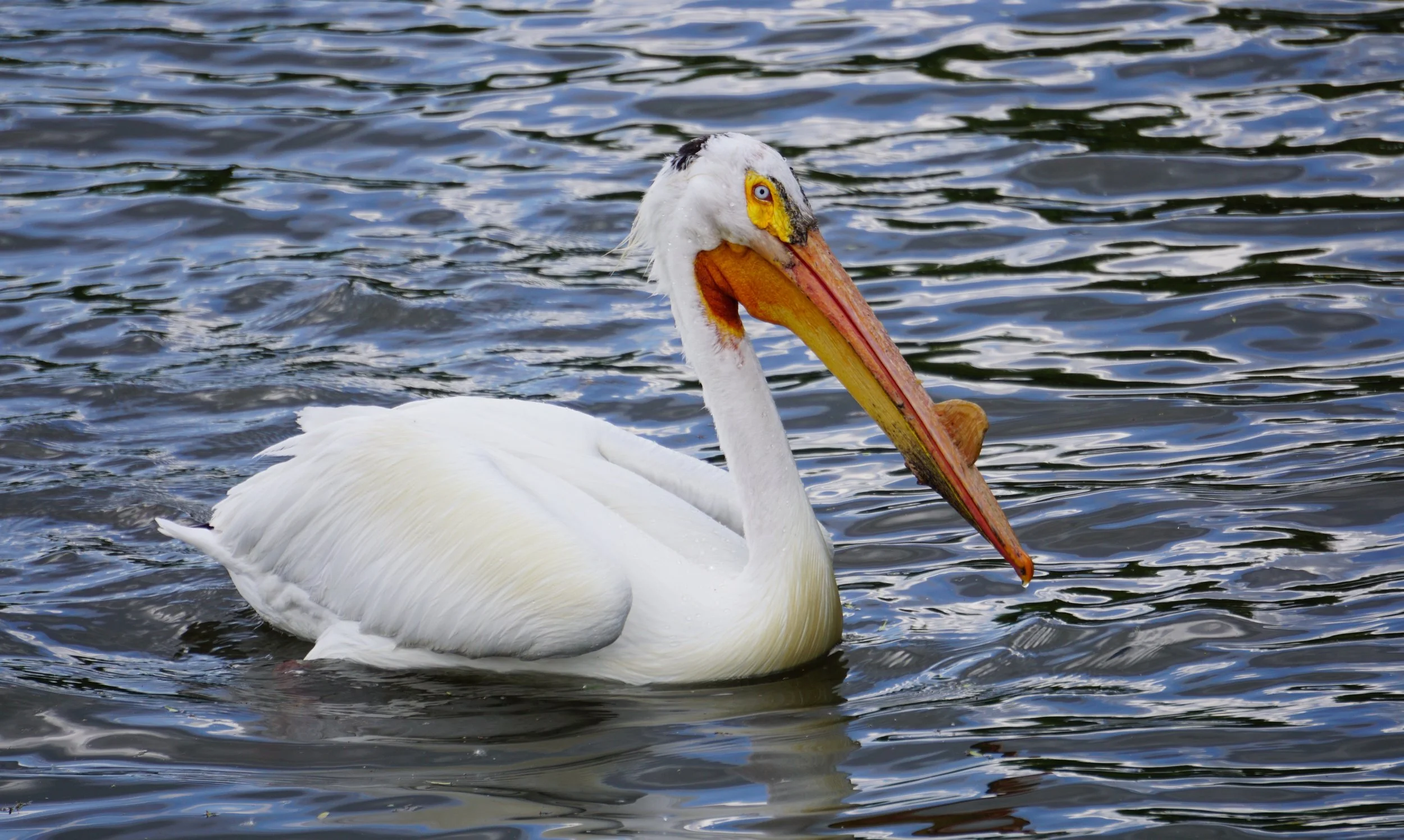
As egrets go, this was a great one.
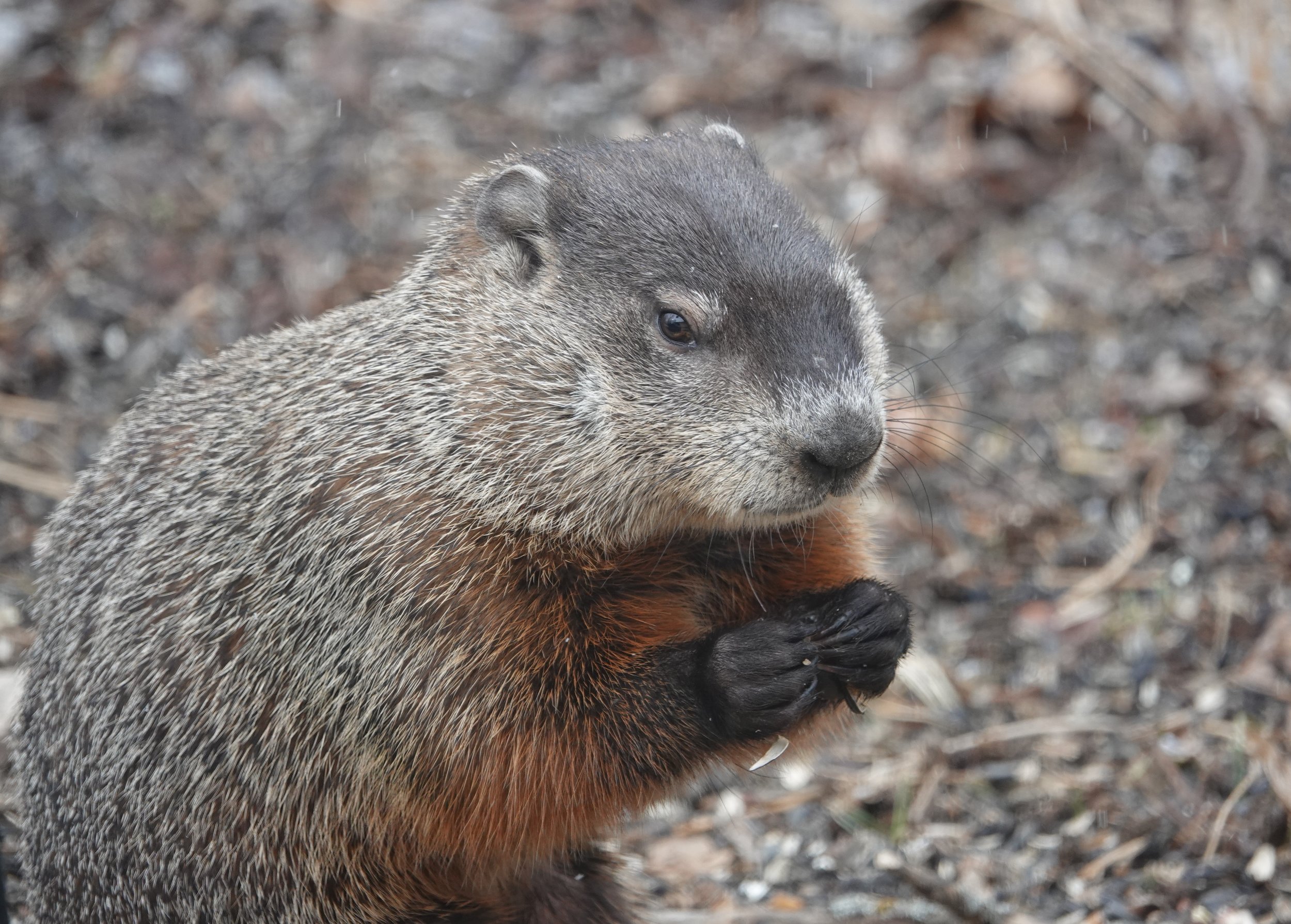
A woodchuck taking a break from chucking wood.

This woodpecker didn’t know his own strength.

Tools for picking corn by hand.

A crane that erects wind turbines.


When I was in Bayfield, Wisconsin, I was a real blockhead.

I was charged by this mallard hen. Either someone had been feeding her or it was an annual event, The Running of the Ducks.

I nearly stepped on this nesting Canada goose. That would have resulted in a confrontation.

Bat houses.
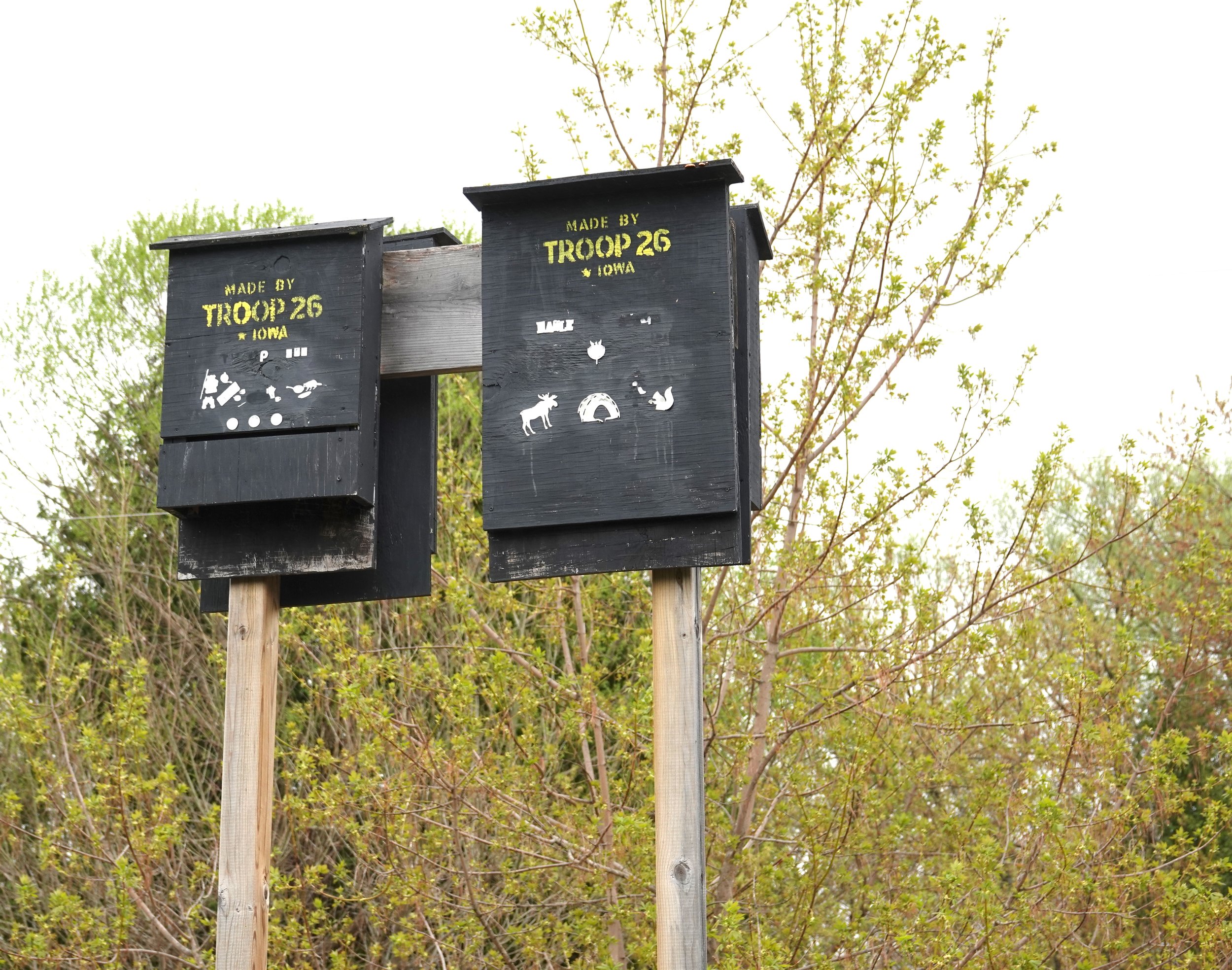

The marsh marigold is a plant I called cowslip when I was a lad.

by Al Batt, albertleatribune.comMay 18, 2018 04:18 PM
Nature’s World by Al Batt
My neighbor Crandall stops by.
“How are you doing?“ I ask.
“Everything is nearly copacetic. I’m as busy as a nudist camp mosquito. I’m pretty satisfied with myself, but I’m easy to please. Pop told me I should go to the bank and borrow more money. He believes if you owe a bank $1 million, the bank owns you. But if you owe a bank $10 million, you own the bank. Pop has more dough than a deep-dish pizza, so he has to worry about other things. He was worried because he couldn’t remember what shirt he’d worn yesterday. He’s solved that problem. He’s going to wear his favorite shirt every day. I’ve found that people do care. A fellow fell on the sidewalk the other day. Other people were careful not to step on him. My neighbor mowed his lawn. Talk about peer pressure. The grass has grown too tall for my mower. I’ll have to mow it even though in just six weeks, it’ll need mowing again.”
Naturally
I’m a sustaining member of the fanatic bird feeders of my zip code.
As I came out of the house to fill the feeders, the first three birds I saw were a house finch, house wren and house sparrow. That seemed appropriate.
The yard had become Goldfinch City as the chatter of the tiny birds filled the air. I saw a Swainson’s thrush looking something like a coloring-book robin that hadn’t been completely colored. Male birds sang for the ladies. An avian serenade. Orchard orioles, while their chatter is similar, don’t whistle like Baltimore orioles, but sing more like a house finch. Carpenters worked in the yard. Woodpeckers, nuthatches and chickadees excavated nesting cavities in trees. A chipmunk being chased by anotherchipmunk ran over a fox squirrel feeding on the ground. The squirrel was perturbed, but the chipmunks had quickly left the scene.
Gardening was on my mind. Ancient Romans planted seeds on dirt-filled carts and rolled them into the sunshine. Rhubarb, native to Central Asia, first appeared in American seed catalogs in 1829 and is called “pie plant” by some.
From the car, I saw coots eating grass, walking as if they were wearing clown shoes. Magnolias bloomed, their flowers appearing before their leaves. I visited the National Wildlife & Fish Refuge, which covers 261 miles of Minnesota, Wisconsin, Iowa and Illinois. In 1972, the refuge had one bald eagle nest. Now it has over 250 active nests. Bald eagles incubate their eggs for 35 days with the young fledging in 12 weeks and the adults weighing 8 to 14 pounds.
Color-coordination is overrated. Each time I see a sunset, I’m reminded that orange goes well with any color.
Q&A
Jim Lageson of Ellendale wrote about young great horned owls on branches and wondered if the owls eat carrion. Young great horned owls move onto nearby branches when they are about 6 weeks old. They are capable of short flights at around seven weeks of age. There can be a significant age difference in owlets as the mother typically lays an egg every couple days until the clutch is complete and starts incubating as soon as the first egg is laid. The eggs laid first hatch soonest. After leaving the nest, the fledglings remain close for several weeks, often roosting together in a tree near the nest. They react to the sight of their parents with begging calls and flights aimed at the older owls. Fledglings keep company with their parents for most of the summer. The owlets’ noisy begging can be heard into October. Most nests are used for only a single season. By the next nesting season, the young owls will have left the territory. After dispersal, most young owls are excluded from breeding by the aggressive behavior of territorial owls. Great horned owls eat almost anything that moves and will eat carrion if they must, but it probably isn’t their favorite fare.
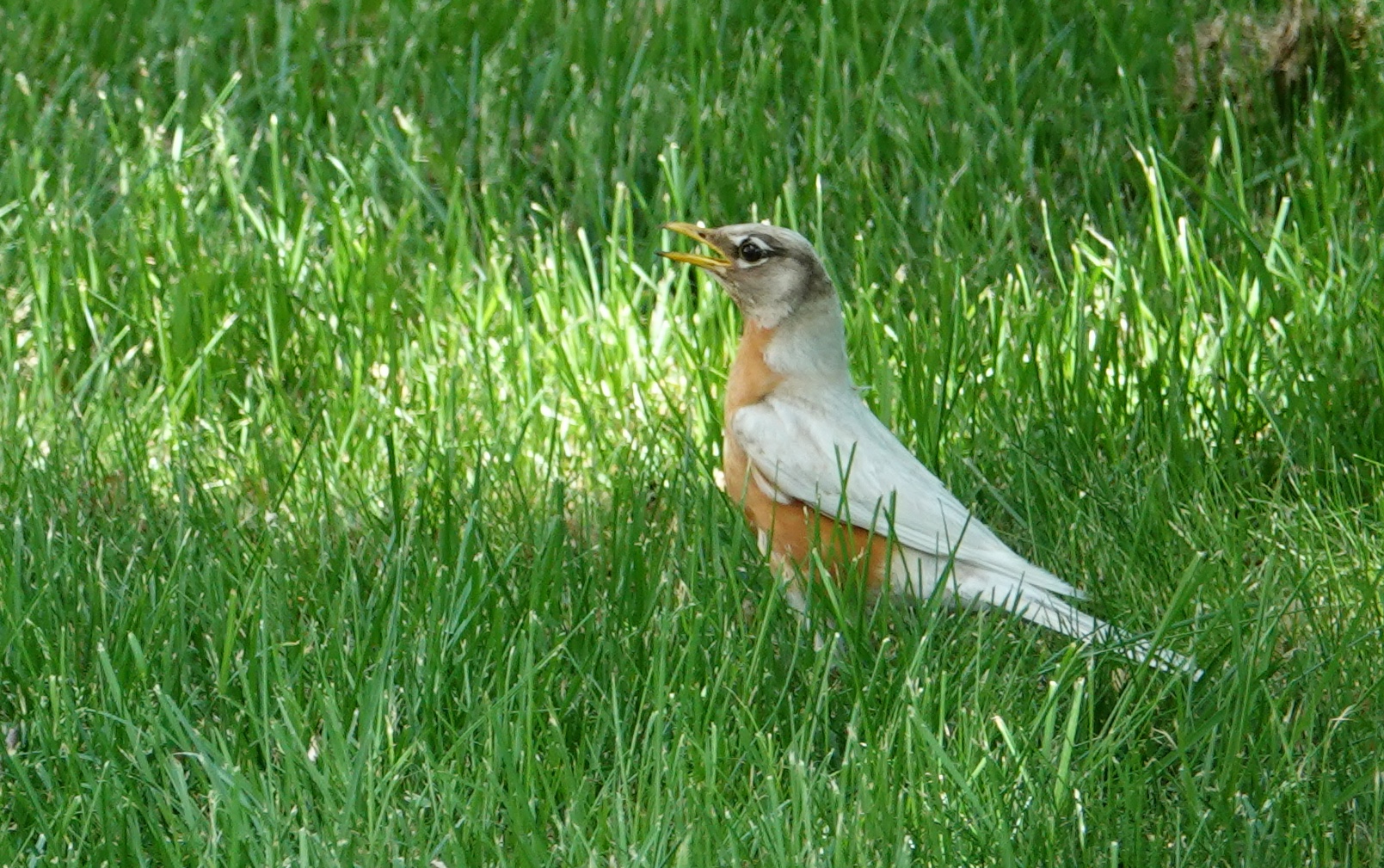
Pat Ryan of Rapidan saw a robin with white wings and wondered what was going on there. It sounds like leucism, a genetic condition in which pigments don’t reach all the feathers. This results in white patches or a pale plumage. The bird would retain the normal color of skin and eyes. Albinism, on the other hand, results in pink eyes and skin.
“Do fake owls work to keep other birds away?” No, but they do keep other fake owls away.
“Why do young birds leave the nest before they can fly?” It’s to the advantage of some young birds to get out of the nest as soon as possible because a nest full of loud baby birds attracts predators and the nests can have parasites.
Thanks for stopping by
“Every day may not be good, but there’s something good in every day.” — Alice Morse Earle
“To damage the earth is to damage your children.”— Wendell Berry
Do good.
Al Batt of Hartland is a member of the Albert Lea Audubon Society. Email him at SnoEowl@aol.com.
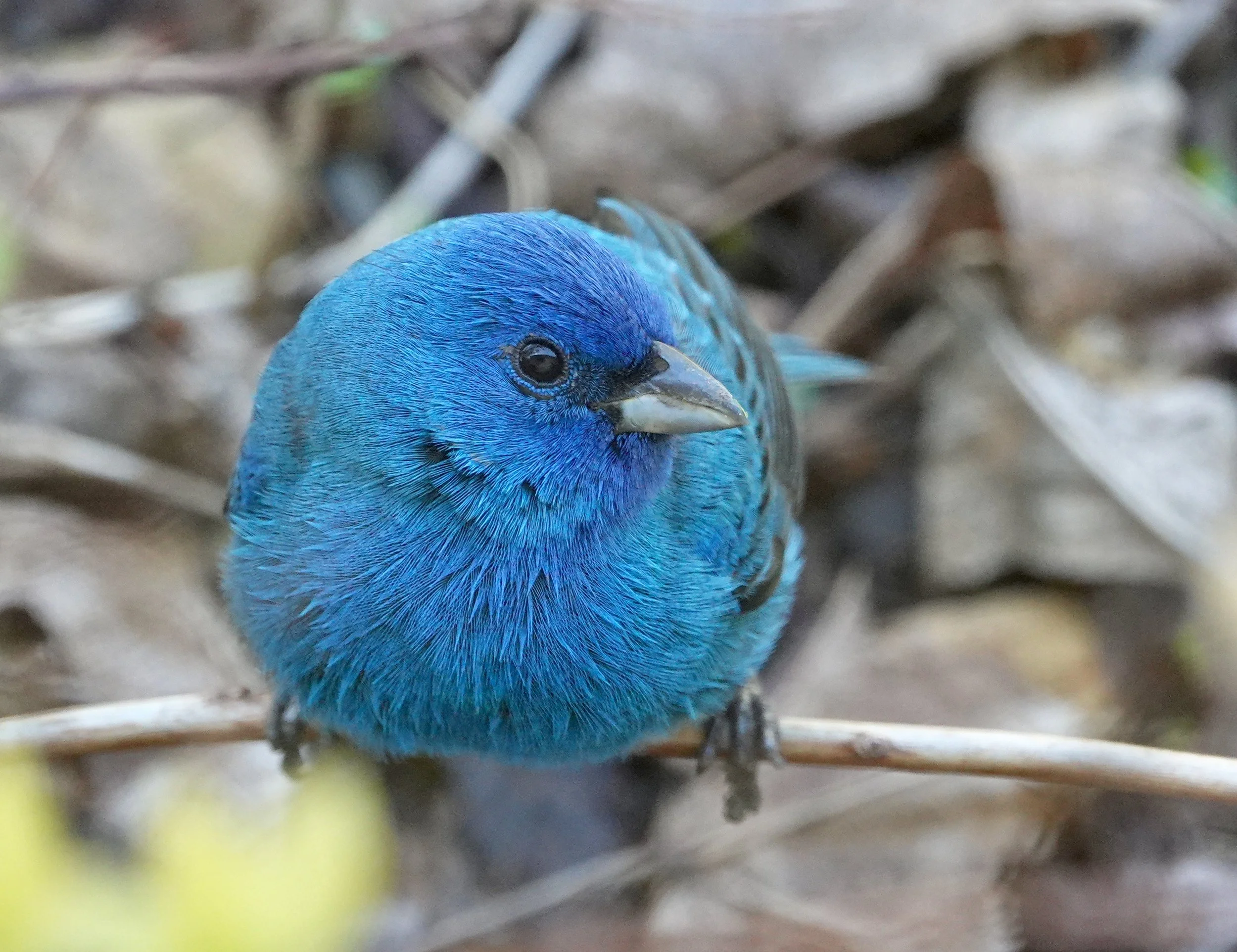


Red and white. Fight, fight, fight.
Flowers turn me into a cheerleader.


The cliff swallow is famous for its returns to San Juan Capistrano.

Cliff swallows build by mouth.


A mammoth seen at Horicon Marsh.


The tree swallow was just visiting.
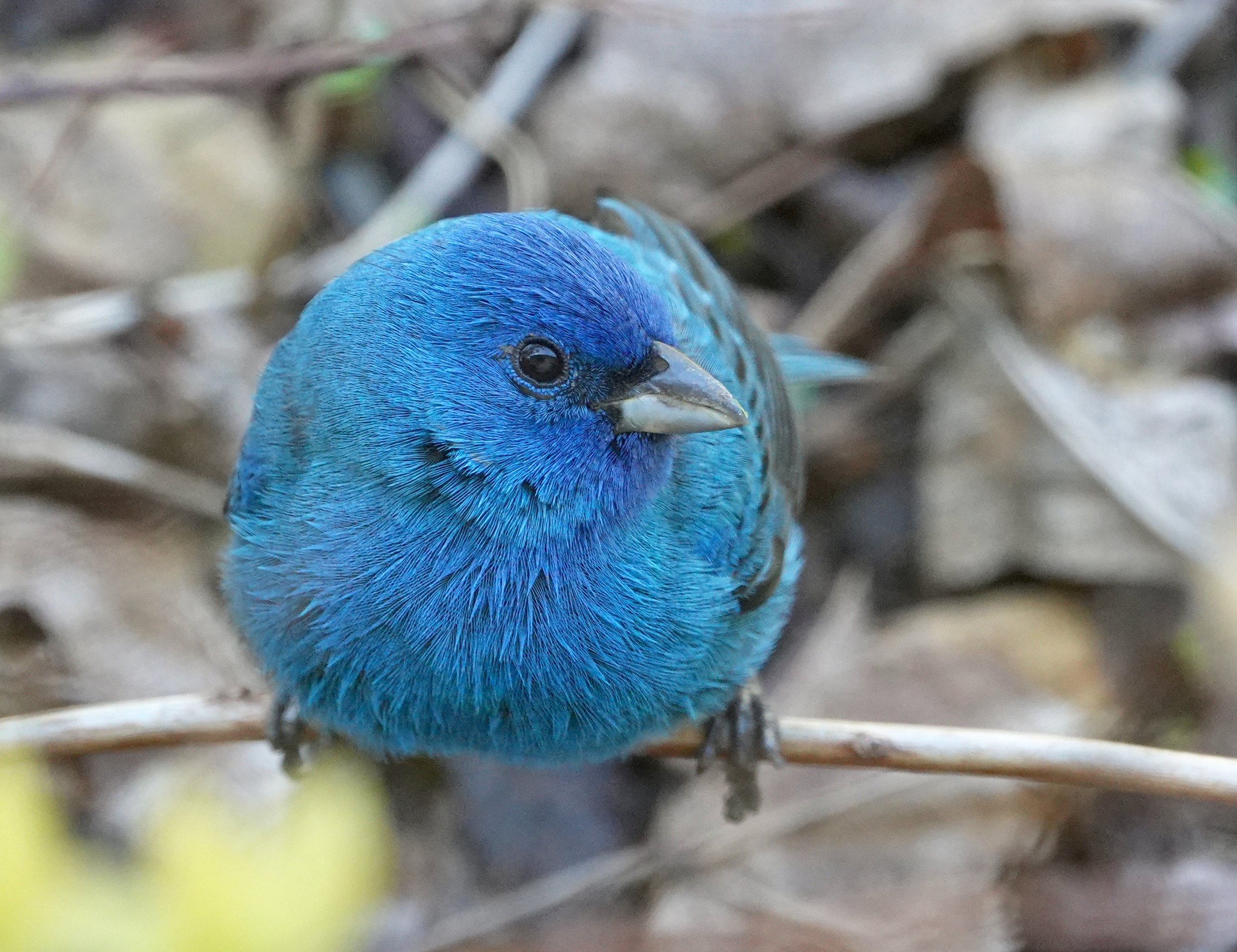

My wife puts out food for me and I put out food for the birds.

The Harris’s sparrow is the only songbird that breeds exclusively in Canada.

A wren house made from license plates.

I love this yellow warbler.
Prothonotary warblers and cluster flies.


A ruby-throated hummingbird not looking very ruby-throated.

A bad photo of a hummingbird’s handsome gorget.

A mewing gray catbird.

A gray catbird has lots of personality.

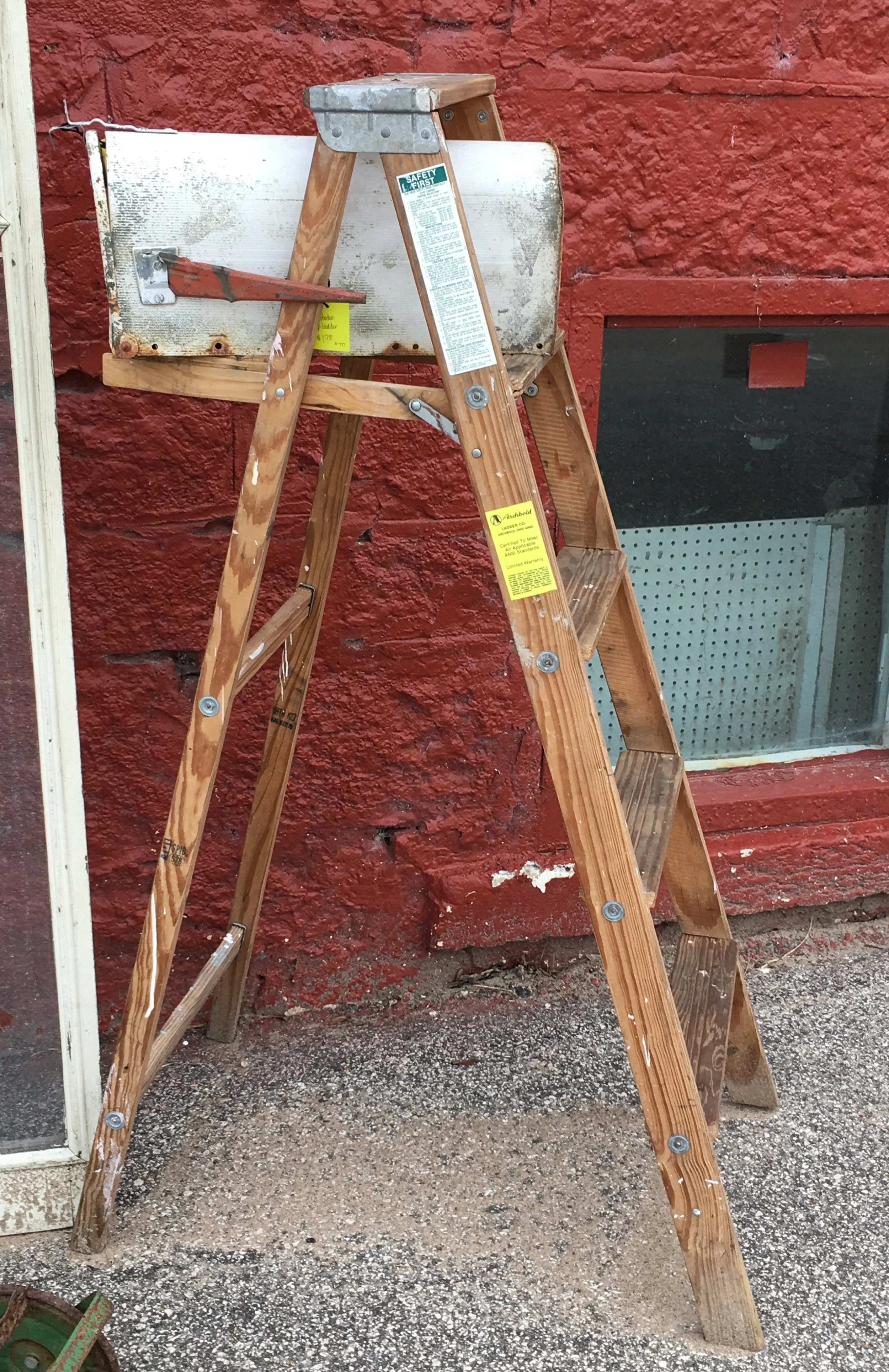
The perfect mailbox for the man who changes his address often.

A long view from Gavin Heights Park in Winona, Minnesota.

Sugar Loaf is likely the most photographed thing in Winona, Minnesota.

As I strolled by this garbage receptacle, a gray squirrel popped its head from this hole. The animal was probably expecting a delivery.


Male rose-breasted grosbeaks.


It was looking in the window as I was looking out.
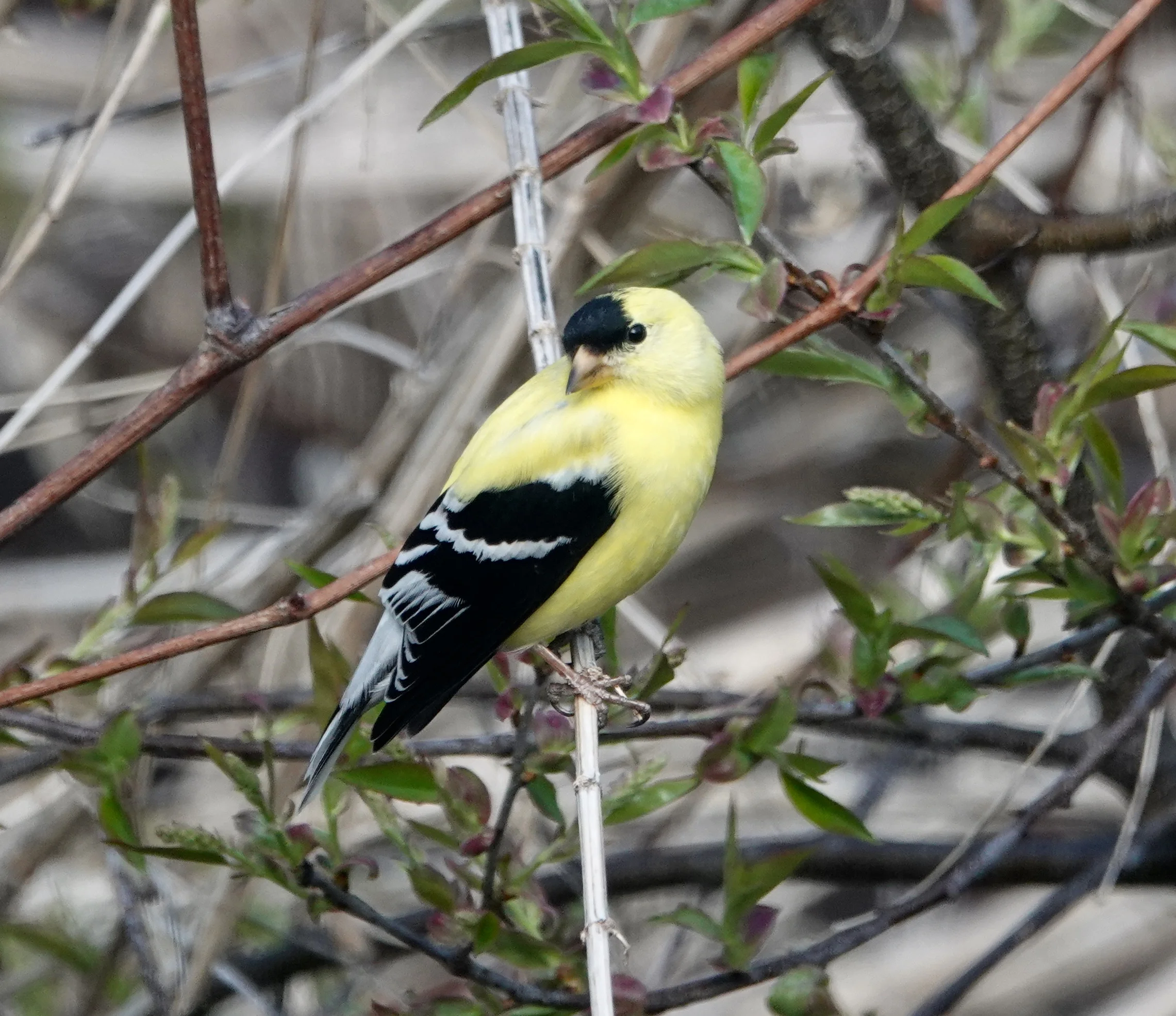
The gold of spring.
And now this brief word about nature.


Geese have a thriving business recycling grass into fertilizer.

A prothonotary warbler looking all prothonotary.


The prothonotary warbler played an important role in the Alger Hiss espionage trial (1948-1950). This involved the House Un-American Activities Committee and Whitaker Chambers. It brought Richard Nixon to prominence.

A song sparrow, the deluxe version.

Coots have difficulty finding shoes that fit.
A newspaper column about dancing lesser prairie-chickens.
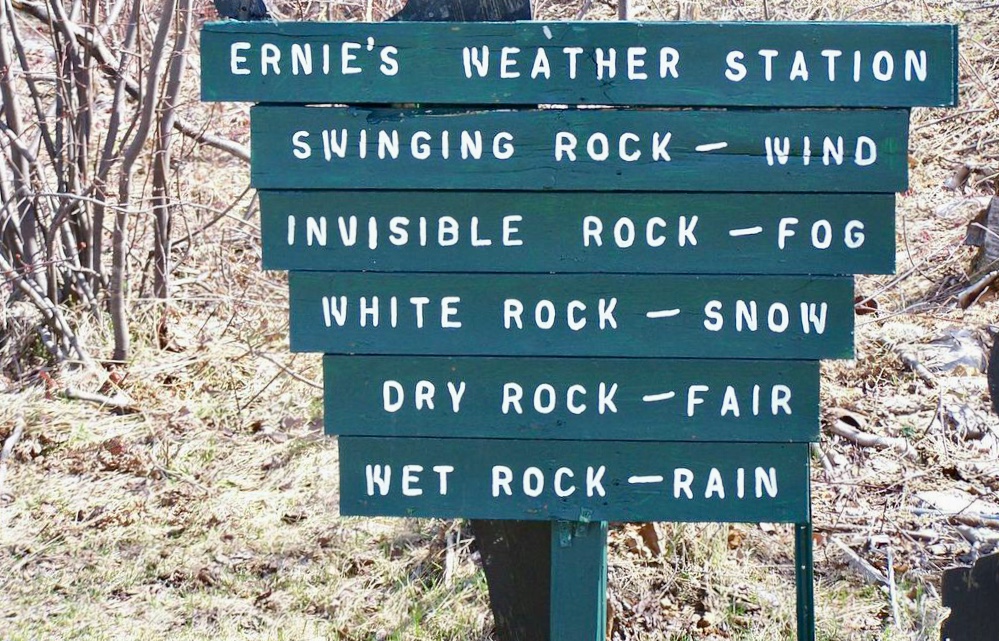

Each year, I herald the return of the purple martins. When there are no flying insects, it can be a sad event.

I think his name was Blackie.

Corn on the cob.

Orange you nice.
And a couple of radio shows.