
May the gull of happiness follow you all day, without pooping on you.
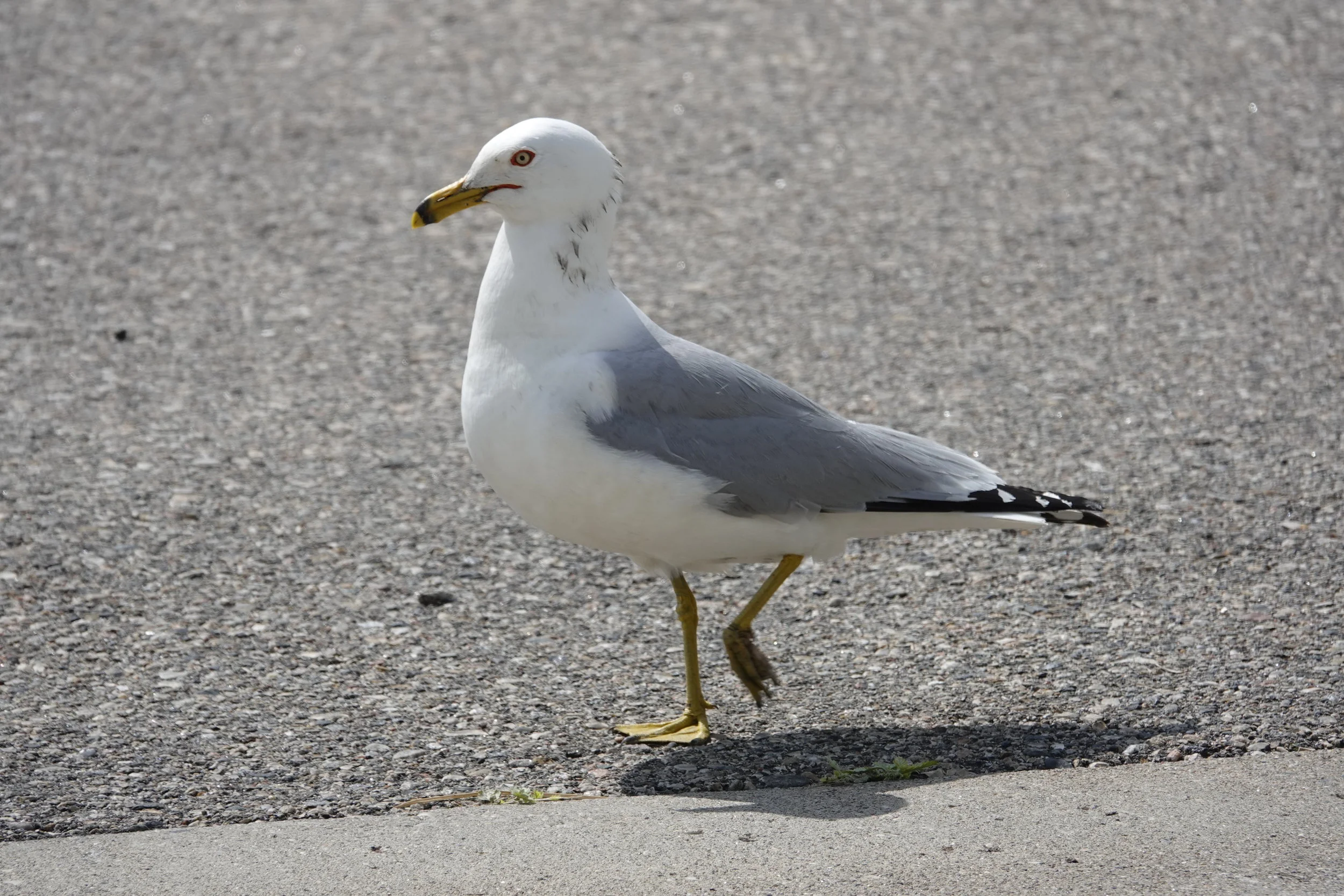
May the gull of happiness follow you all day, without pooping on you.


The yellow-headed blackbird’s scientific name is Xanthocephalus xanthocephalus, which means “yellow head, yellow head.”

A red-winged blackbird in need of a napkin.

I was eating sunflower seeds while watching this blackbird eat seeds.

An eastern kingbird feels right at home on barbed wire.
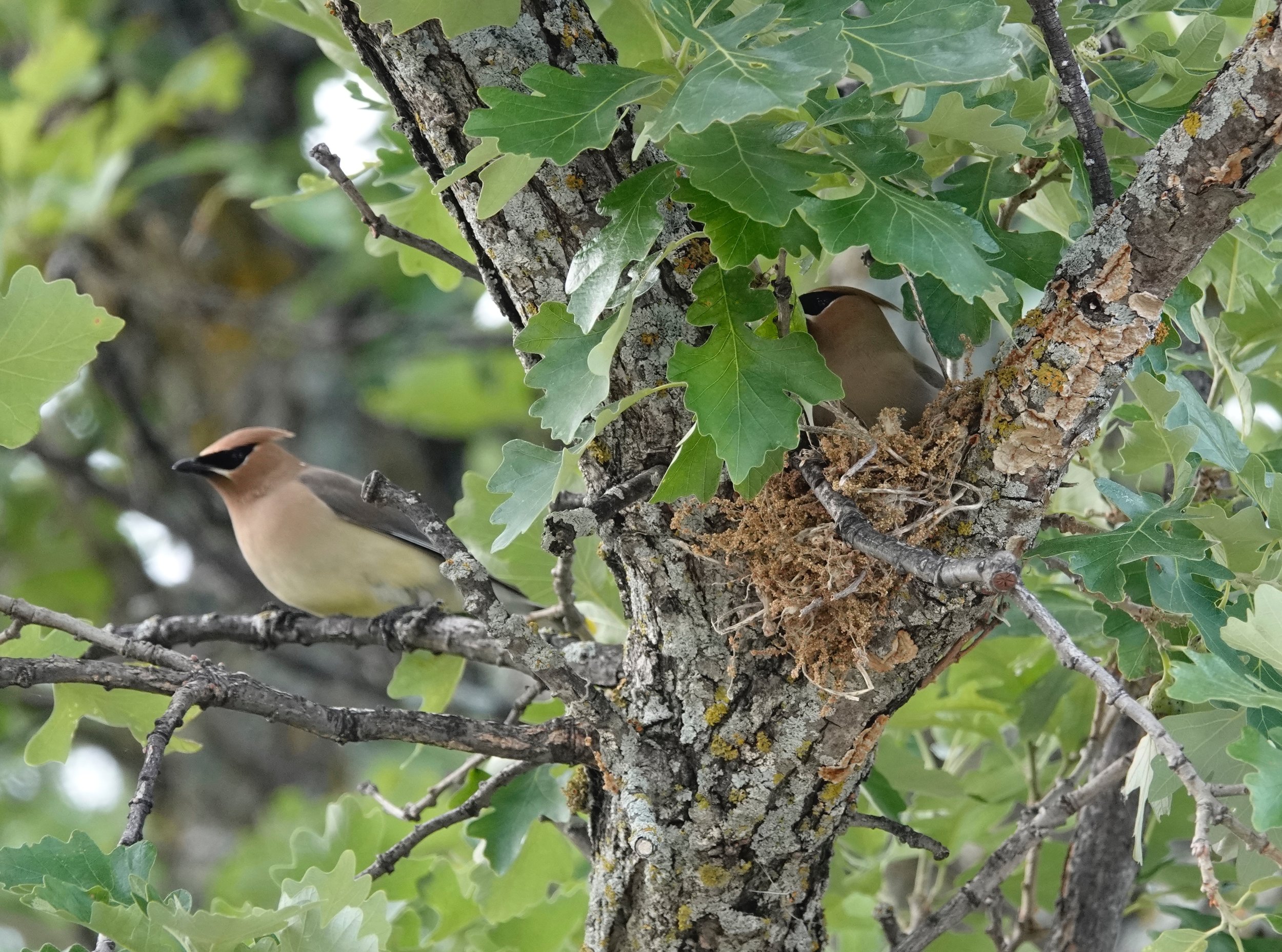
I watched cedar waxwings building a nest without once visiting Home Depot.

Cedar waxwings that became lovebirds.
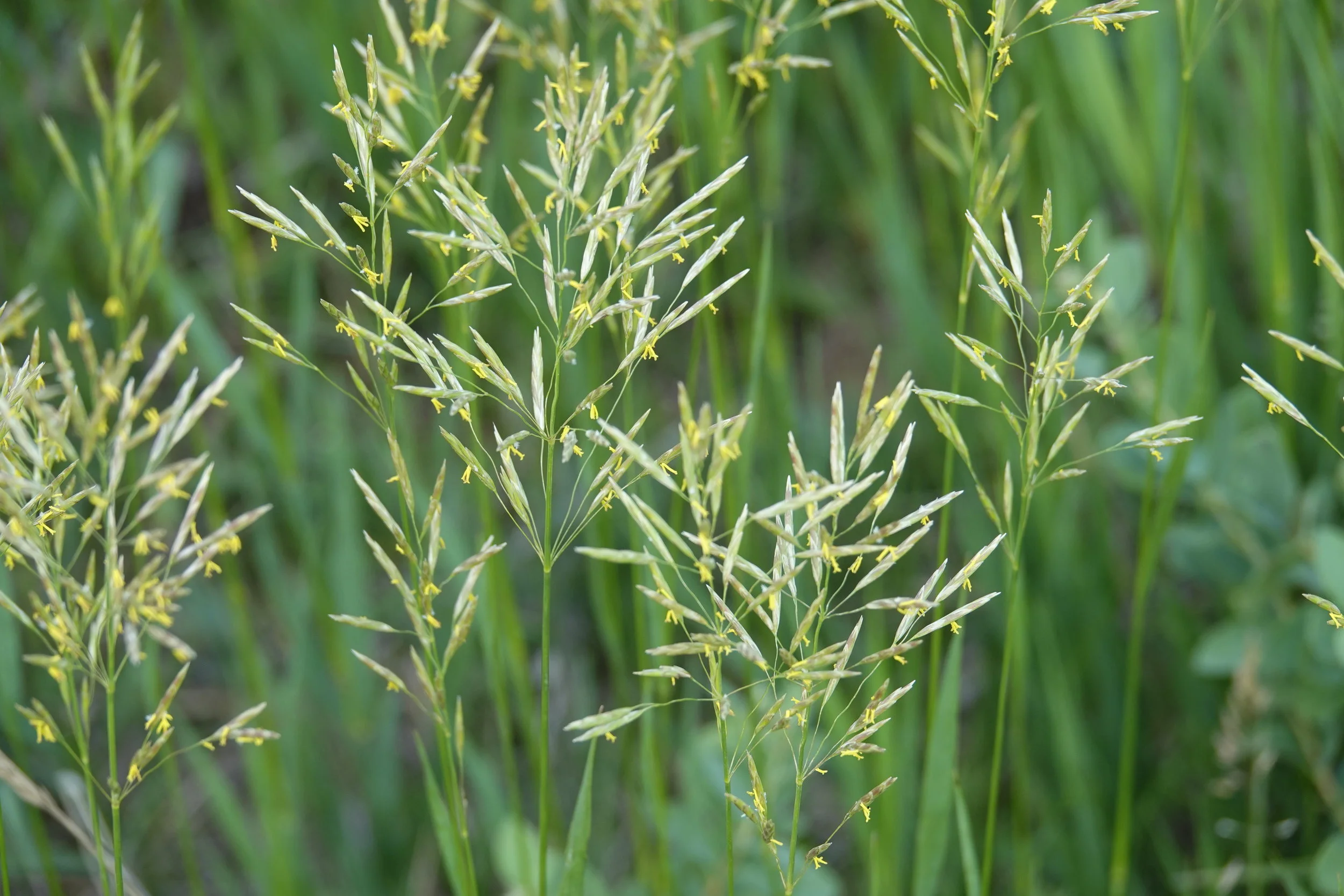
Bromegrass.

I heard someone refer to leadplant as “prairie shoestrings.”
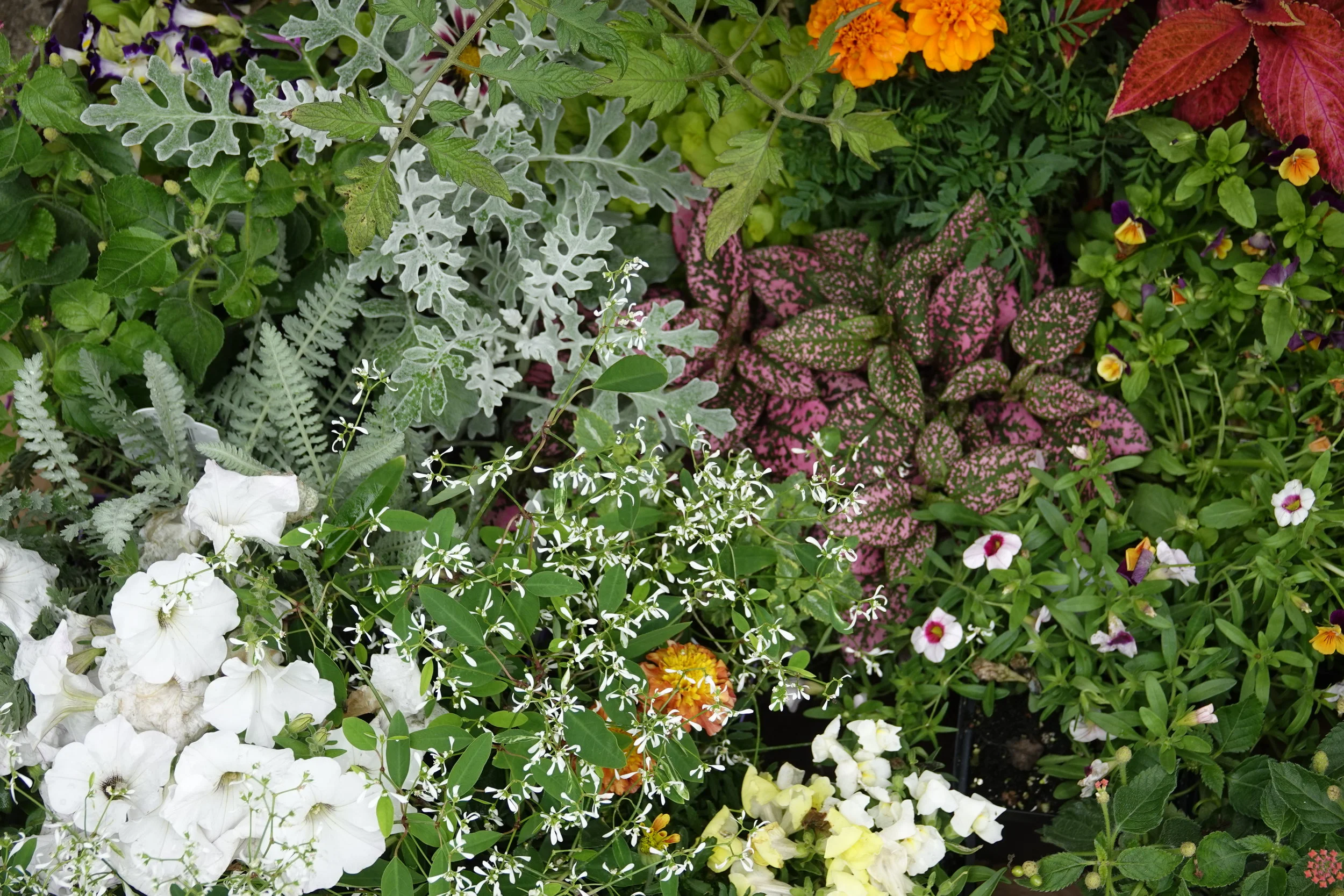
At the team meeting before planting.


A pheasant tiptoes through the dandelions.
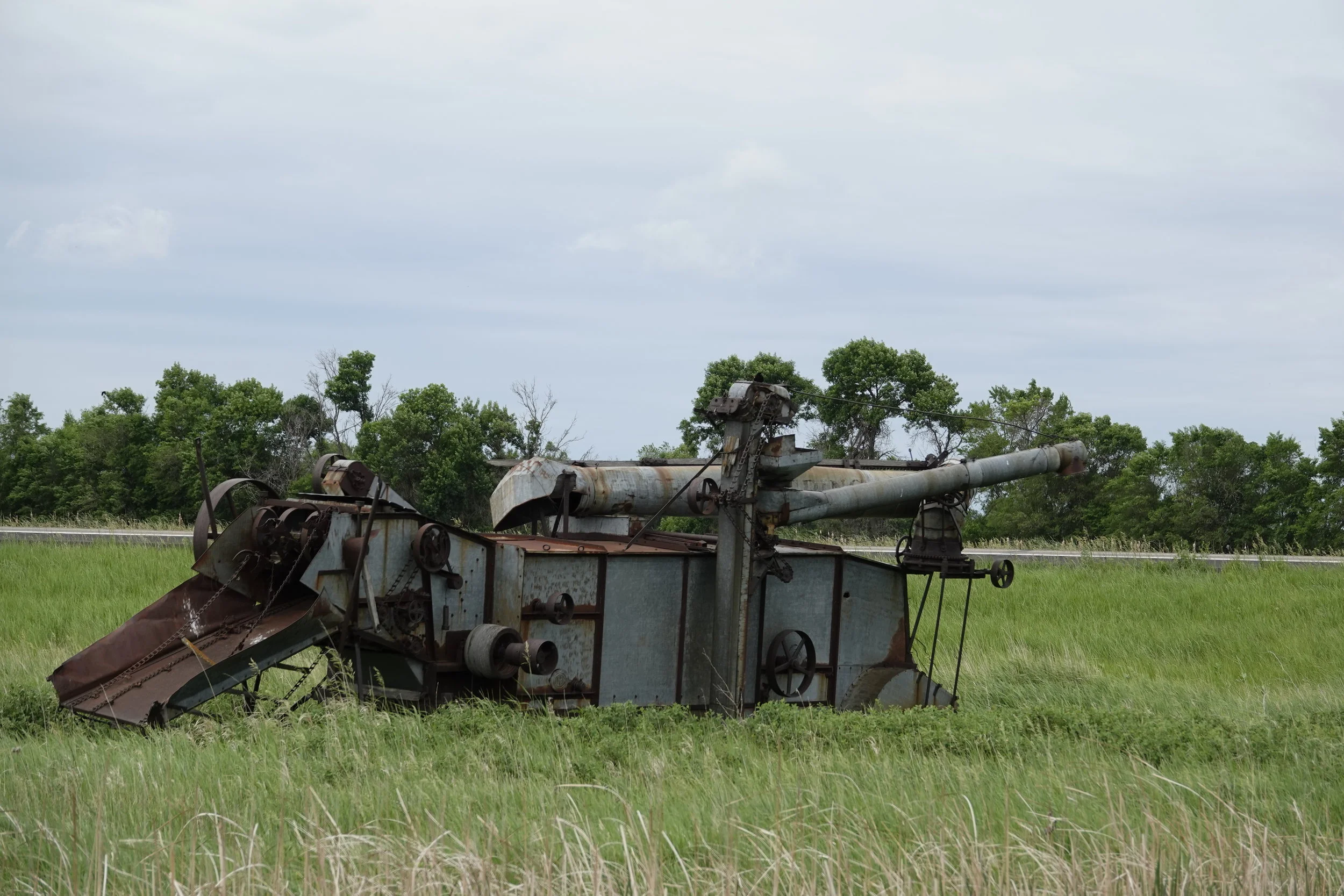
A brown thresher.

Sedges have edges and sedges have sedge wrens.
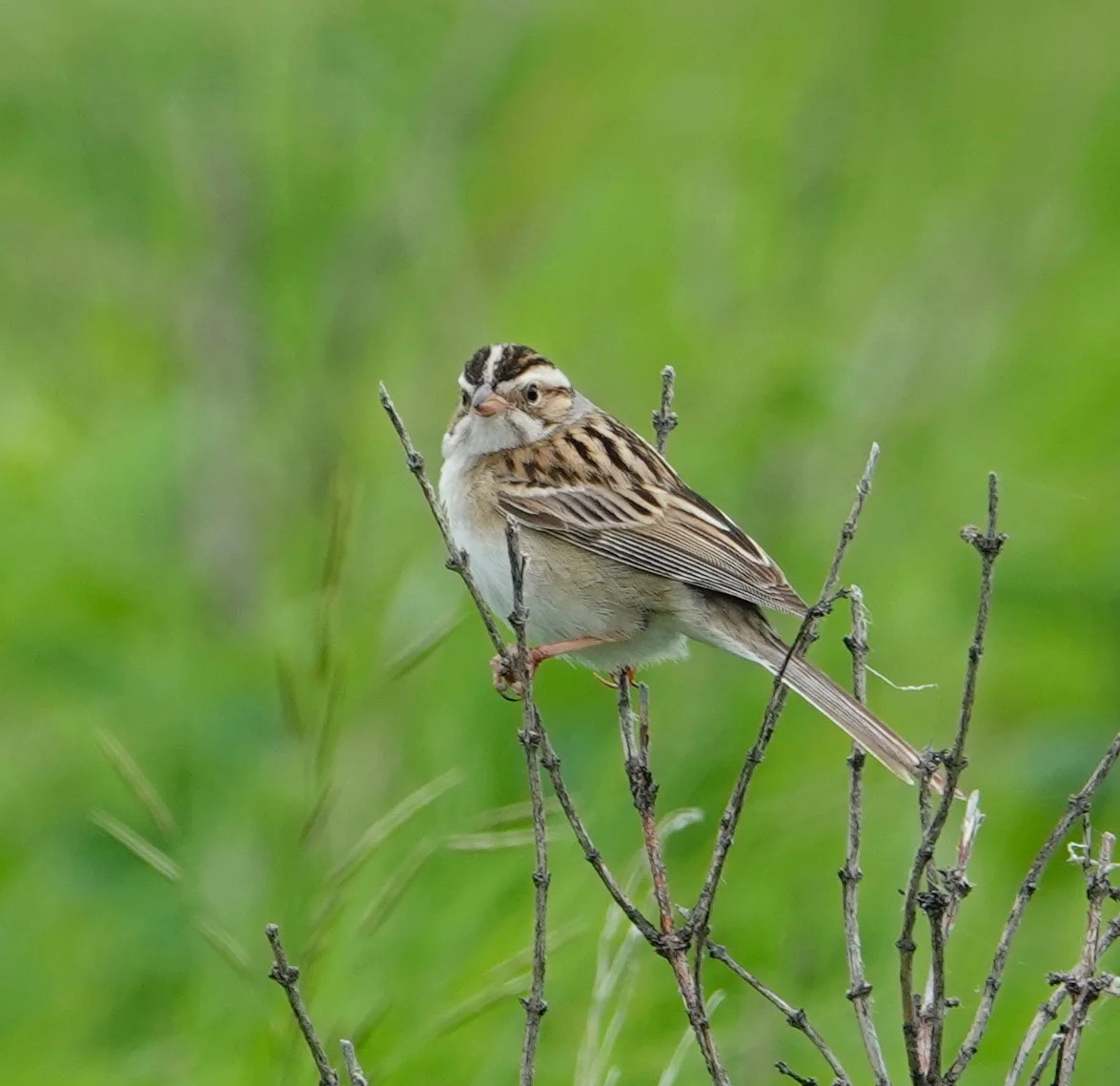
A clay-collared sparrow’s song is an insect-like buzz.

These North Dakota hills were no mountains to a high-stepping birder like me :>)

A yellow-headed blackbird attempting to hide.
June 18, 2018 "Birding with Batt" - Al Batt talks about birds, nature, weather, etc.... with Minnesota Morning host, Karen Wright.
https://soundcloud.com/kmsu/al-batt-06192018


hHis name is Bill. His career goal is to be an offense lineman in the NFL.

A roadside rose.

Good advice for driving in Minnesota.

They are big fans of the weather in Pingree, North Dakota.

A cowbird comes to a complete stop.
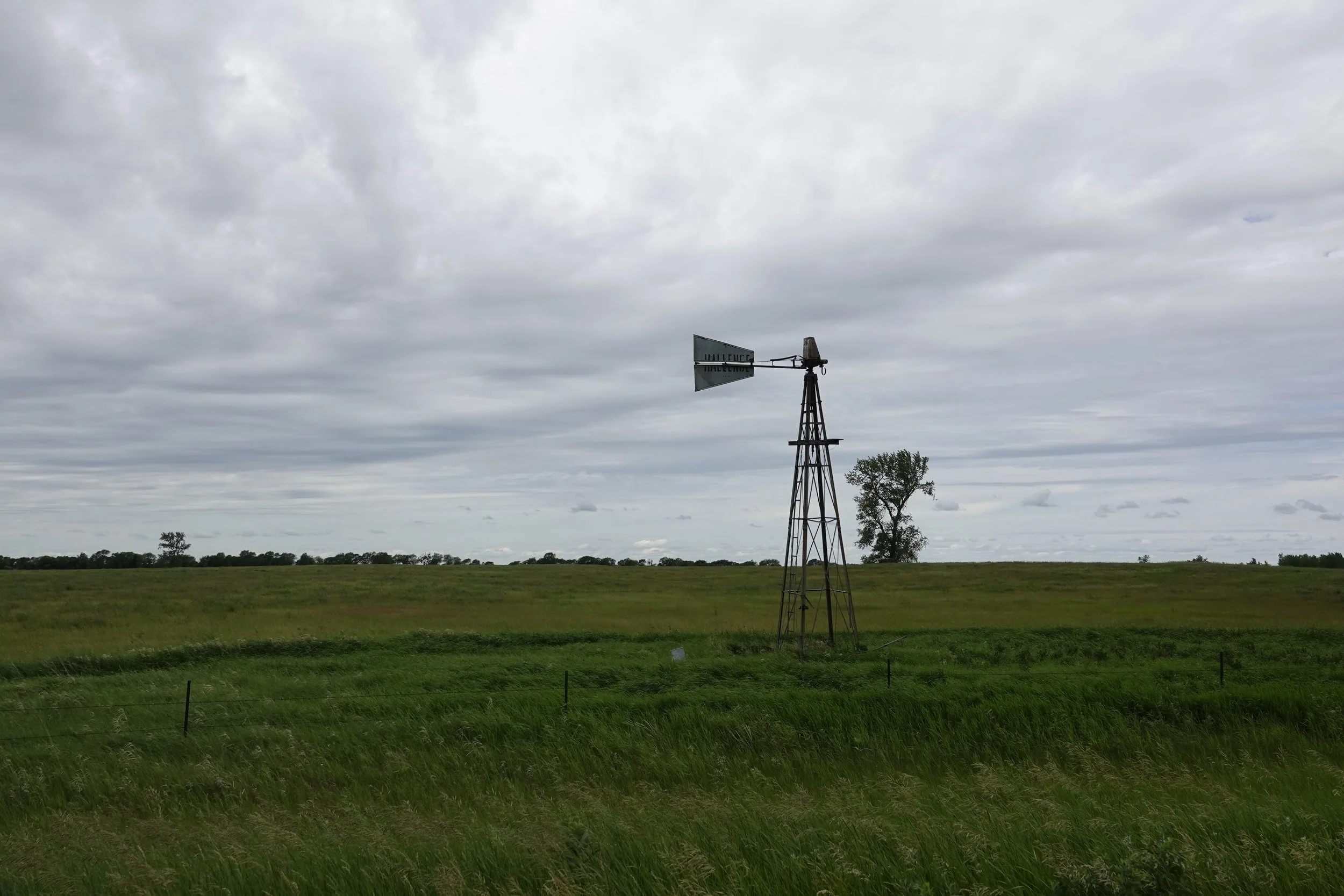
On the prairie, you notice when the wind stops blowing.

My wife gave me this wonderful gift because I’m a loonatic.
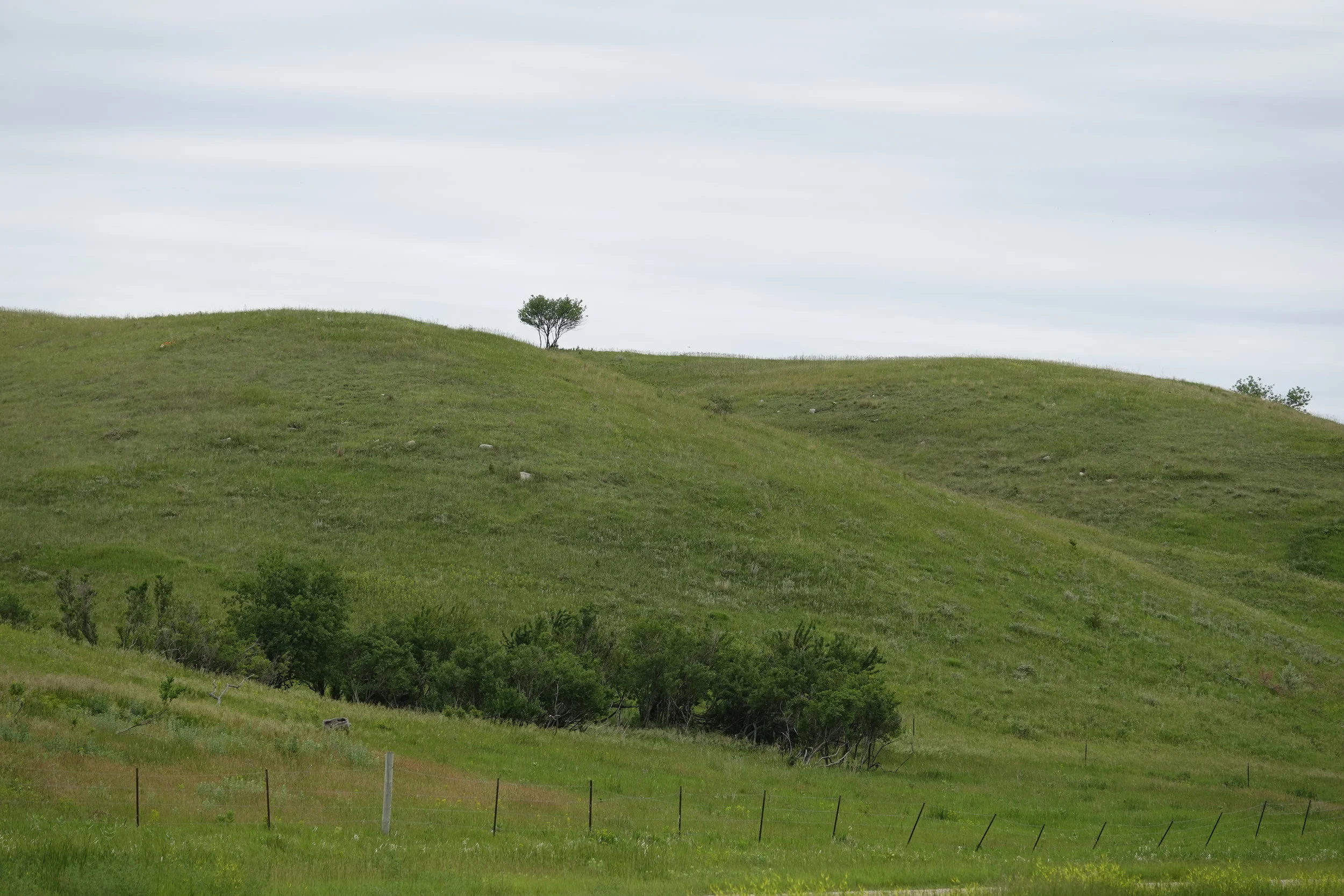
The hills were alive with the sound of gnats.


The bluebird of happiness found me hiding in the shadows.

Nothing chases the blues away like a bluebird.

North Dakota is the bee’s knees. It produces more honey than any other state.

Cormorants in the sky.


A tree swallow watched me walk a trail in a park.

Yarrow was formerly used to break a fever by increasing perspiration, to treat hemorrhaging and as a poultice for rashes.

A gray catbird’s giddyup.
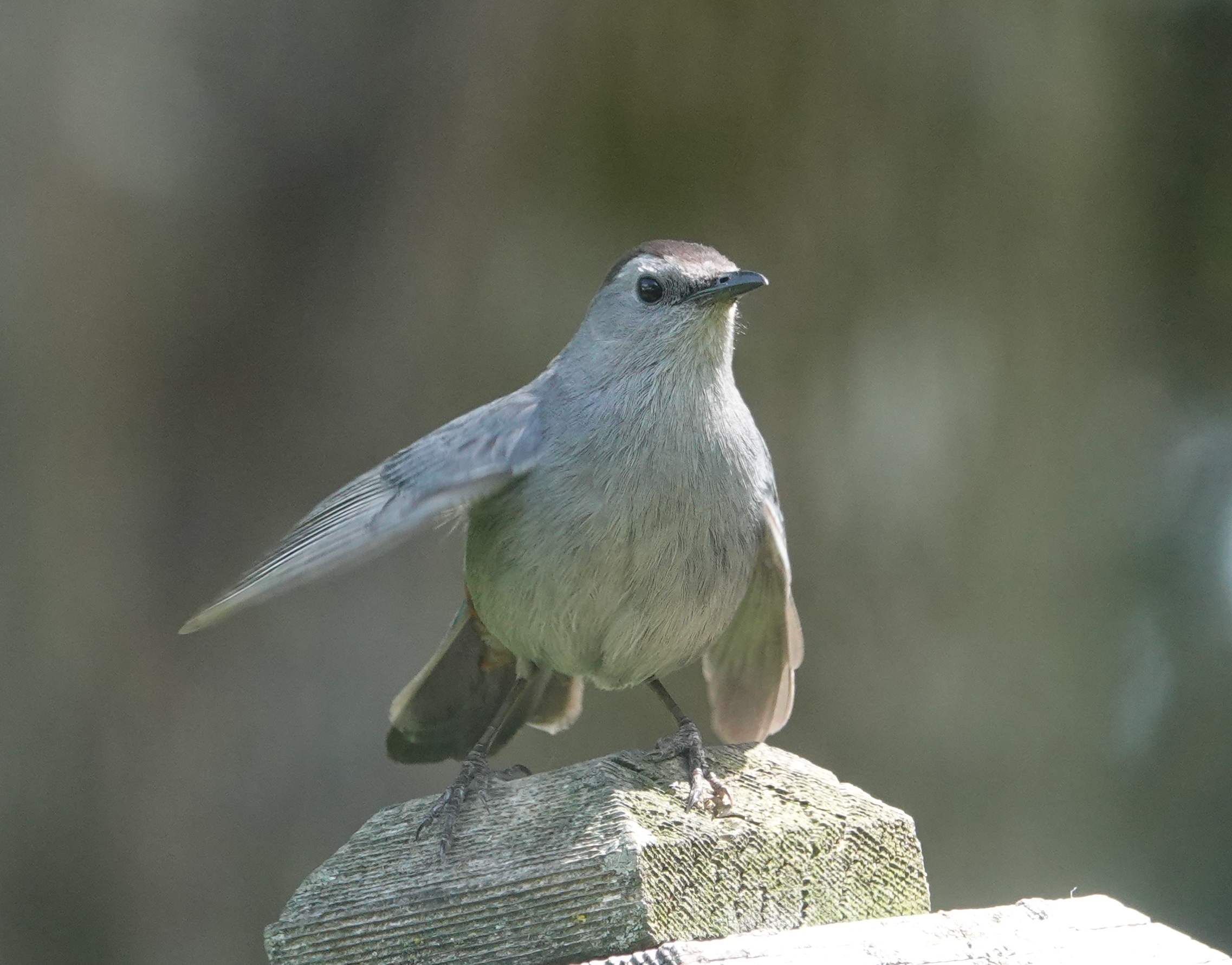
A catbird signals a turn.
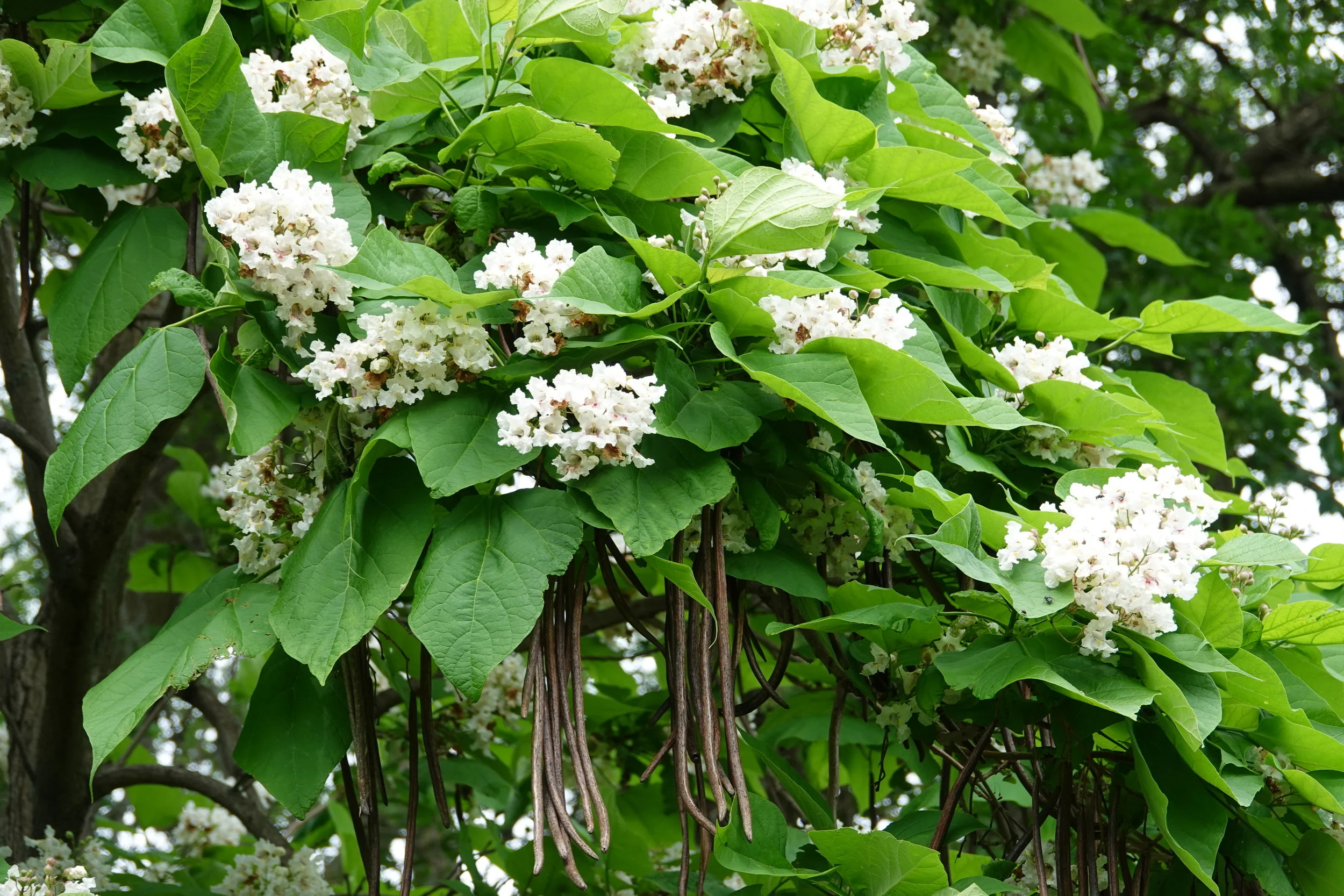
A tree with snowy flowers, big leaves and dangling seed pods. It’s the northern catalpa.


This eastern phoebe was filling its beak with nestling chow.

You may be a red-necked grebe if...
Listen to nature talk on the radio.

Peonies were live bouquets at the cemeteries I visited as a boy.

our Lady of Mercy Church in Brush Creek, Minnesota.

Loitering mallard drakes.

By Al Batt
Published 9:00 am Saturday, June 9, 2018Nature’s World by Al Batt
The guy from just down the road
My neighbor Crandall stops by.
“How are you doing?” I ask.
“Everything is nearly copacetic. Today is laundry day. I’ve been out of clean bath towels for a couple of weeks now and I’m tired of using a hair dryer to dry off after a shower. I’ve started wearing shorts regularly. My glowing white legs act as beacons to low-flying airplanes. I’d love to pick your brain, but the one you picked isn’t working all that well. I guess that’s OK. I forgot what I was going to ask you anyway. I have a lot on my mind. There is no slack in my slacks. My kindergarten class reunion is coming up. It’s been quite a journey, but I’m worried about the 200 pounds I’ve gained since then.”
Naturally
A gray catbird was sitting pretty. It was in the catbird’s seat next to our bedroom’s screened window. Its plumage is muted, but it has an abundance of personality. Its mimicking song is a series of short musical and harsh notes collected into phrases. A song can last 10 minutes, but it seems longer outside my predawn window. A catbird puts in a long day, as it continues to sing after the sun goes down.
I visited several grocery stores as I did my errands. The cheapest grape jelly was absent from their shelves. It had gone to feed orioles. Chipmunks like jelly, too. I watched one putting sunflower seeds into its mouth, using its cheeks as lunch boxes.
I spotted a tiny bird standing out from the green vegetation. It was more yellow than bird. It was a yellow warbler losing yet another game of hide-and-seek. A friend, Dave Lewis of Stow, Ohio, said that it sings, “Feet, feet, feet; smell my feet.”
Another bird, petite and blue, perched nearby. The indigo bunting breeds from southeastern Saskatchewan east to New Brunswick, and south to central Arizona, central Texas, Gulf Coast and northern Florida. It must be very tired.
Samaras, the winged seeds of maple trees, covered the drive. They had been carried by the wind. As a child, I called samaras whirlybirds, helicopters or whirligigs.
By Jiminy! Crickets called by rubbing their wings together.
Dandelions serve as important sources of nectar for bees in the early spring, when most other flowers aren’t yet in bloom. Creeping Charlie, also called ground ivy, is an herbaceous plant native to Europe, brought to North American by the European settlers as medicine and a ground cover. Who was Charlie and why was he creeping? I strolled by the rhubarb. One of my parents preferred cutting rhubarb while the other felt pulling was the best way to go. My mother reminded me that no more than a third of the plant should be harvested at one time.
A turkey vulture took advantage of the 86,400-second rule to enjoy a road-killed raccoon. I found a pileated woodpecker on the road. Pileated can be correctly pronounced PIE-lee-ay-tid or PILL-ee-ay-tid. Sadly, I pronounced this handsome woodpecker dead.
Some arborvitae has browned. This is a severe example of winter drying, which can affect many kinds of evergreens. In late April, the warm, windy days with low humidity caused needles to lose moisture. Frozen soil in the root zone prevented water from moving into the needles to replace the lost moisture. Branches buried under the snow remained alive because they weren’t exposed to the warm, windy and dry environment. If a tree has 50 percent or more green needles, it may recover.
Q&A
Ed Pfannkoch of Chatfield asked for the best strategy to assist dazed birds that have hit windows. The greatest danger to a stunned bird is its vulnerability. An immobilized bird makes easy prey for cats and other predators. Place a dry washcloth or paper towel in the bottom of a shoebox to give the bird’s feet traction. Pick up the bird gently and put it into the box. Place the box indoors somewhere dark and quiet. Darkness calms the bird, which speeds recovery. In an hour, take the box outside and remove the lid. If the bird flies away, feel free to give an imaginary friend a high five. The Wildlife Rehabilitation Center of Minnesota located in Roseville is a great help with injured birds. Their phone number is 651-486-9453.
“When is the best time to see a firefly in Minnesota?“ I typically see them from the second half of May through August, with July being an excellent month for viewing lightning bugs and their natural fireworks.
The Pelican Breeze
Join me on a natural cruise on Albert Lea Lake on July 1, Aug. 12 or Sept. 2. Please call 383-7273 for more information.
Thanks for stopping by
“Nature is painting for us, day after day, pictures of infinite beauty if only we have the eyes to see them.” — John Ruskin
“No sun outlasts its sunset, but it will rise again & bring the dawn.” — Maya Angelou
Do good.
Al Batt of Hartland is a member of the Albert Lea Audubon Society. Email him at SnoEowl@aol.com.


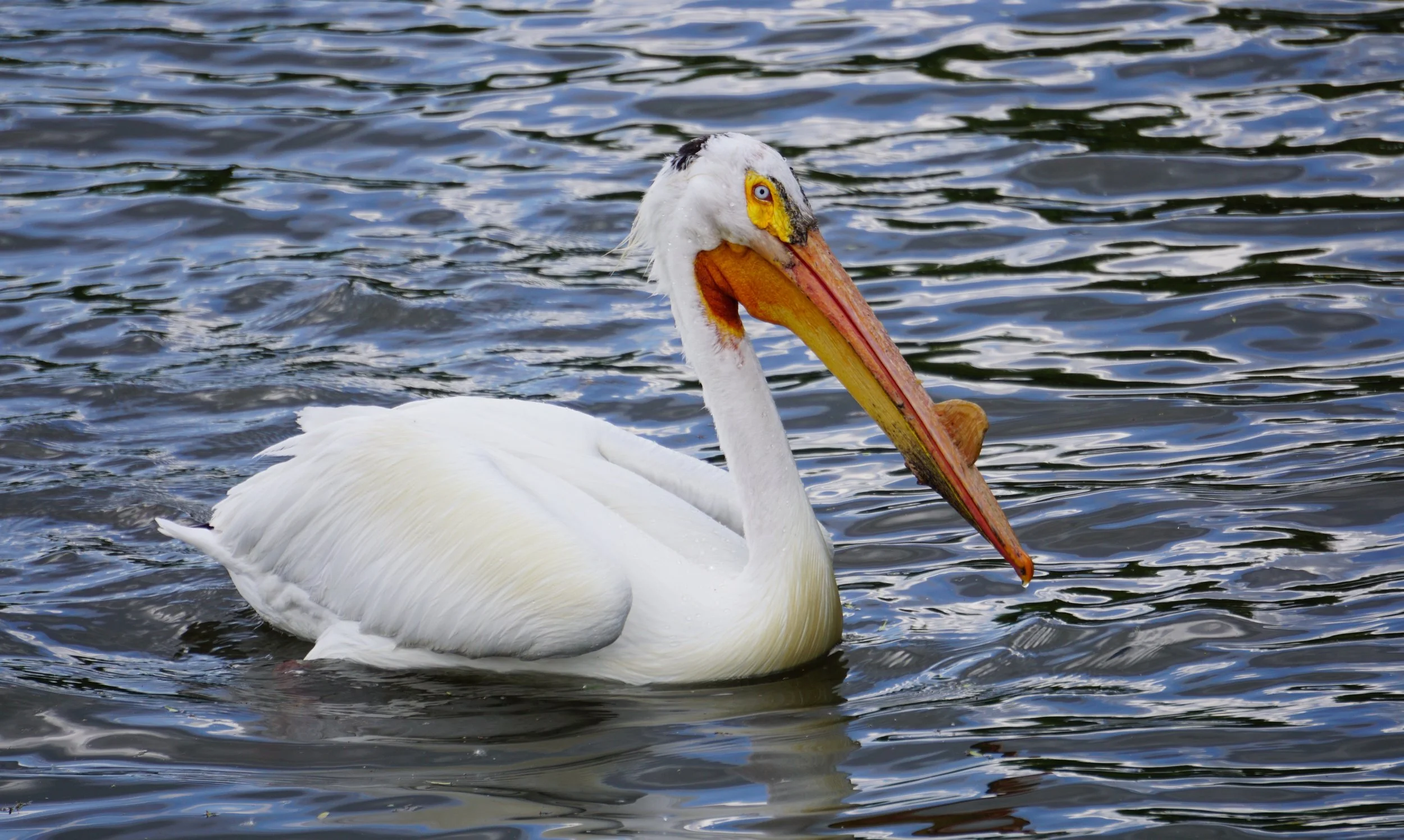
Pelicans in a feeding frenzy nearly matching something typically seen at McDonald’s.

Caging feeders could keep larger birds out. Emphasis on “could.”

My parents wanted to name me Hydrangea. But I smelled more like an Al.

Grandma made hollyhock dolls.


I watched cedar waxwings feeding on midges beyond count. The humming sound produced by the midges has a frightening mosquito-like quality. The males have feathery antennae.

A swamp sparrow treed in a swamp.
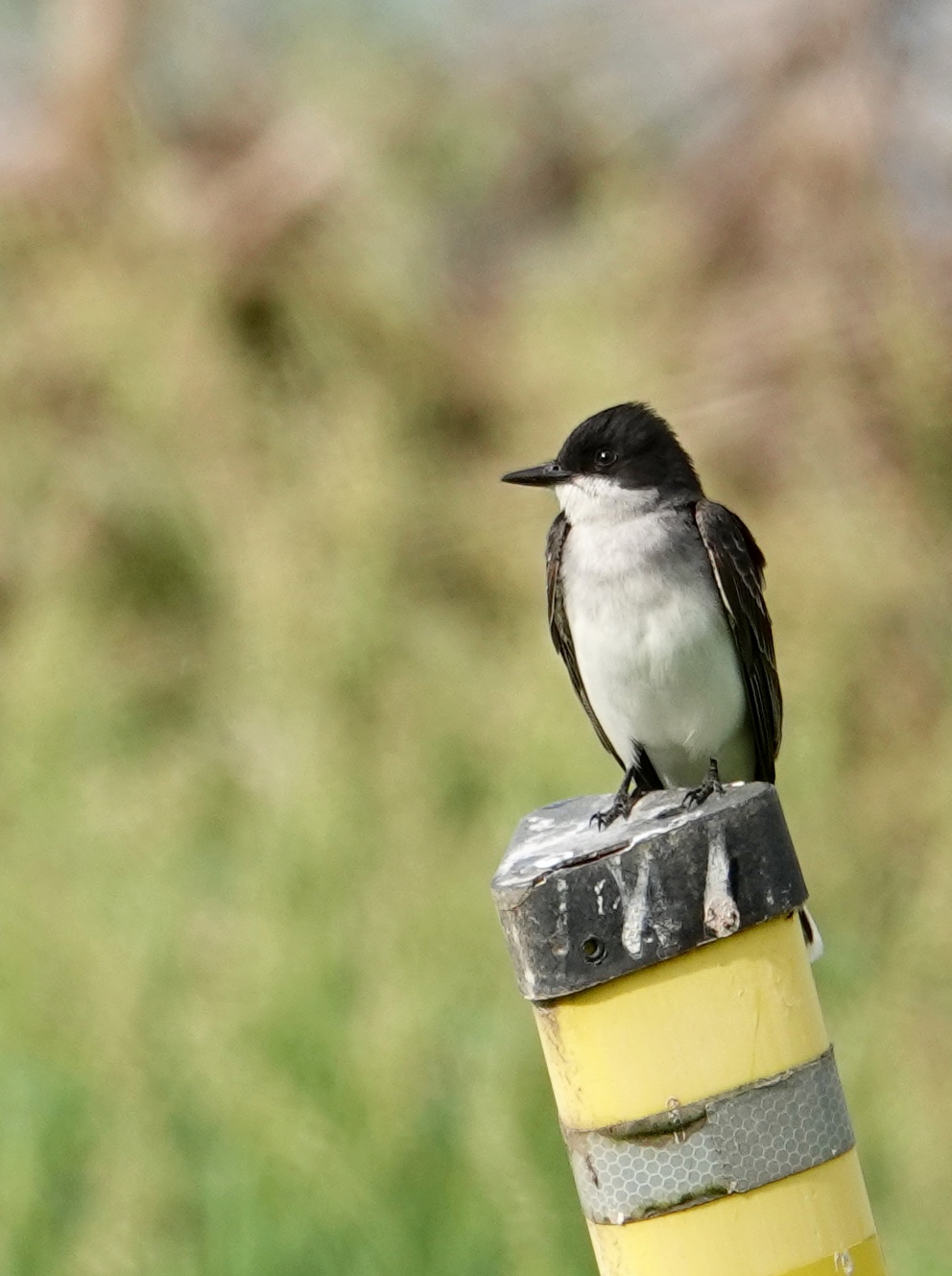
Tyrannus tyrannus, the eastern kingbird. My neighborhood royalty.

The perfect shelf for an old garage.

This reminded me of George’s Garage of my youth. I thought George knew everything about cars. He may have.
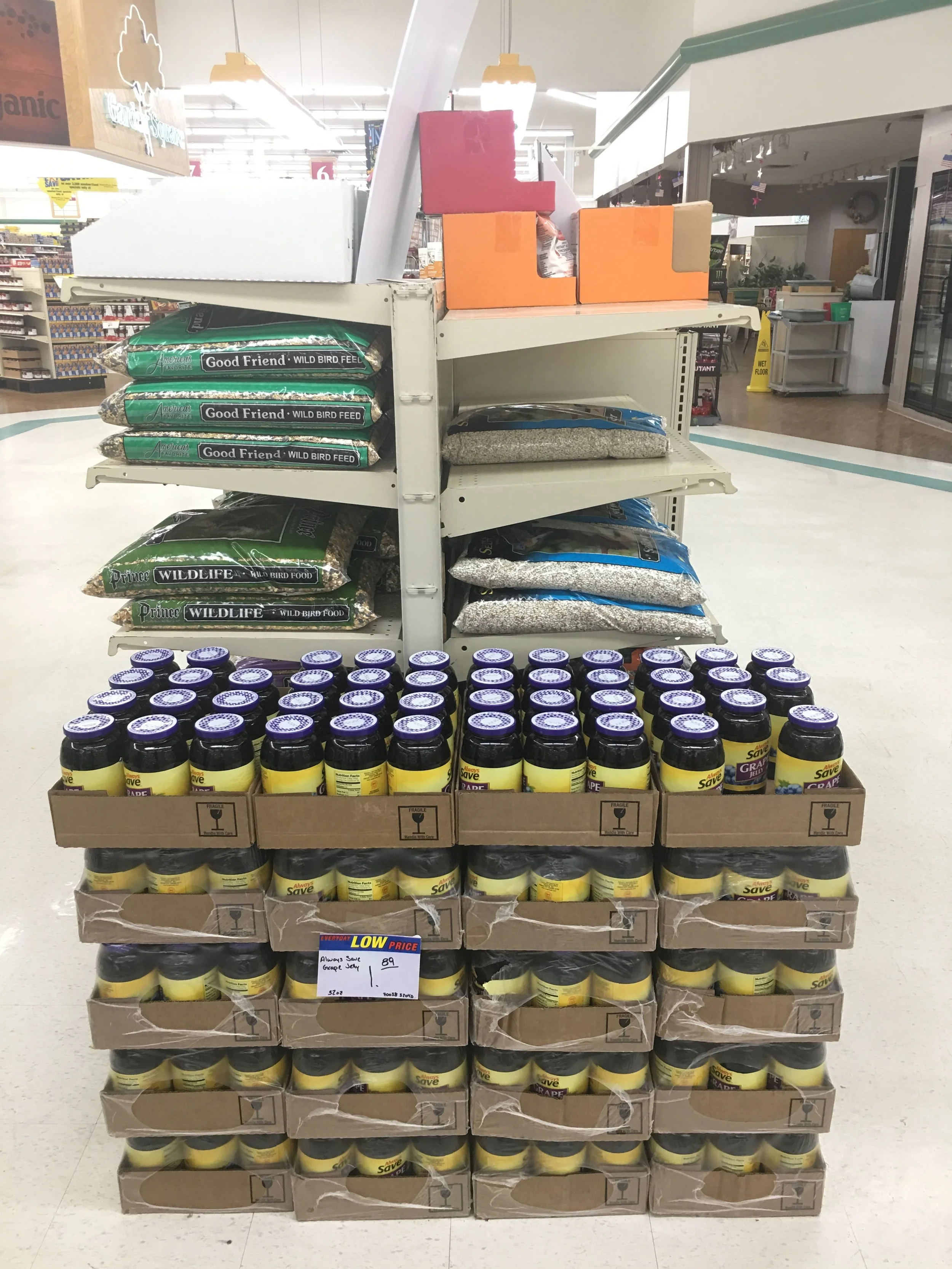
The bird feeding section of a local grocery store has grape jelly galore.


A honey bee hive could contain up to 80,000 bees.


Blue-winged teal dabbling as ducks.


Trying to get their geese in a row.
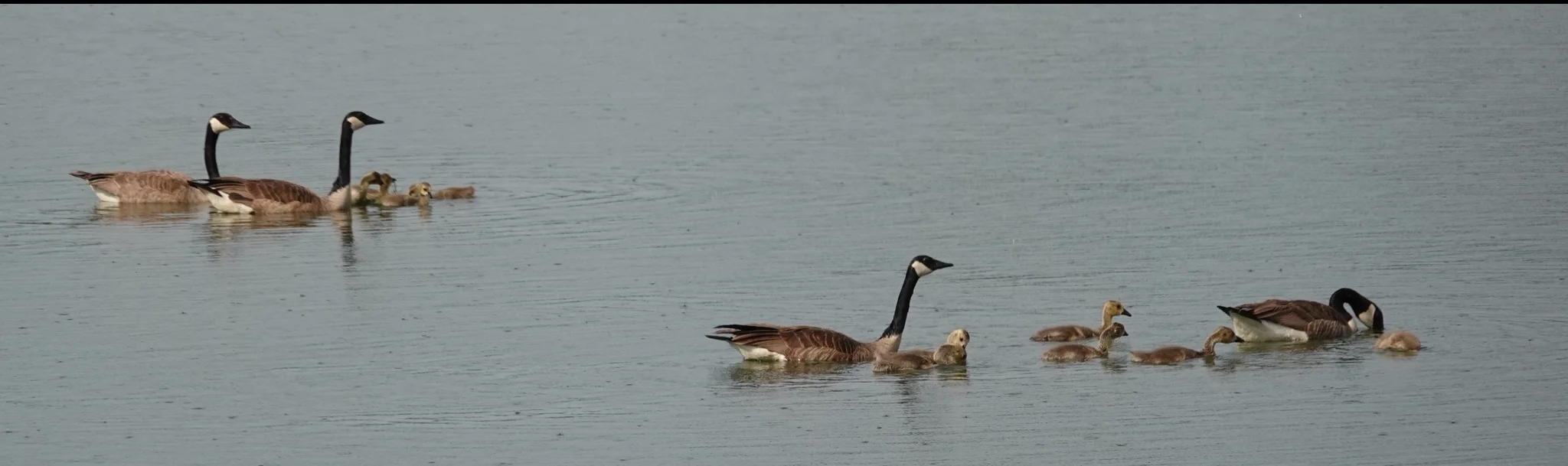

One of the goslings is named Ryan.
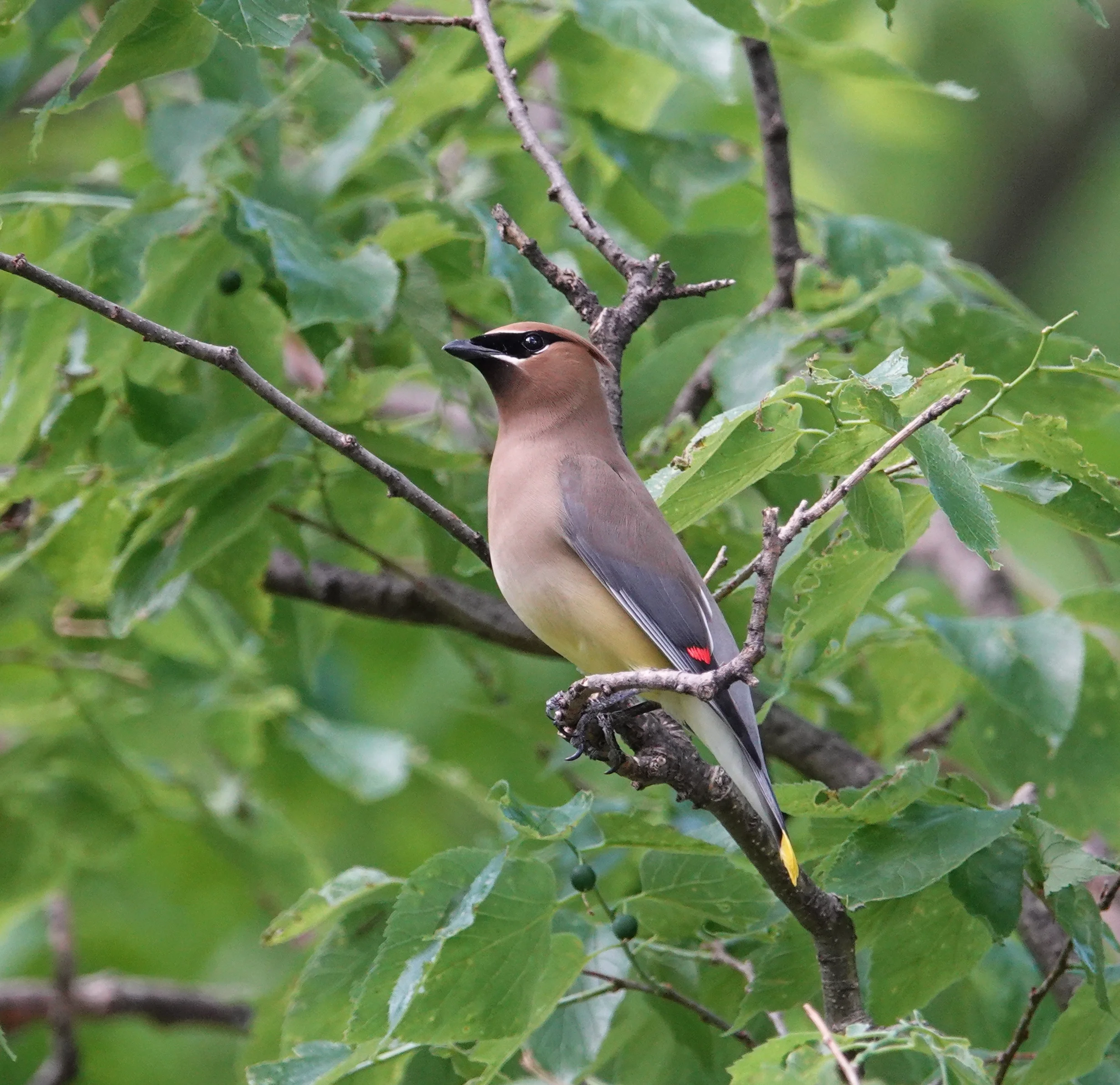
This handsome cedar waxwing had just been on the ground eating midges.
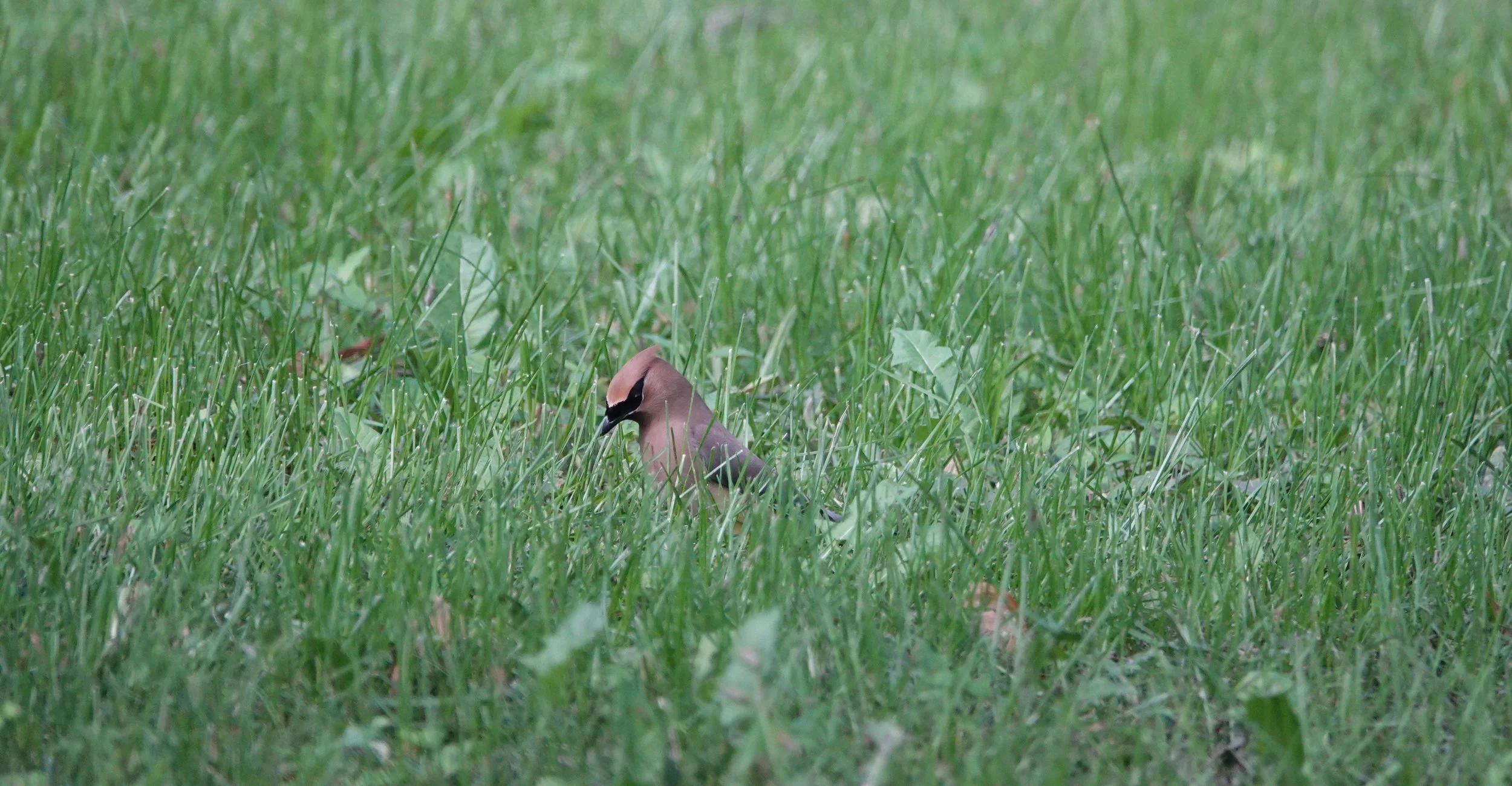
It was like hunting for a midge in the grass.
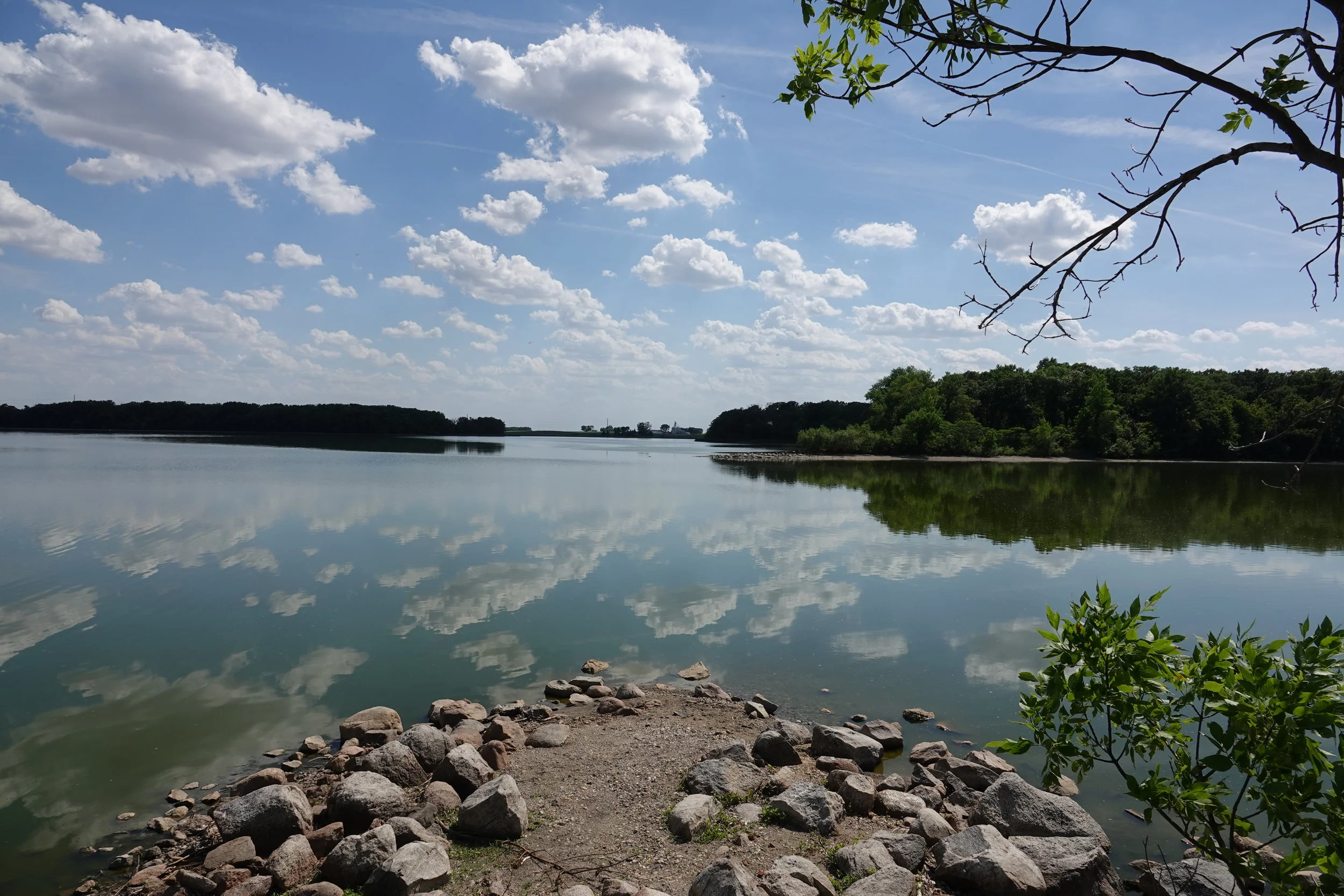
Is it northern Minnesota? No, it’s Freeborn Lake.
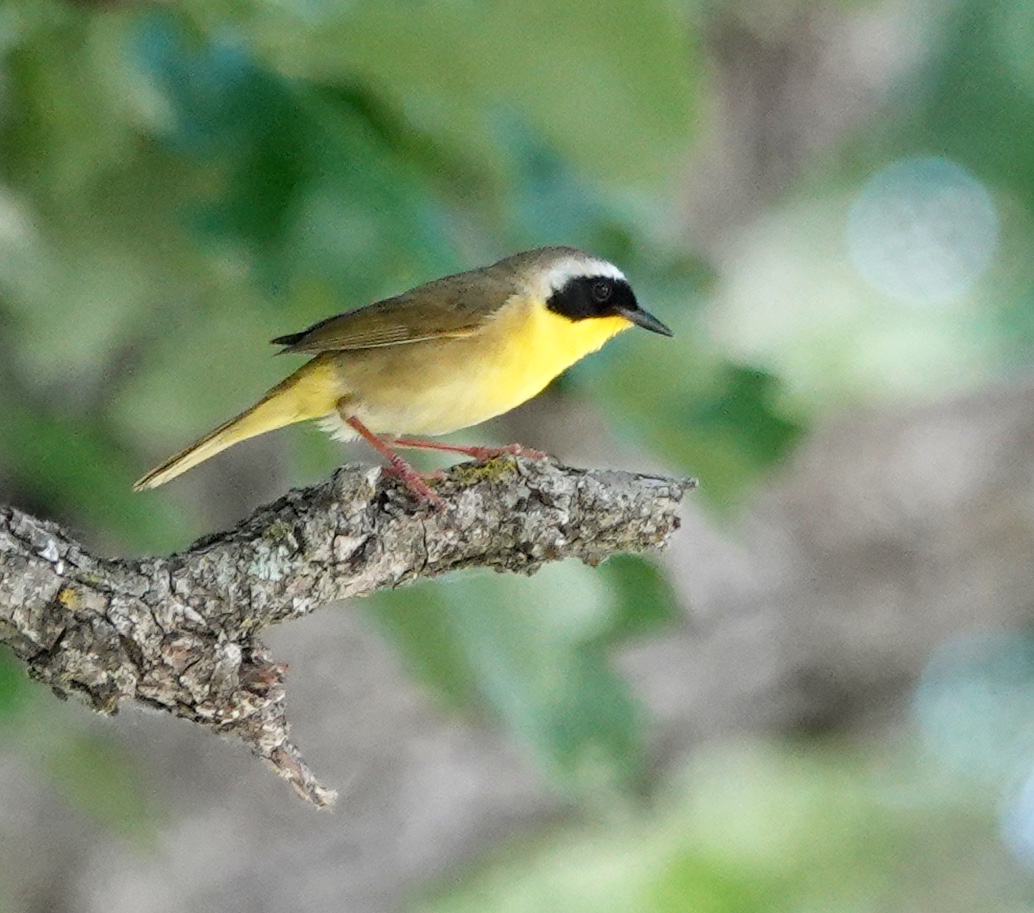
A common yellowthroat. Each warbler is a one-bird bouquet.
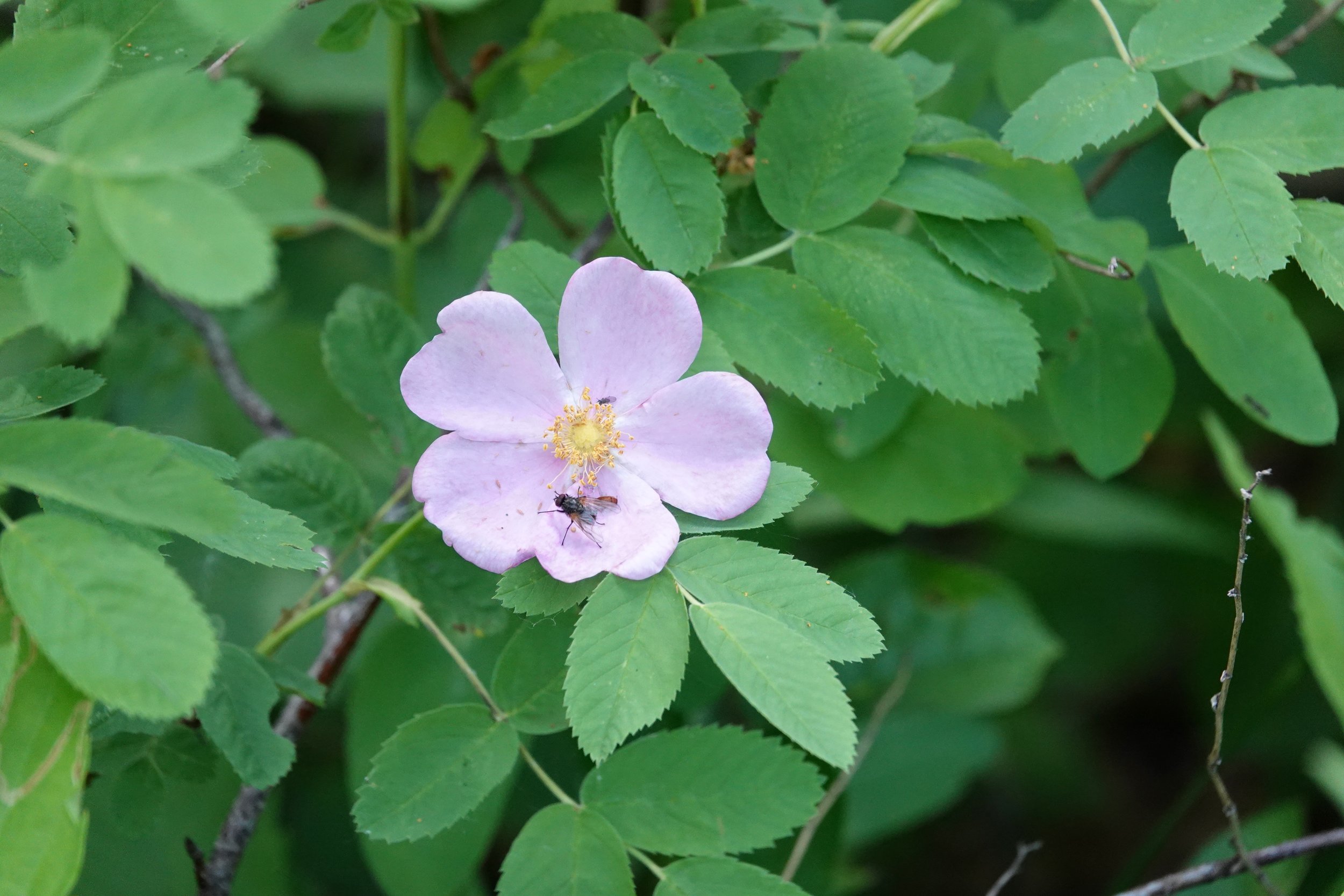
To me, it’s a wild rose, but it’s an airport to an insect.
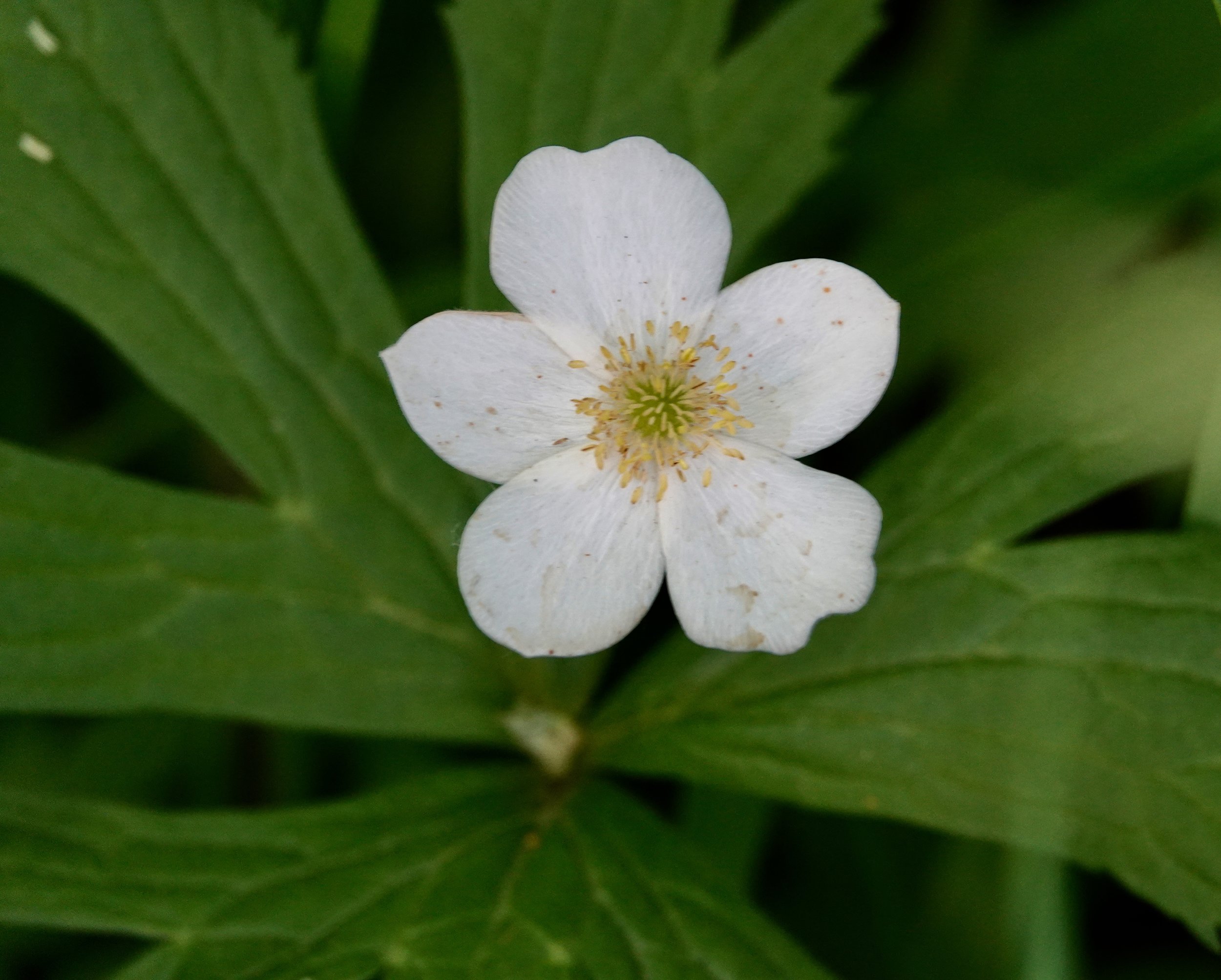
Canada anemone. I heard someone call it a meadow anemone.
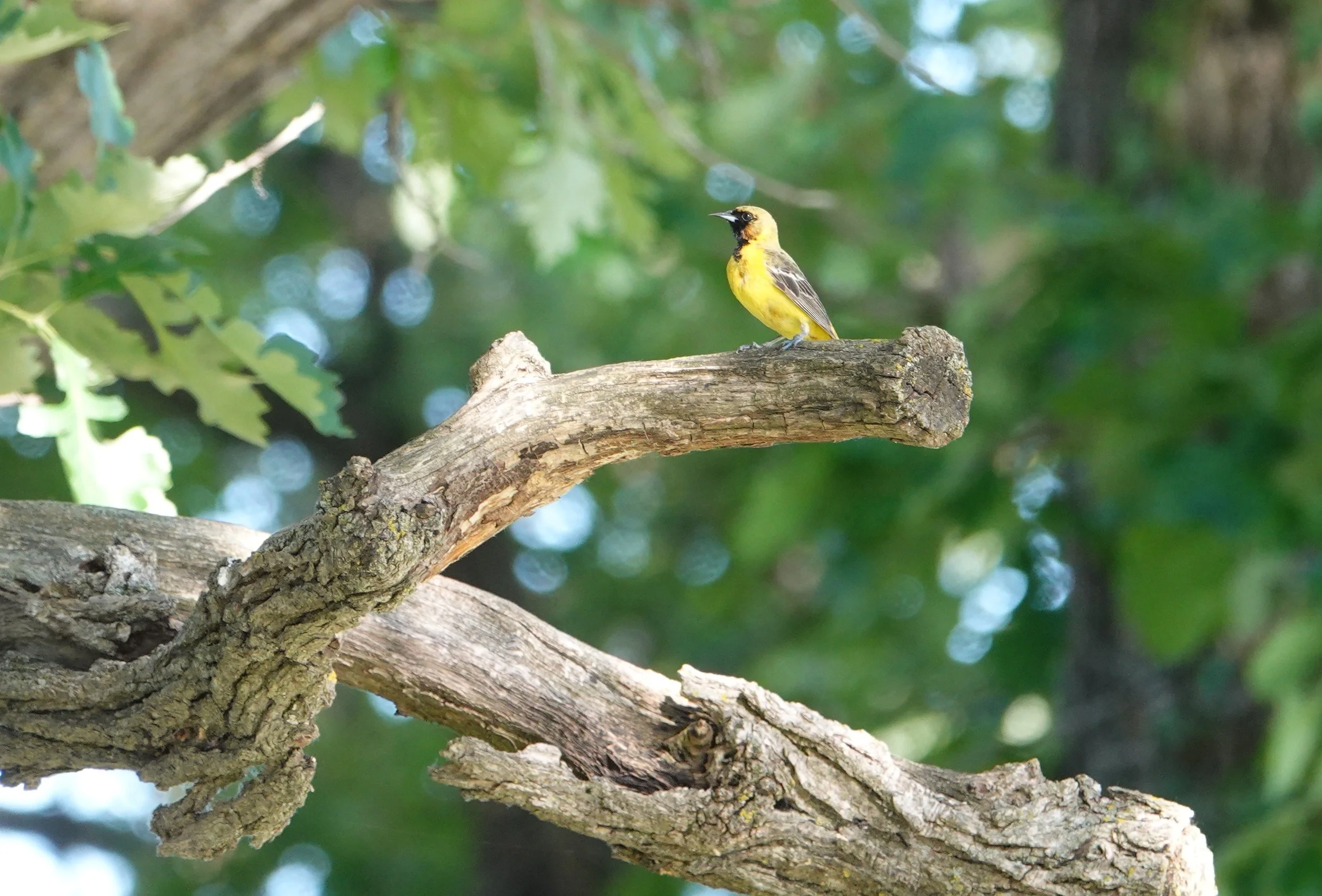
Immature male orchard oriole singing, “"Look here, what cheer, wee yo, what cheer, whip yo, what wheer."
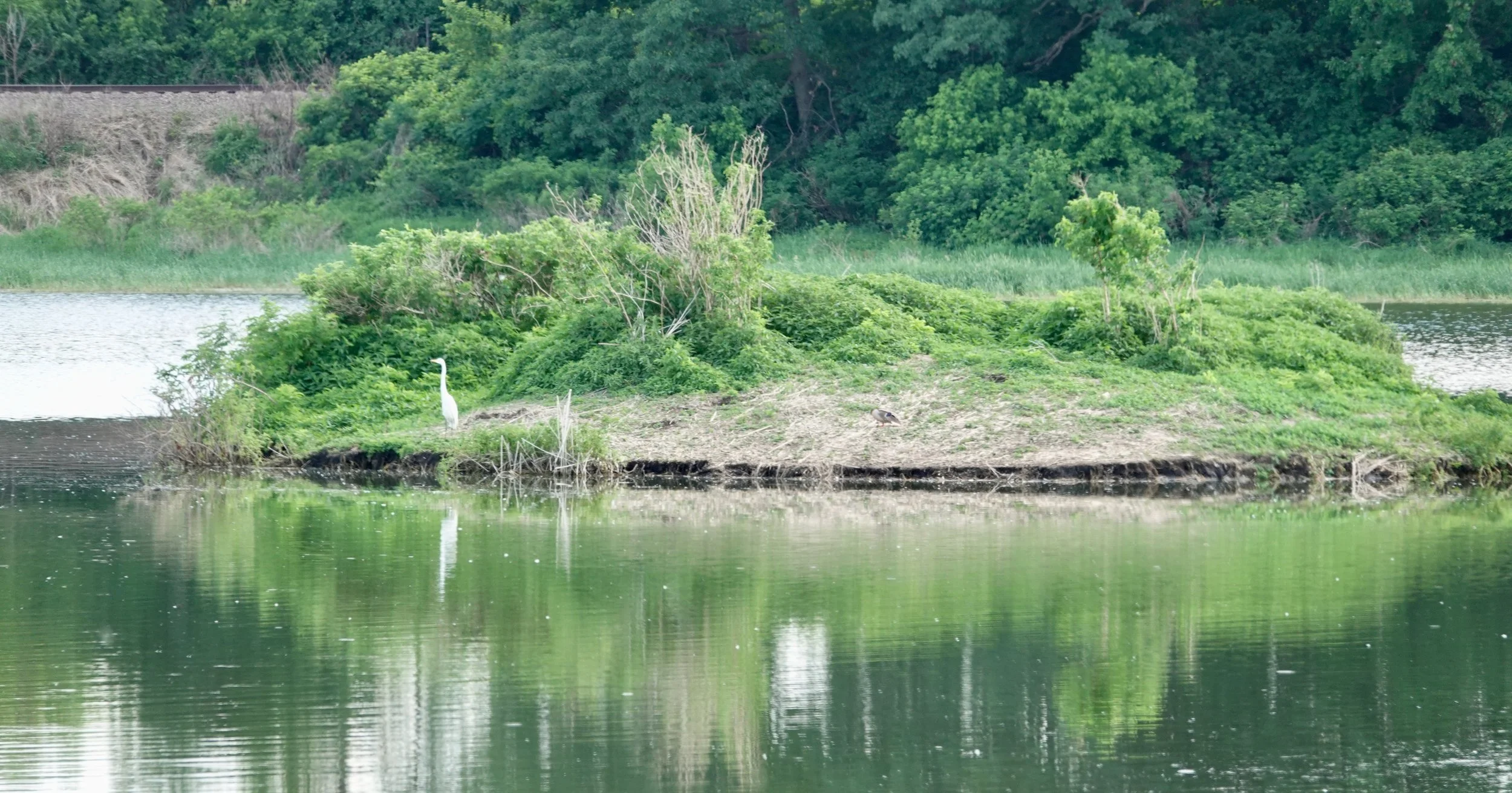
No man is an island — or an egret.
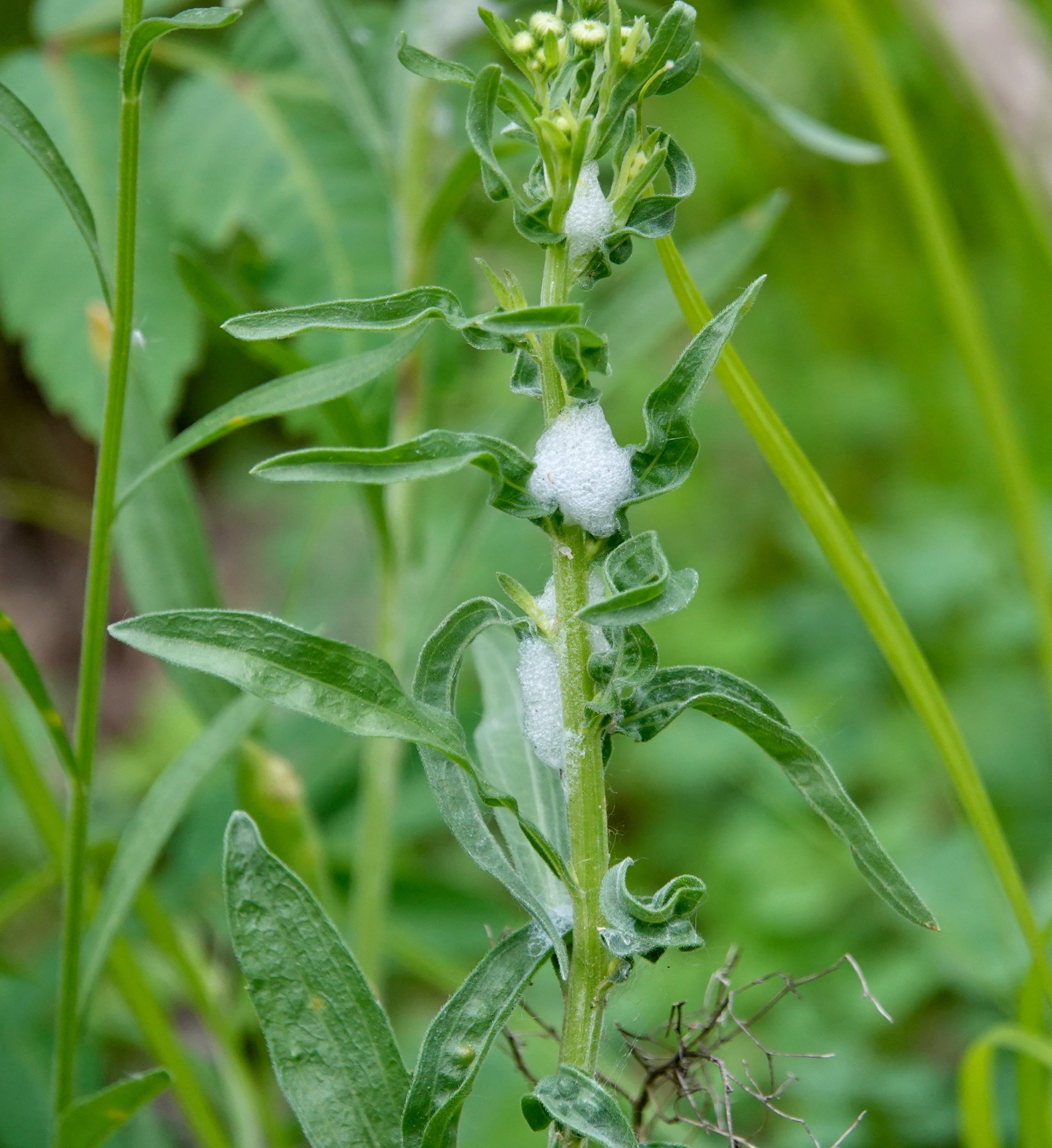
No, there isn’t a baseball game going on nearby. This “spittle” protects the nymphs of spittlebugs.
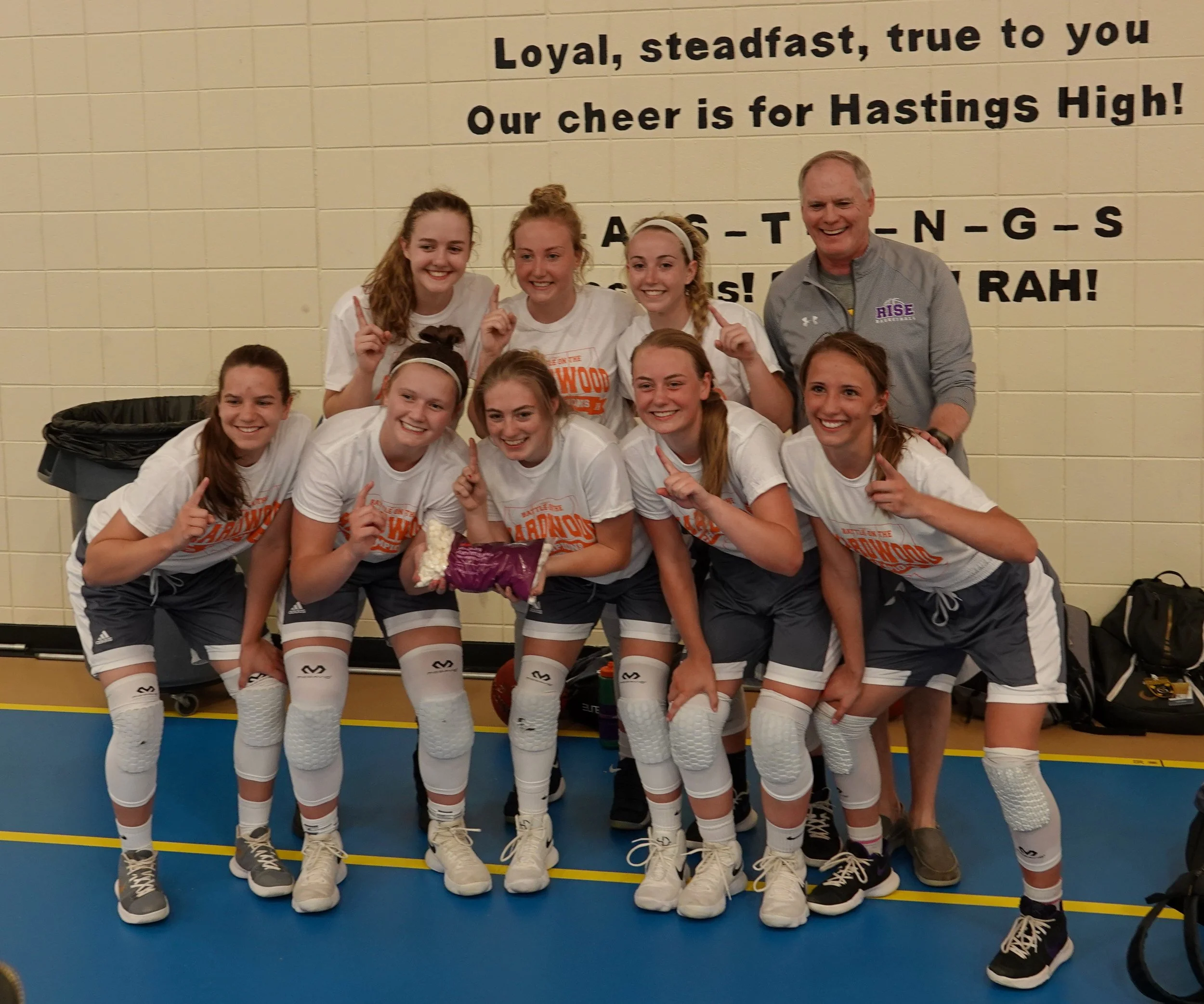
They (MN Rise) were the champions of the Battle on the Hardwood Tournament held in Hastings. My lovely granddaughter is at the end of the front row with the coach directly behind her.
Some folks call it five-finger. Poison ivy has three leaflets. Leaves of three, let it be; leaves of five, let it thrive. Leaves of five, stay alive.


Dame's rocket is often confused for a native phlox, but phlox has 5-petaled flowers and dame's rocket has 4 petals.

The Virginia waterleaf has spots on its earliest leaves that resemble water stains.
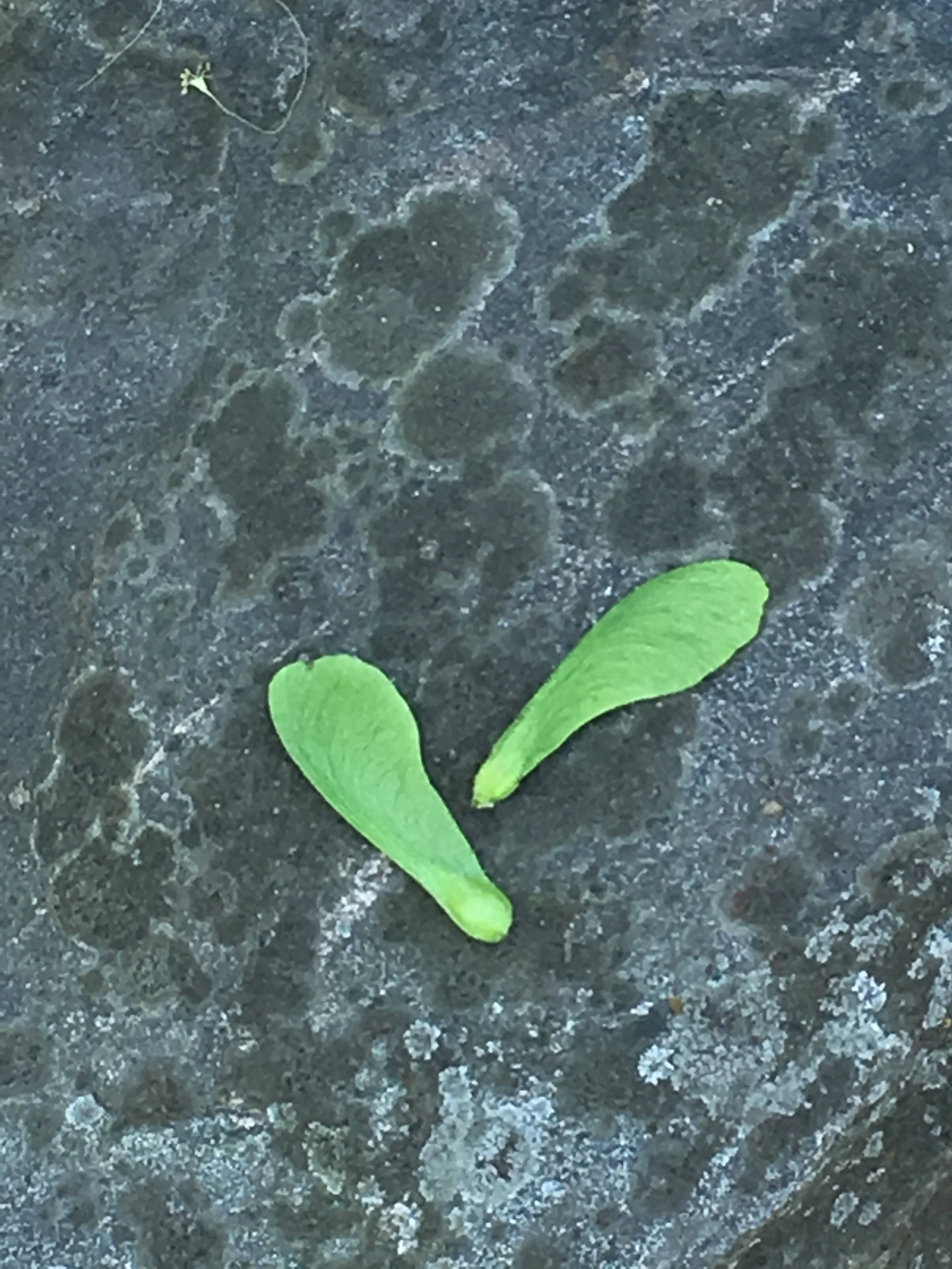
Samara warriors.
Samaras, the winged seeds of maple trees, covered the drive. They had been carried by the wind. As a child, I called samaras whirlybirds, helicopters or whirligigs.
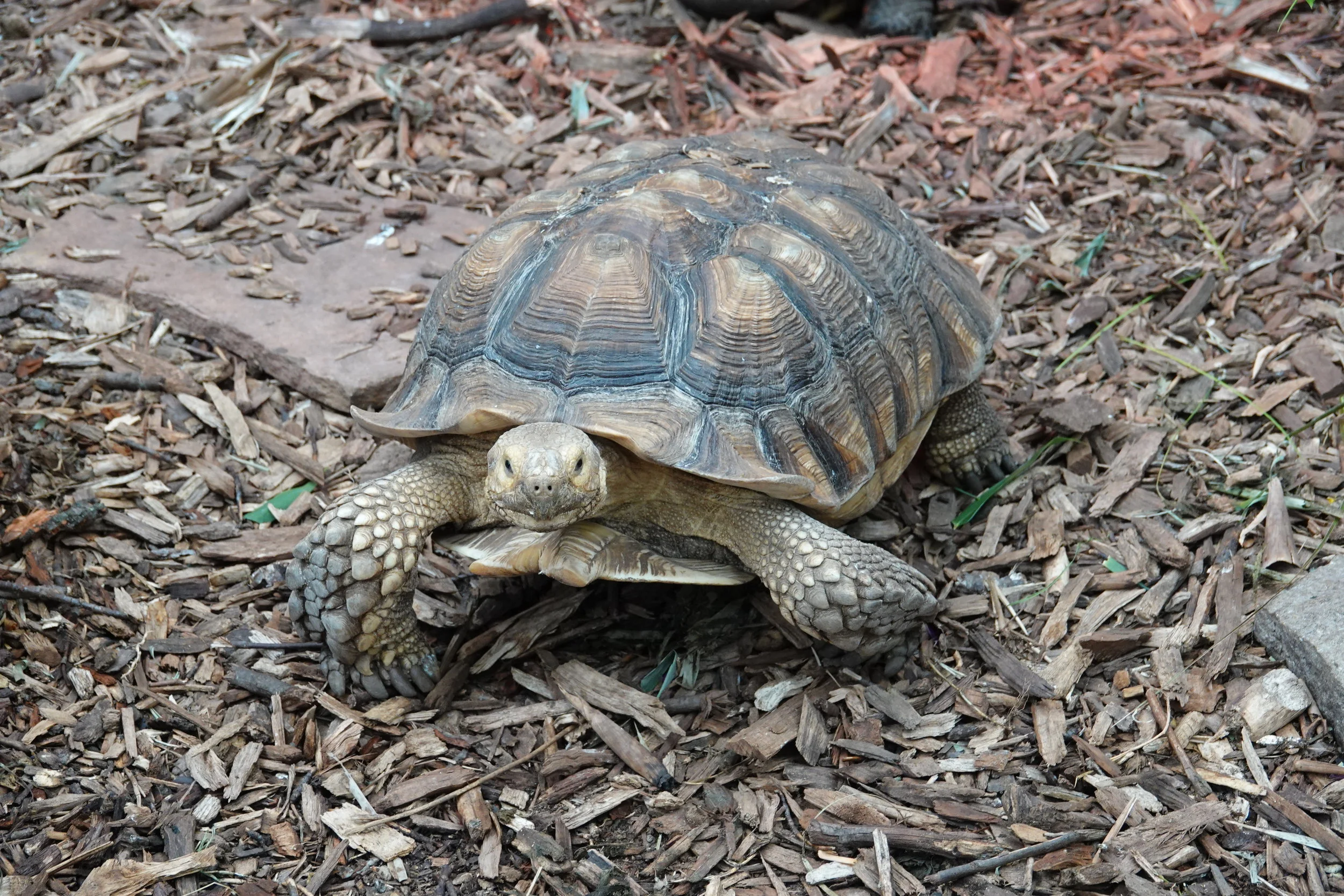
A tortoise has to deal with a lot of overhead.
by Al Batt, albertleatribune.comJune 2, 2018 09:00 AM
Al Batt of Hartland is a member of the Albert Lea Audubon Society. Email him at SnoEowl@aol.com.
My neighbor Crandall stops by.
“How are you doing? I ask.
“Everything is nearly copacetic. I had the best salad I’ve ever had yesterday.”
“Eating a jar of bacon bits isn’t the same as eating a salad,” I say.
“What made it so good was that my neighbor Still Bill, he makes more dust than miles, bought it for me. I’m not saying he is tight, but if you put a dollar bill in one of his pockets and a rattlesnake in another pocket, you’d never know which one would come out first.“
Naturally
I heard a western meadowlark sing. I listened long and hard to this voice of my generation. An owl had called in the darkness, part of the job description of a night owl.
I spent an entire day walking trails at a fish hatchery located near Bayfield, Wisconsin. Winter wrens called most of the time. Winter wrens, like house wrens, are little birds with big voices. A wren is 90 percent song. Most of the singing had been done by males hoping to attract a hen wren. A winter wren’s song is more powerful than that of a crowing rooster. Yellow warblers, common yellowthroats and ovenbirds sang constantly, too. Mnemonics of the songs of those birds are as follows: Yellow warbler — “Sweet sweet sweet, I’m so sweet,” common yellowthroat — “Follow me, follow me,” and ovenbird — “Nature, nature, nature.” A common mnemonic for a backyard bird would be the “Hula, hoop, hoop, hoop” of a mourning dove. What would a mnemonic be for the winter wren’s rich, bubbling, cascading song? I don’t know. I’m sure there are some, but I find its song too complicated and busy to welcome such a thing. I saw a couple of scarlet tanagers, lovely black-winged redbirds. I was so taken with the handsome tanagers that I nearly stepped on a nesting Canada goose.
My father called the yellow warbler a summer warbler. Among the 21 species of warblers I saw was a Blackburnian warbler. Its striking black-and-orange pattern is breathtaking.
I walked a wooded wetland near Ashland, Wisconsin. My eyes were treated to the loveliness of the marsh marigolds and my nose detected the putrid odor of skunk cabbage. I think skunk cabbage plants are beautiful and they produce enough of their own heat to melt snow. It gets its name from the pungent, skunk-like smell it makes. To me, the stench is more like that of a rotting carcass. This smell attracts flies and other insects for pollination.
Each year, I make a point of moseying along the winding paths of Munsinger Gardens and strolling the brick walkways of Clemens Gardens in St. Cloud. These beautiful gardens situated along the Mississippi River offer hardy perennials, over 1,000 roses, 100,000 annual plants and a garden inspired by the world-renowned White Garden at Sissinghurst Castle in Kent, England.
I opened the door to the house and a June bug, also called a May beetle, flew in. It bounced off a lampshade and fell to the floor. The June bug found itself on its back, like a tipped-over turtle, pawing the air with its legs. I released it outside.
I was pleased to see a monarch butterfly. The area of Mexican forests occupied by overwintering monarchs fell to 6.12 acres from 7.19 acres the prior winter. The number of treed acres occupied by monarchs measures butterfly populations. Twenty years ago, 44 acres of trees held butterflies. Bad weather, illegal logging, habitat destruction and herbicides killing milkweed are the main threats to the butterflies.
Q&A
“Why are owl eyes so big?” Because if they were smaller, they’d fall out of their eye sockets. Large eyes let in more light than small eyes, enhancing the ability to see in the dark. A great gray owl, weighing 2 1/2 pounds, has eyes larger than those of most humans.
“I’ve noticed some Canada goose goslings have gone missing. What preys upon goslings?” The size, intelligence, wariness and aggressive behavior of the parents limit predation on goslings. Foxes, coyotes, raccoons, mink, eagles, owls, snapping turtles, hawks, gulls and crows would love to take a gosling out for lunch.
“Why are ladybugs so brightly colored?” It’s a warning to predators of a lady beetle’s toxicity.
Thanks for stopping by
“Only when one comes to listen, only when one is aware and still, can things be seen and heard. Everyone has a listening point somewhere. It does not have to be in the north or close to the wilderness, but someplace of quiet where the universe can be contemplated with awe.” — Sigurd Olson
“Whoever has learned how to listen to trees no longer wants to be a tree. He wants to be nothing except what he is. That is home. That is happiness.” — Herman Hesse
Do good.

The Blackburnian warbler was named after the botanist Anna Blackburne. The baseball team could have been named the Baltimore Blackburnians. - Al Batt/Albert Lea Tribune

The fly had a question.

Ma and Pa, the Purple Martins.

A butterbutt (yellow-rumped warbler) trying to hide its yellow bits from view.


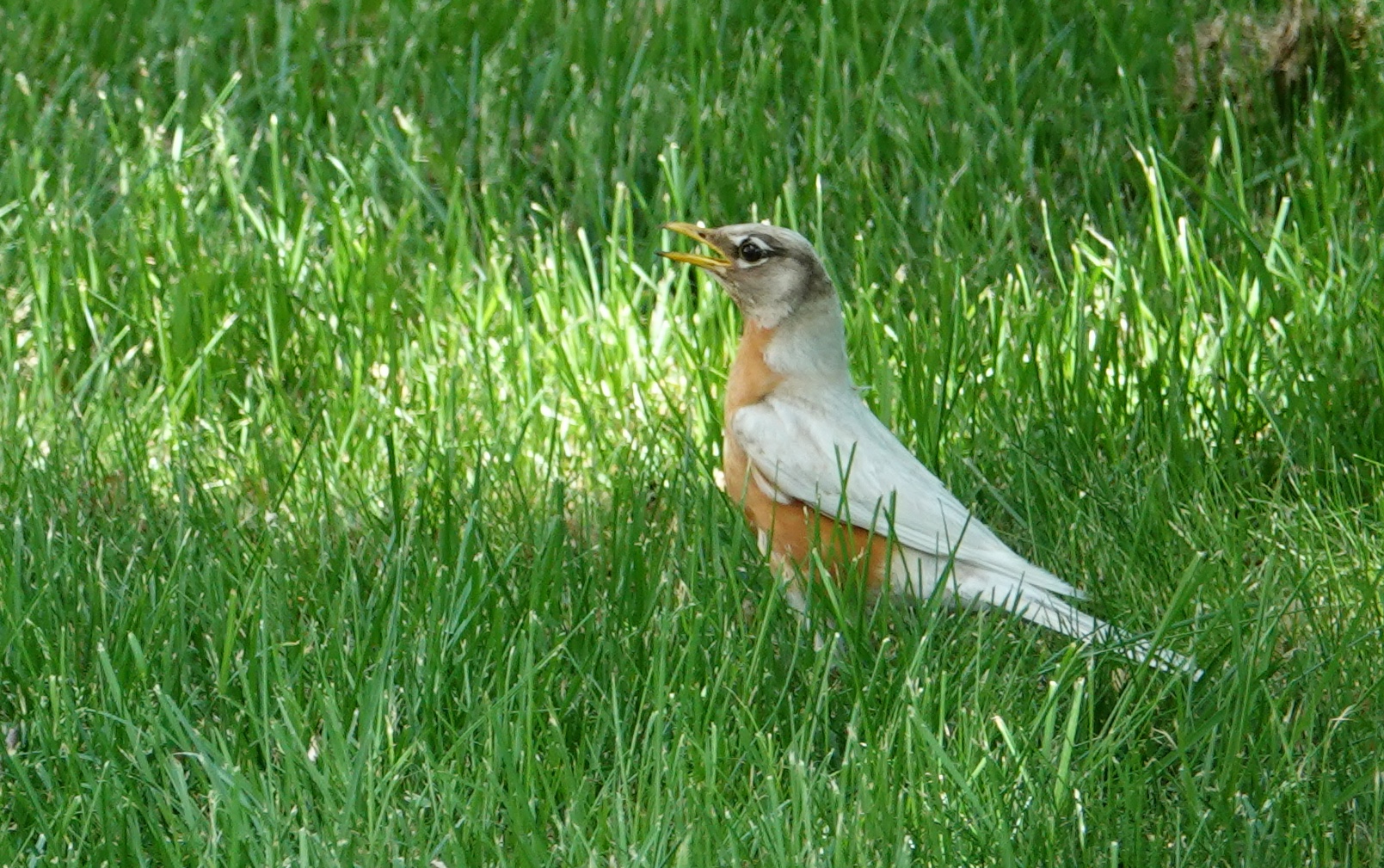
A young robin is called a young robin.

A house sparrow put something down on a bluebird house. A wild turkey feather.

No snowy egret, but this great egret is snow white.

The Jack-in-the-pulpit is a perennial, but Jack’s preaching will end and his position will be filled with red berries.

This is the bumblebee I petted this morning as it busied itself on Virginia waterleaf.
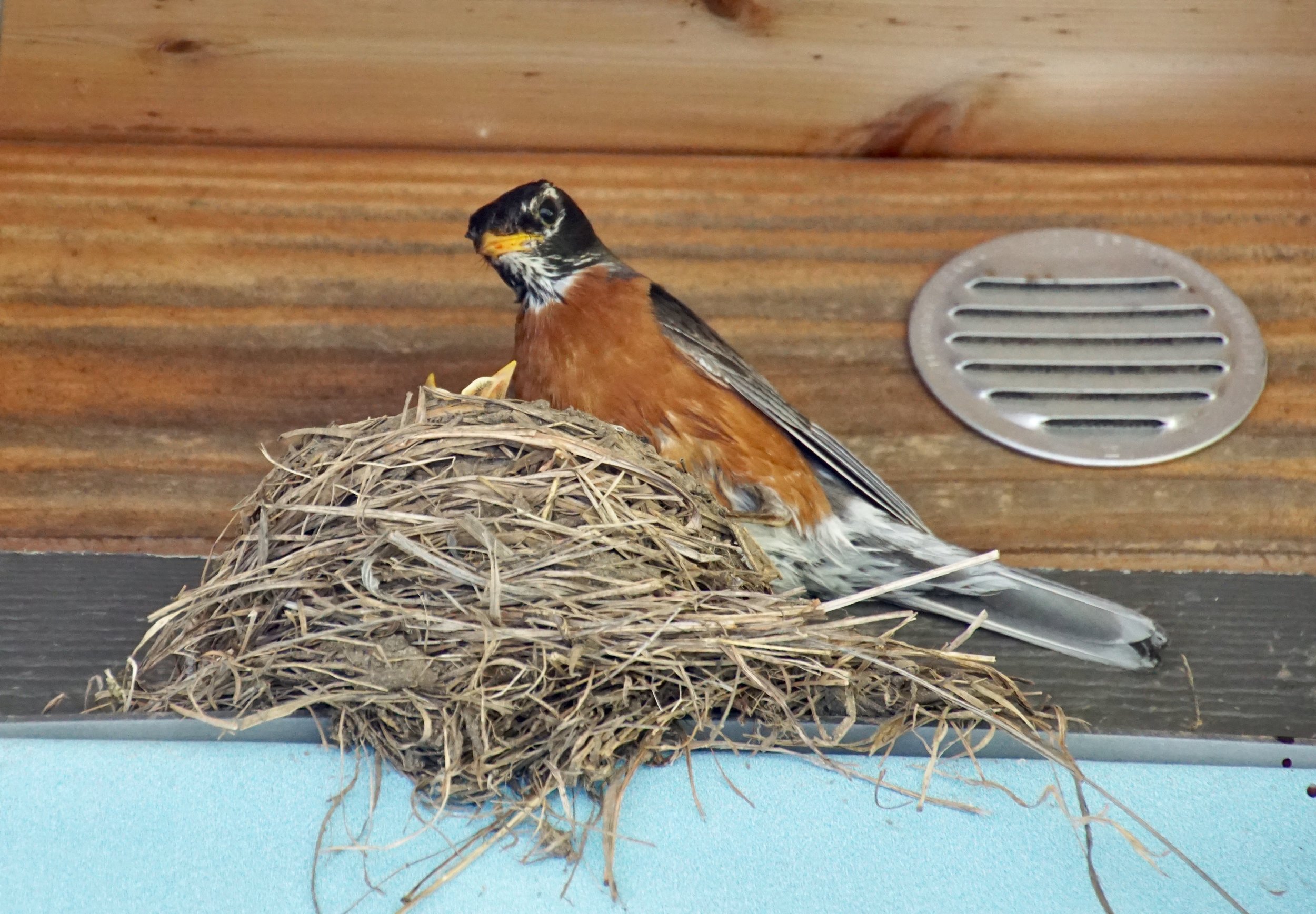

Gobble, gobble and a slight wobble.

The red-headed woodpecker is nicknamed the half-a-shirt, shirt tail bird, jellycoat, flag bird and flying checker-board.

Kissing cardinals.

These guys have found the internet much too fast.


Ruby-throated hummingbird nests have been found on loops of chain, wire and extension cords.

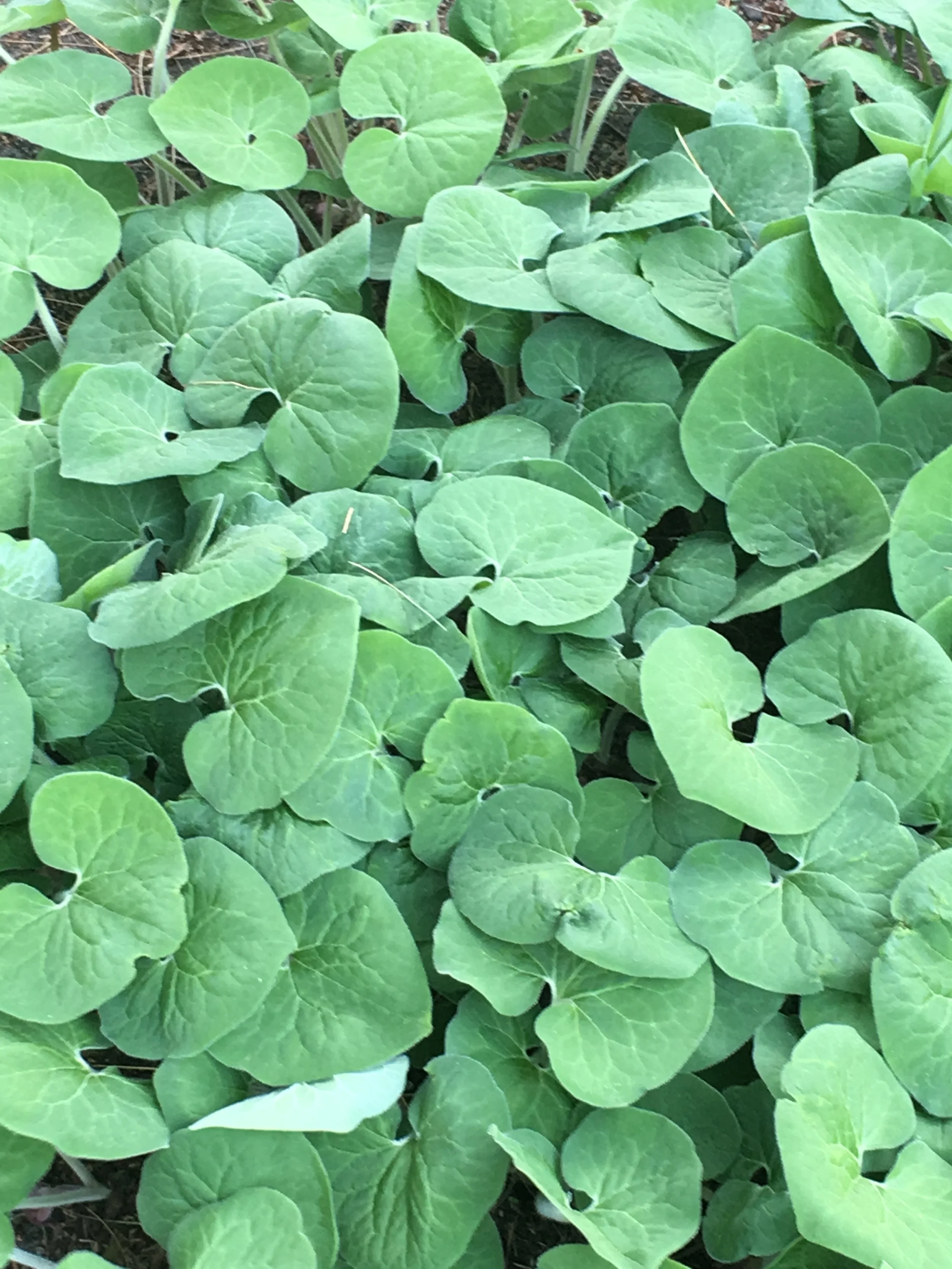
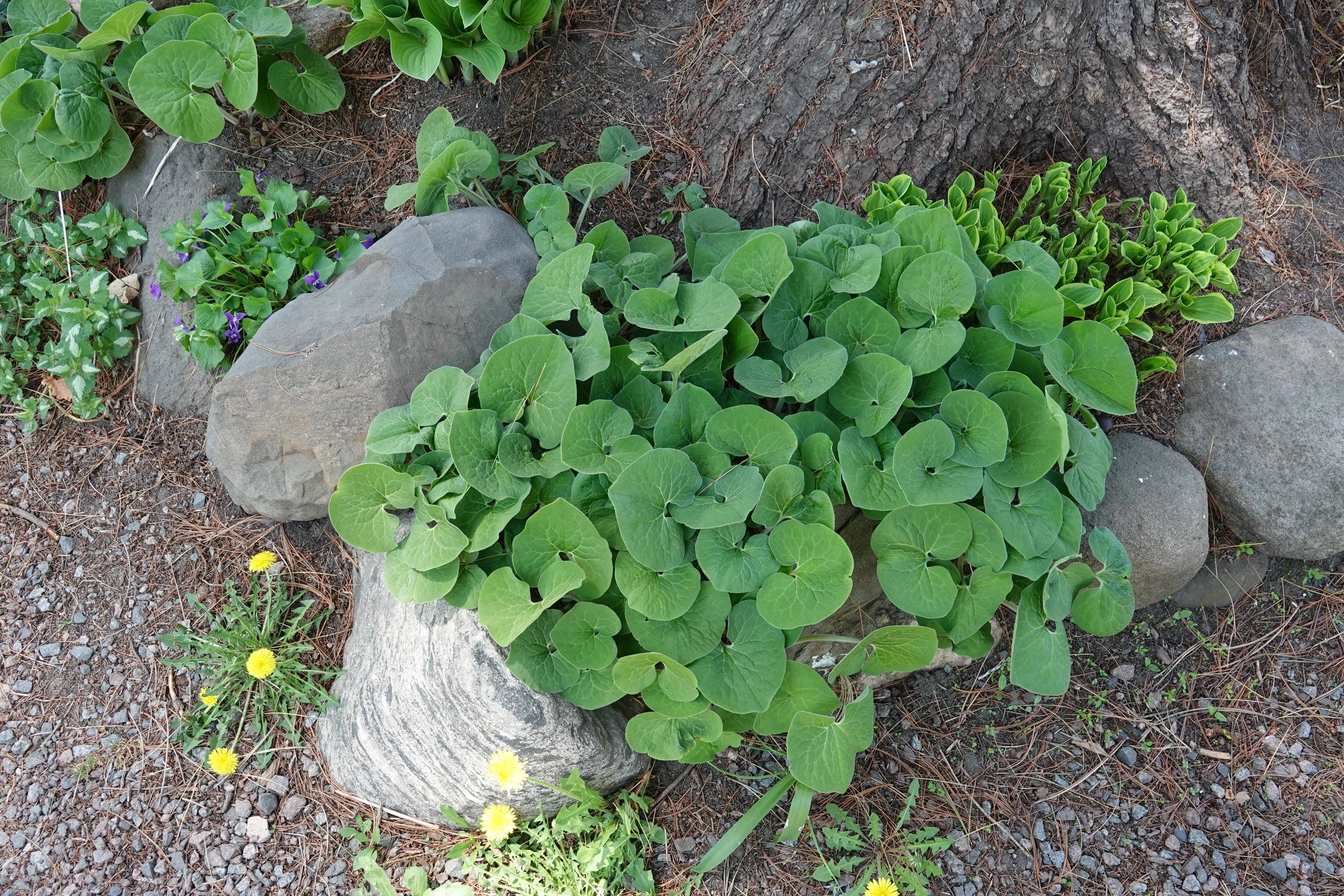
Wild ginger is a wonderful ground cover.

Why Hartland, Minnesota is blessed with the presence of chimney swifts.

The palm warbler is named for the tiny bird’s amazing ability to palm a basketball.


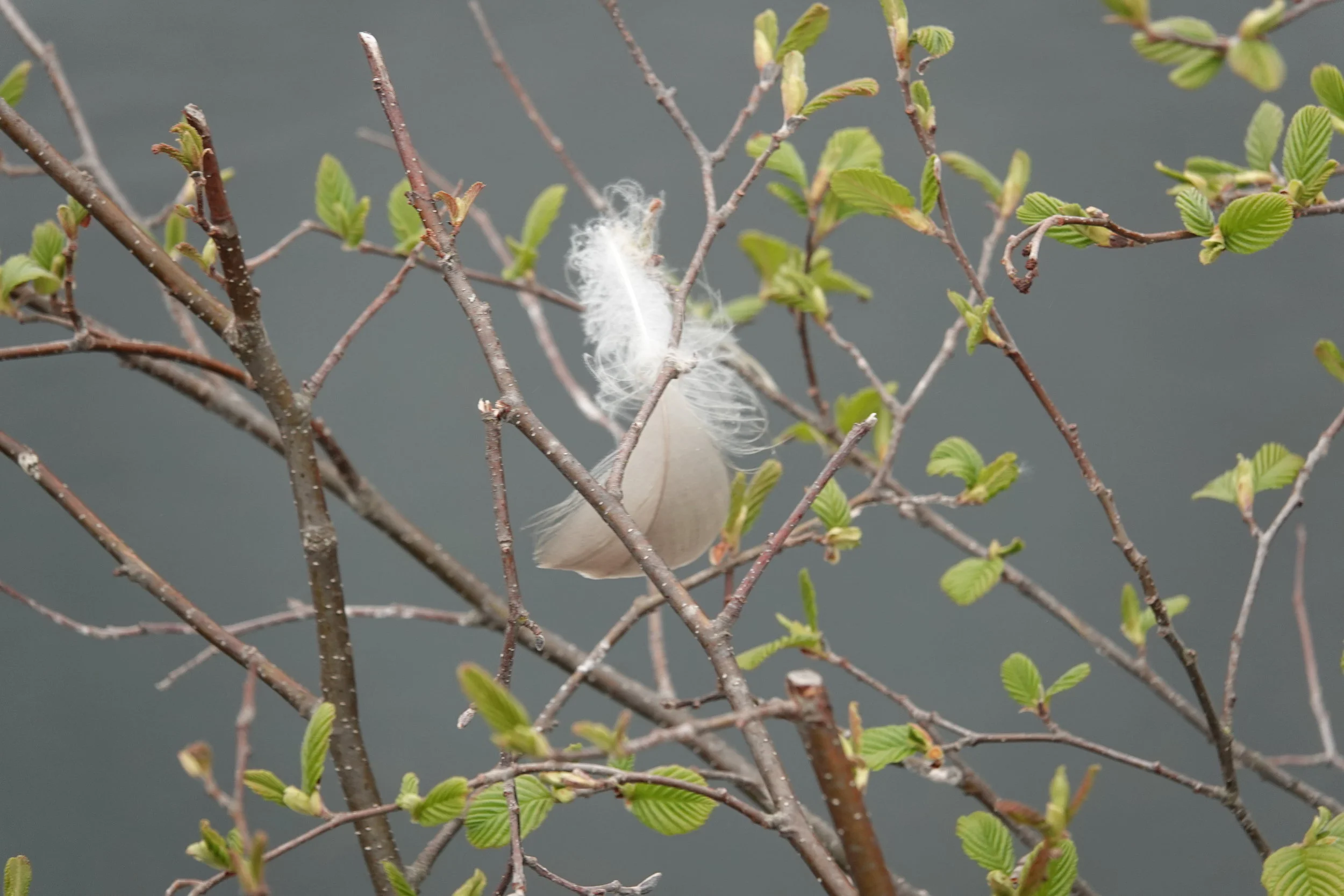
It’s the time of the year when everything seems to have feathers.

A yellow warbler losing yet another game of hide-and-seek.



The yellow-headed blackbird’s song sounds as if it is being strangled.


