The cat of the house attempts to turn down the sunlight’s brightness.

FullSizeRender.jpg
That jokester Jack Frost gave this rusty blackbird a coldfoot (the opposite of a hotfoot) and the blackbird found a warm spot in its own feathers.

That jokester Jack Frost gave this rusty blackbird a coldfoot (the opposite of a hotfoot) and the blackbird found a warm spot in its own feathers.

This rusty blackbird dropped a seed. Butter bill!

This rusty blackbird dropped a seed. Butter bill!

A rusty blackbird wishing it had caught an earlier flight.

A rusty blackbird wishing it had caught an earlier flight.

The feathers tipped with gray will slowly wear over the fall and winter, revealing a cardinal in brilliant red plumage.

The feathers tipped with gray will slowly wear over the fall and winter, revealing a cardinal in brilliant red plumage.

A snowbird on a snowy day.

A snowbird on a snowy day.

Chipmunk cheeks

Al Batt: Beavers with satisfactory swimming holes may build lodges instead

by Al Batt, albertleatribune.com
November 17, 2018 09:00 AMBald eagles — older and younger. Al Batt/Albert Lea Tribune

Al Batt of Hartland is a member of the Albert Lea Audubon Society. Email him at SnoEowl@aol.com.

My neighbor Crandall stops by.

“How are you doing?” I say.

“Everything is nearly copacetic. I lost my mood ring. I don’t know how I feel about that. I’m glad the election is over. I voted just once this year. I know politicians keep only 6.3 percent of their promises, but I hope they are worth keeping. Maybe things will be all right. I was so busy voting only once that I haven’t had the time to do any macrame.”

“You do macrame?” I ask, changing the subject.

“I just told you that I haven’t been able to find the time to do any macrame. I’ve never been able to find the time to do any macrame.“

“How is your cold?” I say.

“One day, I was fancy free and footloose. The next day, I felt like I needed some fixing up. I finally went to see the doctor. I’d come from attending a function where I’d felt it was proper to wear a suit and tie. I’d put a flower in my lapel. I felt lousy and I must have looked worse because the doctor said I looked like a well-kept graveyard. That gets a fellow’s attention.”

Leave it to beavers

I was slaving away in Beaver Dam, Wisconsin. The city was named for a beaver dam located in a stream flowing into the Beaver Dam River. The area had been known as Okwaanim, Chippewa for beaver dam. Beaver dams are built by beavers to provide ponds as protection against predators such as coyotes, wolves and bears, and to provide access to food in winter. If lakes or rivers have deep enough water, beavers may not build dams and live in bank burrows and lodges instead. If the water isn’t deep enough to keep beavers safe from predators and the lodge entrances ice-free, beavers build dams. These structures modify the natural environment in a way that the overall ecosystem builds upon the change, making beavers a keystone species. A keystone species is one that helps define an entire ecosystem and without that species, an ecosystem would be dramatically different or cease to exist.

American Bald Eagle

Foundation

I spoke at the Bald Eagle Festival at the American Bald Eagle Foundation located in Haines, Alaska. Alaska is where folks think Texas is cute. Haines is 80 miles north of Juneau. As many as 3500 baldeagles have been found in a single count. All species of Alaska’s Pacific salmon (king, sockeye, coho, pink and chum) are caught in the Chilkat and Chilkoot Rivers. Hemlock and Sitka spruce trees predominate. Brown and black bears, wolves, coyotes, moose, mountain goats, porcupine, river otters, harbor seals, orcas and humpback whales are seen there. The 1991 movie “White Fang” was filmed in Haines as was “Gold Rush” on the Discovery Channel. The population of the Haines Borough is about 2,400 (and 1,897 dogs) in the summer, dropping to 1,800 in the winter. Haines is where the tundra and the rainforest meet. The numbers jump around depending on the source, but the average annual rainfall is approximately 48 inches with an annual snowfall of 122-130 inches. During the winter of 2011-12, 360 inches of snow fell downtown. I love seeing the mountains. I recall leading a trip to Alaska and hoping that Denali (formerly Mt. McKinley) would be visible. I arose early and delighted in seeing the highest peak in North America. I told my charges that the mountain was out. One of them asked, “Where else would it be?” I was nearly hit by a LFBE (Low Flying Bald Eagle) while birding in Haines this year.

Q&A

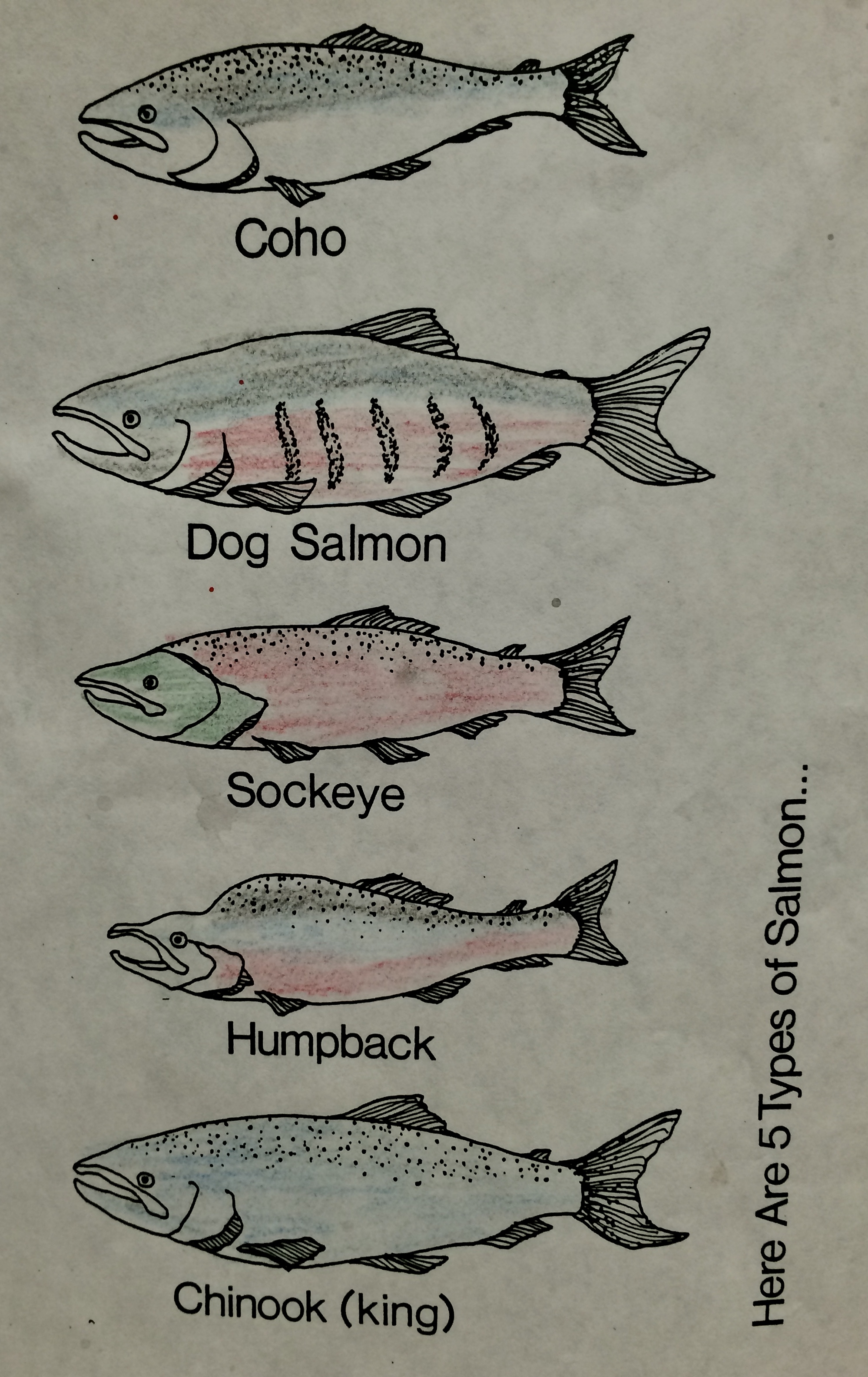
“Why do Canada geese like lawns?” Two reason: goose food and safety. The grass provides the food and a lawn makes it easy to detect predators.

“How much can a chipmunk stuff into its cheeks?” The eastern chipmunk is about 10 inches long including its tail. Its cheeks can stretch to three times larger than the chipmunk’s head. I’m often told that its name came from the sound that the animal makes. However, the common name may have been spelled “chitmunk” from the Odawa word jidmoonh or the Ojibwe ajidamoo. A male chipmunk is called a buck; a female is a doe; a baby is called kit, kitten or pup; and a group of chipmunks is a scurry.

Thanks for stopping by

“People take different roads seeking fulfillment and happiness. Just because they’re not on your road doesn’t mean they’ve gotten lost.” — Dalai Lama

“The thin snow now driving from the north lodges on my coat. How full of the creative genius is the air in which these flakes are generated. I could hardly more admire if real stars fell and lodged on my coat.” — Henry David Thoreau

“No shade, no shine, no butterflies, no bees, No fruits, no flowers, no leaves, no birds, November!” — Thomas Hood

Do good.

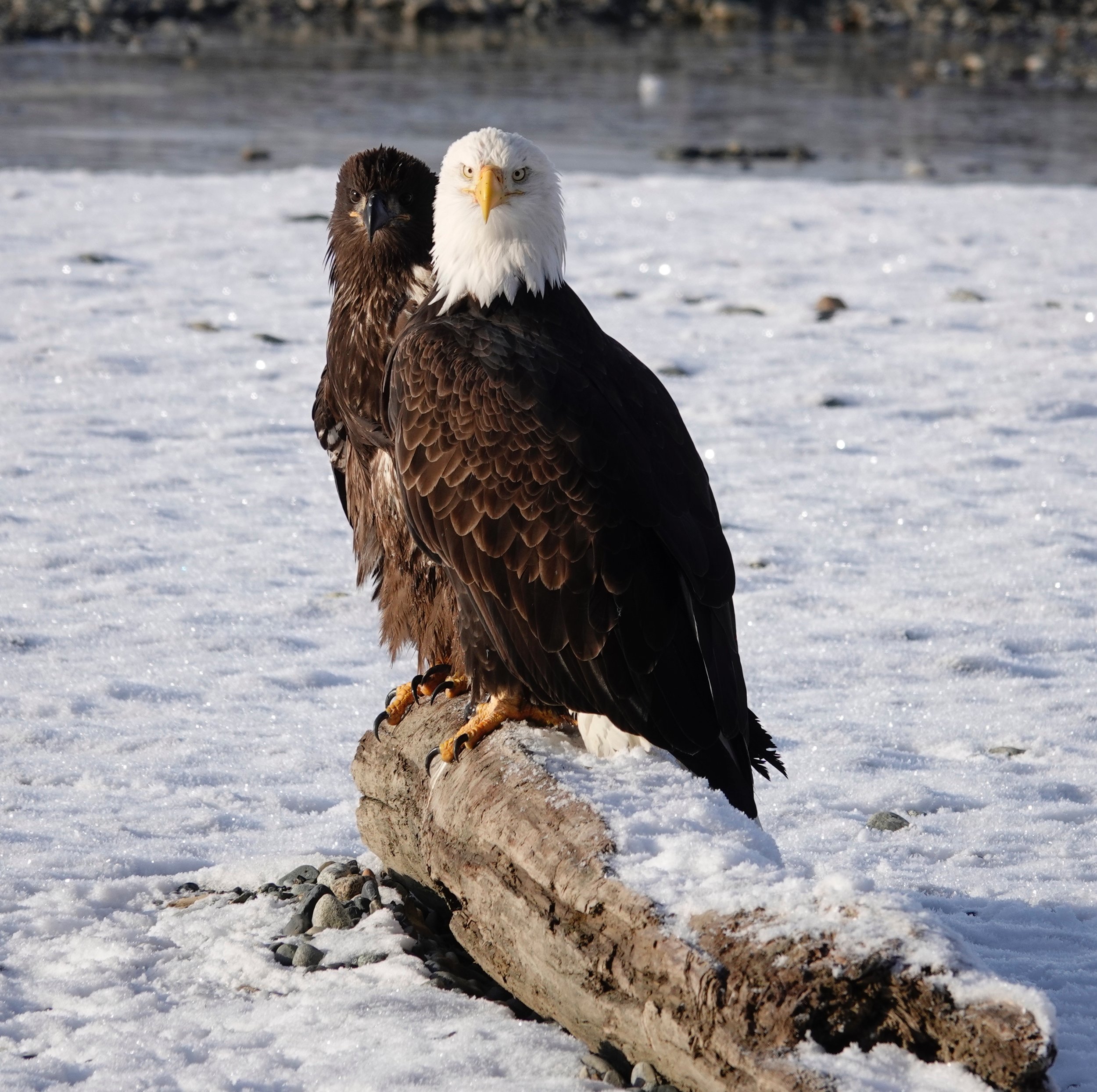
Bald eagles — younger and older. 

Bald eagles — younger and older. 

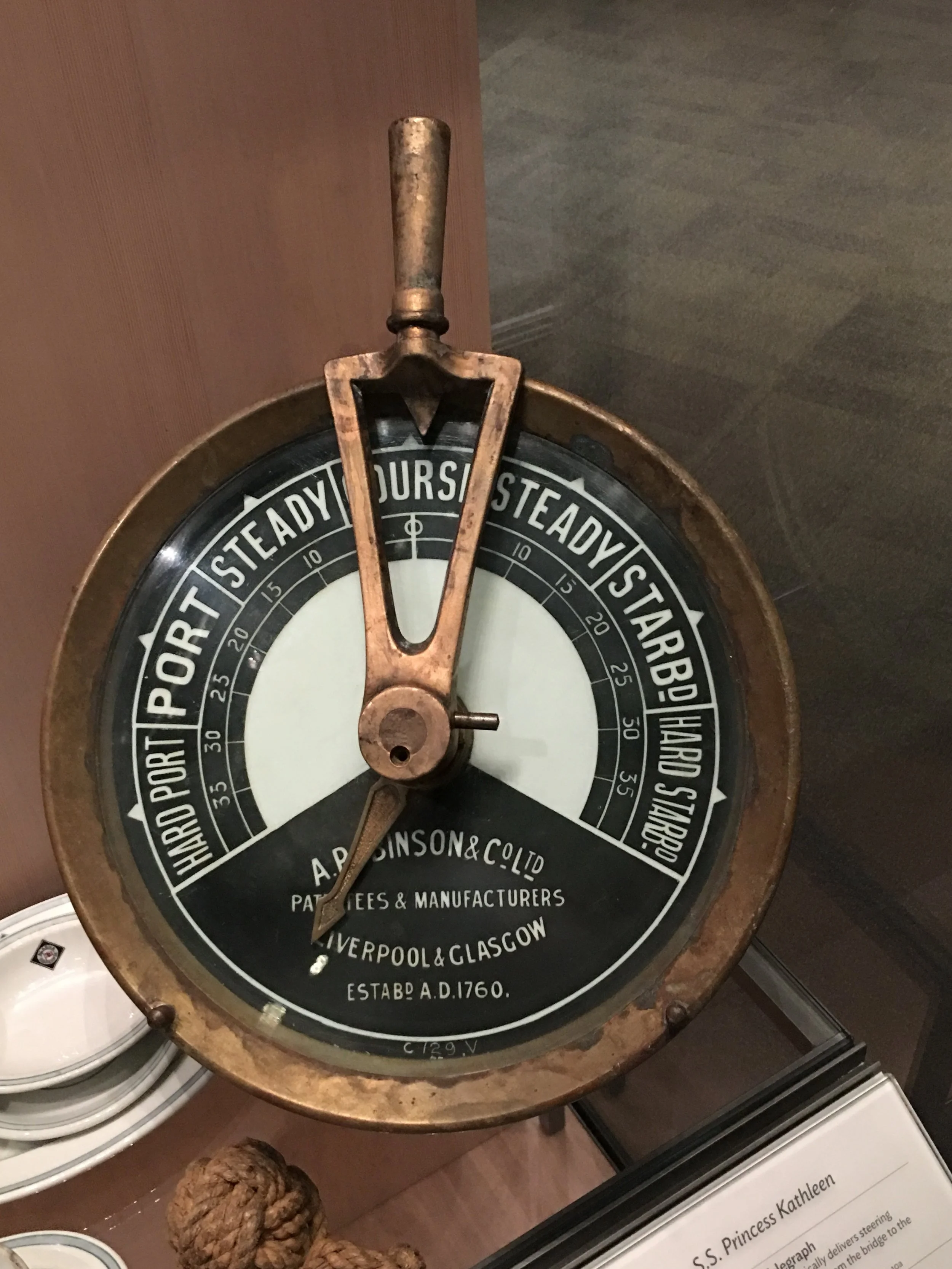
We have snow, but it’s still steady as she goes.

5010F0A1-0DA4-405A-9C4A-90605AEBE63E.JPG
Seen at the Hammer Museum in Haines, Alaska.

Seen at the Hammer Museum in Haines, Alaska.

Seen at the Hammer Museum in Haines, Alaska.

Seen at the Hammer Museum in Haines, Alaska.

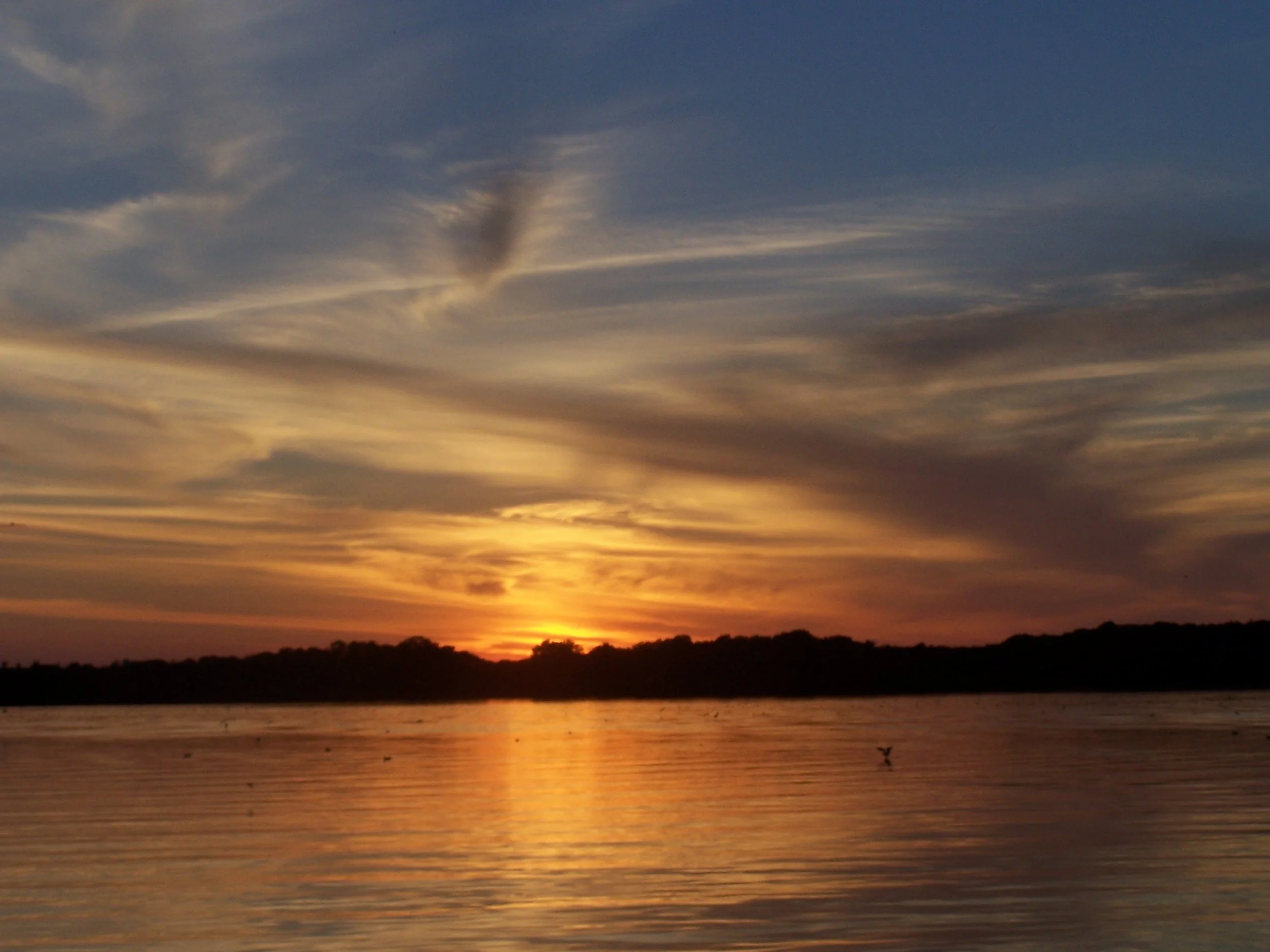
I challenged the day to show me something. It showed me everything.

I challenged the day to show me something. It showed me everything.

As seen at the Hammer Museum in Haines, Alaska.

As seen at the Hammer Museum in Haines, Alaska.

As seen at the Hammer Museum in Haines, Alaska.Thirty-six pounds!

As seen at the Hammer Museum in Haines, Alaska.

Thirty-six pounds!

As seen at the Hammer Museum in Haines, Alaska.Birding takes many forms.

As seen at the Hammer Museum in Haines, Alaska.

Birding takes many forms.

Cold weather is the opossum Olympics

Cold weather is the opossum Olympics

A porcupine cannot throw its quills. This is especially true of one that is stuffed and mounted.

A porcupine cannot throw its quills. This is especially true of one that is stuffed and mounted.

My wife releases a rehabilitated bald eagle in Alaska.

My wife releases a rehabilitated bald eagle in Alaska.

Slicing

FullSizeRender.jpg

This bald eagle is no golfer, but it has a slice. The ejection of fecal matter by birds of prey is called slicing. This bird flings it with some velocity.

In Haines, Alaska.

In Haines, Alaska.

There is some fishing going on in Haines, Alaska, but the bullheads weren’t biting.

There is some fishing going on in Haines, Alaska, but the bullheads weren’t biting.

We don’t have a deer rock, so our kitchen table is a place where major decisions are made.

We don’t have a deer rock, so our kitchen table is a place where major decisions are made.

Nature is great when taken in small or large doses.

Nature is great when taken in small or large doses.

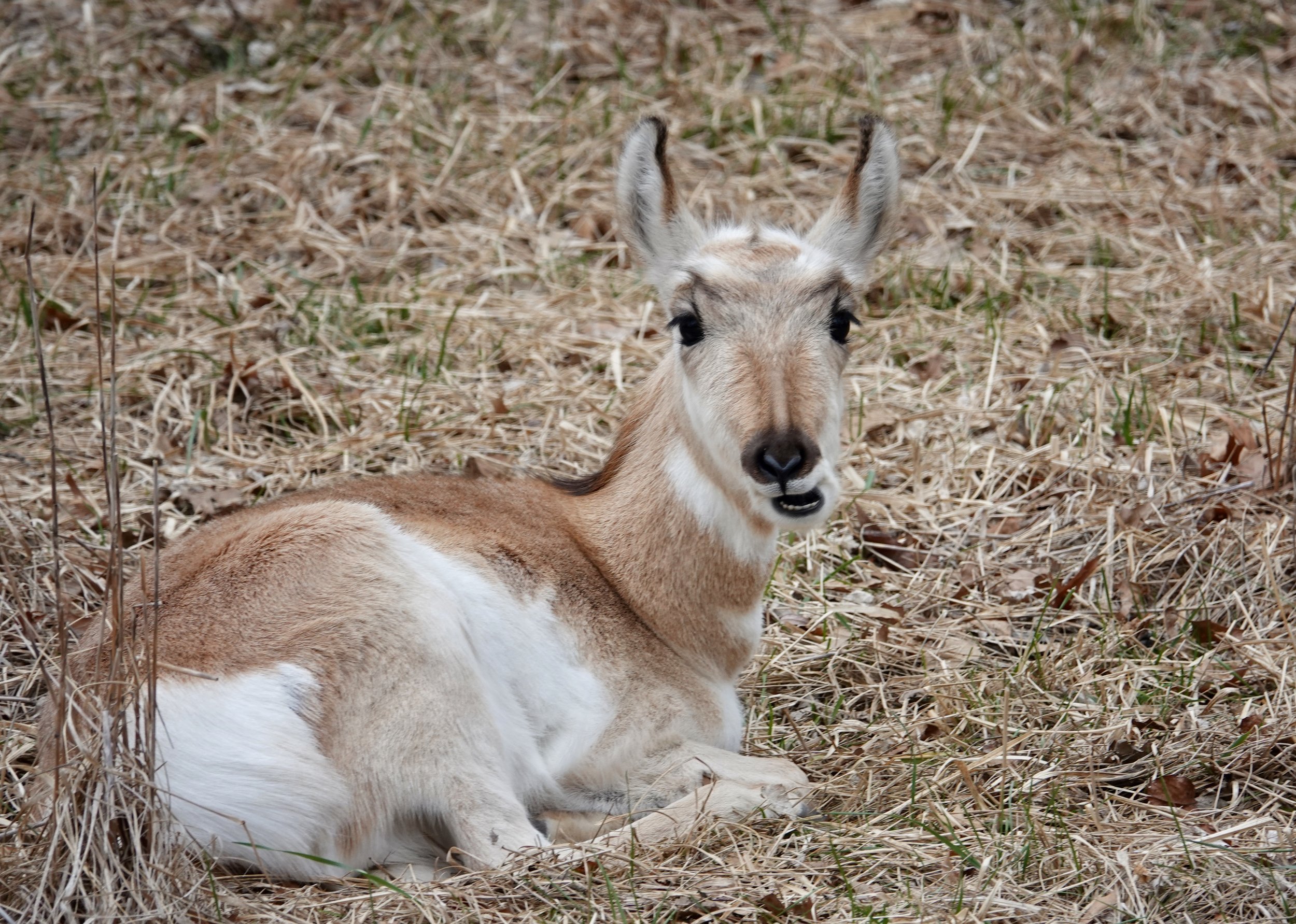
This particular pronghorn was not reaching speeds of 60 mph.

This particular pronghorn was not reaching speeds of 60 mph.

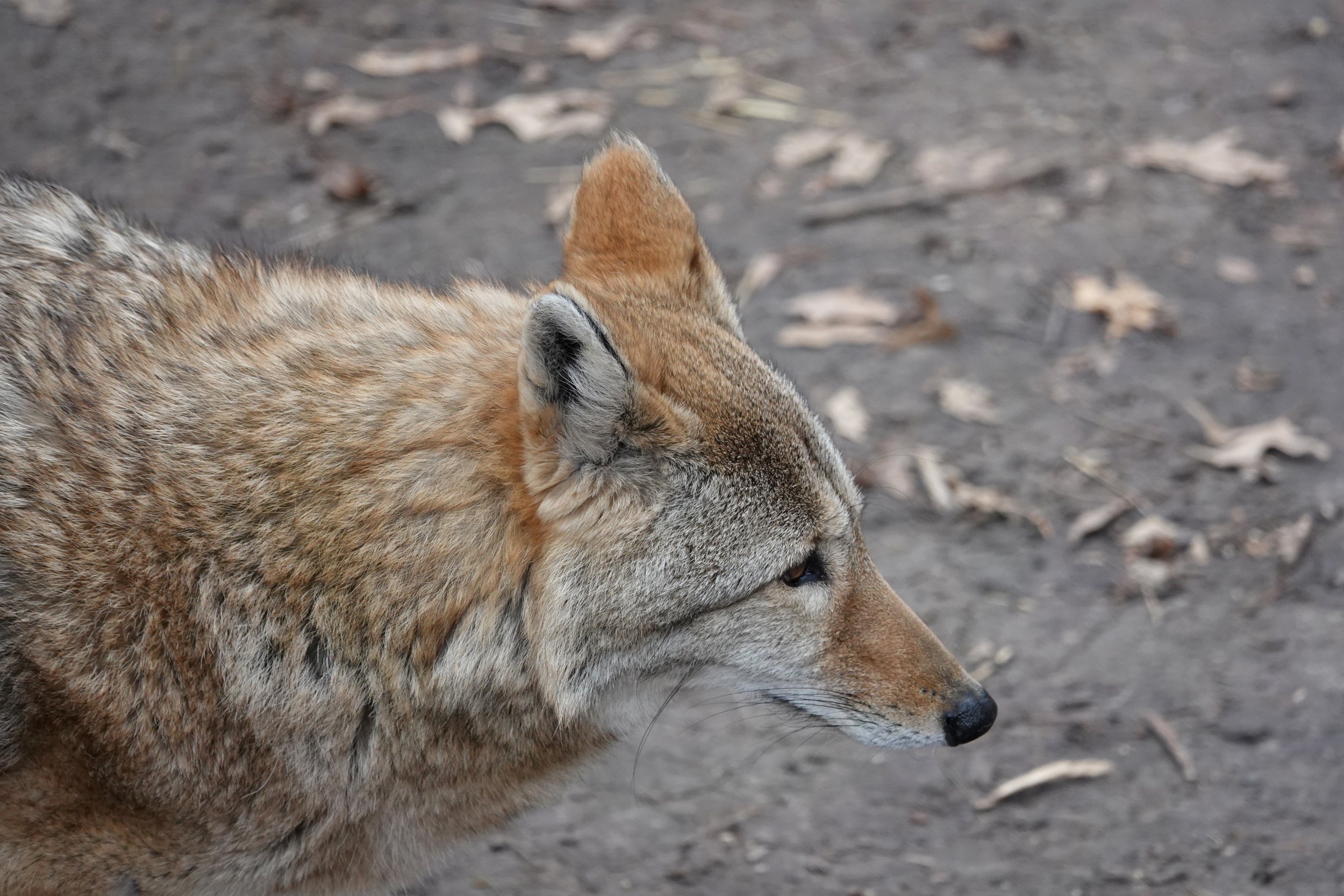
Wile E. Coyote’s cousin Ware E. Coyote.

Wile E. Coyote’s cousin Ware E. Coyote.

With each step I take on this day.

FullSizeRender.jpg
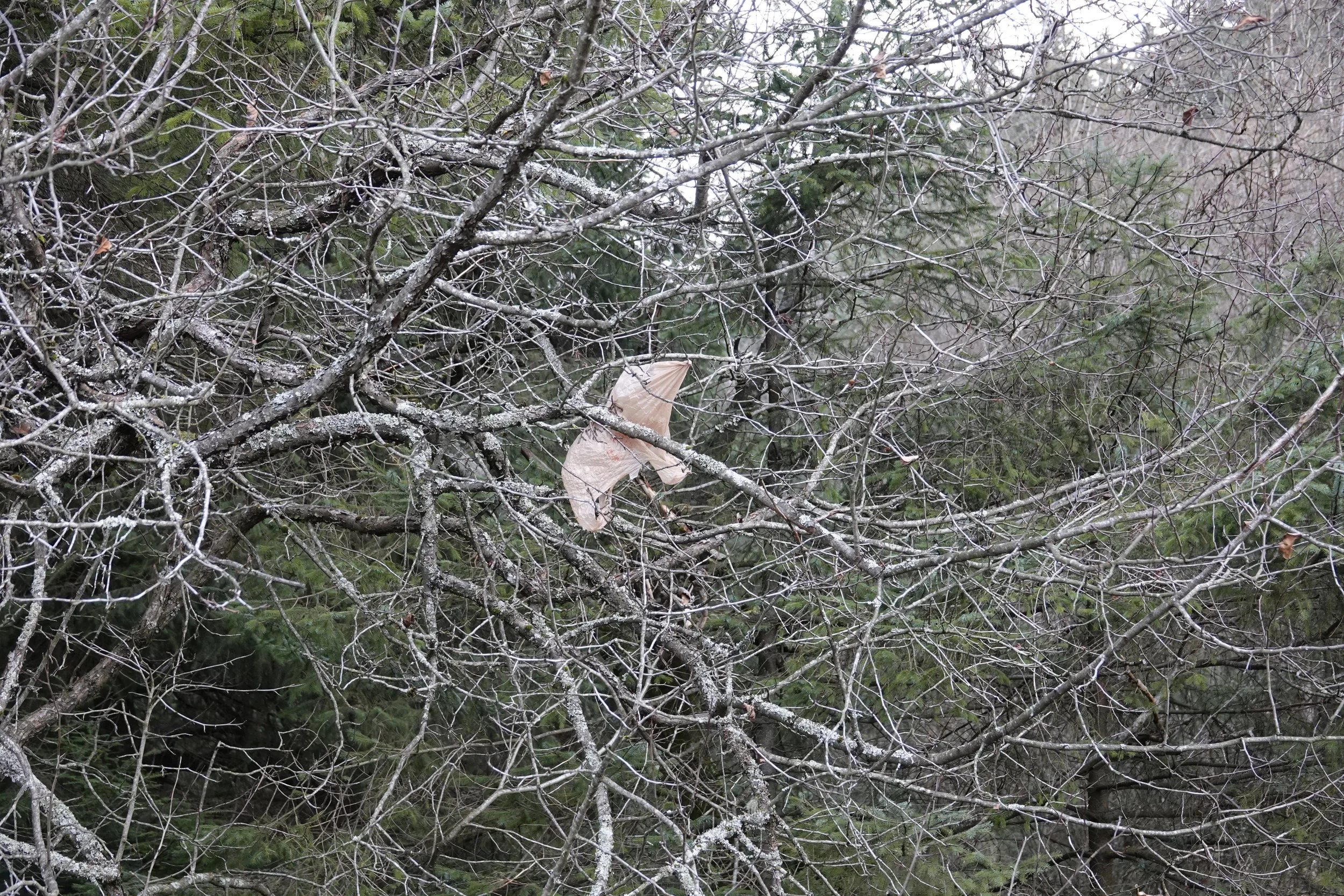
A bag bird perched in a tree. I was unable to determine the species.

A bag bird perched in a tree. I was unable to determine the species.

The victor and a bit of the vanquished.

The victor and a bit of the vanquished.

So long have you been fishing?

So long have you been fishing?

It pays to use good fishing equipment.

It pays to use good fishing equipment.

I had accidentally stumbled into the world’s worst petting zoo.

I had accidentally stumbled into the world’s worst petting zoo.

I was far from it, but I felt as if I were at the top of the mountain.

I was far from it, but I felt as if I were at the top of the mountain.

As Jeffrey Lebowski, in the movie “The Big Lebowski,” would say, “Ah, nice marmot.”A groundhog is a species of marmot.

As Jeffrey Lebowski, in the movie “The Big Lebowski,” would say, “Ah, nice marmot.”

A groundhog is a species of marmot.

A pied-billed grebe takes its leave from a leaf.

A pied-billed grebe takes its leave from a leaf.

Mulling over mountains


FullSizeRender.jpg

 “The top of one mountain is always the bottom of another.” — Marianne Williamson


Magpies climbing a mountain.

Magpies climbing a mountain.

Gold prospecting in the Chilkat Valley.

Gold prospecting in the Chilkat Valley.

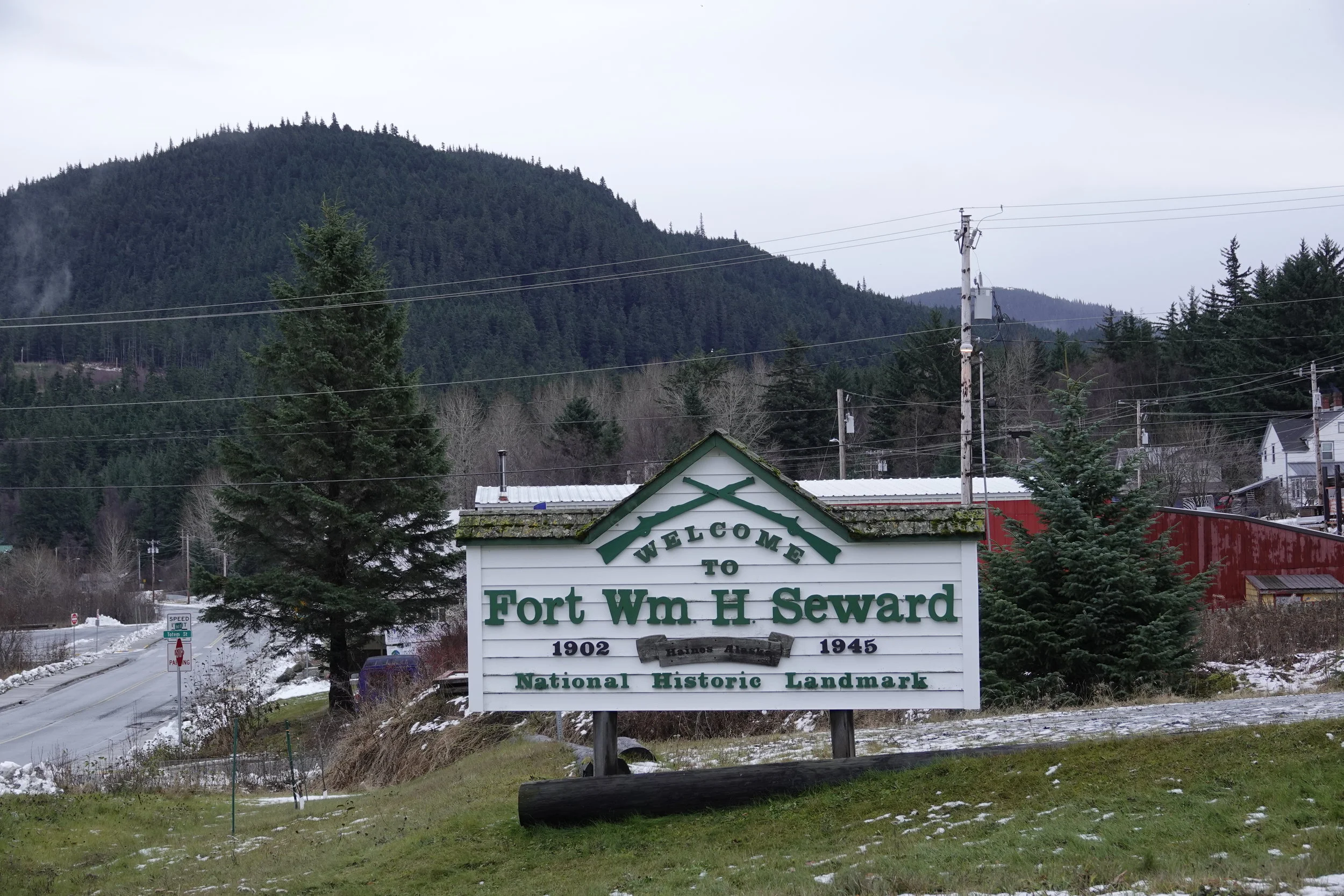
Part of my morning walk is here in the Fort William H. Seward area of Haines, Alaska.

Part of my morning walk is here in the Fort William H. Seward area of Haines, Alaska.

_DSC2393.JPG
I was welcomed with opened arms at Fort Seward in Haines, Alaska.

I was welcomed with opened arms at Fort Seward in Haines, Alaska.

 “How glorious a greeting the sun gives the mountains!”John Muir

 “How glorious a greeting the sun gives the mountains!”

John Muir

Made from mussel shells, marine bivalve mollusks.

FullSizeRender.jpg
A beached whale in Haines, Alaska.

A beached whale in Haines, Alaska.

FullSizeRender.jpg

A woman puts ice & snow traction cleats on her shoes in the village of Klukwan in Alaska. Snow tires for humans.

Part of the garb worn by a dancer in Klukwan, Alaska.

Part of the garb worn by a dancer in Klukwan, Alaska.

FullSizeRender.jpg
Leaving Haines, Alaska.

Leaving Haines, Alaska.

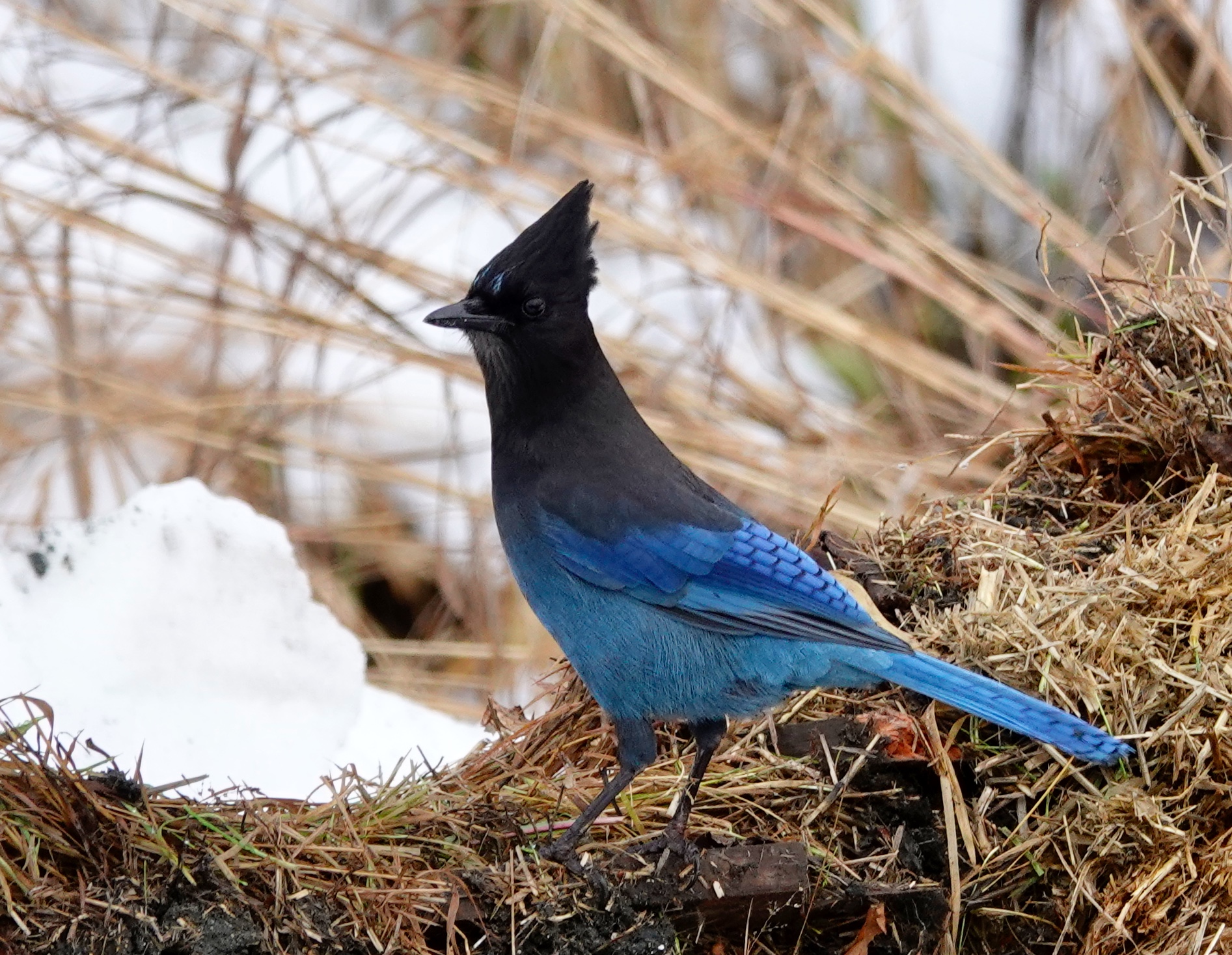
The Steller’s jay is one of the most frequently misspelled bird names.

The Steller’s jay is one of the most frequently misspelled bird names.

_DSC1692.JPG
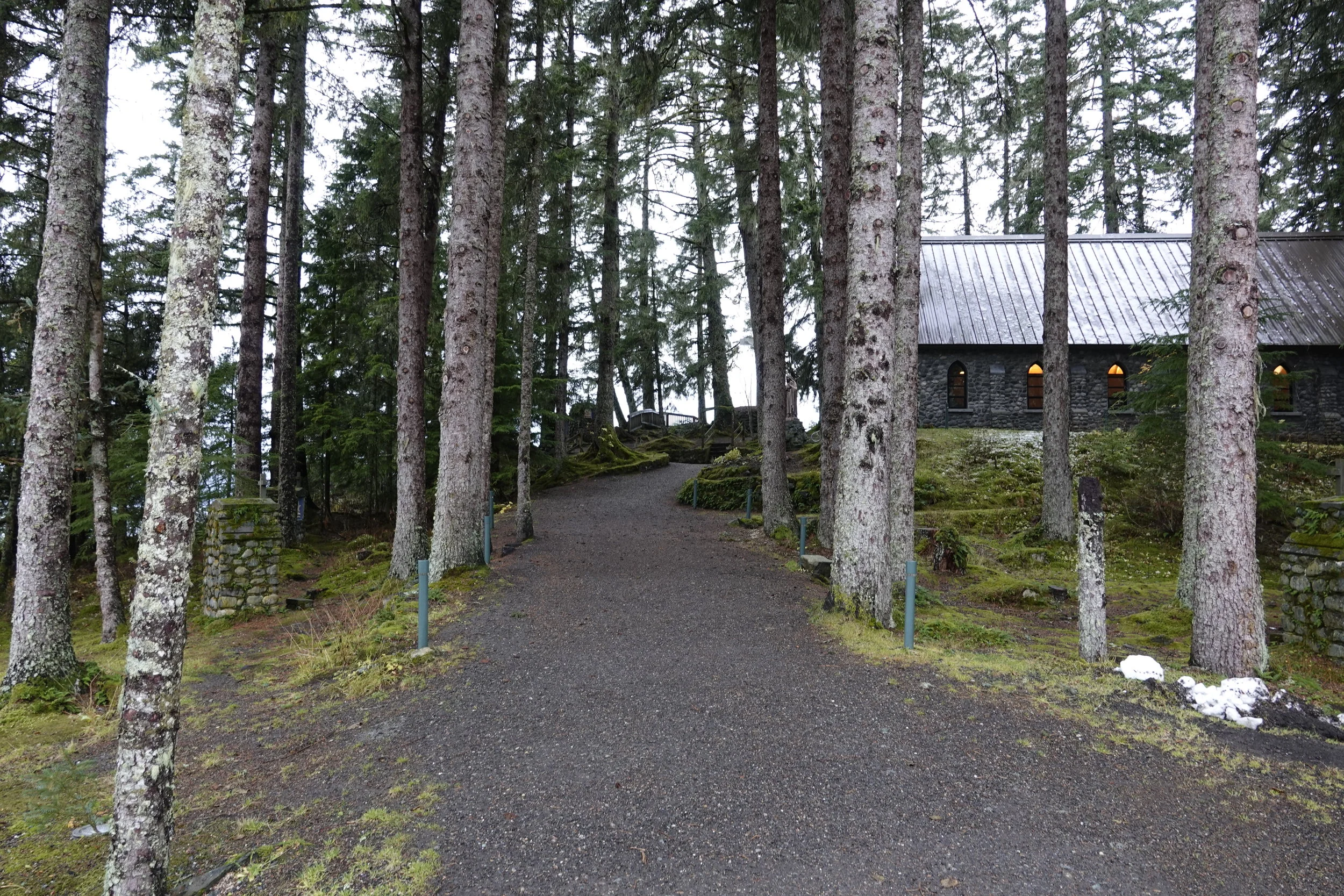
The Shrine of St. Therese’s in Juneau, Alaska. A lovely place to be quiet.

The Shrine of St. Therese’s in Juneau, Alaska. A lovely place to be quiet.

Colder winter than usual?

Al Batt: Get ready: Farmers’ Almanac predicts colder winter than usual

by Al Batt, albertleatribune.com
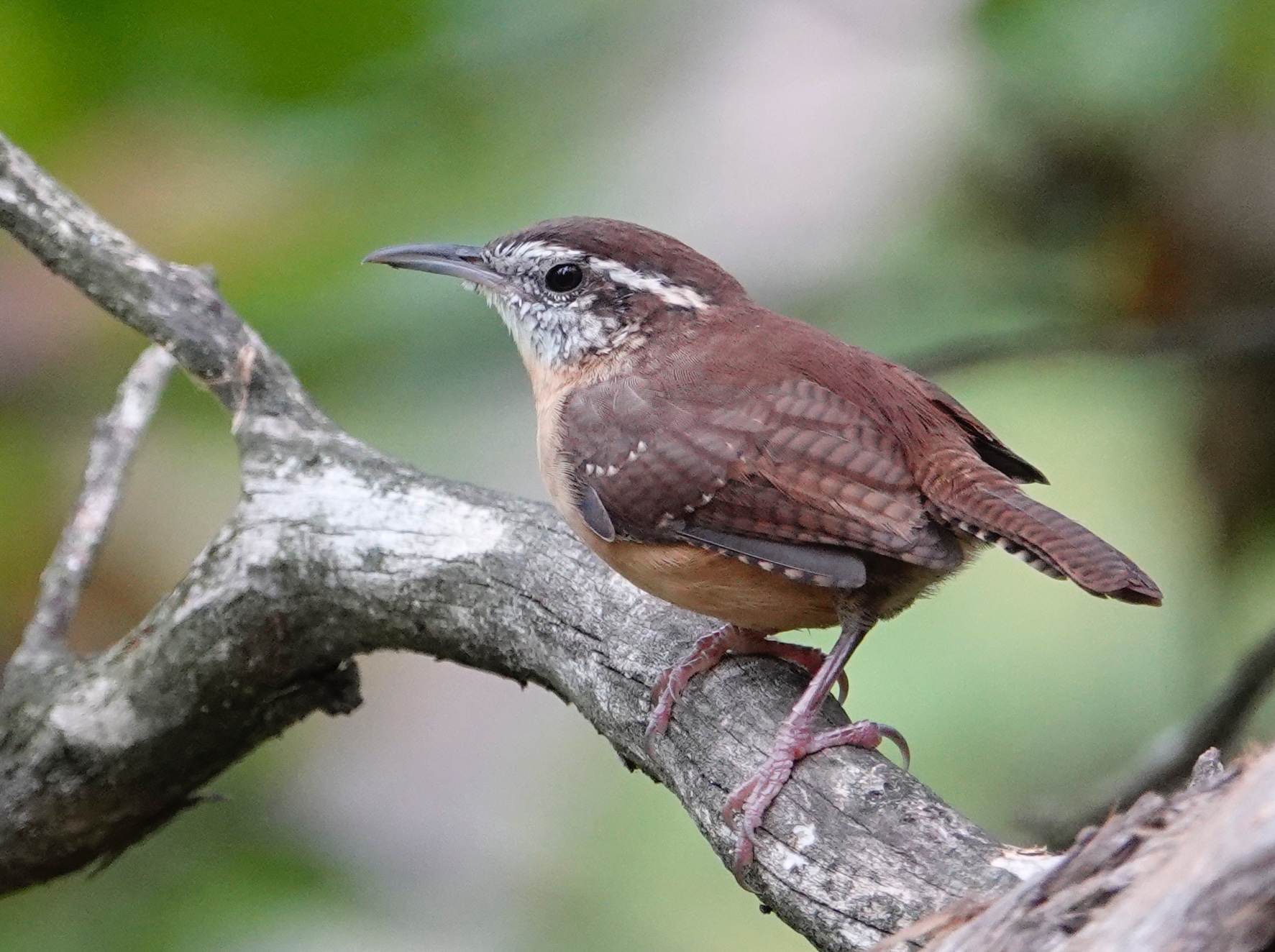
November 10, 2018 09:00 AMThe hardy Carolina wren has been wintering farther north in recent years. - Al Batt/Albert Lea Tribune

Al Batt of Hartland is a member of the Albert Lea Audubon Society. Email him at SnoEowl@aol.com.

My neighbor Crandall stops by.

“How are you doing?” I ask.

“Everything is nearly copacetic. My philosophy is limited to the lyrics from the songs of The Rolling Stones and lines from old movies, but I believe every time I hear a mousetrap snap, an angel gets a mouse. I should feel sorry for the mice. After all, I’ve been caught. I remember it being around this time of the year when I got caught eating a Butterfinger candy bar in class. The Butterfinger was the last remaining survivor of my Halloween candy. Mrs. Bach asked if I’d brought enough candy for everybody. I said, ‘Where are we living, in the Soviet Union?’”

“I remember that. You took a big note home from school that day,” I say.

Naturally

William Wilfred Campbell wrote, “Now by great marshes wrapt in mist, Or past some river’s mouth, Throughout the long, still autumn day, Wild birds are flying south.”

The yard scold, a boisterous blue jay, has a comment on everything. This is the time of the year when the crows begin to get on the nerves of anyone named Caw. It’s also the time of the year when we notice much of the leaves remaining on trees belong to nonnatives like buckthorn, lilac and weeping willow.

I moseyed along a lovely trail at the Columbia Audubon Nature Sanctuary in Columbia, Missouri. I walked in on a Carolina wren concert. A pair bond can form between Carolina wrens at any time of the year and they usually mate for life. A pair stays together all year and forage on their territory together.

The 2019 Farmers’ Almanac — not The Old Farmers’ Almanac — predicts a colder-than-normal winter from the Continental Divide east through the Appalachians. The Farmers’ Almanac, in Lewiston, Maine, bases its long-range forecasts on a mathematical and astronomical formula developed in 1818, also predicts above-normal precipitation (much snow) for the Midwest, with the majority of it falling in January and February. The teeth-chattering cold is to arrive mid-February.

Q&A

“Do both male and female pelicans get bumps on their bills?” During the breeding season, both males and females develop a pronounced fibrous plate on the top of their beaks called a nuptial tubercle that is shed by the end of the breeding season.

“What are the three sisters?” Corn, beans, and squash. Native Americans found this trio thrived when planted together. In legend, the plants were gifts from the gods to be grown together, eaten together and celebrated together. The corn offers the beans support. The beans pull nitrogen from the air and into the soil for the benefit of all three. The large leaves of the sprawling squash protect the others by creating a living mulch shading the soil while keeping it cool and moist, and limiting weeds.

“Were dodos really stupid?” No. Dodos were thought stupid because they were comfortable around humans and were easily hunted on their native island of Mauritius. Their trusting nature and the introduction of invasive species wiped them out a century after they were discovered. Dodos had a similar brain-to-body size ratio to that of pigeons, which demonstrate an ability to be trained.

“What is the world’s largest songbird?” The common raven.

“Do bats have hollow bones?” Unlike most birds, which have hollow bones, the bones of bats aren’t hollow, but are typically small and delicate. The bones of their wings are lengthened to provide support for the wing membranes. Bats make up one-fifth of the mammal population on Earth according to Bat Conservation International.

“How can I identify common buckthorn?” The leaves remain green in the fall. Buckthorn has three or four upward curving veins on each side of the mid-vein. When veins curve at the ends as they approach the leaf margin, the leaves are called arcuate. The leaf margin or edges of the leaf are slightly serrated or toothed. Buckthorn berries are found only on mature female plants and become purple to purple-black in late summer to early fall. Each berry contain three to four seeds and the stem attaches directly to the twig. Berries of native species like chokecherry or black cherry are grouped and have a single seed each. Non-chemical buckthorn control options include cutting the tree and covering the cut stump with a tin can or black plastic to prevent re-sprouting. Use nails to affix the can or a tie to affix the black plastic and leave in place for one or two years.

Thanks for stopping by

“Now is the time of the illuminated woods; they have a sense of sunshine, even on a cloudy day, given by the yellow foliage; every leaf glows like a tiny lamp; one walks through their lighted halls with a curious enjoyment.” — John Burroughs, from “The Heart of Burrough’s Journals”

“When small men begin to cast big shadows, it means that the sun is about to set.“ — Lin Yutang

Do good.

Al Batt of Hartland is a member of the Albert Lea Audubon Society. Email him at SnoEowl@aol.com.

The hardy Carolina wren has been wintering farther north in recent years. - Al Batt/Albert Lea Tribune

The hardy Carolina wren has been wintering farther north in recent years. - Al Batt/Albert Lea Tribune

This young bald eagle will develop a white head and tail at about five years of age.

FullSizeRender.jpg
The scenery made waiting for a pilot car on the Haines Highway in Alaska a most pleasant time. Road work is ubiquitous.

The scenery made waiting for a pilot car on the Haines Highway in Alaska a most pleasant time. Road work is ubiquitous.

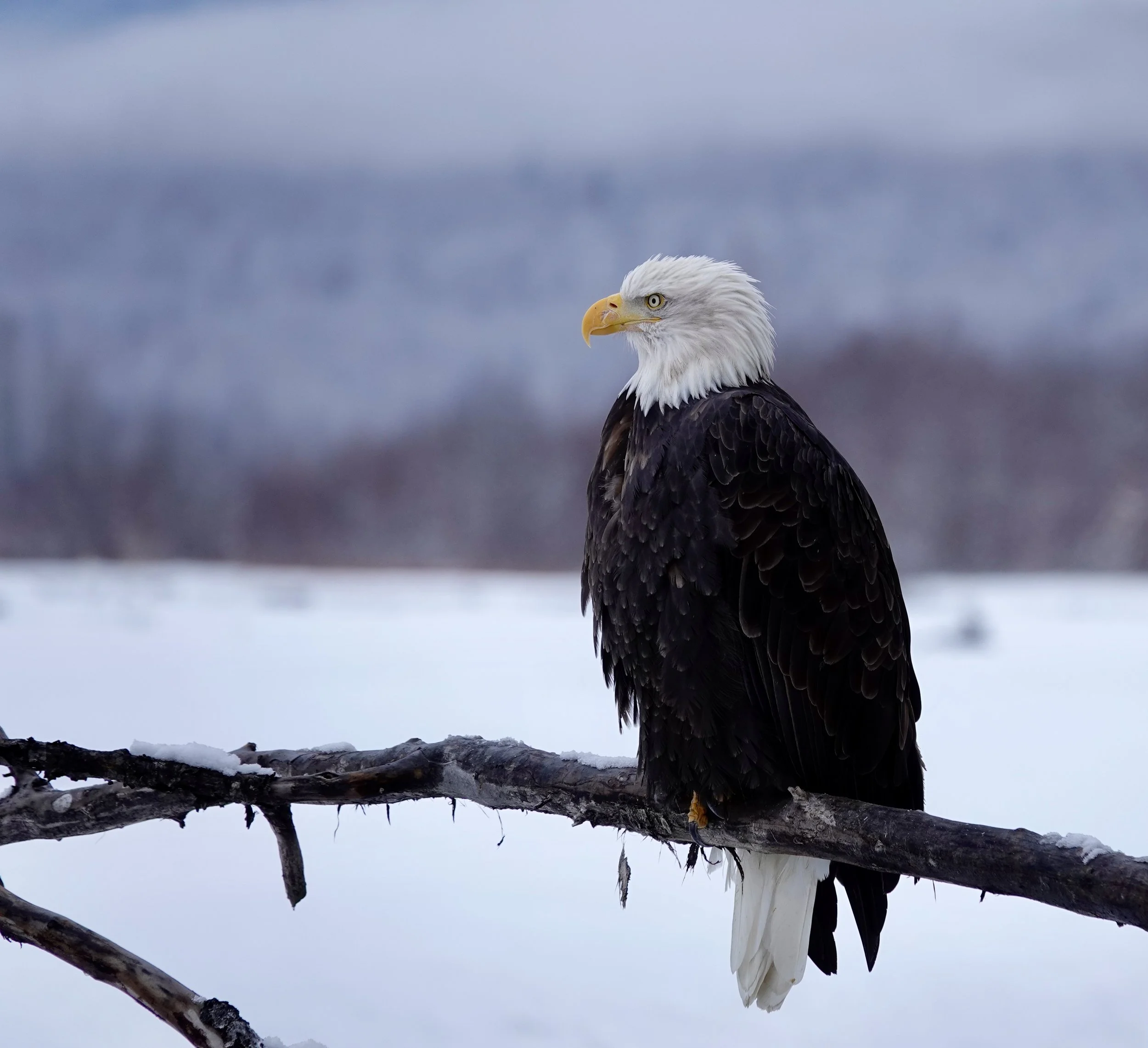
A bald eagle thinking of having salmon for lunch.

A bald eagle thinking of having salmon for lunch.

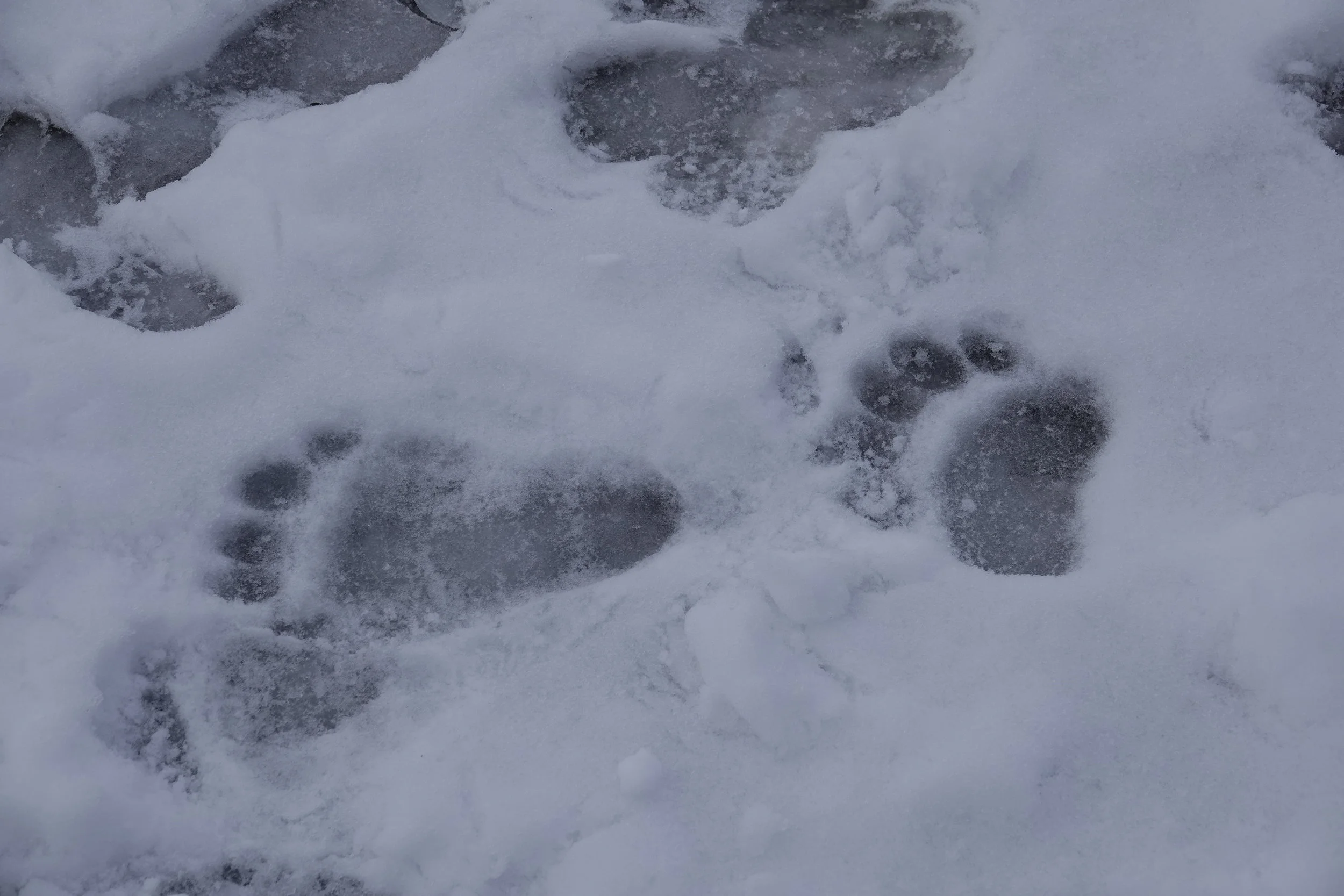
Bear tracks.

Bear tracks.

The view from the village of Klukwan in Alaska.

The view from the village of Klukwan in Alaska.

John Muir said,“The mountains are calling and I must go.”They have me on speed dial.

John Muir said,“The mountains are calling and I must go.”

They have me on speed dial.

FullSizeRender.jpg

 “Over every mountain there is a path, although it may not be seen from the valley.” — Theodore Roethke


The ferry LeConte on its way from Juneau, Alaska, to Hoonah (The Little City with a Big Heart) 48 nautical miles away. A nautical mile is 1.1508 miles.

_DSC1810.JPG
Eldred Rock Lighthouse in the Haines Borough, Alaska.

Eldred Rock Lighthouse in the Haines Borough, Alaska.

Chilkoot Lake. Haines, Alaska.

Chilkoot Lake. Haines, Alaska.

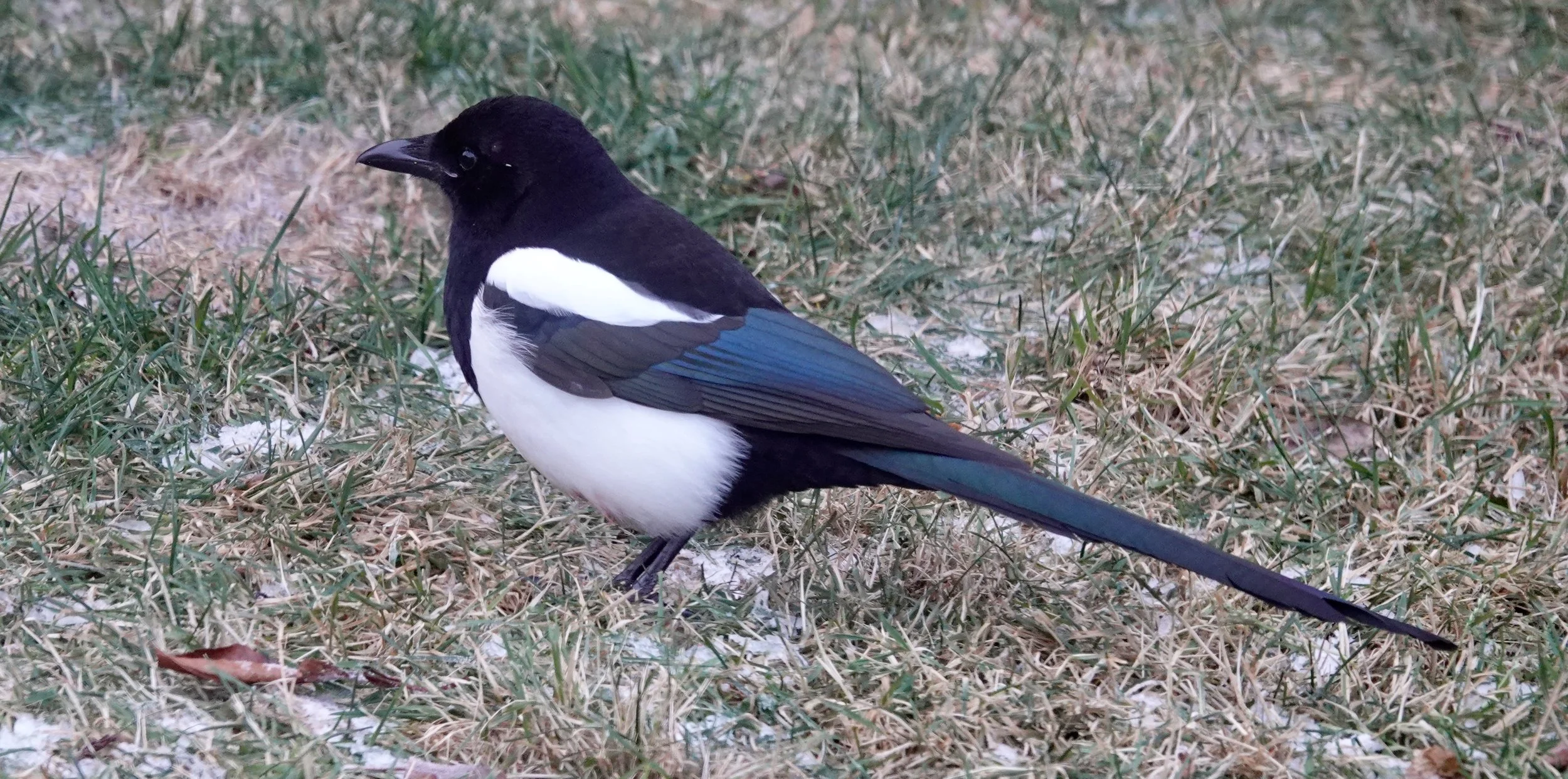
A black-billed magpie. Magpie means “black-and-while Margaret.”

A black-billed magpie. Magpie means “black-and-while Margaret.”

Fenced graves at a cemetery in Haines, Alaska.

Fenced graves at a cemetery in Haines, Alaska.

FullSizeRender.jpg

A quiet cemetery alongside the Haines Highway in Alaska.

Merganser comes from the Latin mergus (waterfowl, diver) plus anser (goose).

Merganser comes from the Latin mergus (waterfowl, diver) plus anser (goose).

This giant hammer at the Hammer Museum in Haines, Alaska, was modeled after a 1923 Maydole hammer.

FullSizeRender.jpg
The Haines Brewery is owned by a gentleman originally from Owatonna, Minnesota. The grownups tell me that the adult beverages produced there are very good, especially the spruce tip ale.

The Haines Brewery is owned by a gentleman originally from Owatonna, Minnesota. The grownups tell me that the adult beverages produced there are very good, especially the spruce tip ale.

Haines, Alaska, where the mountains rise from the planes.

Haines, Alaska, where the mountains rise from the planes.

There are days when the DOT has nothing more to say.

There are days when the DOT has nothing more to say.

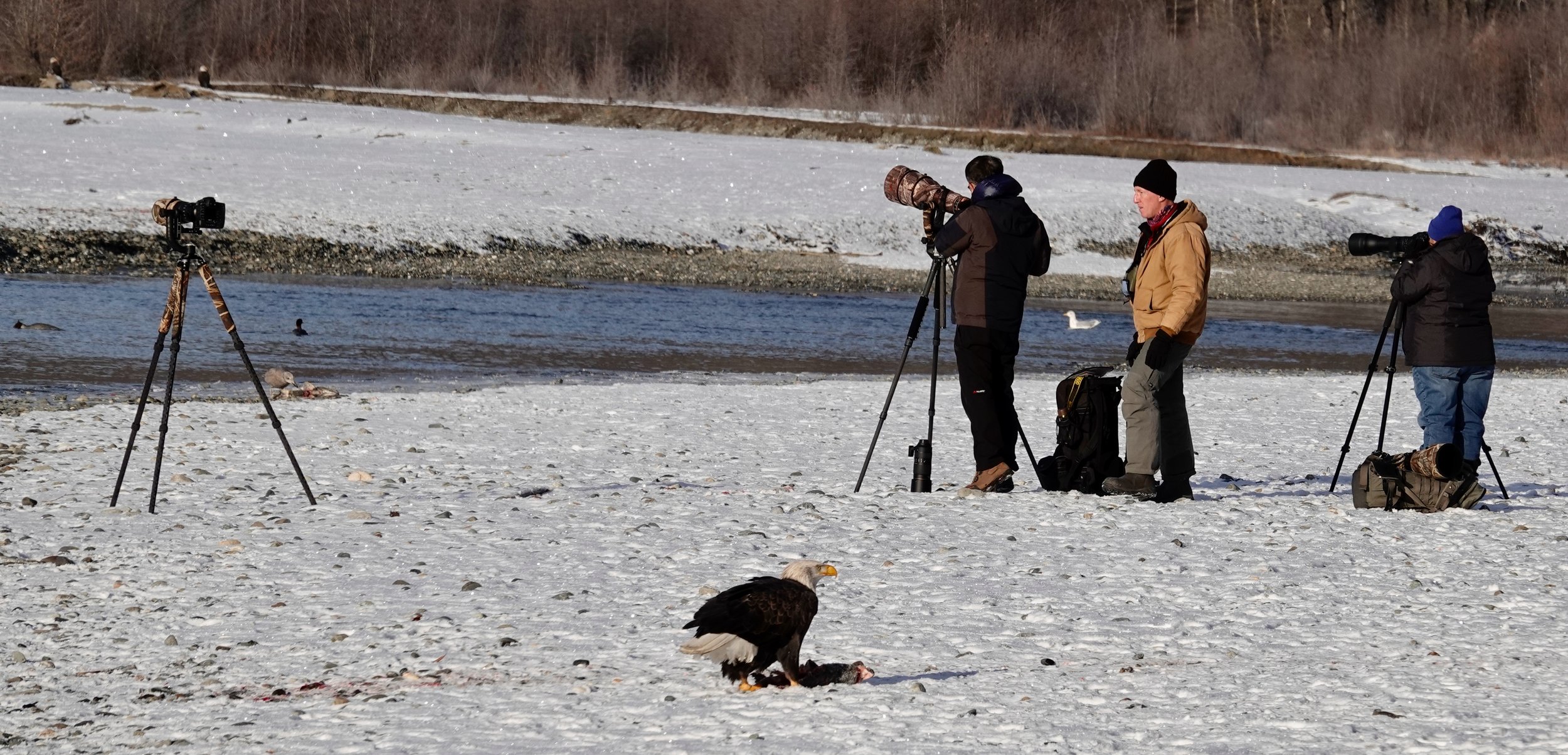
What does an eagle have to do to get his photo taken around here?

What does an eagle have to do to get his photo taken around here?

It isn’t the highest perch, but the rent is reasonable.

It isn’t the highest perch, but the rent is reasonable.

OK, bald eagles, look at the camera and smile.

OK, bald eagles, look at the camera and smile.

A young bald eagle tries to hide a salmon from other eagles waiting to pirate it.

A young bald eagle tries to hide a salmon from other eagles waiting to pirate it.

FullSizeRender.jpg

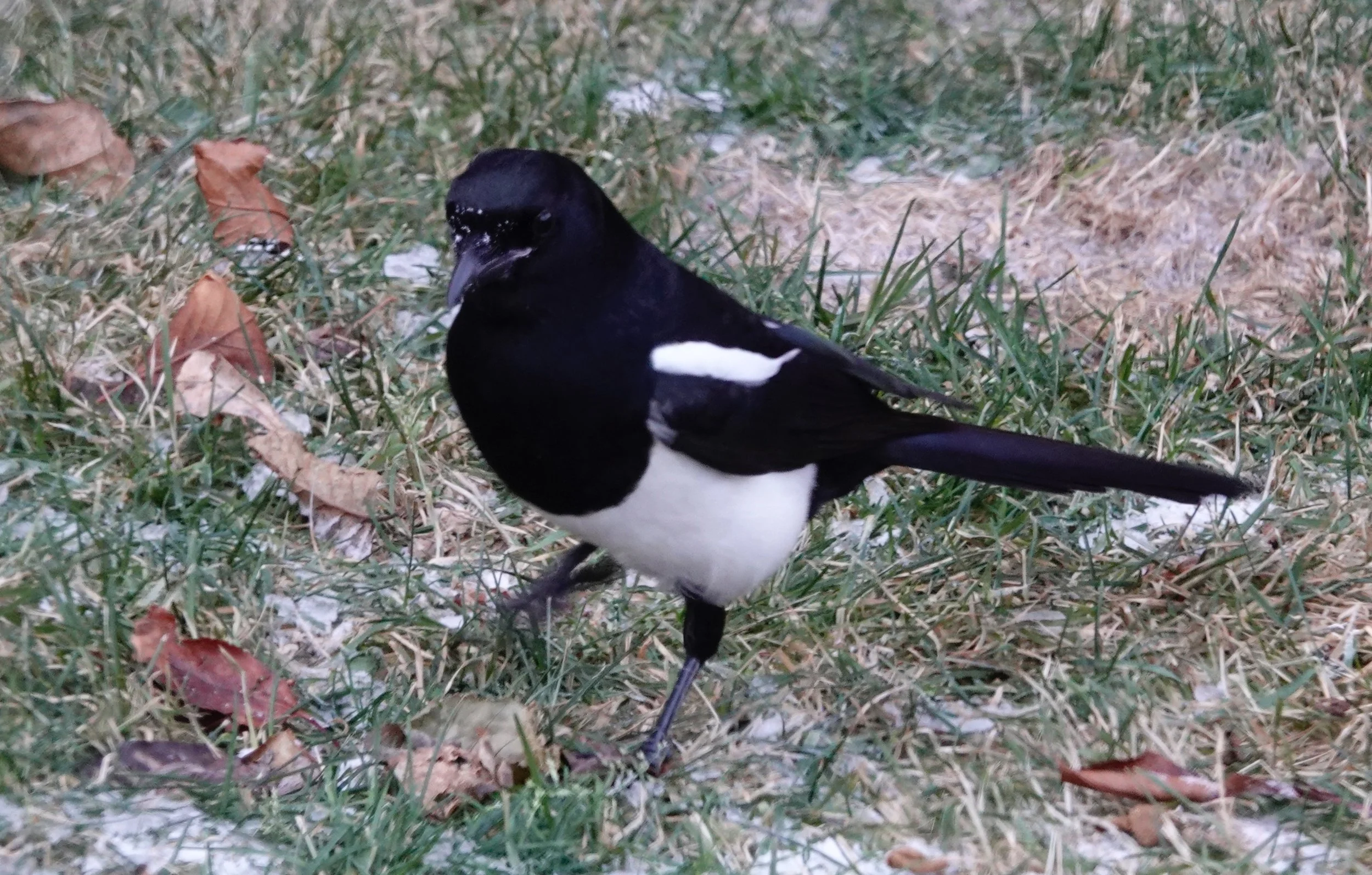
A black-billed magpie. A magpie is a person who chatters noisily.

Ready for takeoff.

Ready for takeoff.

If you wanted to partake in the Gold Rush of 1880-1904, you needed a large backpack and a large piggy bank.

FullSizeRender.jpg
FullSizeRender.jpg

This corpse flower(Titan Arum) was at Gustavus Adolphus. It doesn’t often flower, but when it does, it produces an intense odor similar to the stench of rotting flesh.

One of my favorite places. Chilkoot Lake in Haines, Alaska.

One of my favorite places. Chilkoot Lake in Haines, Alaska.

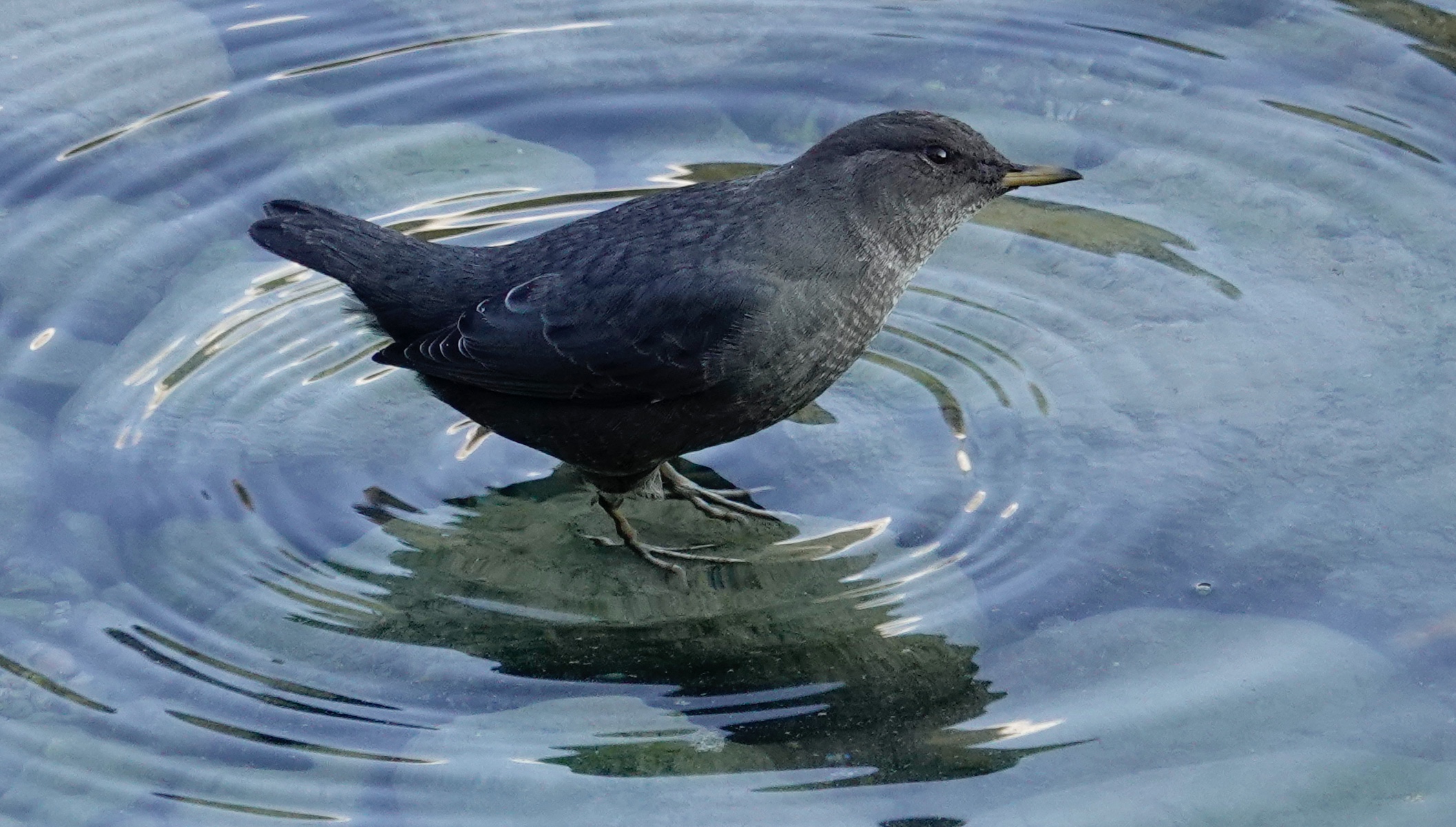
One of my favorite birds, the American dipper was once known as a water ouzel.

One of my favorite birds, the American dipper was once known as a water ouzel.

This spot along the Chilkoot River was, as might be expected, peaceful.

This spot along the Chilkoot River was, as might be expected, peaceful.

If this starling could talk (and they can learn to talk), it would say, “I’m a pretty bird.”

If this starling could talk (and they can learn to talk), it would say, “I’m a pretty bird.”

Mendenhall Glacier in Juneau.

Mendenhall Glacier in Juneau.

Turkey vultures have been here for a long time

Turkey vultures have rooted history in southeastern Minnesota

by Al Batt, albertleatribune.com
November 3, 2018 09:00 AMThe number of brown hairs has to do with the age of the woolly bear caterpillar. Al Batt/Albert Lea Tribune

Al Batt of Hartland is a member of the Albert Lea Audubon Society. Email him at SnoEowl@aol.com.

My neighbor Crandall stops by.

“How are you doing?” I ask.

“Everything is nearly copacetic. I got my Ford Fiasco out of mothballs and drove it towards town. The car surprised me by completing the trip. I met the Fiasco the year my Slinky lost the spring in its step. I went to the theater and was nearly frightened into the next county.”

Scary movie, huh?” I say.

“No, it was the price of the candy that scared me 57 percent to death. Oh, I’ve been seeing woolly bear caterpillars.”

“Ah, if the rusty band is wide, then it will be a mild winter. The more black there is, the more severe the winter. What kind of winter do the woolly worms foretell for us?” I ask.

“We’ll definitely have one.”

Naturally

The crows cawed in the morning. I am pro crow. I figure if crows do well, so will my family.

Rich Greene of New Ulm told me that he was seated at a table outside a cafe, enjoying a scone. A robin landed on his shoulder. What else could a man do but share his scone with a guest?

I spoke in Duluth and spent the night at the home of Cindy and Chris Edwardson. Those wonderful hosts needed to take their bird feeders in each night because of a marauding black bear.

David Livengood of Silver Spring, Maryland, told me that there was a female cowbird that landed on the outside mirror of David’s car each day. The bird looked at itself in the mirror and then pooped on it.

A cardinal goes through a full molt in the fall. The male’s new feathers come with brown tips that wear away over winter, leaving them bright red in the spring. A cardinal gets its red plumage from pigments called carotenoids obtained from sunflower and safflower seeds, apples, dogwood berries, grapes, raspberries, rose hips and others. Carotenoids produce red, orange or yellow feathers.

Q&A

“How many broods will a mourning dove have in this country?” One to six clutches per year depending on location and weather.

“Do birders name their children after birds?” I suppose. Many humans carry bird names — Jay, Martin and Robin. I played basketball against Meadowlark Lemon once. It was almost fun. I named a dog Towhee. I look forward to meeting my first little kids named Gnatcatcher, Pyrrhuloxia and Curlew.

“When did vultures first appear in Minnesota?” T.S. Roberts, a physician known for his work in ornithology, reported that the turkey vulture, formerly more common, was still seen in fair numbers throughout the state in 1932. He cited several accounts from the late 1800s that indicated the species was abundant throughout many parts of Minnesota. He described them as abundant in east-central Minnesota in 1870; very common in the Red River valley in 1885; and seen every hour in the day in Otter Tail County in 1893. A stronghold was southeastern Minnesota — along the Mississippi River and along the St. Croix River. The word vulture likely comes from the Latin vellere, which means to pluck or tear. Its scientific name, Cathartes aura, means either “golden purifier” or “purifying (cleansing) breeze.” In the old cowboy movies, vultures were called buzzards, a colloquial term for vultures, which applies to several hawk species in Europe. Turkey vultures enjoy road-killed food between fresh and bloat. On the chemists’ 0-14 pH scale, seven is neutral like pure water. The extremes are toxic. High numbers are alkaline; ammonia measures 11 and bleach 12.

Low numbers are acidic — lemon juice or sulfuric acid. Vultures can eat just about anything without suffering harm. The main reason they can do that is they have the lowest gastric pH in the animal kingdom. Stomach acid protects animals because it digests bacteria and other living organisms. Turkey vulture stomach acid has a pH slightly above zero. This is lower than that of a car battery. It could dissolve metal, as well as digest nearly all organisms, including those causing anthrax, botulism, cholera, hepatitis, polio and rabies. Their appetites help prevent the spread of disease to humans and other animals.

“How long does a bumble bee live?” The lifespan of a worker bee is two to six weeks (28 days on average). They die with the first hard frost. Bumble bees rely on the queen to live through the winter and renew the population in the spring. A queen mates in the fall and then finds an underground hibernaculum to spend the winter. On average, a bumble bee queen lives about a year.

Thanks for stopping by

“No one is dumb who is curious. The people who don’t ask questions remain clueless throughout their lives.” — Neil deGrasse Tyson

“Delicious autumn! My very soul is wedded to it, and if I were a bird I would fly about the earth seeking the successive autumns.” — George Eliot

Do good.

FullSizeRender.jpg

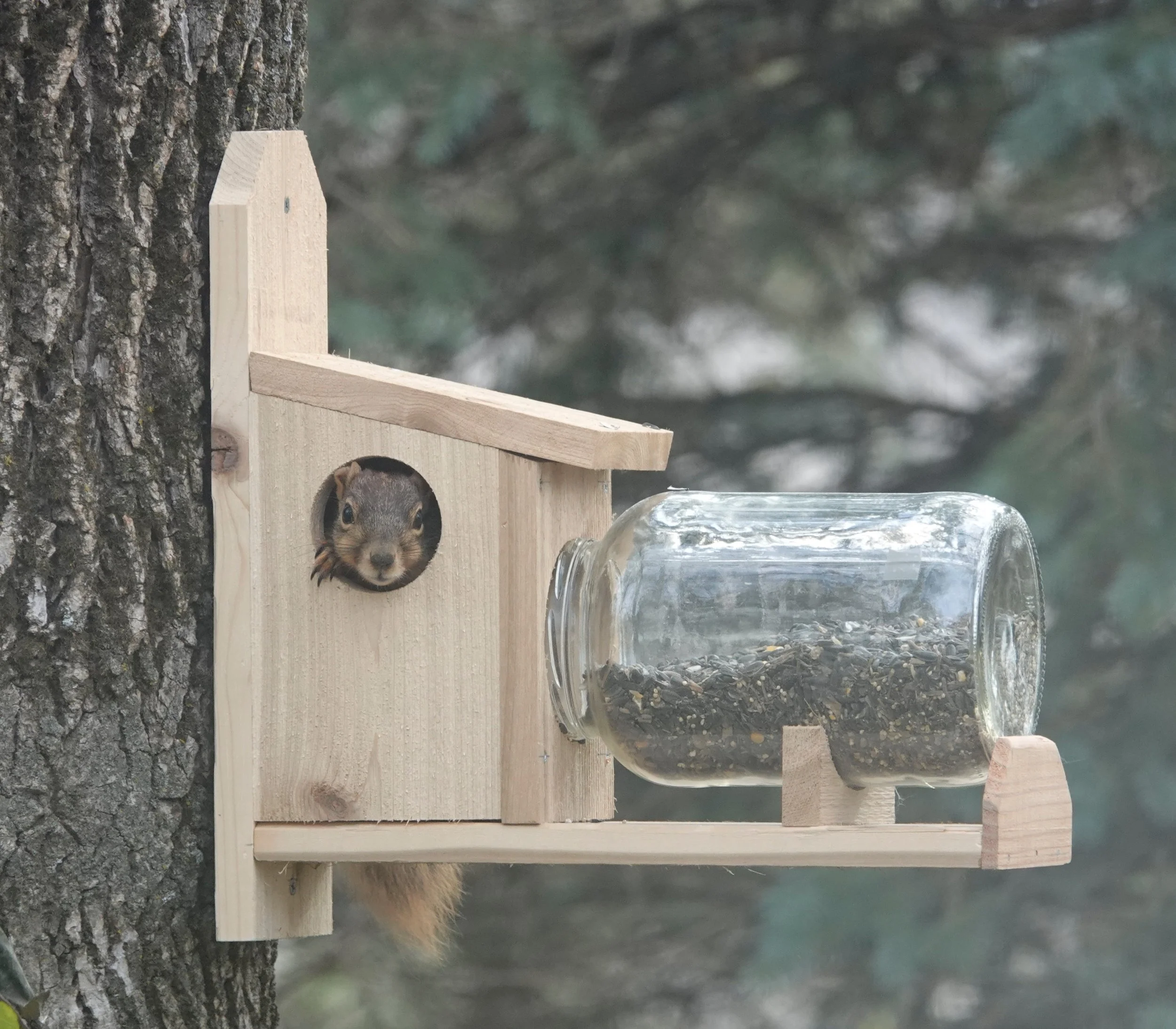
A squirrel feeder made for squirrels.

FullSizeRender.jpg
Counting crows. I came up with two for an answer.

Counting crows. I came up with two for an answer.

Folklore says if the rusty band of a woolly bear caterpillar is wide, it will be a mild winter. The more black there is, the more severe the winter.

Folklore says if the rusty band of a woolly bear caterpillar is wide, it will be a mild winter. The more black there is, the more severe the winter.

A bird deserves a better fate

While I was teaching a class at a college not far from my home, a fat, declawed cat wearing a collar and a bell killed this lovely brown creeper. Putting a bell on a cat doesn’t prevent it from killing birds.

While I was teaching a class at a college not far from my home, a fat, declawed cat wearing a collar and a bell killed this lovely brown creeper. Putting a bell on a cat doesn’t prevent it from killing birds.

These two crows were letting everyone know that they were not waterfowl.

These two crows were letting everyone know that they were not waterfowl.

A red-breasted nuthatch is ridiculously adorable.

A red-breasted nuthatch is ridiculously adorable.

A groundhog practices posing in case Mount Rushmore decides to add an image of a marmot.

A groundhog practices posing in case Mount Rushmore decides to add an image of a marmot.

A groundhog, woodchuck, whistle-pig or land-beaver.

A groundhog, woodchuck, whistle-pig or land-beaver.

As a young man tethered to a partially harvested cornfield, I’d watch the Canada geese fly over. I’d seen only Minnesota and Iowa. I longed to see what the geese saw.

As a young man tethered to a partially harvested cornfield, I’d watch the Canada geese fly over. I’d seen only Minnesota and Iowa. I longed to see what the geese saw.

Canada geese sometimes experiment with letters other than V in their flight formations.

Canada geese sometimes experiment with letters other than V in their flight formations.

A differential grasshopper will feed on ragweed.

A differential grasshopper will feed on ragweed.

Chilled but thrilled on a windy, below-freezing trip to Hawk Ridge

Al Batt: ‘Chilled but thrilled’ on a windy, below-freezing trip to Hawk Ridge

by Al Batt, albertleatribune.com
October 27, 2018 09:00 AM

Al Batt of Hartland is a member of the Albert Lea Audubon Society. Email him at SnoEowl@aol.com.

My neighbor Crandall stops by.

“How are you doing?” I ask.

“Everything is nearly copacetic. I have a PTA meeting today.”

“You’re a member of the Parent-Teacher Association?” I say.

“No, PTA stands for Pool Table Activity. I’m a lifeguard at the third pool table from the rear at the Vole Club. There is no fancy GPS in my pickup. I have a weather vane instead, but I still get where I’m going, later than sooner. I may not know where I’m going, but the important thing is that I’m on my way. My Cousin Chalkie stopped over. He has a snazzy GPS in his truck. Chalkie used to milk 50 cows. Now he milks 500 cows, but he doesn’t seem 10 times happier. Pop had an operation and Chalkie stopped to give him spray cheese in a can with some crackers in the hopes it’d cheer Pop up. Pop thought his eye operation had been a failure, but it turned out he was wearing the eyepatch on the wrong eye.”

Naturally

It was a nice enough day. The yard crows were laughing at fall’s mood swings. Crows are good at entertaining themselves. I wonder if crows have a favorite season? I like all 67 seasons that we have in Minnesota, but it’s difficult to find one more beautiful than autumn. Fall carries more gold in its pocket than does any other season. The first 32-degree day on average occurs Oct. 3 in Albert Lea, Oct. 5 in Mankato, Oct. 10 in the Twin Cities and Sept. 26 in St. Cloud.

I visited Hawk Ridge in Duluth on a below-freezing, windy, too-close-to-Lake-Superior kind of a day. Most folks were smart enough to wear winter clothing. Only one lunkhead wasn’t that bright. I wore a light jacket and was happy to have it, but could find only one glove in my car. It was a yellow work glove for my left hand. I wore it. It should have been a two-glove day. I was chilled, but thrilled with the birds seen at Hawk Ridge.

On the way home, a white-tailed deer ran in front of my car. We missed each other. A deer’s home range is around a square mile. Adult does weigh about 145 pounds and bucks about 170. The largest deer recorded in Minnesota was a 500-pound buck.

The second half of October brought five eastern bluebirds to my yard. I christened them the bluebirds of happiness, kindness, forgiveness, hopefulness and wellness.

A red fox is native to boreal and western portions of North America, but its origins are unknown in many lowland areas. Red foxes were absent from much of the East Coast at the time of European settlement, not becoming common until the mid-1800s. Vulpes is Latin for fox. Its scientific name, Vulpes vulpes, means, “fox fox.”

A lack of insects isbugging people

A report published in the “Proceedings of the National Academy of Sciences” documents another startling loss of insect abundance. Bradford Lister, a biologist at Rensselaer Polytechnic Institute, measured the resources of the Puerto Rican rainforest (insects and insectivores) in 1976. He returned nearly 40 years later with a colleague. What the scientists didn’t see troubled them. Fewer birds flitted overhead and butterflies, once abundant, had nearly vanished. Their study revealed a significant decrease in insect populations from 1976 to the present. Sample biomass decreased to 25 percent or less of what it had been. The catch rate in traps fell by 60 times. Insect-eating frog and bird numbers plummeted. Bird captures fell 50 percent. Lister attributes the crash to climate change.

Q&A

“Does Minnesota have more common loons than other states?” It has more than any state except Alaska.

“When I was a child, something got into our hen house and killed many chickens. Why would a predator kill more than it could eat?” Surplus killing, excessive killing or henhouse syndrome is a common behavior exhibited by predators. They kill more prey than they can immediately eat and cache or abandon the remainder. Some animals that have been observed engaging in surplus killing include weasels, wolves, foxes, bears, coyotes, lynx, mink, raccoons, dogs, house cats and humans.

Thanks for stopping by

“The first fall of snow is not only an event, it is a magical event. You go to bed in one kind of a world and wake up in another quite different, and if this is not enchantment, then where is enchantment to be found?” — J.B. Priestley

  “Instead of shooting arrows at someone else’s target, which I’ve never been very good at, I make my own target around wherever my arrow happens to have landed. You shoot your arrow and then you paint your bullseye around it, and therefore you have hit the target dead centre.” — Brian Eno

Do good.

FullSizeRender.jpg

A Vulpes vulpes on the run can be identified by its white-tipped tail. Al Batt/Albert Lea Tribune