
A deer pretending to be the shadow of a tree.
It was a Franklin’s Gull, not Ben Franklin, that said “Kek!:
A scavenger hunt for Blue Jays.

A deer pretending to be the shadow of a tree.

It was a Franklin’s Gull, not Ben Franklin, that said “Kek!:

A scavenger hunt for Blue Jays.

The temperature whistled past my ears on its way down. Harris's Sparrows, which I sometimes hear whistle as they pass through in the spring, magically appeared.

The temperature whistled past my ears on its way down. Harris's Sparrows, which I sometimes hear whistle as they pass through in the spring, magically appeared.

I whistled on behalf of a silent Harris’s Sparrow. As Monty Python's Eric Idle sang, "When you're chewing on life's gristle, don't grumble, give a whistle."

Battered, weary and beautiful. The leaf is a tiny sun illuminating my world.

There used to be and might still be a brand of cigarettes called Lark. The Horned Lark has never been seen smoking one.

The song of the Horned Lark has been described as a "tsip, tsip, tsee, didididi." I believe fellow Minnesotan, Bob Dylan, might have included that in a number of his songs.

The Muskrat is commonly known as Ondatra zibethicus and rightly so.

Captain & Tennille sang “Muskrat, muskrat. Candlelight. Doin' the town. And doin' it right. In the evening, it's pretty pleasing. Muskrat Suzie, Muskrat Sam. Do the jitterbug at a Muskrat Land. And they shimmy Sam is so skinny.” I have nothing to add to that.

A Blue Jay performing its morning ablutions.

Mark Twain wrote, “A bluejay is human; he has got all a man's faculties and a man's weakness. “

Mark Twain wrote, “You never saw a bluejay get stuck for a word. He is a vocabularized geyser. “

When a Blue Jay takes a bath, it does so with gusto.

A White-throated Sparrow becomes a whirling dervish in a bird bath.
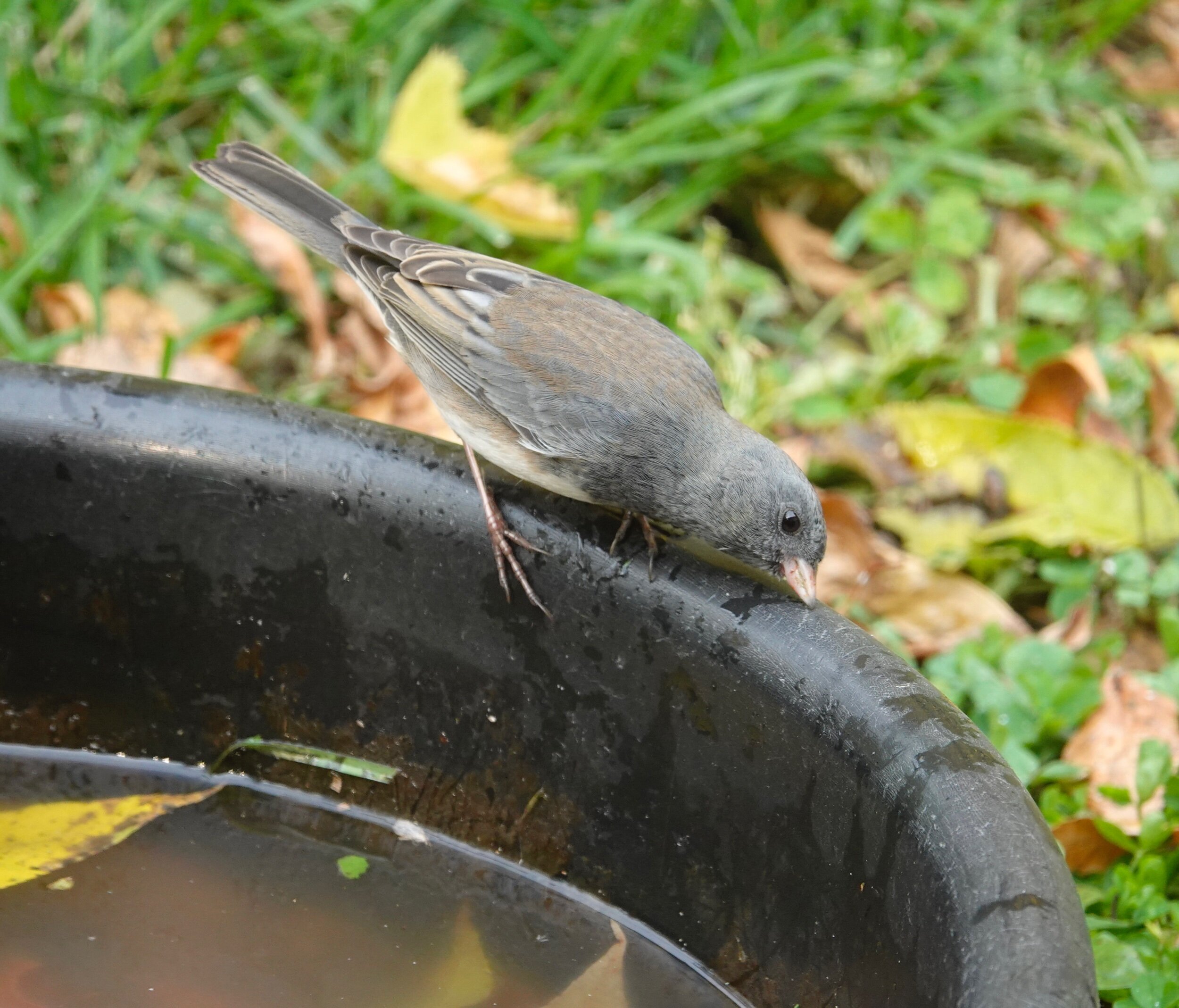
A Dark-eyed Junco, trying to get the drop on a drop of water.

A Ring-billed Gull waiting for gullible food, which is pretty much everything.

Have you seen your Great Egret, standing in the shadow? Written by Mick Jagger and Keith Richards, keen birders.

A Gray Catbird dressed for fall. A gray suit is the catbird’s wardrobe staple.
Nature by the yard
Each day comes in bits and pieces. I try to hoard time. Staying close to where I am is soothing. Geese flew overhead in a ragged V, which made me wish the change of seasons didn't happen so quickly. There was a chill in the air and the mosquitoes had started wearing jackets. A pileated woodpecker flew as if swimming through the air. A flock of robins fed on the fruit of a hawthorn tree, a small tree (native to Minnesota) that has long and stout thorns. I've heard its red berries referred to as haws or thorn apples. The American robin’s scientific name is Turdus migratorius. I once called a friend named Robin "Turdus." It didn’t go over as well as I’d hoped. Northern flickers fed on earthbound ants.
Baltimore orioles had disappeared for a few days, but they kept this old bird herder company until Oct. 1. The last hummingbird was seen in my yard on Sept. 25. The purple finches showed up early this year. I’m sure their appearance isn’t meant to indicate a harsh winter because all our winters are harsh. Native sparrows migrated in — white-throated sparrows, dark-eyed juncos and Lincoln's sparrows. They were mere scraps of songs, but white-throated sparrows whistled while I worked. That was a fine thing.
A monarch butterfly showed up now and then. Some make a 3,000-mile journey to the Sierra Madre mountains in Mexico, according to the U.S. Fish and Wildlife Service. Monarchs have a life cycle that includes four generations each year. The fourth-generation monarchs are the ones that fly south.
The right amount of rain and sunshine allows trees to produce sugar, which leads to scads of red leaves. Albert Camus wrote, "Autumn is a second spring when every leaf is a flower." Wind and rain could bring them all down in a huge leaf drop. Then I'll look for the reddest leaf.
The frost was hard on the plants. The flowers aren't doing well. Some are hooked up to an ivy. I cut down some buckthorn, a hardy deciduous shrub or small tree that keeps its leaves well into the winter. Reichard and Campbell (1996) documented that 85% of the invasive woody plants in the U.S. were originally introduced as ornamental plants and an additional 14% were introduced as agricultural plants. In general, native plants sustain other life forms more effectively than do nonnatives.
Q&A
Dennis Anderson of Hartland asks when pelicans leave. The fall migration for American white pelicans in Minnesota is late August to mid-November as lakes and rivers freeze. They winter along the Gulf Coast from Florida to Mexico.
"How often are cougars seen in Minnesota?" The DNR shows 31 confirmed sightings between 2004 and 2018. Other mountain lions have been verified since then.
"I think I heard a jay sounding like a hawk. Is that possible and, if so, why do they do that? Blue jays commonly impersonate red-tailed and red-shouldered Hawks. I’ve heard jays do broad-winged hawk and Cooper's hawk calls. The more I learn about birds, the more extraordinary they become. Only the jays know for sure why they are making the calls, but there are theories. When there are no theories, there are theories as to why there are no theories. I digress. One theory about jays impersonating hawks says they're trying to warn other birds of a hawk's presence. Another theory suggests jays strive to dupe other birds into thinking that a hawk is close, perhaps so the jays could gain unbothered access to a feeder. Yet another possible explanation is that jays merely mimic the sounds they hear.
Verna Erickson Hoppe wrote, "We have lots of blue jays. I noticed they eat black oilers whole and don't crack them. Is this OK? What happens to a stomach full of whole seeds? the feeder is empty in a few minutes." A blue jay stores the sunflower seeds in its throat and upper esophagus —an area called a gular pouch. It transports them in this distended throat and anterior esophagus to a secure spot where it coughs them up to eat or cache.
"Can garter snakes swim?" The common garter snake is a generalist, inhabiting a wide variety of habitats. It likes to be near water, and if threatened, will often flee into the water and is an excellent swimmer.
Thanks for stopping by
"There is always more goodness in the world than there appears to be, because goodness is of its very nature modest and retiring." — Evelyn Beatrice Hall
"I go down to the shore in the morning and depending on the hour the waves are rolling in or moving out, and I say, oh, I am miserable, what shall — what should I do? And the sea says in its lovely voice: Excuse me, I have work to do." — Mary Oliver
Do good.
©Al Batt 2020

The white-throated sparrow whistles while I work. I’m most appreciative. Photo by Al Batt

I miss the Monarch Butterflies. I wished them traveling mercies.
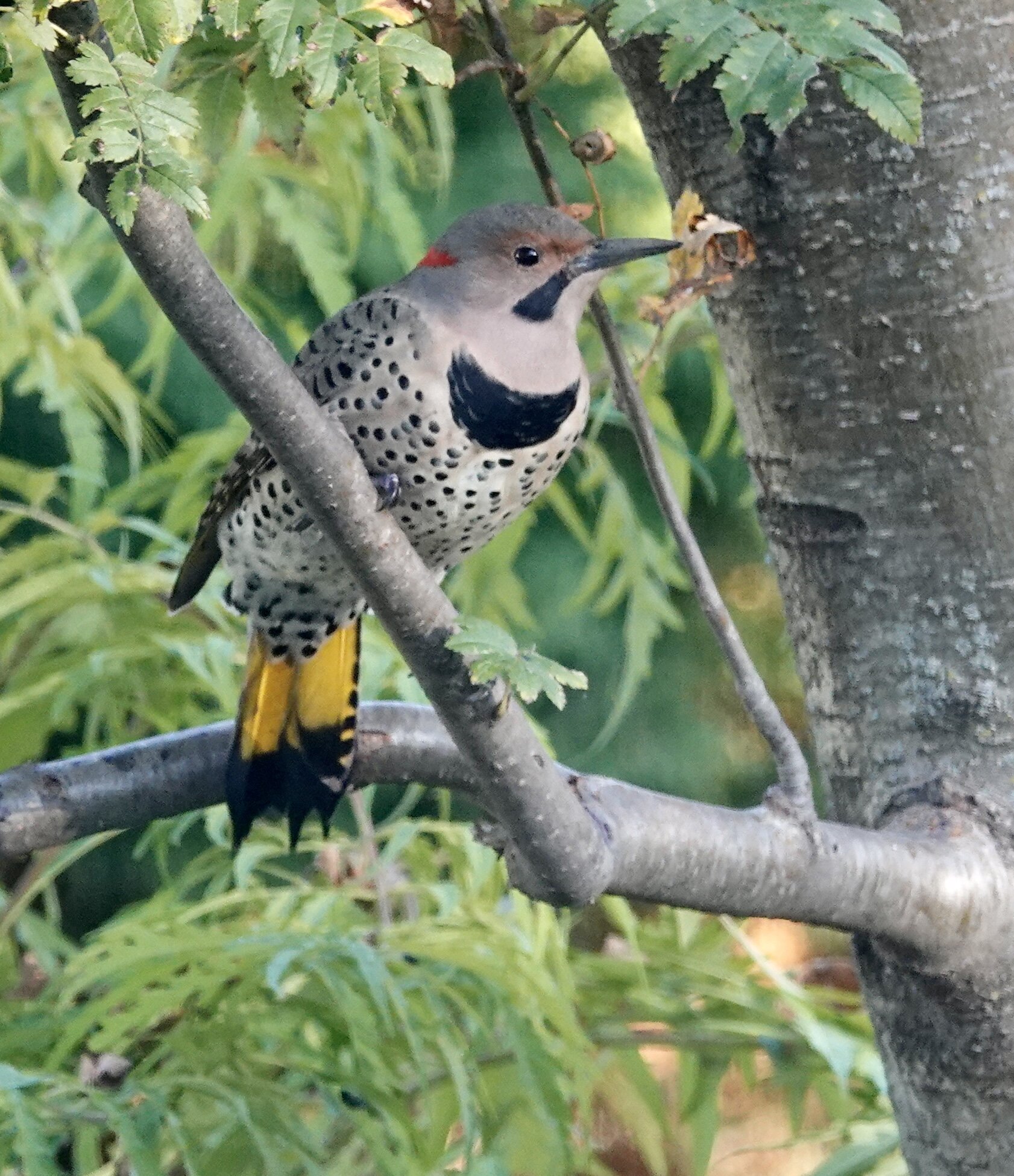
Let there be ants. And let there be eaters of ants like this Northern Flicker.
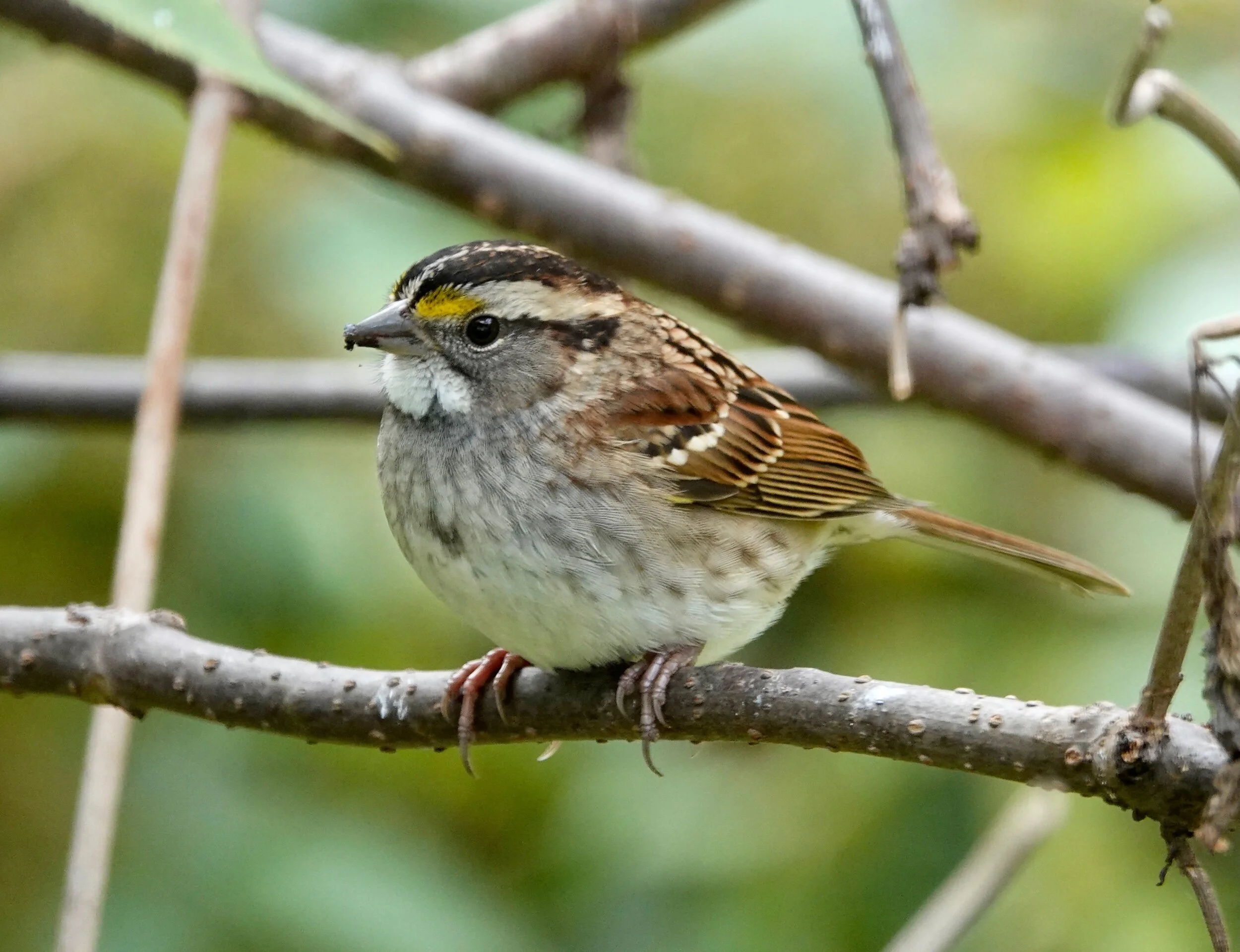
Whistling is a White-throated Sparrow’s superpower.
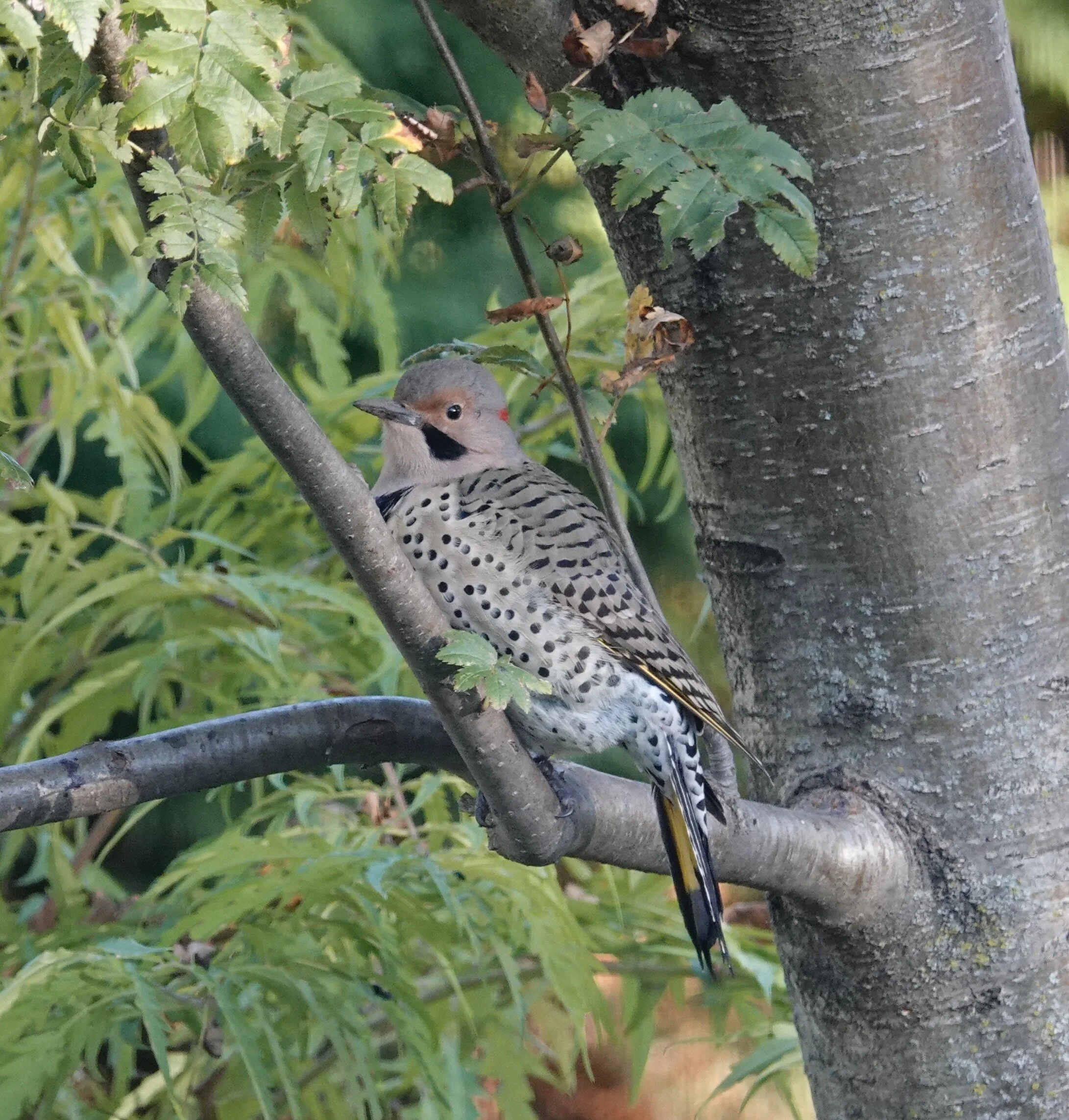
This is a male Northern Flicker. He has a mustache.

Kill Devil Hills, North Carolina. The Wright brothers made their historic first flight off the top of a sand dune here on Dec. 17, 1903.

This year has brought so many things, including hailstones the size of dumplings.

This year has brought so many things, including hailstones the size of dumplings.

It’s like a fish shack, only with toilet paper instead of ice.

This was my home away from home as I canoed the Missouri River in Montana. I read the journals of Lewis and Clark as I traveled. Their adventure was a bit more epic than mine.

This chickadee was caching sunflower seeds in a divot in a power pole. The tiny bird was investing in utility stocks.

The new feeder was a jarring experience for the squirrel.

The Pied-billed Grebe has soft, thick feathers that were once used to decorate women’s hats.

I thought I heard music. I think it was a carpenter anthem.

I’ve heard a group of Blue Jays called a party, band, cast and scold. I seem to use “a bunch of jays” more than anything else.

I brought in a carpenter ant to do some light remodeling of a storage shed. It’s nearly impossible to get an estimate out of one of these guys.

The leaves fall for it every year.

I took a photo of these lovely Blackcap Raspberry leaves photobombed by a couple of Multi-colored Asian Lady Beetles. It’s impossible to take a photo of anything in the yard without including these lady beetles. They are the epitome of ubiquitous.

The Ugly Duckling was a cygnet. This is a Trumpeter Swan with cygnets.

Hope springs a turtle.

This Yellow-rumped Warbler stopped by on its way to wherever all good butterbutts go.

Black leaves matter.

This crane flies all year at the International Crane Foundation in Baraboo, Wisconsin.

Winged Euonymus, the burning bush.

A Golden-crowned Kinglet makes my day shine.

A groundhog doing its impersonation of Alfred Hitchcock.
Naturally
I pander to the birds. I headed out to the feedlot — the bird feedlot. I have a wild time feeding them. The crows felt an urge to crash the party and appeared to want to drink from a birdbath. I suppose they couldn't find a crowbar.
A hummingbird can drink its weight in nectar in a day. I tried that with red Kool-Aid once. I'm not sure what flavor it was; it never mattered as long as it was red. I drank until I sloshed when I walked, but I was no challenge to a hummingbird. A hummingbird's brain makes up 4.2% of its weight; a human's brain is 2% of body weight.
Blackbirds flock. Cowbirds could be members of those large congregations. A nest parasite, a cowbird has never had to secure a nest loan. A murmuration of starlings became a feathered face mask on the sky. I got a call from a jay. Blue jays make a series of sounds. Charles Flugum, in his wonderful book "Birding from a Tractor Seat," wrote this about the jays, "The flagrant rascal evidently enjoys hearing its own voice, putting forth its utmost effort to make the loudest possible noise."
There was still a splash of white and purple in asters, and yellow in goldenrods and sunflowers. Milkweed plants hosted insects. I realize that not everyone is happy to see them, but they are beautiful. Red milkweed beetles feed on leaves and buds, milkweed bugs (resemble boxelder bugs) eat seeds and oleander aphids feed on sap. The aphids produce a sticky substance called honeydew. Honeydew is sugary and something ants eat. Ants tend to them as shepherds care for sheep. Lady beetles prey upon aphids. Our yard is surrounded by soybeans this year, so it's filled with biting, foul-smelling, multi-colored Asian lady beetles. The walnut trees typically begin losing their leaves earlier than most other species.
A study by Science Advances estimated that the Milky Way is no longer visible to 80% of Americans.
Something bit me and there was nothing there. I'd fallen victim to a minute pirate bug often called a no-see-um. A tiny insect with a giant bite. Speaking of giants, I saw a giant water bug in August. It's the biggest bug in Minnesota at 2-inches long and an inch wide. It's in the insect order Hemiptera or true bugs. Nicknames include toe-biter, electric-light bug and alligator tick. Their strong attraction to lights brings them to parking lots and ballfields. They will bite in self-defense. I recall playing softball with many of these bugs on the field with me.
Q&A
Karen Wright of Mankato asked about a deer's eyesight. White-tailed deer have good eyesight and acute hearing but depend mainly on a sense of smell to detect danger. Their vision in low light is far superior to ours. University of Georgia research found deer see five times better than we do, but appear to be farsighted. They see shades of yellow and blue but have trouble seeing reds or greens. A deer’s eyes detect the slightest hint of movement. To get a 3D look at a stationary object that might be dangerous, a deer has to look at it from several angles. That’s why alert deer shift their heads from side-to-side and bob them up and down.
"How many kinds of spiders are there in Minnesota?" Two. Those that are indoors and those that are outdoors. My notes from 2015 say 466 species had been confirmed in the state.
"Beetle or bug?" Both are insects. Beetles have hardened forewings and may look as if they have a straight line down their backs. Beetles have chewing mouthparts with mandibles. True bugs have their forewings hardened at the base and are membranous at the end. This creates a triangular shape on their back. True bugs have beaklike, piercing-sucking mouthparts. A June bug is a beetle and a boxelder bug is a bug.
"What are good binoculars for birding?" The lens closest to the bird is the objective lens and determines how much light your binoculars gather and the brightness of the image. A rule of thumb is birding binoculars should have a ratio of 1 to 5 (objective lens diameter divided by magnification) such as 7x35, 8x40 and 10x50. Model 8x42 binoculars are somewhat brighter; and 10x42 and 8x32 models are a bit dimmer in low light levels. Hold your binoculars away from your eyes and you'll see a bright circle in the middle of each eyepiece. That's the light coming through the binoculars to your eyes and is called the exit pupil.
Thanks for stopping by
"Sing a song of seasons, Something bright in all, Flowers in the summer, Fires in the fall." — Robert Louis Stevenson
"I embrace the ordinary because it's extraordinary." — Al Batt
"History is a vast early warning system." — Norman Cousins
Do good.
©Al Batt 2020

Giant water bugs prey upon a variety of aquatic life, including tadpoles, insects, arthropods and small fish. Photo by Al Batt
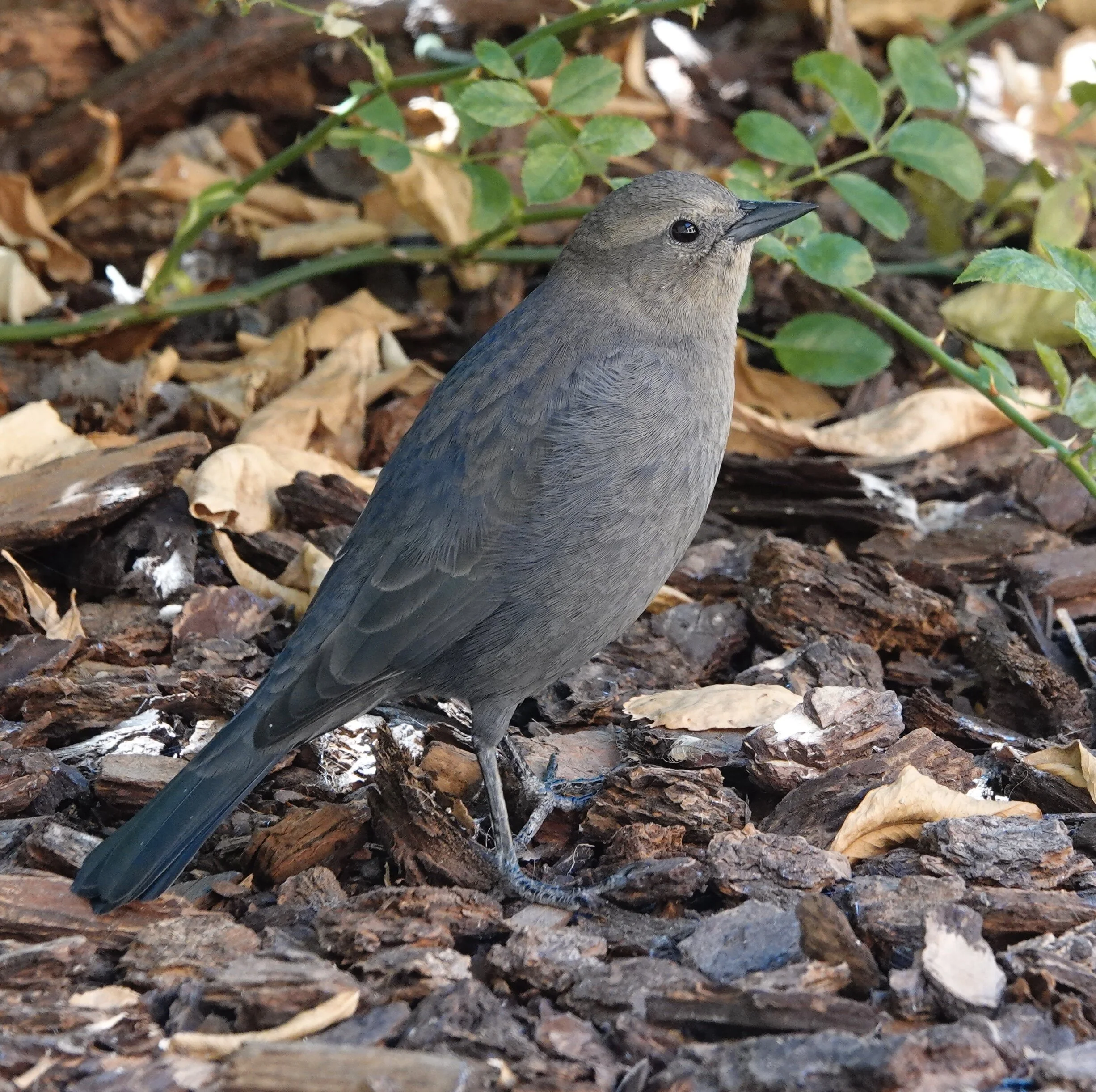
A female Brewer’s Blackbird is a lovely creature. The species is named for an ornithologist named Thomas Brewer. I wonder how many ornithologists were named for birds? A name-job link.
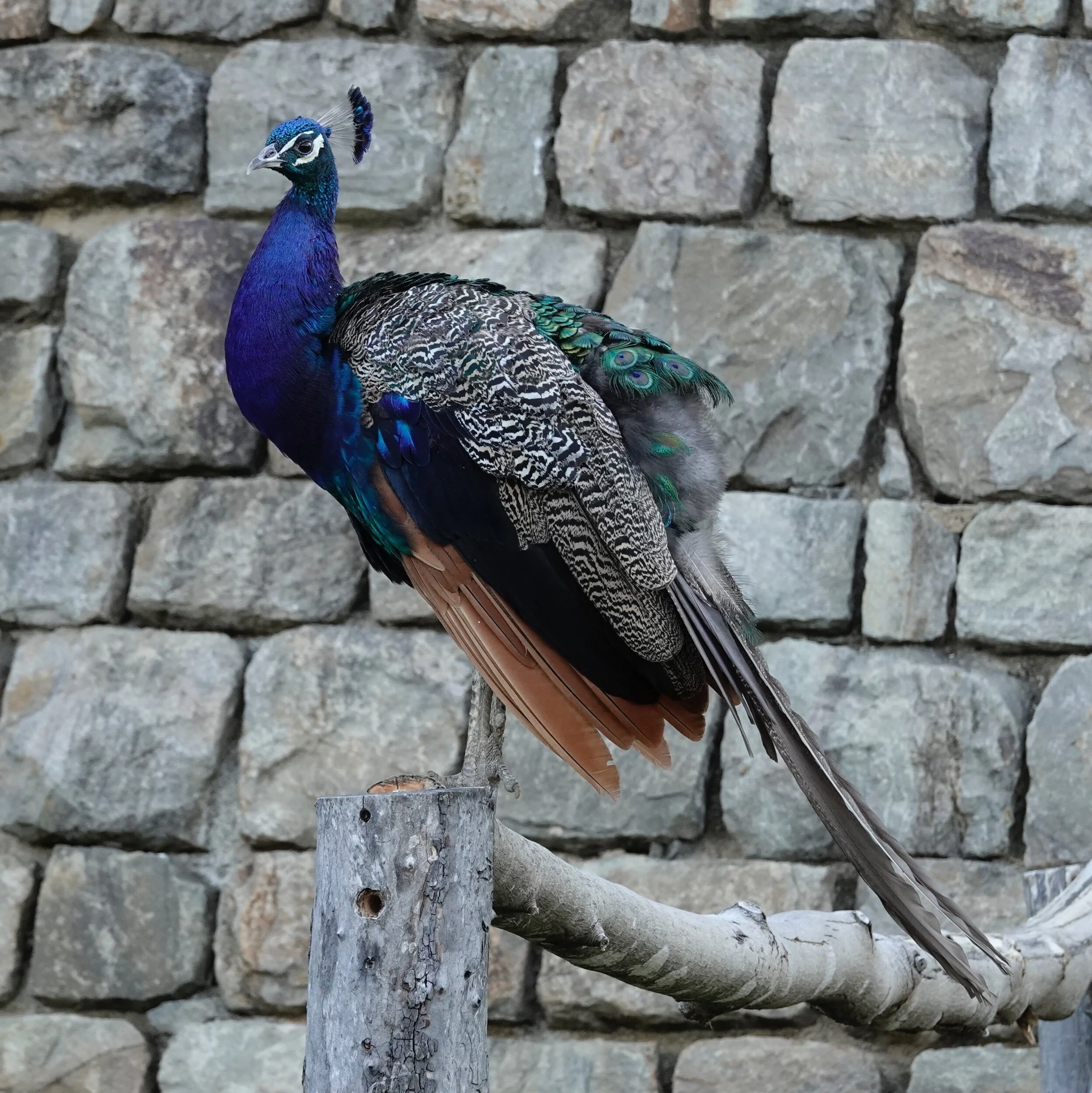
Bulletin! Bulletin! Peafowls will eat peas.
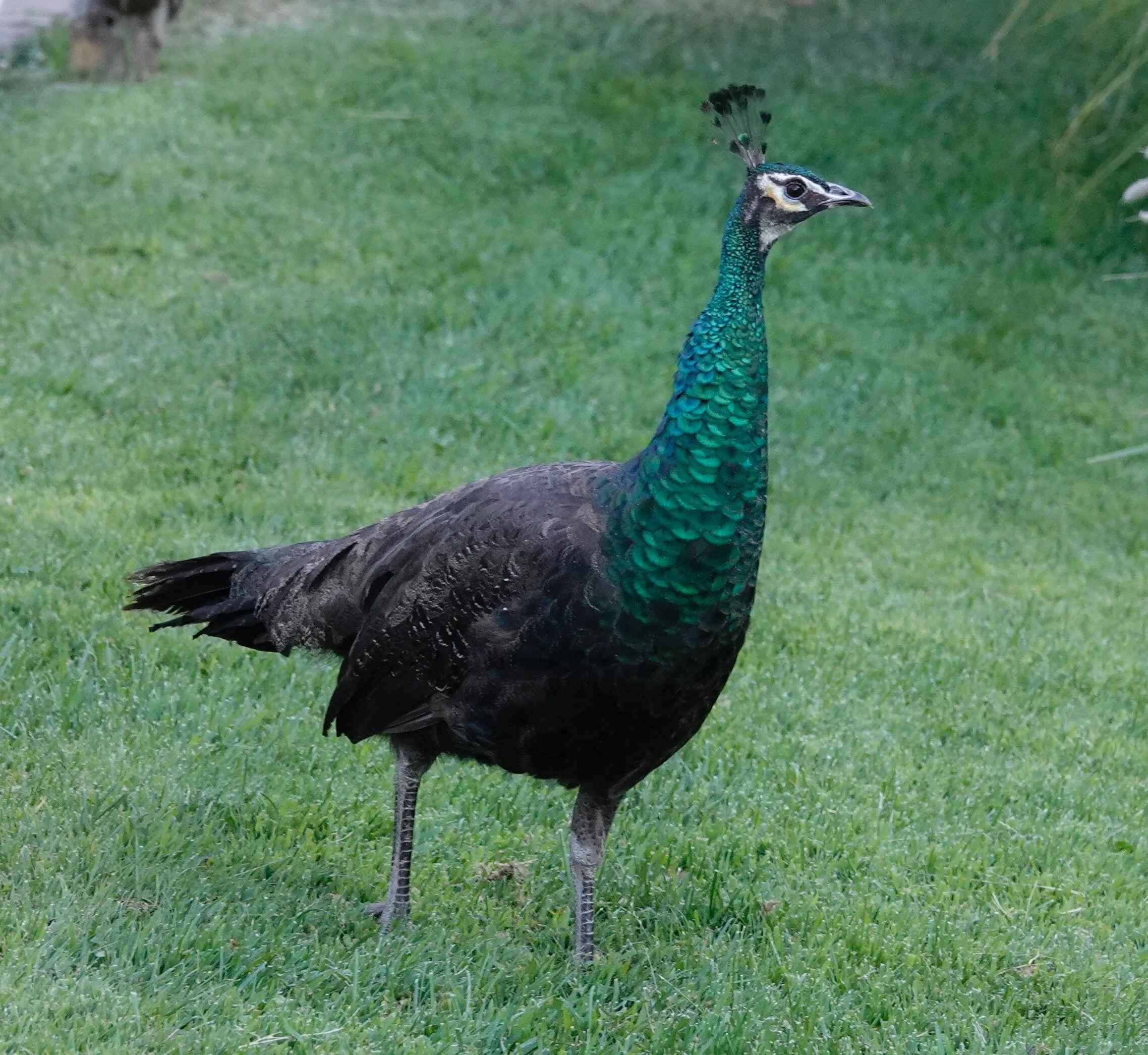
Bulletin! Bulletin! Peafowls will eat peas.
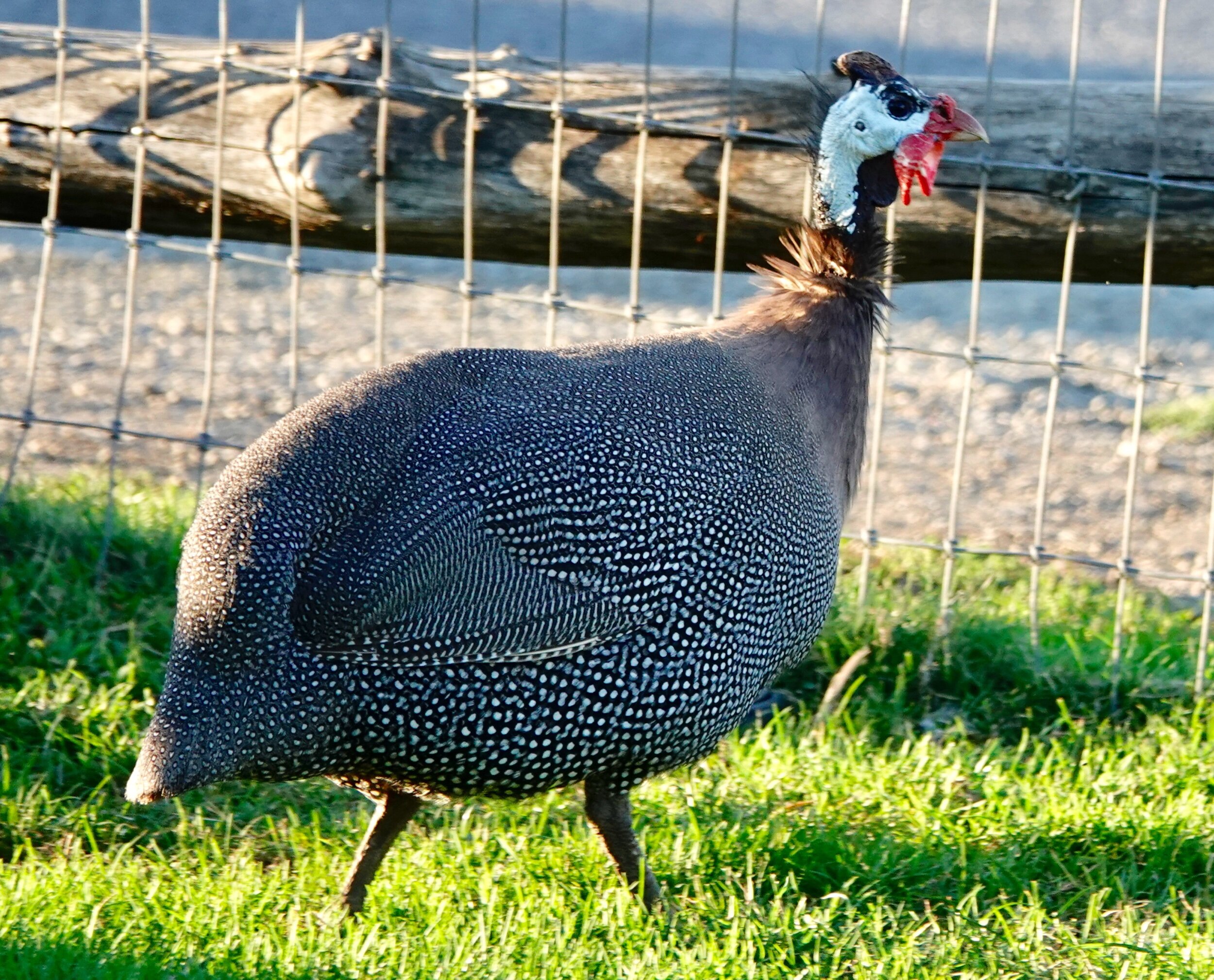
Guinea Fowl or Guinea Hens are entertaining and loud.
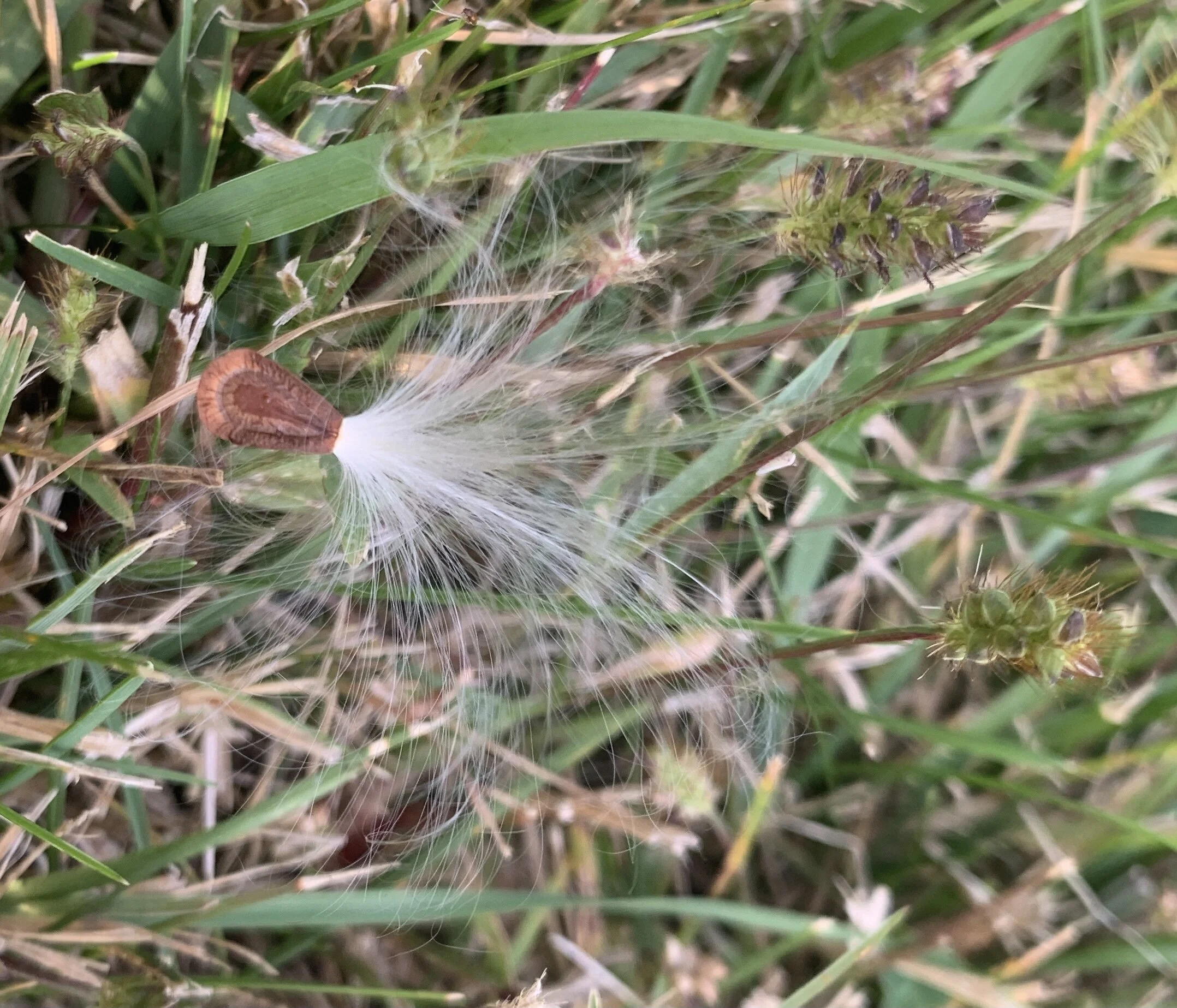
A milkweed seed resting after a flight.
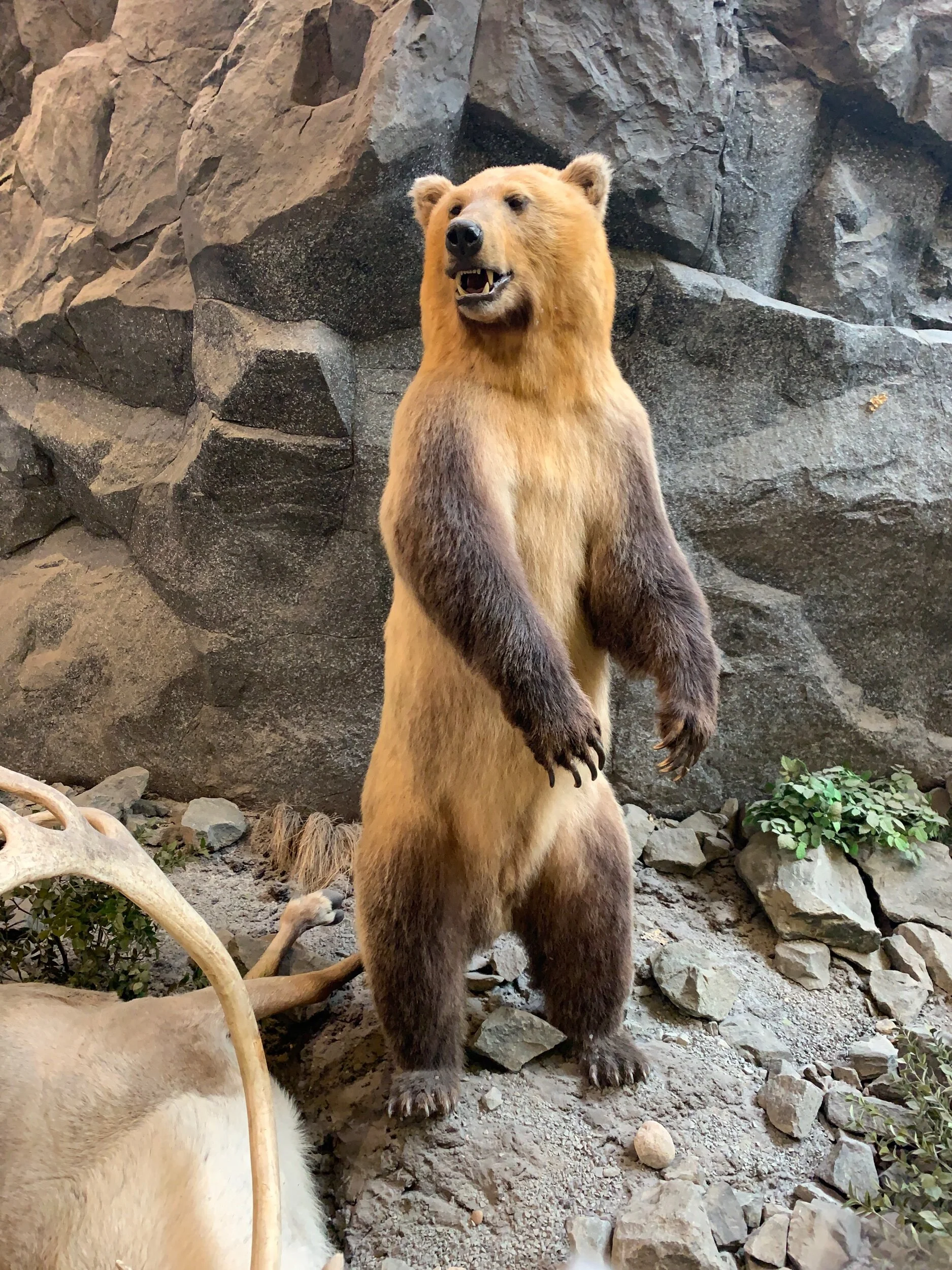
The greeter at the Cabela’s store in Owatonna, Minnesota.
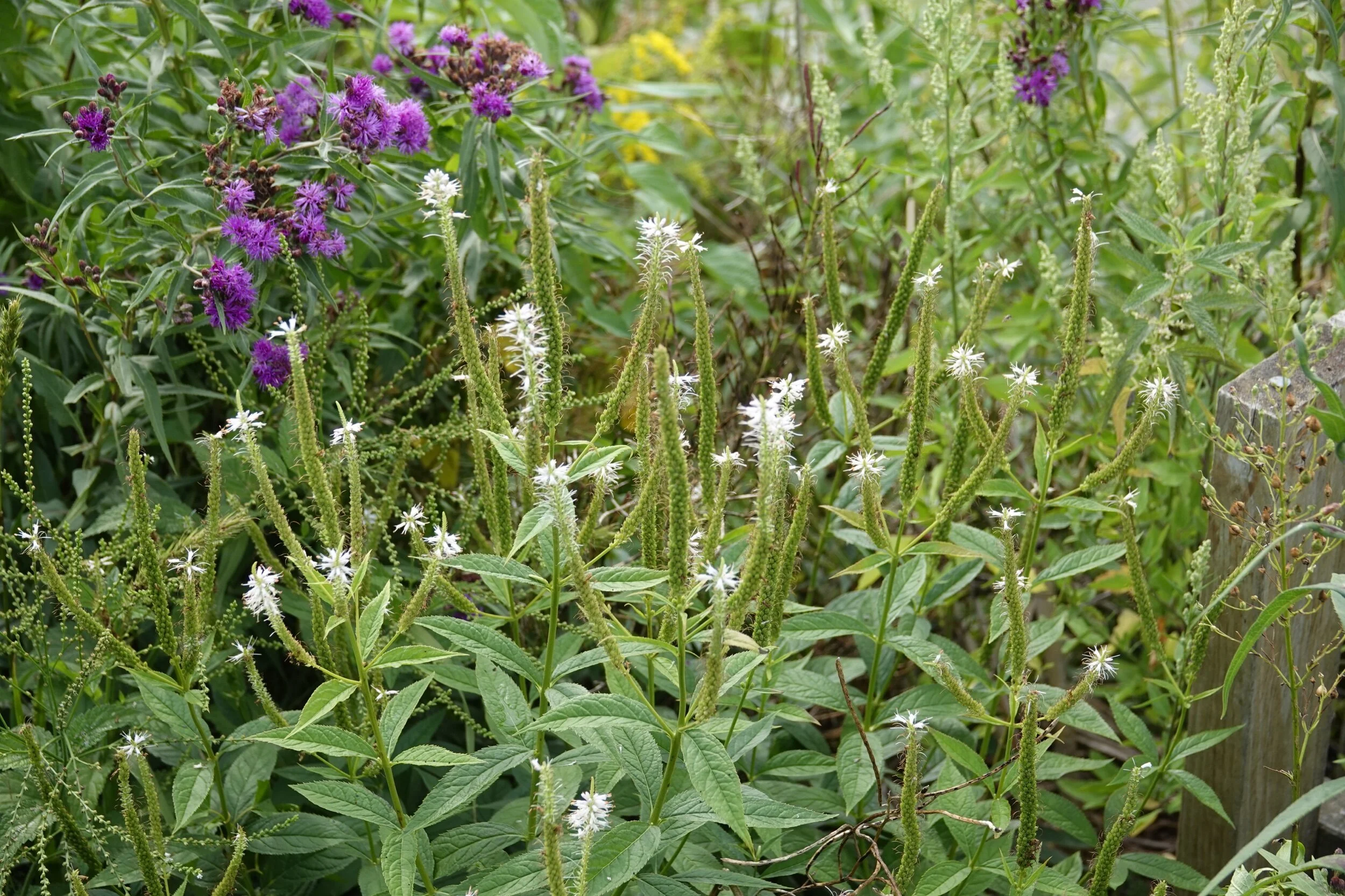
Below freezing temps here last night. It’s one reason I take photos of flowers. They provide memories of more colorful days.
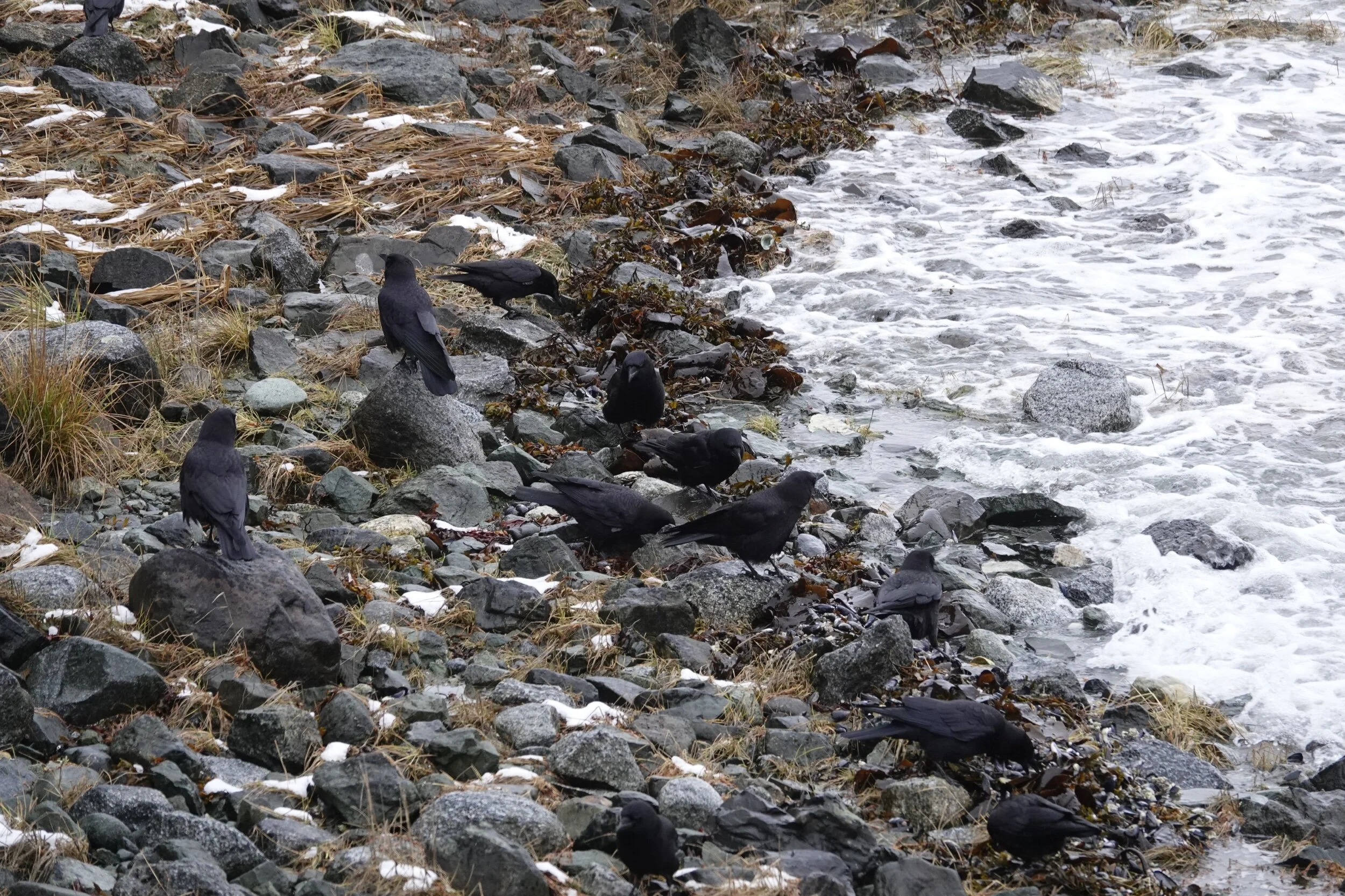
After posting a couple of sentries, the crows get busy with their foraging.
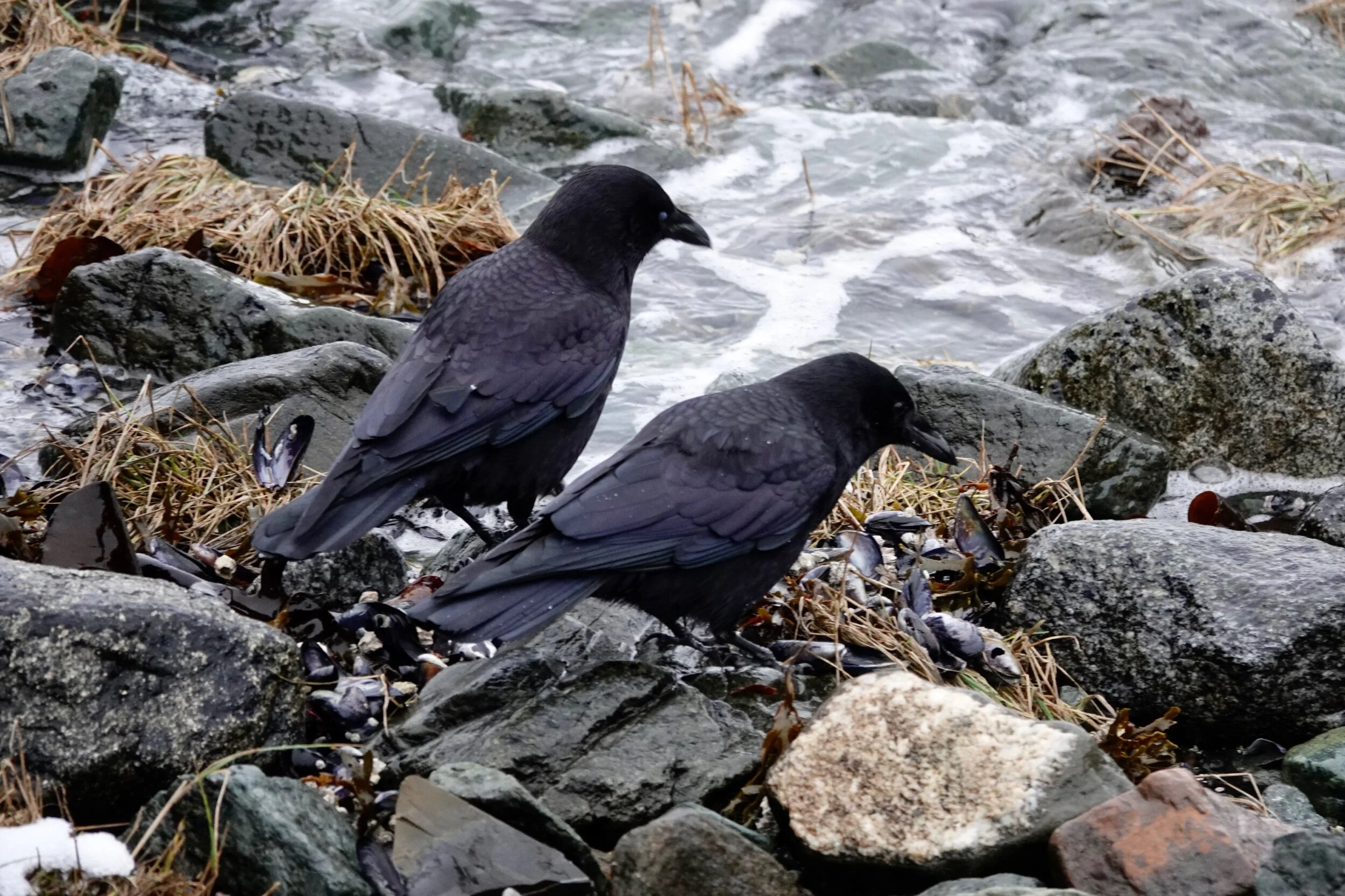
Corvids in the COVID.

Common Murres in Sitka, Alaska. I’ve been told the name “murre” derives from the purring or murmuring done by the bird.

Common Murres in Sitka, Alaska. I’ve been told the name “murre” derives from the purring or murmuring done by the bird.

A Bald Eagle strikes a pose.

This young Bald Eagle might be smiling, but I doubt it.


Charles Flugum, in his wonderful book "Birding from a Tractor Seat," wrote this about the Blue Jays, "The flagrant rascal evidently enjoys hearing its own voice, putting forth its utmost effort to make the loudest possible noise."

The Tufted Titmouse has steadily expanded its range northward.

A deer’s coat is designed to provide thermoregulation and camouflage. Thin summer coats appear reddish. In the fall, triggered by hormonal changes that reflect the changing season, the reddish summer coat turns into a thicker, faded gray or brown coat.

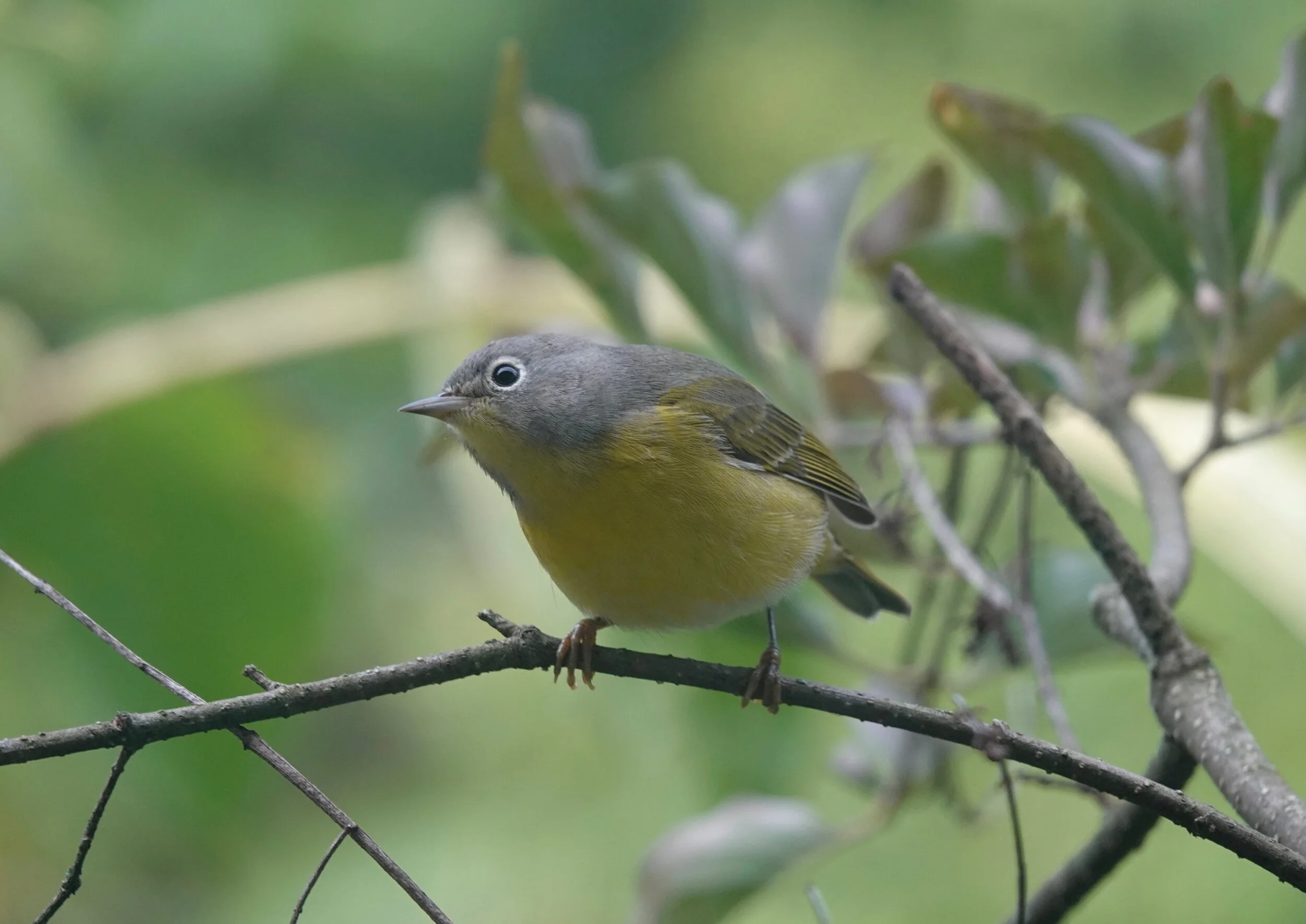
I love Nashville Warblers. They are lovely and tend to forage in the lower parts of trees and in low thickets where I can see them without being inflicted with warbler neck.
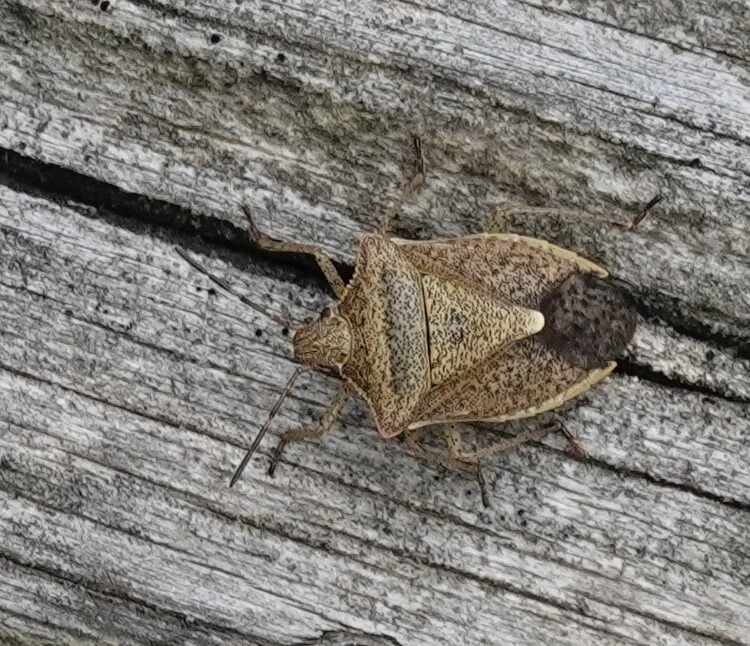
I believe this to be a stink bug, but I didn’t smell it.
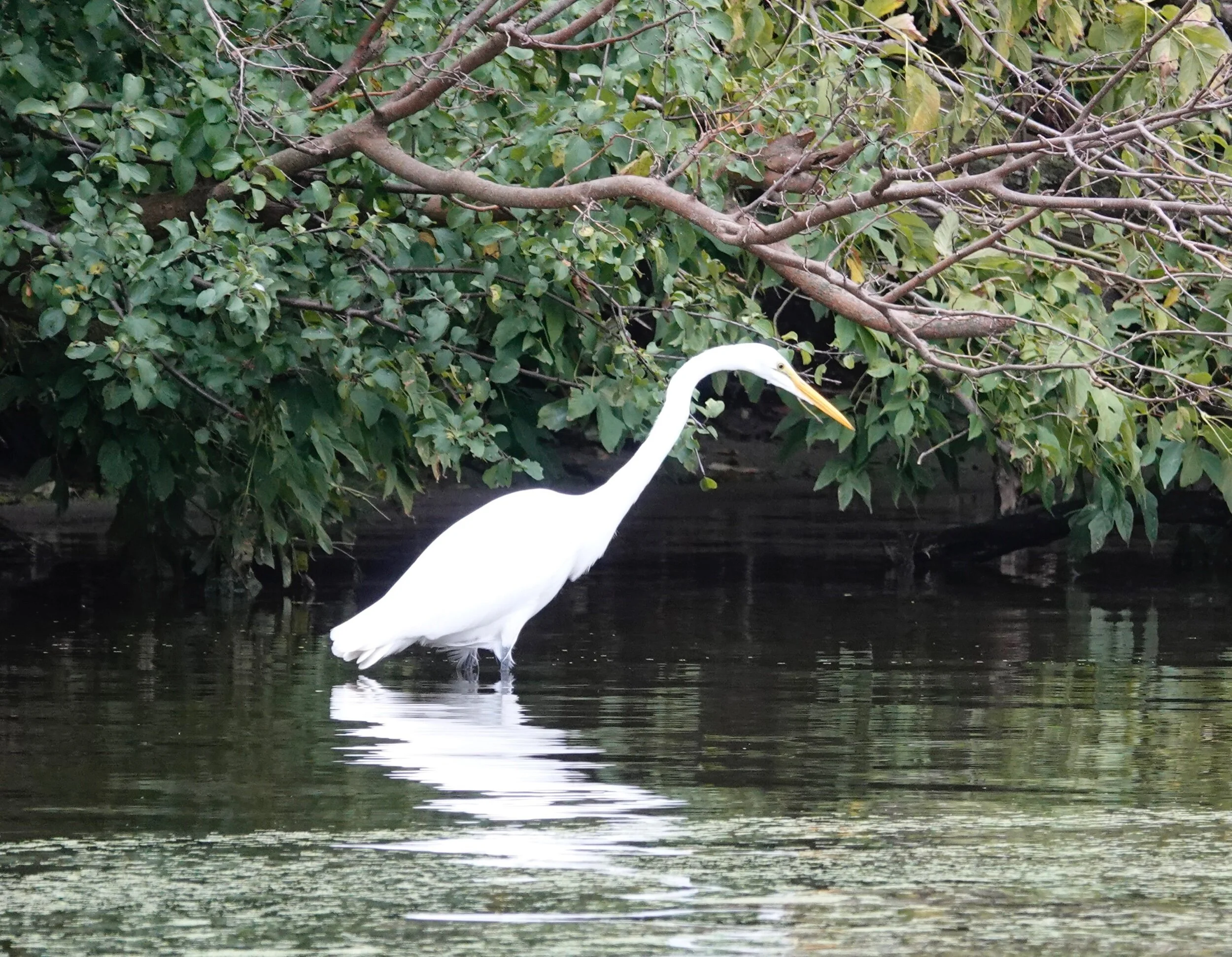
It wasn’t a good egret. It wasn’t a pretty good egret. It was a Great Egret.
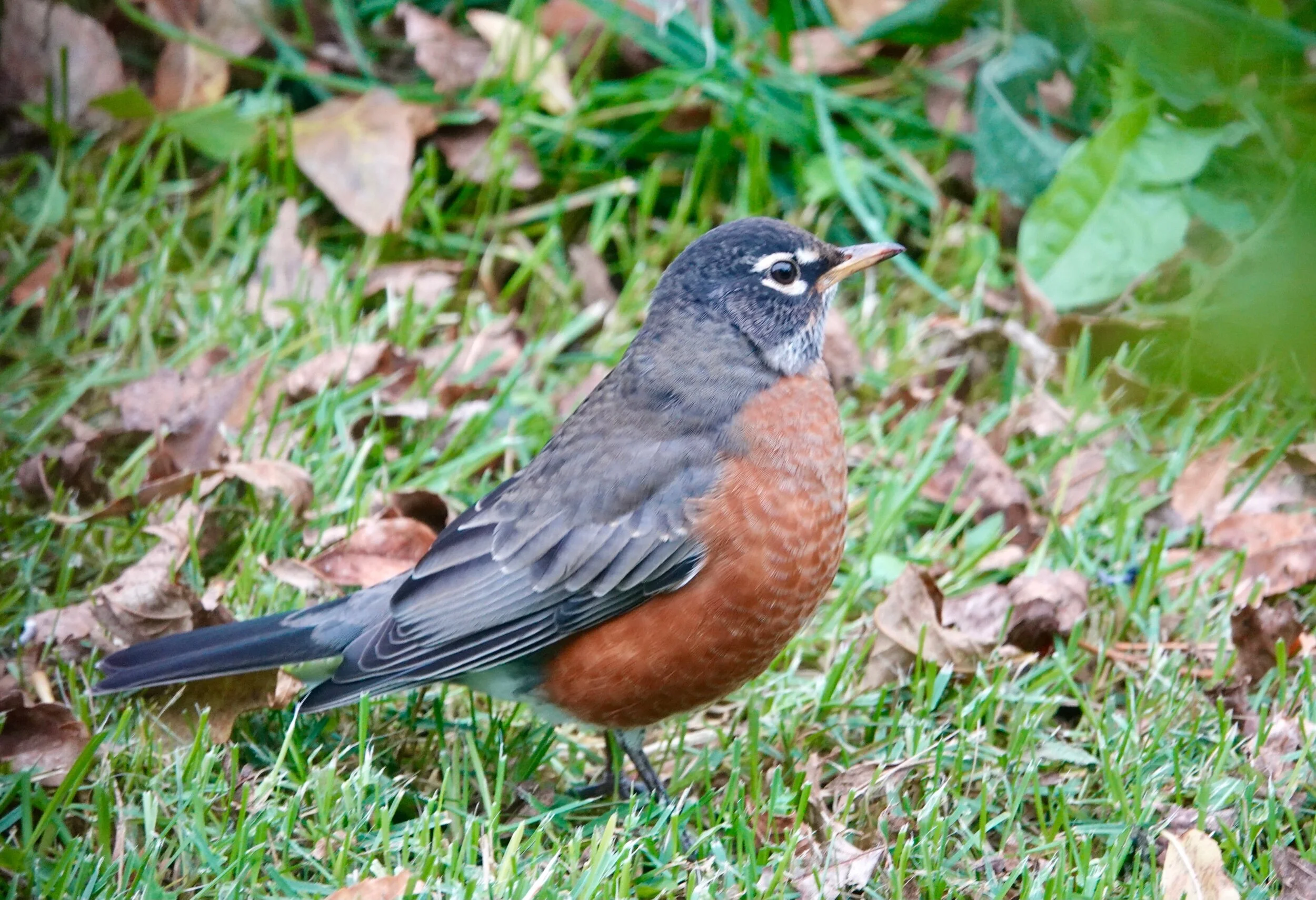
The American Robin’s scientific name is Turdus migratorius. I once called a friend named Robin “Turdus.” It didn’t go over as well as I’d hoped.

An American Redstart, the Halloween bird.

This Purple Finch female showed up early this year. I’m sure her appearance isn’t meant to indicate a harsh winter because all our winters are harsh.

No social distancing among these Blue Jays.

This tractor is a hay burner.