
The butterbutt. A Yellow-rumped Warbler. Thanks to autocorrect, it’s name may be changed to the Yellow-rumpled Warbler.
A White-crowned Sparrow feeding at the trough.
How sweet it is. Kissing cardinals.
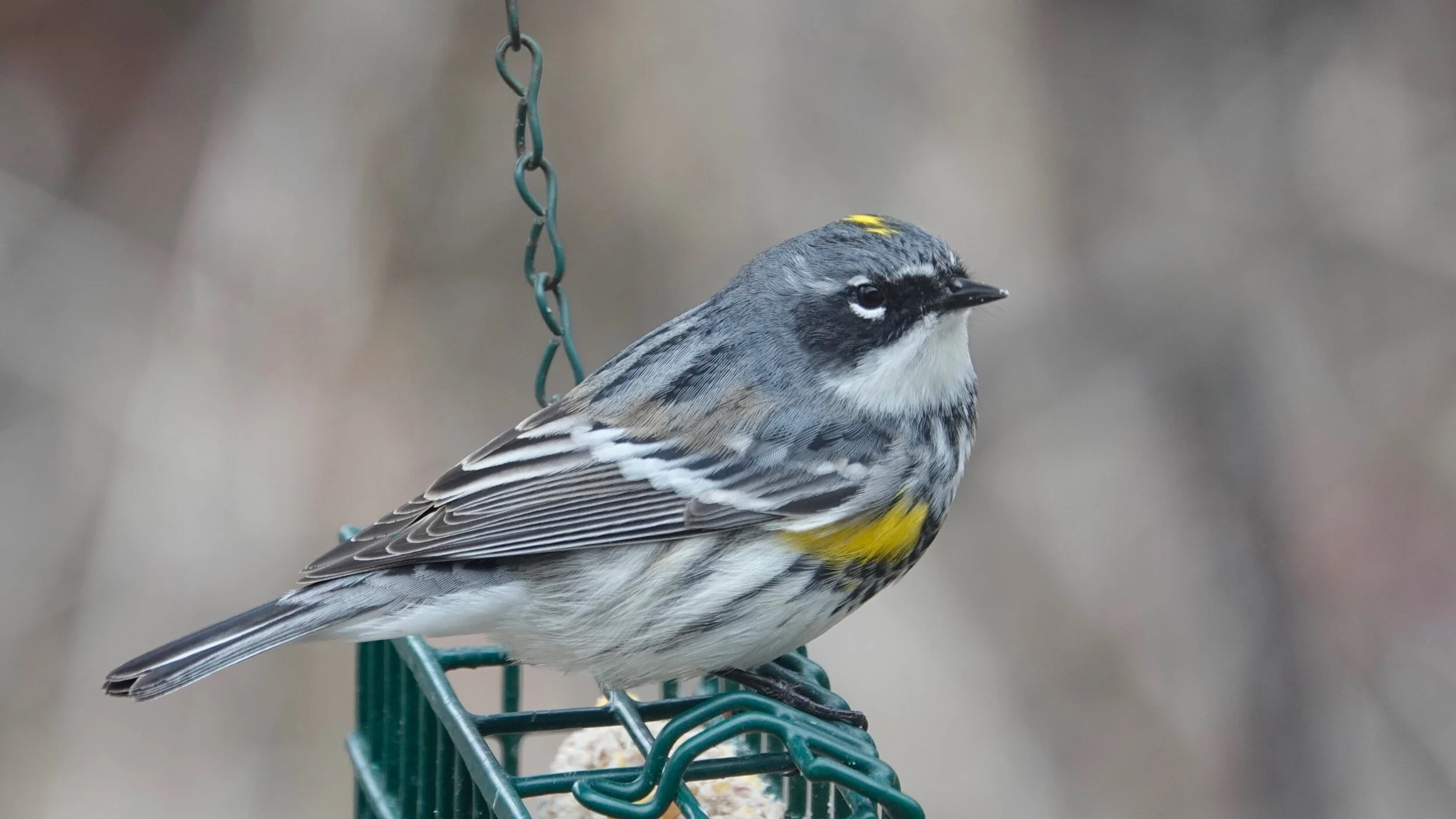
The butterbutt. A Yellow-rumped Warbler. Thanks to autocorrect, it’s name may be changed to the Yellow-rumpled Warbler.
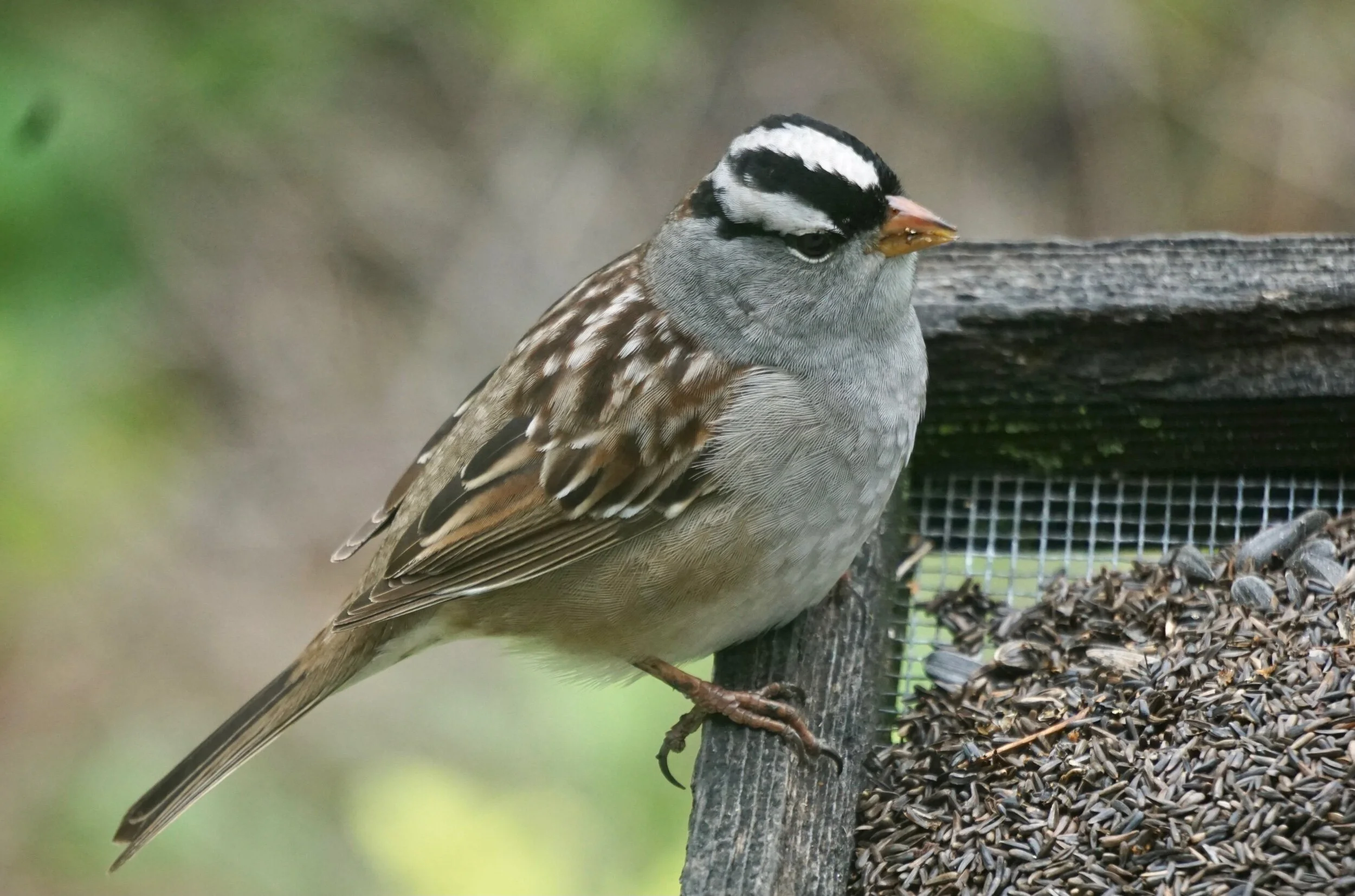
A White-crowned Sparrow feeding at the trough.
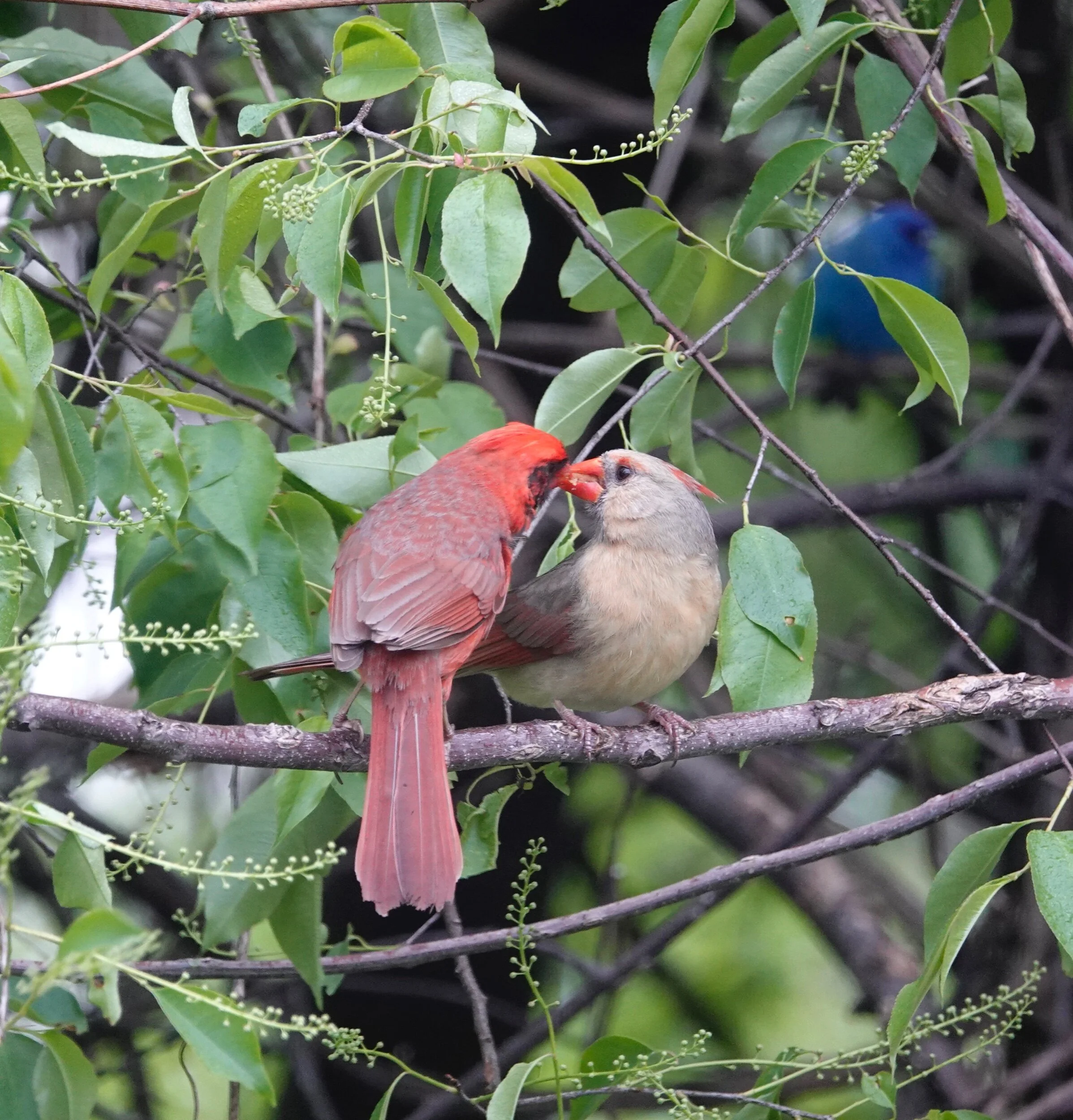
How sweet it is. Kissing cardinals.
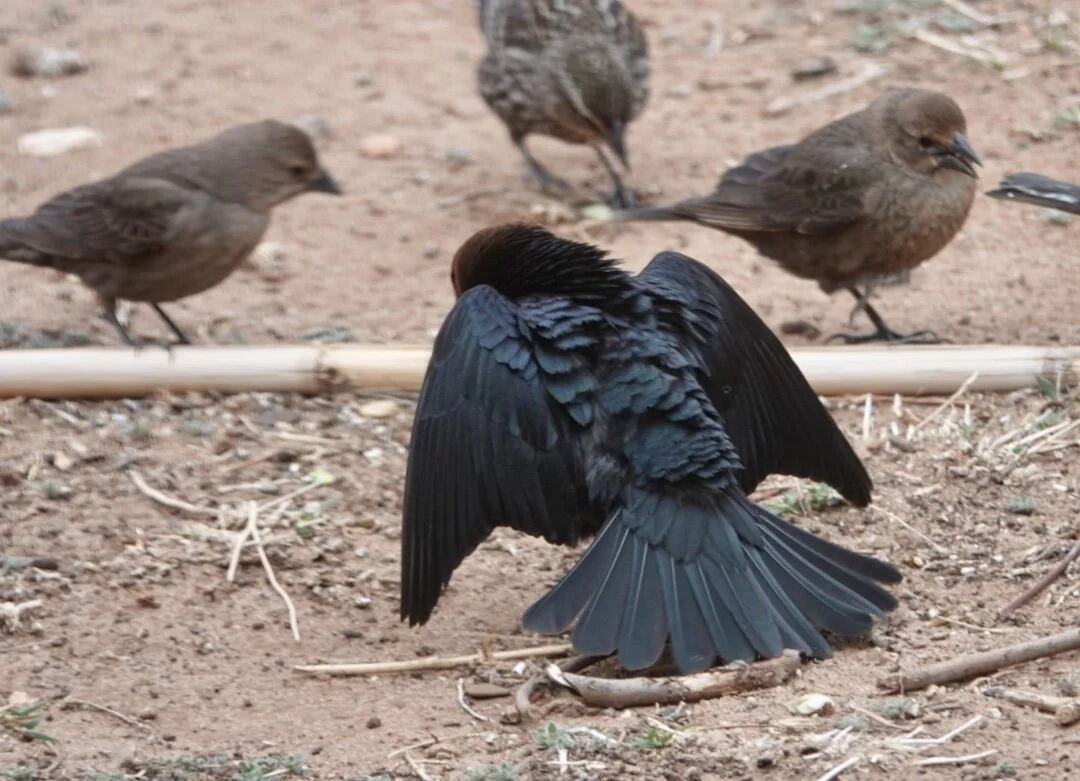
A Brown-headed Cowbird male trying to impress the females.
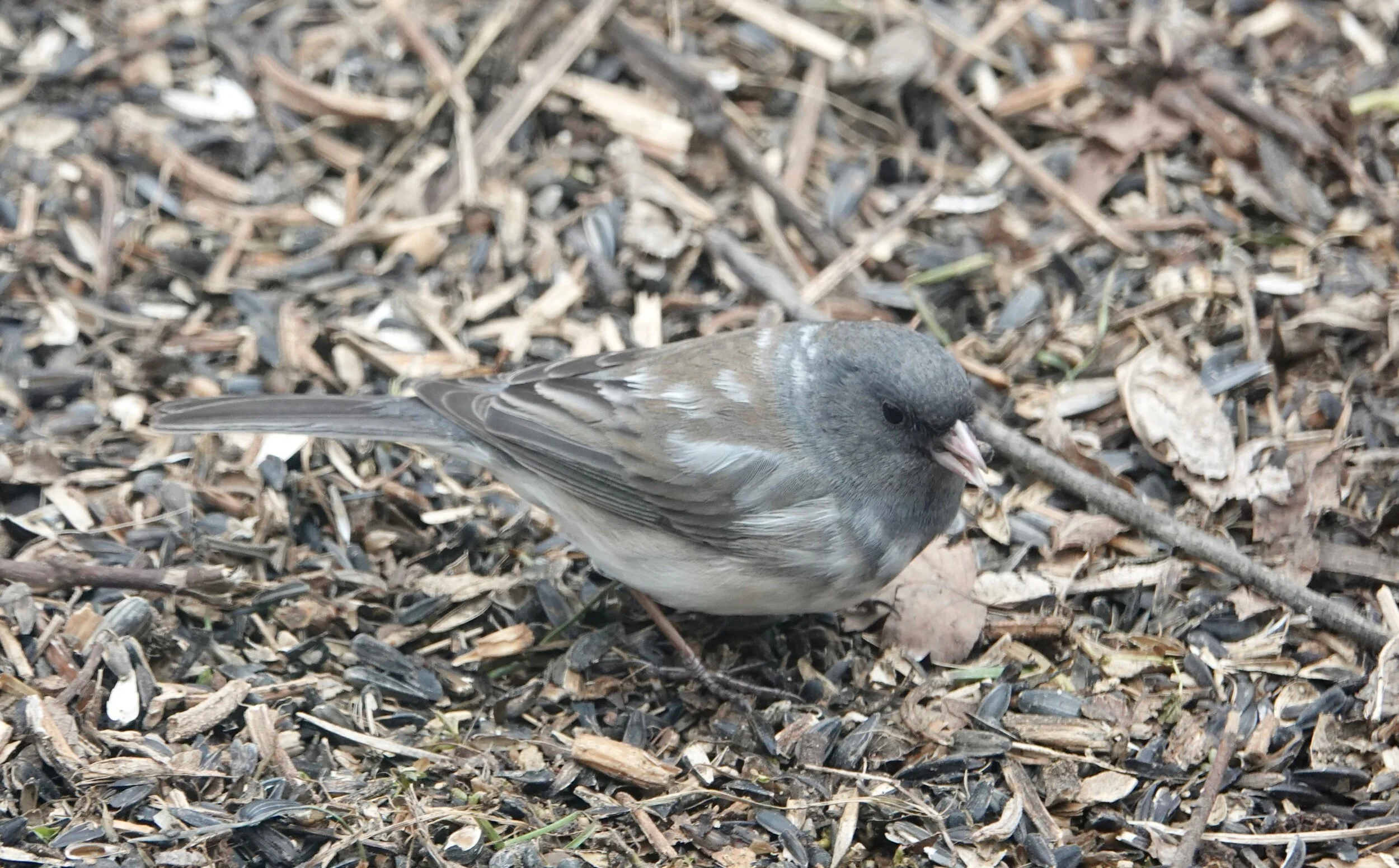
A whiter shade of pale on a Dark-eyed Junco.
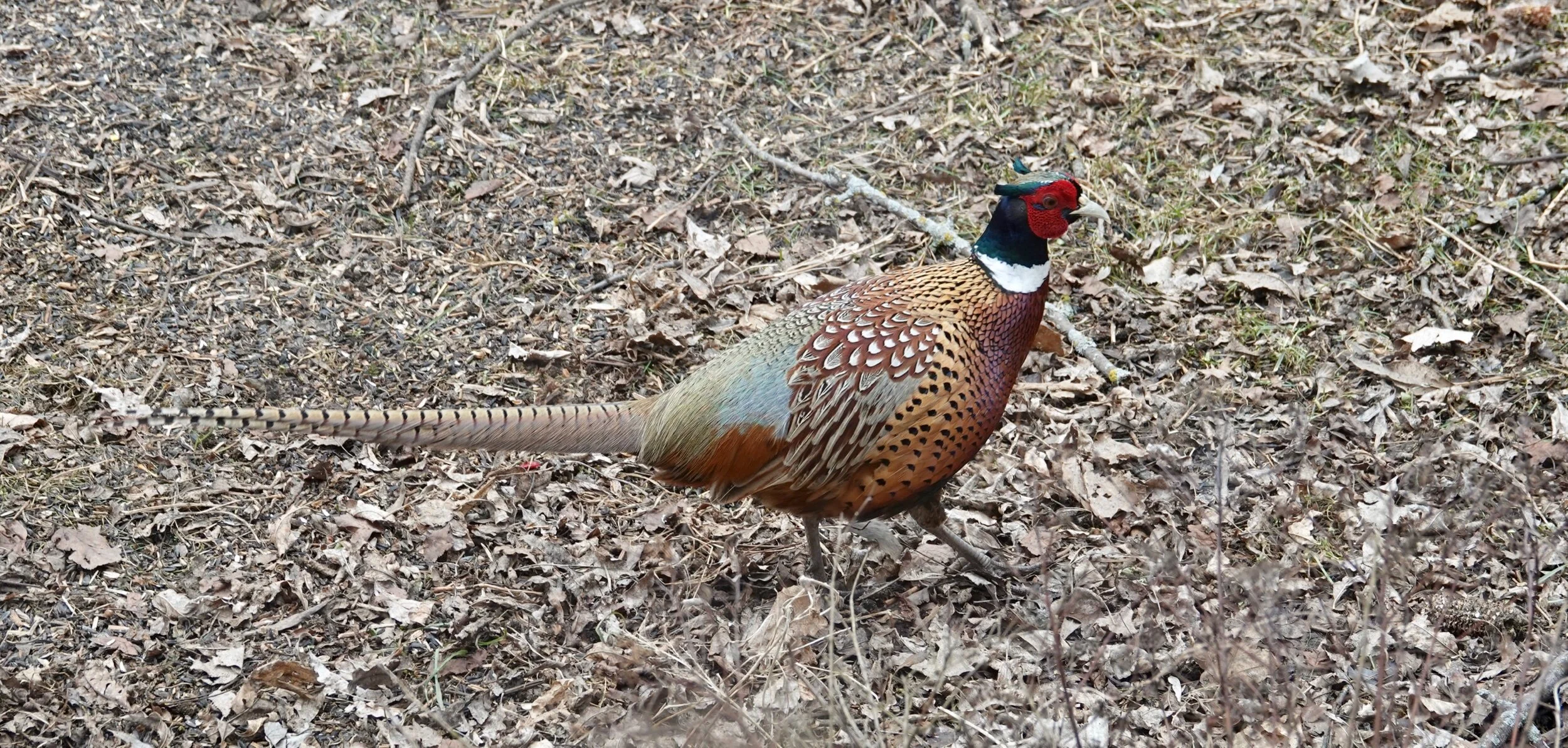
A handsome fellow, the Ring-necked Pheasant. This species is native to China and East Asia.
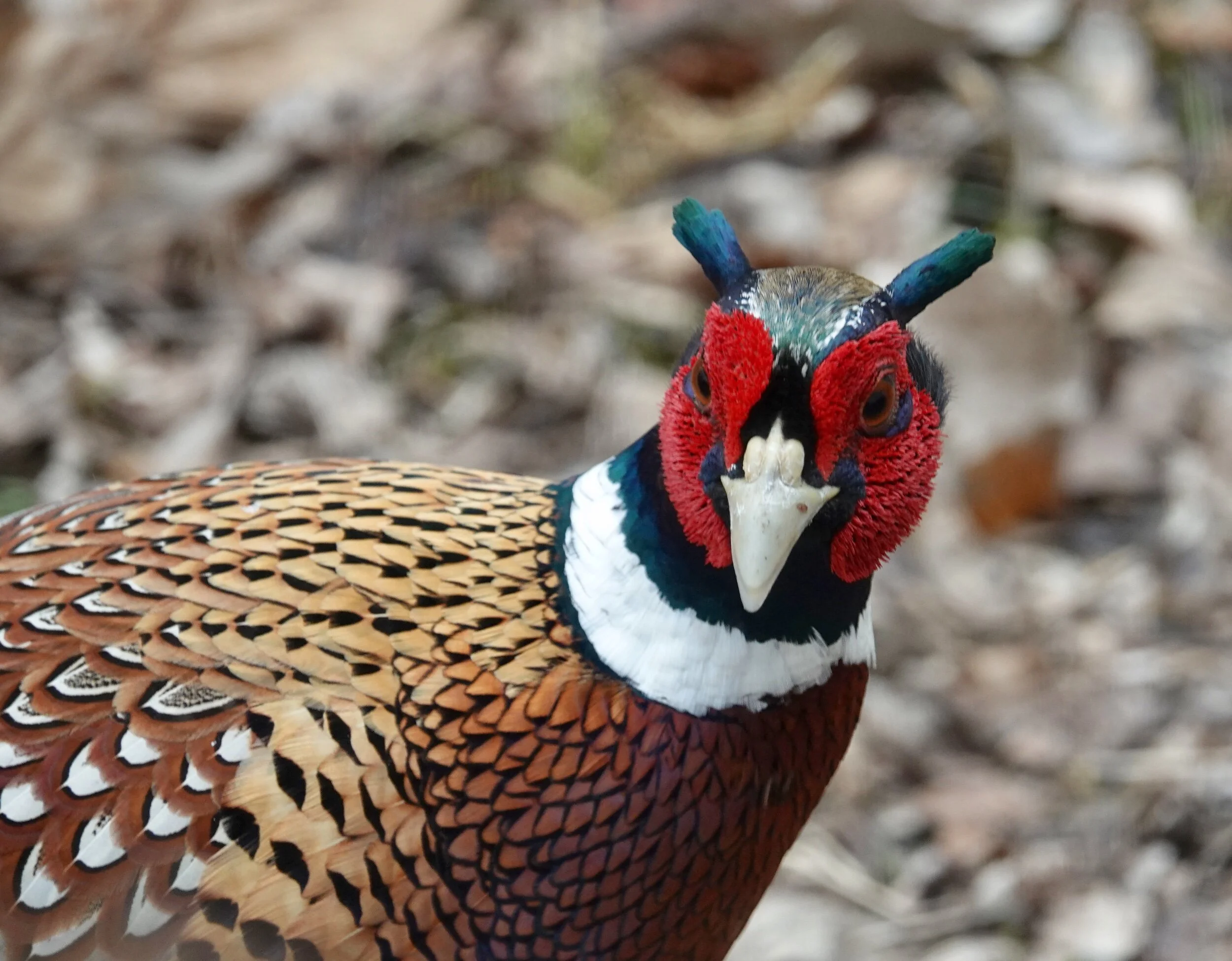
A handsome fellow, the Ring-necked Pheasant. This species is native to China and East Asia.
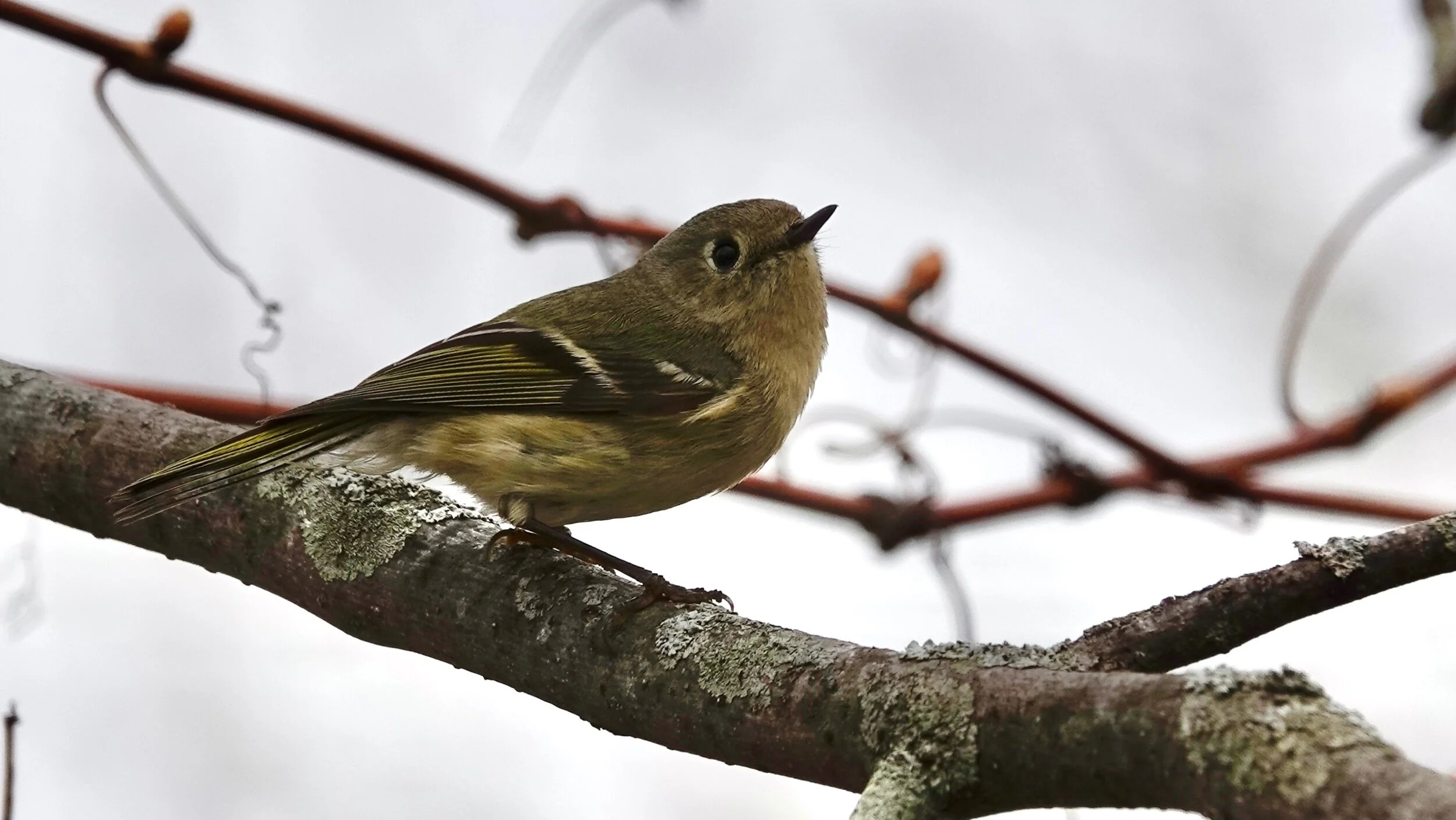
Ruby-crowned Kinglets must use megaphones when they sing. So small, so loud.
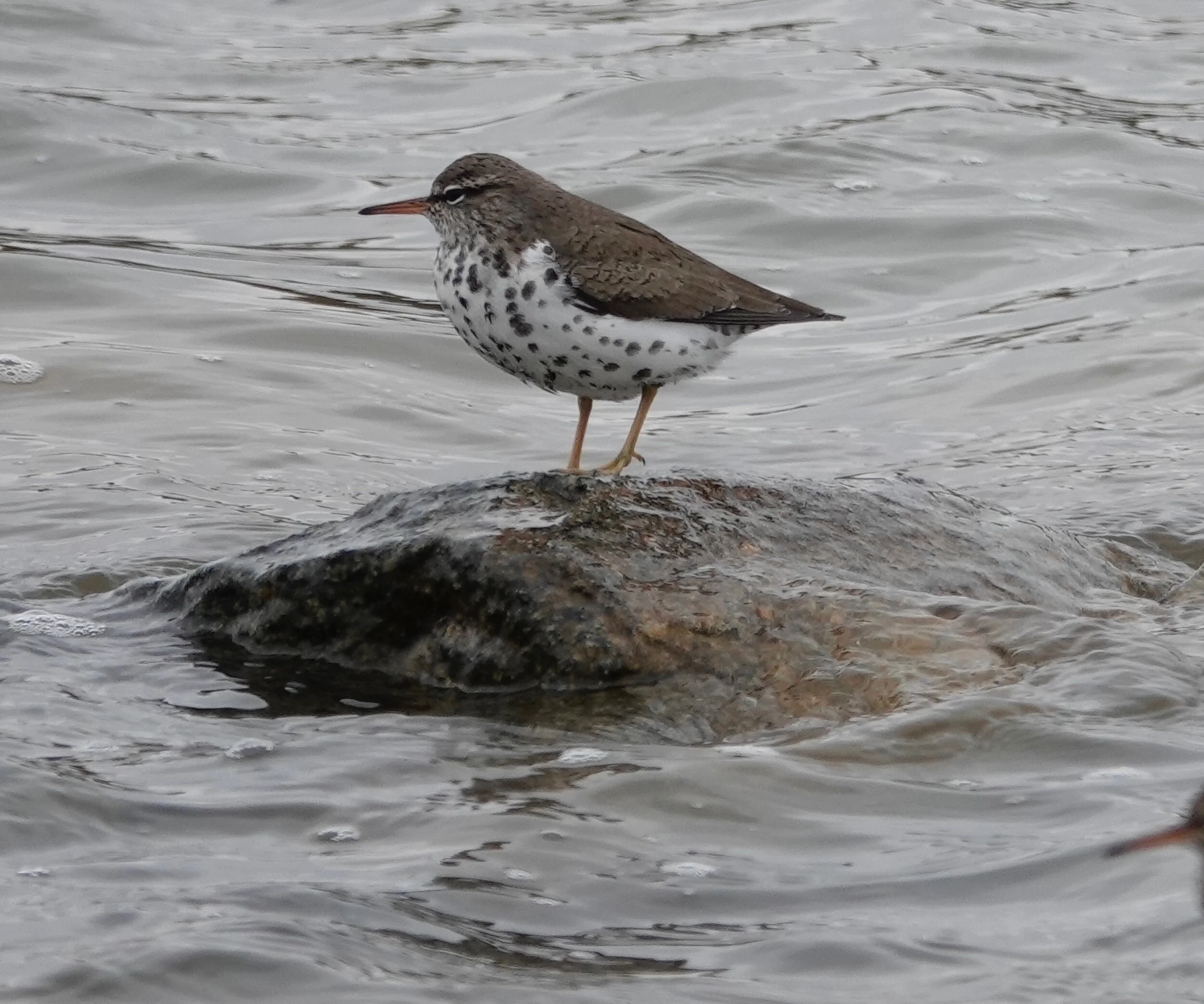
My father called the Spotted Sandpiper a teeter-snipe because of the bird’s bobbing behavior.
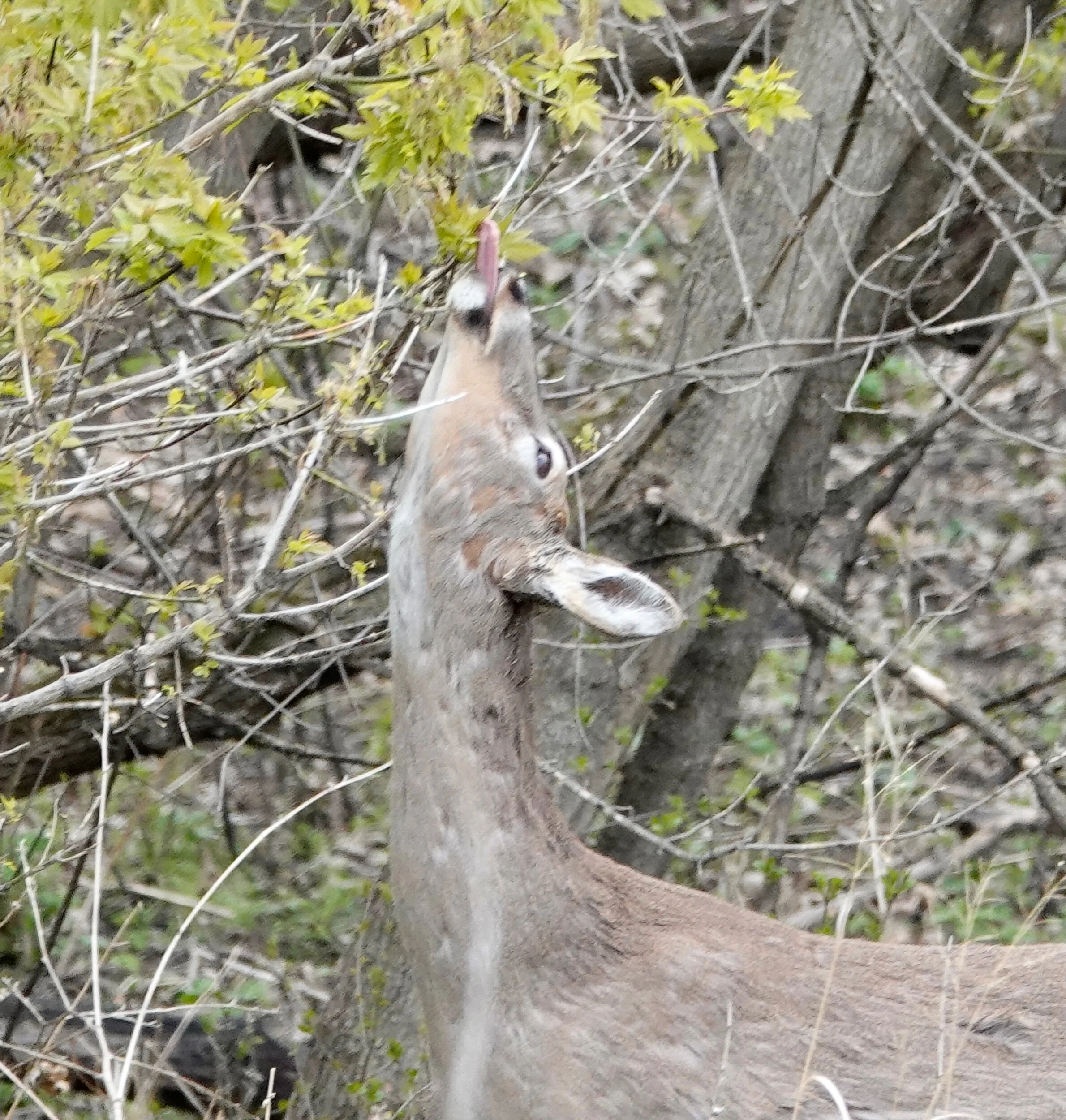
Things are looking up for a deer that finds tasty tree leaves.
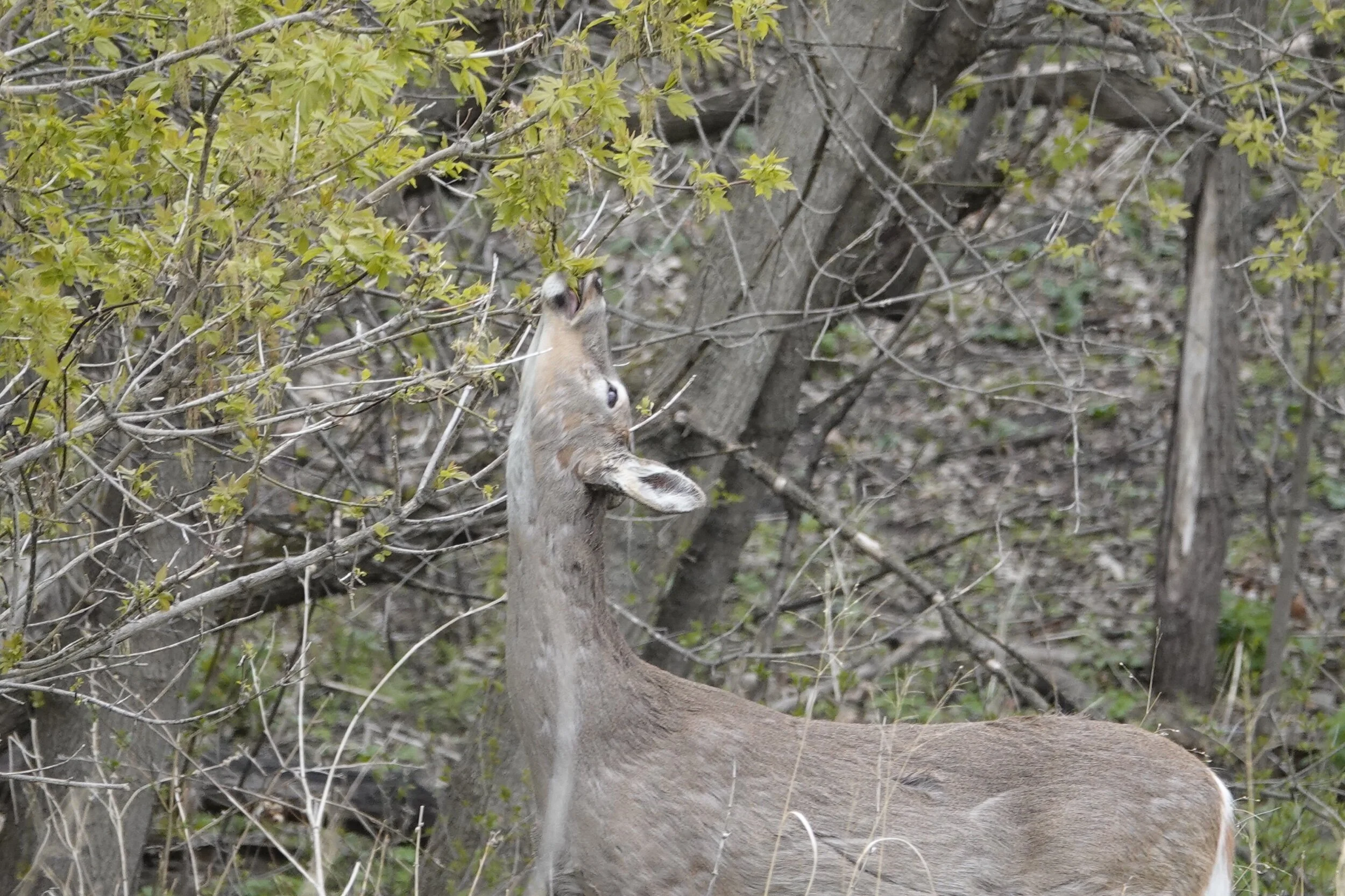
Things are looking up for a deer that finds tasty tree leaves.
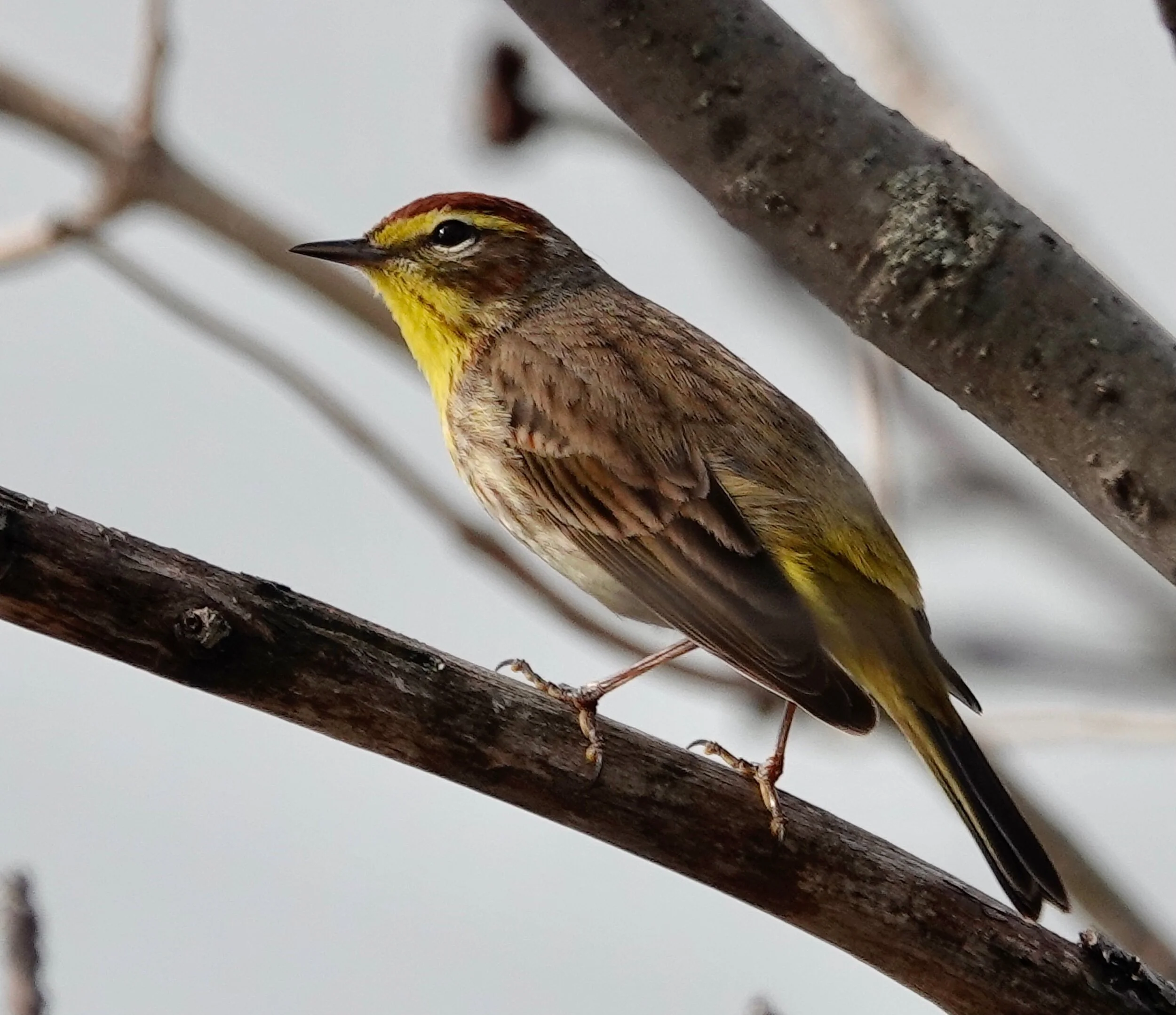
The Palm Warbler was named by Johann Friedrich Gmelin and based on a specimen collected on Hispaniola, a Caribbean island with an abundance of palm trees.
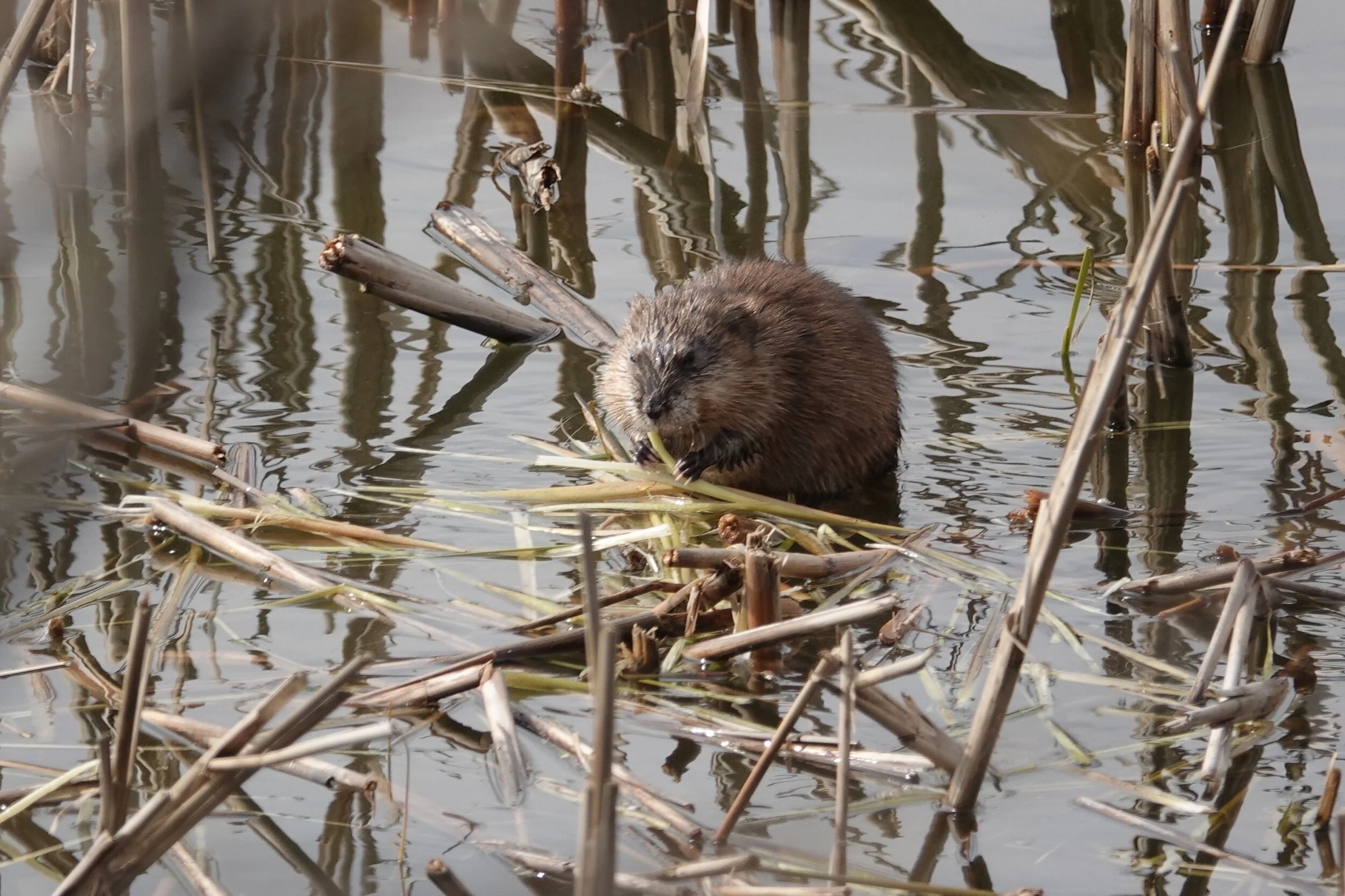
If a Muskrat owned a cafe, it would look something like this. Muskrats feed on cattails, waterlilies, pondweed and other aquatic vegetation.
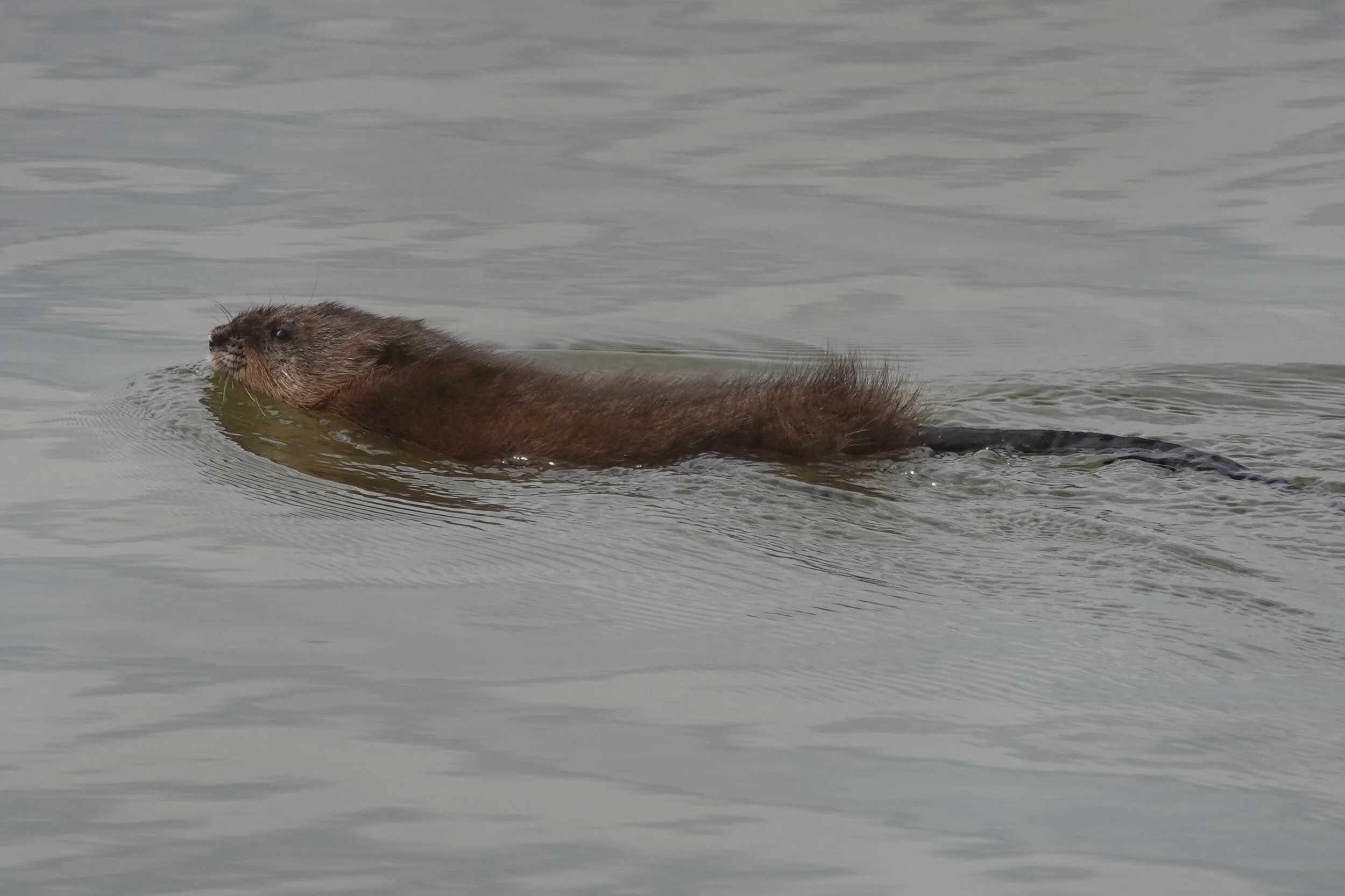
Muskrats can swim up to 3 mph and are able to swim backwards.
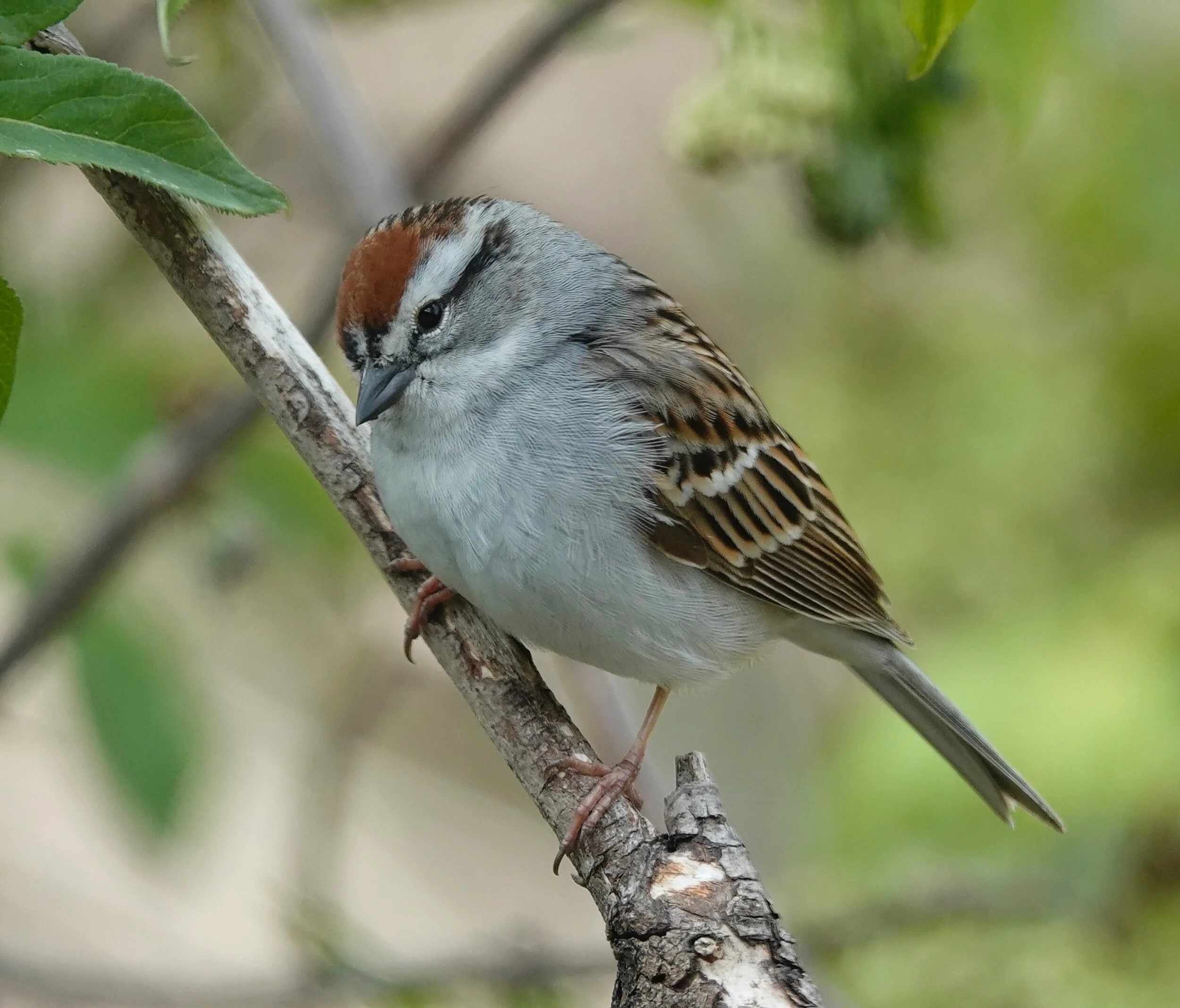
The Chipping Sparrow is a frequent foster parent of Brown-headed Cowbird chicks.
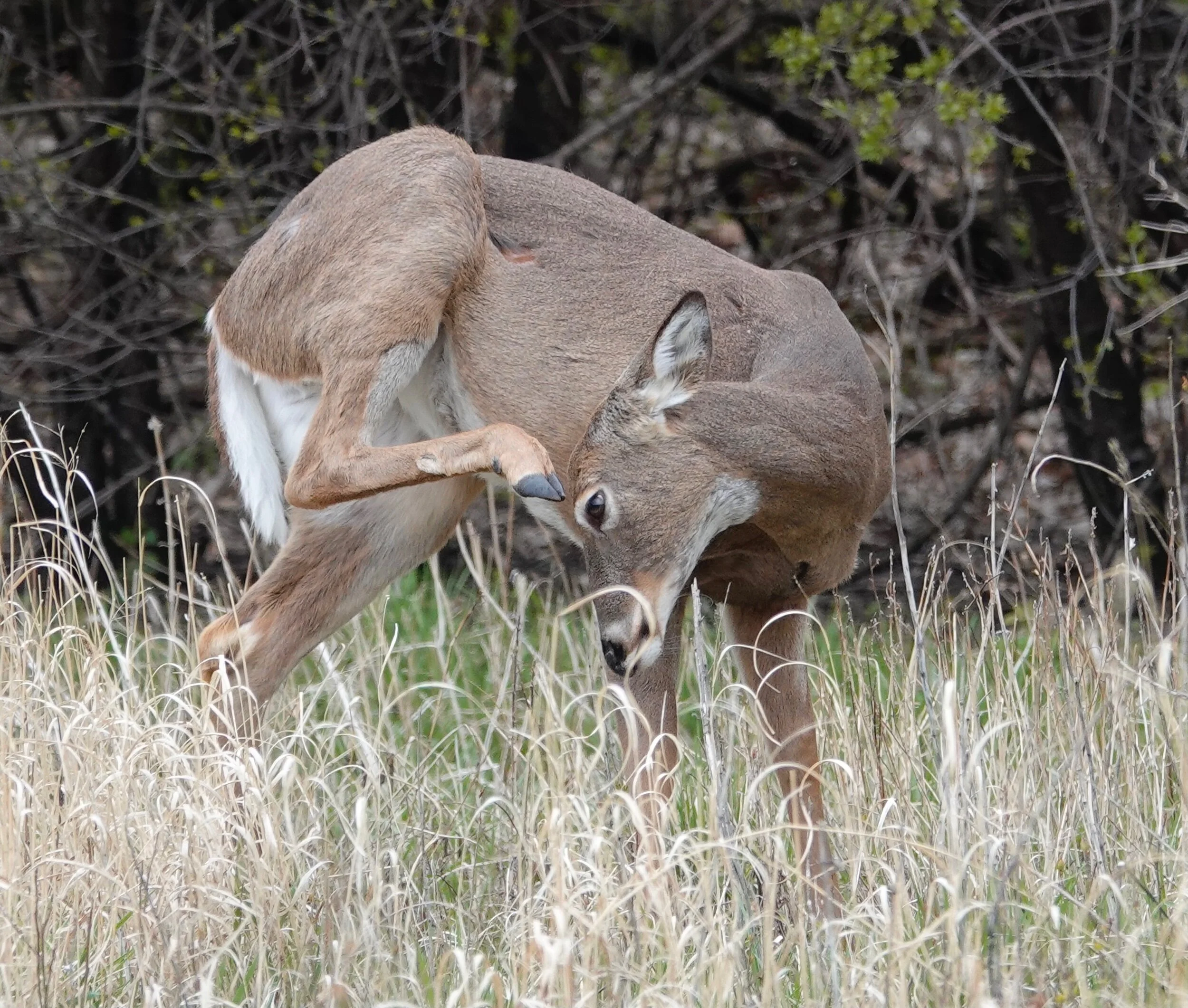
A deer falling victim to self-induced noogies.
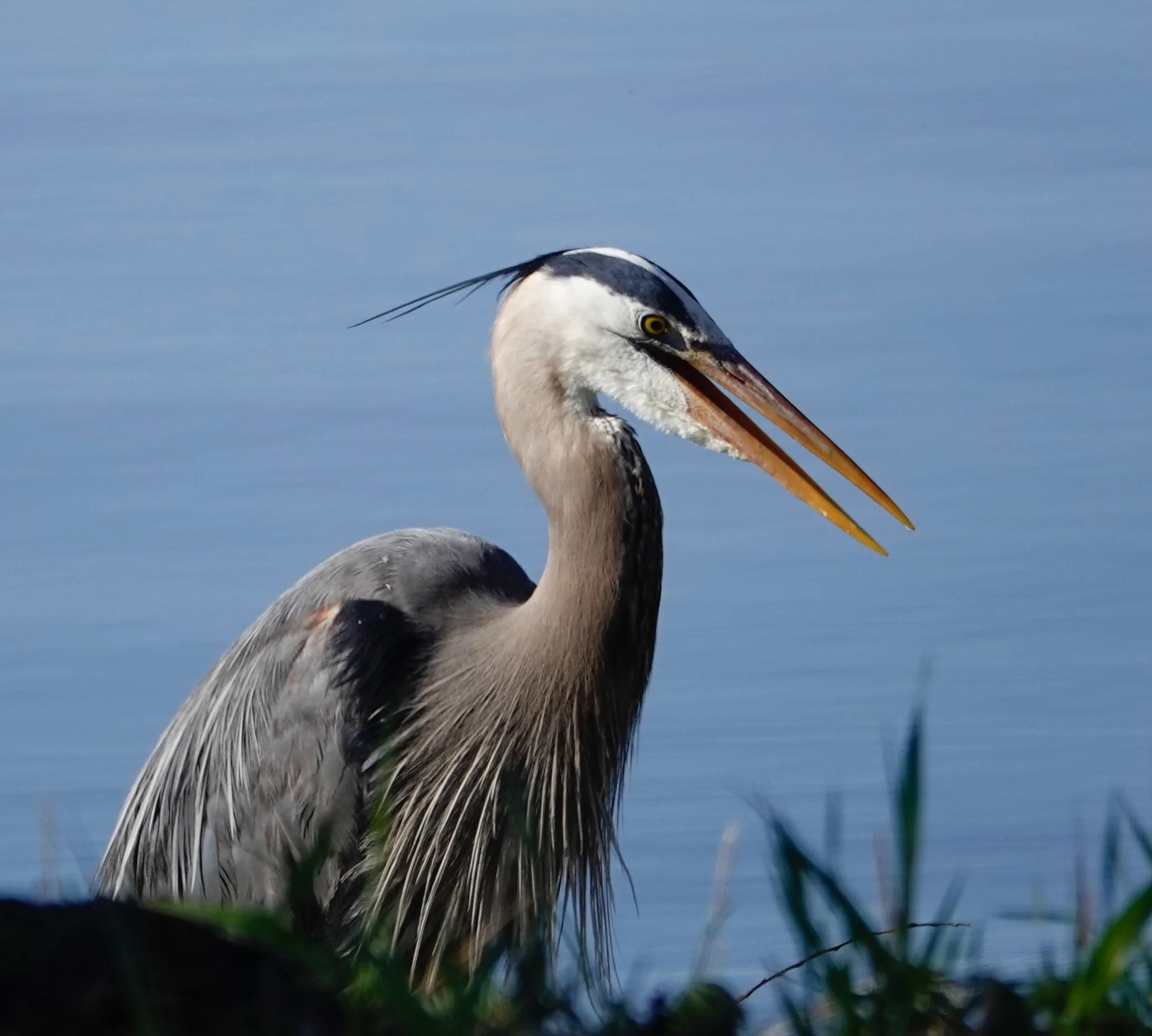
Old Cranky, the Great Blue Heron.
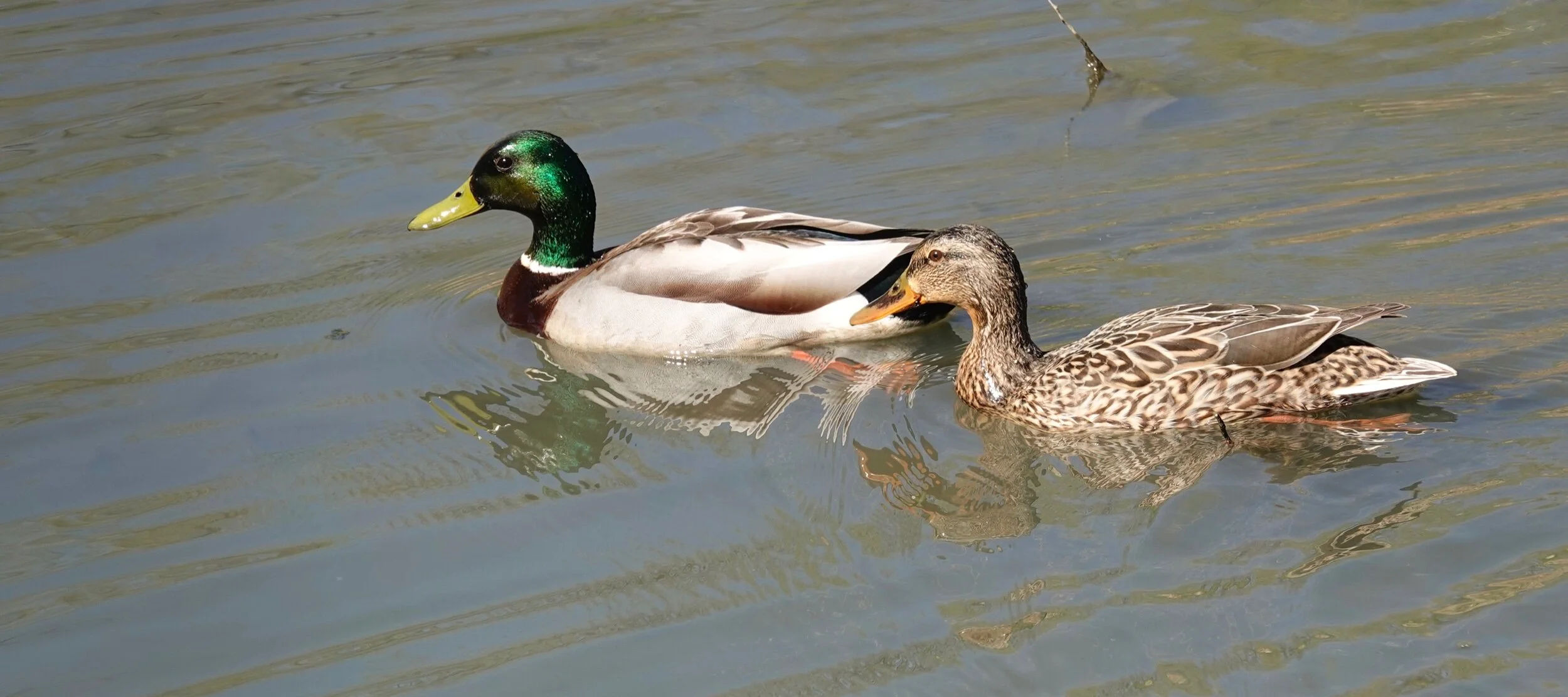
Ma and Pa Mallard go to town.
Naturally
What’s all the yellowing about? It’s about American goldfinches. They are turning a brilliant yellow.
Dandelions are spring to some folks. The yellowing of spring. Is a group of dandelions called a pride? Mark Twain said, “In the spring, I have counted 136 different kinds of weather inside of 24 hours.”
It’s good to see turkey vultures back and checking the expiration dates of roadkill.
I am in awe of the feeder birds in the April snow. I make it a cardinal rule to look at every cardinal. A red-tailed hawk soaring high caused me to think of the line from “Oklahoma,” “We sit alone and talk and watch a hawk making lazy circles in the sky.”
European starlings were introduced into this country by Shakespeare enthusiasts in 1890. Their population is declining in the UK and North America. The Harris's sparrow is named after Edward Harris, Audubon's pal and a horse breeder. The breeding range of this sparrow is all in Canada.
The crow-sized peregrine falcons return in February to nest on the roof of the Mayo Building in Rochester. In early April the female lays 3-4 eggs that hatch 35 days later in early to mid-May. The nestlings are given names by patients, staff and visitors.
Telling tales out of stool
I was in a state park when poop rained down upon my car. Bacteria in the bird’s gut break down the uric acid, giving it the white color before exiting the bird’s cloaca. Birds mainly eating fish like bald eagles, cormorants, great blue herons, gulls or osprey produce mostly white poop. I’m not sure what birds targeted my car, but their accuracy was amazing.
No one is a dodo
Dodos were flightless birds on the island of Mauritius in the Indian Ocean. After Dutch sailors landed and settled on the island in 1598, the dodo’s population rapidly declined. The dodo was easy to catch and was hunted by sailors for food, but the introduction of pigs, dogs and rats with a taste for dodo eggs and the ability to outcompete the dodos for food was devastating. The Oxford University of Natural History sources said dodo meat wasn’t tasty.
When weasels fly
I enjoy the writings of Annie Dillard. Her book “Pilgrim at Tinker Creek” is exquisite. I read her essay (“Living Like Weasels”), which mentioned author and wildlife artist Ernest Thompson Seton’s report of someone shooting an eagle and finding the skull of a weasel attached to the raptor’s throat. He guessed the eagle had swooped down and grabbed the weasel. The would-be-prey chomped onto the throat of the eagle and never let go. The eagle carried a reminder of that day for the rest of its life.
Q&A
“I’ve heard about declining bird populations. Are some bird species doing well?” The number of birds in North America has fallen by 29% since 1970. Bald eagles are thriving, peregrine falcon populations have grown and waterfowl numbers are on the upswing.
“Where do the red-winged blackbirds spend the winter?” Most blackbirds breeding in the northern U. S. migrate to the southern states for the winter.
“When do bucks drop their antlers?” Most bucks in Minnesota shed their antlers between December and March. Declining day length causes a decrease in testosterone, which results in antler shedding. Look for sheds in places where deer sleep, where they feed and the trails between those two places. Concentrate on southern exposures.
“When are white-tailed fawns born?” May or early June are prime times as they allow the fawns to grow during warm days and nights while missing the cold of early spring.
“When do juncos leave here?” I see them here as late as in May every year.
“What else other than orioles eats grape jelly from feeders?” Catbirds, tanagers, robins, house finches, woodpeckers (downy, hairy, red-bellied), brown thrashers, rose-breasted grosbeaks, cardinals, starlings, Cape May warblers, yellow-rumped warblers, orange-crowned warblers, chipmunks and squirrels are all possibilities.
“There were branch tips on the ground under my spruce trees. What caused that?” The damage is usually the work of a hungry red squirrel. It feeds on newly formed buds at the end of a twig by snipping off 3 to 6 inches of new growth, eating the bud and dropping the rest. This occurs when there is little other food available to them.
“Why do blue jays carry away several peanuts in their mouths and throats?” It’s because they don’t have pockets. It saves them trips to the feeder.
Thanks for stopping by
"Whoever you are, no matter how lonely, the world offers itself to your imagination,
calls to you like the wild geese, harsh and exciting - over and over announcing your place in the family of things." — Mary Oliver
“If you want others to be happy, practice compassion. If you want to be happy, practice compassion.”—The Dalai Lama.
Do good.
©Al Batt 2021
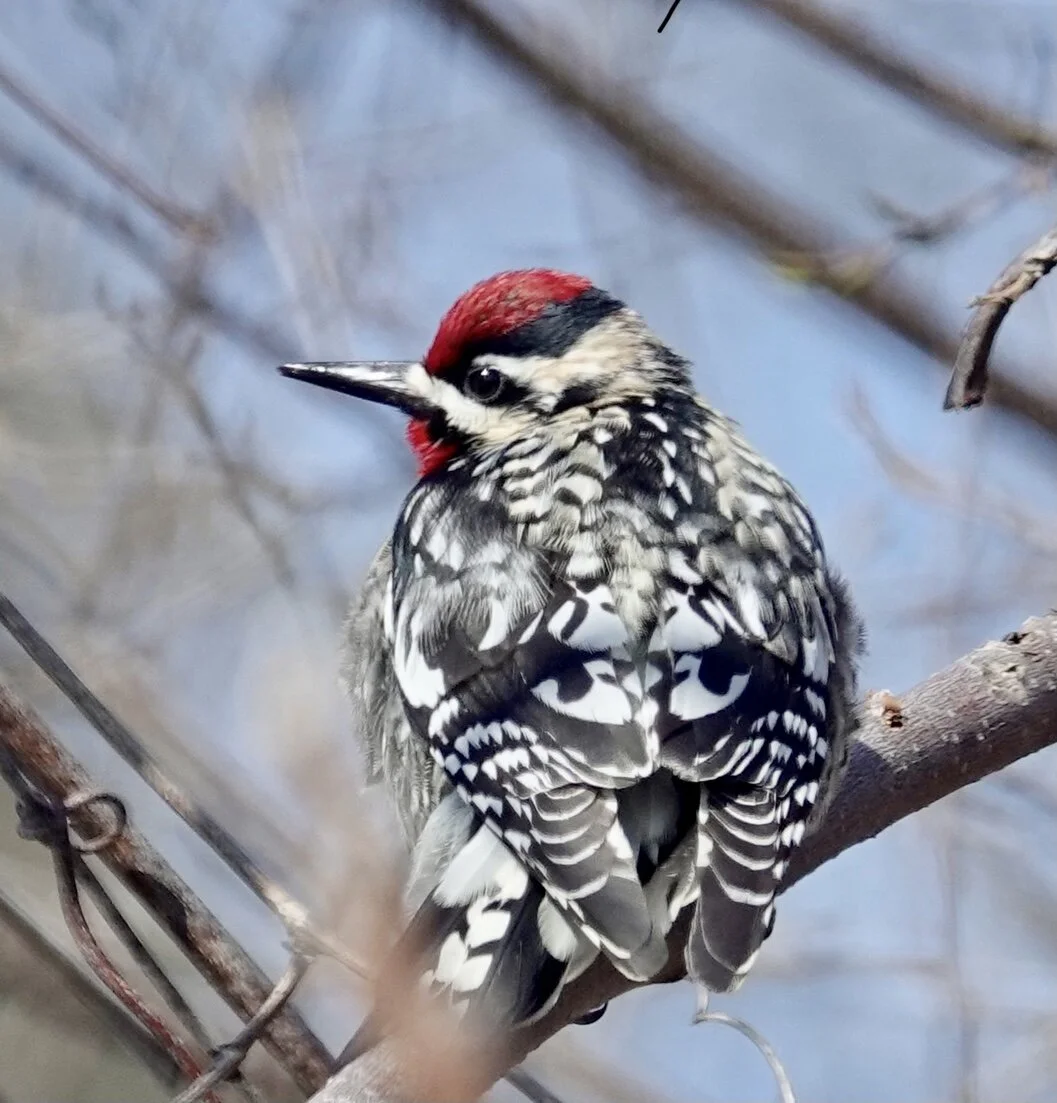
A yellow-bellied sapsucker searching for yellow-bellied sap. Photo by Al Batt
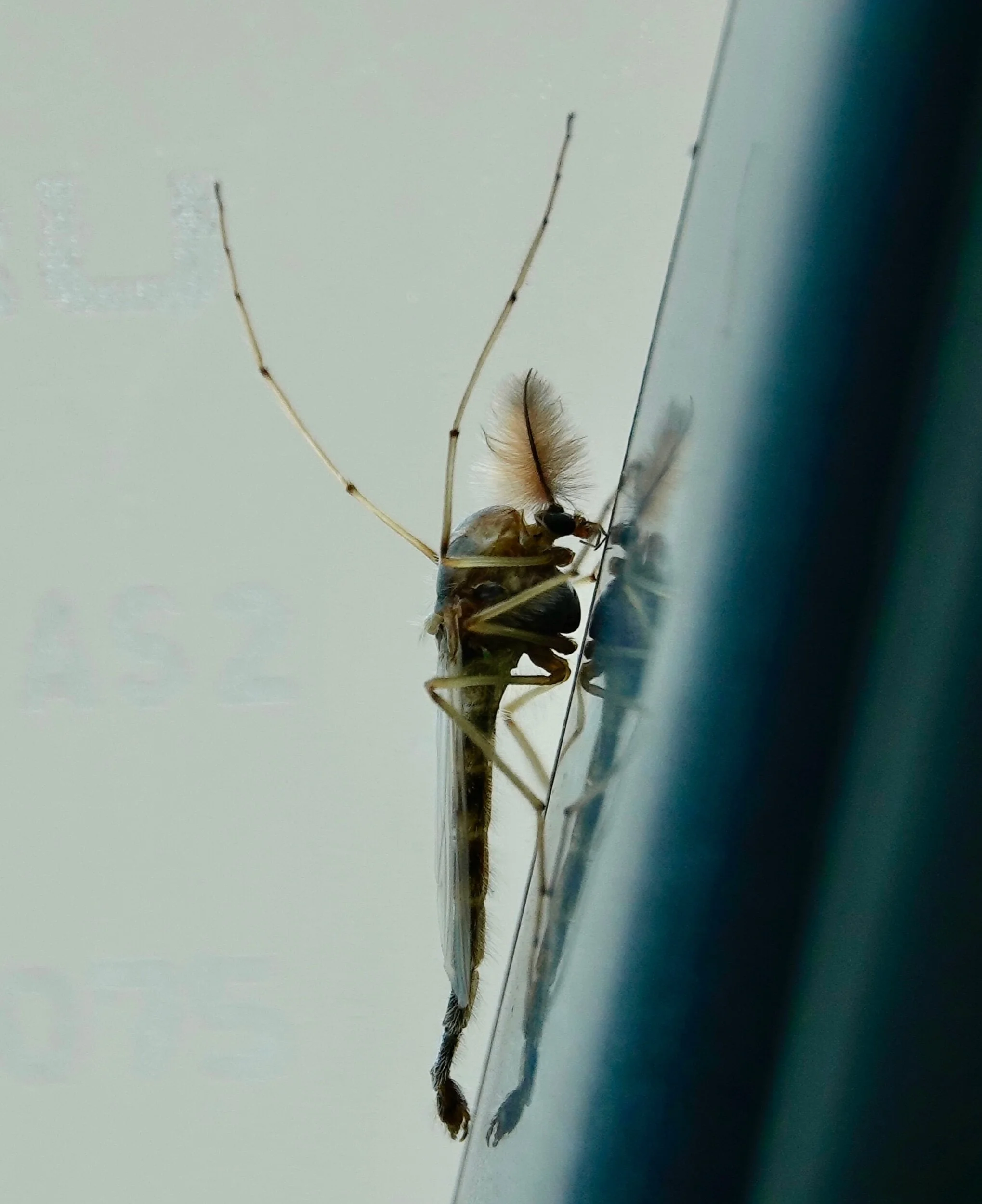
This midge looks as if it had stolen a feather.
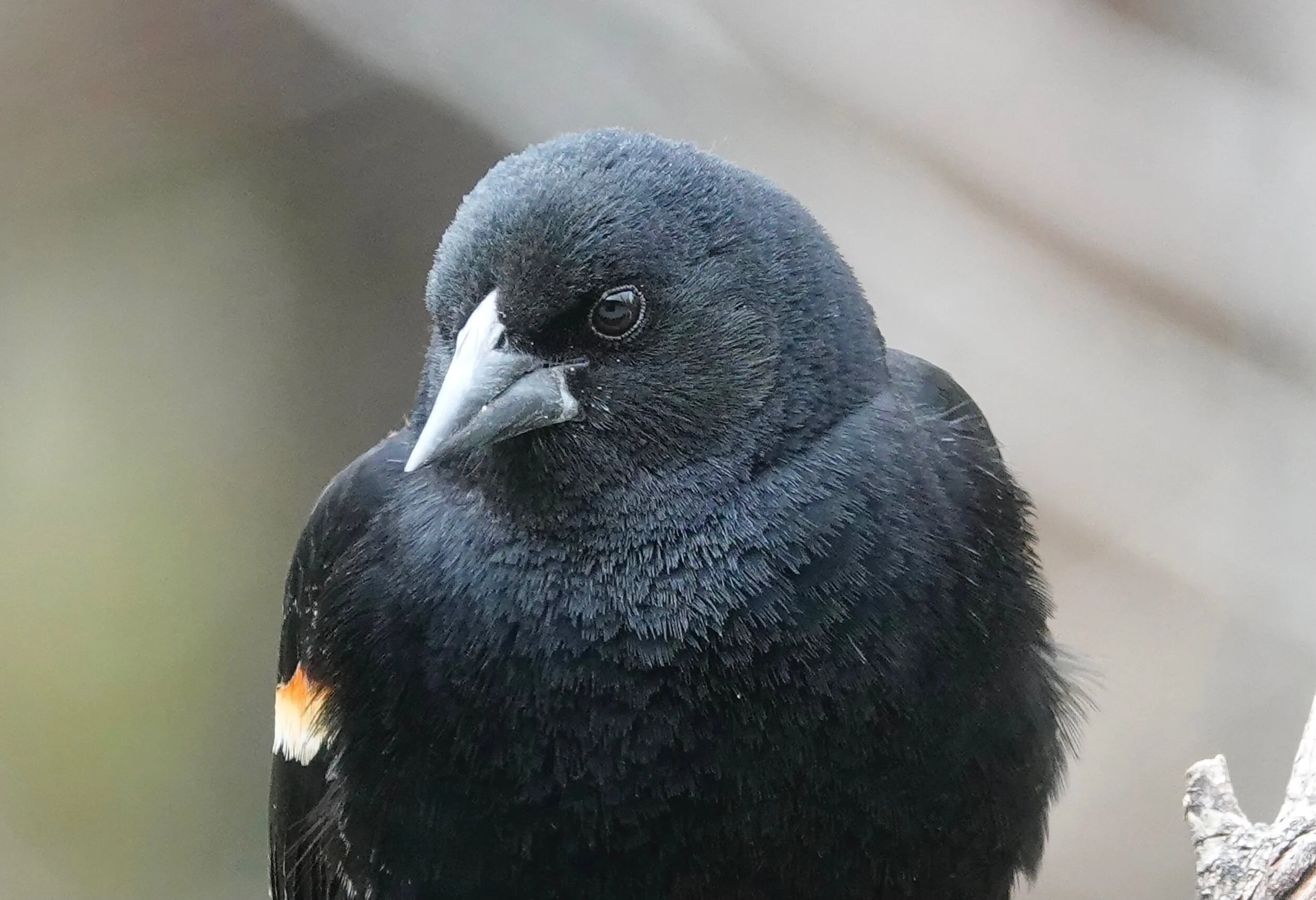
The Red-winged Blackbird is a handsome polygamist.
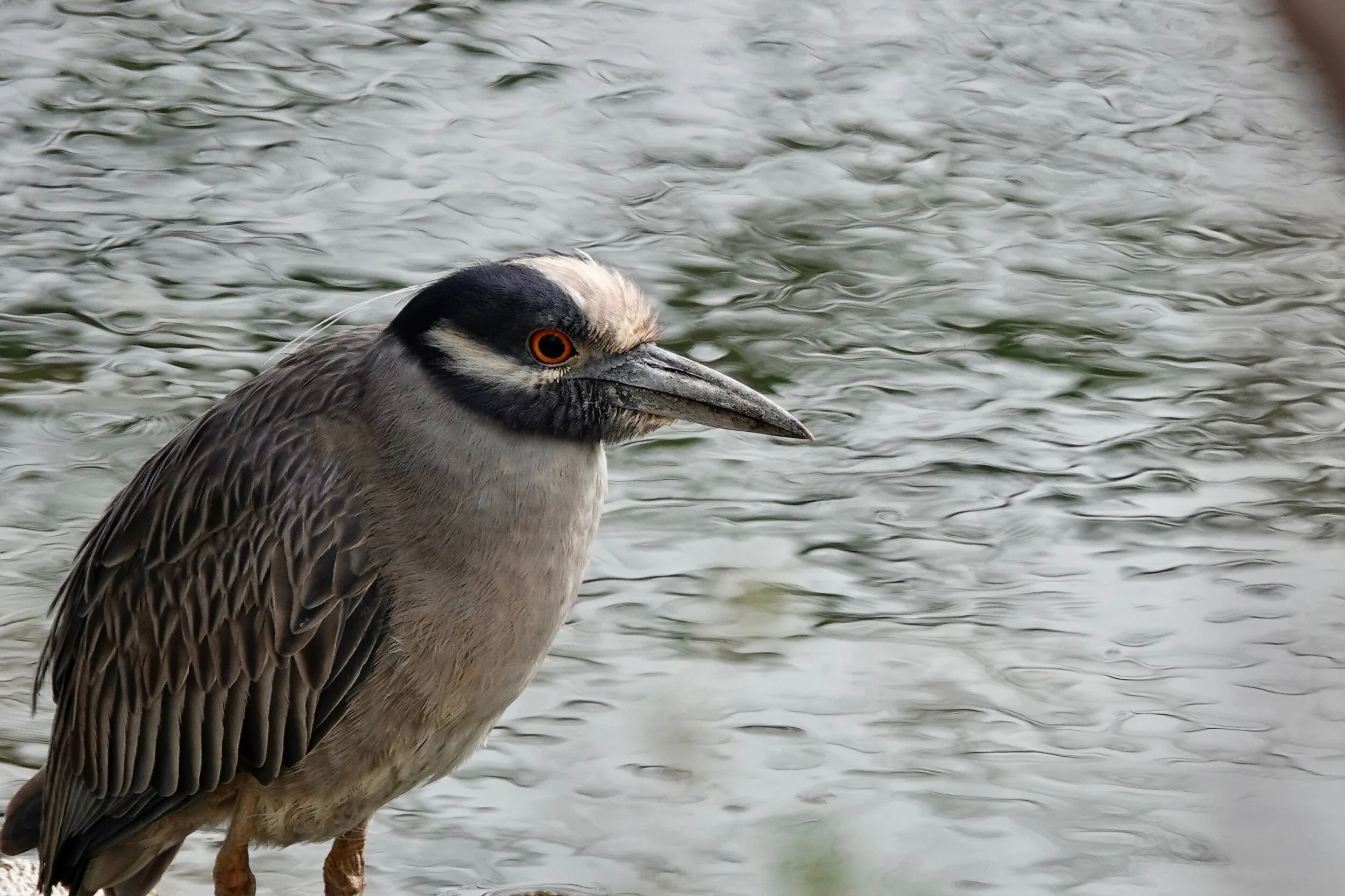
A Yellow-crowned Night Heron is semi-nocturnal. I am, too.
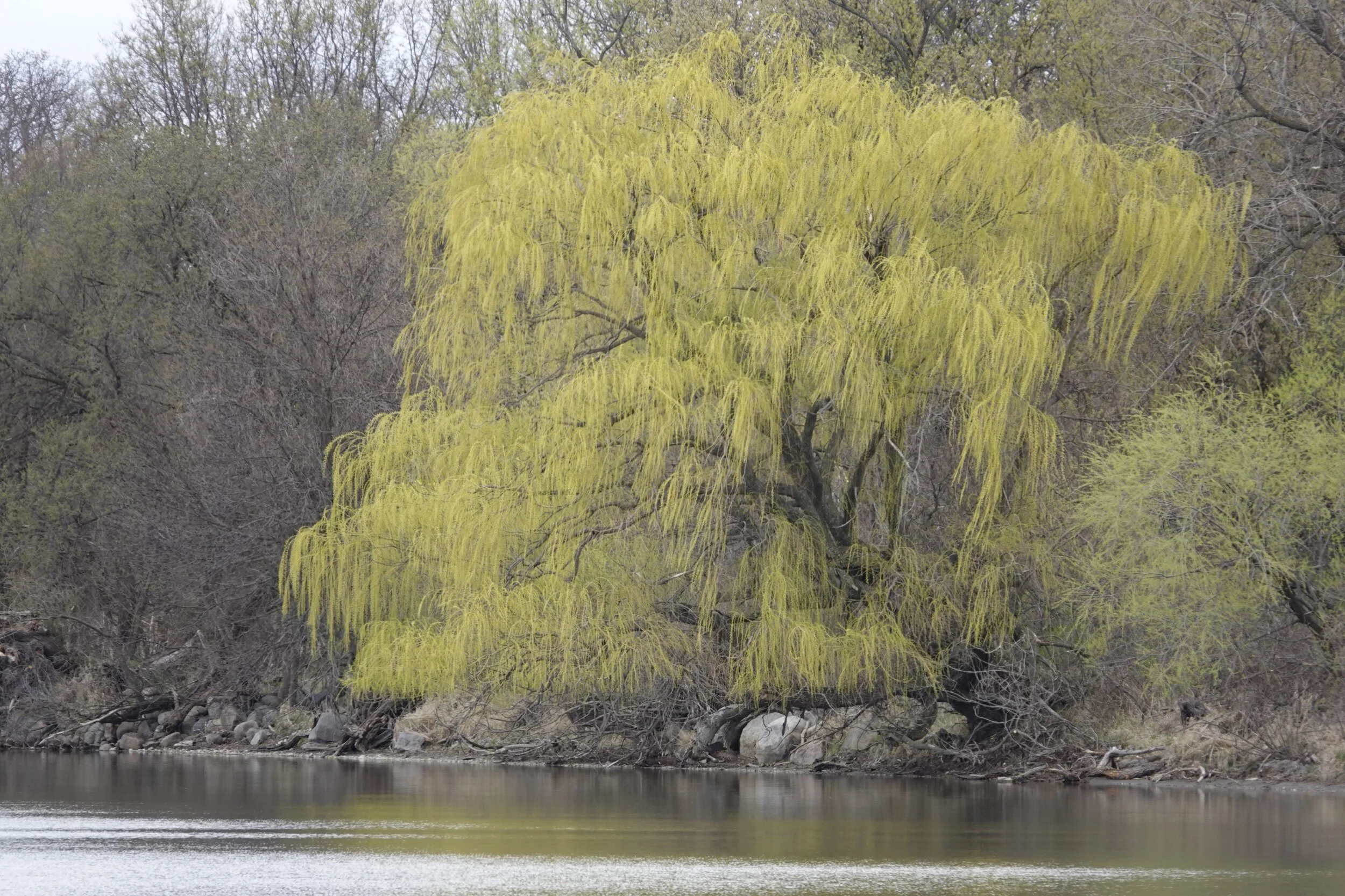
A willow admires its reflection.
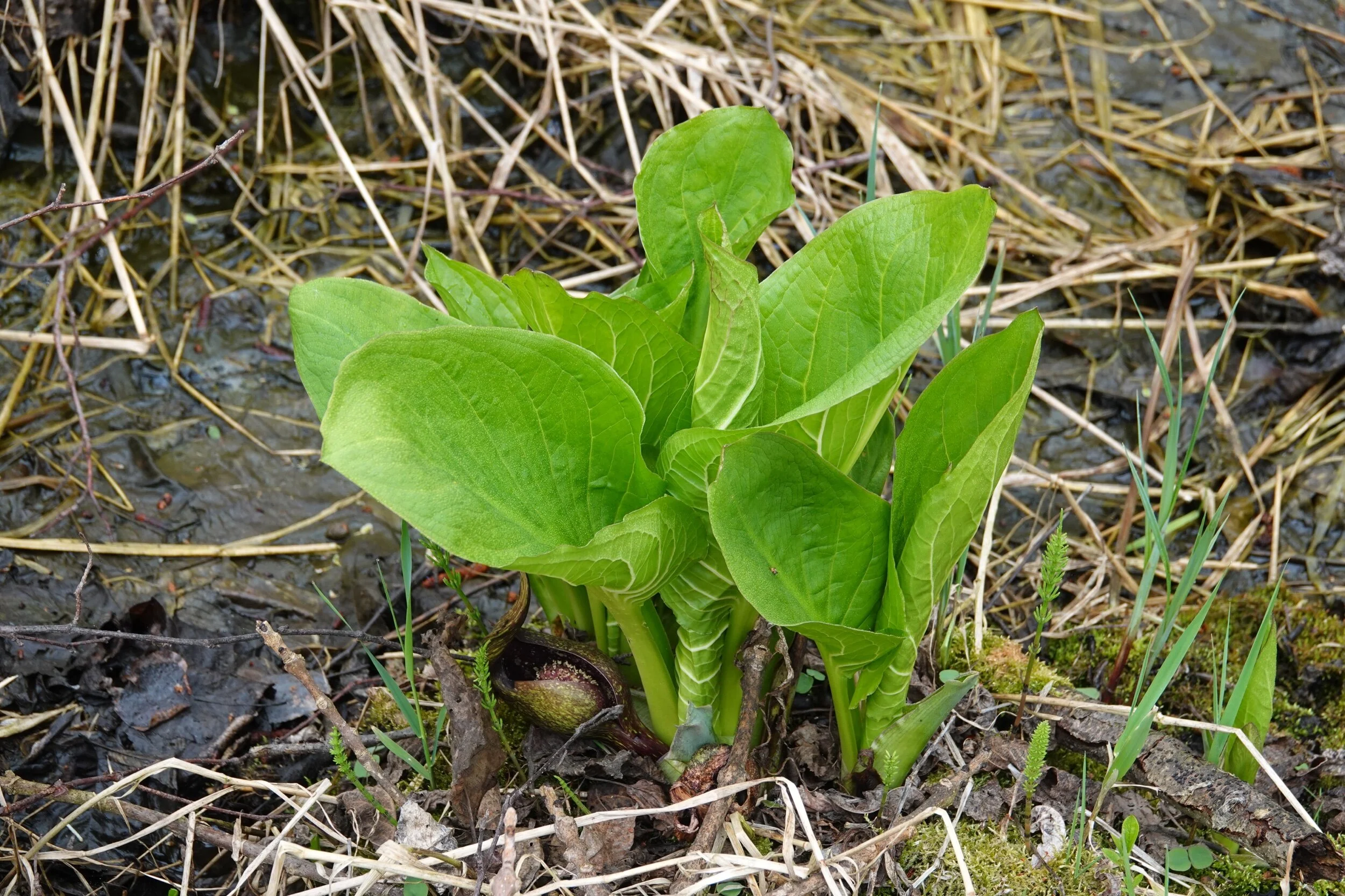
When skunk cabbage sprouts in the spring, the heat of cellular respiration from its rapid growth melts the snow around it.
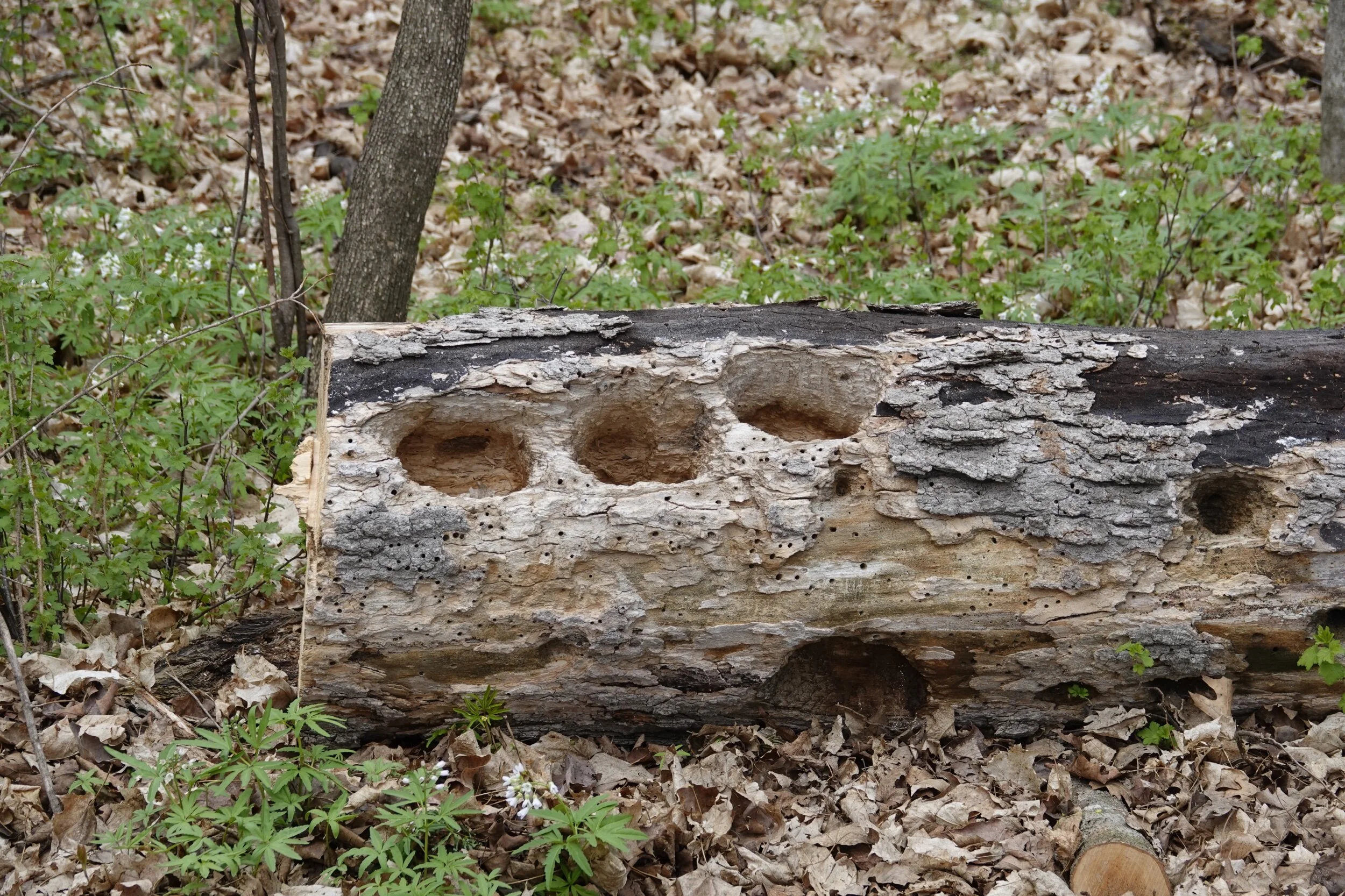
The work of a workaholic woodpecker.
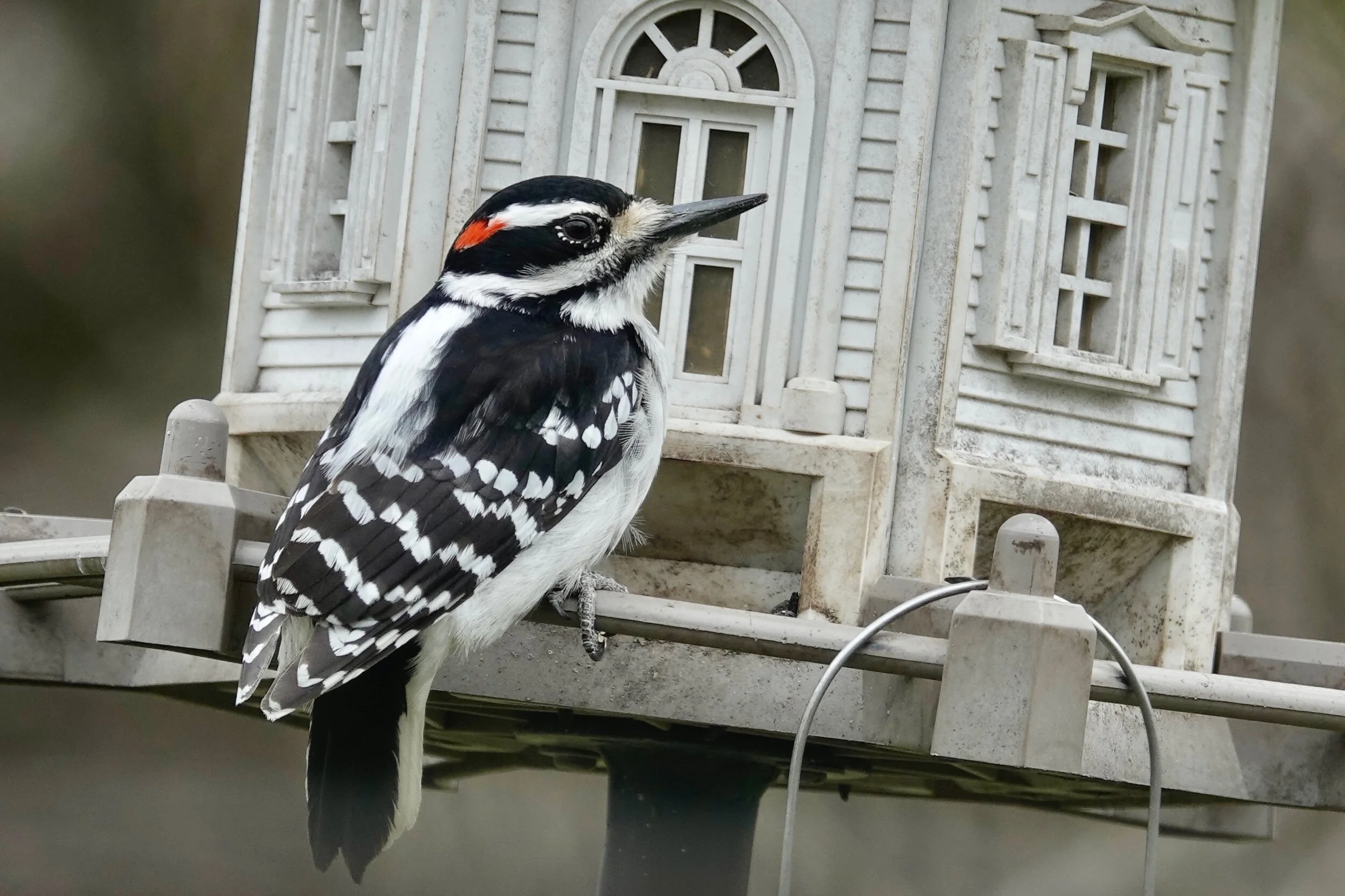
No one would answer the door to the giant woodpecker.
It’s a Hairy Woodpecker. The downy’s bill is dinky, the hairy’s bill is heavy.
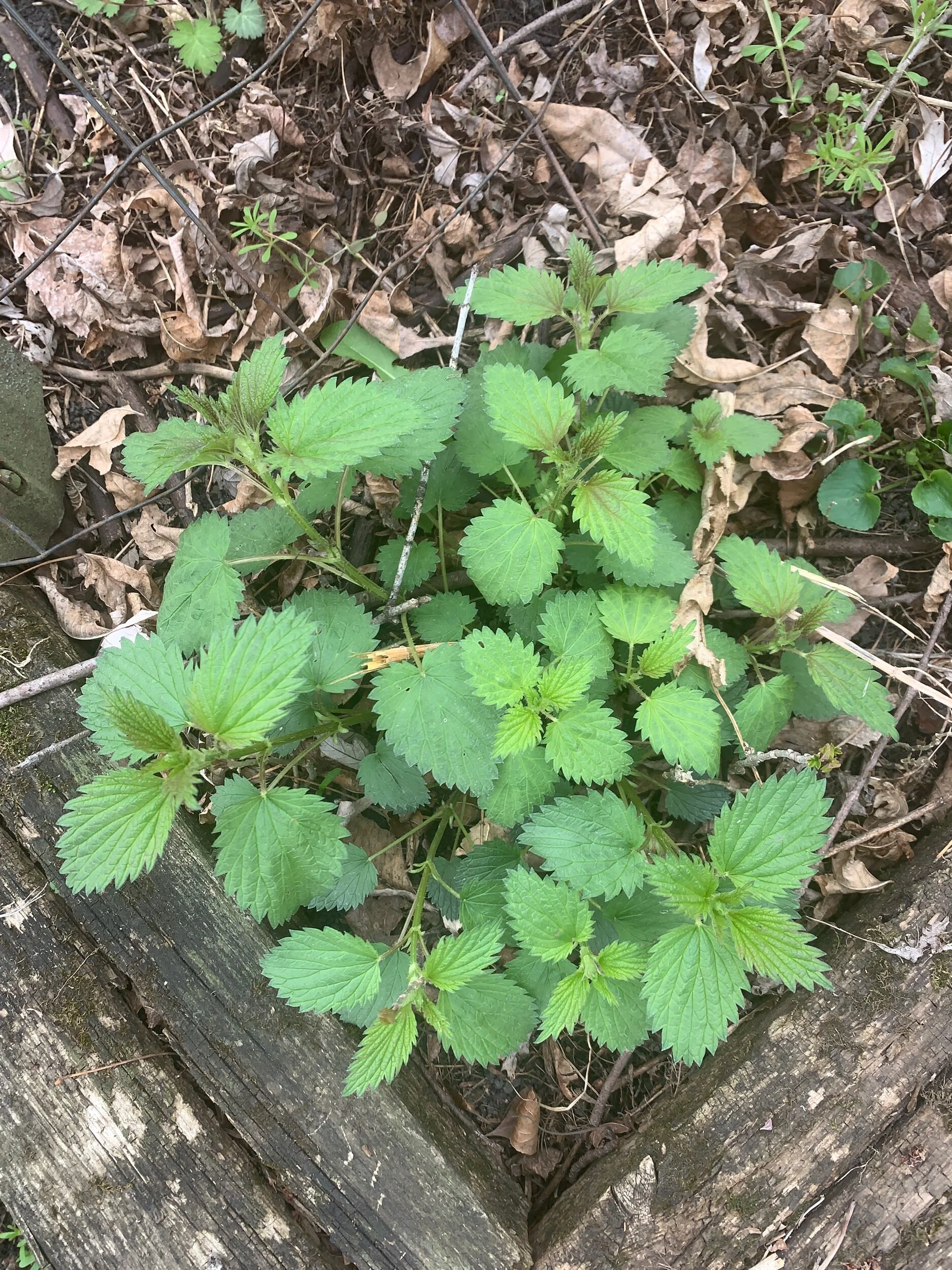
When I was a lad, the big kids called the Stinging Nettle “itch weed.”
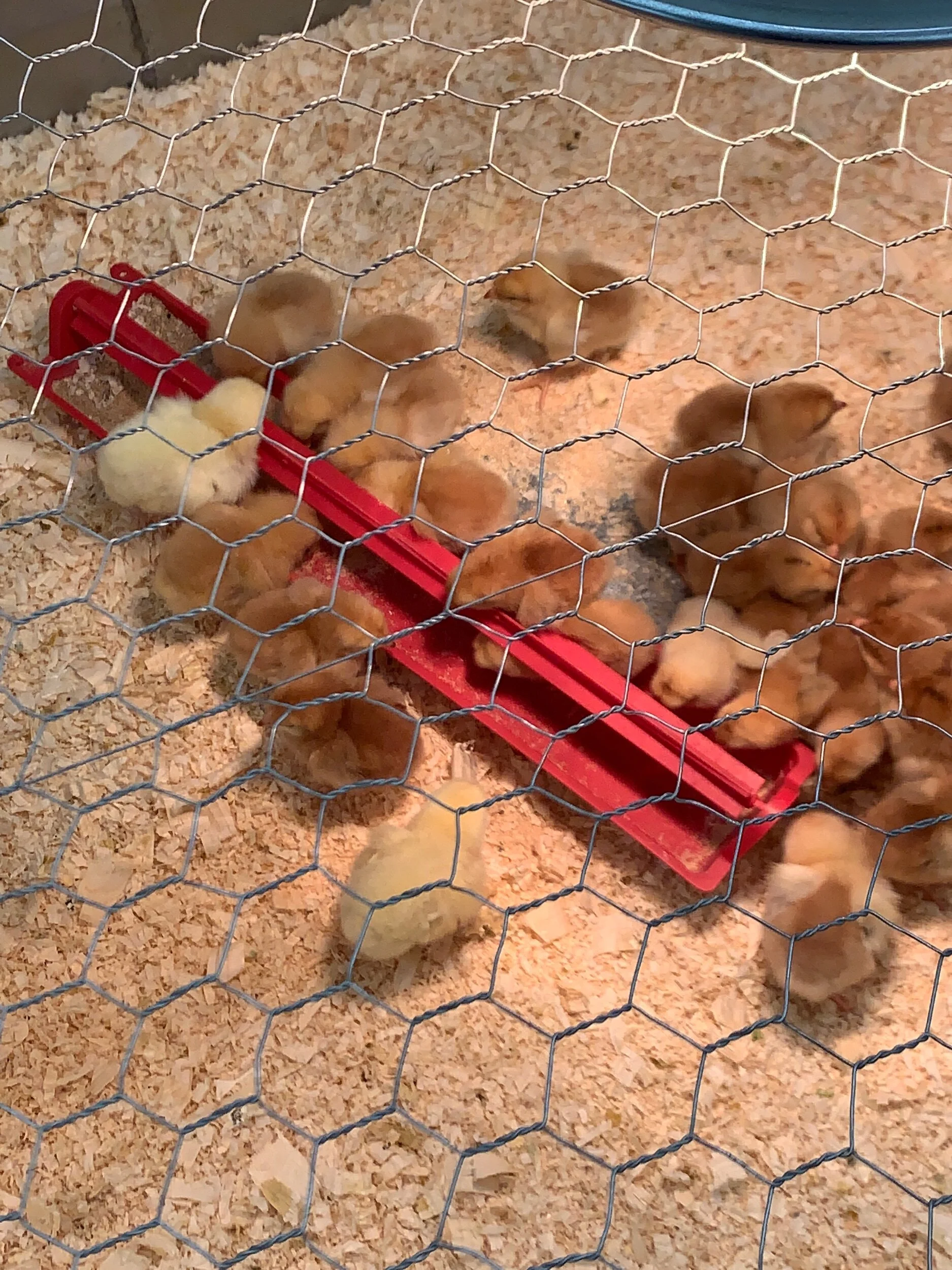
Some of the baby chickens were dancing chick-to-chick.
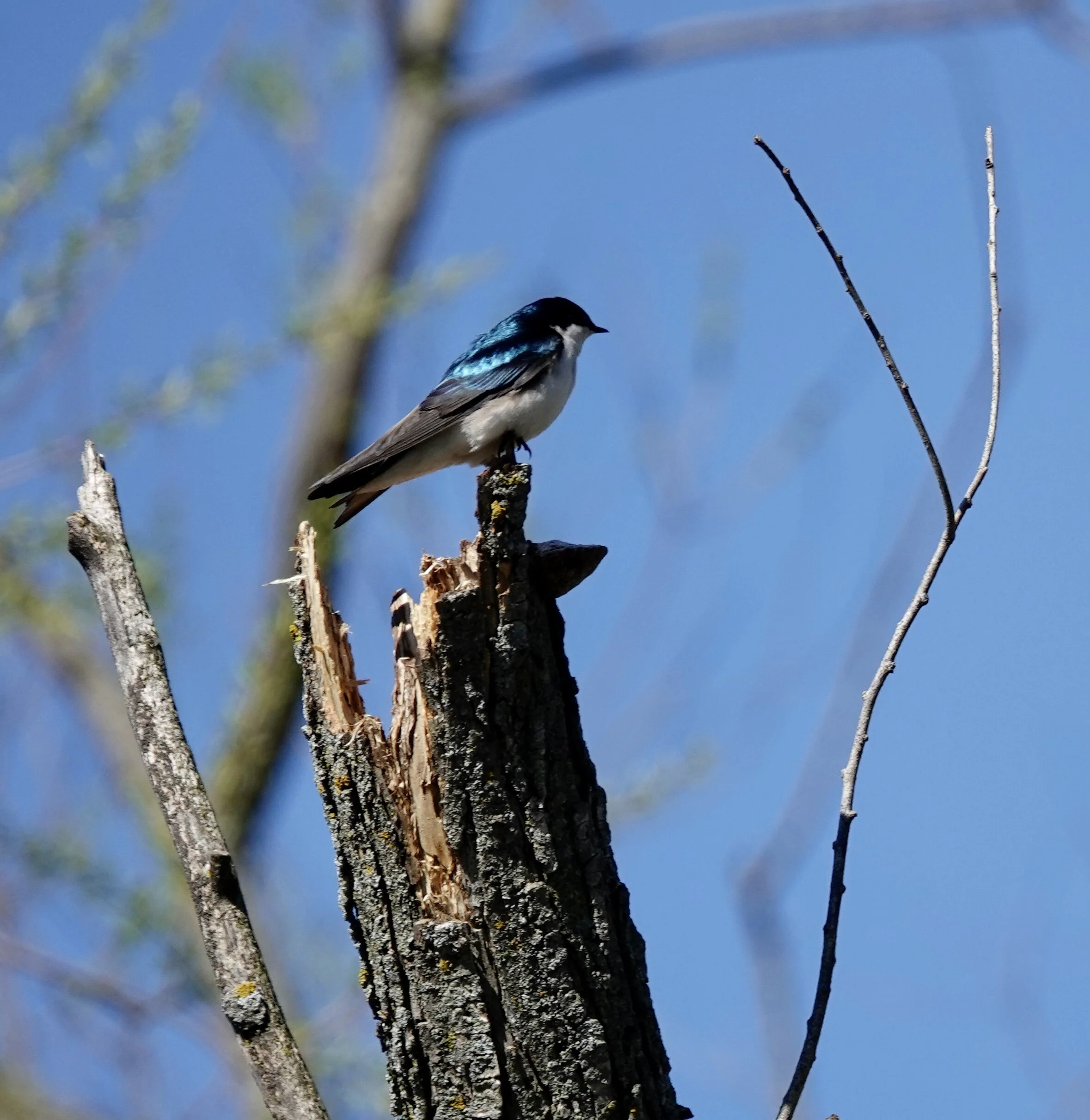
One swallow doesn’t make a summer. It makes a spring.
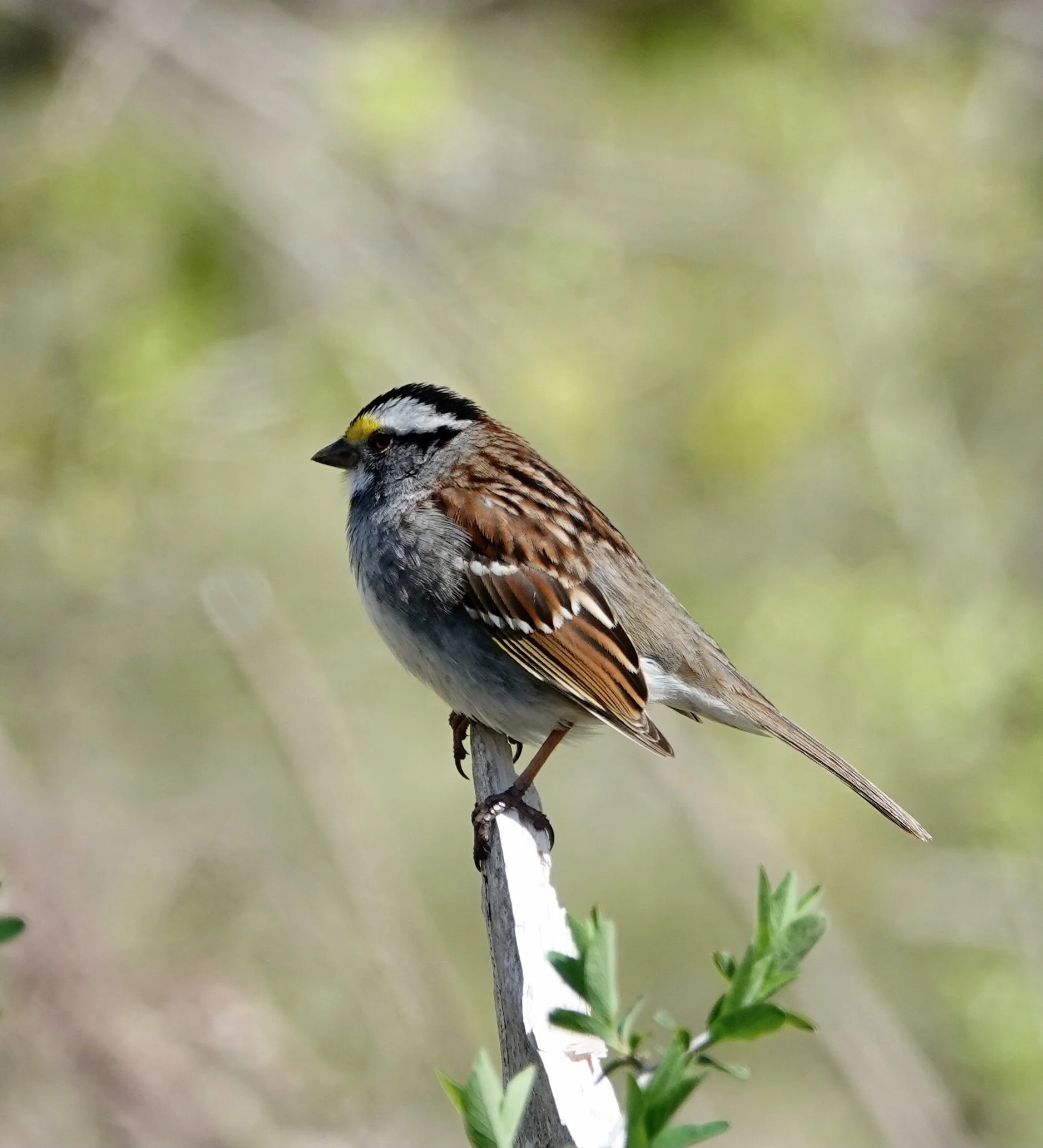
A White-throated Sparrow whistles while I work.
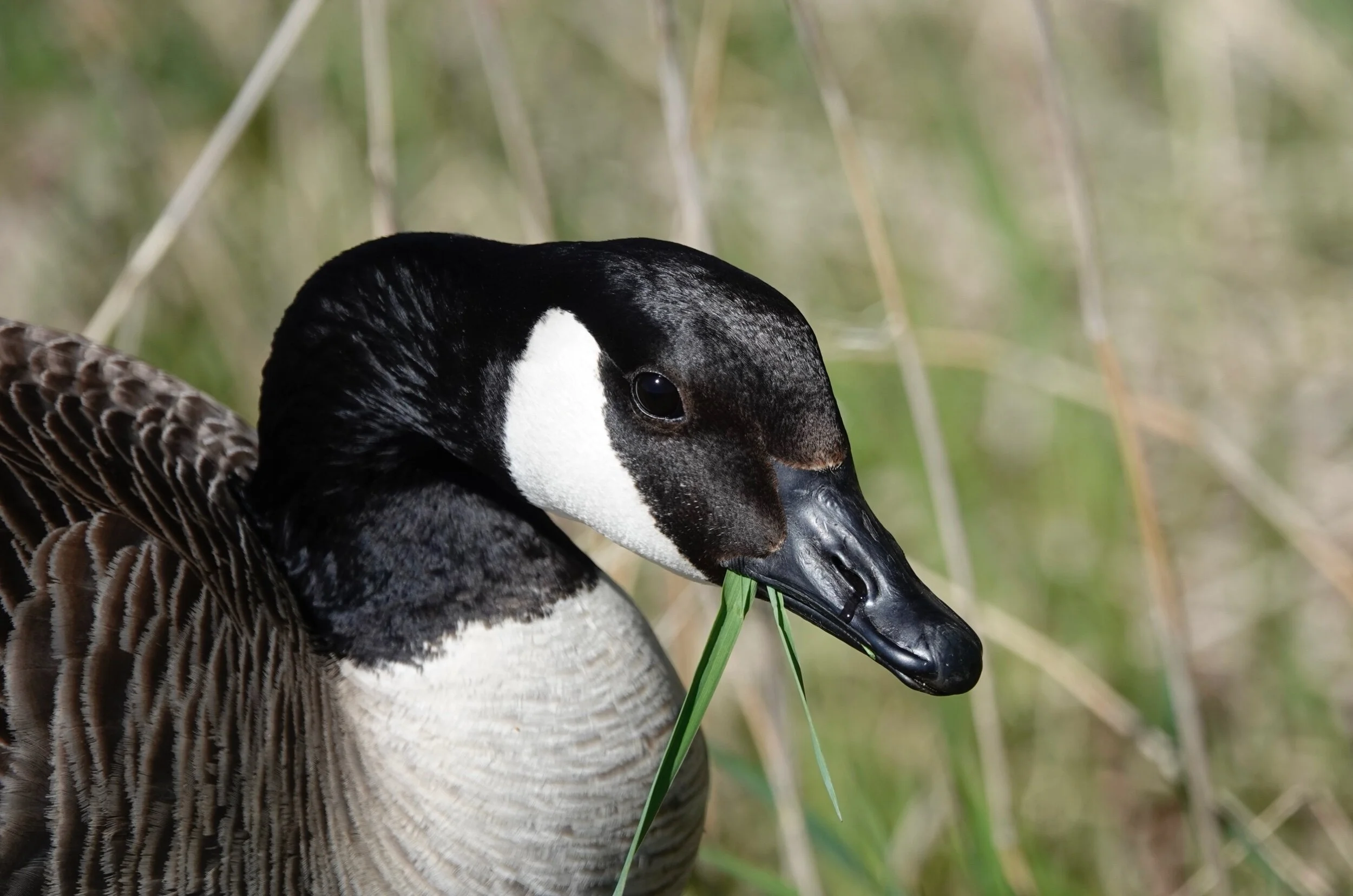
The Canada Goose enjoyed a salad while it took a break from mowing and fertilizing the lawn.
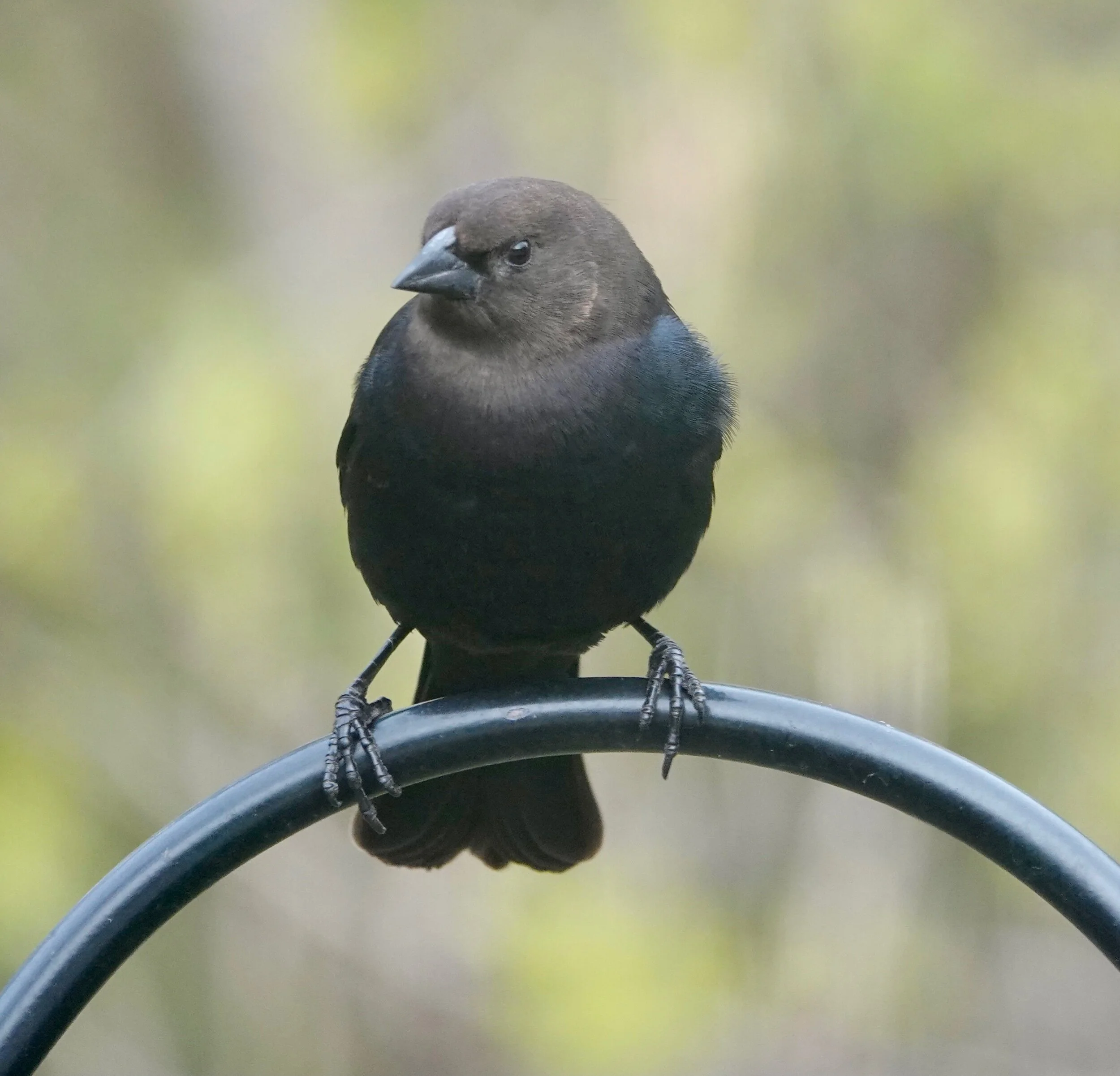
A female Brown-headed Cowbird lays as many as 40 eggs in the nests of other birds in a year. This male cowbird lays no eggs in the nests of other birds.
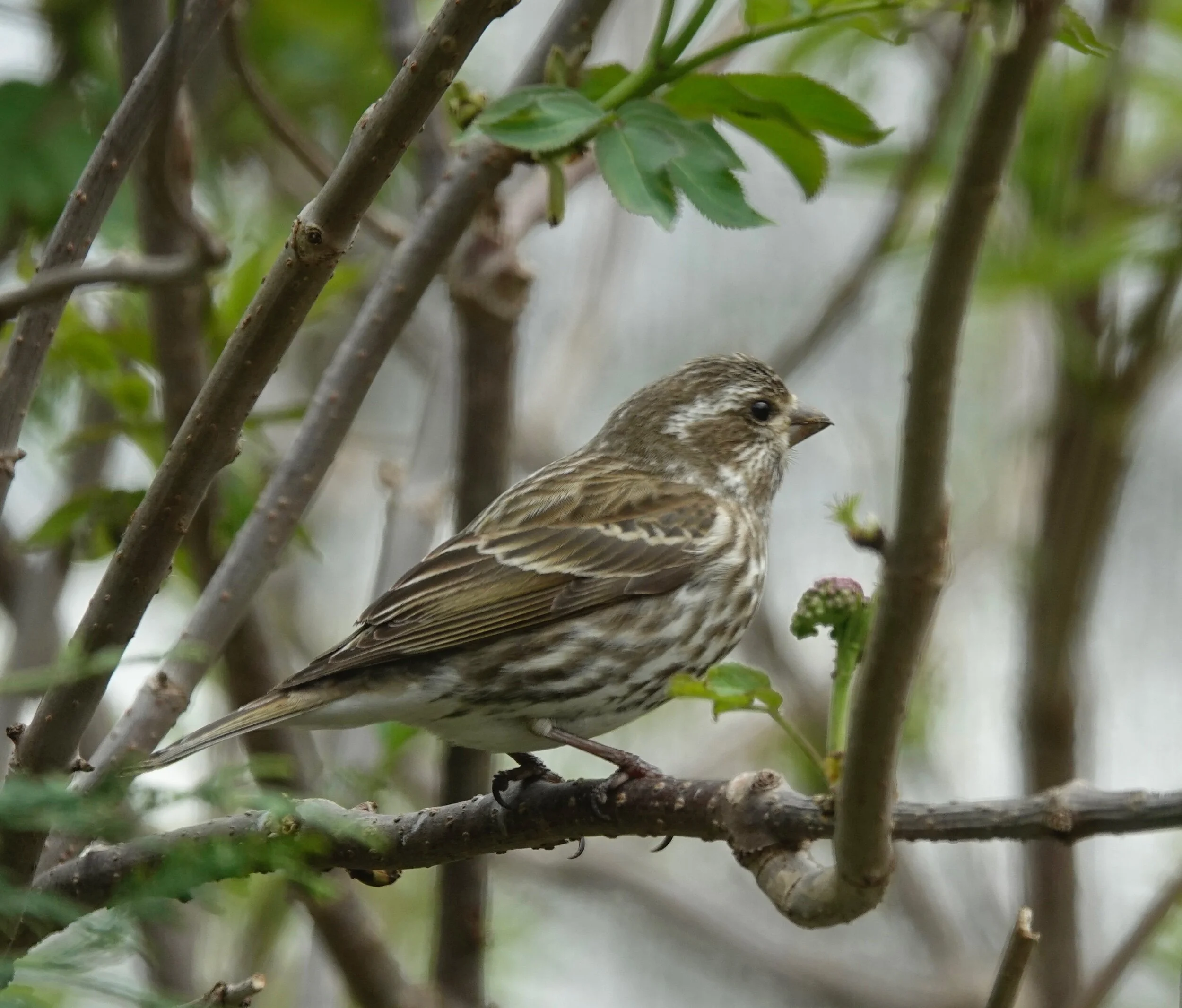
The female Purple Finch has a white streak over the eye. This is lacking on the female House Finch.
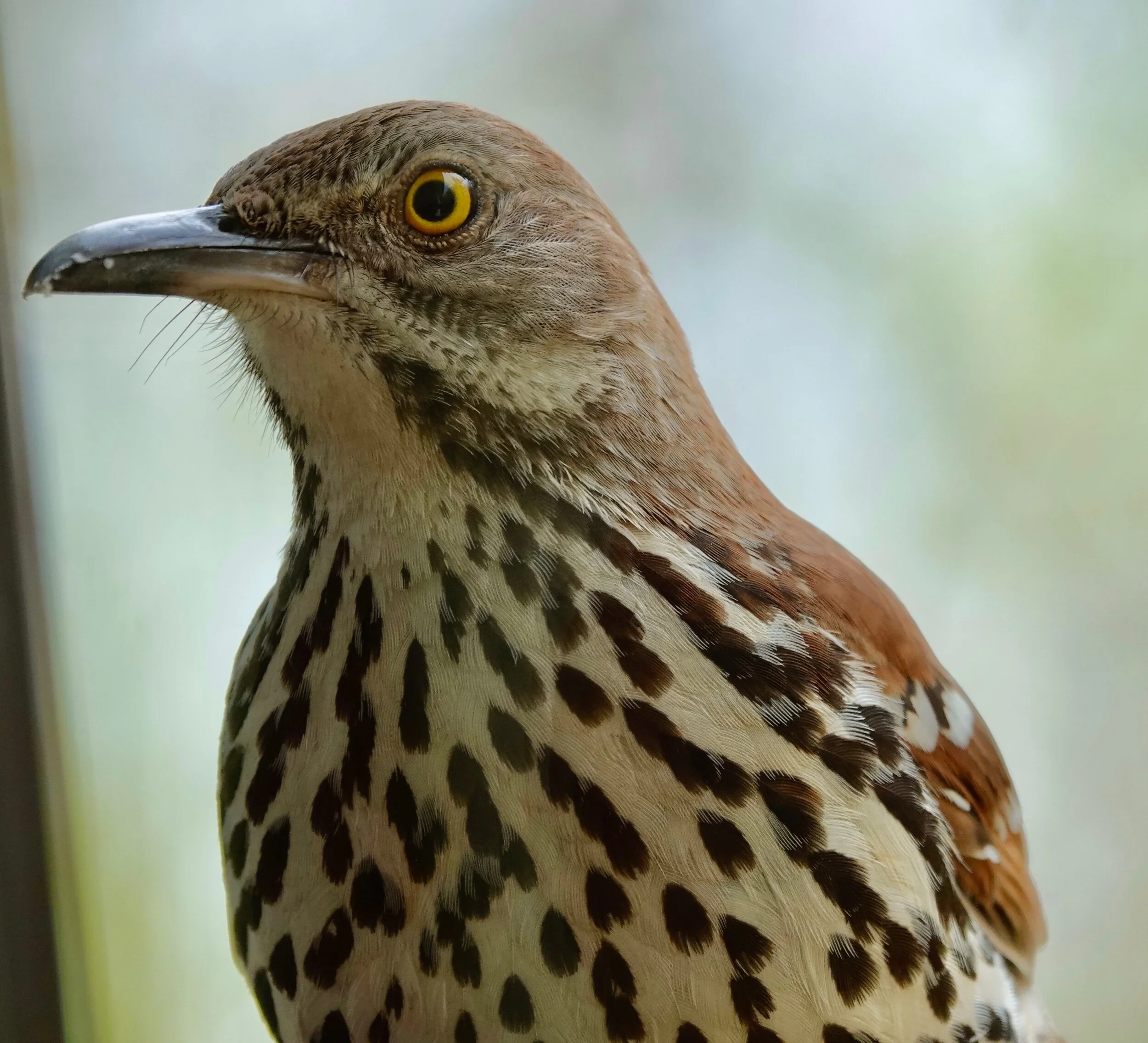
Brown Thrashers are mimics with more than 1,100 song types in their repertoires.

A live Yellow-crowned Night Heron and a dead carp. It was great to see this bird in Minnesota.

A Yellow-crowned Night Heron looking for flying fish.

This isn’t the end of the Westminster Kennel Club Dog Show. It’s the rear end of a rather hefty beaver.
Naturally
I walked to the intersection of birds and me, hoping to discover new things. There were songs in the trees. They made me want to join the band.
A great blue heron lumbered through the air. It’s about the size of a sandhill crane, each about 4 feet from tip of beak to tip of tail and they have similar wingspans. The heron weighs 5 pounds and a crane could be double that.
An insect hatch provides a food crop of caterpillars for upcoming warbler arrivals. I watched a brown creeper on the trunk of a tree, looking as if it were a piece of animated bark. A flicker called, “Flicka, flicka, flicka.” I didn’t grade any of the birds. I merely marked them present.
I watched a ring-billed gull looking as if it were landing on top of a hooded merganser on the water. The merganser dived out of the way. The gull repeated the behavior several times. I suspect it was an attempt to steal any fish the diving duck might have caught.
I saw a pair of trumpeter swans. I recalled a time I stood along a river on the foggiest of days. Two swans emerged from the fog, their white color enhanced by the contrast. They made no vocalizations as they flew over my head, but I heard their wings. I knew it was a cool experience because the hair on my arms stood up and a shiver ran up my spine. It was a glorious moment.
European starlings imitated meadowlarks, peewees, robins, cowbirds and house sparrows. I loved seeing horned larks paired up on nesting territories and a stunning brown thrasher, enjoyed the beautiful songs of house finches and western chorus frog practices. Confrontational red-winged blackbird males called into the cattails. I walked around the Mayo Clinic Campus in Rochester while watching a peregrine falcon flying overhead. It was a superb aerialist. Amazingly, I bumped into neither post nor person. The strong winds blew the nyjer seeds from a feeder. It was a thistleblower.
It’s we over me. Multi-colored Asian lady beetles overpowered me with their numbers.
Q&A
Donna Swenson of Waseca found wood duck eggs under a nest box and wondered what happened. Egg carrying by female ducks has been reported for several species, including wood ducks, but I’d think they’d carry them away. Raccoons are prime predators, and their paws are capable of remarkable things. Fishers are notable predators in parts of the state. Several bird species and squirrels damage eggs. Starlings try to usurp boxes.
“Can you tell a female blue jay from a male?” I can. The female is the one that lays the eggs. Male and female blue jays look the same. This is called sexual monomorphism. The males are slightly larger.
“Do geese poop in flight?” Geese are less likely to defecate when flying than when grazing on the ground, and they tend to discharge droppings upon takeoff. A strange incident occurred at Disneyland in 2017 when flying geese pooped on 17 people near the Sleeping Beauty Castle. Police and a hazmat crew responded. They found no crime had occurred.
“Why does it rain cats and dogs?” No one is certain. One suggestion is the phrase derives from mythology. Dogs were attendants to Odin, the god of storms, and sailors associated dogs with rain. Witches took the form of cats and rode the wind.
“How many bird species hybridize?” Of the 10,446 species, at least 16.4% do. Waterfowl are notorious for hybridizing.
“How many female birds sing?” A study at the University of Maryland Baltimore County found 70% of female birds sing.
The Book Club
“The iPhone Photography Book” by Scott Kelby aims to get professional images using the camera you always have with you. Here are a few of the book’s ideas. Keep the flash off, hold the camera still, silence the shutter by muting the phone and get close to the subject. Optical zoom is the good zoom. Tap the 2X lens at the bottom of the screen to get it. Pinch-and-zoom (digital zoom) is the bad zoom. Light makes good photos and direct sunlight can be problematic. Shoot outdoors when the sun is low or on cloudy days. A photo of three things is more likely to be liked than photos of two or four. Hold your phone high and aim down while you look up for selfies. Focus on the eyes in portraits and don’t leave too much space above the subject’s head, which should be moved forward and tilted down slightly. Shoot flowers from a low angle, not down at them. This 250-page book is filled with helpful hints.
Thanks for stopping by
“It's surprising how much memory is built around things unnoticed at the time.”—Barbara Kingsolver
“Conscience is the inner voice that warns us somebody may be looking.”―H. L. Mencken
Do good.
©Al Batt 2021

This great blue heron landed a lunker. Photo by Al Batt

The Dude abides.
A handsome Northern Shoveler.

It’s good to see the Turkey Vultures checking the expiration dates on roadkill.

These were the only misses as fish-eating birds targeted my car. It was impressive and irritating.

A woodworking project completed by a Pileated Woodpecker.

A woodworking project completed by a Pileated Woodpecker.

The yellowing of spring. Is a group of dandelions called a pride?

A Blue-winged Teal falls prey to a nap attack.

The red juice from the underground stem of Bloodroot was used by Native Americans as a dye and an insect repellent.
4-16-21 Al Batt-Talk of the Town with Lisa Kaye

What’s all the yellowing about? American Goldfinches are changing colors.

This is a cautionary tale.
They shut out the sunshine. One flock was purported to be 1 mile wide and 200 miles long. A flock could take three days to pass.
The Passenger Pigeon is extinct.

An estimated 136 million Passenger Pigeons nested over 850 square miles in Central Wisconsin in 1871. The last one shot in Wisconsin was in 1899. The last Passenger Pigeon, Martha, died in 1914.

In Minnesota, the White-throated Sparrow whistles “Old Sven Peterson, Peterson.”

A Yellow-bellied sapsucker searching for some yellow-bellied sap.

Br’er Fox Sparrow not far from the briar patch.

Br’er Fox Sparrow not far from the briar patch.

The rooster Ring-necked Pheasant crows “cow-cat!”

I was a good distance away, but the Canada Goose still gave me the look.