
Naturally
Birdsong. Stick it in your ear. I was in for an earful.
Birds are a delightful way to listen to the world. An indigo bunting sang on a stuffy day. It was as hot and humid as your grandmother’s attic. My father called this lovely bird the blue canary. They are relentless singers on steaming days when many other birds become shut-mouthed.
I enjoy seeing sulfur butterflies, lovely yellow to orange insects. They rarely land with their wings open. The caterpillars feed on white clover, sweet clover, alfalfa, bird’s-foot trefoil and vetches.
Black-eyed and brown-eyed Susans bloom. Black-eyed are the more compact of the two and are more common. Swamp milkweed, with rosy-purple flowers, and butterfly weed, with orange to yellow flowers, bloom in road ditches.
If this isn't nice, what is?
I watched a male Baltimore oriole feeding two fledglings in a small tree. He hunted caterpillars, plucking them from the leaves and feeding them to the wide-open beaks of his begging, fluttering-winged, precious progeny. The two youngsters were learning. They searched the leaves for caterpillars, but they weren’t good at finding them. They are sweet birds, but if I were a caterpillar, I’d consider them Oriolenators.
As I watched the oriole perform his fatherly duties with great gusto, I thought of something one of my favorite writers, Kurt Vonnegut, had written in “If This Isn't Nice, What Is?: Advice for the Young.”
Here is Vonnegut leaning one word against another, “My Uncle Alex, who is up in Heaven now, one of the things he found objectionable about human beings was that they so rarely noticed it when times were sweet. We could be drinking lemonade in the shade of an apple tree in the summertime, and Uncle Alex would interrupt the conversation to say, “If this isn't nice, what is?’ So I hope that you will do the same for the rest of your lives. When things are going sweetly and peacefully, please pause a moment, and then say out loud, ‘If this isn't nice, what is?’”
Mosquito miseries
I know. I walk in the wrong places at the wrong times of the day. I go to where the mosquitoes lie in wait. If you do that, there is a good chance of being bitten by a skeeter. I realize that visiting shadowy locations at crepuscular times is a recipe for becoming lunch. A bite would be ruled incidental contact in basketball, but my walks aren’t basketball games. I walk faster and meet faster mosquitoes. For the mosquitoes, it was love at first bite. Minnesota has around 51 species of mosquitoes. Around? Some species are reluctant to admit they are here. Iowa has 56 to 60 species, Wisconsin has at least 56, South Dakota has over 20, and North Dakota finds room for 38 to 43 species. It could be worse. Texas has 85 species and Florida has 80. It could be even worse than that. The mosquitoes could be the size of bald eagles. Male mosquitoes feed only on plant juices, such as nectar, to get the sugar they need for energy and survival. Females need protein from blood for the development of their eggs. To get this blood, females seek and bite hosts. Male mosquitoes are pollinators, and both sexes serve as food sources for wildlife. I have eaten my share of mosquitoes—none on purpose. They need ketchup.
Q&A
“Do all spiders in Minnesota have fangs?” Spiders have chelicerae (mouthparts) with fangs that inject venom into their prey. All spiders in Minnesota have fangs. Almost all native Minnesota spiders have fangs that are too short to pierce human skin, and none are considered dangerously venomous. We have something that resembles a spider in Minnesota and lacks fangs, but it isn't a spider. It’s a harvestman, more commonly known as a daddy longlegs, a different type of arachnid. Harvestmen don’t have venom or the ability to produce silk. Minnesota has no established, self-sustaining breeding populations of medically significant venomous spiders.
“I see a grackle in my yard with a couple of white feathers. What’s going on?” That makes the oft-maligned common grackle even lovelier. Leucism isn’t a genetic mutation, but it is a defect in pigment cells during development that causes birds to show irregular patches of white. Age or injury could also be a cause.
“I’ve heard that deer won’t eat milkweed plants. Is that true?” I believe that deer will eat about anything if they are hungry enough. Milkweed is considered deer-resistant because of its bitter, sticky sap. That doesn't mean it’s deer-proof. Hungry deer will occasionally browse on the young, tender growth of milkweed plants, especially when other food is scarce.
Thanks for stopping by
“What is called discretion in men is called cunning in animals.”—Jean de la Fontaine.
"Nature is an open book for those who care to read."—John Weaver.
Do good.
©️Al Batt 2026
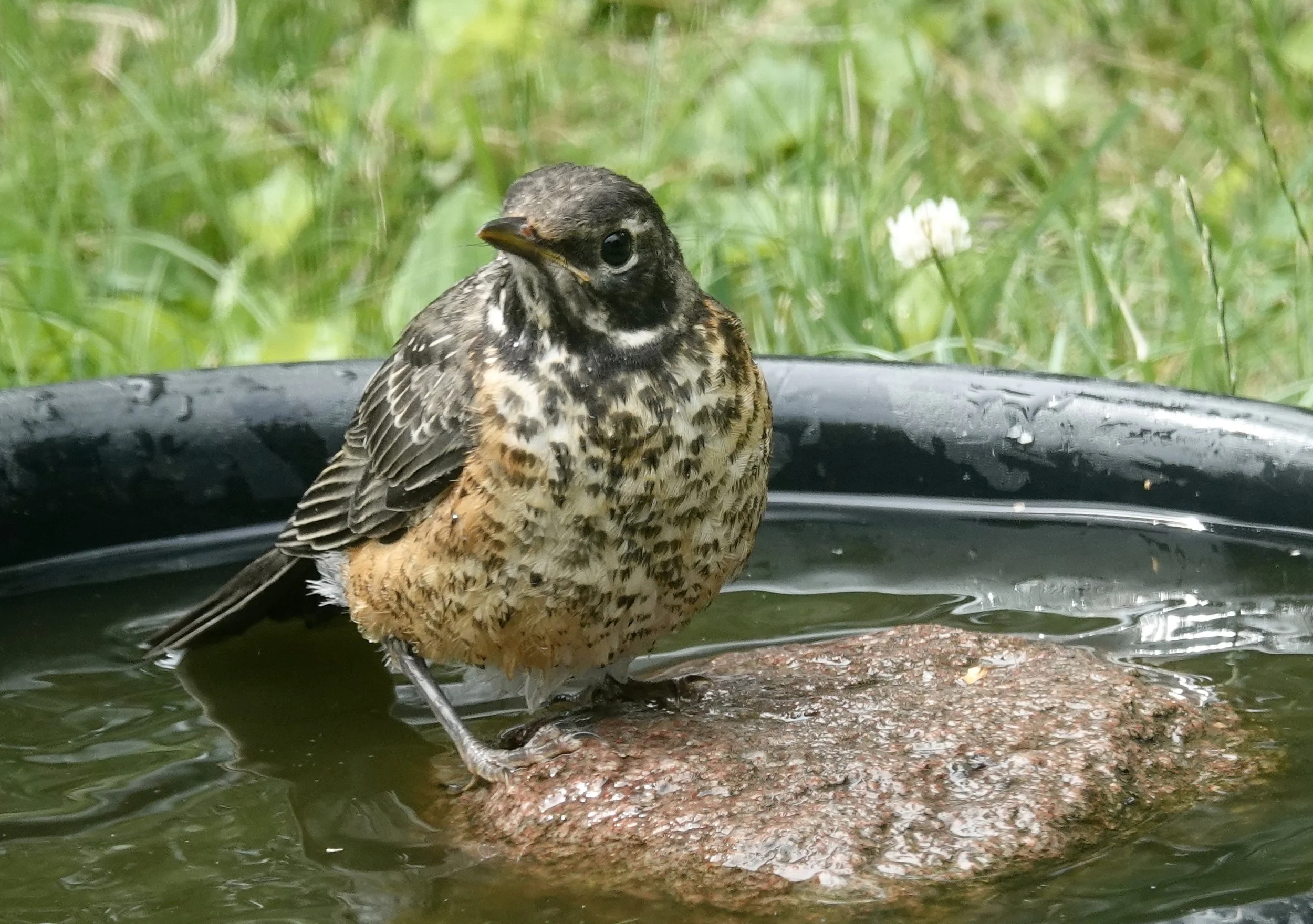
A first-year American robin has prominent dark speckles on its chest and sides, with pale, mottled markings on the face and wings. The back is a mottled gray. Faint orange or rust may be on the sides, abdomen and chest. There once was a Crayola Crayon color called “Robin’s Egg Blue.” The Rockin’ Robin is the state bird of Wisconsin, Michigan and Connecticut. Photo by Al Batt.

Bent Tree Wind Farm gave me these numbers. The wind turbine hub height is 262 feet, the extended propeller tip is about 400 feet, and the crane is nearly 400 feet high. Photo by Al Batt.
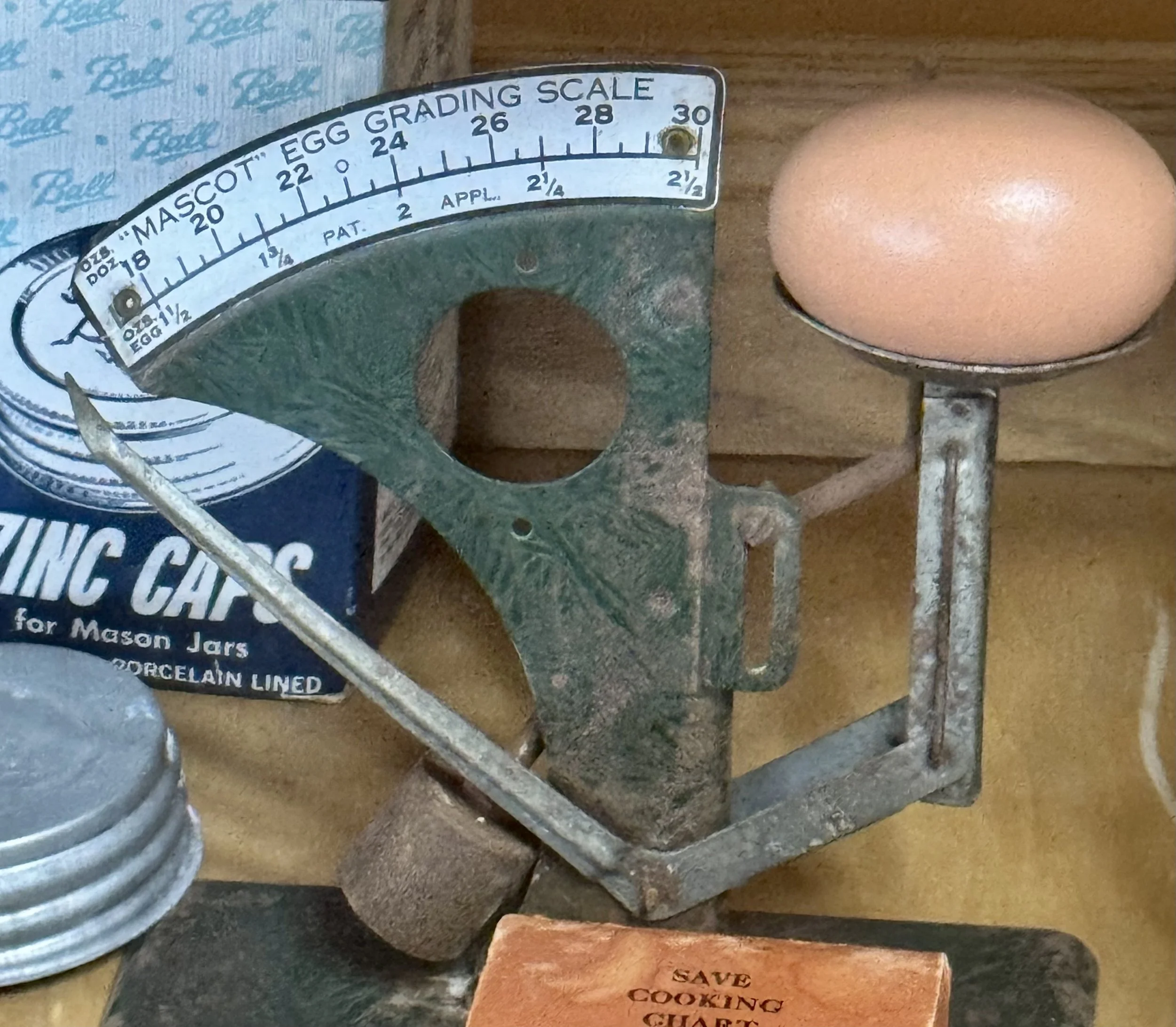
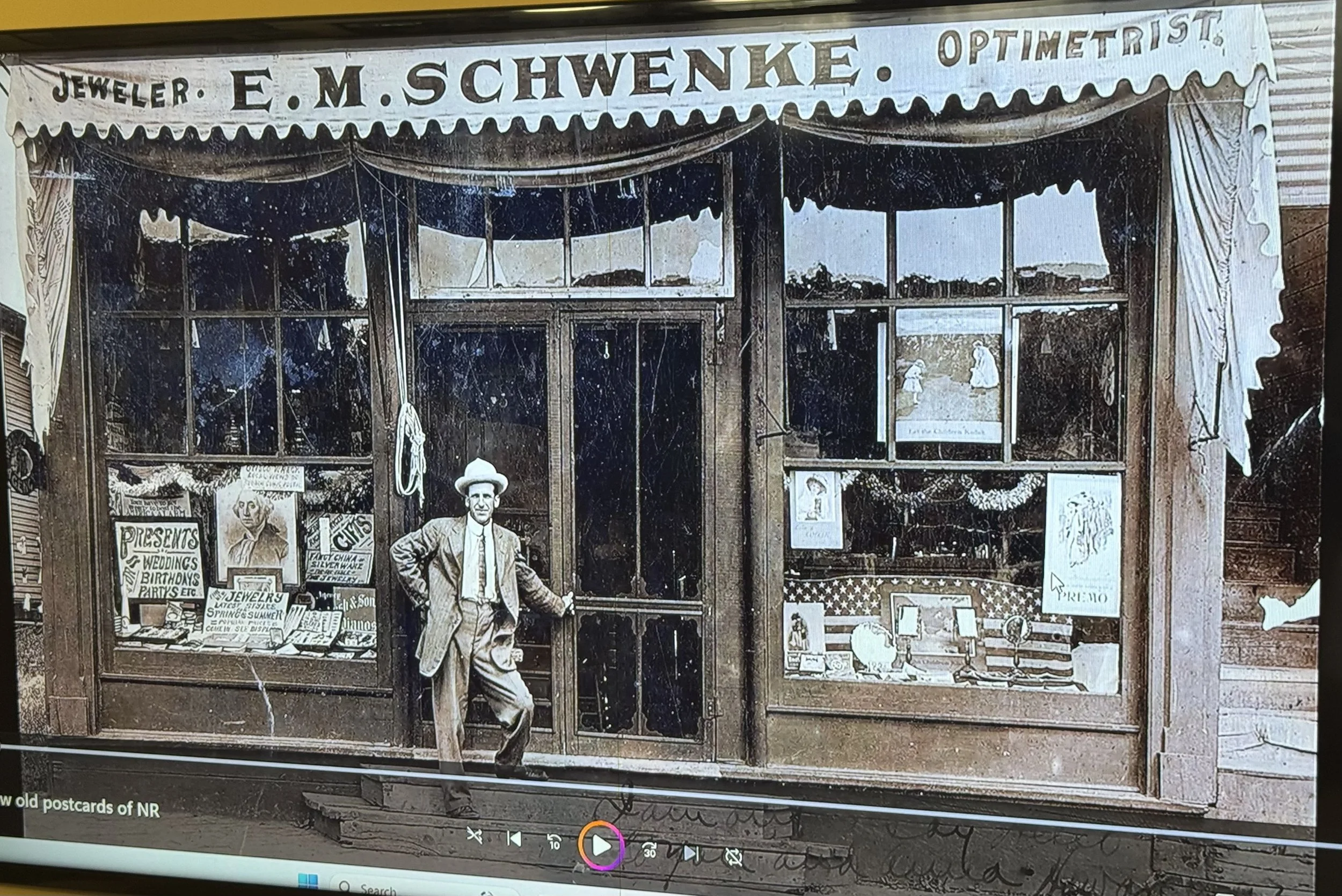
He was good at many things. Spelling was not one of them. From the wayback of New Richland, Minnesota.
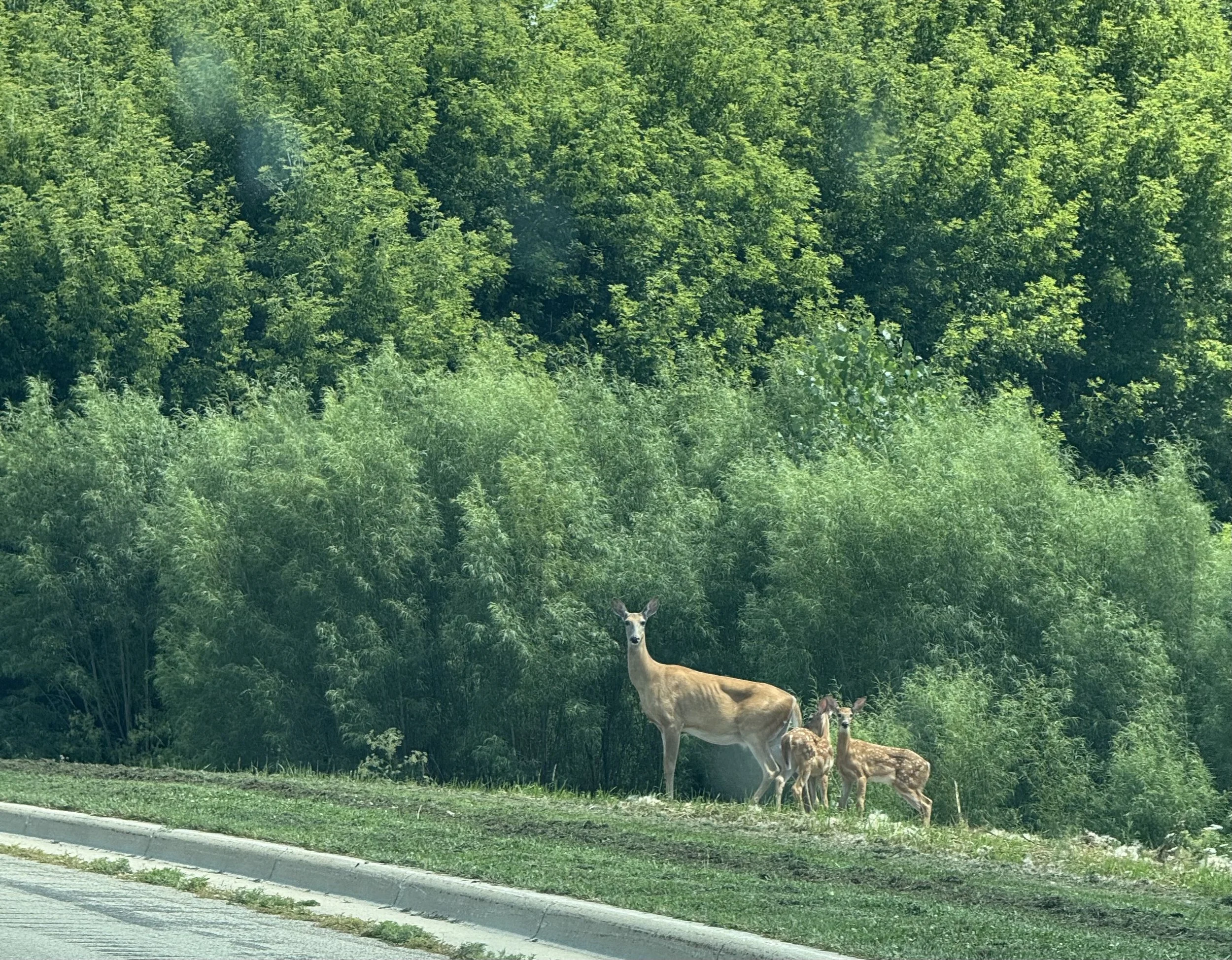
Oh, deer! Oh, deer! Oh, deer! Photo by Al Batt