

Al Batt: What percentage of their body weight do birds eat daily?
Al Batt: What percentage of their body weight do birds eat daily?
by Al Batt, albertleatribune.com
December 22, 2018 09:00 AM
Al Batt of Hartland is a member of the Albert Lea Audubon Society. Email him at SnoEowl@aol.com.
My neighbor Crandall stops by.
“How are you doing?” I ask.
“Everything is nearly copacetic, but I think it’s time the weather adjusted to my liking. I have a satellite TV dish. I get too many channels. I get so many, I found myself watching an infomercial about enema kits. I found it moving. I subscribed to the dish because I got a deal with my Bumper Sticker of the Month Club membership. This month’s sticker was, “Forget world peace, visualize using your turn signal.” You know, I didn’t get a Fulbright Scholarship. I got a PhD (posthole digger) on a Halfbright Scholarship and you, neighbor, are the only fruitcake I can abide. I wish you a Merry Christmas.”
Naturally
I got a nice Christmas card from a Baltimore oriole. It said he was warm and eating fruit and nectar in Costa Rica. After reading the card, I moved to a pretty place: the window.
There were chickadees at the feeders. My favorite bird eats about 35 percent of its weight per day. A Cooper’s hawk had been hunting/haunting the yard. That raptor eats 12 percent of its weight daily.
It was 10 degrees, and an opossum was nibbling on seeds that had fallen from feeders. I was eating an apple. I tossed the apple core outside, nearly hitting the opossum. I didn’t mean to come that close. It didn’t alarm the animal. An opossum’s eyesight isn’t the greatest, but it smelled the apple and grabbed it with its mouth of 50 teeth and ambled away. I felt good about my simple gift.
I ventured outside to enjoy the winter wonderland. I walked as if I were wearing gravy boats for shoes. It was that icy.
A male house sparrow in the yard had an impaired wing. Birds don’t fly well on one wing. I tried to catch the little bird, but it was too quick for me. I’ve been feeding it. Many would say that it’s just a house sparrow. Even though I’m more than willing to trap a mouse or swat a mosquito or stable fly, I try not to judge creatures. They are what they are. The house sparrow’s popularity does exceed that of the starling. Rachel Carson, author of “Silent Spring,” said this of the starling: “In spite of his remarkable success as a pioneer, the starling probably has fewer friends than almost any other creature thatwears feathers.” I remain hopeful on the sparrow’s behalf.
Some trees have held fast to their dead and dried leaves. This leaf retention is called marcescence and is common in some oak species and ironwood. Marcescence is most common with smaller trees and the reduced sunlight when growing beneath taller trees might slow abscission (the natural detachment of the leaves). The understory leaves might continue the photosynthetic process as upper leaves fall. Some speculate the retained leaves deter browsing animals, such as deer, by concealing the buds. Perhaps by holding onto their leaves, trees are able to retain and recycle nutrients.
The night before, my wife and I had been awakened at 2:30 a.m. in the morning by a coyote cacophony. It sounded like a celebration. Coyote mating season is January and February. Five to seven pups are born in April. Their mother teaches them to hunt when they are 8 to 12 weeks old. From autumn until mid-winter, the pups leave the den and search for their own territories.
I saw where crows, coyotes and a young bald eagle had been feeding upon a dead deer. Deer are nature’s living “reduce speed” signs. Just think how fast people would drive if it weren’t for deer.
Fountain Lake Book Store
I love to read. This lifetime addiction has caused me to own far more books than I’ve room for. I’ve been hauling many boxes of lovely books to the Fountain Lake Book Store on the first floor of City Hall in Albert Lea. A great number of recently published, once-read nature books are looking for good homes. The book store is manned by terrific volunteers who welcome book donations. The books for sale are beyond reasonably priced.
Albert Lea Christmas Bird Count
The Christmas Bird Count will take place Dec. 29. Feeder counters are welcome. For more information, contact me at snoeowl@aol.com or 845-2836.
Q&A
“I found a small nest low in a tree with blue eggs in it this past summer. What kind of bird made it?” Sounds like a chipping sparrow nest. They typically build nests low in a shrub or tree.
Thanks for stopping by
“If you truly love nature, you will find beauty everywhere.” — Vincent Van Gogh
“The wind lifted me up into the trees, where I danced to the rhythm of the evergreen. Swaying to the tune of the northern breeze, frozen in timeless melody — Christy Ann Martine
Do good.
Merry Christmas.

A squirrel feeder feeds a squirrel. The feeder was built by Jerry Determan of Fairmont. - Al Batt/Albert Lea Tribune
How about a violet to warm the day.


Another violet to warm an hour.

The robin made the weather nicer.

Sometimes you feel like a nut. A blue jay always feels that way.

It was like snow running off a robin’s back.
Henry Hastings Sibley was Minnesota’s first governor (1858-1860). This despite the fact that he spent little money on TV ads.

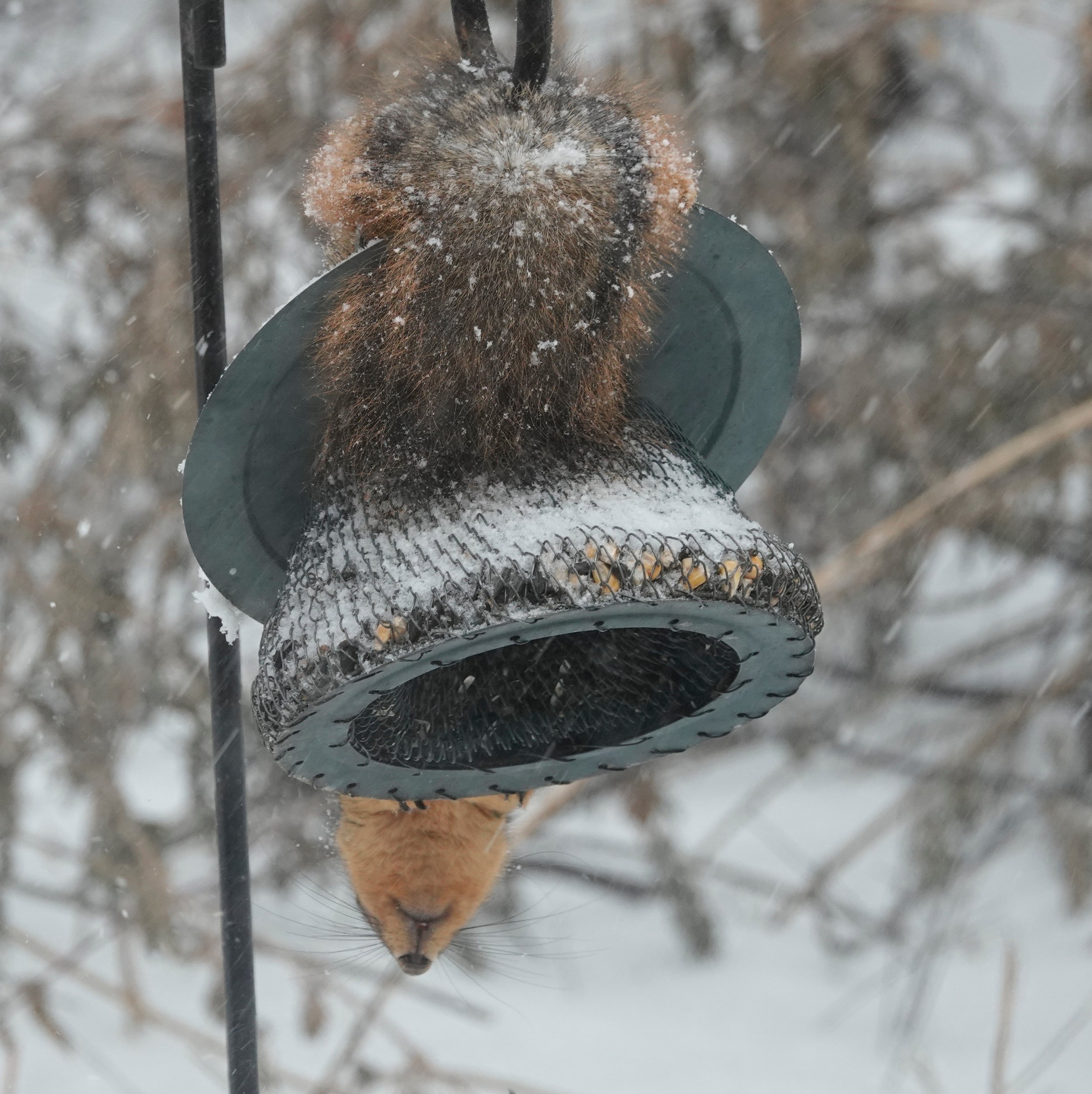
Then one day it happened. Another bird feeder miracle. A squirrel turned into a bird feeder.

John Muir said, “How glorious a greeting the sun gives the mountains!”
These are in Haines, Alaska.
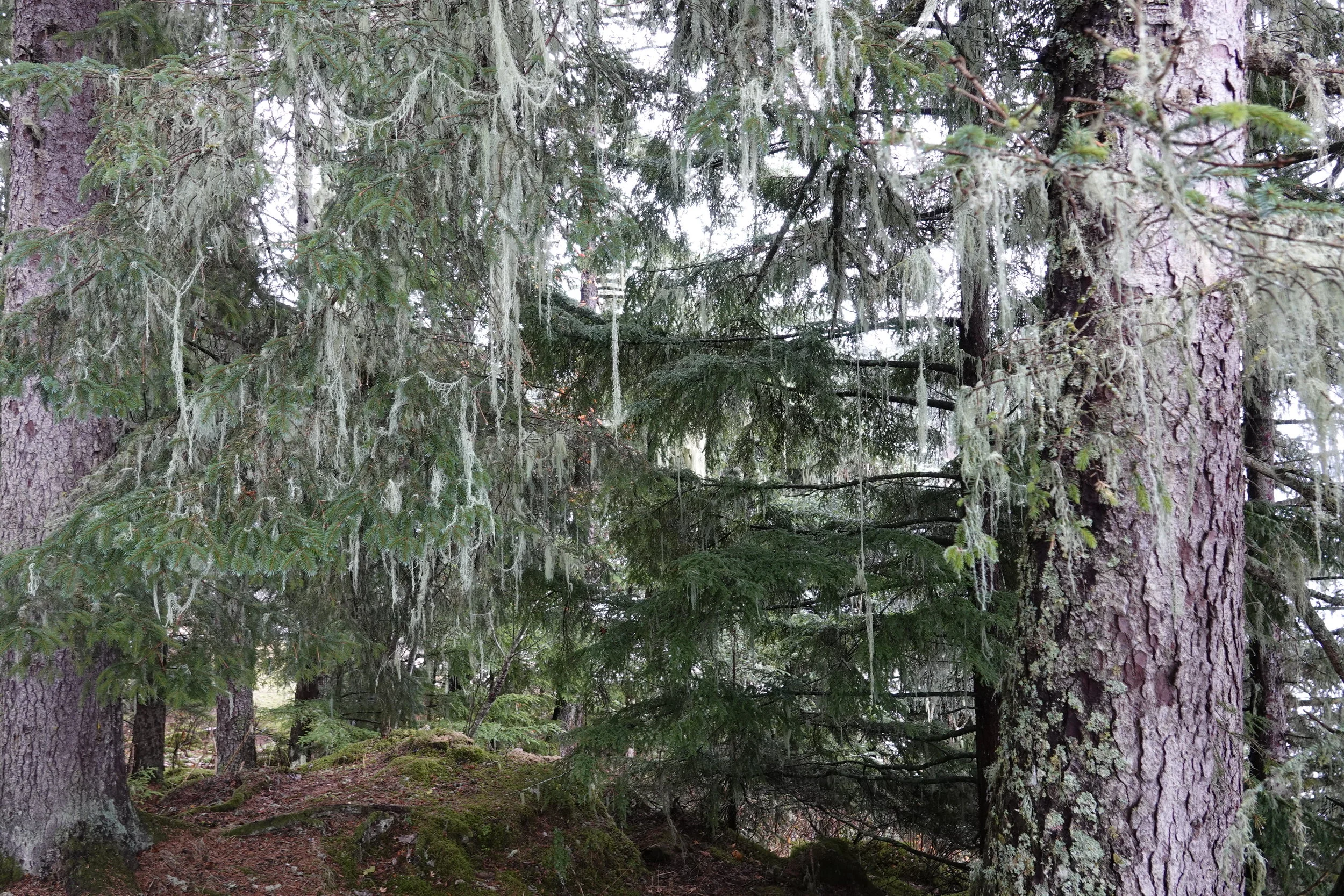
Witch’s hair lichens at the Shrine of Saint Therese in Juneau, Alaska.

An Anna’s hummingbird seen in Haines, Alaska on November 11.
In March 1998, a tornado hit St. Peter and changed the direction of this business.

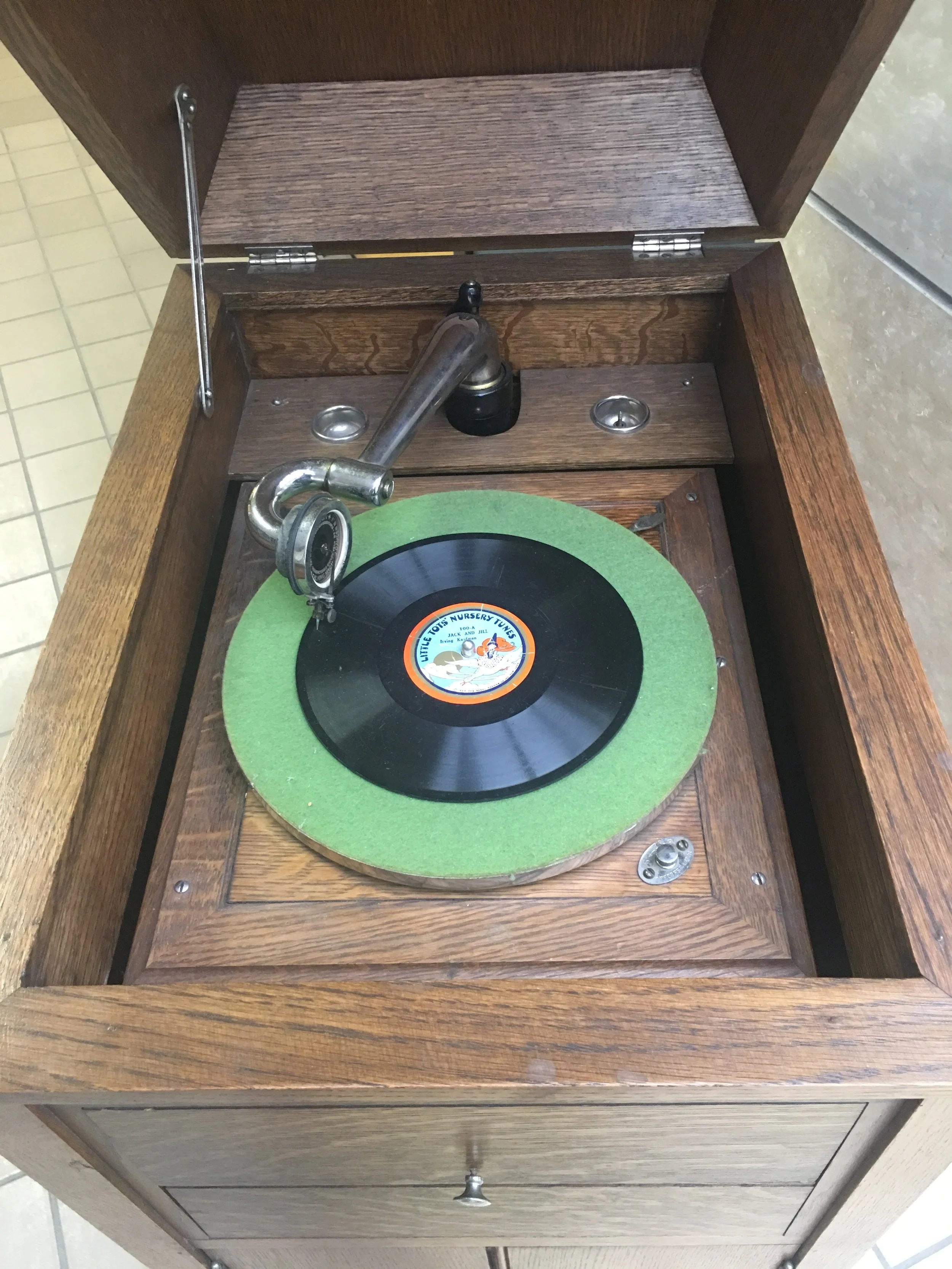
It may not have set a record, but it was one.

Wooden you know it?
Decoys at the Nicollet County Historical Society - Treaty Site History Center in St. Peter, MN

It bears witness.
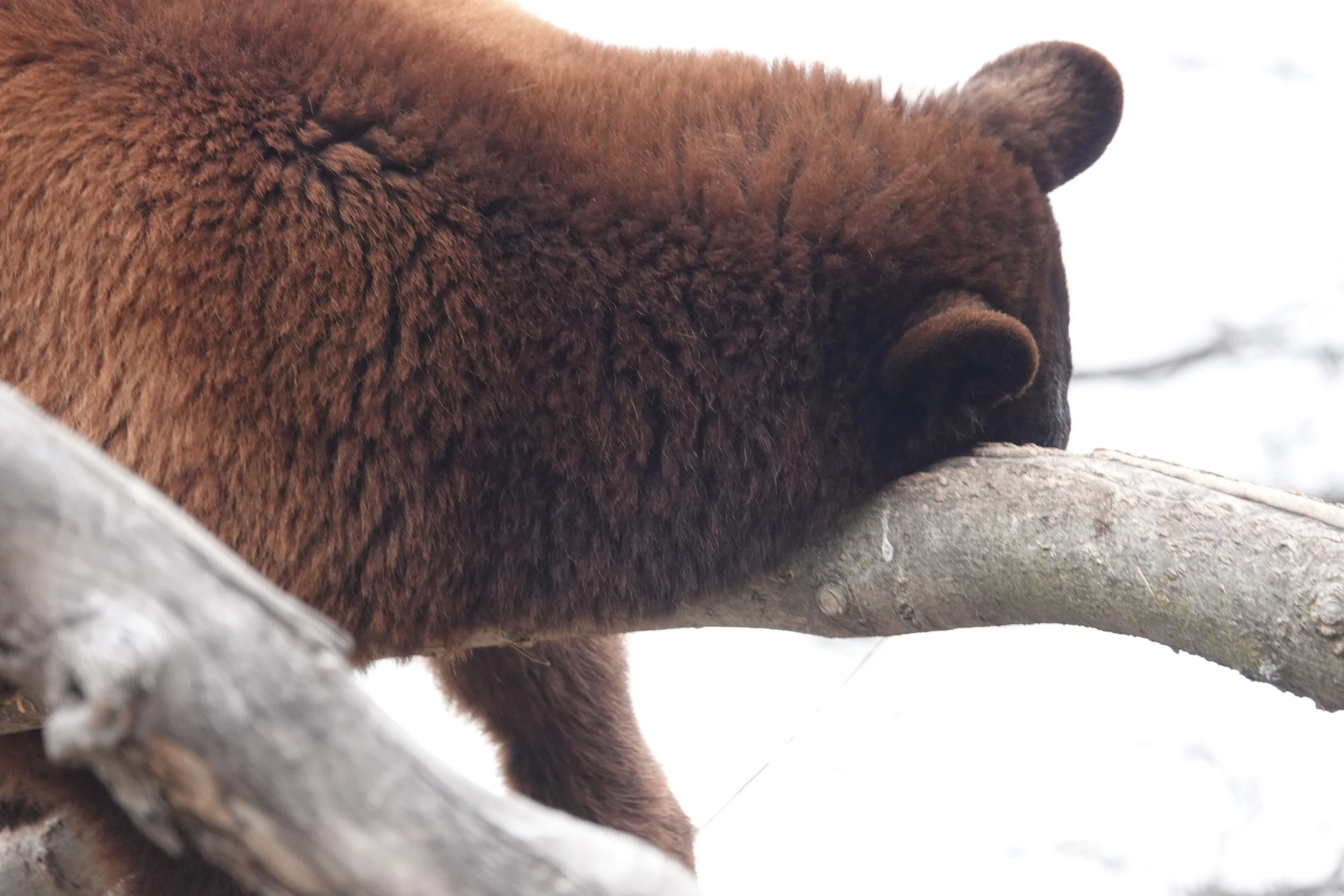
Out. On a limb.
Ghosts of Christmases past.
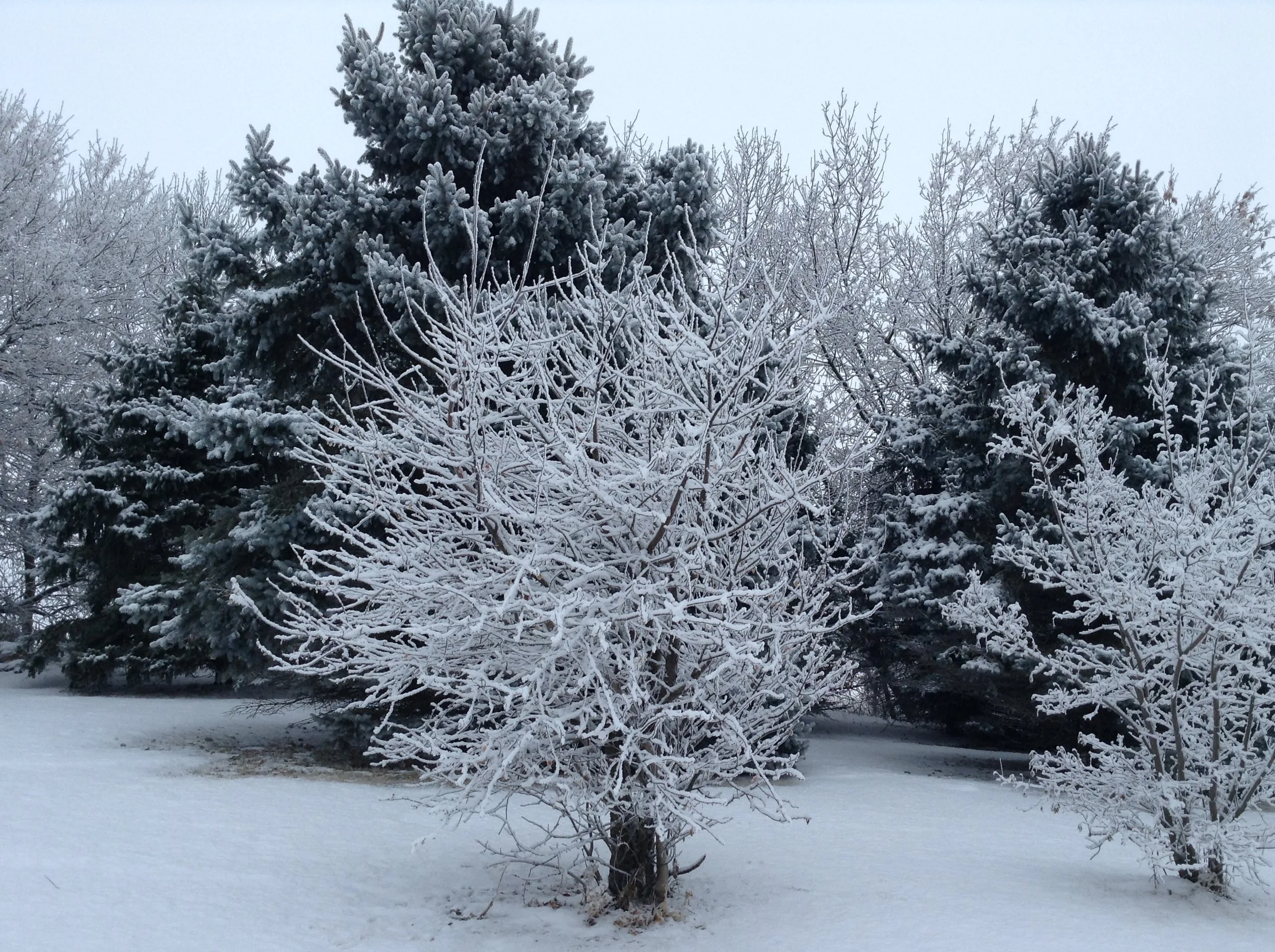
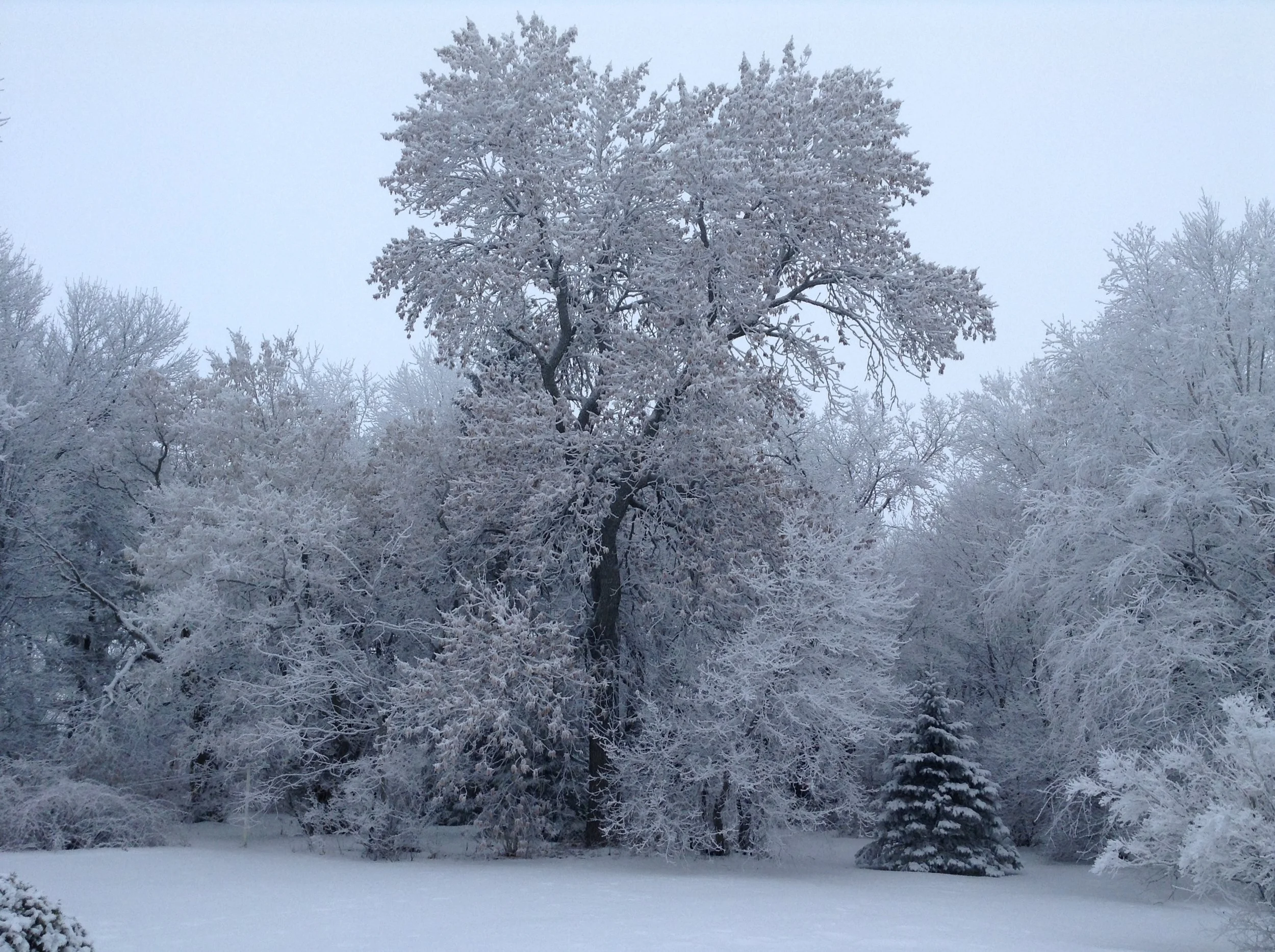
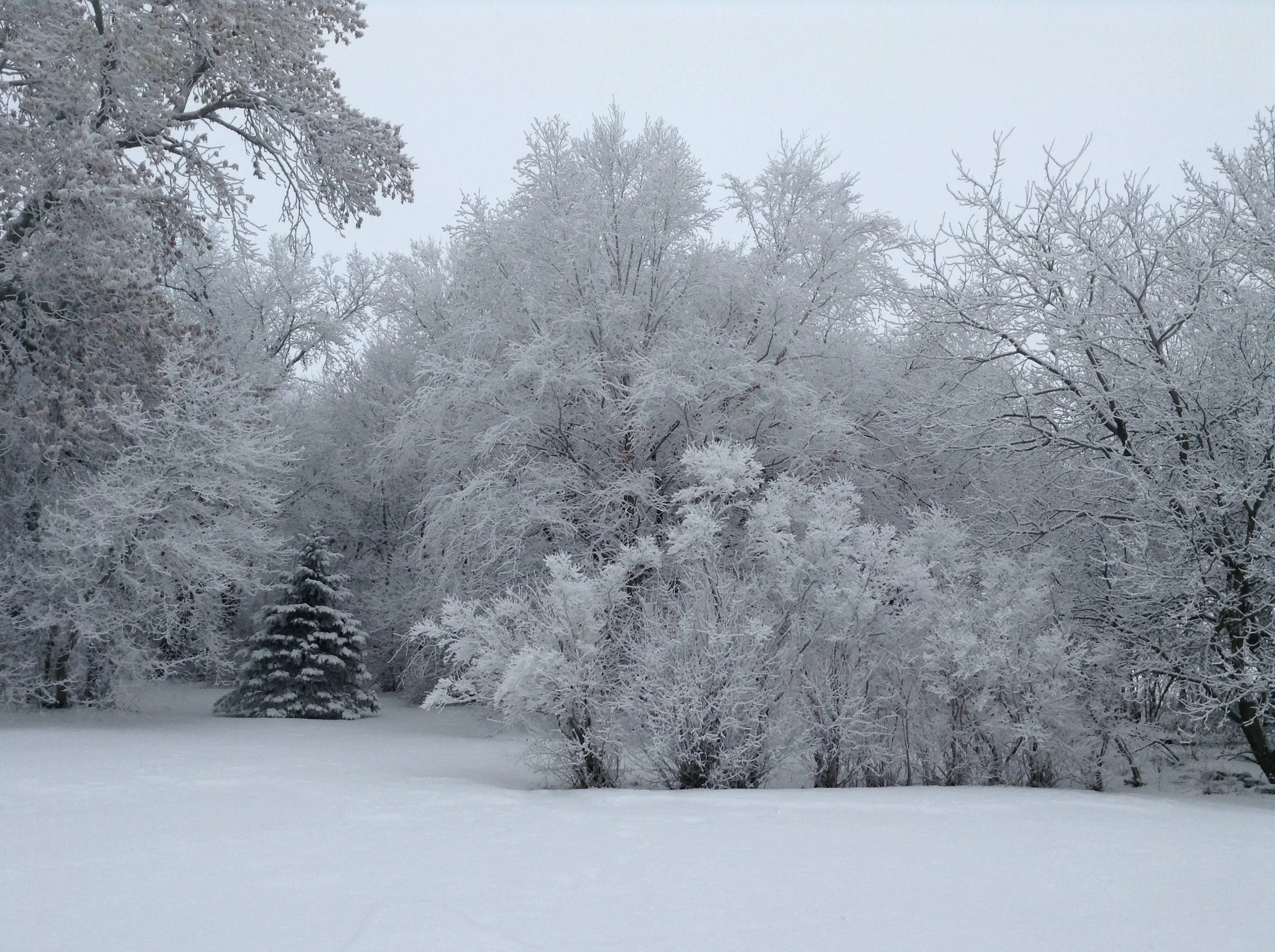
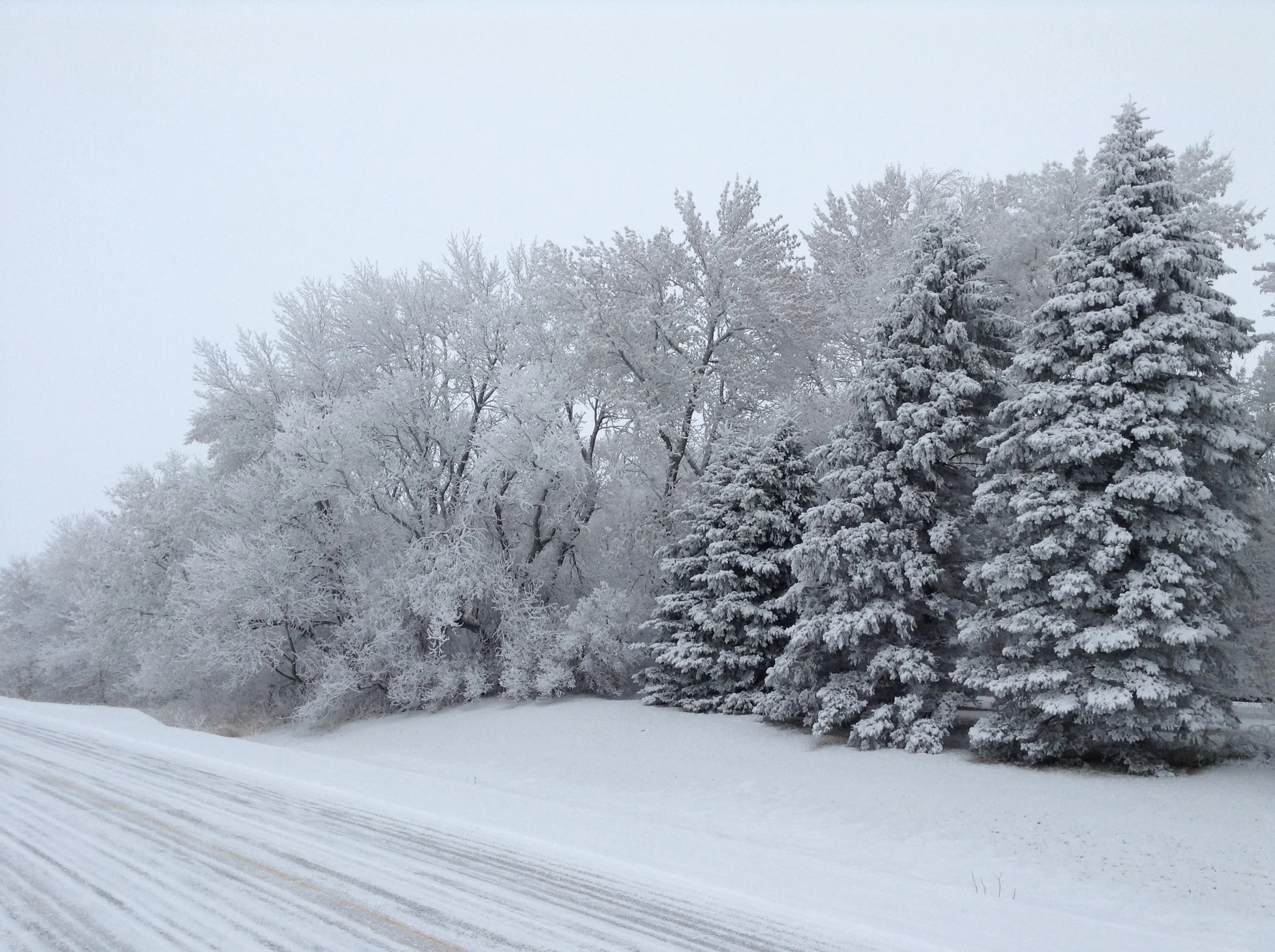
Watch your step and watch when you step on the gas.
Al Batt: Avoid honey in hummingbird feeders to keep bacteria, fungus away
Al Batt: Avoid honey in hummingbird feeders to keep bacteria, fungus away
by Al Batt, albertleatribune.com
December 8, 2018 09:00 AM
The Hawkeye goldfinchPhoto by: American goldfinch
Al Batt of Hartland is a member of the Albert Lea Audubon Society. Email him at SnoEowl@aol.com.
My neighbor Crandall stops by.
“How are you doing?” I ask.
“Everything is nearly copacetic. I’m so busy, I had no time for a shower today. I had to spit into the air and walk under it.”
“Thanks for sharing that. I had fun at your father’s birthday party,” I say.
“I had to get a permit to light all the candles on Pop’s cake. I told Pop that and he called me an aperture in the hindquarters. Ma has a dog that’s a cross between a Chihuahua and a gerbil. It jumped on Ma’s piano to chase the cat. It tiptoed on the keys. That mutt’s Bach was worse than its bite. I planned on getting my Christmas shopping done early this year. I love going into stores. Where else would I go to the bathroom when I’m out? My old truck gets terrible mileage. One frigid day, I left it running while I filled it with gas. The pump couldn’t keep up with the amount of fuel being consumed. That puts a crimp in my Christmas spending. That means I’ll probably give everyone the same thing I give them every Christmas — an apology.”
Naturally
I walked the sidewalks of a small city. The stroll was an icy one, so I quoted a chickadee. Chickadees make a chickadee-dee-dee call and increase the number of dee notes when they are alarmed. Blue jays flew from yard to yard. They sampled the fare at various bird feeders as if they were running a trap line. The jays share one belief with all other jays: Jays are wonderful.
Q&A
“You cautioned against using honey in hummingbird feeders. Why?” You should use table sugar rather than honey to make hummingbird nectar because when honey is diluted with water, bacteria and fungus thrive in it. The normal mixture is ¼ cup of sugar per cup of water. In cold, rainy or foggy conditions, it’s OK to make the mixture 1/3 cup of sugar per cup of water. Concentrations of sugars in natural nectars vary within that range. If you mix small quantities of sugar water every day or two, there’s no need to boil the water. If you mix up a larger batch and refrigerate it for later use, it’s wise to make the mixture with boiling water.
“What do golden eagles eat?” A golden eagle preys primarily on mammals such as rabbits, hares and rodents. Up to 20 percent of its diet are birds and reptiles. It feeds mostly on food it catches, but will eat carrion.
“Why do some Canada geese migrate so late?” Some Canada geese don’t migrate at all. They are short distance migrants, so temperature and the resulting iced-covered water can influence their timing.
“Don’t deer eat ferns?” Deer eat most any plant if they are hungry enough. However, ferns and some ornamental grasses aren’t their preferred fare.
“What kind of bird is a snowflake?” Sometimes called “snowflakes,” snow buntings resemble snowflakes as they swirl through the air before settling on winter fields.
“What is a duck test?” The duck test is a form of abductive reasoning. If it looks like a duck, swims like a duck and quacks like a duck, then it’s probably a duck.
“Is there a national mammal?” In May 2016, President Obama signed the National Bison Legacy Act into law, which made the American bison the national mammal of the United States. Once, 20 to 30 million bison roamed North America. Because of unregulated shooting and habitat loss, that population had dropped to only 1,091 by 1889.
“Are there any bird-friendly sports arenas?” A new arena named the Fiserv Forum, where the Milwaukee Bucks play, has been proclaimed the world’s first bird-friendly sports and entertainment venue. This is a victory for bird conservation because up to 1 billion birds in the United States die annually due to glass collisions. Scientists estimate that this total accounts for 5 to 10 percent of the bird population in this country. Addressing this destruction is vitally important, not only because of the inherent value of birds, but also because birds reduce pest populations, pollinate plants, disperse seeds and captivate millions of people with their breathtaking beauty and fascinating behavior. The Fiserv Forum has set a new precedent for bird-friendly building design.
Thanks for stopping by
“I think reading is a gift. It was a gift that was given to me as a child by many people, and now as an adult and a writer, I’m trying to give a little of it back to others. It’s one of the greatest pleasures I know.” — Ann M. Martin
“I go out into the woods; and every bird and flower I see stirs me to the heart with something, I do not know what it is; only I love: I love them with all my strength.” — Ernest Seton Thompson
Do good.

The Hawkeye goldfinch (American goldfinch) Photo by Al Batt
Where’s Waldo? I found him lurking between Ralph and Emerson.


The dentist said it needs braces.

I found some hot sales at this place in New Iberia, Louisiana.

A high water table led to above ground graves at this cemetery in Louisiana.
The snowmometer in Hartland, Minnesota.


I’ve learned that hanging around a 6 foot tall sloth makes me appear to be a real go-getter.

Raven or crow? The tail tells the tale.
Many roads scholars, but no Rhodes scholars were educated in this fine Minnesota institution.


A house sparrow takes a nap without sleeping bag or tent.

Is this Iowa?
No, but it’s heaven for goldfinches.
Jack Frost creates fern-like patterns. Jack Snow makes ribbons.


A pine siskin is a goldfinch in striped pajamas.

Snow falling upon a snowbird.

Opossum in the snow. That sounds like the lunch special at the Bath Cafe.

Opossum with a pink nose, needs to get some winter clothes.
Haines, Alaska, as seen from outside of town.


“Why is a raven like a writing desk?" is a riddle proposed by the Mad Hatter during a tea party in Lewis Carroll's classic 1865 novel, ”Alice's Adventures in Wonderland.”
Just because, I think.

A weathervane in Juneau, Alaska.
Al Batt: Bearded lady turkeys exist in the wild, though less than common by Al Batt, albertleatribune.com December 1, 2018 09:00 AM Does this opossum have an eating disorder? Al Batt/Albert Lea Trib
Al Batt of Hartland is a member of the Albert Lea Audubon Society. Email him at SnoEowl@aol.com.
My neighbor Crandall stops by.
“How are you doing?” I ask.
“Everything is nearly copacetic. I hope everyone had a Thanksgiving almost as good as mine. I enjoyed the lefse at Thanksgiving. It’s bread, napkin, dessert and facial tissue all rolled into one. But I get better mileage on coffee. I ordered something at Starbucks and told them my name was Bingo. I loved hearing the barista call that out. Some people groaned as if they had but one number left to make a winner of their bingo card. I ate some lutefisk. Some people look at lutefisk and ask, ’Why?’ I look at lutefisk and ask, ‘Why not?’ My nephew camped outside a store on Black Friday to be first in line to buy a tent. I hope he saved some money, because it’s too late to save his sanity. Pop says it’s going to be a nasty winter because the squirrel nests are high in the trees. I think he’s as nutty as the squirrels. I worked on Grandpa’s old cuckoo clock. The thing hadn’t worked since he died. I told Pop that my bill would be humongous. Repairs are expensive when the repairman doesn’t know what he’s doing. I fooled with it forever and it began to cuckoo. It sounded 27 times. That woke Pop. Pop thinks being retired means taking your shoes off when you get out of bed in the morning. He’d been napping in his easy chair. Even though it was 2:30 in the afternoon, Pop said, ‘I’d better get to bed. It’s later than it’s ever been.’”
Naturally
I was tap dancing on ice while eating an apple, pleased that late-season apples usually keep the longest. As my gnawing neared its conclusion, I noticed the seeds of the apple. Fall is the season of seeds. Jack Frost has put much of the world to sleep. Seasonal shifts aren’t automatic. Before the weather becomes too severe, I notice autumnal recrudescence. The light levels around the spring equinox are similar to those at the vernal equinox. Many animals, especially birds, have hormone levels that vary with the amount of light during the day. Fall can create enough confusion to prompt singing or rooster crowing. I wonder if the blooming dandelion I saw not long ago is an example of autumnal recrudescence?
A vole scurried across my path. Voles breed throughout the year, but most commonly do so in spring and summer. They have one to five litters per year with litter sizes ranging from one to 11, averaging three to six. The gestation period is about 21 days, and the young are weaned at 21 days. Females mature in 35 to 40 days. Lifespans are short, ranging from 2 to 16 months. In one study, there was an 88 percent mortality during the first month of life.
Q&A
“Do wild turkey hens ever have beards?” Yes, but it’s uncommon. Toms and jakes (young males) have nearly corralled that market. The beard is a cluster of long follicles in the center of the chest that can be up to 12 inches long. Hen droppings are spiral shaped, but gobblers typically leave an elongated J-shaped dropping. Native Americans used turkey spurs for arrow points and other sharp utensils.
Barb Thompson of New Richland asked if large muskrat houses foretell a harsh winter. Muskrat houses are dome-shaped mounds of piled marsh plants that cover holes in the ice. Muskrat mounds can be confused with beaver lodges, but aren’t made of woody material. Inside these shelters the rodents feed and rest. Folklore says muskrat houses are built big before a bad winter. I enjoy folklore, but I was unable to find any scientific credibility in this one. Many such beliefs are purely anecdotal and don’t hold up to empirical testing. Why are muskrat houses so big this year? Maybe the muskrats are eager beavers. Me, I look at the size or color of ice-fishing shacks, plus the thickness of the clothes of the fishermen and the size of their snow shovels to indicate winter’s severity.
“Do opossums eat ticks?” According to the Cary Institute of Ecosystem Studies, opossums groom themselves fastidiously and eat any trespassing ticks they find.
Albert Lea Seed House
Please join me at the Albert Lea Seed House at 9:30 Saturday morning, December 15. I’d love to hear your stories and questions and see your photos.
Thanks for stopping by
“Ralph Waldo Emerson once asked what we would do if the stars only came out once every thousand years. No one would sleep that night, of course. The world would become religious overnight. We would be ecstatic, delirious, made rapturous by the glory of God. Instead, the stars come out every night, and we watch television.” — Paul Hawken
“All my life I always wanted to be someone. I see now I should have been more specific.” — Lily Tomlin
Do good.

Does this opossum have an eating disorder? Al Batt/Albert Lea Tribune
Back before phones became so smart.


Lou Gehrig


The tail of the trip. Alaska Airlines.

Mozart had a pet starling named Star.

A starling wears a coat of many colors.
The surly bird.

A rusty blackbird.
“Be a harbinger,” they said. “It will be fun,” they said.

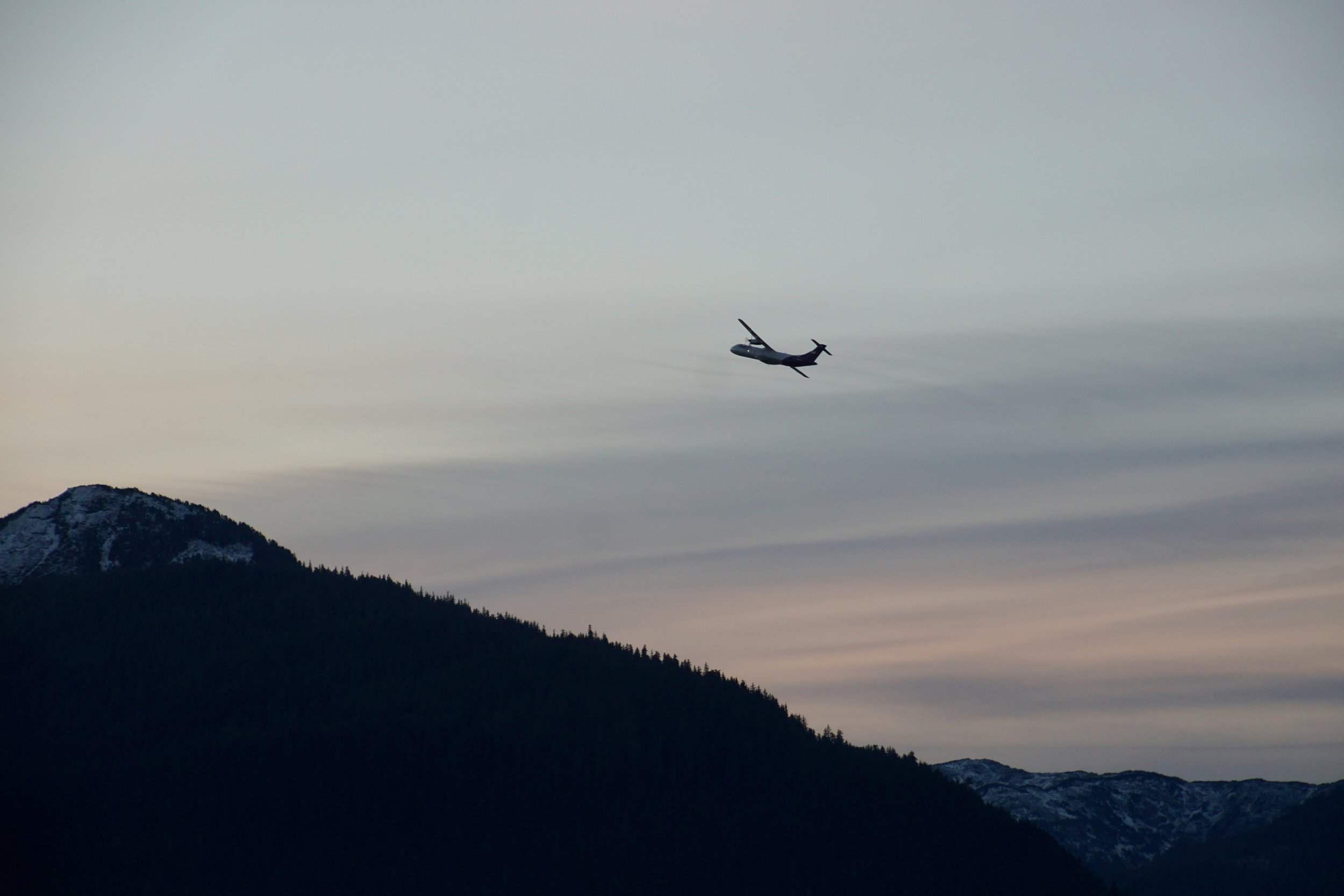
The flight was delayed due to pulchritude.

A visit to Haines, Alaska, is like frosting on the cake.
Al Batt: Cloudy November a norm, but Decembers don’t fare much better
The guy from just down the road
My neighbor Crandall stops by.
“How are you doing?” I ask.
“Everything is nearly copacetic. Overall, I’m not too shabby. There are days when I wish I lived some place where I could shovel the snow from my driveway with my hat. Thanksgiving was a good one. I can tell by the weight gain. I was reminded once again that stuffing and green bean salad are what you eat when you run out of mashed potatoes and gravy. I forgot to make a list of things to do today, so I’m feeling listless. That gave me time to think about hunting with my grandfather. Grandpa was a character. He chewed tobacco because it saved on matches. We hunted rabbits without using a gun. I’d dig a hole and he’d drop a rock into it. Then we’d wait until we saw a rabbit. I’d shout and wave my arms at the critter. This scared the bunny enough that it looked for a place to hide. When the rabbit saw that hole, it jumped into it, hit its head on the rock and knocked itself out.”
Naturally
November isn’t the favorite color of many. We have an average of 39 percent of possible sunshine in November, our cloudiest month. December, the second cloudiest month, gives us 42 percent. The two months save us money on sunscreen.
Crows gather in flocks to circle the wagons. More eyes make for more effective predator detection.
There is the “Farmers’ Almanac” from Lewiston, Maine, and there is the “Old Farmer’s Almanac” from Dublin, New Hampshire. The two publications are useful and entertaining, and make great gifts. They serve as reminders that I need to get out there and enjoy nature.
Going outside and staying a while
“So you’re back?”
“Here I am, I think,” I said in response.
“Why did you go to Alaska?” a friend asked.
“To visit Haines.”
“An underwear factory?”
“No, Haines is a beautiful city and borough in southeast Alaska.”
“What do you go there for if you’re not looking at underwear being made?”
“To see the bald eagles,” I say.
“You can see them here.”
“True, but the ones I see here aren’t in Haines, Alaska. Haines is a place where when I go outside, I want to stay outside. That’s the way I was as a boy. Haines helps me remember that.”
That said, I have Minnesota between my toes and that suits me.
An Alaska account
The road, tucked between mountains and a river, twisted towards road construction and bald eagles feeding upon spawned-out chum salmon. The natural phenomenon responsible for five miles of open water during freezing months is called an alluvial fan reservoir. Water there remains 10 to 20 degrees warmer than surrounding water. The warmer water percolates into the Chilkat River in Haines, Alaska, and keeps it from freezing. In 1917, the Territorial Council initiated a bounty on bald eagles, blamed for having a negative effect upon the salmon industry. Beginning at $1 per pair of feet, the bounty was raised to $2. By the time the bounty was discontinued in 1953, over 128,000 eagles had been killed. When Alaska achieved statehood in 1959, the bald eagle became protected under the Bald Eagle Protection Act of 1940.
There was a lone bird against the sky. A raven watching as a bald eagle plucked a merganser from water filled with salmon. It apparently had grown weary of eating salmon.
Q-and-A
“Why are some moths called millers?” The wings of the moths are covered with fine scales that rub off when touched. They look similar to the fine powder found on a flour mill worker's clothing.
“Do hedge apples repel spiders? The yellow-green grapefruit-sized fruits are also called Osage oranges, hedge balls, horse apples, green brains, monkey balls or mock oranges. The hedge apple tree, related to the mulberry, has several names including Osage orange, bodark or Maclura pomifera. Early settlers found the Osage orange useful. Because of its thorny branches, it was planted as a living fence that made an effective barrier for livestock. The wood was used as fence posts, furniture, archery bows, nails and firewood. Do hedge apples repel spiders, insects or mice? The fruits are sold in supermarkets for that purpose. Iowa State researchers extracted compounds from hedge apples that were found to repel insects when concentrated. However, the scientists reported the natural concentrations of these compounds in hedge apples were too low to be an effective repellant. I’ve tromped around fallen hedge apples in the company of spiders and insects many times. Hedge apples do repel if you throw them at the spiders.
Thanks for stopping by
“There are two ways of spreading light: to be the candle or the mirror that reflects it.” -- Edith Wharton
“The lost leaves measure our years; they are gone as the days are gone.” - Richard Jefferies.
DO GOOD.
© Al Batt 2018

- A Steller’s jay seen in Alaska. The name Steller’s makes this one of the most often misspelled bird names. - Al Batt/Albert Lea Tribune
The incredible vanishing bird, not appearing daily.

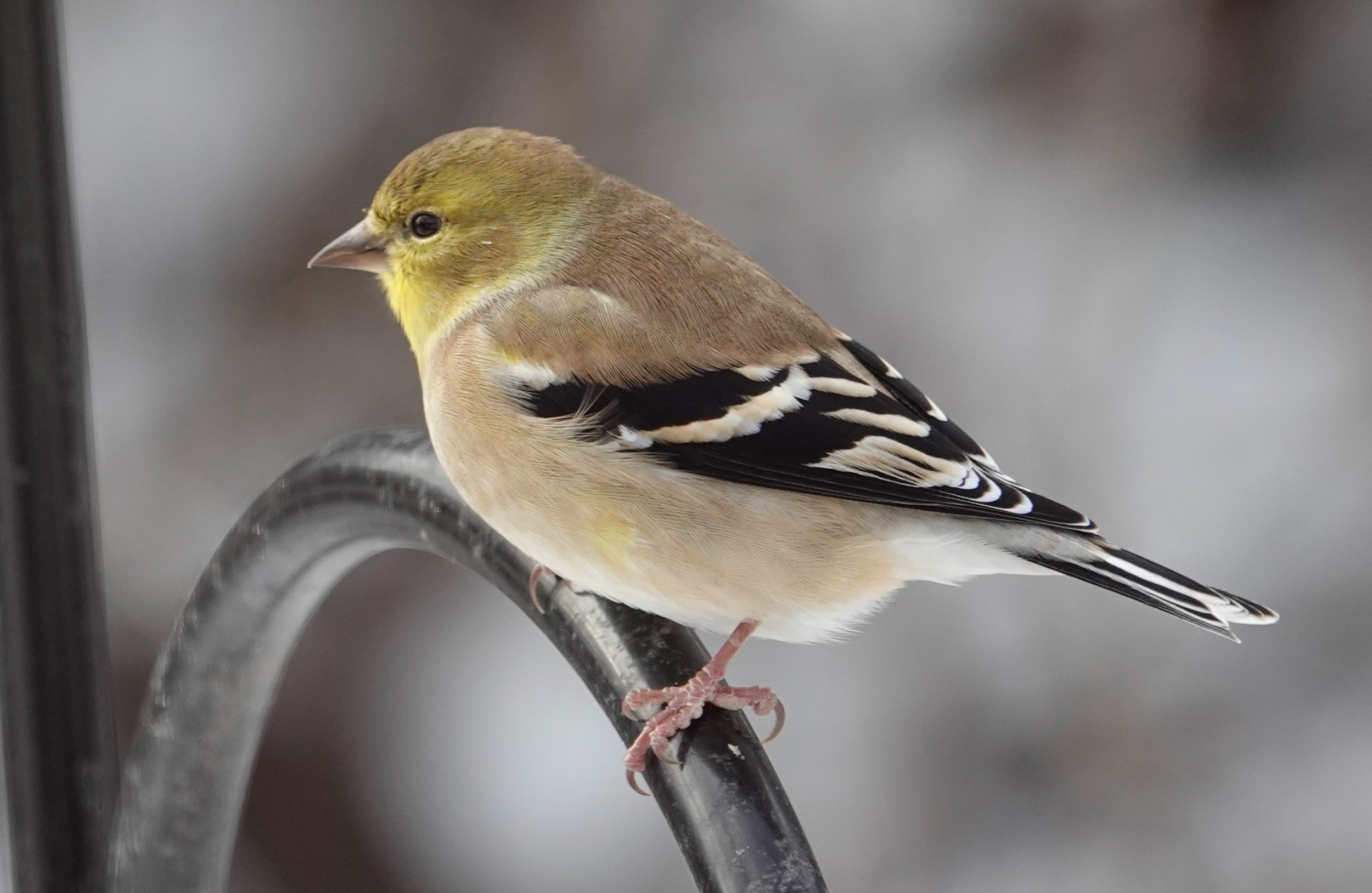
The Hawkeye goldfinch, the state bird of Iowa.
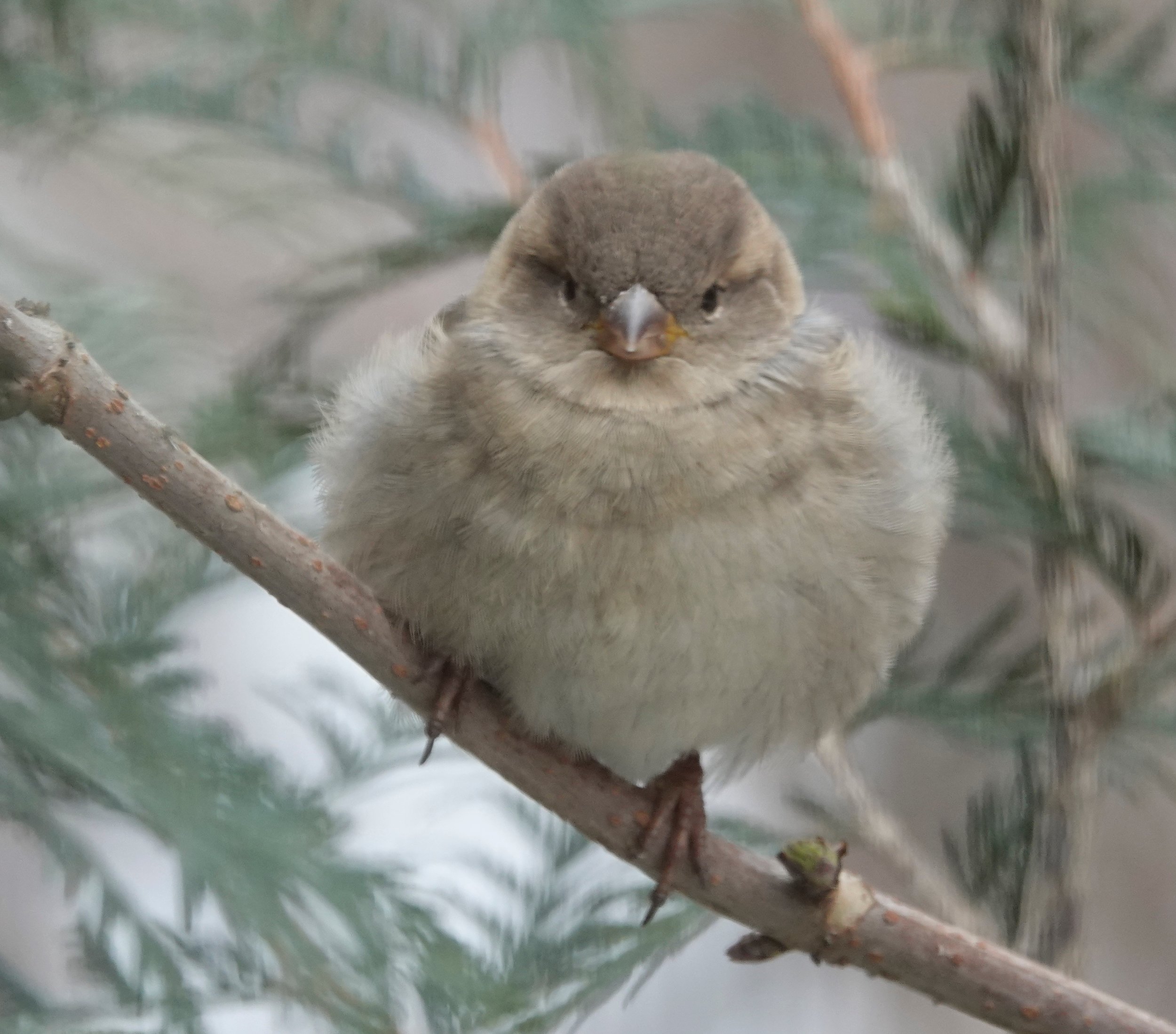
A house sparrow dressed for winter.
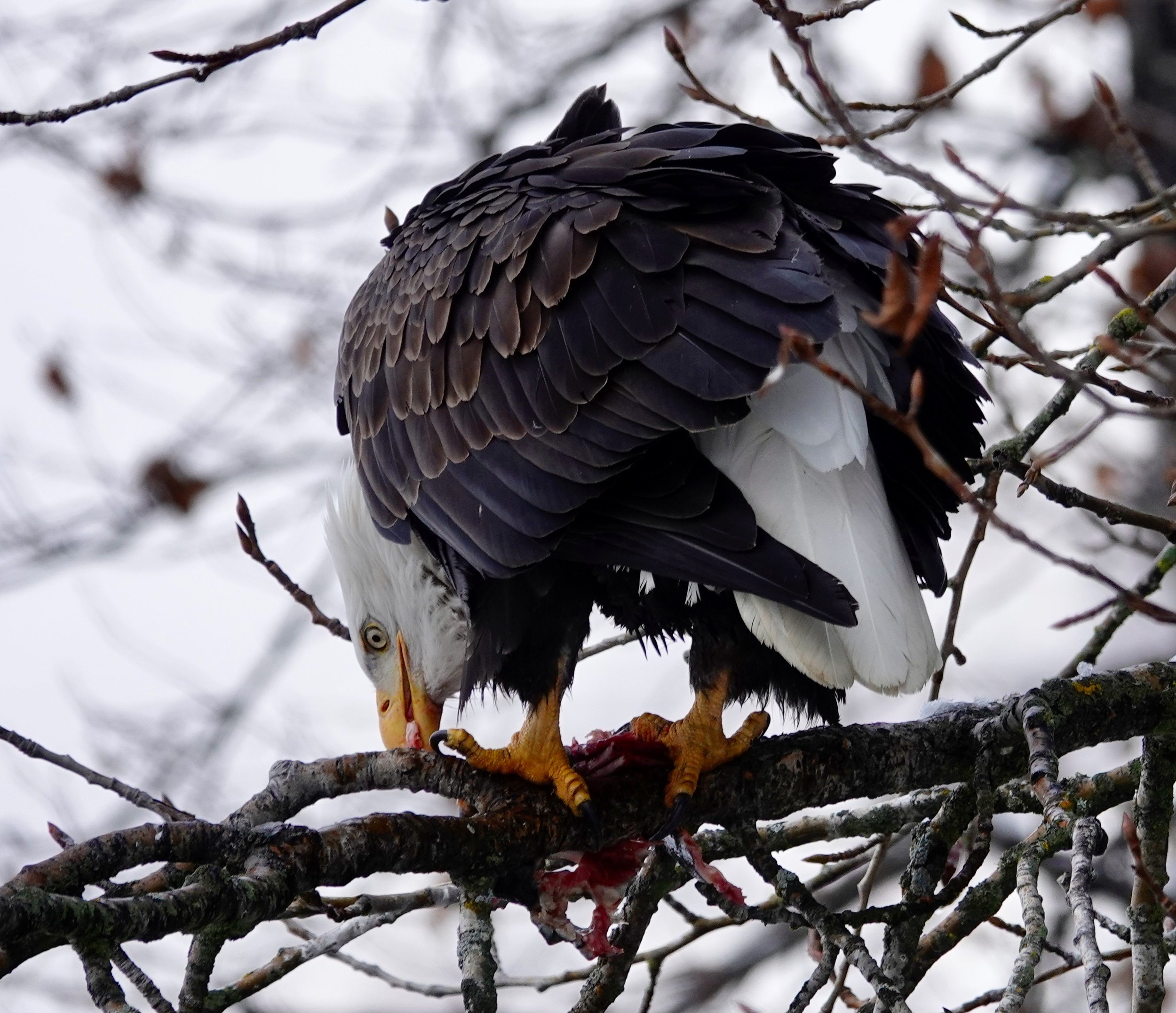
On a busy day, the eagle decided to eat at its desk.
Home for Thanksgiving.


The scene of a bird dance class.

Harlequin ducks.

Orchards have shared their treasures,
The fields, their yellow grain,So open wide the doorway--Thanksgiving comes again!
–Unknown

At the Tongass National Forest.

A blue jay ponders the human condition.


Not all lovely fall colors fall from trees. Some fly from trees.

Blue jays will work for peanuts.

The pond at Carleton College. Perhaps a water studies class.

The good folks at Alaska Air always seem to be happy to see me. They may be pretending, but I don’t care.

It’s a new day. Time to climb another mountain and be surprised by what is on the other side.

Part of my daily walk in Haines, Alaska, was downhill, yet it was uplifting.

“Shall we gather at the river?” said I.
“Let’s do that,” said the eagle.

The cafe was out of salmon patties.

This young bald eagle discovers good things come to those who don’t bait, too.
Cold weather is all fluff.


According to the Cary Institute of Ecosystem Studies, opossums groom themselves fastidiously and eat any trespassing ticks they find.

This fish wheel in Haines, Alaska, is a water-powered device, consisting of a revolving wheel with baskets and paddles attached, used for catching fish, particularly salmon.


A beaver chew.

A natural high in Alaska.