
I feel blessed to see a roost of monarch butterflies.
"No garden truly blooms until butterflies have danced upon it." — Kristen D’Angelo
Those blooming rocks or rocks in bloom.
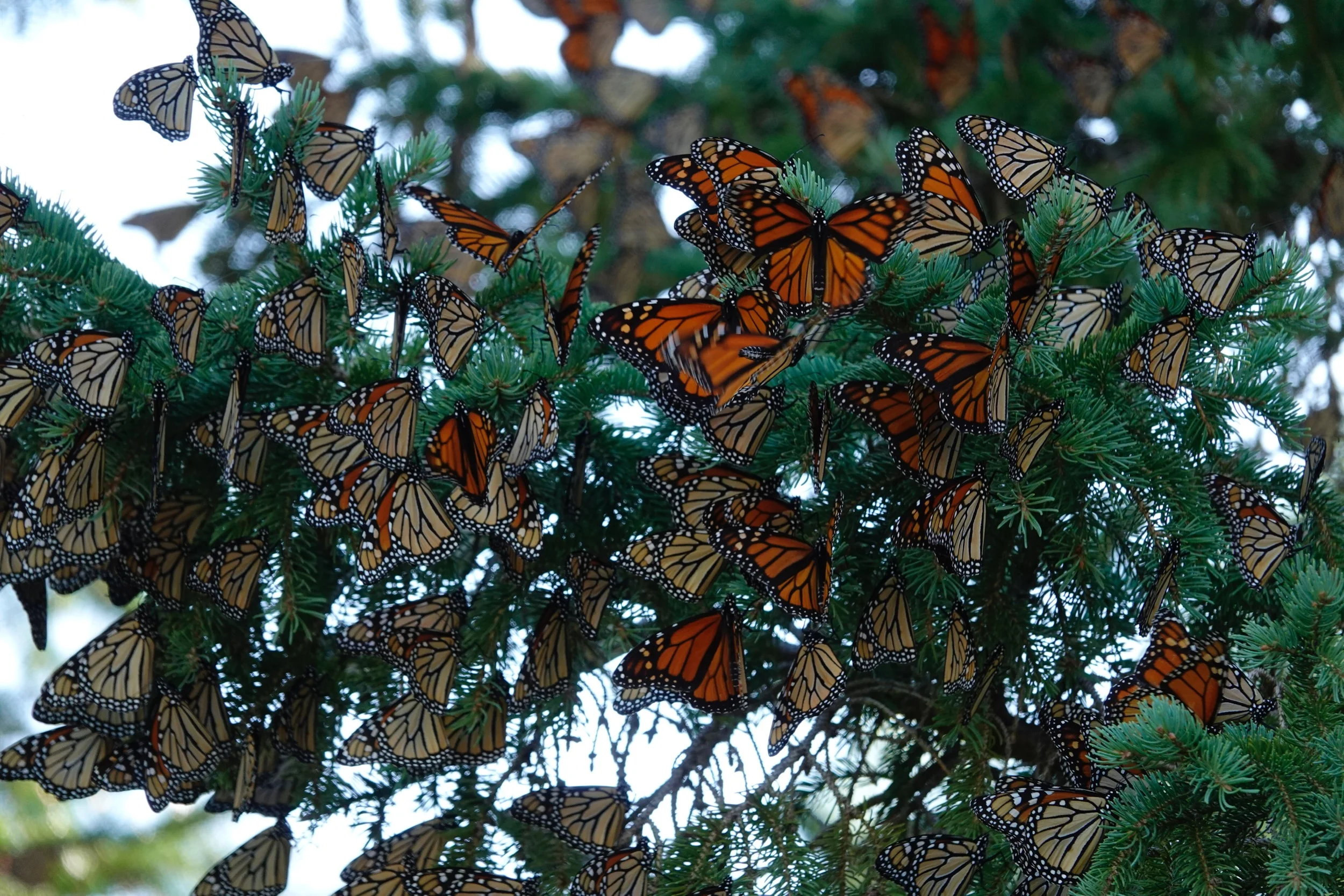
I feel blessed to see a roost of monarch butterflies.
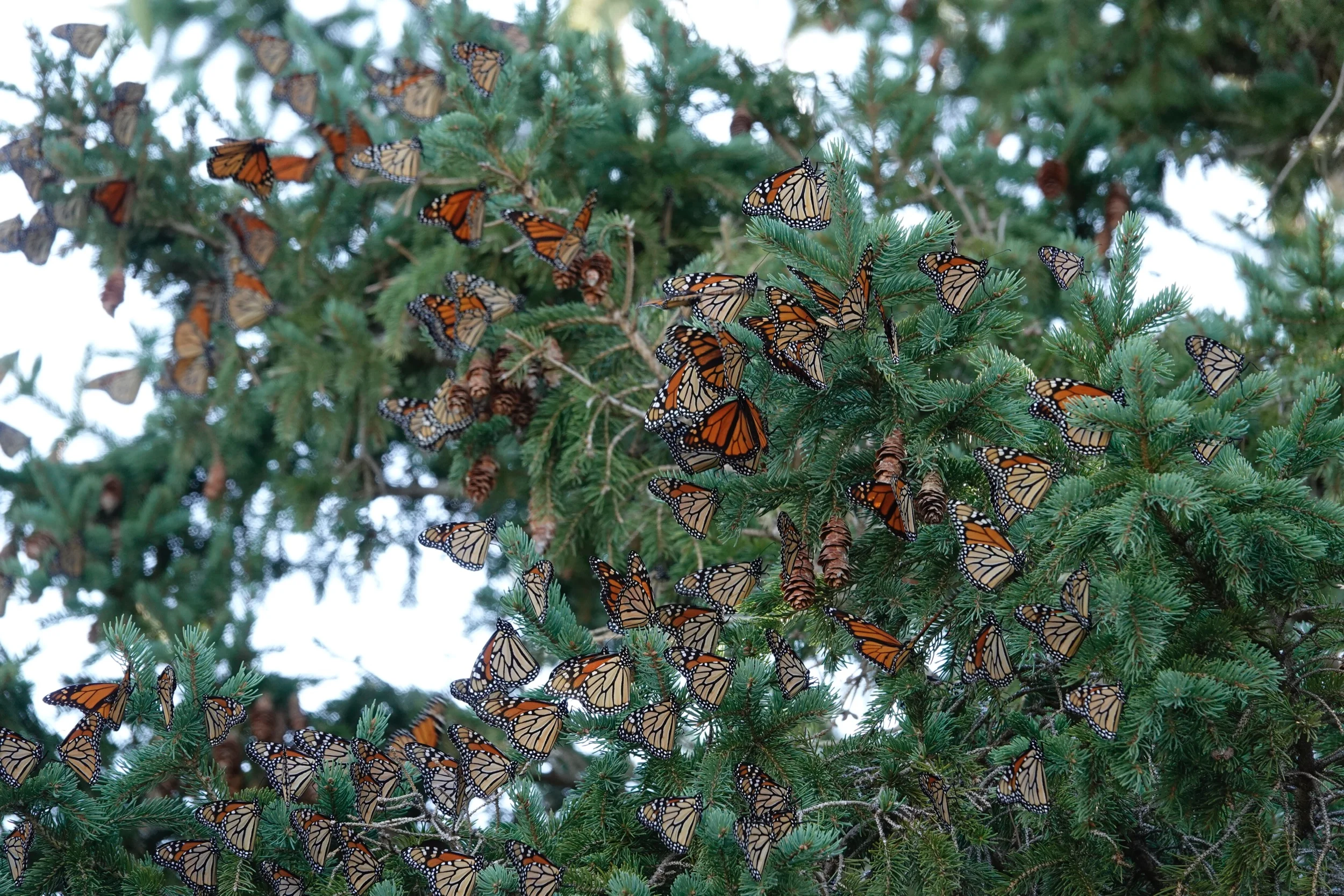
"No garden truly blooms until butterflies have danced upon it." — Kristen D’Angelo

Those blooming rocks or rocks in bloom.
Published by tlittle@bluffco... on Tue, 08/27/2019 - 8:52am
AL BATT/BLUFF COUNTRY READER Blue jays love peanuts and appreciate humans who add them to their feeders.
By :
Al Batt
For the Birds
I saw a female cicada killer wasp. She was about 1 1/2 inches long. I wasn’t worried. Had I been a cicada, I’d have been worried. The annual cicada (also called a dog-day cicada, harvest fly, jar fly and incorrectly a locust) produces a high-pitched, buzzy whine that reminds some of an electric saw. That’s why few people use cicada calls as ringtones on cellphones. This call hits 100 decibels, lasts up to 15 seconds and can be heard a quarter mile away.
Cooper's hawks nest here, beginning their breeding season in the spring. They build nests of sticks lined with bark and green twigs located 25 to 50 feet high in a tree. She lays two to six eggs that hatch in 30 to 36 days. The young leave the nest after 27 to 34 days. The parents continue to feed and protect the fledglings until they learn to survive on their own at about eight weeks of age.
A ruby-throated hummingbird buzzed by my beak. It probably weighed .1 ounce. About 1,000 to 1,500 of that being feathers, although one old study showed 940 feathers. That may not sound like many, but it’s more than I have.
Grape jelly feeders were still busy with Baltimore orioles. Birds are in a hurry as the local nesting season is compressed for our neotropical migrants.
Echoes from Loafers' Club
This is a tough crossword puzzle. What's a 7-letter word for "easily perceived or understood" that starts with an O?
Isn't it obvious?"
It should be, but I can't think of it. That's why I'm asking.
Driving by Bruce's drive
I have a wonderful neighbor, named Bruce. Whenever I pass his drive, thoughts occur to me, such as: I was trying not to think of my dorsolateral prefrontal cortex. We were on the road and stopped to get a few items at a supermarket. That would make a sizable dent in the day. We bagged Honeycrisp apples and when that deed was done, we turned to put them into our shopping cart. My wife was the first to say what we were both thinking, “Where is our cart?” She turned around twice, getting a panoramic view from her pirouette. Our cart certainly wasn’t where it had been. There was a cart near where our cart had been, but there were no dates in it. We had dates in ours. I like dates. Then my wife spotted our cart and a cart rustler. He was busily texting while leaning on our cart. When he was informed of the cart switch, he apologized and rejoined his undated cart.
The cafe chronicles
The two old fellows sat down together. Two retired guys nursing cups of decaffeinated coffee while coveting the slices displayed in the pie case. Each man thought it would have taken longer to get old. It's as Alice Walker wrote in "The Color Purple," "Time moves slowly, but passes quickly.”
"What time is it?" asked one.
"What time would you like it to be?" replied the other.
They were both in good health, so that limited their conversation severely. Thank goodness for disagreeable weather.
He should have been wearing a name tag
I was at a funeral where the minister said the deceased's name wrong. He used the appellation often, but incorrectly. I wanted to say something, but a funeral requires a certain decorum. I've heard a story about someone giving a eulogy and saying how everyone knew Bob. A mourner yelled, "His name is Bill."
Without missing a beat, the eulogist said, "Well, some of us knew him better than others."
Ask Al
"What is the population of your hometown?" It's just enough.
"What bird can keep a secret?" A turkey takes its secrets to the gravy.
"When is it OK to wear white?" After the Annual BBQ Rib and Chili Cook-off has concluded.
In local news
Chris P. Bacon owns an 18th Century car. He plans on buying his 19th Buick Century soon.
Retiring bricklayer throws in the trowel.
Worker's compensation premiums soar at the Banana Peel Recycling Center due to a rash of falls.
A traveling man
A speaking gig took me to Memphis. I didn't have time to visit Graceland. I appreciate Elvis Presley's gospel singing, so I bought a Moon Pie and an RC Cola in his memory. I ate the Moon Pie and gave the RC to a stranger who looked more parched and dry than I was.
Things to look for
1. Yellowjackets attend picnics without being invited.
2. Wild grapes ripen, milkweed pods proliferate and acorns drop.
3. Singers in the night include snowy tree crickets, conehead katydids, ground crickets, bush katydids and field crickets.
4. Tinges of fall colors on foliage.
5. Most Baltimore orioles will have left by the end of the first week of September.
6. Insects are drawn to goldenrods, asters and sunflowers.
Thanks for stopping by
"A bad word from a colleague can darken a whole day. We need encouragement a lot more than we admit, even to ourselves." — Orson Welles
"Usually, terrible things that are done with the excuse that progress requires them are not really progress at all, but just terrible things." — Russell Baker
Meeting adjourned
"A tree is known by its fruit; a man by his deeds. A good deed is never lost; he who sows courtesy reaps friendship, and he who plants kindness gathers love." — Saint Basil
DO GOOD.
© Al Batt 2019
Al Batt of Hartland is a member of the Albert Lea Audubon Society. Email him at SnoEowl@aol.com.
by Al Batt, albertleatribune.com
August 24, 2019 09:00 AM
My neighbor Crandall stops by.
“How are you doing?” I ask.
“Everything is nearly copacetic. It’s so windy, I had to screw my cap on to keep it from blowing away. I went to Pilates yesterday. I thought it was a Mexican restaurant. It was all exercise. I thought the workout was to work up an appetite, but there was no food involved. I plan on doing nothing today to make up for all that exertion. Why do nothing? I believe in setting achievable goals.”
Naturally
I walked in a fog. It wasn’t my usual brain fog. It was an August early morning fog. Folklore says that for every fog in August, there will be a snowfall the following winter. An inchworm or looper (a small caterpillar), measured me for a new suit. I watched ants move about. The ground that was their roof was my floor.
Curly dock was evident on roadsides. Its seeds were a rich brown, like coffee. Underfoot, pineapple weed bloomed. The flowers are dome-shaped and a yellowy greenish color. Its name comes from the pineapple-like smell of its crushed leaves and flowers. It’s a persistent plant that thrives in poor conditions such as the edges of a driveway.
A dead tree, hollow and with broken limbs, stood in stark contrast with the green leaves of the trees that surrounded it. White-breasted nuthatches made their odd sounds as they traveled on its bark in the pursuit of food. The male has a black cap and the female’s cap is grayer. I saw a male American goldfinch flying high in circles or figure eights. It’s the state bird of Iowa, New Jersey and Washington.
A drive into the deep darkness brought a coyote into my headlights. It was dragging a bit of roadkill. I enjoy seeing coyotes as they do good work removing carcasses from roads. Deer are much more dangerous than coyotes. According to the U.S. Centers for Disease Control and Prevention, 200 people die in vehicle/deer collisions annually.
Blue jays love peanuts. Al Batt/Albert Lea Tribune
Q&A
“I fear my burning bush has died. What could have happened to it?” Burning bush or winged euonymus shrubs were some that experienced injury from our long winter. A hard frost when bushes are coming out of dormancy can cause death or dieback. The most common frost injury occurs in early spring or late fall. The plant could have suffered damage from voles or rabbits. I hope your plant recovers.
“I’d like to see a vulture up close. How can I do that?” First, roll on a dead raccoon. Then, when you see a turkey vulture flying overhead, go limp.
“I heard you mention allopreening on the radio. What does that mean?” That’s when one bird preens or grooms the skin or feathers of another bird.
“How can I stop a Cooper’s hawk from hunting birds at my feeders?” A Cooper’s hawk doesn’t always make a good first impression. Hawks that feed on birds take the term “birdfeeder” at face value. If you want to discourage the hawk, take your feeders down for a bit. Birds often face fluctuating food supplies, so they are accustomed to searching for food. They are good at finding food in other places. Put the feeders back up in a week or two. The songbirds will return, but the hawk might have found better hunting elsewhere. Studies have found 10 to 12% of a Cooper’s hawk’s hunts are successful. Providing natural cover for small birds could help. Eliminate ground feeding. Birds feeding on the ground are more vulnerable to hawk attacks. Caged feeders might offer some protection.
“I’ve seen two red-bellied woodpeckers that have no red on their heads. Are they juveniles?” The juveniles resemble adults, but are duller in overall color, the red nape patches are lacking and they have brownish bills opposed to the black bills of adults.
Gary Borchardt of Oelwein and Paul Schwab of Owatonna sent me photos of birds for identification. They were chukars. Chukars from Pakistan were released in this country as game birds, but they were unsuccessful. The birds we see are birds reared for hunting purposes that have escaped.
Things to look for:
1. Yellowjackets attend picnics without being invited.
2. Wild grapes ripen, milkweed pods proliferate and acorns drop.
3. Singers in the night include snowy tree crickets, conehead katydids, ground crickets, bush katydids and field crickets.
4. Tinges of fall colors on foliage.
5. Most Baltimore orioles will have left by the end of the first week of September.
6. Insects are drawn to goldenrods, asters and sunflowers.
Thanks for stopping by
“A bad word from a colleague can darken a whole day. We need encouragement a lot more than we admit, even to ourselves.” — Orson Welles
“Usually, terrible things that are done with the excuse that progress requires them are not really progress at all, but just terrible things.” — Russell Baker
Do good.
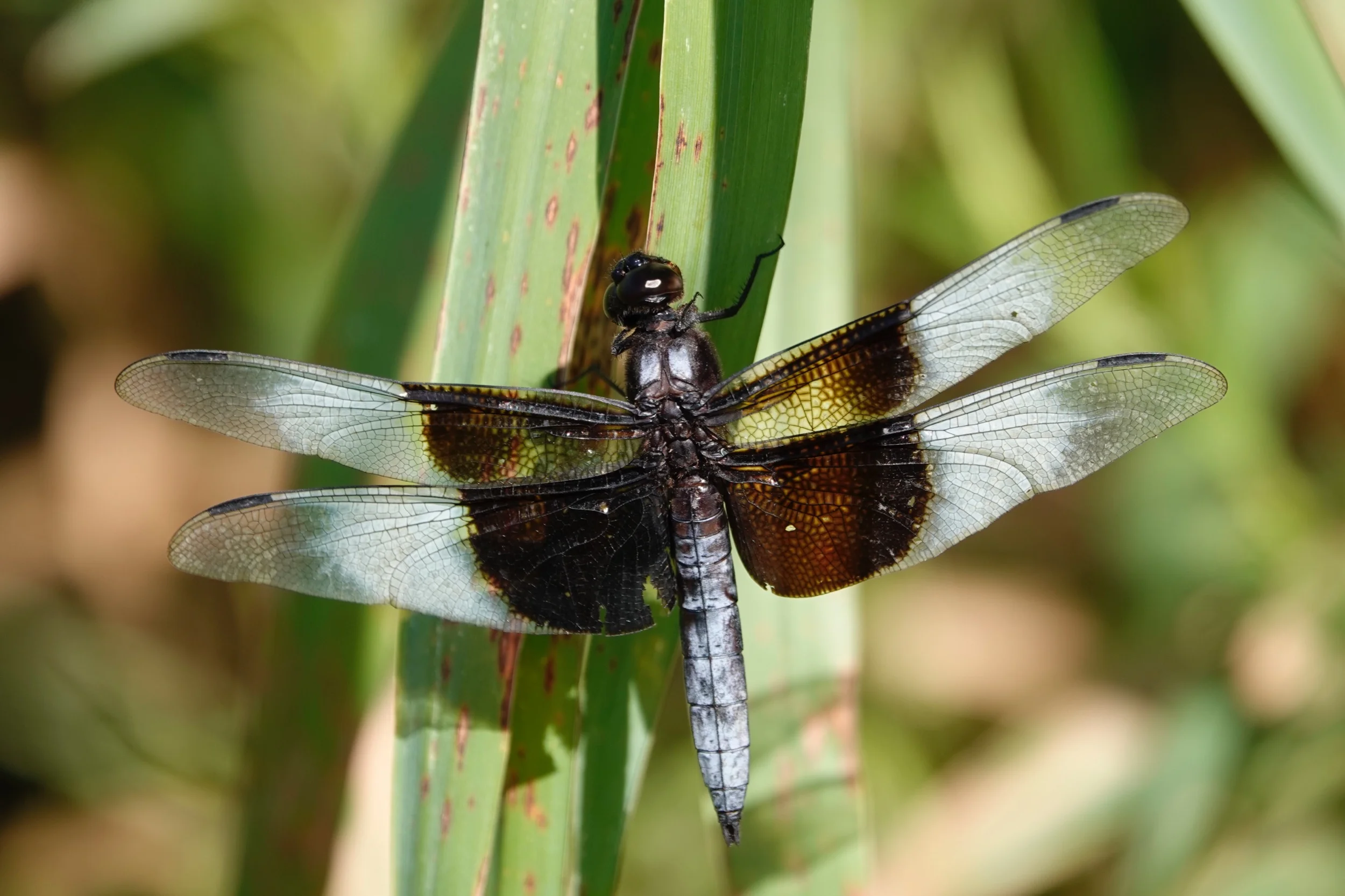
The species name of the widow skimmer dragonfly means sorrowful as its wings seem to be draped in mourning crepe. Photo by Al Batt

From the SPAM Museum in Austin, MN.
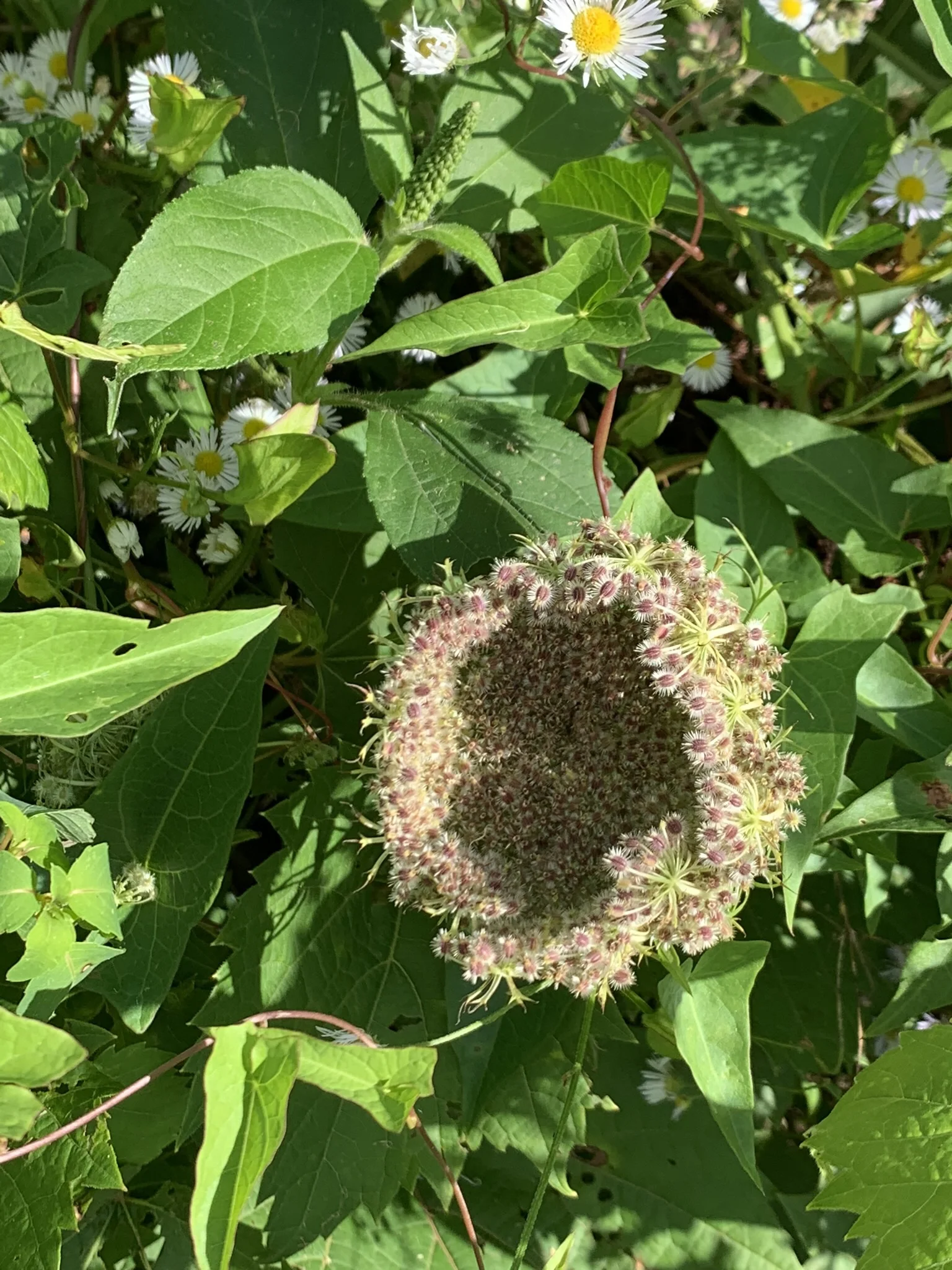
It may look like a bird’s nest, but it’s Queen Anne’s Lace. Hal Borland wrote that the name pays tribute to the flat-topped heads of florets, dainty as fine lace and pretty enough to deck a queen.
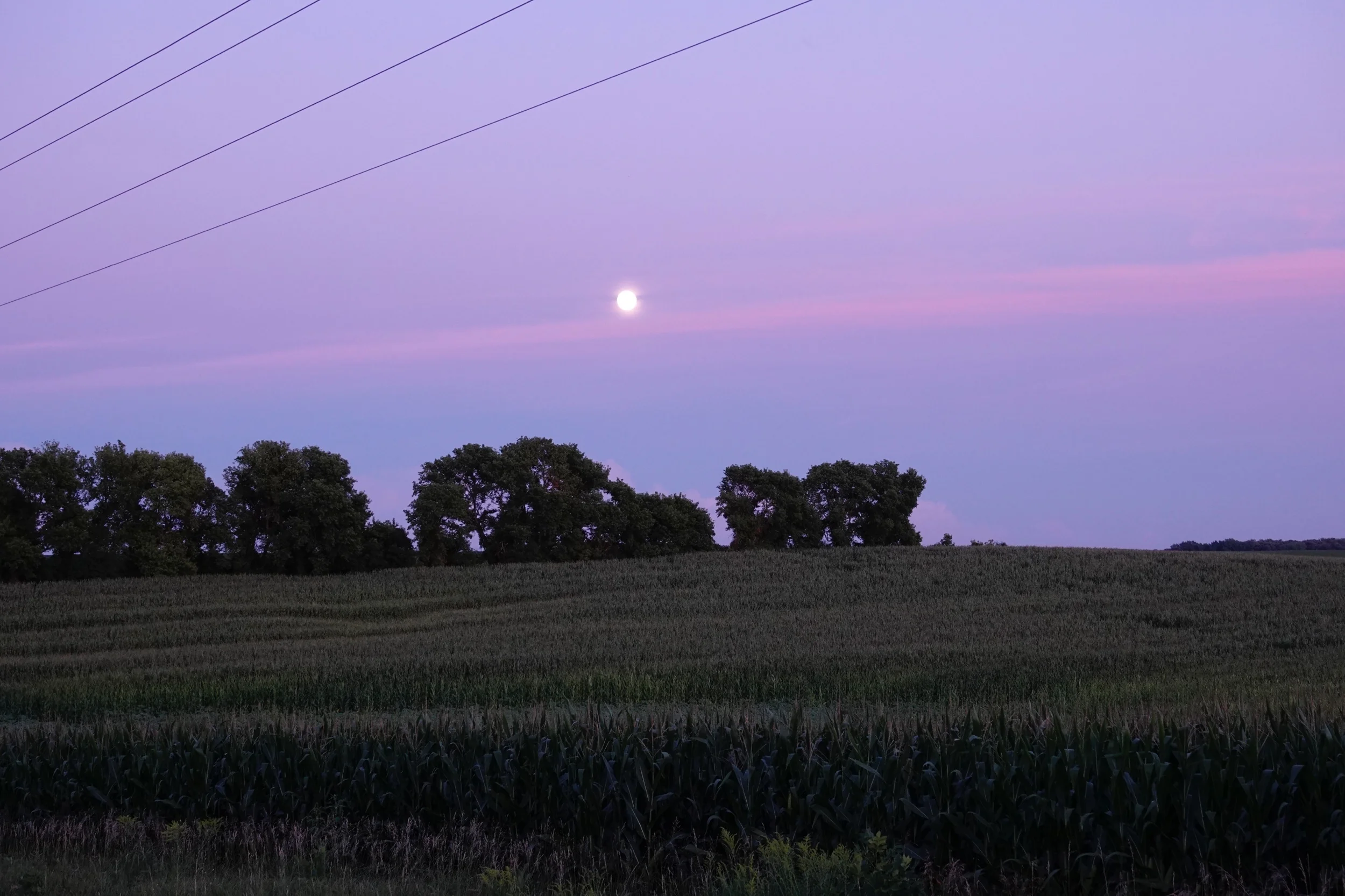
The moon causing waves over a cornfield.
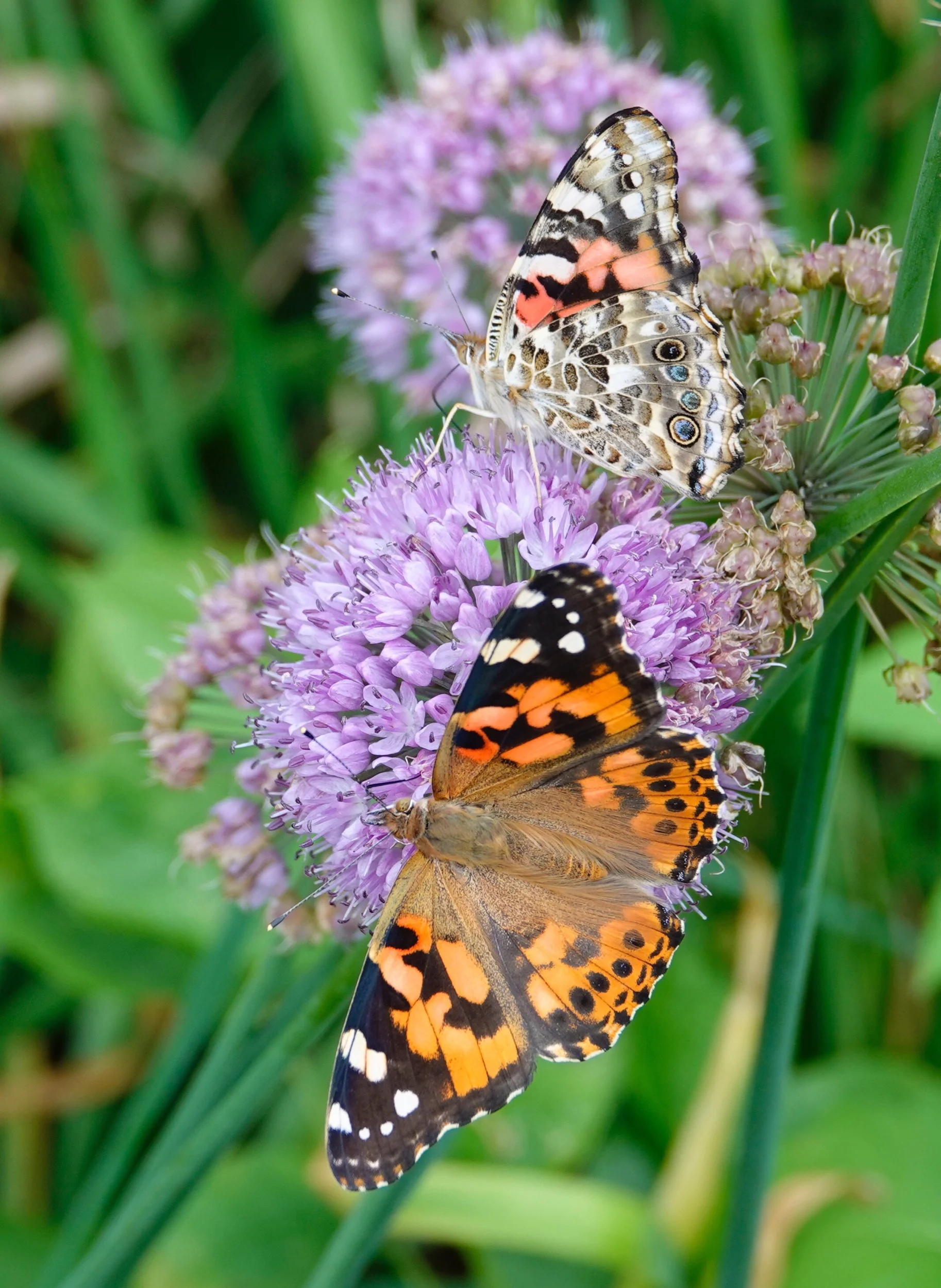
A pair of painted ladies.

This is from back in the day when a telephone operator had three ears.
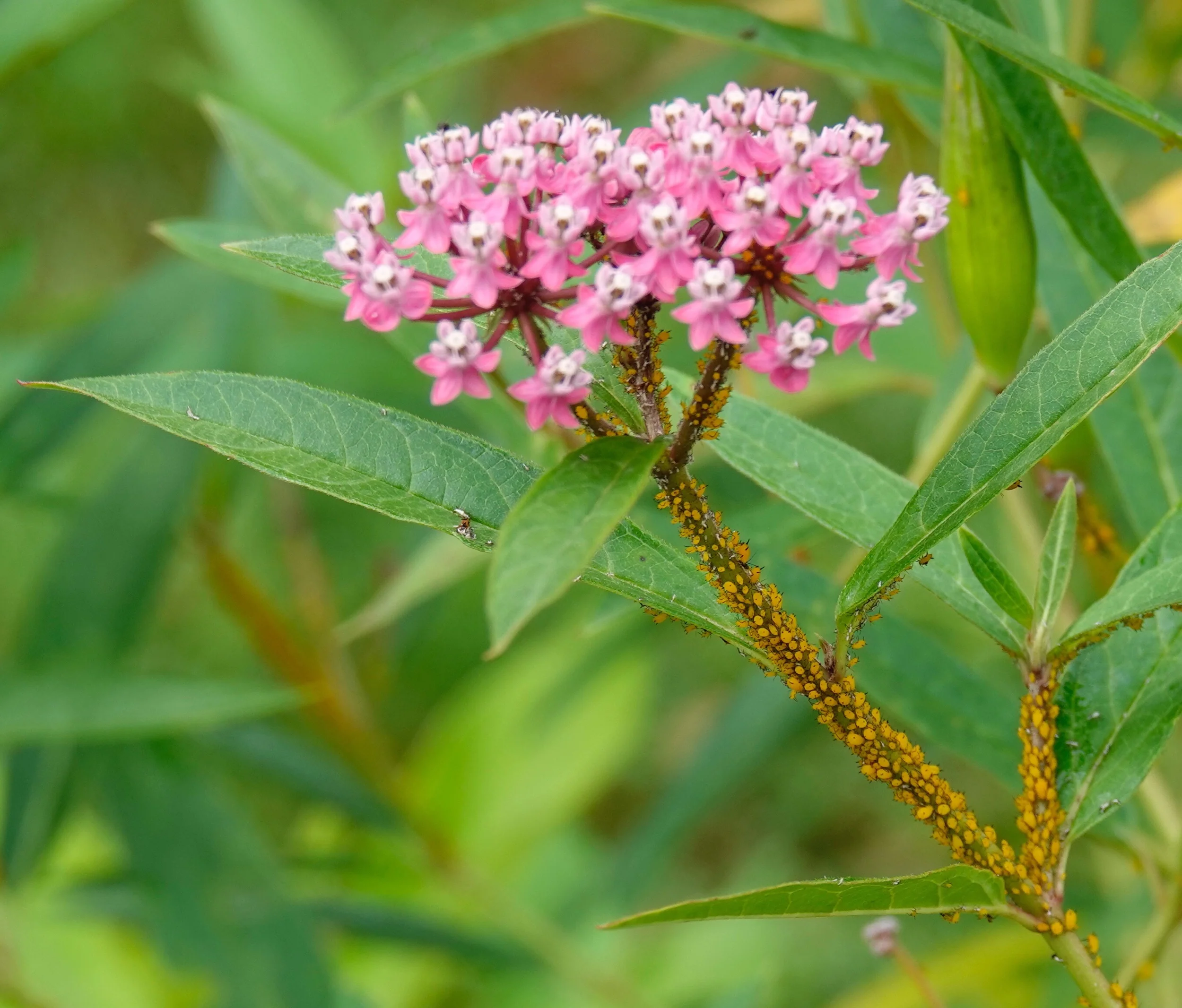
Oleander aphids on swamp milkweed.
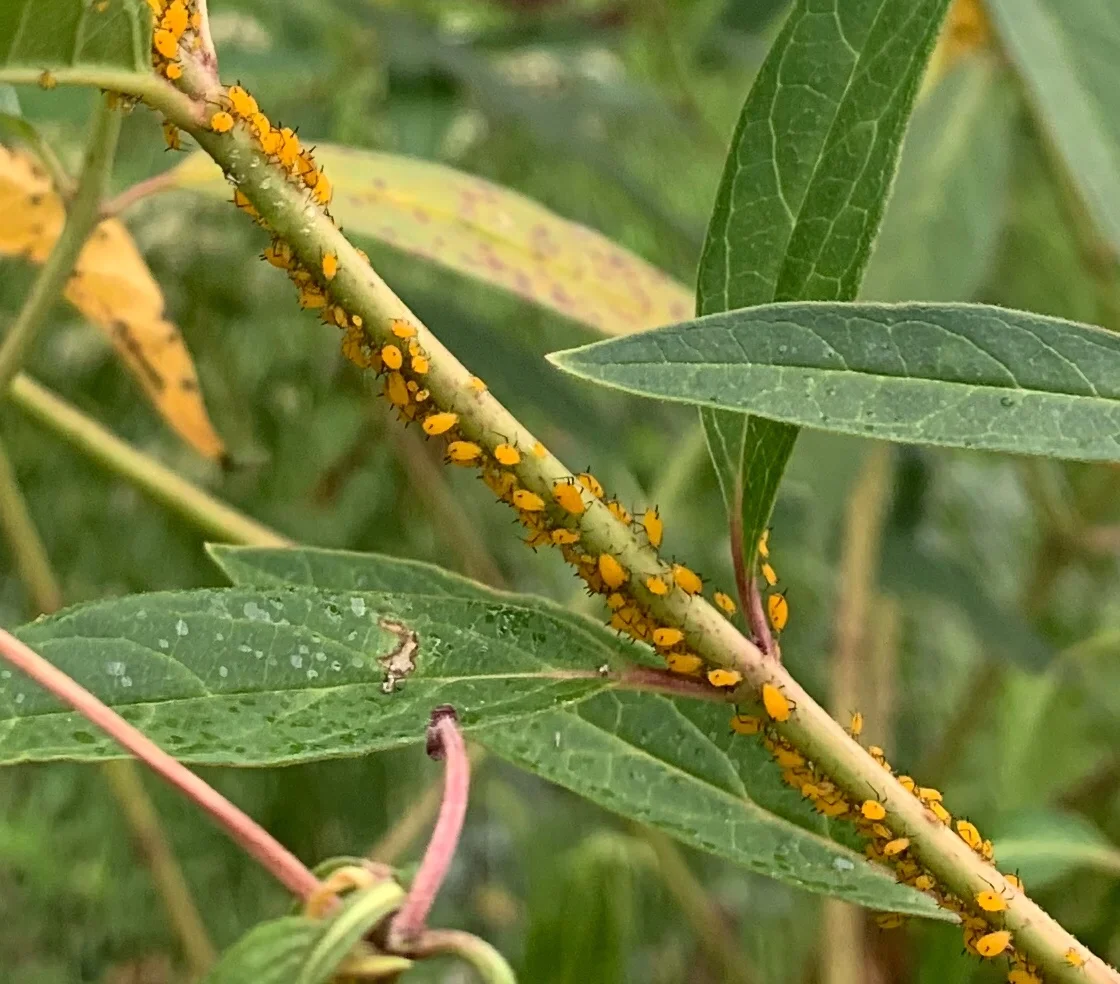
Oleander aphids on swamp milkweed.
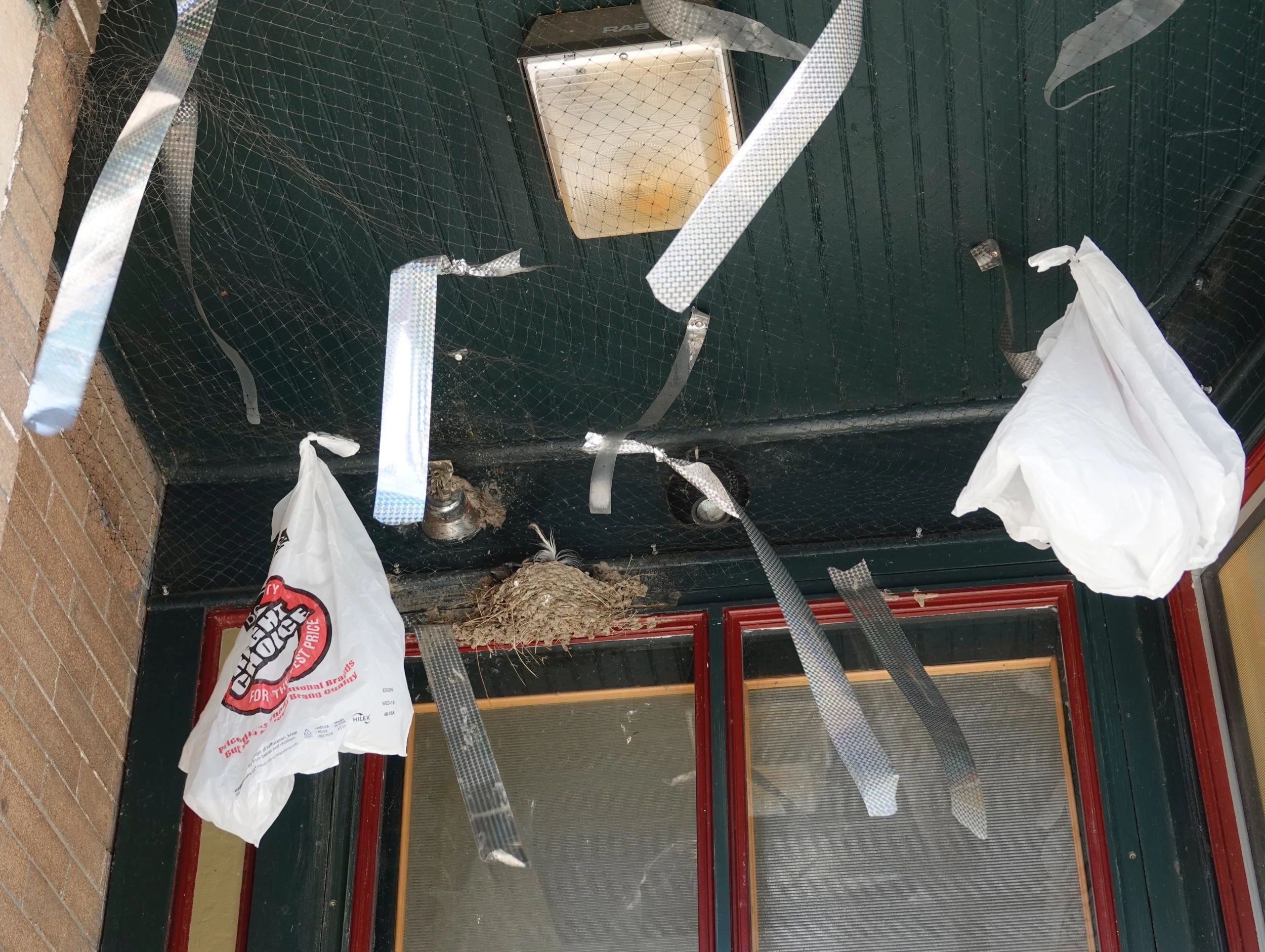
Despite a friend’s attempt to discourage nesting, the barn swallows persevered.
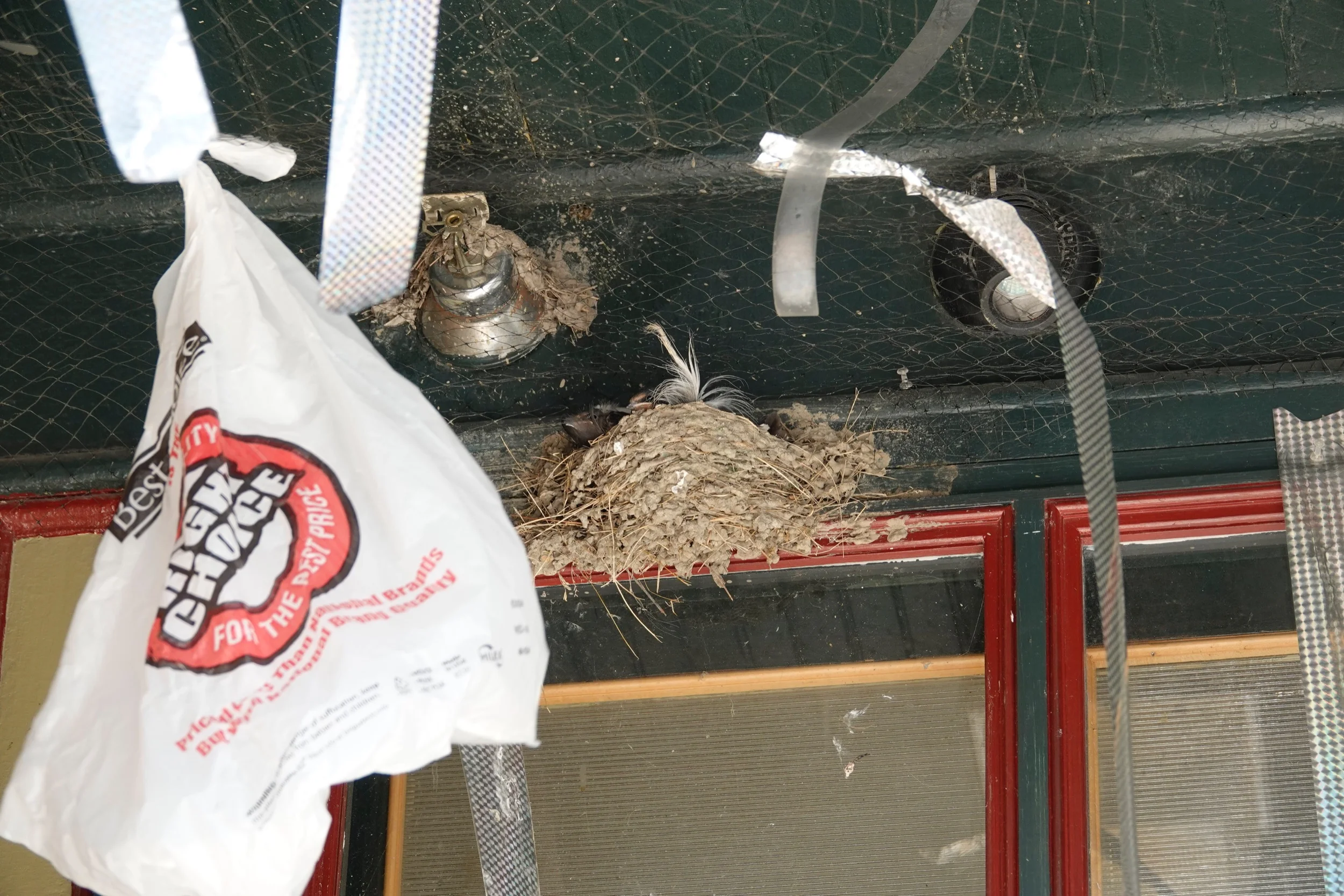
Despite a friend’s attempt to discourage nesting, the barn swallows persevered.
Al Batt: Looking for a culprit for your hay fever? Don’t blame goldenrod
by Al Batt, albertleatribune.com
August 17, 2019 09:00 AM
Al Batt of Hartland is a member of the Albert Lea Audubon Society. Email him at SnoEowl@aol.com.
My neighbor Crandall stops by.
“How are you doing?” I ask.
“Everything is nearly copacetic. I stopped at one of those
dollar stores to pick up a pair of socks. My other pair had worn out and a dollar store is in my financial wheelhouse. I bought a Smokey the Bear flyswatter there. I’ll use it when I walk in the woods. It says, ‘Only you can prevent forest flies.’ I did a triathlon.”
“You? When and where did you do a triathlon?” I say.
“Well, if you add up everything I’ve ever done in my life, it adds up to one triathlon.”
Naturally
I heard the croaking calls of a yellow-billed cuckoo at the edge of the farmyard at 10:30 Friday morning. If my father were still around to hear it, he’d have declared the primal sound of the “rain crow” to have predicted rain. It rained at 5:30 Monday afternoon. Apparently, a rain crow gives a 5-day forecast.
A blue jay flew into a feeder holding peanuts in their shells. The jay picked up a number of peanuts and put them back down as it searched for the perfect goober. Finally finding one with the weight that indicated good eating inside, the bird flew off with it.
Painted lady butterflies were numerous and fluttering low across the highway. Many were hit by vehicles. I made a stop, pulling into a parking lot filled with automobiles. Before I got out of my car, I watched as house sparrows flew in and picked among the dead painted ladies littering the pavement surrounding the cars. The birds used their bills to grab butterflies and then beat the insects against the hard surface, knocking off wings and legs. Lunch was served.
Customer comments
Chuck Van Wey of Albert Lea, a wonderful man who I admire for his work with Relay for Life and the Cancer Support Group, told me that he’d not been a bird feeder until he moved to a house where the previous owner had left two feeders in place. Chuck told me that he’s discovered what great fun feeding birds is.
I visited a nursing home. A man, who I didn’t know, said he wanted to tell me a story. He’d been nursing a bad hip, which limited his mobility. Stuck in his room, he watched from a window as a robins’ nest was built, eggs laid, hatching and fledging. He told me it had aided his healing.
For the second consecutive year, Jerry and Jill Morstad of Albert Lea had a mallard raise a family in a nest in a tree in their yard. They live along a busy street, so Jerry erected a “Duckling crossing” sign.
Some things to look for
1. Goldenrods bloom and don’t cause hay fever, as their heavy pollen is carried by insects. Great and common ragweeds shed pollen, causing hay fever symptoms.
2. Monarch butterflies congregate at the beginning of their migration.
3. Wild cucumber, an annual native vine, blooms with small white flowers. The rambunctious plant has star-shaped leaves and spiky fruit.
4. Blue vervain blooms.
5. Orb spider webs in grasses are evident on dewy mornings.
6. A proverb says after Lammas Day (August 1), corn ripens as much by night as by day.
Q&A
“How smart are squirrels?” One was the valedictorian of my class.
A number of readers have asked about the large snails floating in Albert Lea Lake. They are Chinese mystery snails, also called trapdoor snails. They have a coiled spiral shell, olive in color, and grow to 3 inches tall. There is a trapdoor covering an opening in the shell, which is missing when the snail has died. They are called mystery snails because the females give birth to fully developed snails that suddenly and mysteriously appear. Their lifespan is about four years and can die off in large numbers. The snail is native to Asia. It’s imported and sold in the aquarium trade. People spread Chinese mystery snails through the movement of water-related equipment and release of aquarium pets. It’s illegal to release or dispose of unwanted aquatic plants or animals in or near public waters.
Tom Jones of Albert Lea asked for identification of tiny blue butterflies. There are two common possibilities. The summer azure (flying July —September) has a wingspan of 1–1¼ inches and the eastern tailed-blue’s is 1/2 to 1 inch. The tailed-blue, that has flight times between May and September has a tail on each hindwing and at least one crescent orange spot on the outer edges of the hindwings. These are lacking on azures.
“What is the best insect repellant?” A wind.
Thanks for stopping by
“Do unto those downstream as you would have those upstream do unto you.” — Wendell Berry
“Time comes to us softly, slowly. It sits beside us for a while. Then long before we are ready it moves on.” — Jacqueline Woodson
Do good
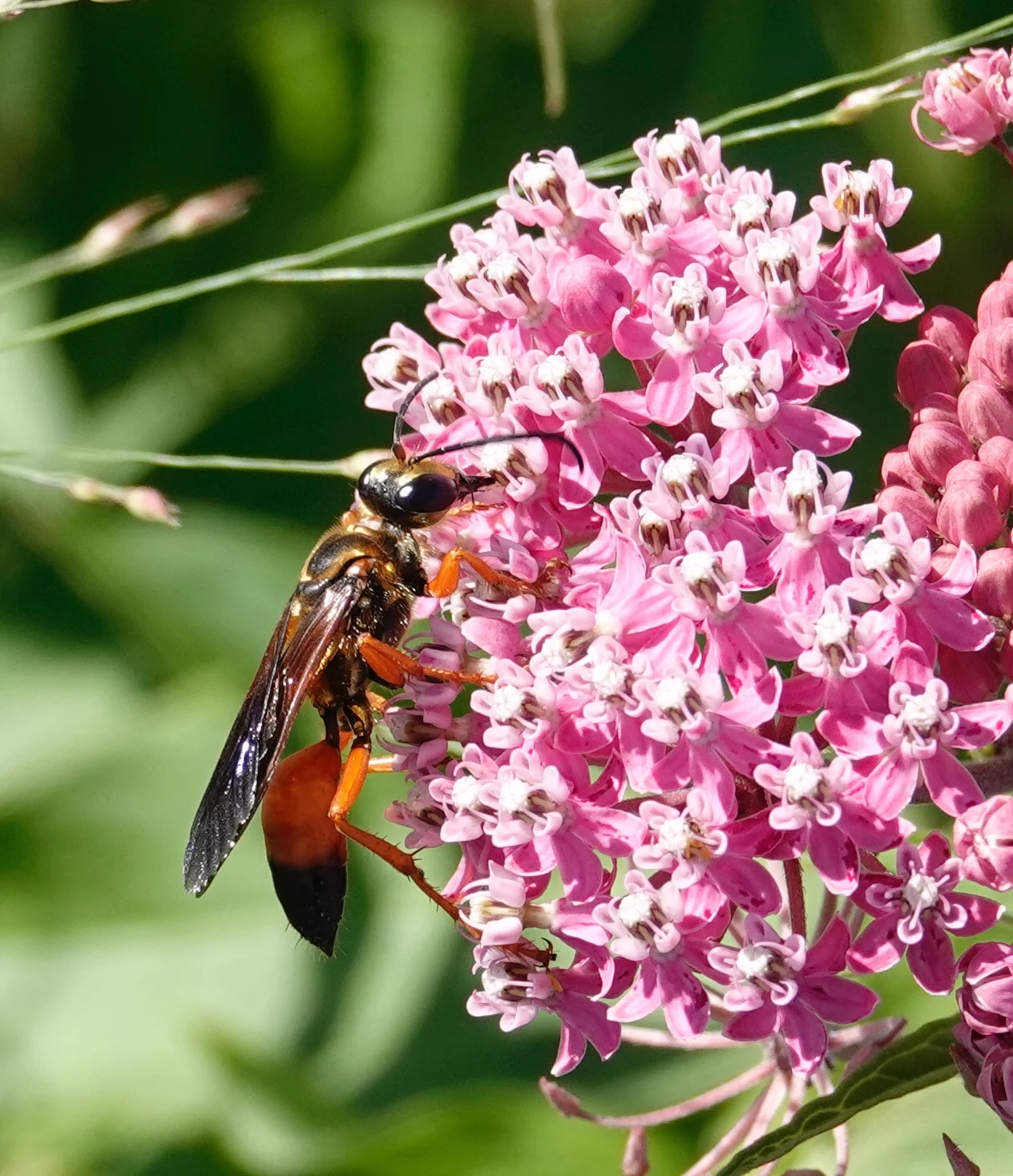
The great golden digger wasp preys upon grasshoppers, crickets and katydids. Al Batt/Albert Lea Tribune
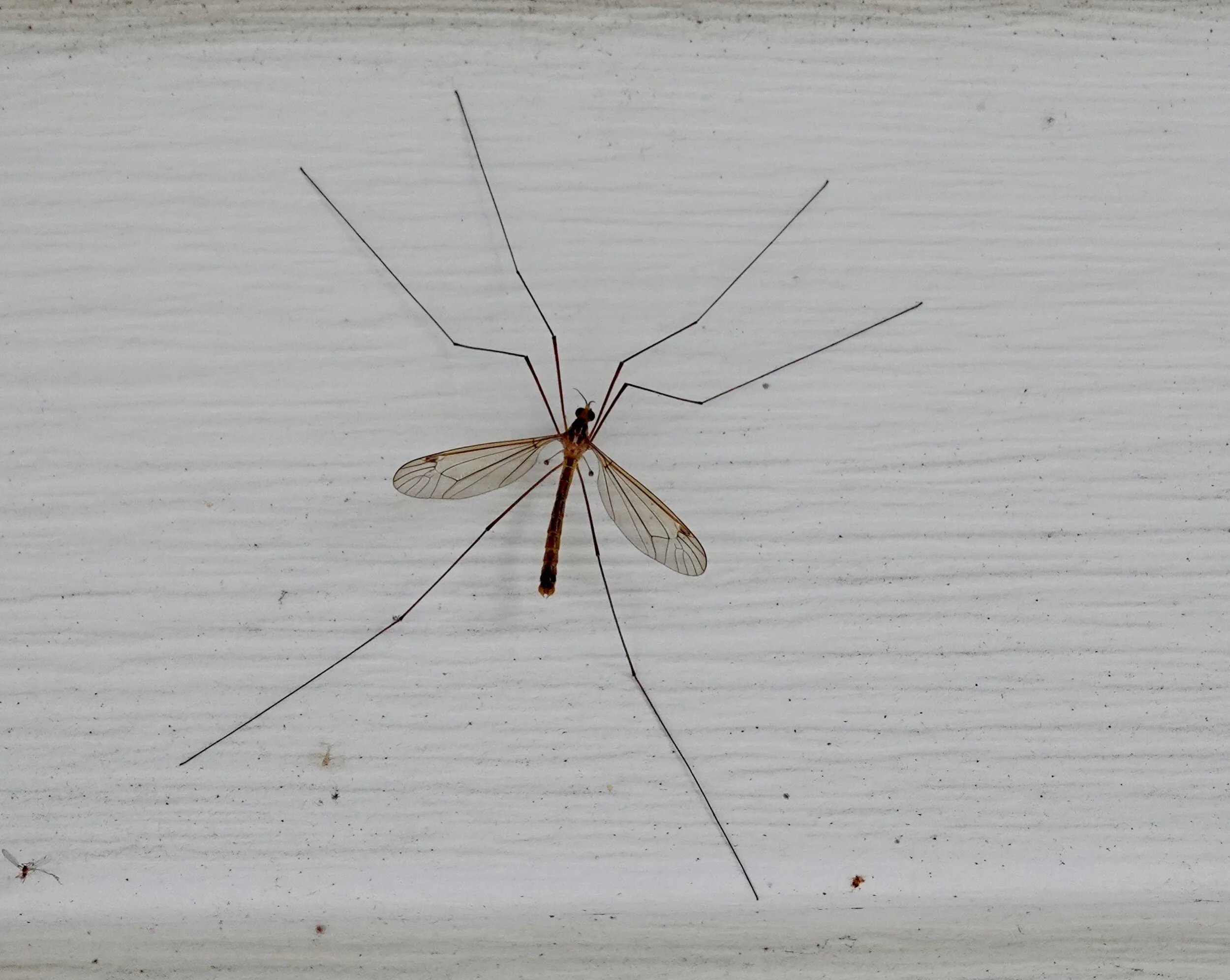
It may look like a giant mosquito, but the crane fly doesn’t bite. Al Batt/Albert Lea Tribune

A gray tree frog.

Clouded Sulphur.

Clouded Sulphur.

Well, it’s a marvelous night for a moondance.

Oleander Aphids on Swamp Milkweed.

European Skipper on a small Dutch (white) Clover.

Eastern Tiger Swallowtail.
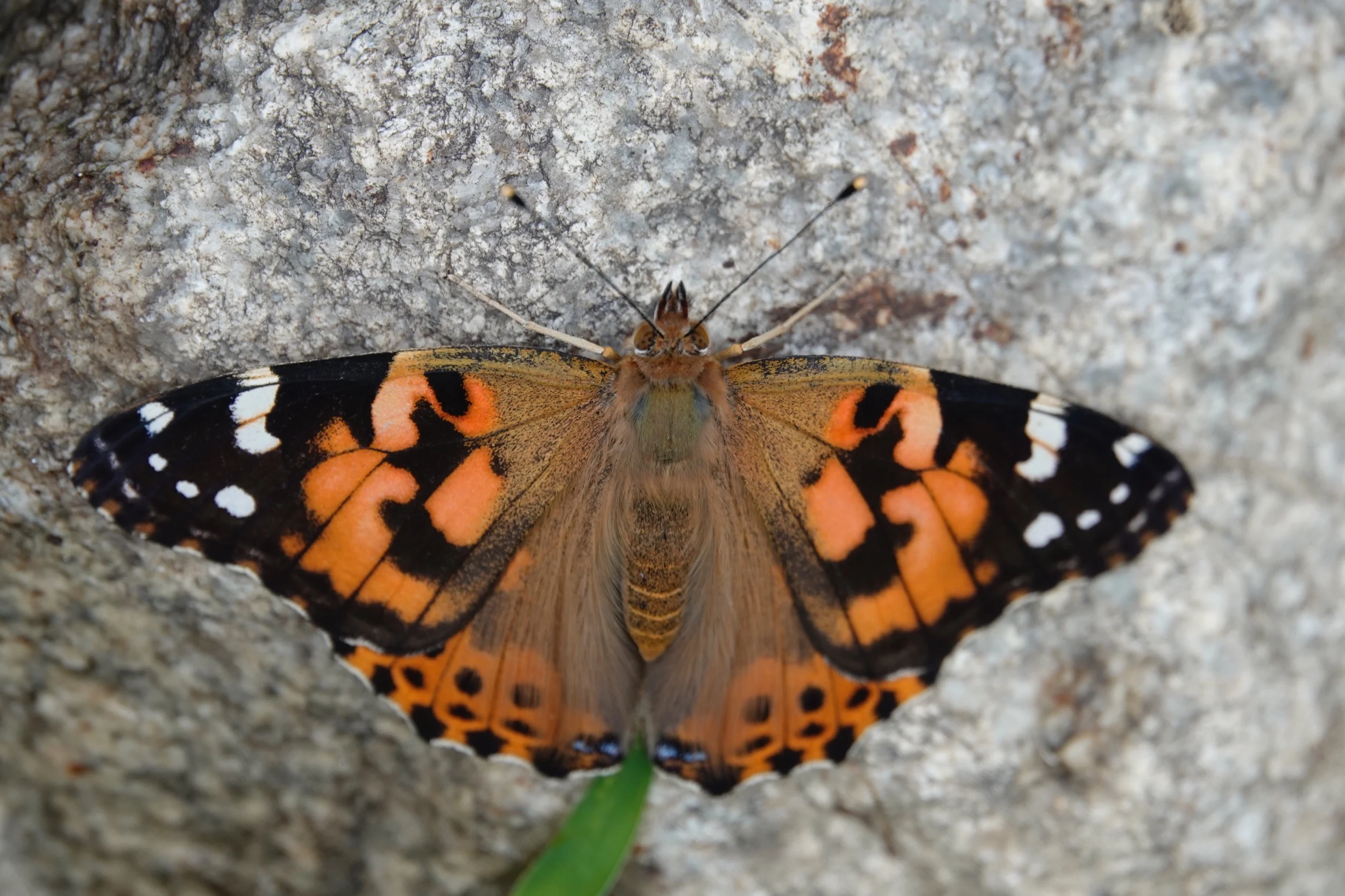
Painted ladies rock.
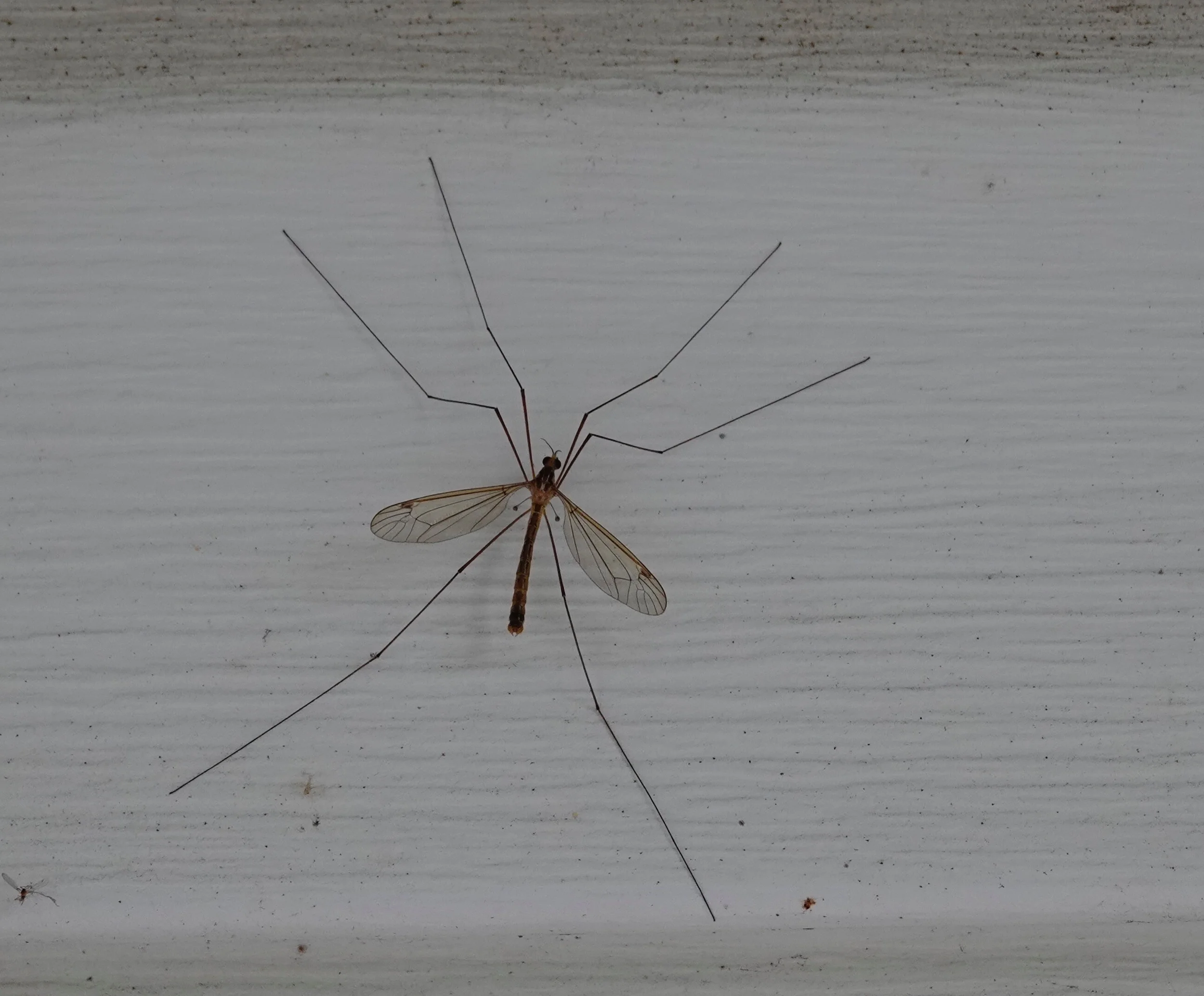
It may look like a giant mosquito, but it’s a crane fly. It doesn’t bite.
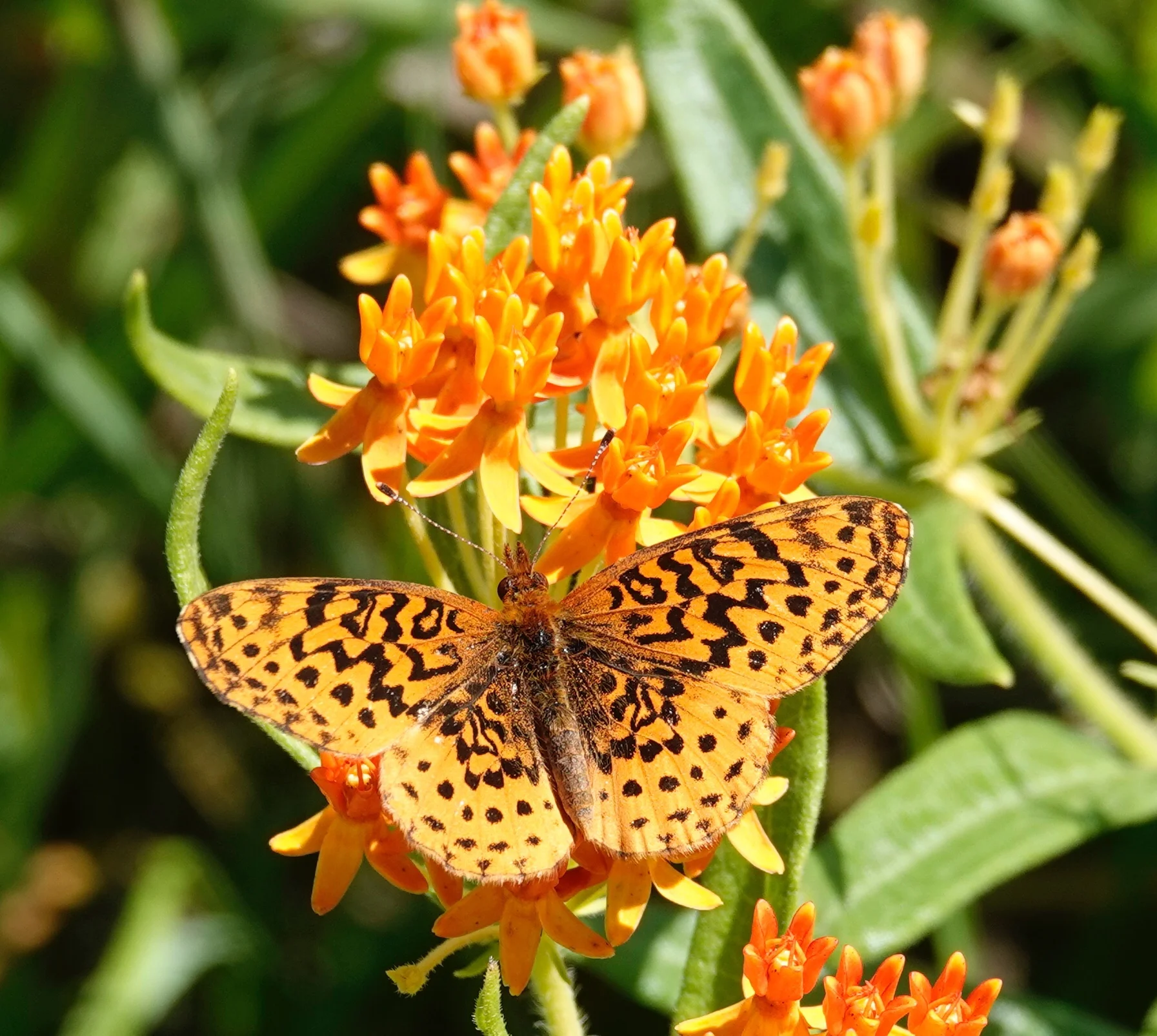
A meadow fritillary on butterfly weed.
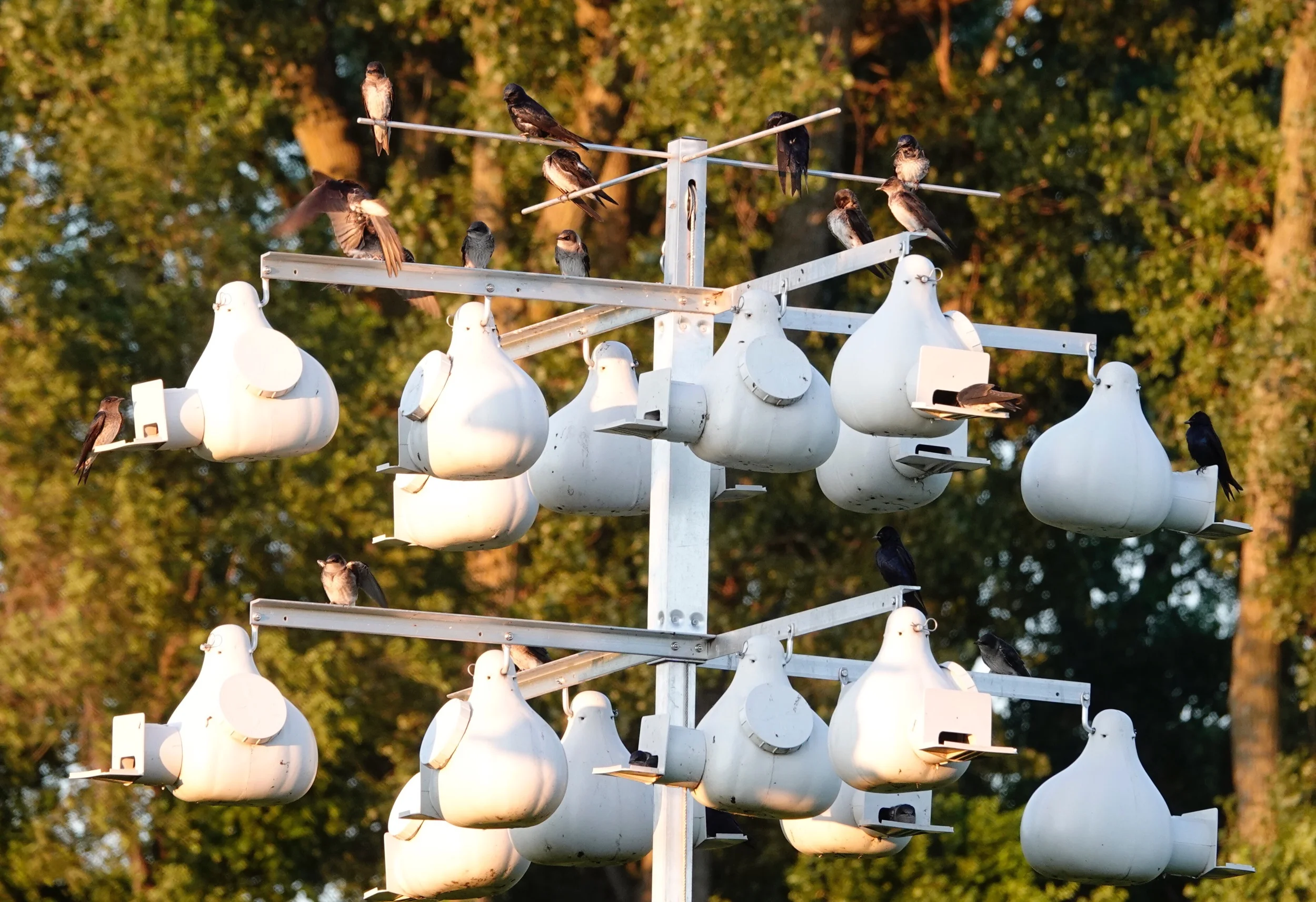
Purple Martins at their summer homes.
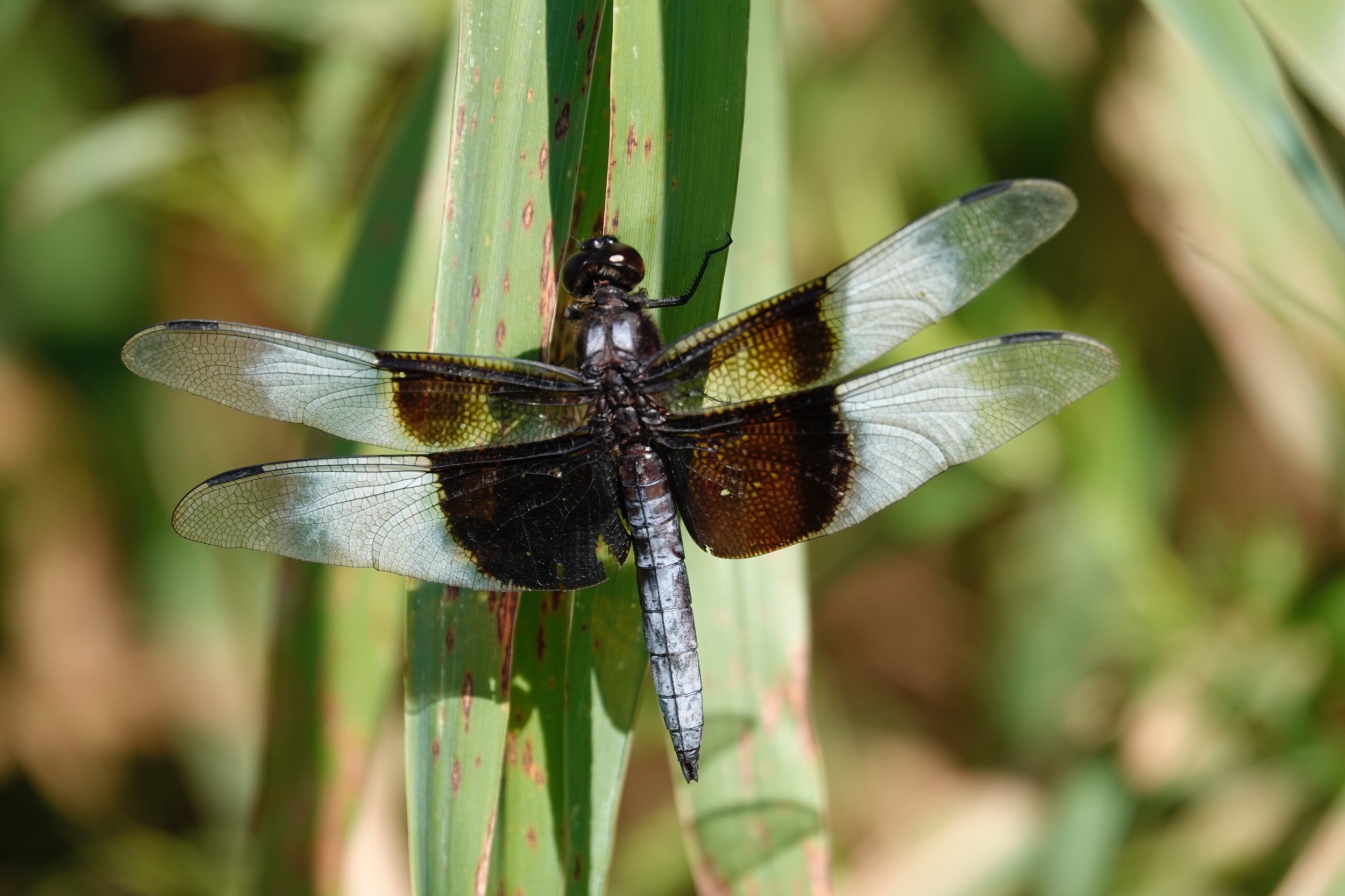
The species name of the Widow Skimmer dragonfly means sorrowful as its wings seem to be draped in mourning crepe.
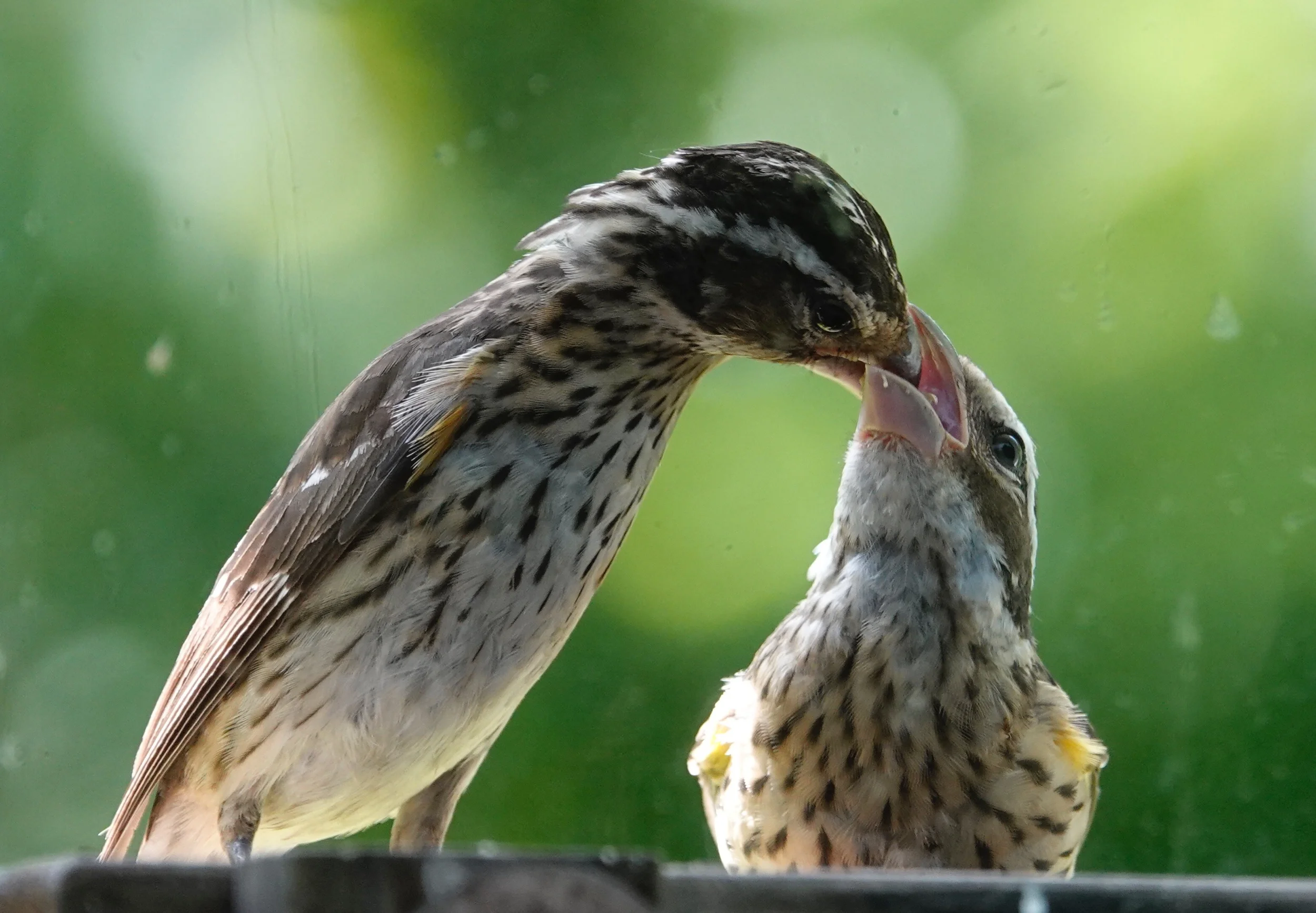
A mother Rose-breasted Grosbeak feeds her fledgling.
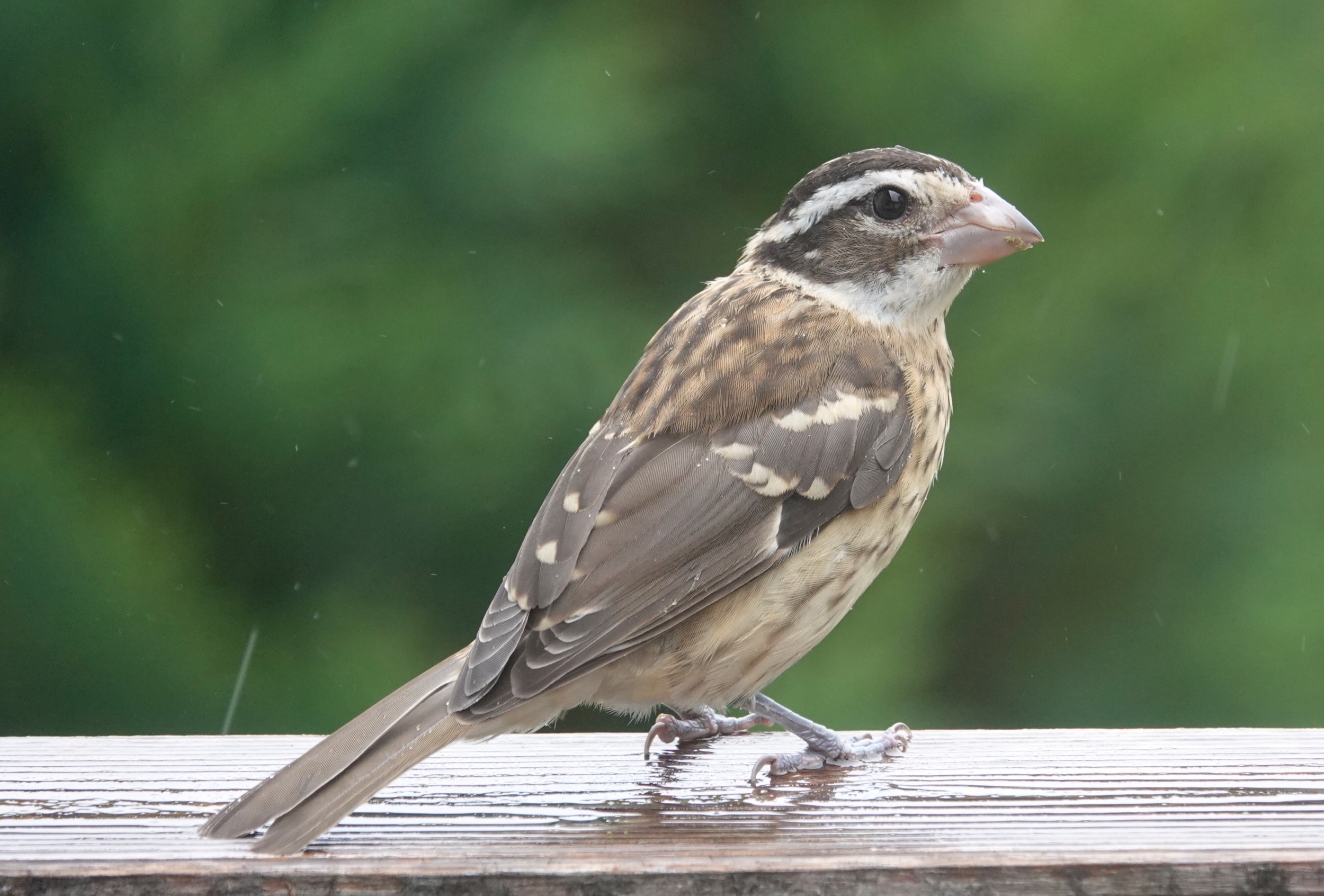
One of my favorites, a Rose-breasted Grosbeak
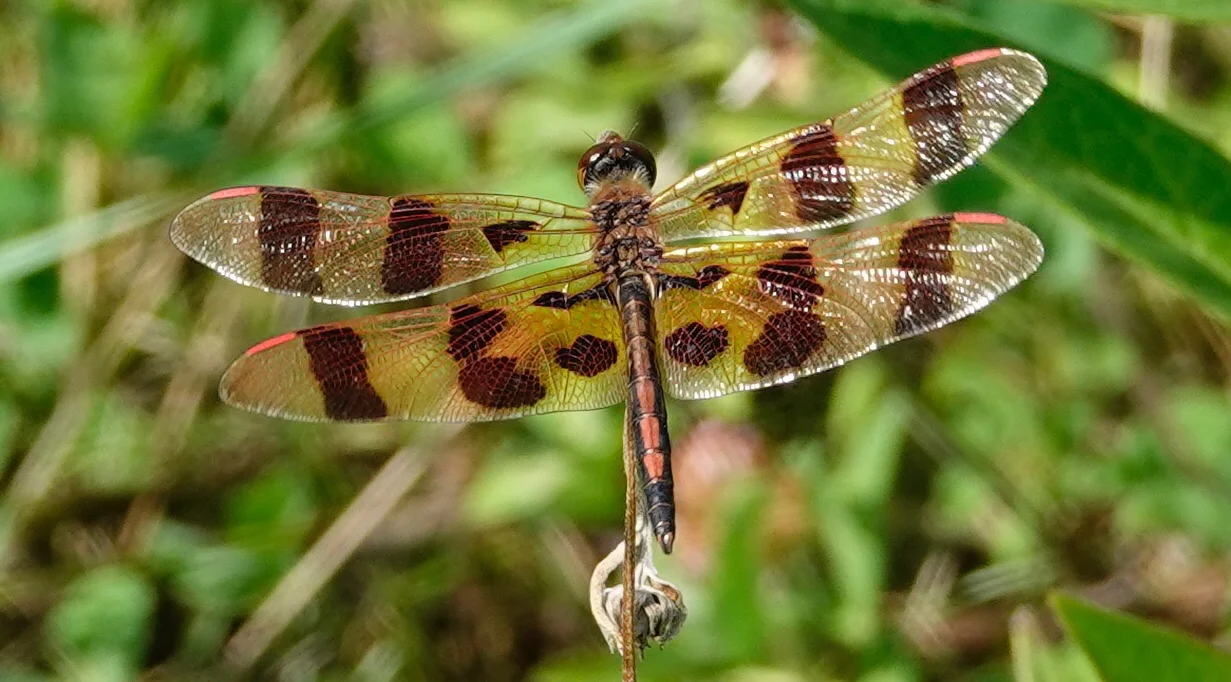
I love the look of the tinted wings on a Halloween Pennant dragonfly.

Life is good with gravy.
Al Batt: Cavity-free orioles: No scientific research suggests jelly harmful
Al Batt of Hartland is a member of the Albert Lea Audubon Society. Email him at SnoEowl@aol.com.
My neighbor Crandall stops by.
“How are you doing?” I ask.
“Everything is nearly copacetic. I’m known for my great ambition. That’s a hard thing to overcome. I’ve found a way to take more time off. I’m celebrating Canadian holidays, too. And I’m the chairman of a board where I schedule meetings when no one can attend. That gives me more time to find a rotary dial app for my cellphone and to eat. I’ve a five-second rule in my house. If I drop something on the floor, I can still eat it as long as I pick it up within five seconds. The problem is that I have a three-second dog.”
Naturally
A red-tailed hawk flew overhead low enough that I could see the prey item it carried was a vole. The vole is the “potato chip of the prairie” — a popular food for many animals.
Birdsong had diminished. It begins to do so in mid-July each year. There is little need for singing. I heard the angry calls of blue jays and crows. The presence of a raptor irritated them. I heard the shrill and excited “killy, killy, killy” call of an American kestrel. I looked up to see the tiny falcon kiting. Suddenly, a Cooper’s hawk was rousted from its hiding place. The kestrel dove and attacked the larger raptor.
It was hot, but not that hot. The hottest days in Minnesota history were 114° in July 1917 in Beardsley and in Moorhead in July 1936.
Large insects flew short distances ahead of me before landing on the ground. They were Carolina locusts, a kind of grasshopper, that make crackling sounds in flight. This is called a crepitation. Their grayish-brown color blends well with dry soils. Butterflies and dragonflies were rainbows on wings. Dragonflies and damselflies, fierce predators, feed upon mosquitoes, deer flies, black flies and other flying insects. The two predators operate each of their four wings independently allowing for nimble flights. Damselflies are more slender than dragonflies. At rest, damselflies fold their wings over their bodies, while dragonfly wings are held horizontally.
A painted lady butterfly is a thistle caterpillar all grown up. Al Batt/Albert Lea Tribune
Q&A
“Someone told me feeding jelly to orioles isn’t good for them. Is that true?” There has been no scientific research indicating jelly is harmful. I’ve put out grapes for the birds. They prefer grape jelly. There is no worry that an oriole’s teeth will get any cavities.
“How can I get rid of gnats in the house?” My wife adds three drops of dish soap to a bowl of vinegar and leaves it uncovered to lessen the number of fruit flies and gnats.
“Do warblers use cavities for nests?” Only two North American breeding warblers use a cavity nest: Prothonotary and Lucy’s.
“What are the caterpillars I see on thistles?” Painted lady butterflies lay eggs on the leaves of host plants including Canada thistle, sunflower and soybean. Caterpillars hatch and form webs by tying leaves together with silk, creating a protected area for them to feed. After two to four weeks, they form a chrysalis, which hangs from host plants. The butterfly emerges in 7 to 10 days.
“Is the nighthawk a hawk?” The common nighthawk is a member of the taxonomic order, Caprimulgiformes (goatsuckers). These birds were named goatsuckers for the mistaken belief that they sucked milk from goats. Common nighthawks are crepuscular, hunting on the wing at dawn and dusk, opening beaks to reveal cavernous mouths that take flying insects from the air. It’s called a nighthawk because of the way it hawks insects. The “night” part of their name isn’t truly descriptive as they don’t regularly forage at night, but I see them hunting on moonlit nights. They occasionally forage during the day during stormy weather.
Things to look for
1. American goldfinches begin nesting. They wait until thistles and other plants go to seed. You should start seeing the baby goldfinches in August.
2. Ragweed sheds pollen and white snakeroot blooms.
3. Snowy tree crickets make sleigh bell-like sounds in evenings. They are known as nature’s thermometer because the rate of their chirping correlates with the temperature. The formula is to count the number of chirps in 13 seconds and add 40 to find the temperature in degrees Fahrenheit.
4. Common grackles and red-winged blackbirds form into large flocks.
5. Purple martins begin a migration to South America.
6. Japanese beetle adults skeletonize the leaves of over 300 plant species. They’re most active in July and August (sometimes late June). They were first found in Minnesota in 1968.
7. Firefly numbers lessen.
8. Henderson Hummingbird Hurrah on from 9 a.m. to 4 p.m. August 17. See you there.
Thanks for stopping by
“Argue for your limitations, and sure enough they’re yours.” — Richard Bach
“A bird has a left wing and a bird has a right wing, yet it’s able to fly effectively as long as both wings work well together.” — Al Batt
Do good.
(C) Al Batt 2019

It can be difficult to find a lone Japenese beetle. Al Batt/Albert Lea Tribune

Seen at the SPAM Museum in Austin, Minnesota.

Seen at the SPAM Museum in Austin, Minnesota.

Good advice from a door.

Bat houses at the Hormel Nature Center in Austin, Minnesota.

A skeleton of a leaf.
Al Batt: Cooper’s hawks rarely reuse nests, but will nest in the same area
Al Batt of Hartland is a member of the Albert Lea Audubon Society. Email him at SnoEowl@aol.com.
My neighbor Crandall stops by.
“How are you doing?” I ask.
“Everything is nearly copacetic. I’m making a list of reasons why I should be happy to be a year older.”
“What do have so far?” I say.
“All I have is that I should be happy to be younger than I look.”
Naturally
I staggered outside to begin my early morning walk. I was full of wonder and the spirit of adventure. I was greeted with the most spectacular view I’d seen since the day before. It was such a nice day, I wished summer had 1,000 days like it. Each day is fragile and fleeting, but a few more days of its caliber and a fellow could be deluded into believing the world had achieved perfection. Such thinking is an ancient and honorable tradition.
A sulphur butterfly landed on me. That brought good luck, I hoped. Butterflies and fireflies are people pleasers. Paul Peters of Ceylon heard the first cicada the third week of July. Late this year.
The neighbor’s rooster crowed as no politician or pundit could. Bee balm or wild bergamot Monarda, a native plant, bloomed. It’s attractive to bees and butterflies. It smells a bit like Earl Grey tea, but don’t hold that against it. Mints bloomed on square stems.
Each day, I’m amazed by my perpetual incompetence as a human being. I narrated a tour on the Pelican Breeze cruising on Albert Lea Lake. The boat overflowed with fine folks. I pointed out catalpa, bur oak and basswood trees. A nice fellow asked what another name for a basswood was. I had a brain cramp. I knew the name, but couldn’t think of it. I was a loser in my own personal game of Jeopardy. Aaarrrggghhh! Nouns can be ephemeral. It’s the American linden. They grow from the Iowa border north to the Canadian border in Minnesota. Basswood leaves are easy to recognize. They are large and heart-shaped, 4 to 6 inches long. They are dark green above and light green below, and edged with coarse teeth. In June, when it comes into bloom, the trees are loaded with clusters of fragrant, creamy-white flowers that perfume an area and attract pollinators. It’s an excellent source of honey. I remembered everything but its name. We’re directed to be humble. How can we be anything else?
Things to look for
1. Ponds covered with duckweed, which is a tiny, flowering plant.
2. Barn swallows gather on utility wires. They are the swallows with swallow tails.
3. Goldenrods, purple loosestrife, asters, Joe-pye weed and Jerusalem artichoke bloom.
4. Common nighthawks migrate overhead, appearing to have holes in their angled wings.
5. The gray, silken tents of fall webworms form in hardwood trees. They feed on leaves.
Q&A
“Why do I see so many crows and vultures in fields of mowed hay?” American crows and turkey vultures are there for the food. They eat animals that didn’t survive the mowing. The crows also gobble up voles, mice and large insects that had limited cover. I see American kestrels also feeding on those fields. I once had the company of a red-tailed hawk that followed me when I was on a tractor because it knew that iron horse chased up prey.
“Each year there are Cooper’s hawks that nest near my home. This year, I haven’t heard or seen one. Any ideas as to why?” A study done at Southern Illinois University (Rachel M. Ehrlich and Lee M. Drickamer, 1993) found that Cooper’s hawks rarely reuse a nest, but frequently nest in the same area for several years. An interesting finding in this study was that the constant harassment of the hawks by blue jays limited the nesting choices of the accipiters. Mobbing rules! Something could have happened to the hawks or the nest tree. The young ones become quieter once they have fledged after being noisy in the nest. I watched a nest in a tall tree in New Richland. The next year, that tree had no nest. Accipiters nested several blocks away. I can’t be sure they were the same hawks, but it’d be an easy move without involving Mayflower or U-Haul.
Henderson Hummingbird Hurrah
Birds, bees, butterflies, blooms, gardens and hummingbird banding in handsome Henderson, Minnesota, on Saturday, August 17, from 9 to 4. I’ll see you there.
Thanks for stopping by
“If future generations are to remember us with gratitude rather than contempt, we must leave them more than the miracles of technology. We must leave them a glimpse of the world as it was in the beginning, not just after we got through with it.” — President Lyndon B. Johnson
“The best people possess a feeling for beauty, the courage to take risks, the discipline to tell the truth, the capacity for sacrifice. Ironically, their virtues make them vulnerable; they are often wounded, sometimes destroyed.” — Ernest Hemingway
Do good.
(C) Al Batt
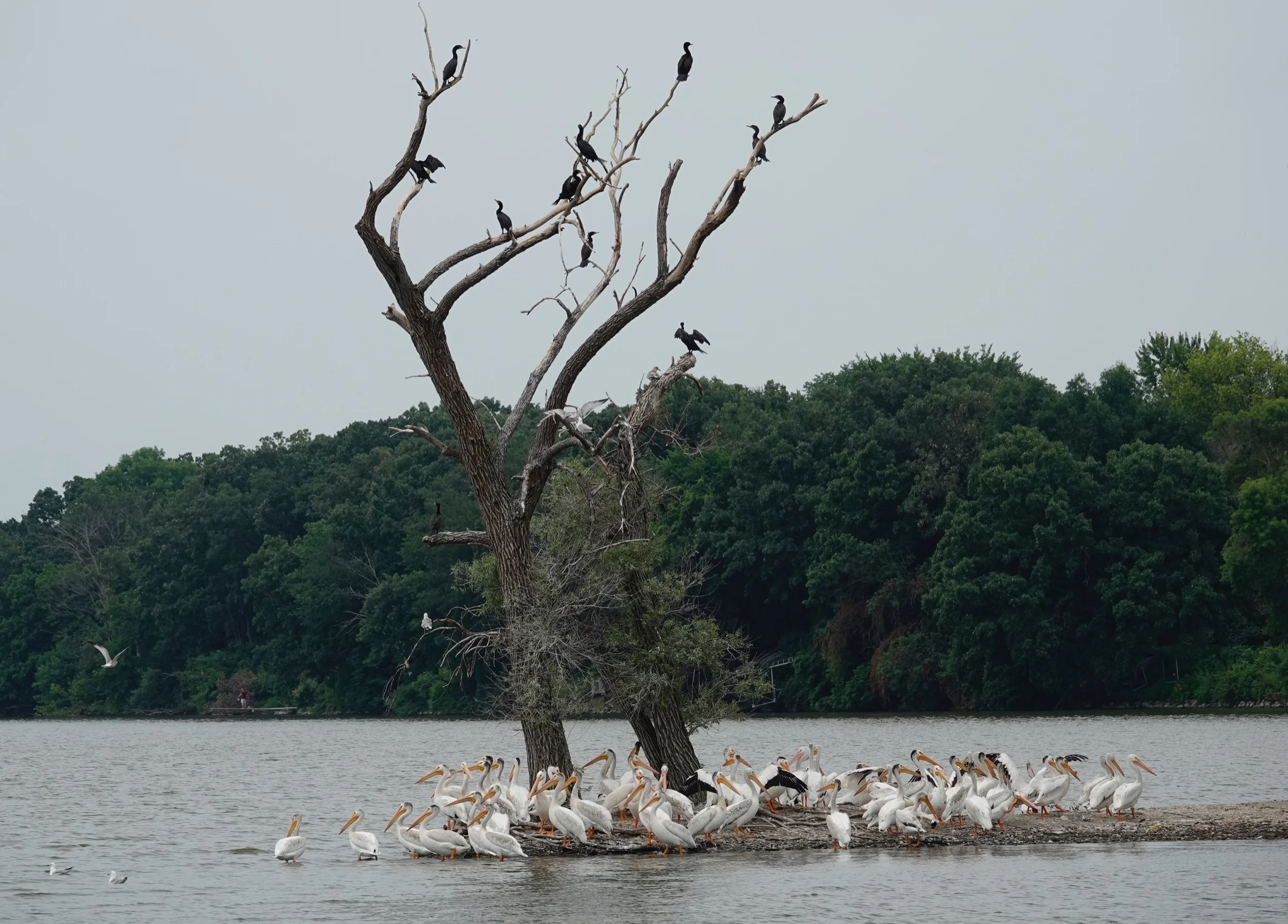
Some of these American White Pelicans have developed black feathers on the back of their heads.
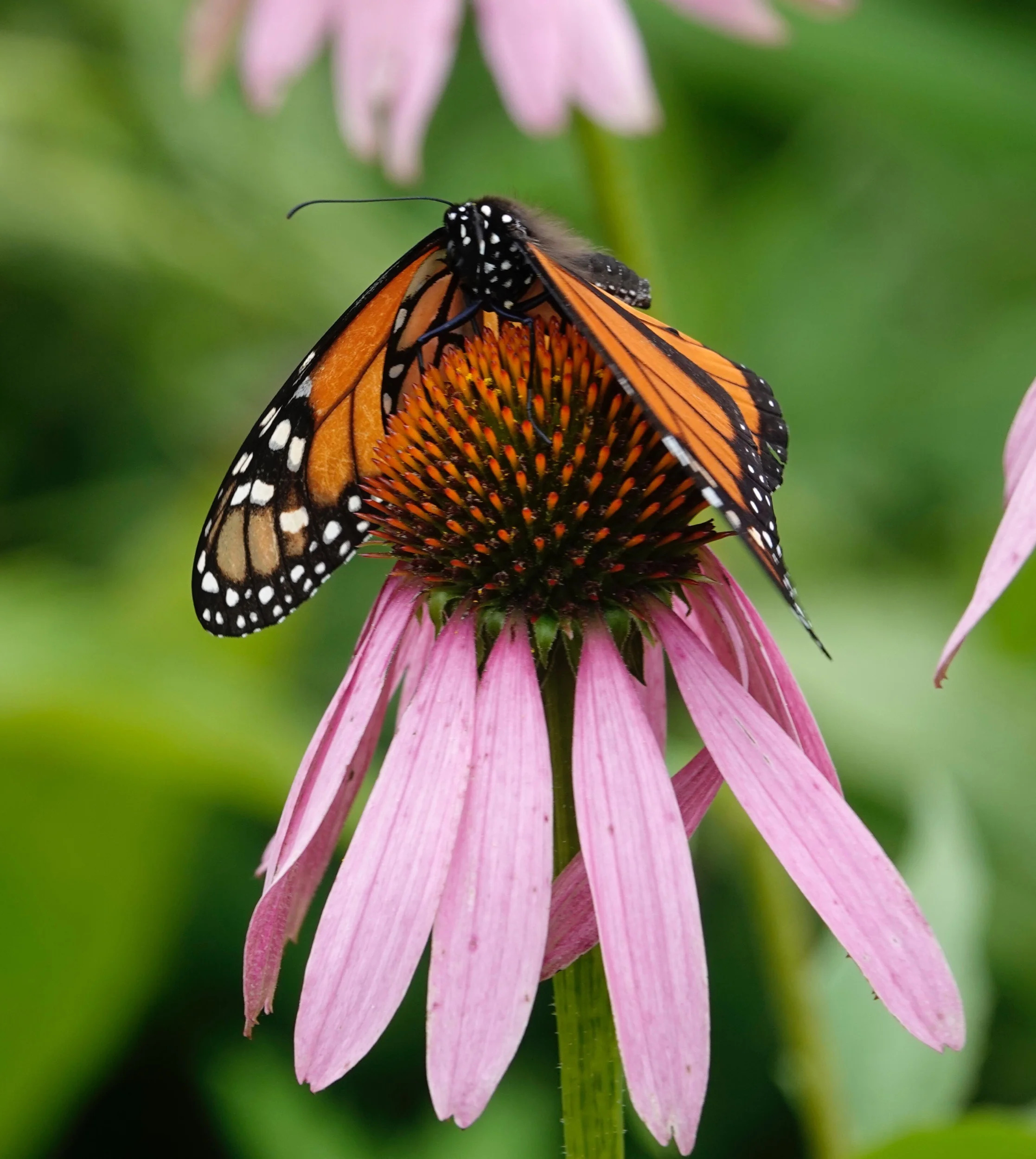
A monarch butterfly hangs on in the wind.
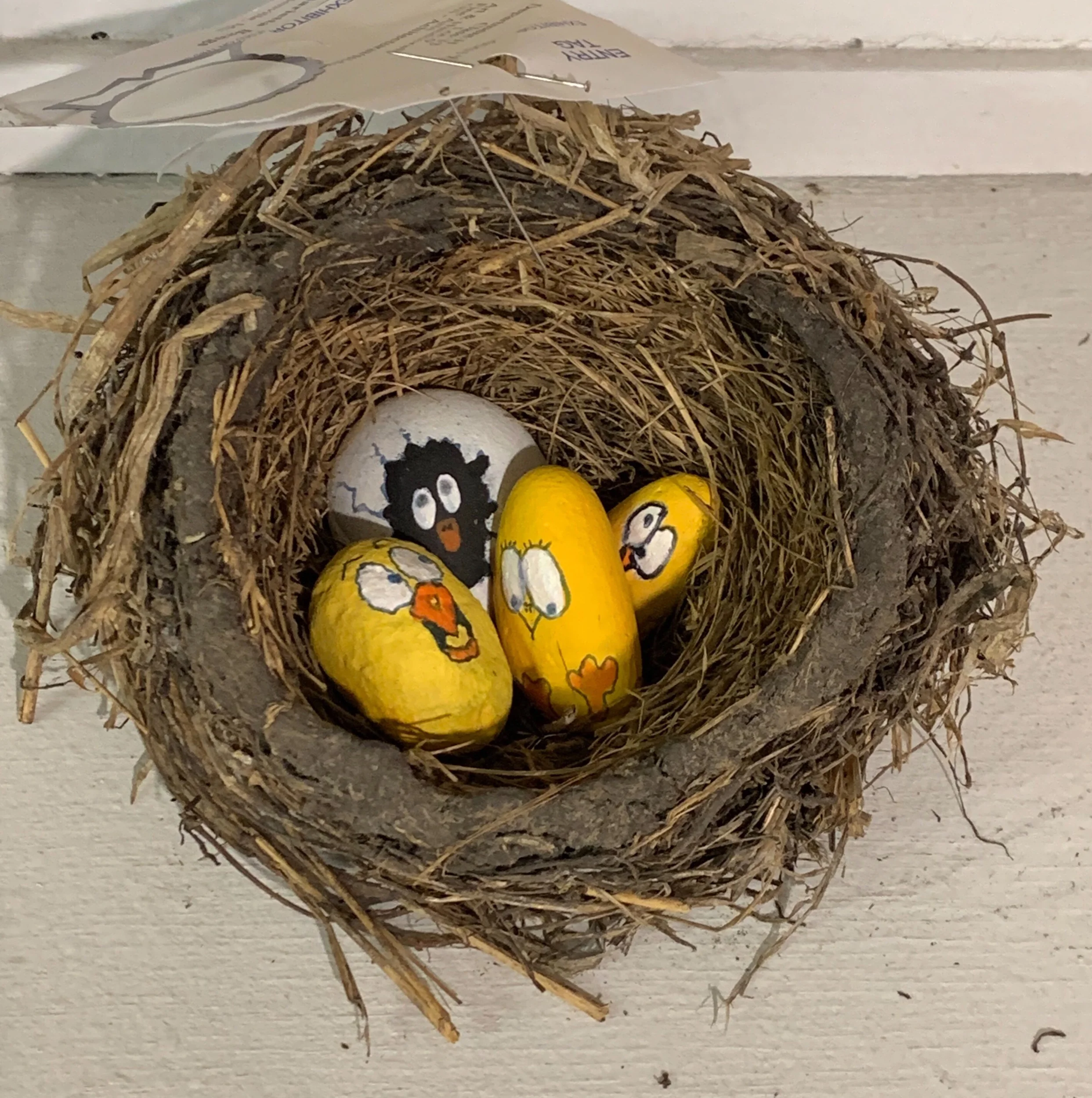
An odd bird nest seen at the Freeborn County
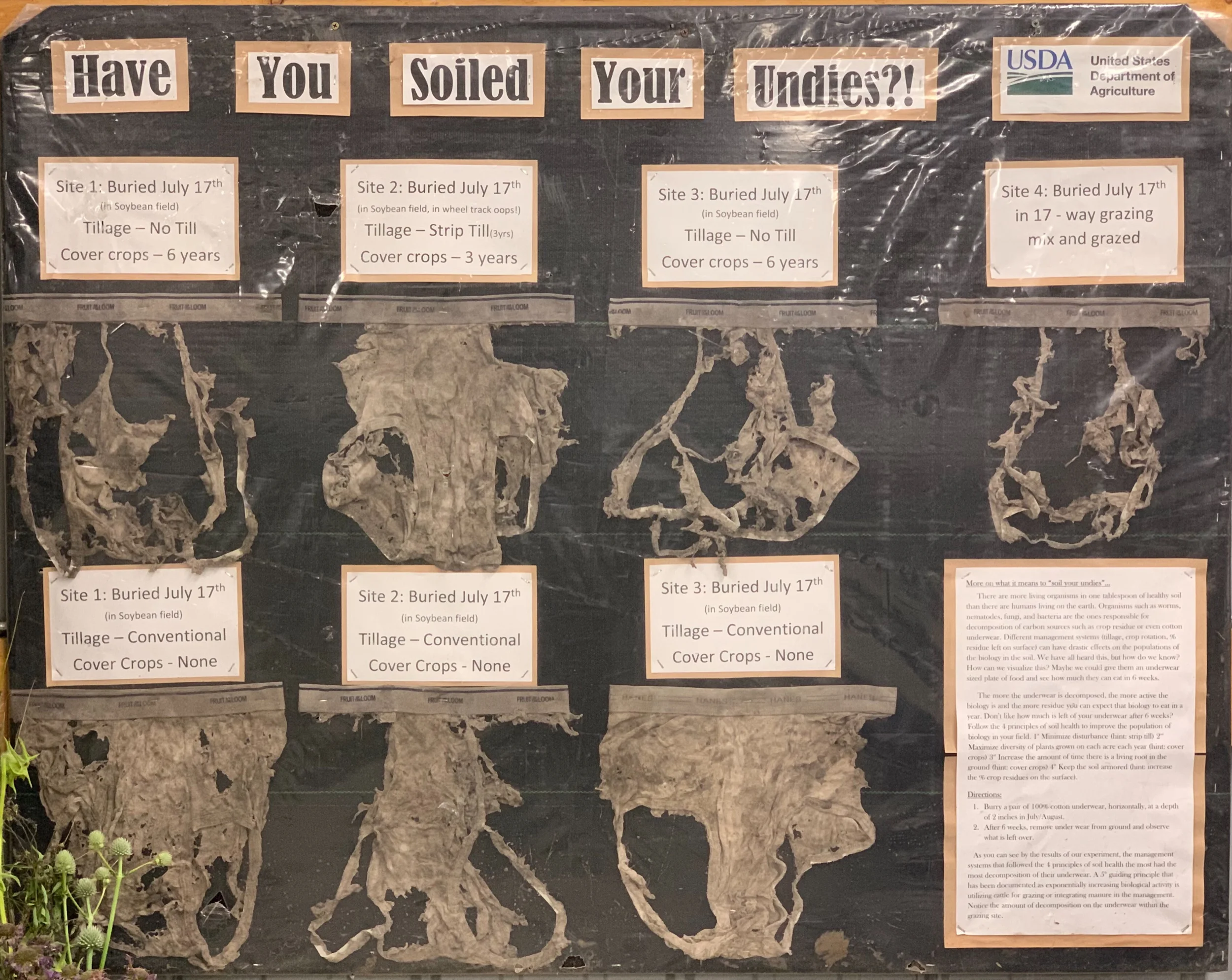
Buried underwear.
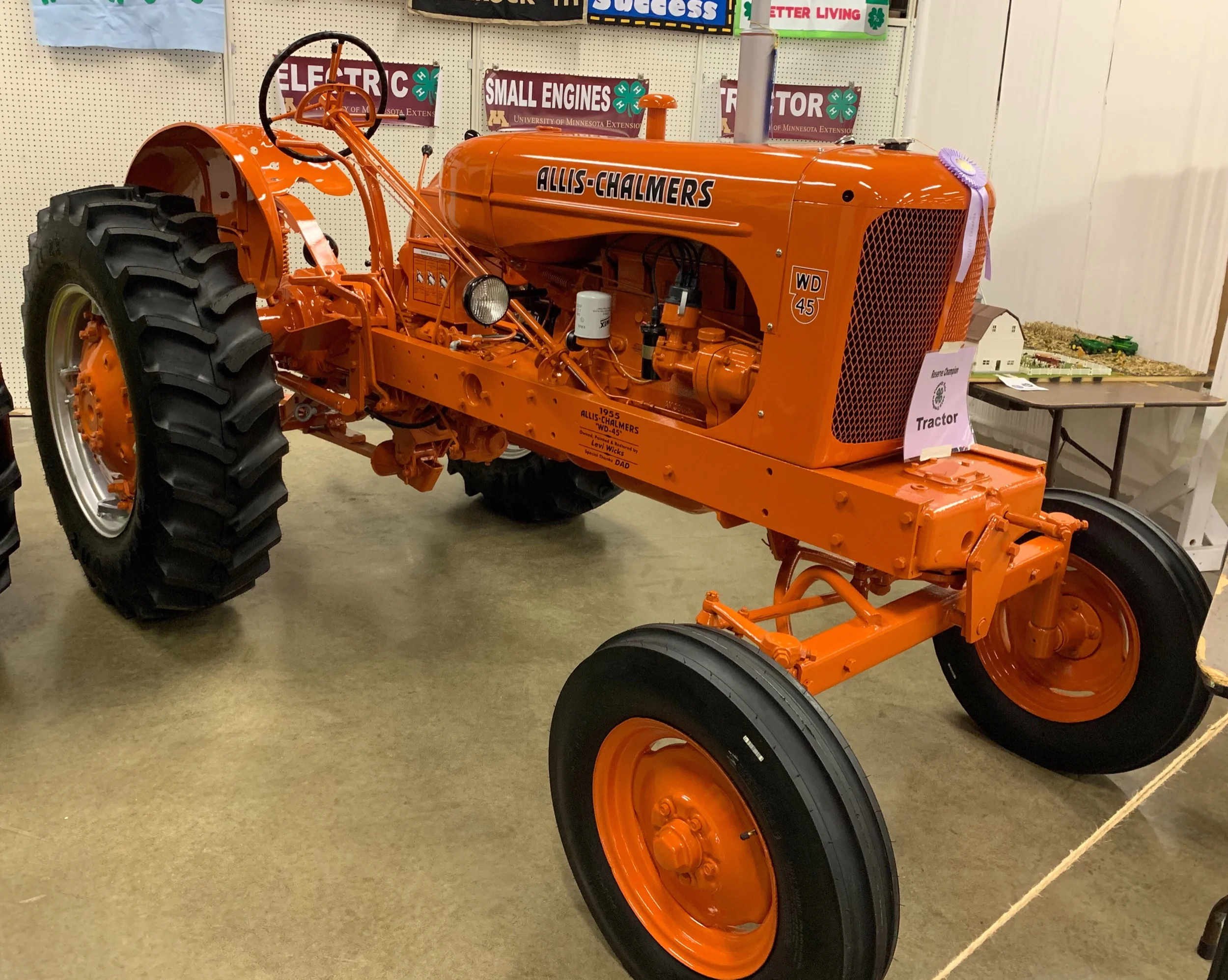
Everyone should have a favorite tractor.
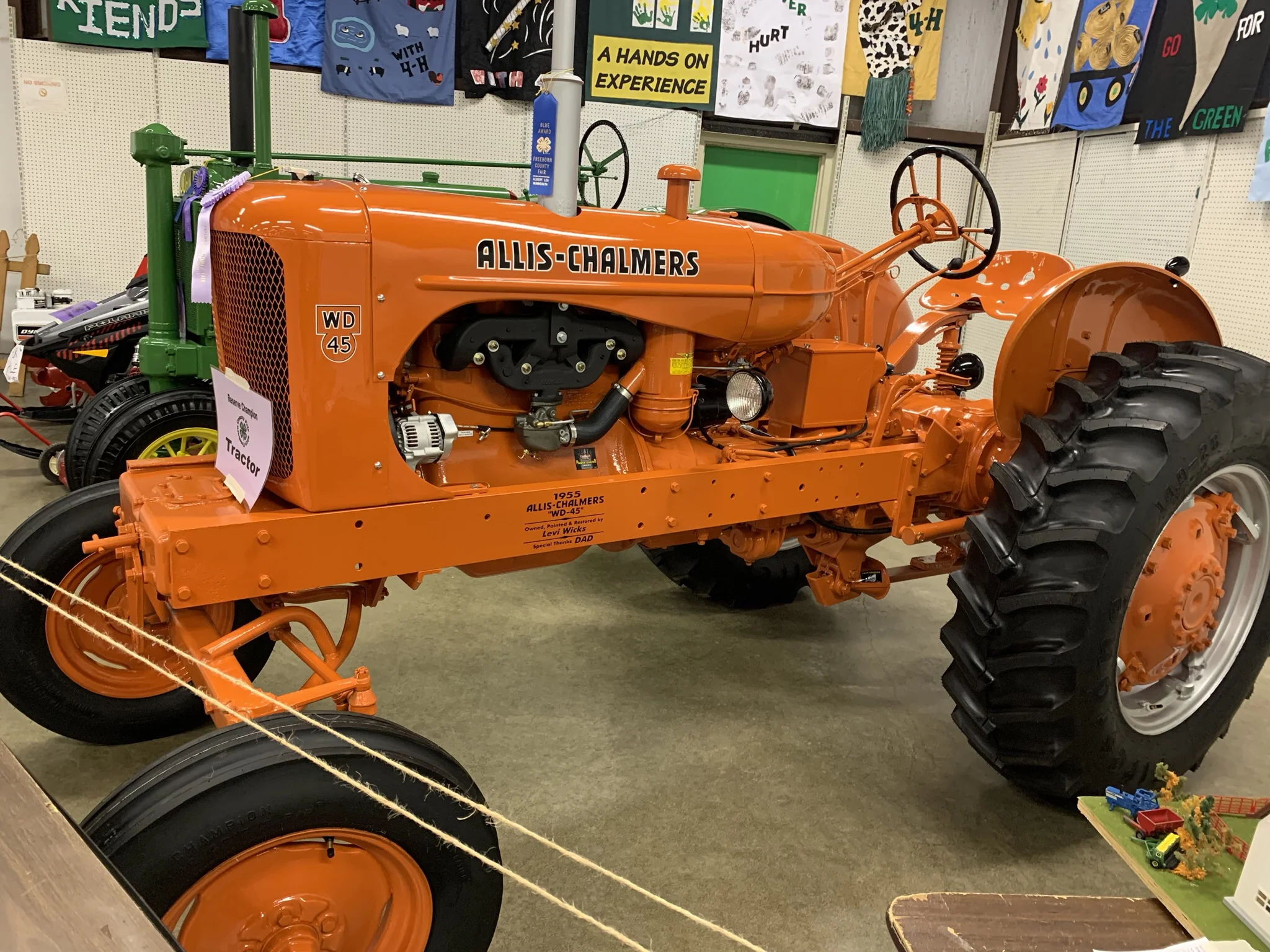
Everyone should have a favorite tractor.
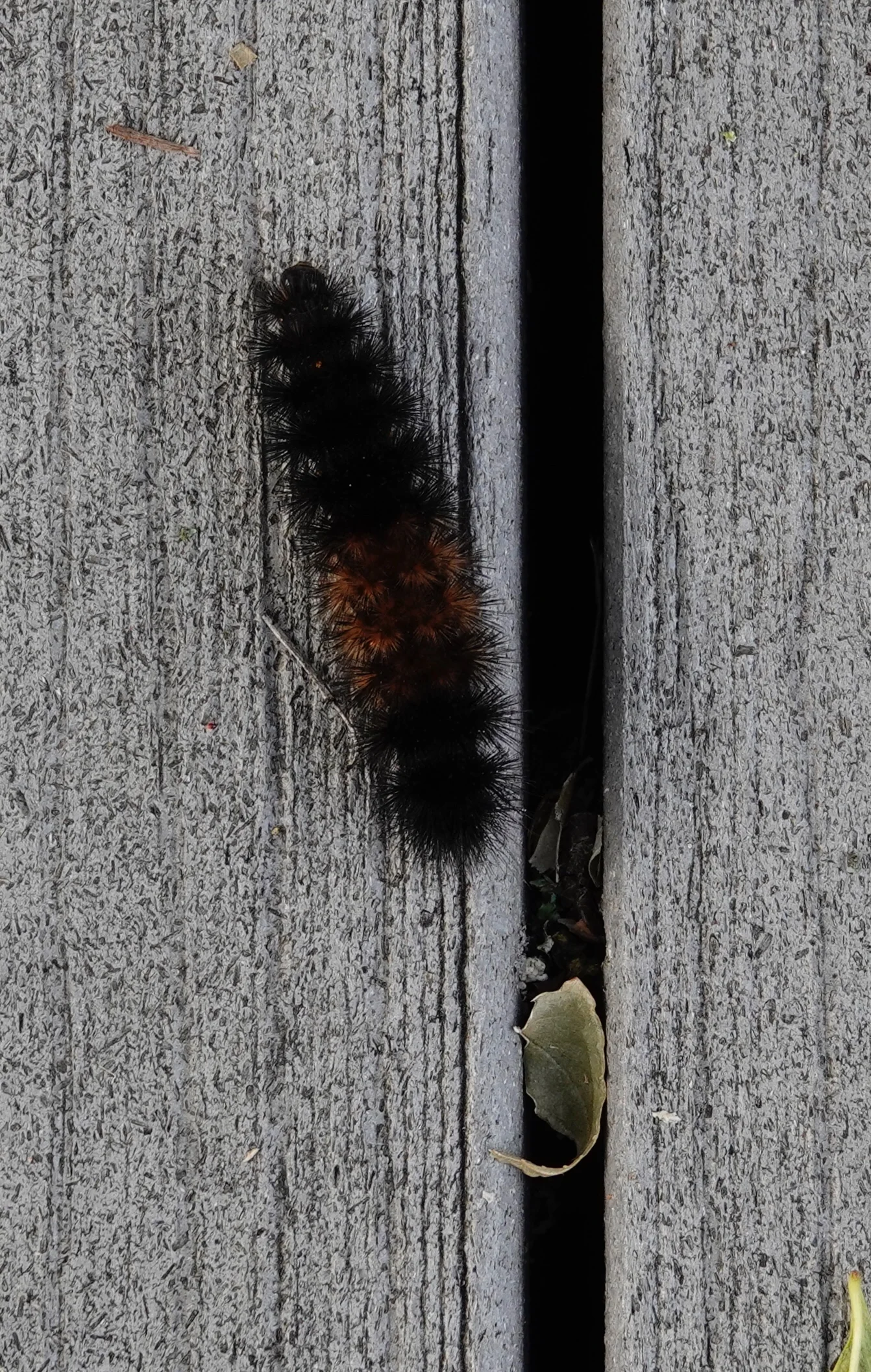
This woolly bear caterpillar was unwilling to make any weather forecasts.
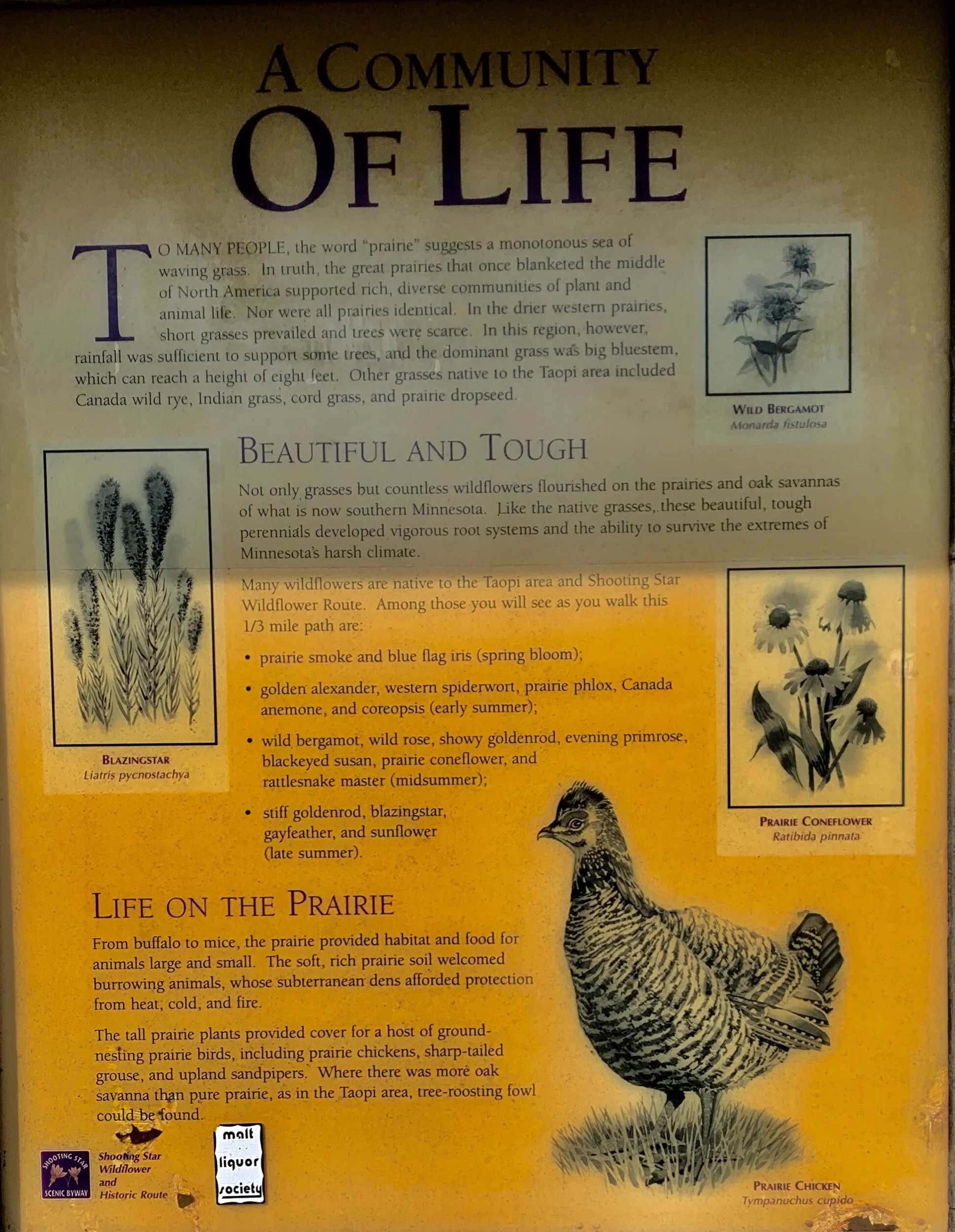
In Taopi, Minnesota. Taopi’s population is just enough.
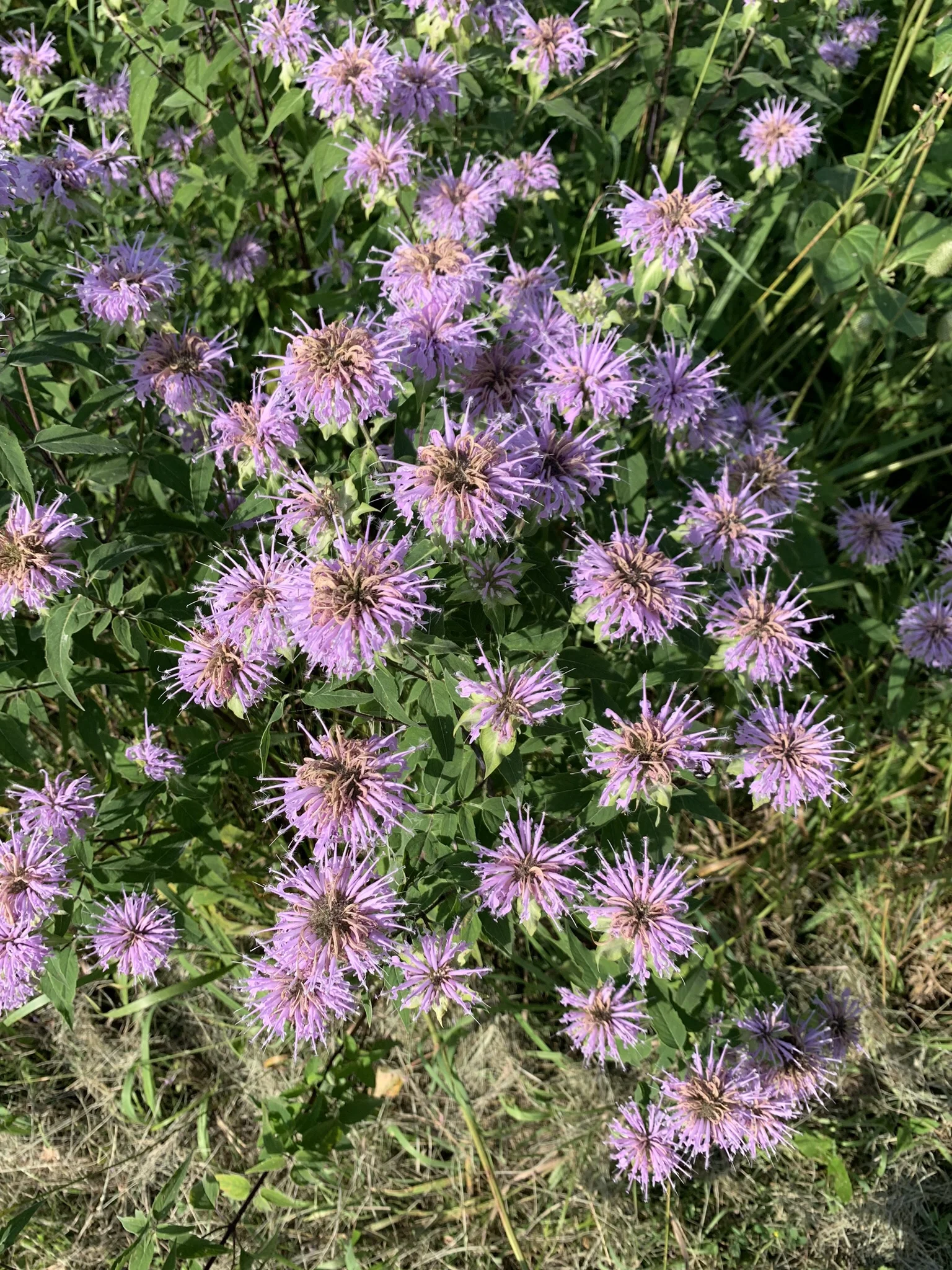
A bouquet of wild bergamot. It smells like Earl Grey tea, but I don’t hold that against it.

The painted lady varies in abundance from year to year in Minnesota. The more the merrier.

The painted lady varies in abundance from year to year in Minnesota. The more the merrier.

Male red admiral butterflies are said to defend territories in sunny edges and clearings.

Blue Jays love goober peas.

A female Rose-breasted Grosbeak is a striking bird. Both male and female of this species are lovely singers.

I’m hoping this baby American Toad grows up to be a prodigious eater of slugs.

A Rose-breasted Grosbeak male has the magic to turn a normal person into a birder.
Book about national emblem to benefit eagle center in Wabasha
Al Batt of Hartland is a member of the Albert Lea Audubon Society. Email him at SnoEowl@aol.com.
My neighbor Crandall stops by.
“How are you doing?” I ask.
“Everything is nearly copacetic. The local college
just announced the results of a scientific study it had performed. Their research found that out of 2,293,618,367 people, 94% are too lazy to actually read that number.”
Naturally
I walked while having a heated argument with the temperature and inciting conflict with biting insects. An unseen skunk held me smellbound.
I watched soaring turkey vultures. A vulture’s heart rate when soaring is about the same as it is when the bird is sleeping. A half-dozen blackbirds hammered upon a Cooper’s hawk. There was no movie on that flight.
Earwigs star in folklore claiming they will crawl into your ear and lay eggs. They don’t. Earwigs eat pests like aphids, mites and nematodes. They will chew on ornamental and vegetable plants, particularly dahlias, zinnias, hollyhocks, lettuce, strawberries, potatoes, roses, beans, beets and the silk of sweet corn. They are preyed upon by tachinid flies, centipedes, toads and some birds.
‘American Eagle: A Visual History of Our National Emblem’
Preston Cook of Wabasha donated over 25,000 items, depicting eagles in culture, politics and history, from his collection to the National Eagle Center in Wabasha. How does one get started in collecting things portraying eagles, which have been used to advertise everything from mattresses, underwear, cornflakes and embalming fluid? Preston saw a movie, “A Thousand Clowns,” in which Murray Burns, played by Jason Robards, said, “You can never have too many eagles.”
Preston took that as a challenge. All proceeds from the sales of Preston’s book, “American Eagle: A Visual History of Our National Emblem,” will be donated to the National Eagle Center.
Q&A
“Do lightning bugs continue to flash when a thunderstorm is producing lightning?” They do, fireflies don’t fear flashy competition.
Maren Ring of Albert Lea asked if catbirds mate for life. They are essentially monogamous during the breeding season, but pair bonds don’t necessarily persist from one year to the next.
“What would puncture eggs in a nest?” There are many suspects: house wren, brown-headed cowbird, house sparrow, red-headed woodpecker, gray catbird and others. There are many animals that eat bird eggs: crows, jays, magpies, grackles, squirrels, humans, snakes, raccoons, weasels, deer, skunks, cats and those dreaded others once again.
Norm Fredin of Albert Lea asked about the nesting habits of house wrens. When it comes time to nest, wrens search out cavities. If you hang several nest boxes, a male will prepare a number of potential nests for a female’s consideration, stuffing available cavities with twigs. She chooses one and finishes the nest herself, a cup-shaped depression built atop the twigs, lined with softer material including fine grasses, hair, moss or bits of string and debris. The female lays 3-10 eggs and she alone incubates them. The young hatch in 9-16 days and fledge in 15-17 days. They often have two broods.
Gordy Toenges of Alden asked why we have more vultures than in the past. Edward Abbey wrote of the turkey vulture, “Let us praise the noble turkey vulture: no one envies him; he harms nobody; and he contemplates our little world from a most serene and noble height.” Abbey also penned, “If my decomposing carcass nourishes the roots of a juniper tree or the wings of a vulture — that is immortality enough for me. And as much as anyone deserves.” A friend, Bob Janssen, has visited 1,836 cities, towns and villages in Minnesota while birding and has counted at least 225 bird species in all of Minnesota’s 87 counties. His favorite bird is the turkey vulture. Mary Oliver wrote, “Like large dark lazy butterflies they sweep over the glades looking for death, to eat it, to make it vanish, to make of it the miracle: resurrection.”
Several accounts from the late 1800s indicated vultures were locally abundant throughout many parts of Minnesota. T.S. Roberts, a physician known for his ornithological work, wrote this about the turkey vulture in 1932, “was formerly more common in Minnesota” and “still to be seen in fair numbers throughout the state.” Increases in human settlement, expanded agriculture, human disturbance and human persecution all likely contributed to this decline. Turkey vultures are seen in every county in Minnesota. The growth in its range and population is attributed to expanded road miles, increased deer populations, openings created by logging activity and warming temperatures. These changes facilitated movement, provided a steady supply of carrion for food and increased survival of vultures.
“How many pines are there in Minnesota?” The native pines are eastern white pine, jack pine, red pine (Norway pine) and porcupine.
Thanks
for stopping by
“Vision is the art of seeing what is invisible to others.” — Jonathan Swift
“There are no persons capable of stooping so low as those who desire to rise in the world.” — Lady Marguerite Blessington
Do good.
(C) Al Batt 2019

A red-winged blackbird is a feisty fellow, more than willing to attack a larger bird. This one was taking a lunch break from being feisty. Al Batt/Albert Lea Tribune

This Tree Swallow egg, discolored, didn’t hatch. It’s a lovely nest thanks to donations from the neighbor’s chickens.

Samaras, seeds of maples, are nicknamed helicopters, whirlybirds, twisters or whirligigs.

A young Baltimore Oriole discovers a jam mine.

A young Baltimore Oriole discovers a jam mine.

The lawn is happy hunting grounds for grass spiders.

I’m told the world is getting smaller, but it was quite small back in the day as this photo proves.
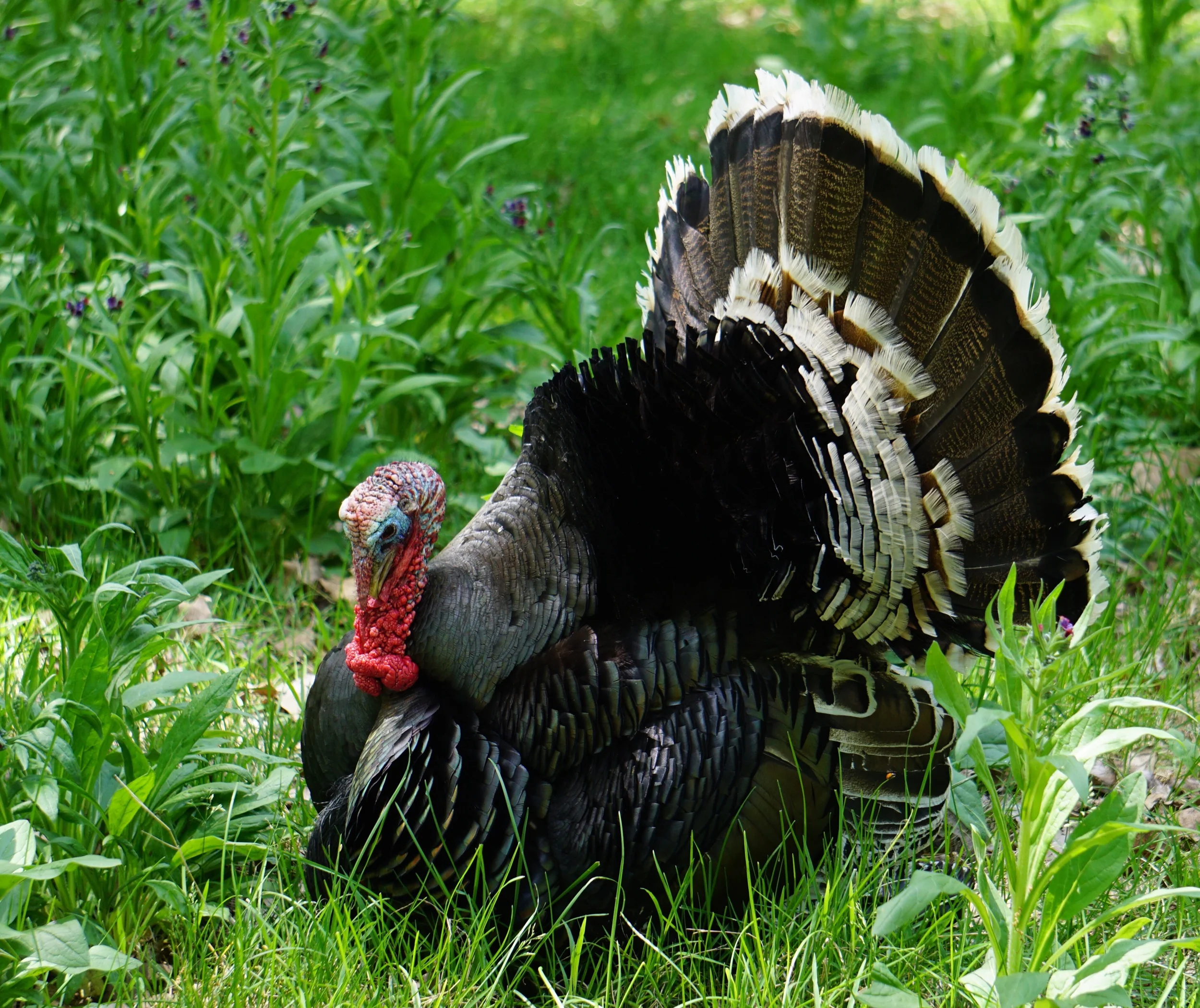
His name is Tom.

Having a long tail can be a drag.

The catbird is having a good day. Therefore, so am I.
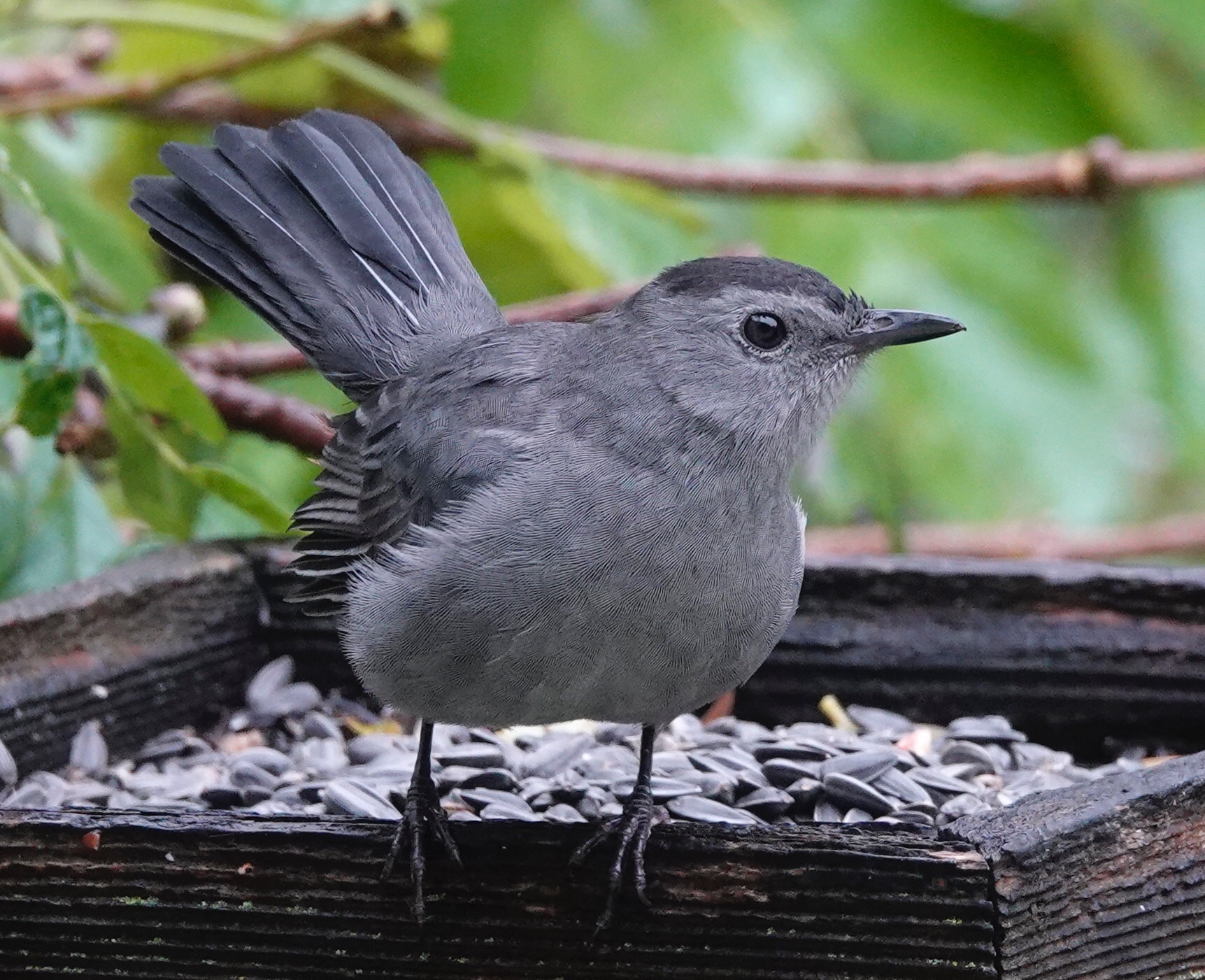
The catbird is having a good day. Therefore, so am I.

Proper posing by a Great Egret.

A great Great Egret.

Is a group of rose-breasted grosbeaks known as a gross?

There have been no Song Sparrows singing in my yard this year. I don’t recall that ever being the case before during my long history of springs and summers. I miss their uplifting songs. My garden struggles without their company.
This year’s breeding bird survey tallies many red-winged blackbirds
My neighbor Crandall stops by.
“How are you doing?” I ask.
“Everything is nearly copacetic. I’ve been helping Pop in his shop. Pop puts a tiny wood stove in each of the wren houses he builds so the birds won’t have to fly south. He hasn’t moved to the digital world. He thinks Wikipedia has two wheels, but he loves books. Pop starts reading a book in the middle so he not only wonders how the book ends, he wonders how it began. I had to take a nap after an exhausting game of dominoes with him. I’m still tired from breathing all day, but I’ve started untangling the lights so they’ll be ready for Christmas.”
Naturally
I couldn’t sleep long enough to allow the fog to lift. I’d like to have missed the mist. I did a Breeding Bird Survey. The car filled with mosquitoes, but I didn’t count them. I counted birds. Toads trilled, cows mooed, green frogs plunked and chorus frogs sounded like a thumbnail being run down the teeth of a comb. I stopped at the same spots in Freeborn, Mower and Steele counties that I’ve been stopping at for years and counted all the birds I’m able to see or hear in three minutes. I listened to sedge wrens both sedging and wrenning. Many birds carrying hyphens still found the strength to sing. There were many crowing roosters — both pheasants and domestic chickens. I saw a few sandhill cranes and more red-headed woodpeckers than that. I saw the perfect murder — of crows. I counted 53 species compared to 56 last year. I spotted more red-winged blackbirds than any other bird, followed by common grackles and European starlings. Red-wings were seen at the most stops followed by American robins and grackles. Red-winged males began singing in March and are still singing in July. A pickup pulled up to my motionless vehicle at 5:45 a.m. and asked if everything was OK. It was darn near perfect.
We had to battle severe roadwork, but a friend, Preston Cook of Wabasha, and I found a place to sit and talk while enjoying caffeine in cups. Preston is the author of a wonderful book titled, “American Eagle: A Visual History of Our National Emblem.” It’s a terrific book if you like eagles. It’s a terrific book if you don’t like eagles.
Back at home, I watched a catbird eat raspberries. Inspired, I picked black caps and found them delicious. The catbird scolded me. A tree swallow’s eyes peeked out at me from her nest box. There was little doubt that I was happier to see her than she was to see me. She’s a good neighbor who hasn’t swallowed a single tree in my yard. A house wren chattered severely at me. The intensity increased as I neared its nest. The tiny bird sounded like a Geiger counter.
There is an eastern cottontail rabbit, a lawn bunny, that follows me around the yard. I don’t feed it and we’ve never been properly introduced. Perhaps our paths cross coincidentally. As I watched the bunny eat a dandelion with great gusto, I was reminded that what is a weed to someone is feed to another. It’s been an odd summer. I hear no song sparrows singing in the yard. I don’t recall that ever being the case before.
Q&A
Gene Amley of New Richland asked why he isn’t seeing any orioles. When Baltimore orioles arrive in the spring, they’re hungry after a long migration and take advantage of food offerings at feeders. When they’re nesting and feeding young, their diet shifts more to protein-rich insects. The adults often bring their fledglings to the feeders.
“How does a mosquito find me so quickly?” A mosquito can detect sweat and carbon dioxide. And they can find you on the internet.
“Why does a deer’s coat change color?” A deer’s coat provides thermoregulation and camouflage. Summer coats are reddish and thin, allowing deer to cope with heat stress. Hormonal changes turn that coat into a two-layered, faded gray or brown. The outer guard hairs on a winter coat are hollow and stiff. The inner layer is soft and dense, equipping the animal with insulation. Coat color tends to be darker in forested areas and lighter in agricultural lands.
“What kind of woodpecker is Woody the Woodpecker?” An animated one. Walter Lantz, Woody’s creator, was inspired by an acorn woodpecker, but Woody appears to have been modeled after a pileated woodpecker. A pileated is more refined that Woody. Pileated means capped, referring to the crest of a woodpecker.
Thanks for stopping by
“If ant hills are high in July, the coming winter will be hard.” — Proverb
“Progress is man’s ability to complicate simplicity.” — Thor Heyerdahl
“To live is so startling it leaves little time for anything else.” — Emily Dickinson
Do good.
© Al Batt 2019

The Baltimore oriole shares the heraldic colors of the coat of arms of Lord Baltimore. Al Batt/Albert Lea Tribune

At the Farm & City Days car show in New Richland, Minnesota, a Gremlin has become a respected elder.

At the Farm & City Days car show in New Richland, Minnesota, a Gremlin has become a respected elder.

This white stork in Hungary delivered its own babies.

Just the thing for when you have company.

A seat of learning at the Herbert Hoover National Historic Site in Iowa.
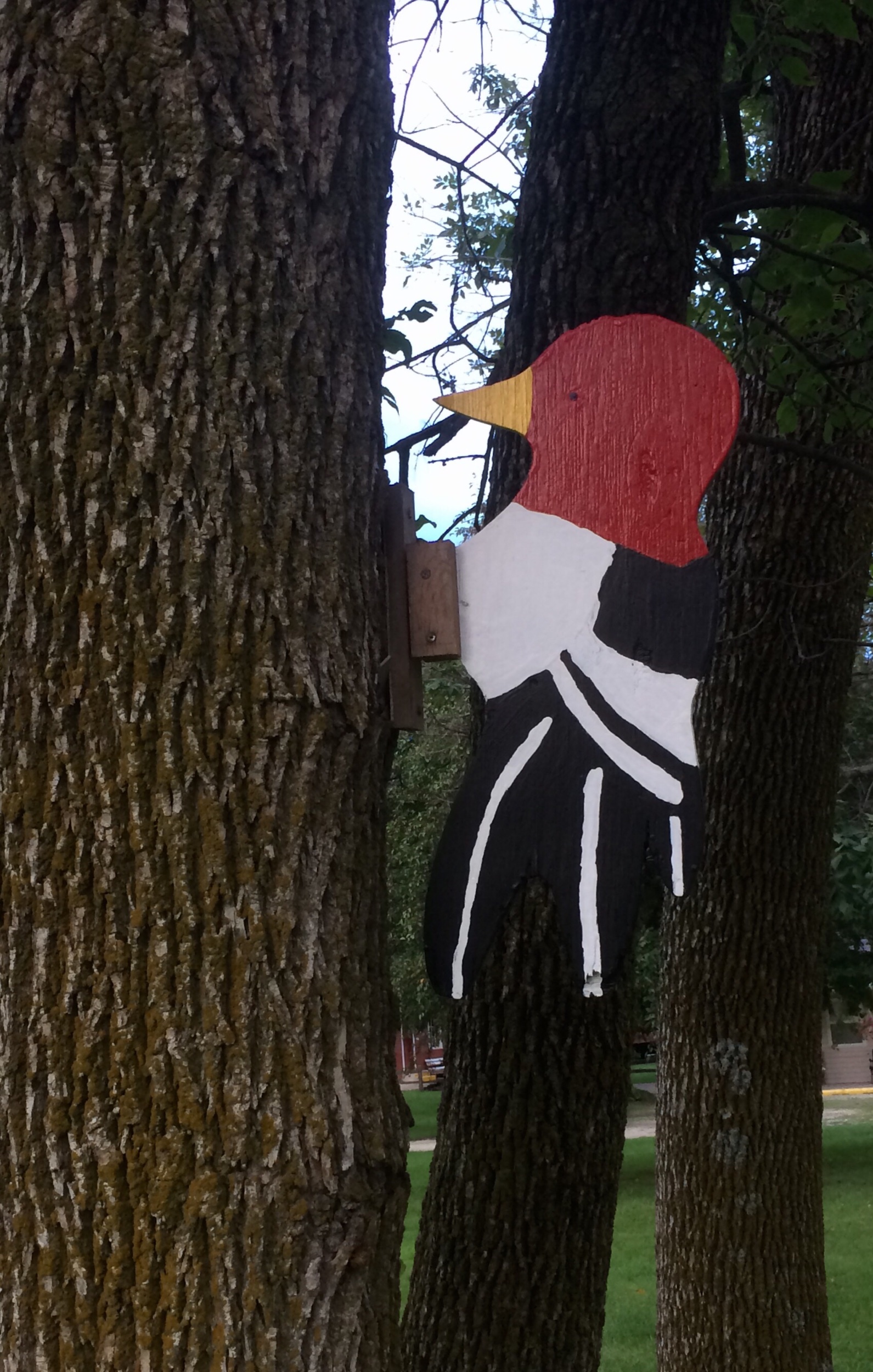
Letting Red-headed Woodpeckers know they are welcome.

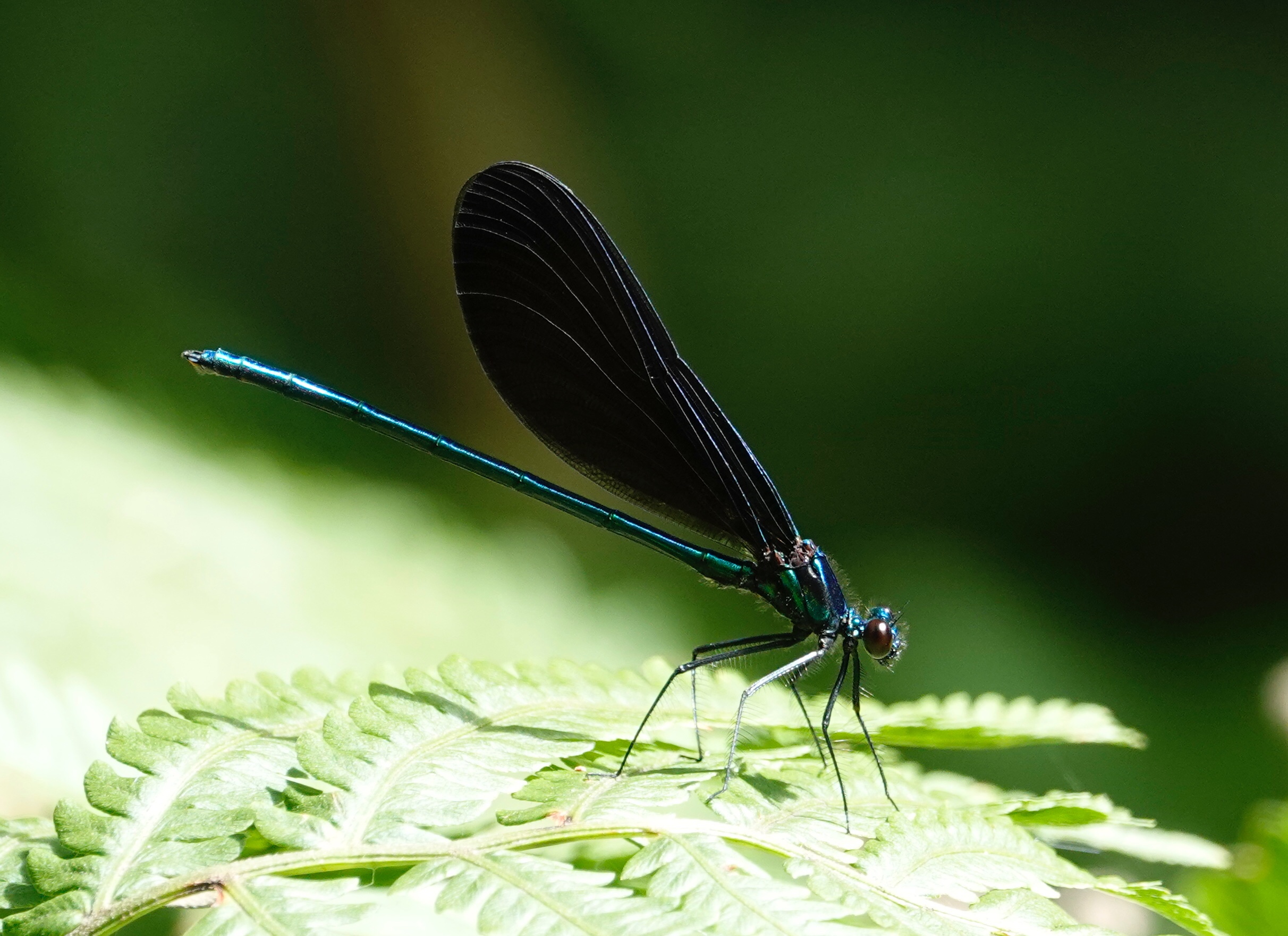
The Ebony Jewelwing is a damselfly of incredible beauty.

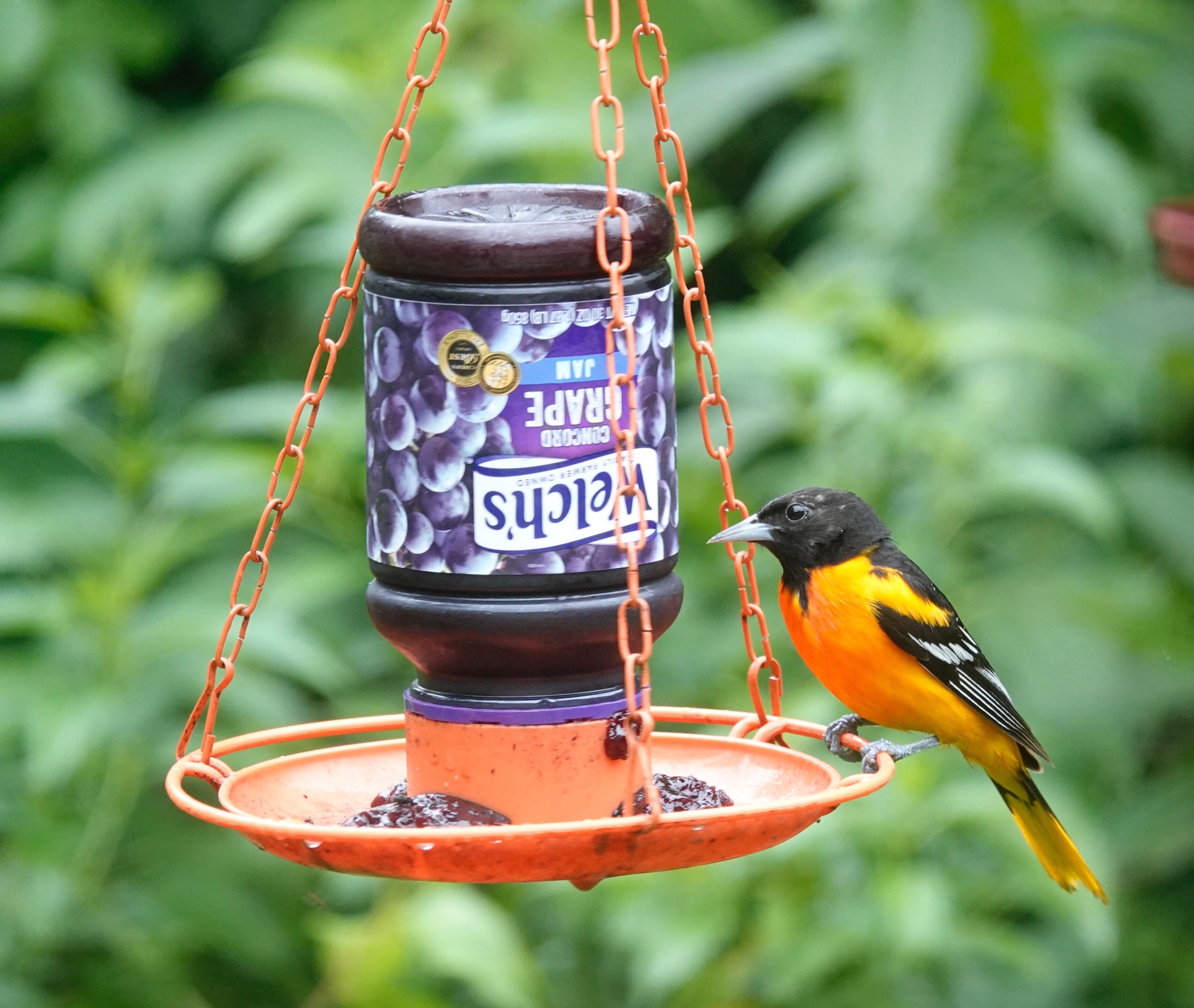
An oriole reads the label before eating grape jelly.

An oriole reads the label before eating grape jelly.
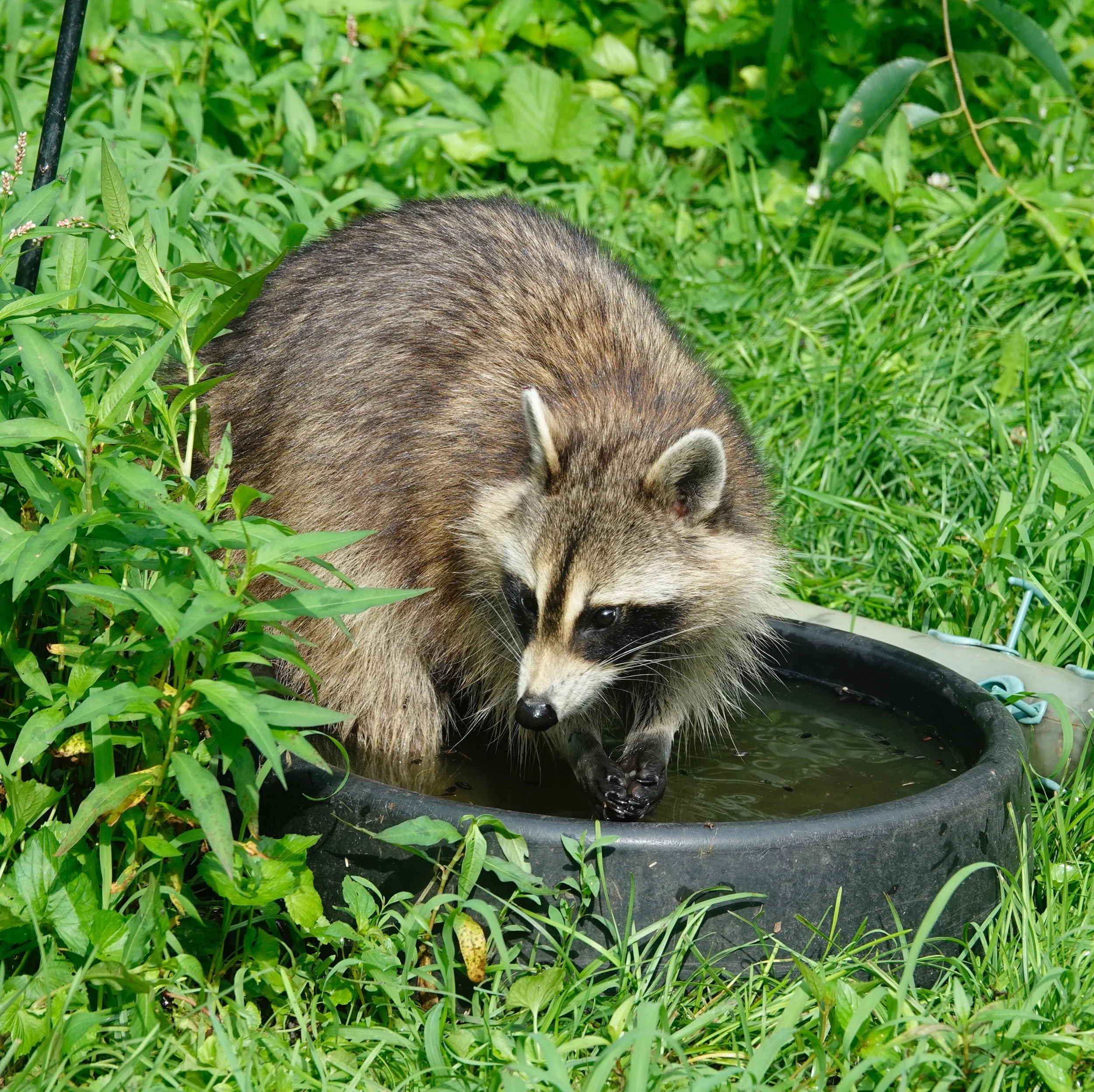
It was too hot to be in the hot tub.

A wasp flew a katydid to death’s screen door.
They are Minnesota Twins, too.

The goldfinches came for lunch, stayed for dinner.
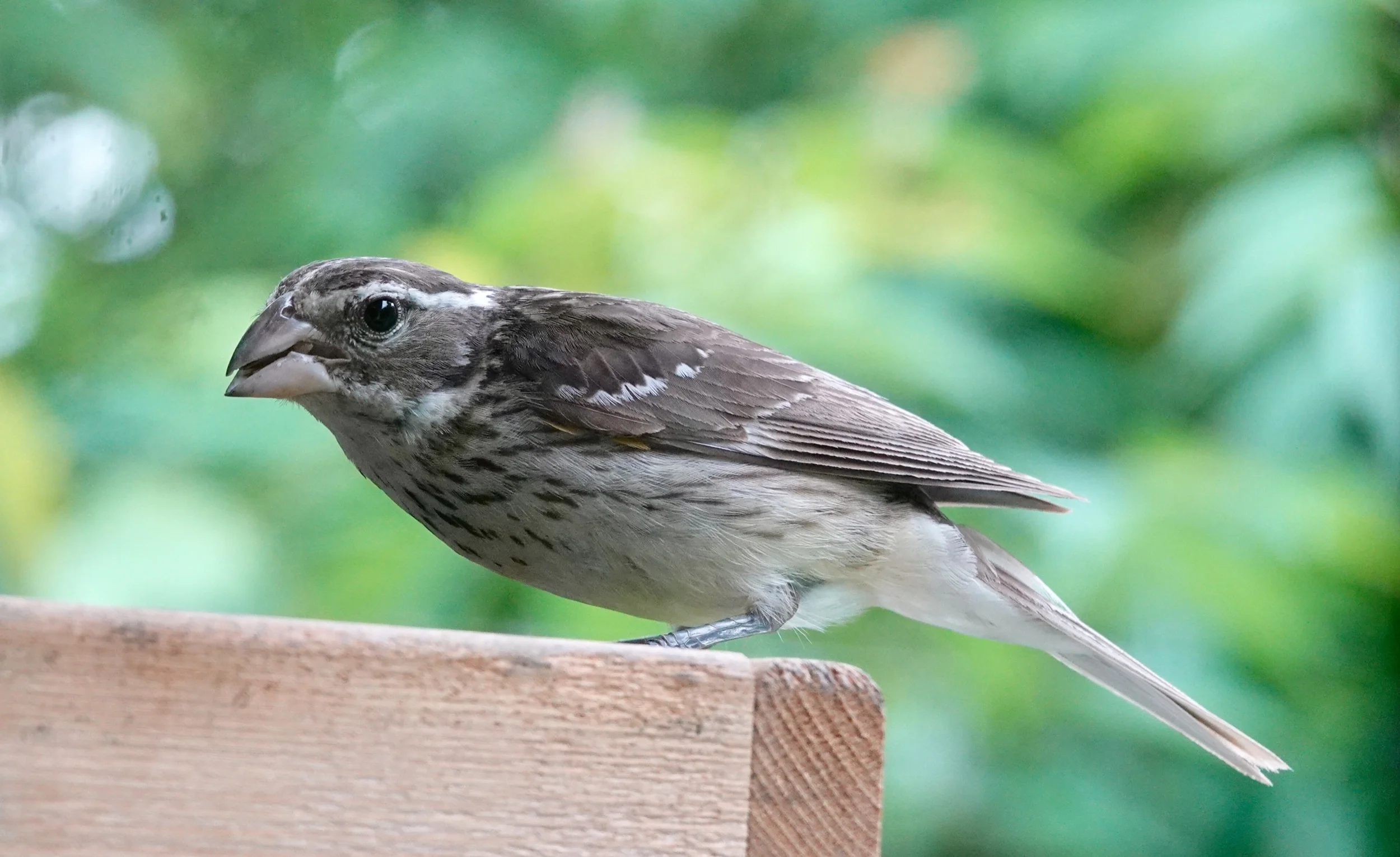
A female Rose-breasted Grosbeak doesn’t worry about her big bill for lunch.
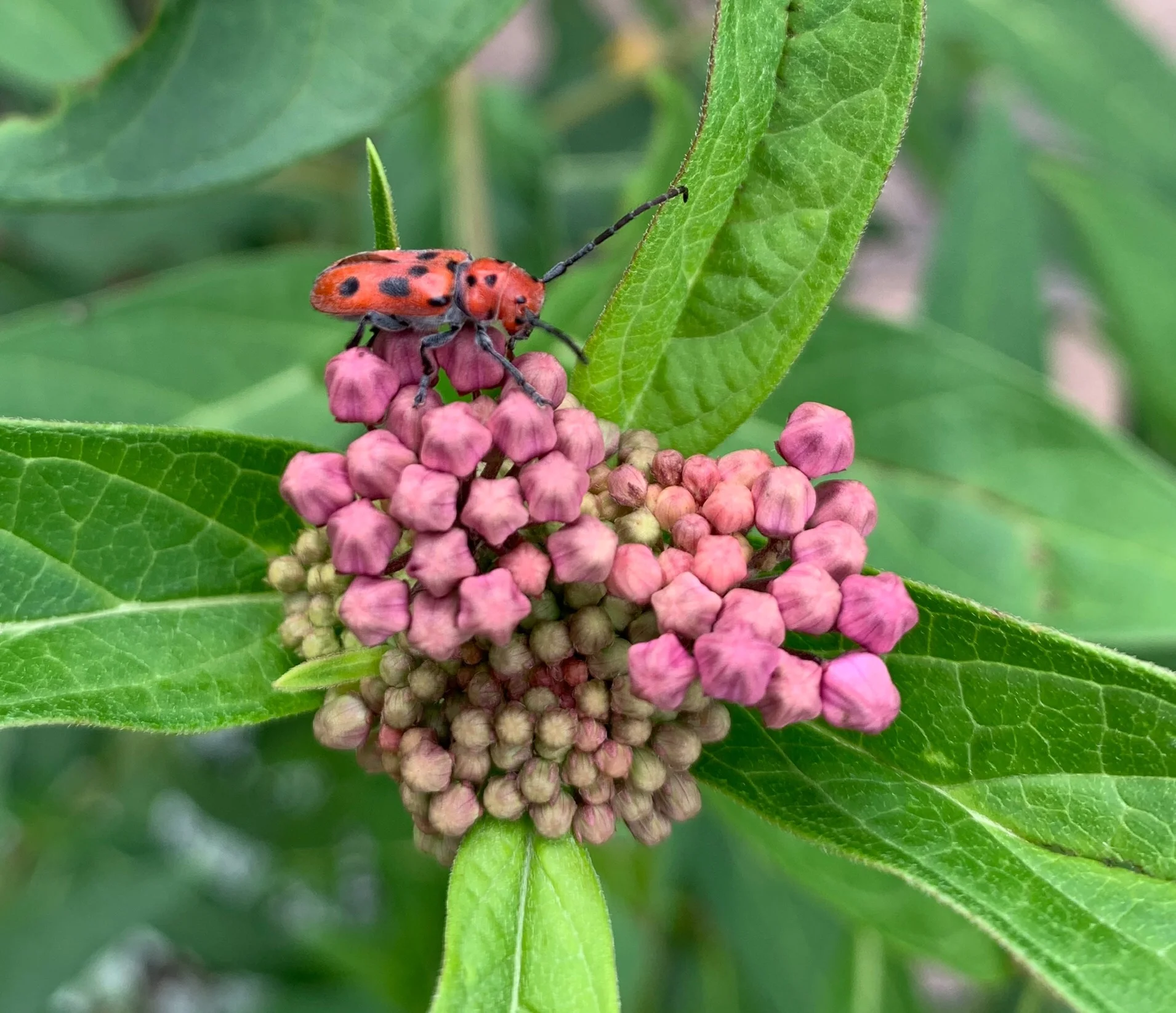
The red and black of the milkweed beetle may be aposematic (a warning coloration), advertising the beetle as something a predator might not want to eat.
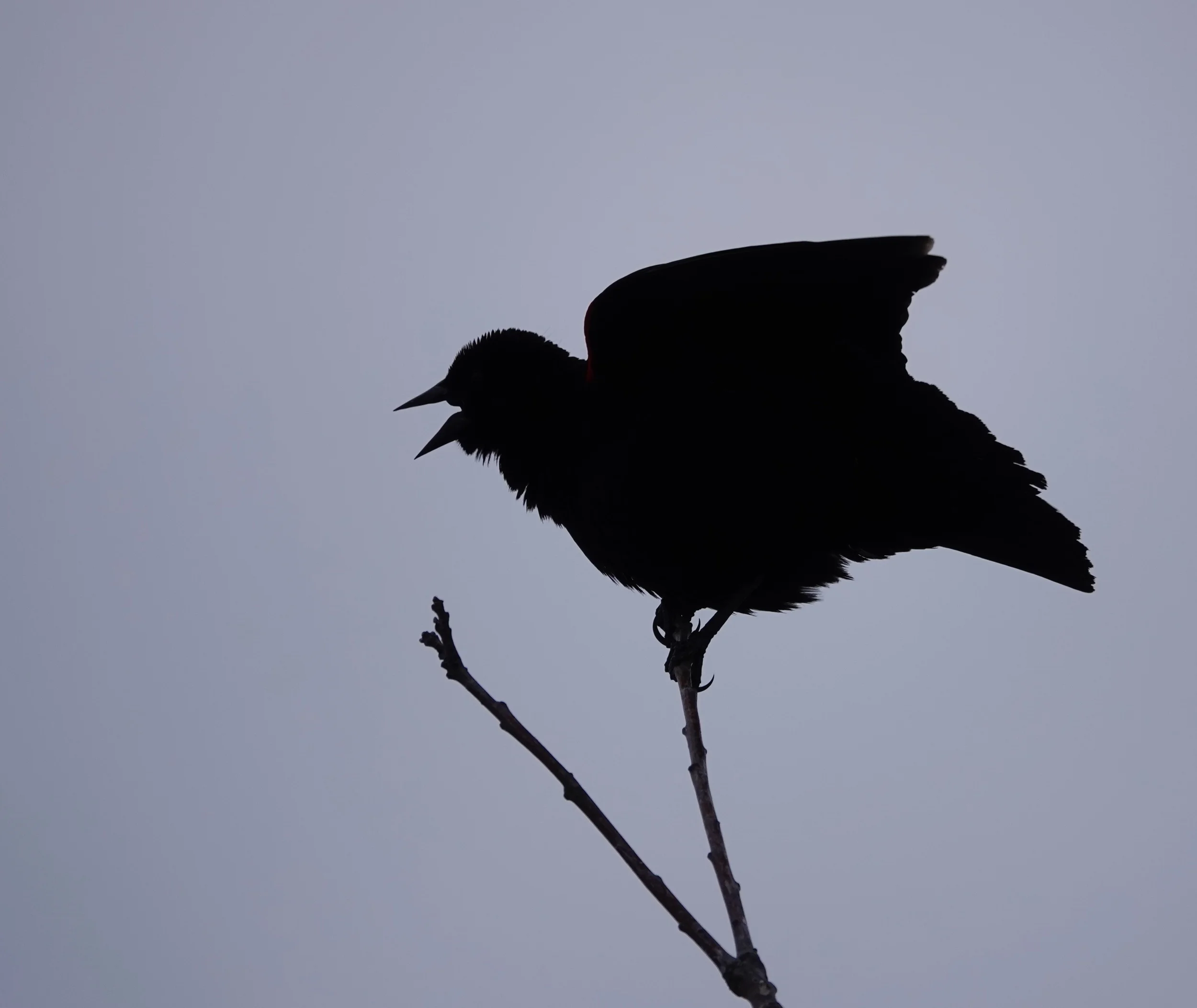
A Red-winged Blackbird singing overtime.
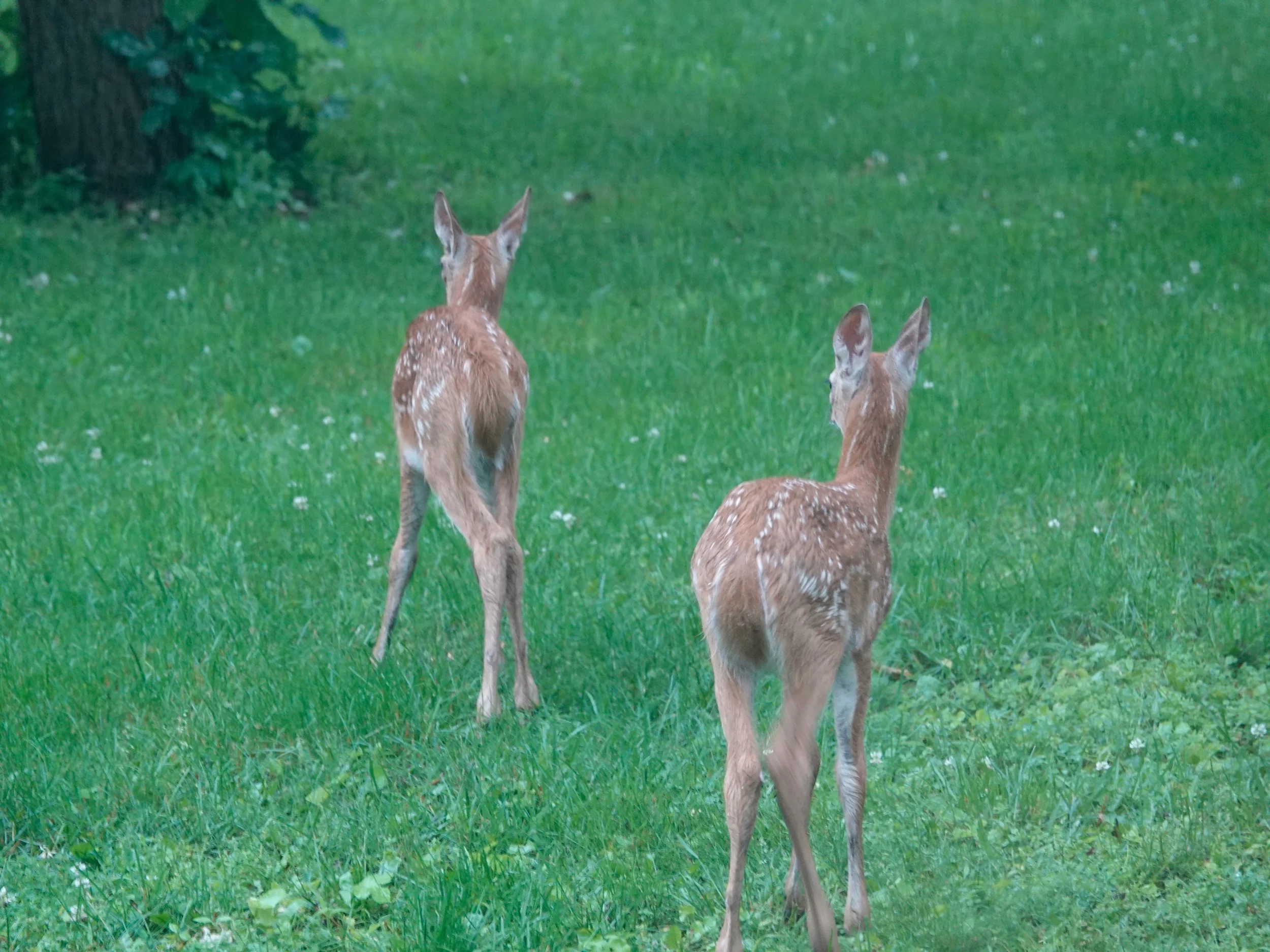
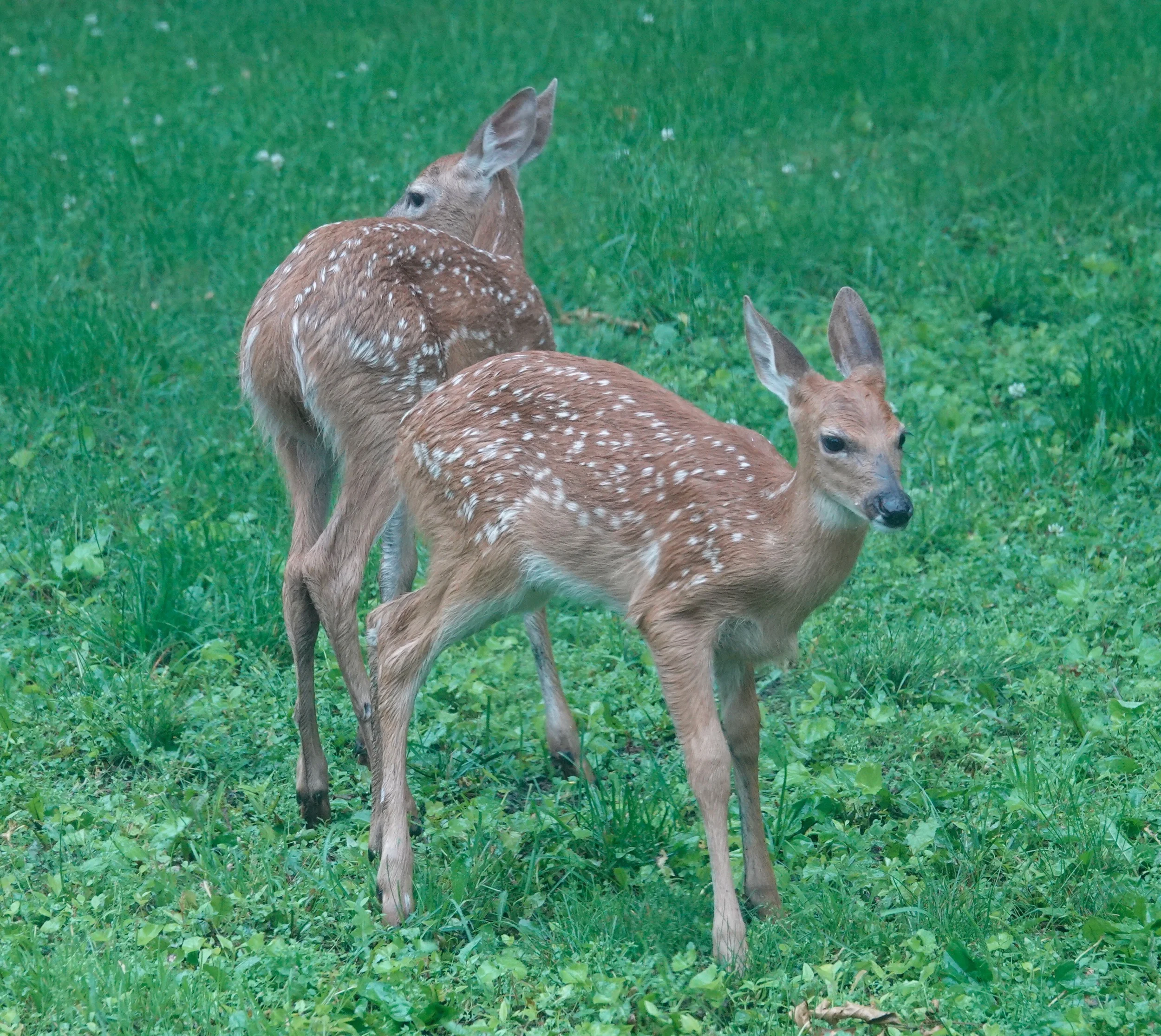
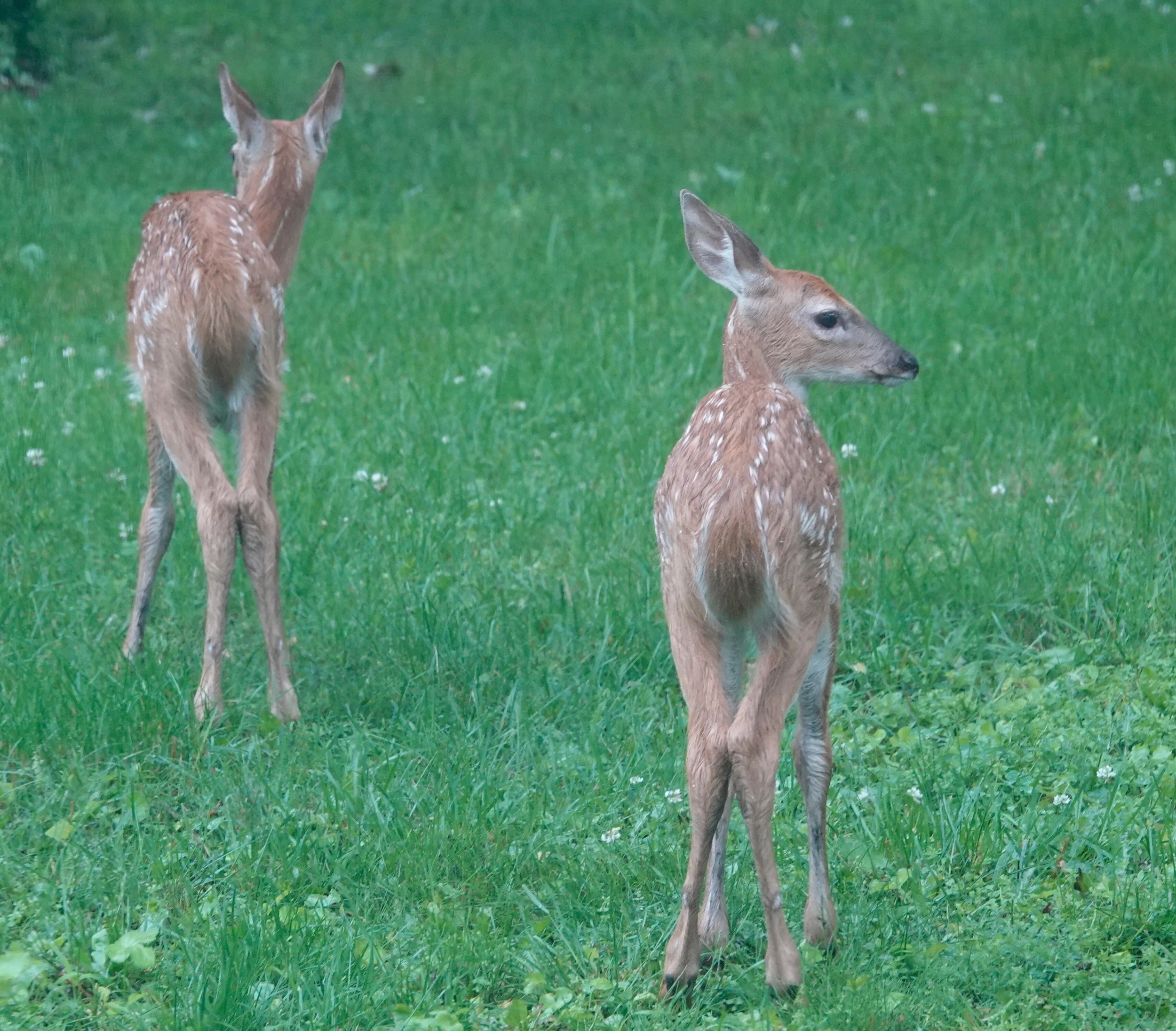
Nothing runs like two deer.
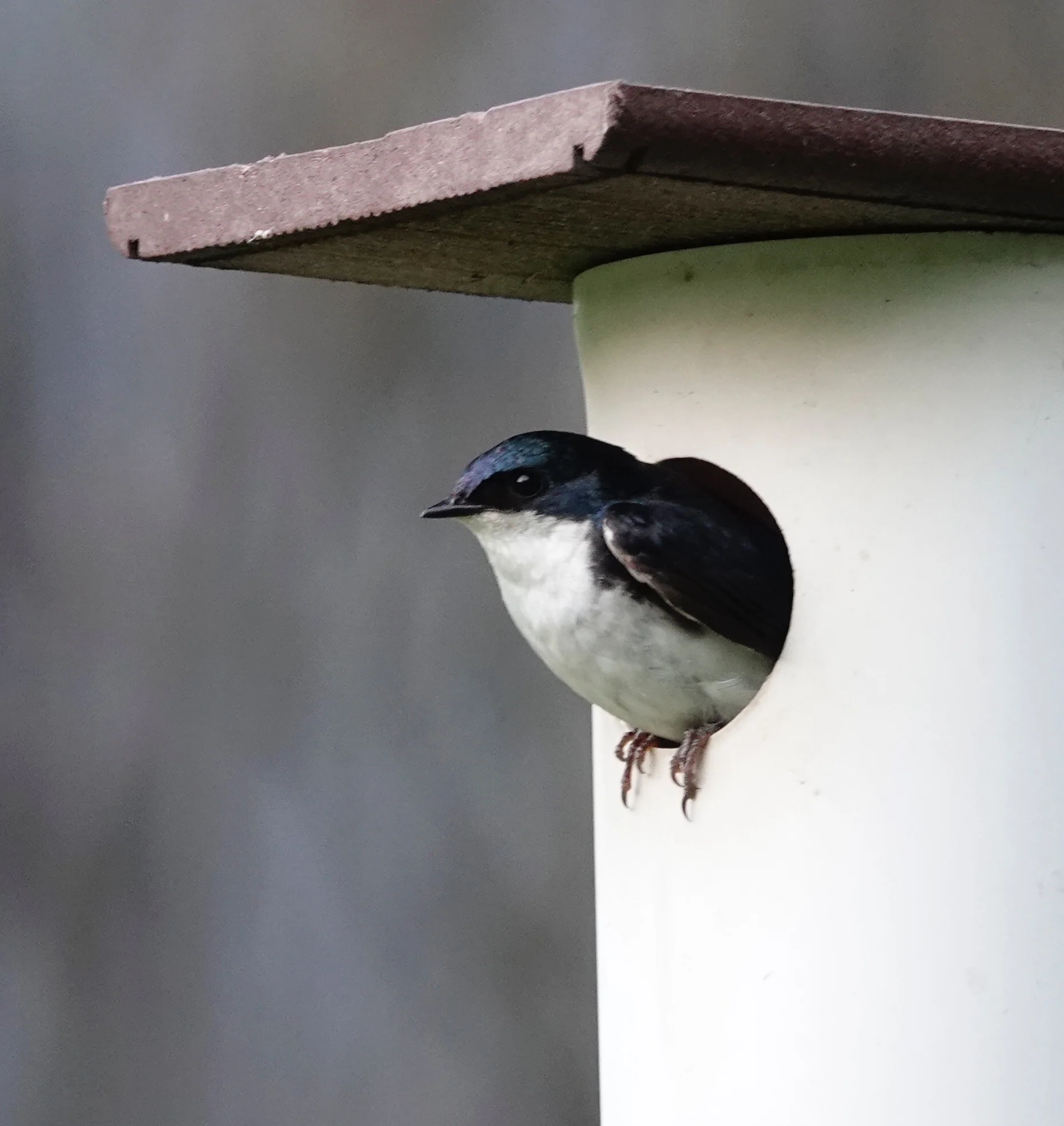
This Tree Swallow is remarkably well-behaved. It hasn’t swallowed a single tree in my yard.
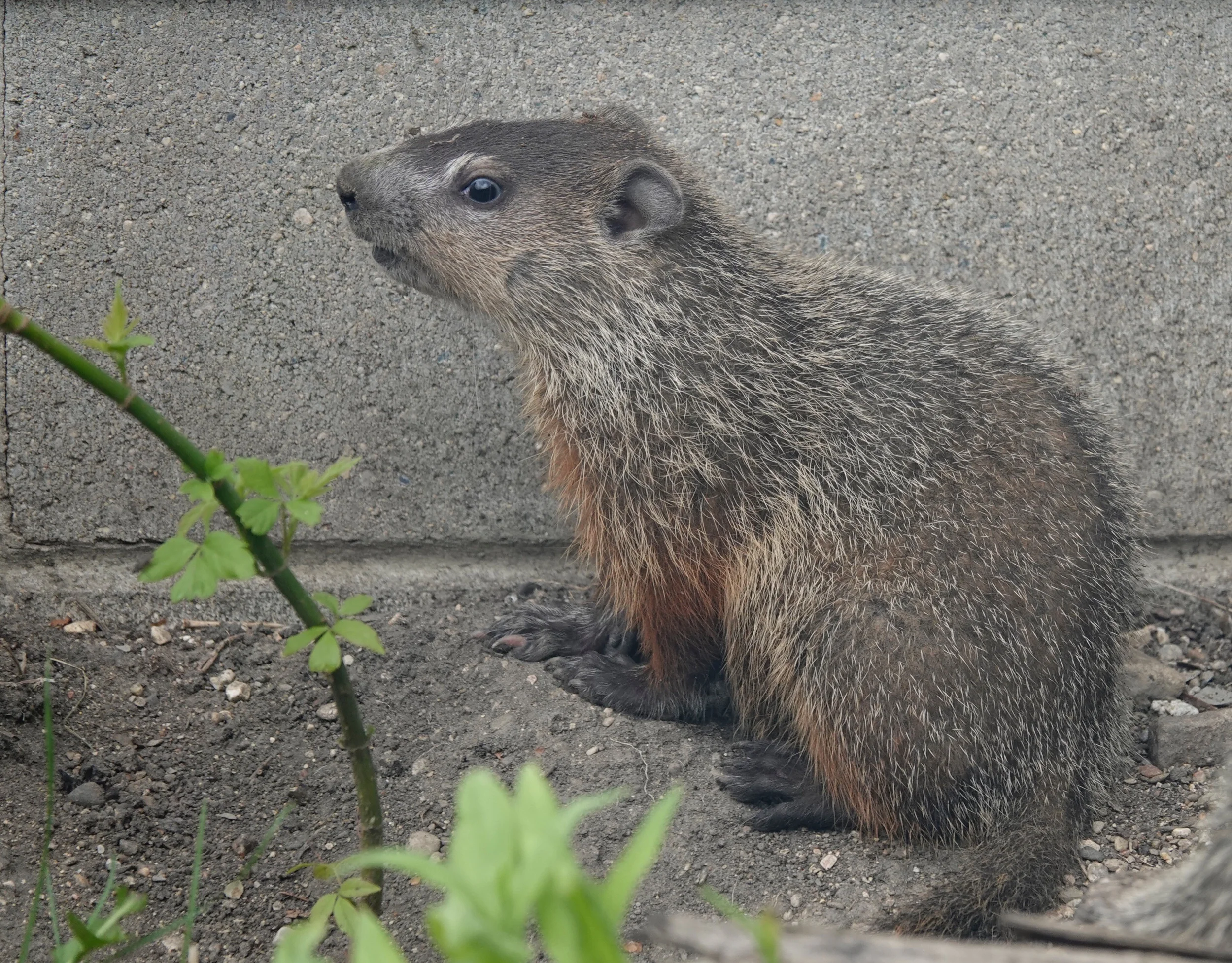
This youngster will soon learn that every groundhog has its day.
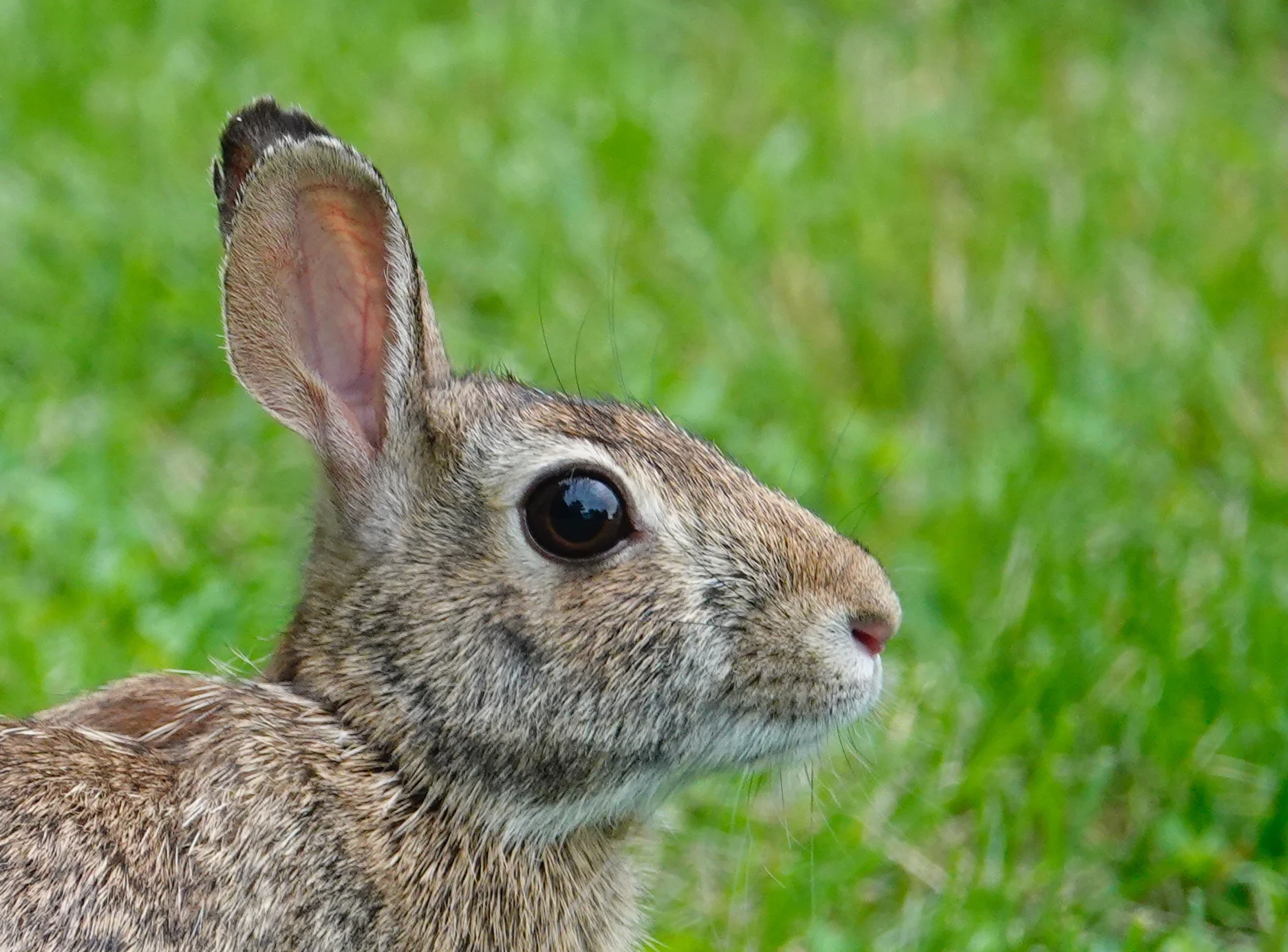
As an old basketball player, I try to never miss a bunny — even a lawn bunny like this one.

Things, including House Finches, are looking up.

There is something about upward-curving bills like this one of an American Avocet that intrigues me greatly.
Al Batt of Hartland is a member of the Albert Lea Audubon Society. Email him at SnoEowl@aol.com.
My neighbor Crandall stops by.
“How are you doing?” I ask.
“Everything is nearly copacetic. I’m still living a kale-free existence, but I came down with a nasty cold, as opposed to the good kind of cold. Everyone tells me it’s a terrible time to catch a cold. There is no time to catch a cold that isn’t terrible. For the better part of a week, I slept 16 hours a day! That wasn’t a bad thing. I may not have gotten much work done, but it sure cut down on the number of mistakes I normally make.”
Naturally
A turkey stopped in the middle of the road, appearing to motion that my car should go around. I went around. I’d just heard from a friend who told me that a collision with a raccoon had resulted in $5,600 damage to a car.
The grass whipped in the wind as if it were trying to free itself from its roots. A leggy fawn fought the furious wind. The wind subsided and I listened to a trio of marathon singers — brown thrasher, gray catbird and red-eyed vireo. They may be repetitive, but I never grow weary of hearing them. They are no whip-poor-wills, nocturnal birds with loud, distinctive voices, that can be heard singing long in the night in parts of Minnesota. It’s not uncommon for a “whip” to chant its name 100 times without break.
I watched a groundhog kit and a cottontail rabbit eating dandelions on the lawn. The rabbit was larger than the young woodchuck. Suddenly, the baby groundhog raised up on his rear legs like a miniature grizzly and looked menacingly at the bunny. The rabbit ignored it. The groundhog charged the rabbit. The last I saw of the two is when they were headed around a pass between shrubs and trees.
A rose-breasted grosbeak, American goldfinch and white-breasted nuthatch sunned themselves on a feeder attached to a window. A man told me that in his retirement, he spends more time with his small dog. He and the dog spend 15 minutes each morning staring out the window. The dog points things out with its eyes. They particularly enjoy watching the crows. Crows are always up to something.
American white pelicans flew overhead. Their 9-foot wingspans carry them unusually long distances to forage for food. Fishing trips of 30 miles one-way aren’t uncommon. A man from Clearwater, told me that he’d vacationed in San Diego. He didn’t think he could have ever tired of the nice weather there. He was enjoying an adult beverage at a table outside a cafe, when a brown pelican flew over and made a deposit directly into the man’s glass. Direct deposits aren’t always pleasant things.
I find great joy in seeing Canada anemone, a North American native perennial growing in moist meadows, along wet wood edges, in road ditches and along stream banks. Its white flowers have showy yellow center stamens on long, stalked branches.
June brings summer and is our wettest month of the year. Summer coaxes flowers from the woods to bloom in the open. June is typically when I first see flashing fireflies. Some years, I see them in May, but from the middle of June through July is when I see them most often.
Adult dragonflies on wing become numerous after emerging from their larval stages in the water. I noticed small masses of sticky, frothy bubbles at leaf nodes of plants. The white foam blobs are produced by the nymphs of spittlebugs, which are small insects getting their name from the globs of foamy spit they create along the stems of plants. The foam serves a number of purposes: Protecting the nymph from predators as well as providing the tender nymph with insulation from temperature extremes and low humidity.
Q&A
“Why are there so few birds at my feeders?” If the food isn’t fresh, they stay way. A cat or accipiter (hawk) can keep birds away for short stretches. Typically, what happens this time of year is once the eggs have hatched, the parents of many species move to a high protein diet of insects and other small invertebrates to feed the nestlings. This change in diet eliminates many feeder visits.
“I stopped by a stream in southeastern Minnesota and heard an odd sound that reminded me of a bad banjo player. What could it have been?” It was a green frog. It’s the second largest frog in Minnesota. Only the bullfrog, the largest frog in North America, is larger. The green frog makes a sound like someone plucking a single banjo string.
Thanks for stopping by
“Everything has its wonders, even darkness and silence, and I learn, whatever state I may be in, therein to be content.” — Helen Keller
“Life is a long lesson in humility.” — James M. Barrie
Do good.

This drawing of the Ol’ Birdbrain, also known as Al Batt, was done by Joe Engesser of Red Wing.

The American Robin is a handsome bird.

A red-winged blackbird turns the world into his song.#birding

It’s a good thing coots don’t wear shoes, because they would have trouble finding some in their size.

A Turkey Vulture flashes its movie-star good looks.

This African bird, a Cape Thick-knee, was seen at Henry Doorly Zoo in Omaha.

A Golden-breasted Starling seen at the Henry Doorly Zoo in Omaha, Nebraska.

A Golden-breasted Starling seen at the Henry Doorly Zoo in Omaha, Nebraska.