
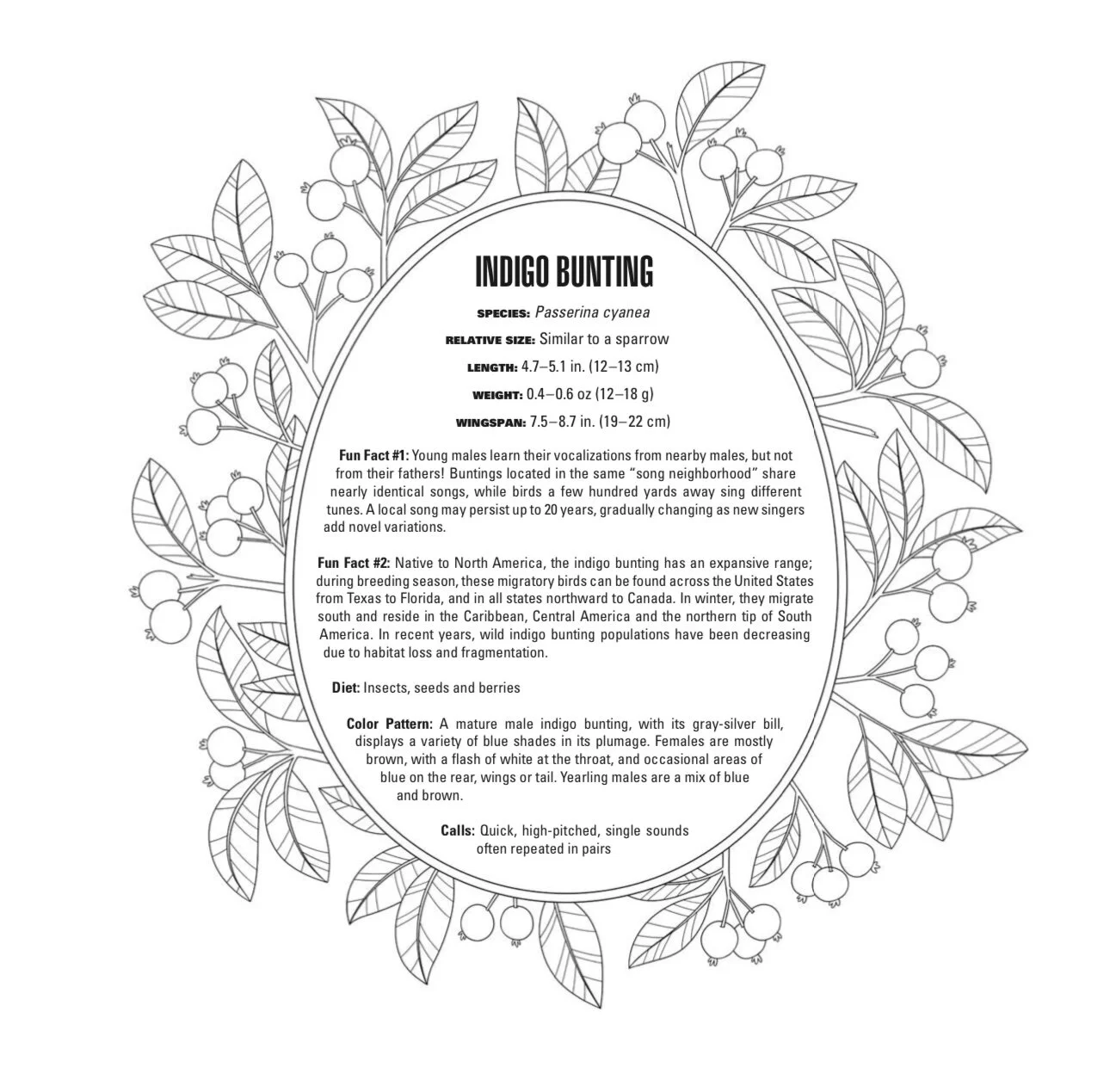
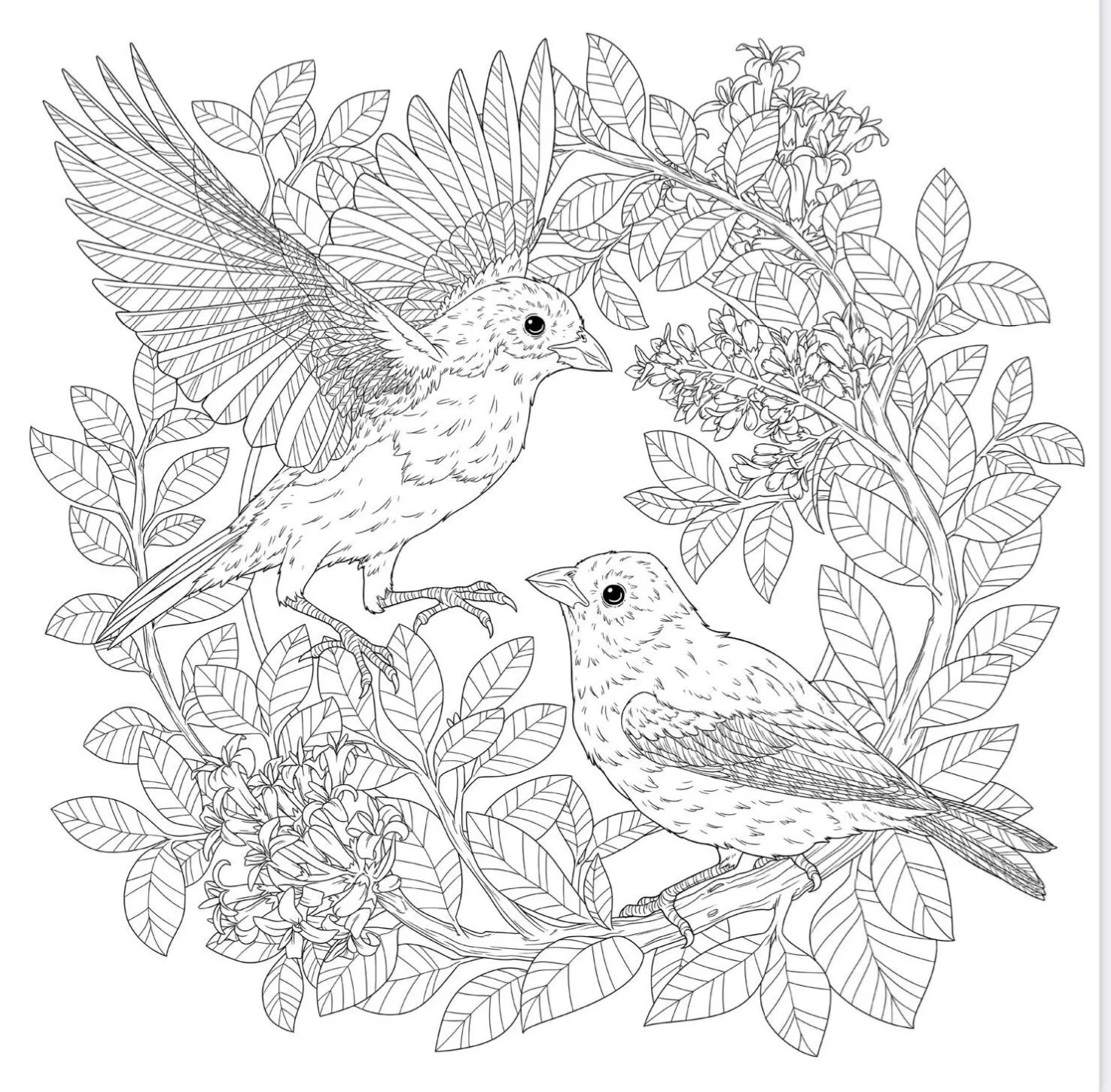
The Indigo Bunting sings, “Fire-fire. Where-where? Here-here. See-it, see-it. “
My mother said when I was a young chap, I’d look at all the new books in the library, hoping to find one with a bird on the cover.
This led to my escape.


The Indigo Bunting sings, “Fire-fire. Where-where? Here-here. See-it, see-it. “

My mother said when I was a young chap, I’d look at all the new books in the library, hoping to find one with a bird on the cover.

This led to my escape.

This Canada Goose was incubating eggs on May 5. The eggs have since hatched and the goslings are being taught to mow and fertilize lawns.

Turdus migratorius. I have never met a man named Turdus, but I expect to.


The Northern Waterthrush bobs its rear end. I don’t judge. Whatever floats its boat.

A yellowlegs and then some.

The Mourning Dove could nap even better if it had a desk.

The Mourning Dove could nap even better if it had a desk.

Folklore says that blowing the seeds off a dandelion carries your thoughts to a loved one.

When these plants put down roots, they put down roots.

Red fox kits/pups/cubs.

A young fox is cuter than a bug’s ear.

What happens when a red fox forgets its handkerchief.

It’s important for old coots to stretch.

It’s never a gray day when a Gray Catbird is near.
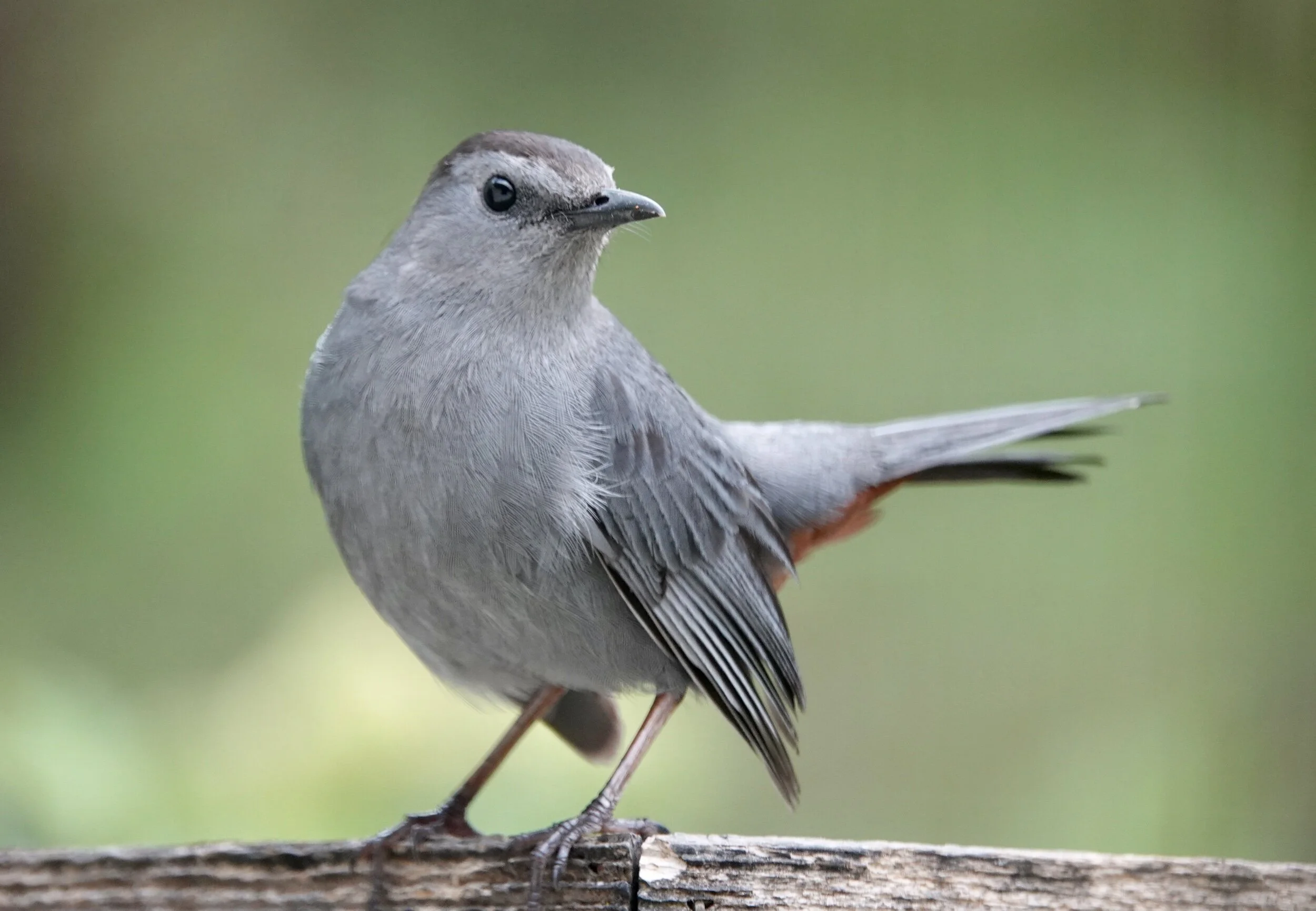
A Black-topped Chestnut-rumped Gray Catbird.
Naturally
A swallow whispered past.
Accompanied by the droning of bumblebees, the flitting of cabbage white butterflies and the darting of dragonflies (the first I see each spring are common green darners and variegated meadowhawks), I stooped to enjoy a closer look at spring ephemerals. The plants are familiar neighbors. I greeted them as if they were long-lost friends. Fiddleheads, the tightly coiled tips of ferns, proliferated. They’re named for their resemblance to the curled decoration at the end of stringed instruments.
I’ve been out turning over rocks, so to speak. Good numbers of palm warblers led me down a trail. Yellow-rumped warblers were busy in every other tree. An orange-crowned warbler and a hermit thrush were here and there. Ruby-crowned kinglets used megaphones to produce their loud sounds. Spotted sandpipers were numerous along the water’s edge. My father called them teeter-snipe because teeter-snipes sounded wrong. Forster’s tern calls of “ki-arr” came from all directions. Mudflats were occupied with pectoral sandpipers and both species of yellowlegs. I walked with Bob Janssen of Golden Valley. Bob is the godfather of Minnesota birding. We watched a Cooper’s hawk (the “chicken hawk” of my youthful years when I tried to make millions by raising exotic breeds of small chickens) harassed three turkey vultures with menacing flight maneuvers and a lengthy series of cak-cak-cak calls. A Cooper’s hawk was on the ground in my yard, hiding in the tangles, hoping to ambush a bird. I saw a solitary sandpiper at the edge of a cow pasture and a green heron at a lakeside park.
In the yard, white-crowned sparrows and Harris’s sparrows joined the flock of white-throated sparrows and a single fox sparrow dancing on the ground. The whistling white-throated sparrows turned the yard into a whistle-athon. There were many purple finches and pine siskins (I love this tiny bird’s tameness). There was but one eastern towhee, but its number was impressive.
I saw pelicans fish communally on the lake. The birds in the back of the feeding group flew to the front to get a better place in the buffet line. The pelicans leapfrogged and fished.
As I drove, I found it impossible to ignore the chartreuse color of weeping willows. I watched a red-tailed hawk dive from on high at a northern harrier hunting close to the ground. There was no contact, but the harrier fled the scene. That was a good idea.
Multi-colored Asian lady beetles have found my garage to their liking.
Astonishments
I dreamed we were birds. I told my wife she looked like an M when she flew. The longest known shorebird flight—about 7,000 miles nonstop—is by the bar-tailed godwit during its migration from Alaska to New Zealand. Before departing, godwits binge eat to more than double their body weight. Fat comprises up to 55% of that weight.
Willow bark has been used as a traditional medicine for headaches and toothaches. Just a pinch between cheek and gum brought relief. An active agent within willow bark is salicin, which later formed the basis of aspirin.
Why did Michelangelo paint a tarpon instead of Jonah’s whale on the Sistine Chapel?
The names of the full moons are January Wolf Moon, February Snow Moon, March Worm Moon, April Pink Moon, May Flower Moon, June Strawberry Moon, July Buck Moon, August Sturgeon Moon, September Harvest Moon, October Hunter’s Moon, November Beaver Moon and December Cold Moon.
Q&A
Tom Ehrhardt of Albert Lea wondered where the goldfinches are? Goldfinches are nomadic by nature. They prefer to feed as a group and might not find a feeder attractive if it has a low level of food. Check the seed for dampness after rains. Shake the feeder to make sure the seed is dry and loose. Smell the seeds for mustiness.
“Is the dandelion native to Minnesota?” No, it originated in Europe and Asia. European settlers brought dandelions to America in the mid-1600s and cultivated dandelions as food sources and for medicinal uses.
“Why do feeders get busy before a storm?” Birds have an inborn barometer. Storms are associated with falling pressure and birds have difficulty getting food during a storm. The sooner they know a storm is coming, the more time they have to fuel up.
“What would eat the heads of chickens?” The primary suspects are owls and raccoons. Other candidates include cats, hawks, dogs, foxes and coyotes. The head of a chicken is an easy target, the brain is high in protein and essential fats, and the head can be carried away when the whole chicken is too heavy.
Thanks for stopping by
“A bookstore is one of the only pieces of evidence we have that people are still thinking.”—Jerry Seinfeld
"The plants adapt, the people adopt." “In some Native languages the term for plants translates to ‘those who take care of us.’”—Robin Wall Kimmerer
©Al Batt 2021

A dapper chipping sparrow. This tiny bird frequently raises the babies of a brood parasite, the brown-headed cowbird. Photo by Al Batt

A wonderful gift for that coloring book artist who is also a birder.


This White-throated Sparrow is northern Minnesota dreaming on such a spring’s day. Most of this species breed in Canada, but some that nest in the U.S. do so in Minnesota. It’s a good deal for us.
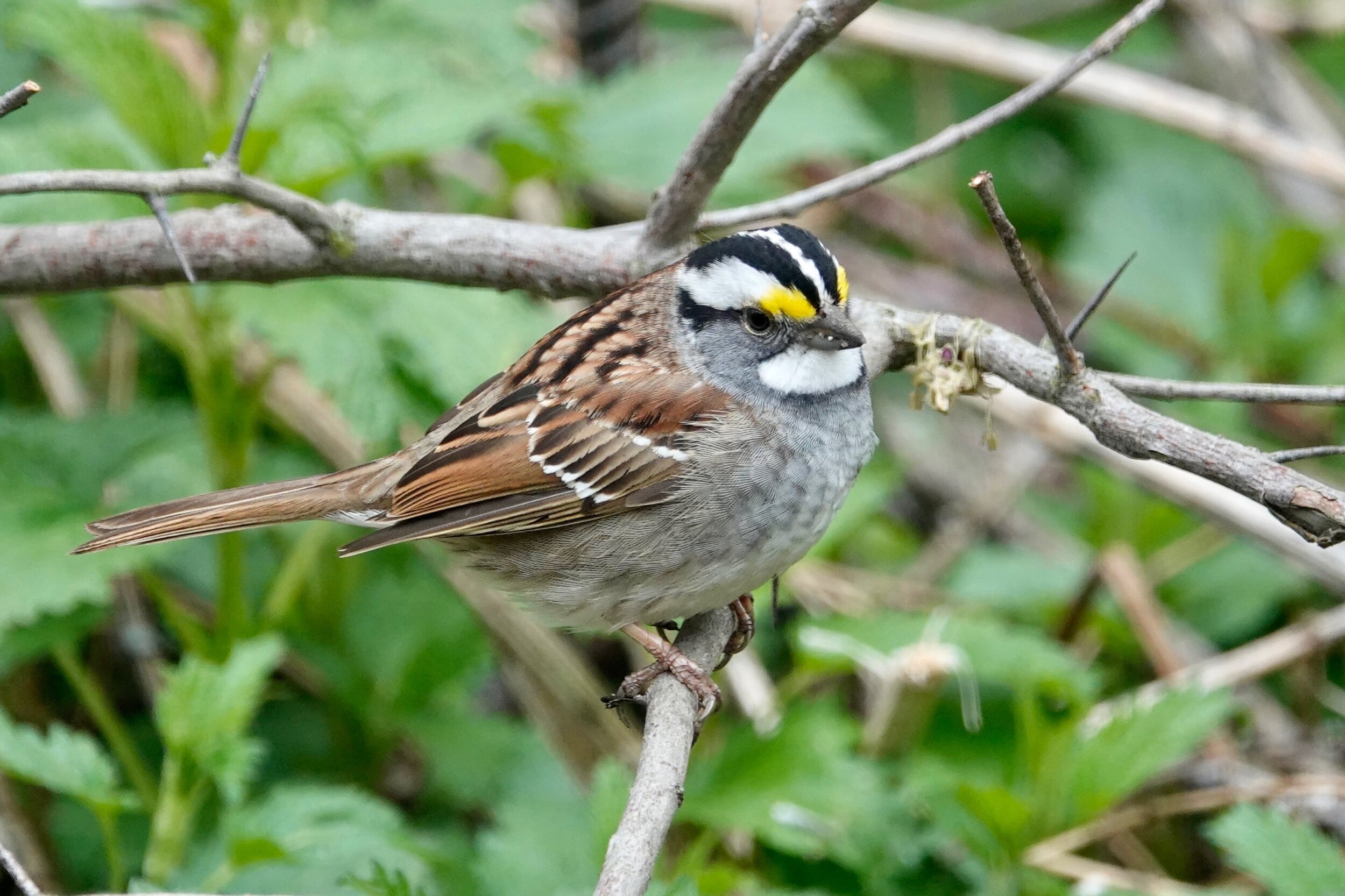
Pete Dunne wrote, “White-throated Sparrows come in two plumages—stunning and shabby. “

Pete Dunne wrote, “White-throated Sparrows come in two plumages—stunning and shabby. “

A Trumpeter Swan has never been an ugly duckling.

This wonderful park in Mankato, Minnesota, has bison in it and shrike on its sign.

This wonderful park in Mankato, Minnesota, has bison in it and a shrike on its sign.

A sign of the Welsh in Lake Crystal, Minnesota.

A birdbath in my yard has become the Thirsty Skunk, a saloon serving drinks to skunks all night.

A Canada Goose on Nesting Island.

A Canada Goose on Nesting Island.

A bird table along the trail.

A bird table along the trail.

A Trumpeter Swan’s head and neck are stained a rusty color from feeding in ferrous waters.

Trumpeter Swans on the front porch.

An American White Pelican sporting a nuptial tubercle on its bill.
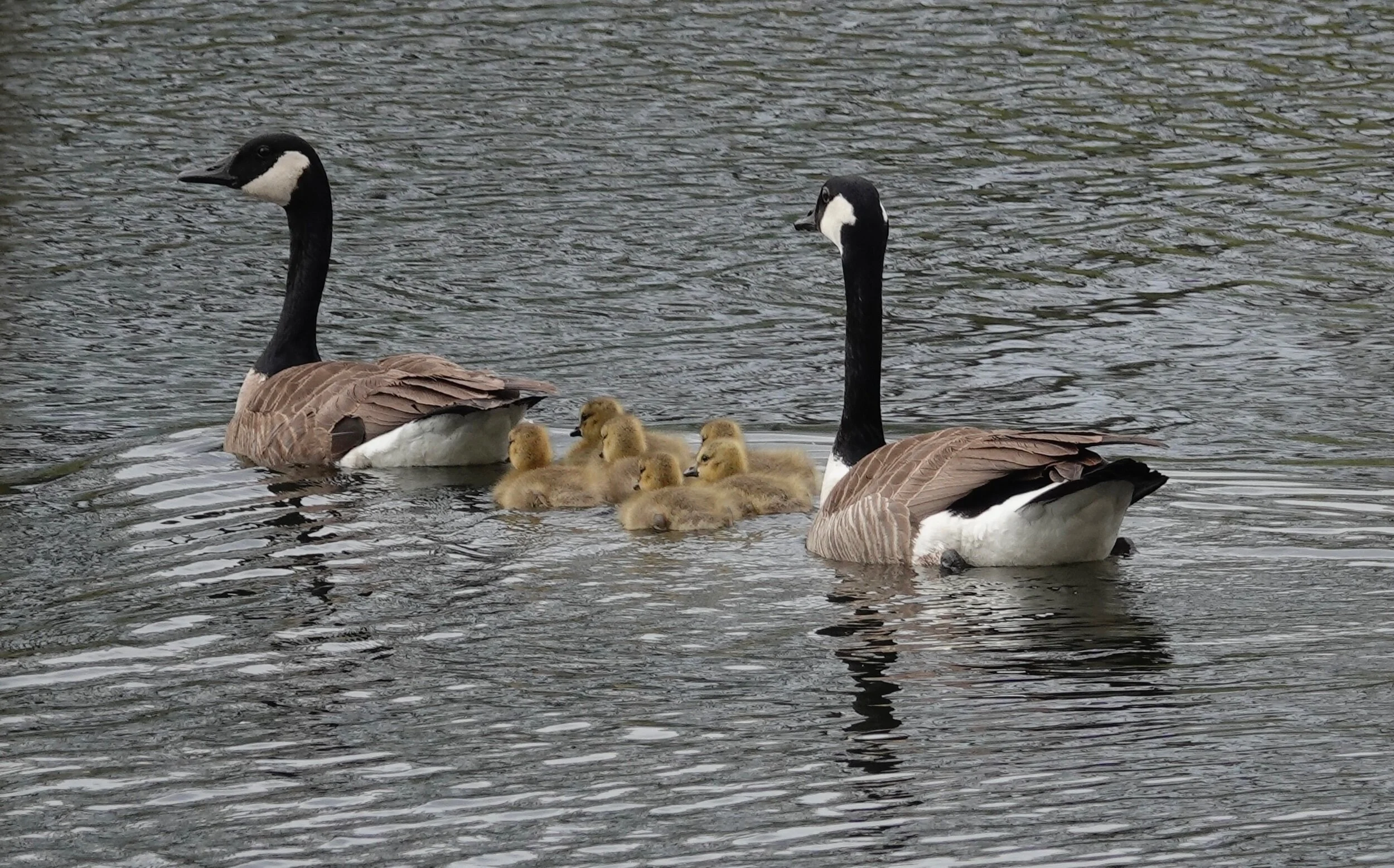
The six handsome Canada Goose goslings are named Gladstone, Gus, Gwen, Gustav, Gussie and Golly.
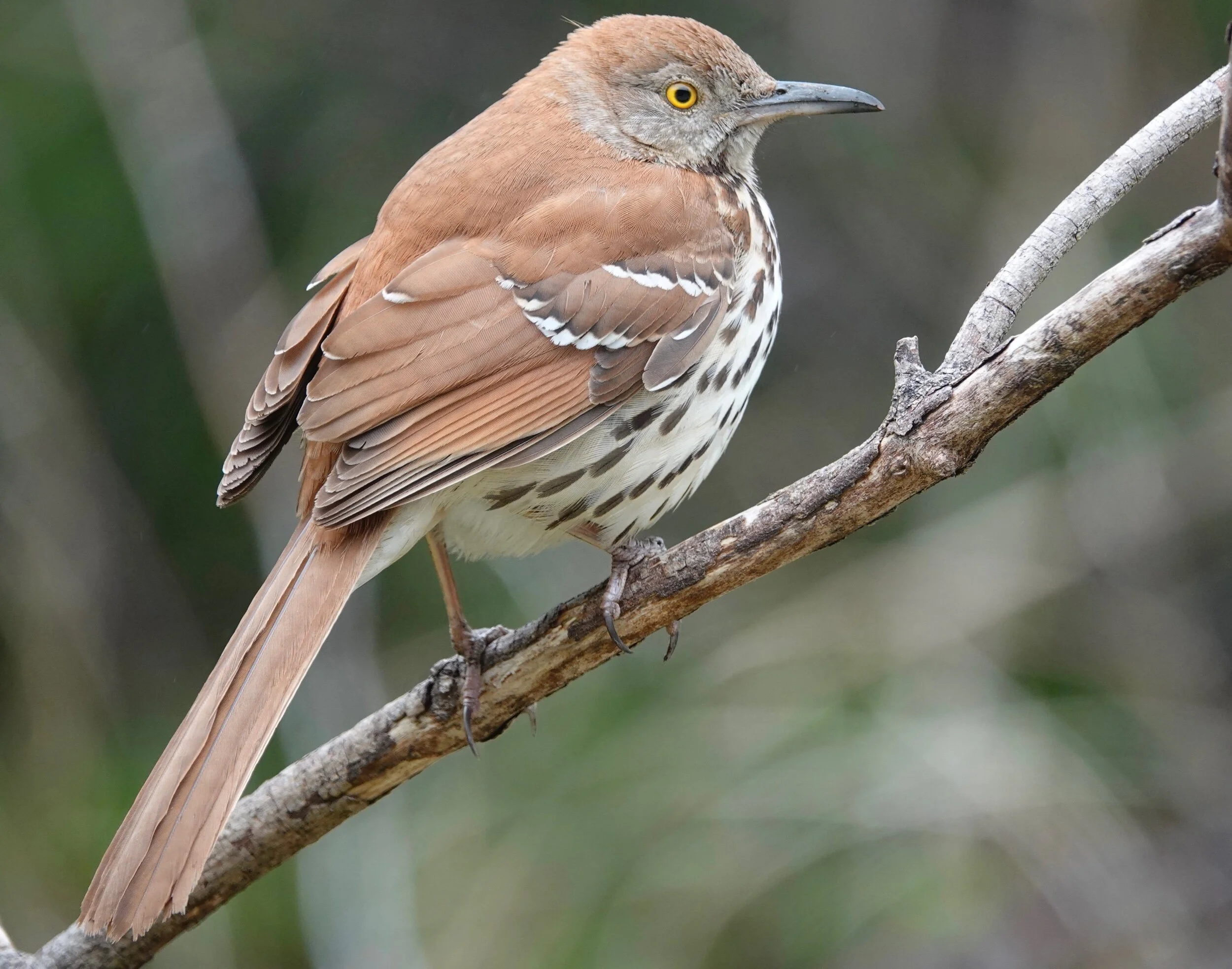
A Brown Thrasher sang jazz riffs enthusiastically. I loved its song and wondered if the bird sang from the same tree last year. Birds and humans are creatures of habit, so it could be a repeat visitor. Visitor isn’t correct. This is the thrasher’s home, too.
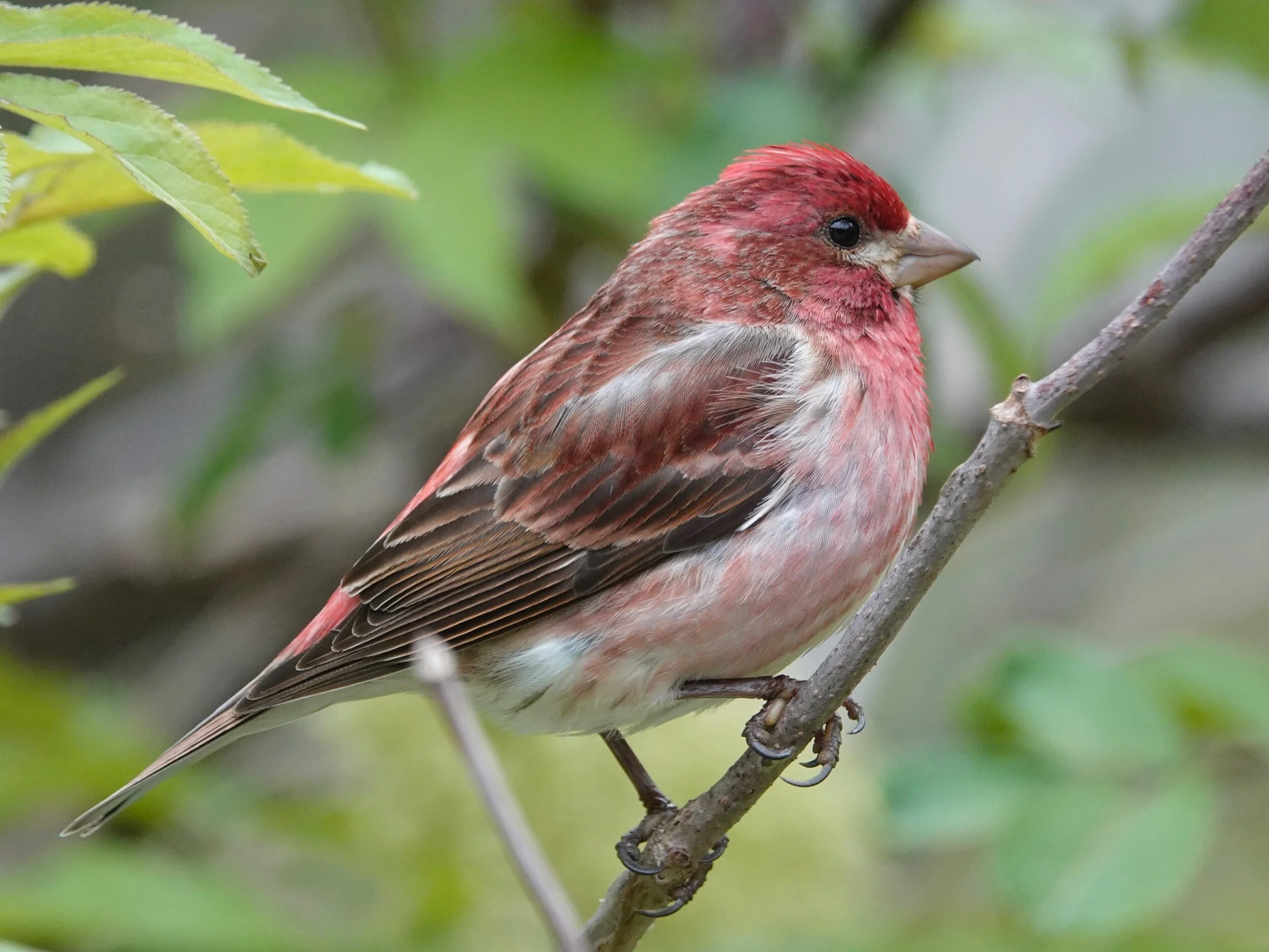
A Purple Finch looking all purpley and finchey.
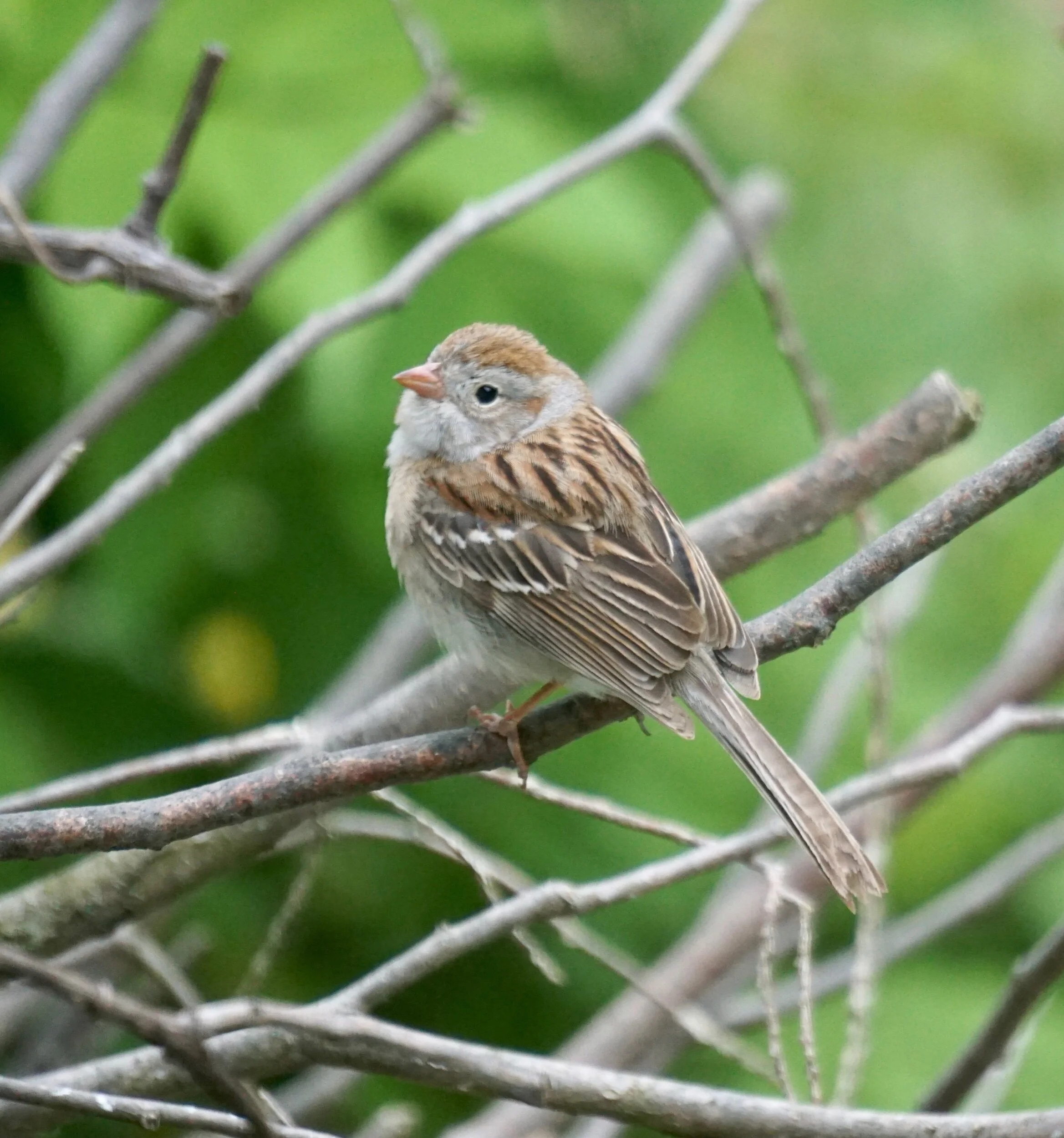
The sweet song of the Field Sparrow accelerates like a dropped ping-pong ball.
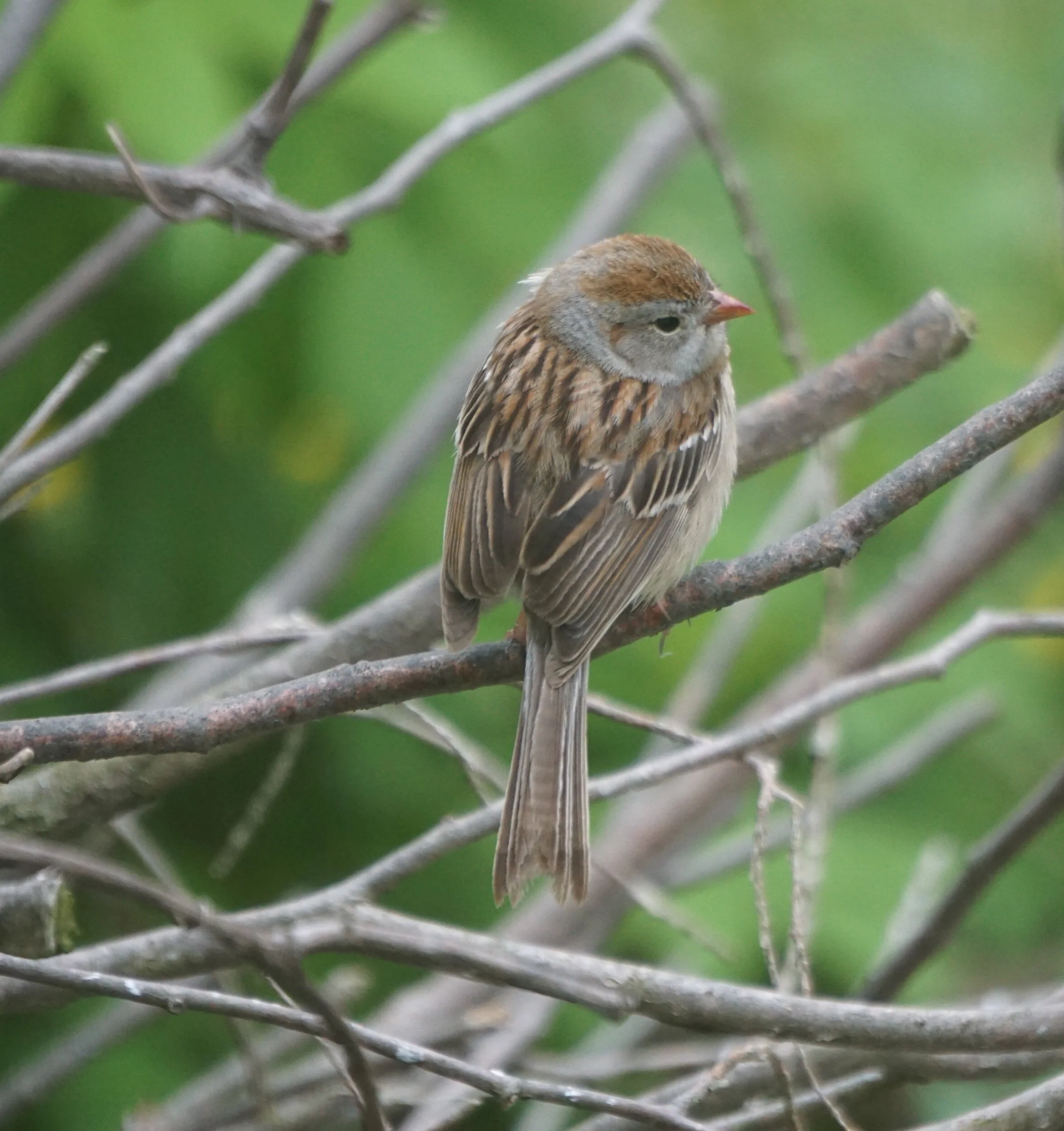
The sweet song of the Field Sparrow accelerates like a dropped ping-pong ball.
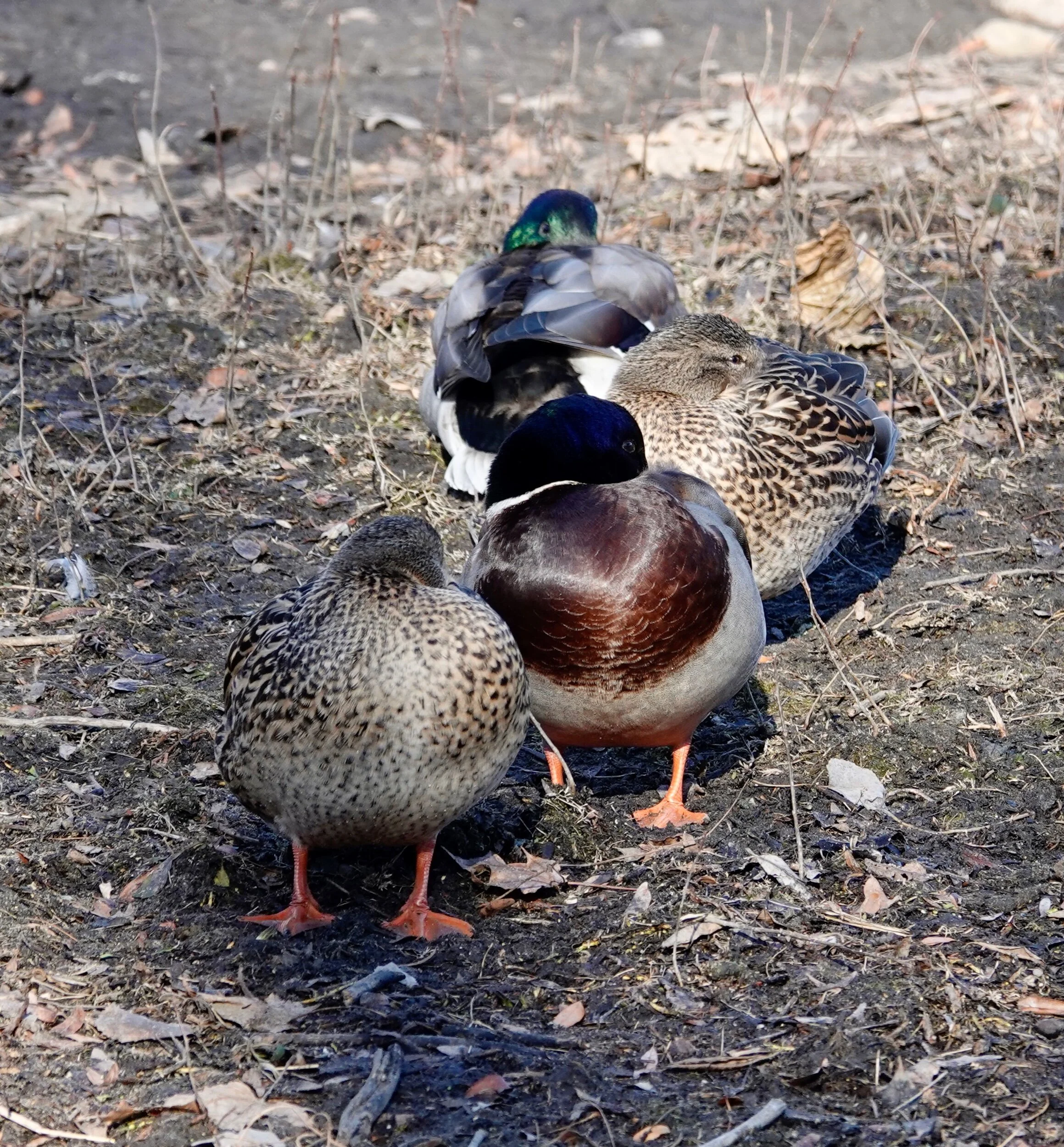
The Mallard participants in the conga line tired quickly.
Naturally
A brown thrasher sang jazz riffs enthusiastically. It was a big moment in the bird’s life and in mine. I loved its song and wondered if the bird sang from the same tree last year. Even the early morning’s clarity couldn’t tell me. Birds and humans are creatures of habit, so it could be a repeat visitor. Visitor isn’t correct. This is the thrasher’s home, too.
Common grackles strutted about. A dead tree was mostly holes. They were the work of a workaholic woodpecker.
Bumblebees buzzed as periwinkle and squill bloomed beautifully. Wild ginger clung to the ground in a shaded woodland. It’s said to be deer-resistant. Unlike many early spring woodland plants, it keeps its foliage throughout the season. Its dark red flowers below the leaves attract insects like ants to be its pollinators. European settlers used the root as a flavor substitute for the tropical ginger they had used. I mowed the lawn with a push mower. It shortens the vegetation and clears my mind. I have grass and clover. I enjoy clover. So do bees and butterflies.
Spring peepers peeped. They do it loud enough to be heard a mile away. The males weigh about the same as two dimes. The spring peeper is a tiny harbinger of spring. It’s tan, with a dark brown X-shaped mark on the back and suction-cupped toe pads. It changes its skin color for better camouflage. Males are 3/4 inches long and females up to 1 1/2 inches long. They sing when temperatures are above 40 degrees. Their sound makes me feel as if I’d been wearing earplugs the rest of the year.
Raccoons had become the state speed bumps, but I came at the day with the wonder of a Labrador puppy. Seeing a pair of yellow-crowned night herons in Albert Lea was a gee-whiz moment. The birds made a good first impression. I contracted a birding face—a smile. The charming birds were lifers for some birders who traveled from here to there to see it. The birds are wonders of the natural world. They all are.
I’m pleased to know these good folks
Switzer Ranch of Loup County was selected as the recipient of the 2021 Nebraska Leopold Conservation Award. This prestigious award goes to those whose dedication to land, water and wildlife habitat inspires others. Bruce and Sue Ann Switzer along with their children, Sarah Sortum and Adam Switzer, own and operate Switzer Ranch. The Switzers use fire and rotational grazing to create bird and wildlife habitat while improving water quality, soil health and root systems in the environmentally sensitive Sandhills. Besides custom grazing beef cattle on 12,000 acres of native prairie, the family operates a nature-based tourism business. Calamus Outfitters offers lodging, river float trips and eco-tours. Audubon Nebraska designated the ranch an Important Bird Area. The ranch has greater prairie-chicken and sharp-tailed grouse leks.
Gobsmacked
Frigatebirds sleep while flying over the ocean by resting their brain one hemisphere at a time. Most animals that sleep half-brained do so to stay alert for predators, but frigatebirds have no natural predators in the sky. Part of my brain stays awake during the first night in a hotel.
Q&A
“Do birds other than owls produce pellets?” Owls are the only ones that produce owl pellets. Owl pellets provide windows into an owl’s diet. The pellets are regurgitated remnants of prey, the indigestible parts of a meal such as bones, fur, claws and feathers. Owls aren’t the only birds that regurgitate pellets. Hawks, eagles, grebes, herons, cormorants, gulls, terns, kingfishers, crows, jays, flycatchers and shrikes do, too.
“Where do buffleheads nest?” They are secondary-cavity nesters in trees, nesting predominantly in the boreal forests and aspen parklands of Canada and Alaska but dipping south into portions of the northwest and north-central states, including Minnesota where they’re considered a rare breeder. Agassiz National Wildlife Refuge in northwest Minnesota has an estimated 200 breeding pairs.
From the mailbag
Susan Joseph-Taylor of Minden, Nevada, sent photos of Cooper’s hawks nesting in the same nest in a mulberry tree for a second year. This accipiter typically builds a new nest each year, but occasionally reuses a nest or takes over a squirrel’s nest.
Thanks for stopping by
“The last word in ignorance is the man who says of an animal or plant, ‘What good is it?’ If the land mechanism as a whole is good, then every part is good, whether we understand it or not. If the biota, in the course of aeons, has built something we like but do not understand, then who but a fool would discard seemingly useless parts? To keep every cog and wheel is the first precaution of intelligent tinkering.”—Aldo Leopold
“I am the Lorax. I speak for the trees. I speak for the trees for the trees have no tongues.”―Dr. Seuss, The Lorax
Do good.
©Al Batt 2021

A yellow-crowned heron kept my camera occupied. It’s a lovely bird. They all are. Photo by Al Batt
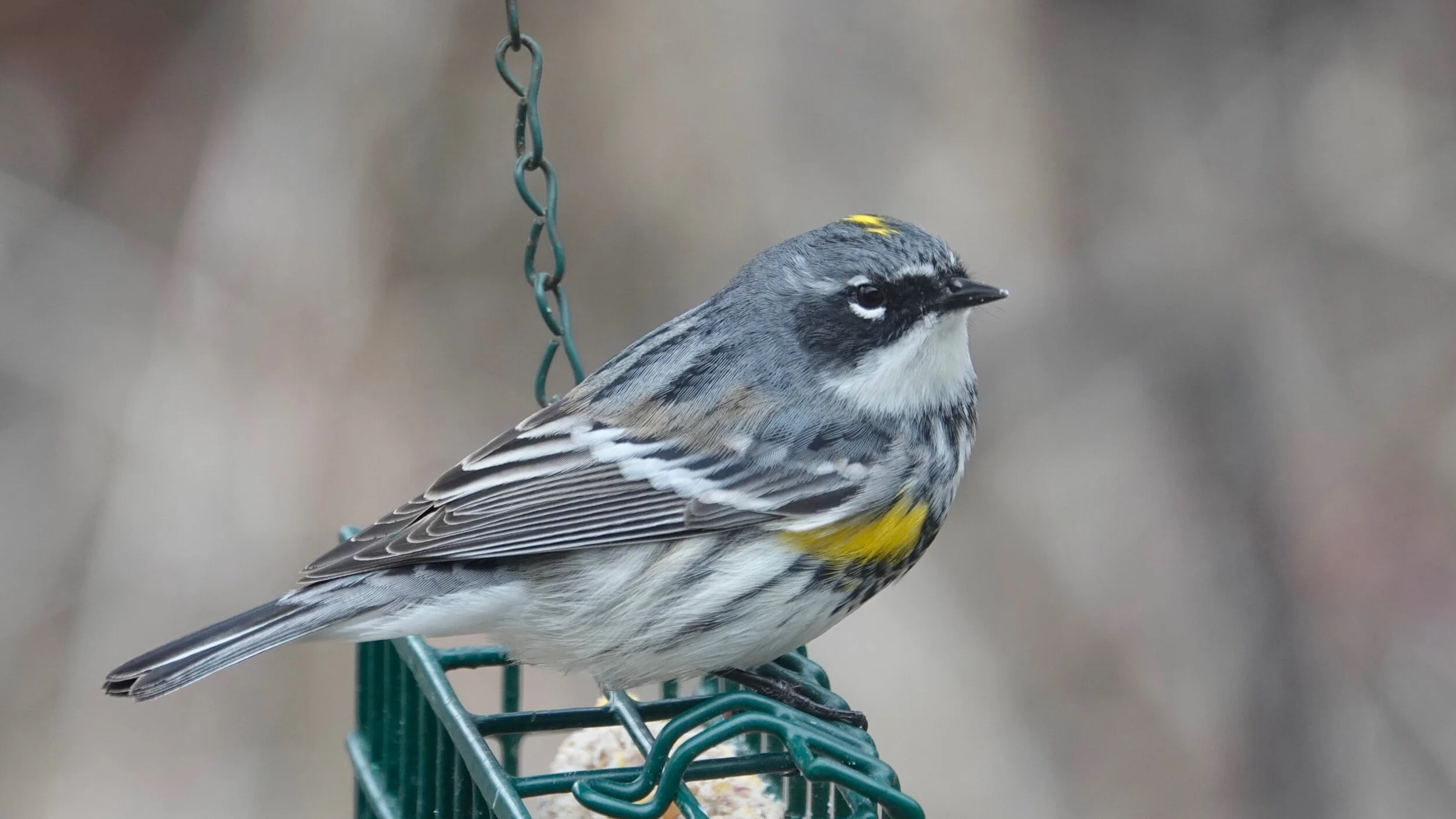
The butterbutt. A Yellow-rumped Warbler. Thanks to autocorrect, it’s name may be changed to the Yellow-rumpled Warbler.
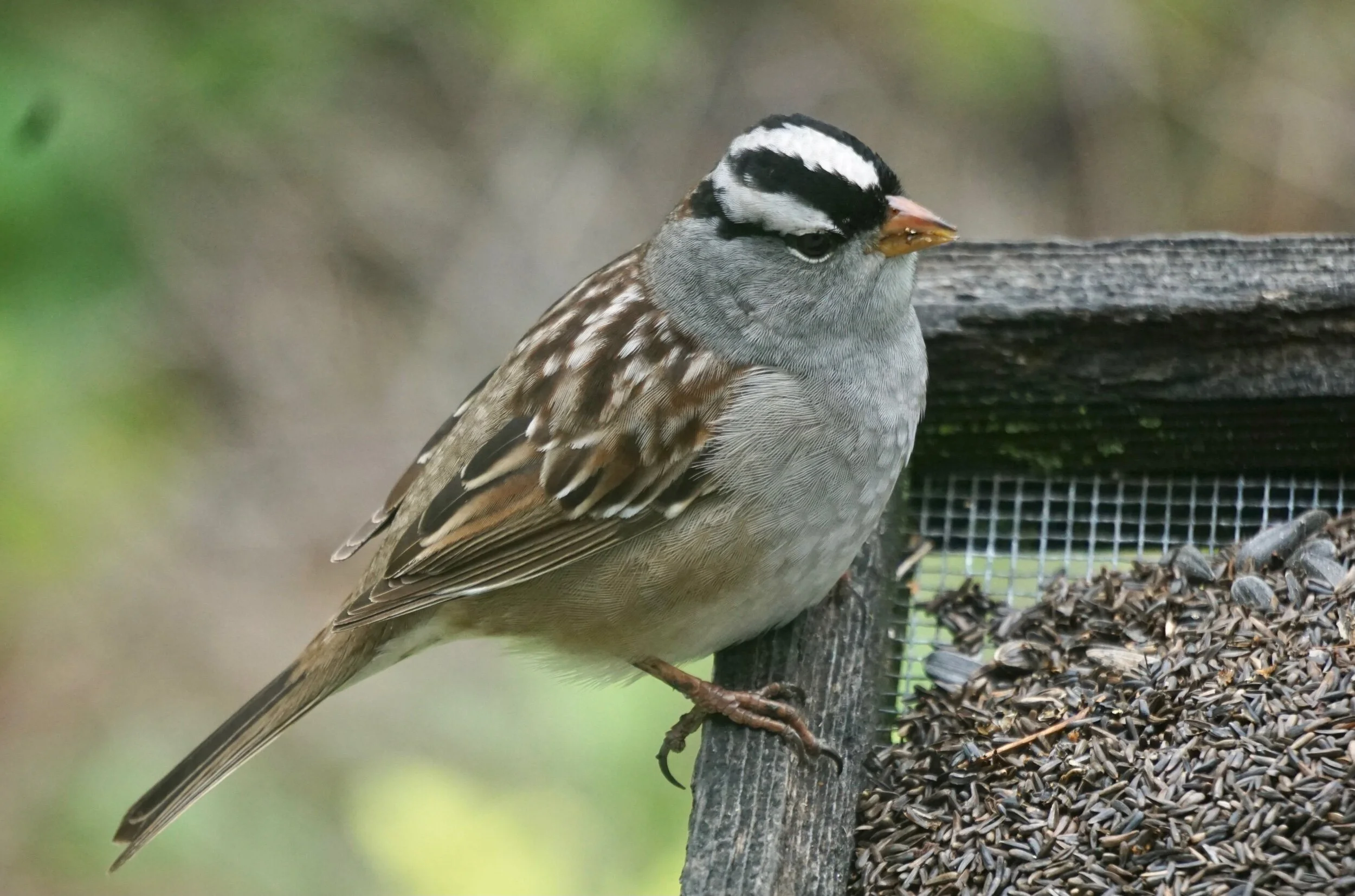
A White-crowned Sparrow feeding at the trough.
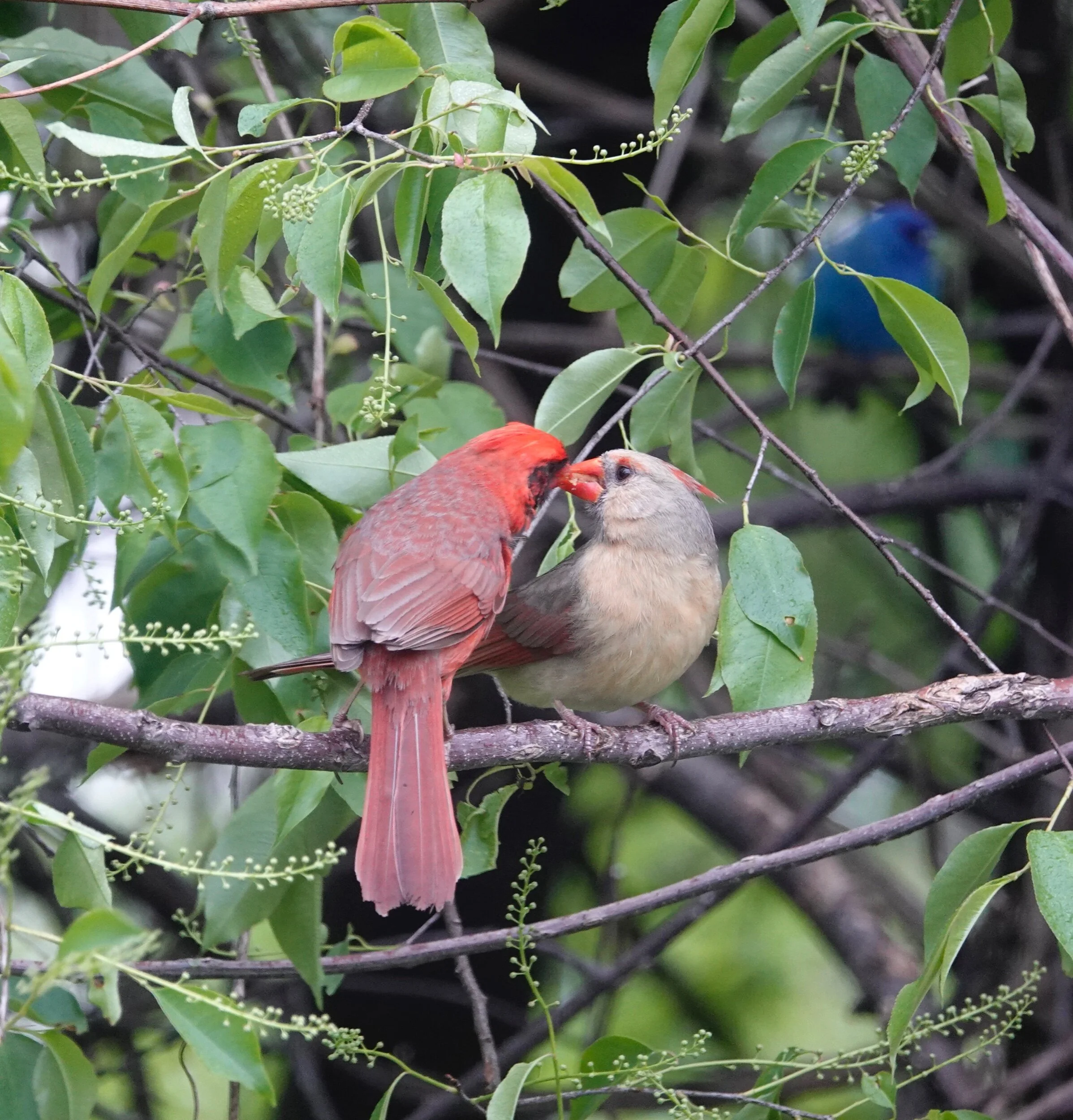
How sweet it is. Kissing cardinals.
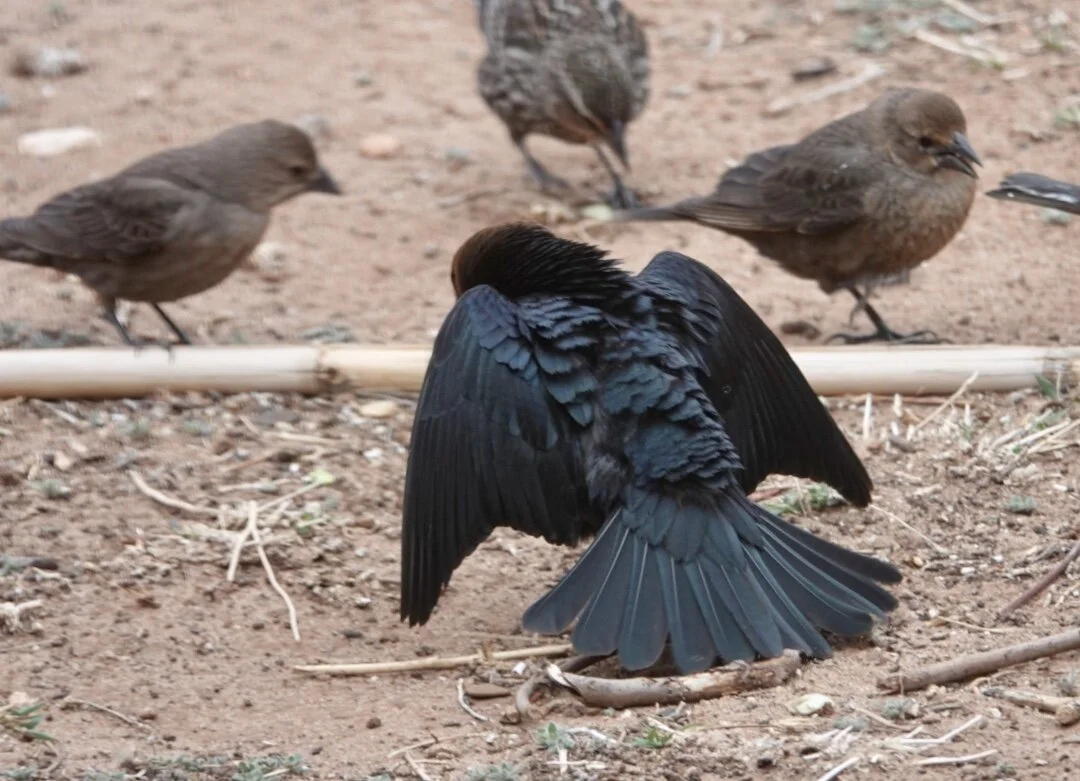
A Brown-headed Cowbird male trying to impress the females.
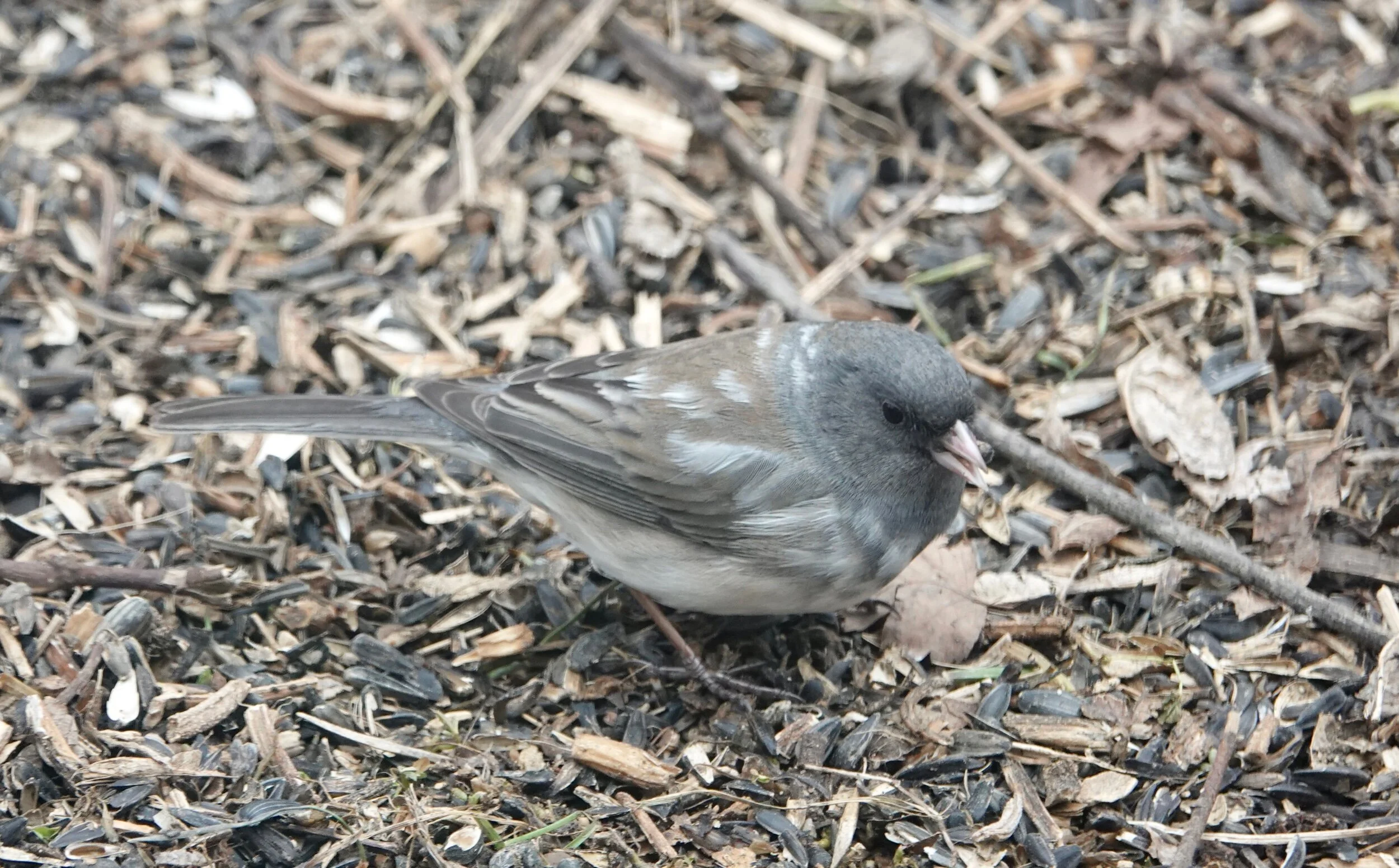
A whiter shade of pale on a Dark-eyed Junco.
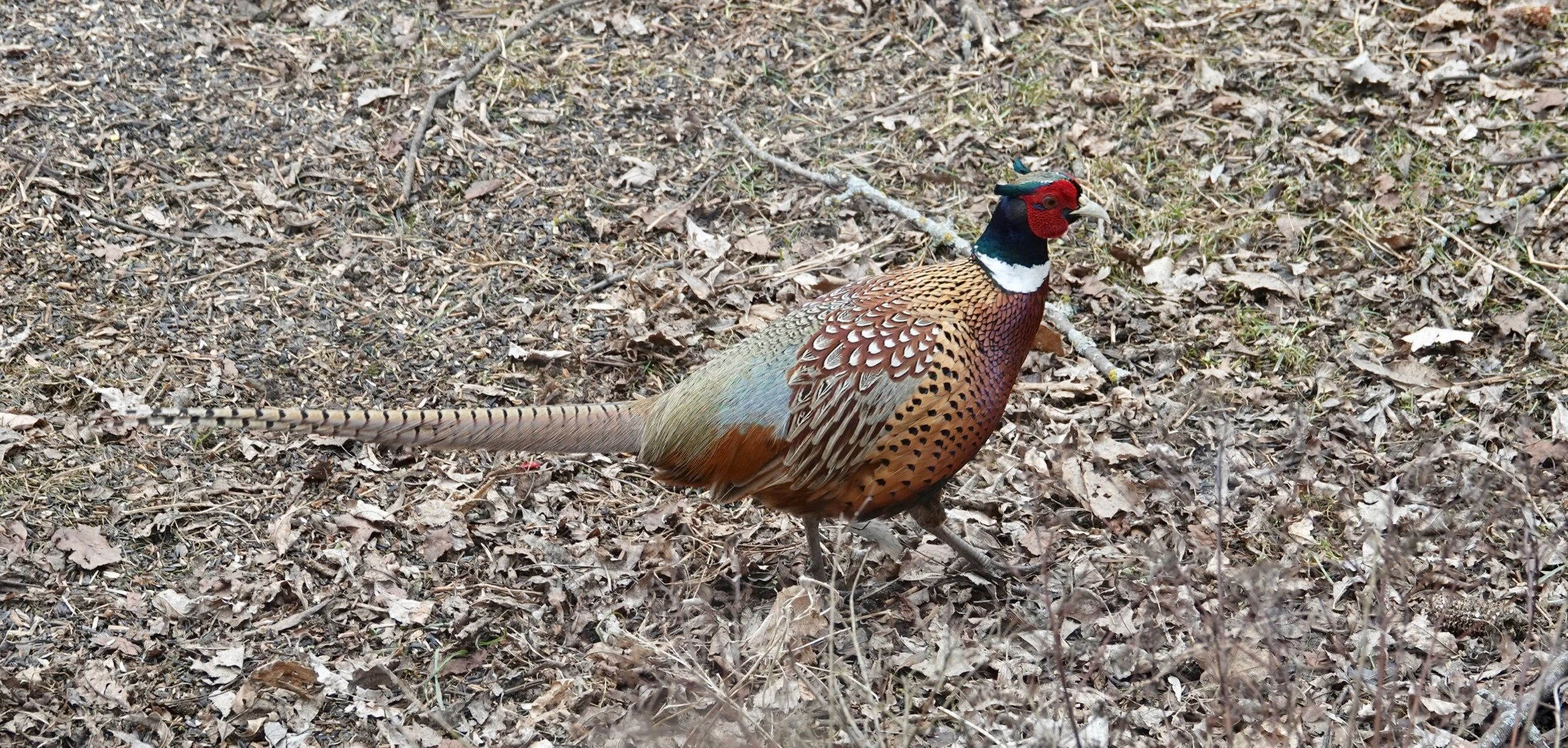
A handsome fellow, the Ring-necked Pheasant. This species is native to China and East Asia.
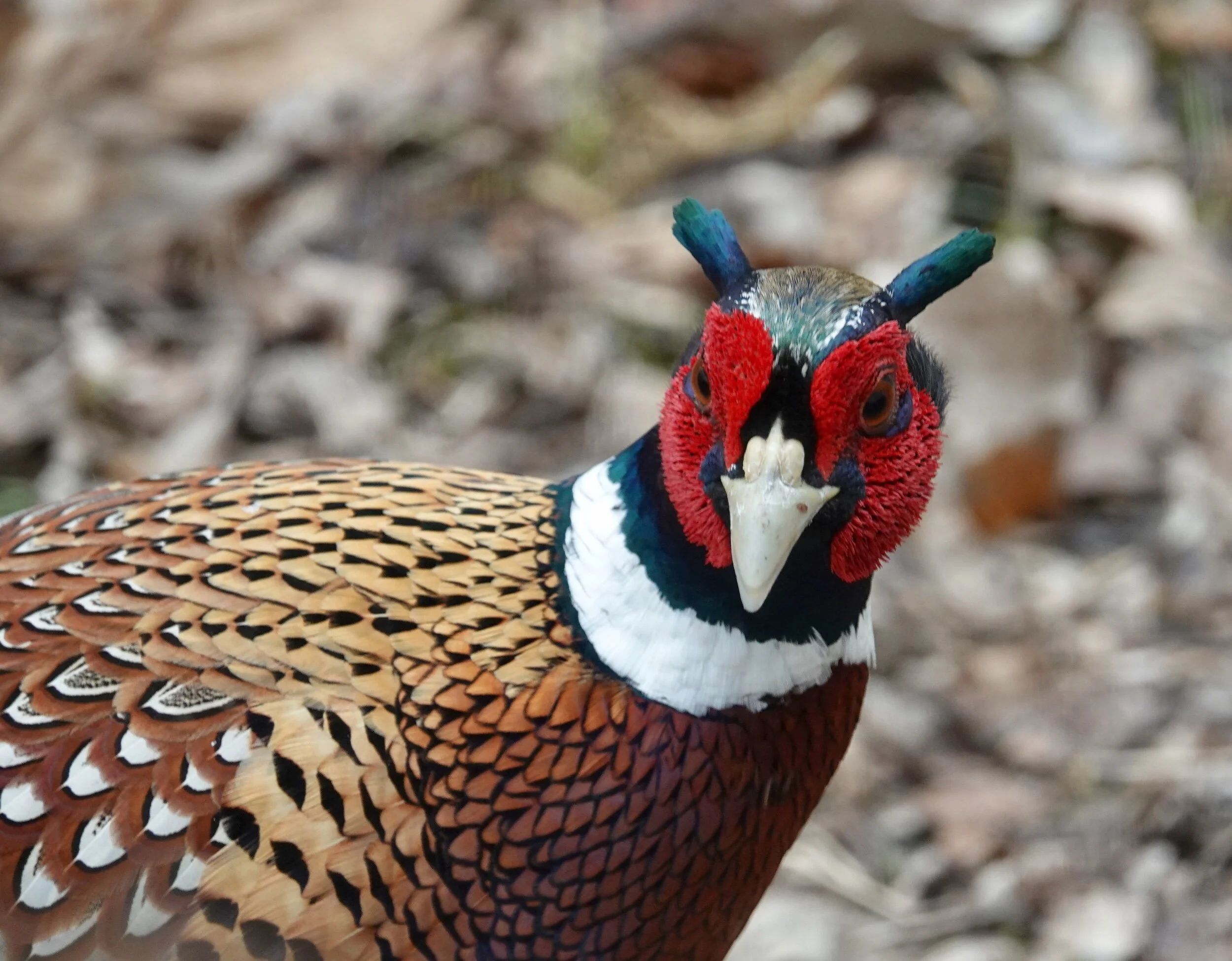
A handsome fellow, the Ring-necked Pheasant. This species is native to China and East Asia.
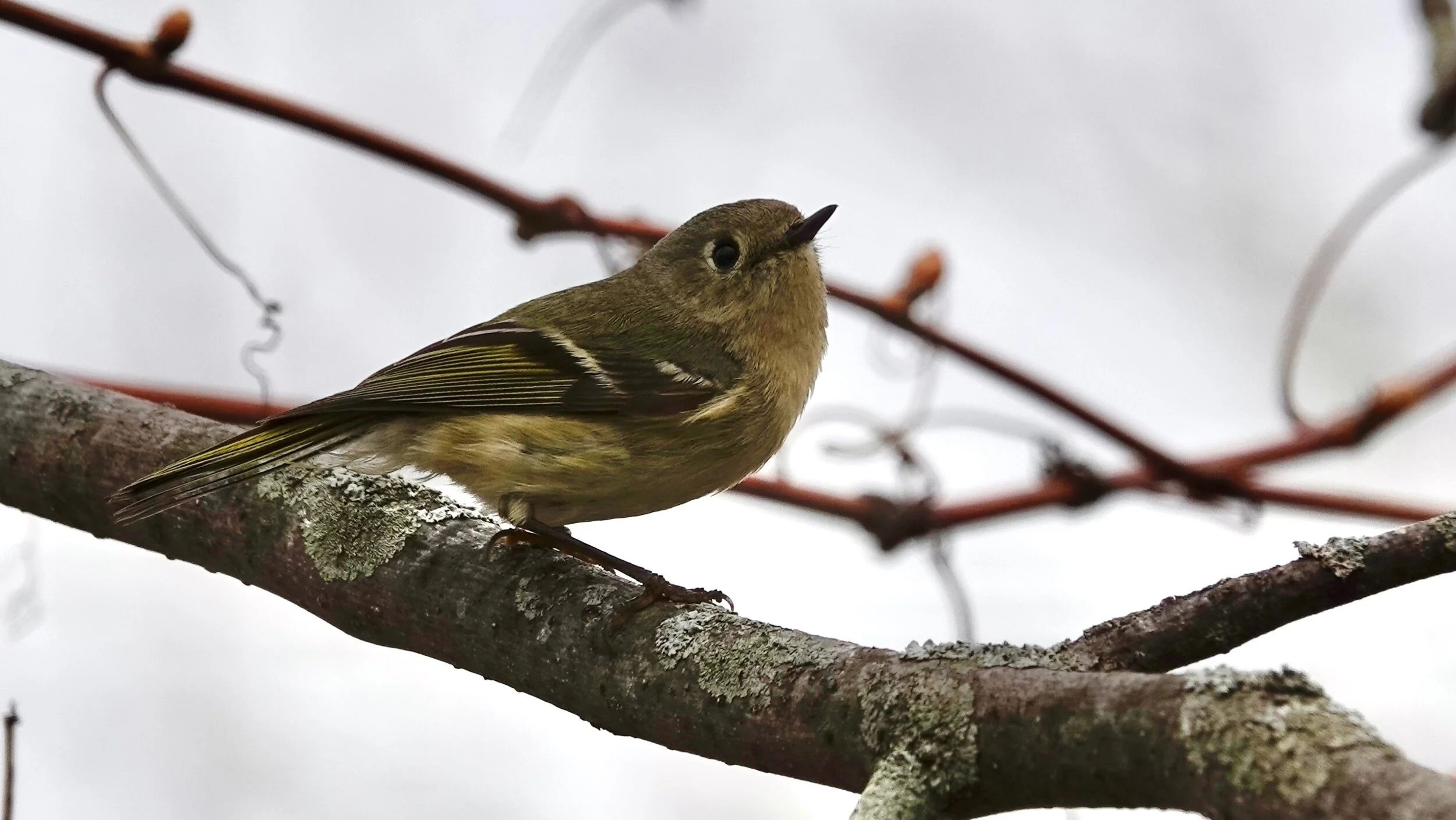
Ruby-crowned Kinglets must use megaphones when they sing. So small, so loud.
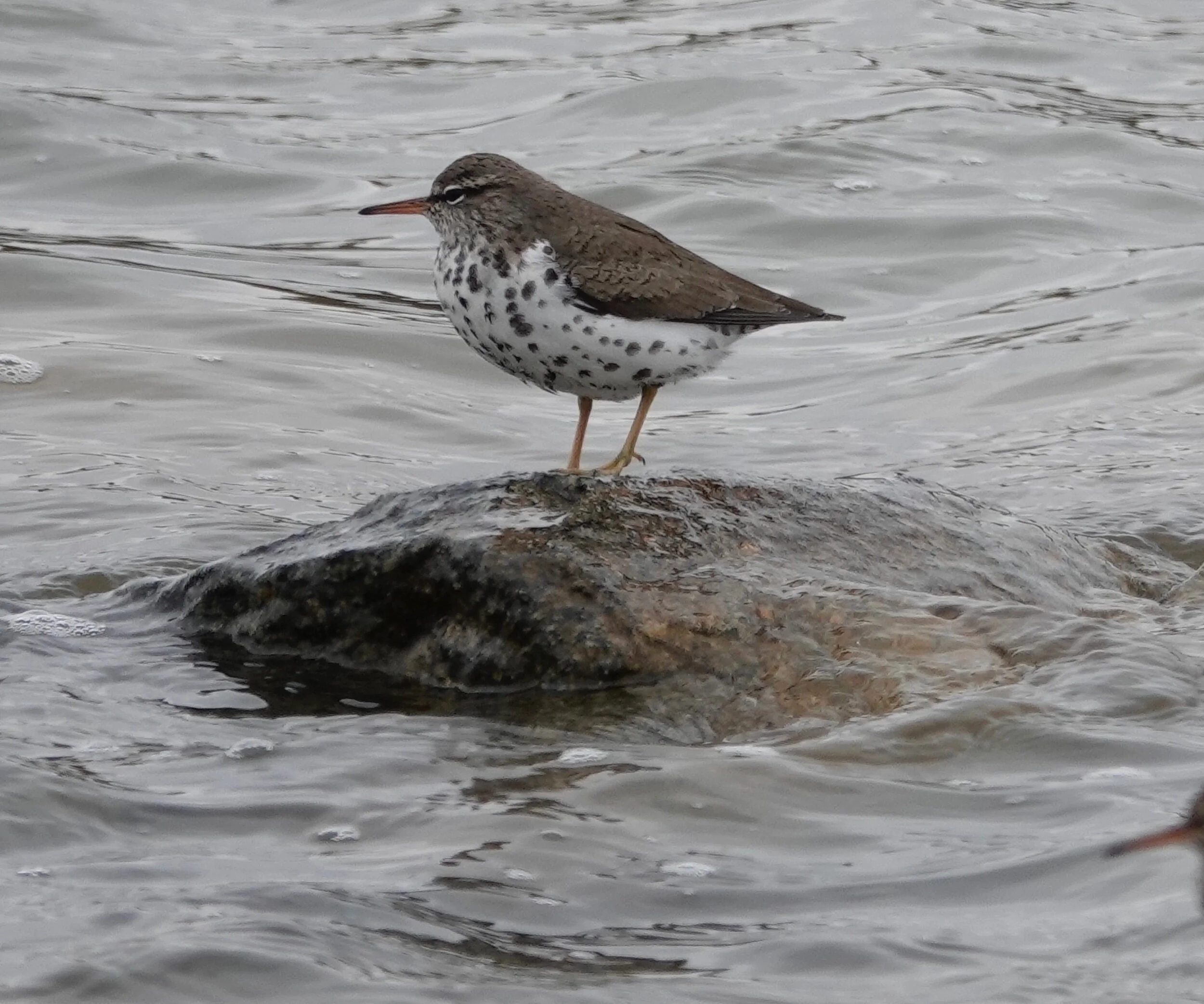
My father called the Spotted Sandpiper a teeter-snipe because of the bird’s bobbing behavior.
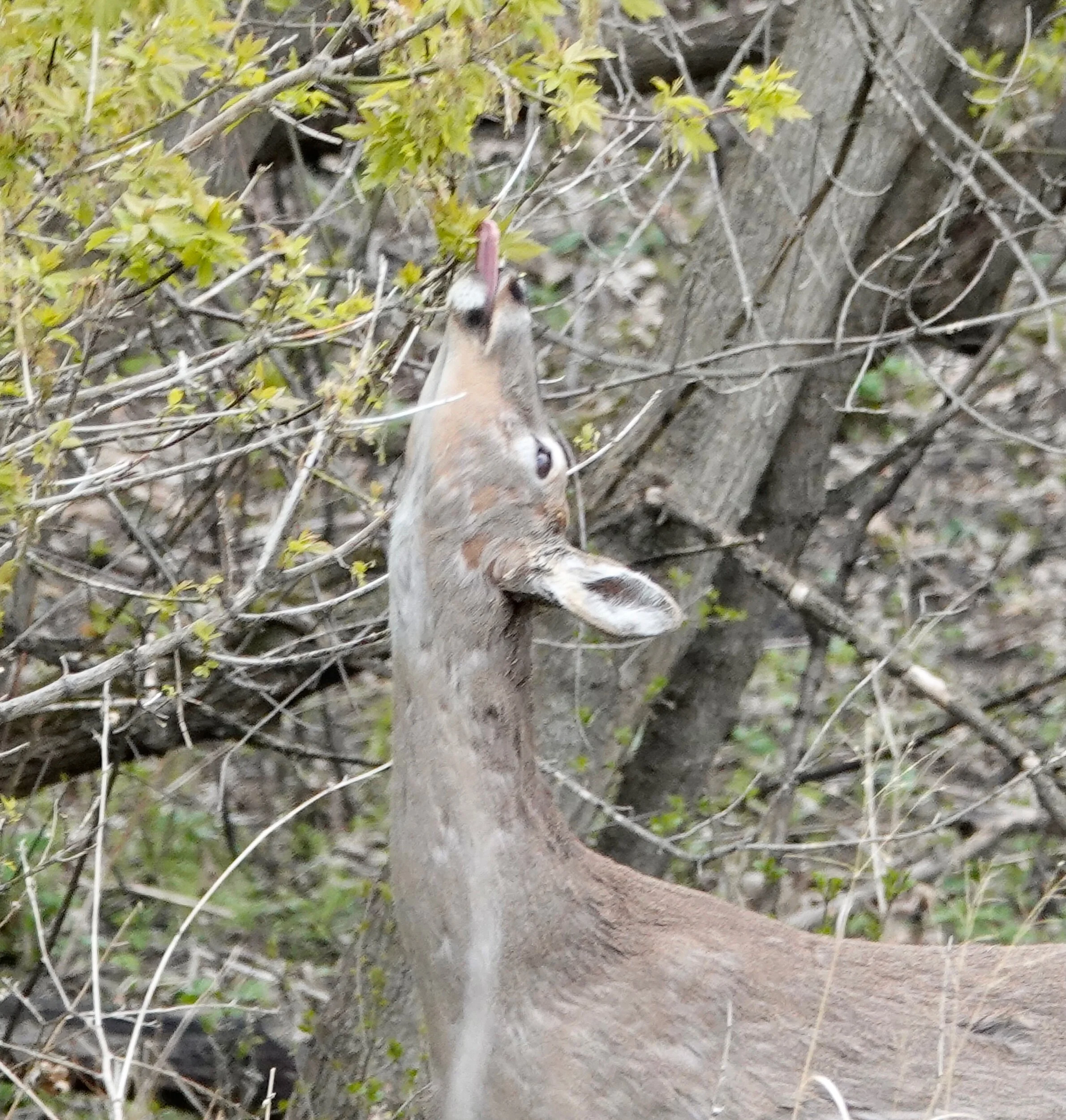
Things are looking up for a deer that finds tasty tree leaves.
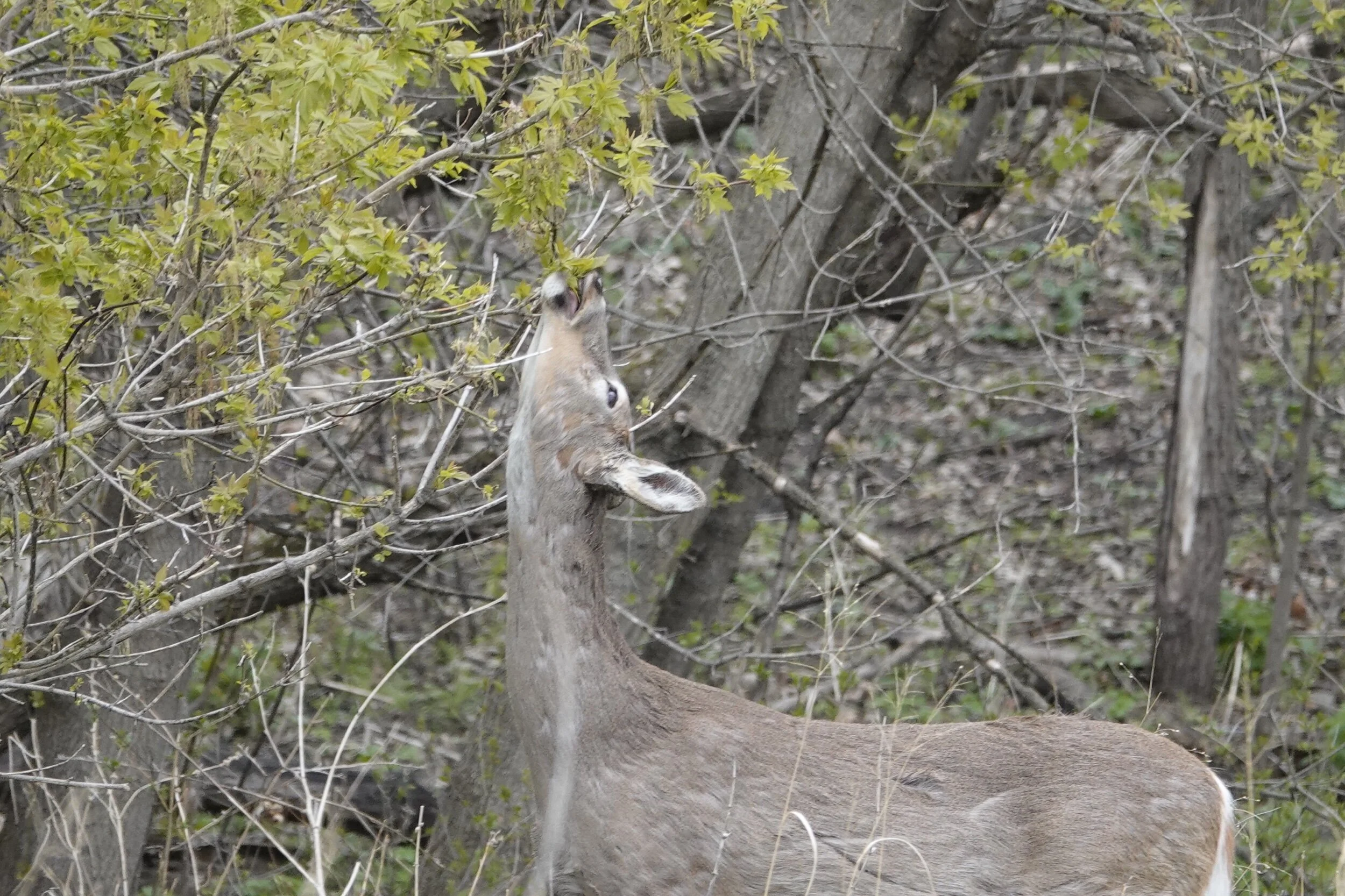
Things are looking up for a deer that finds tasty tree leaves.
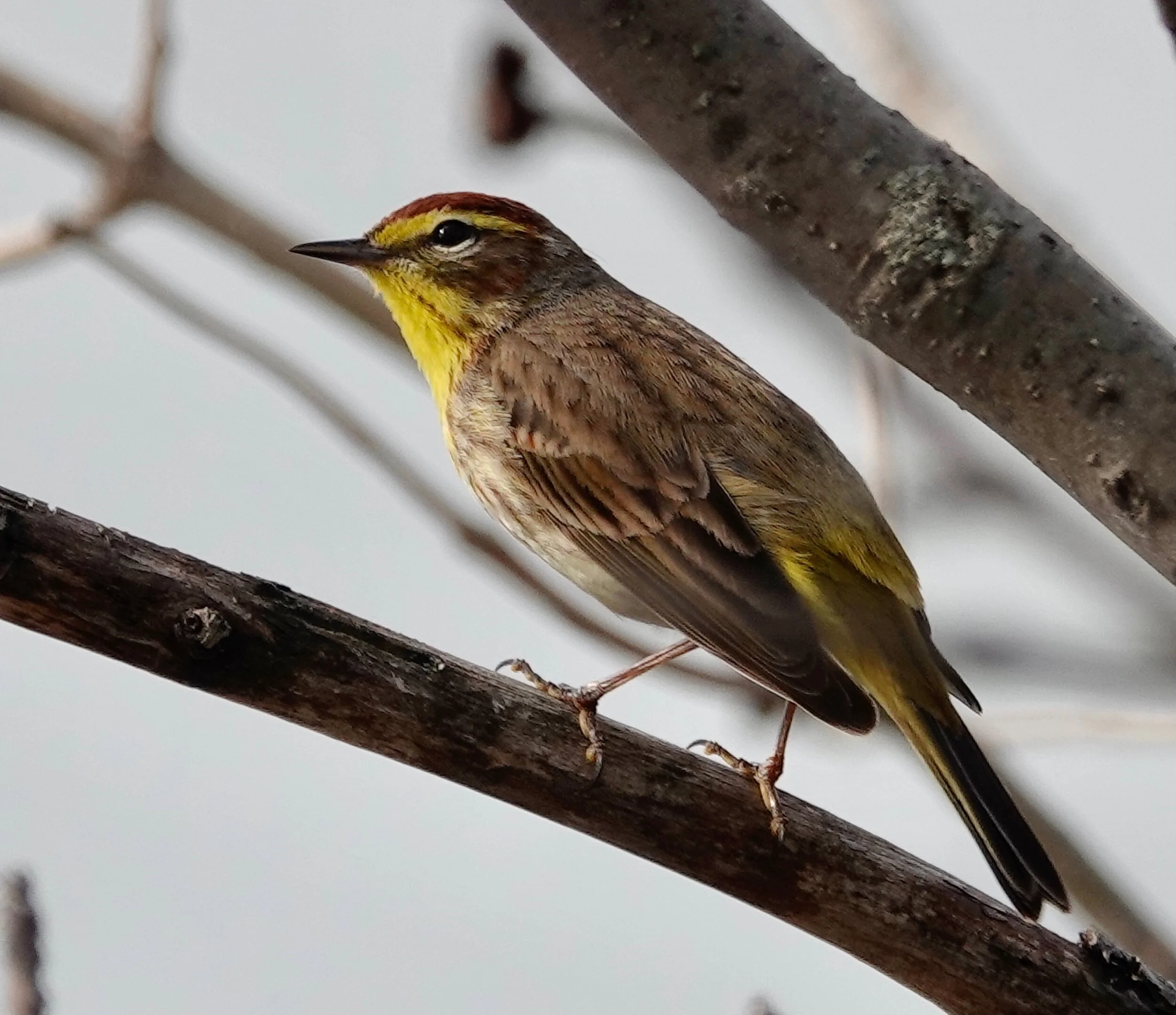
The Palm Warbler was named by Johann Friedrich Gmelin and based on a specimen collected on Hispaniola, a Caribbean island with an abundance of palm trees.
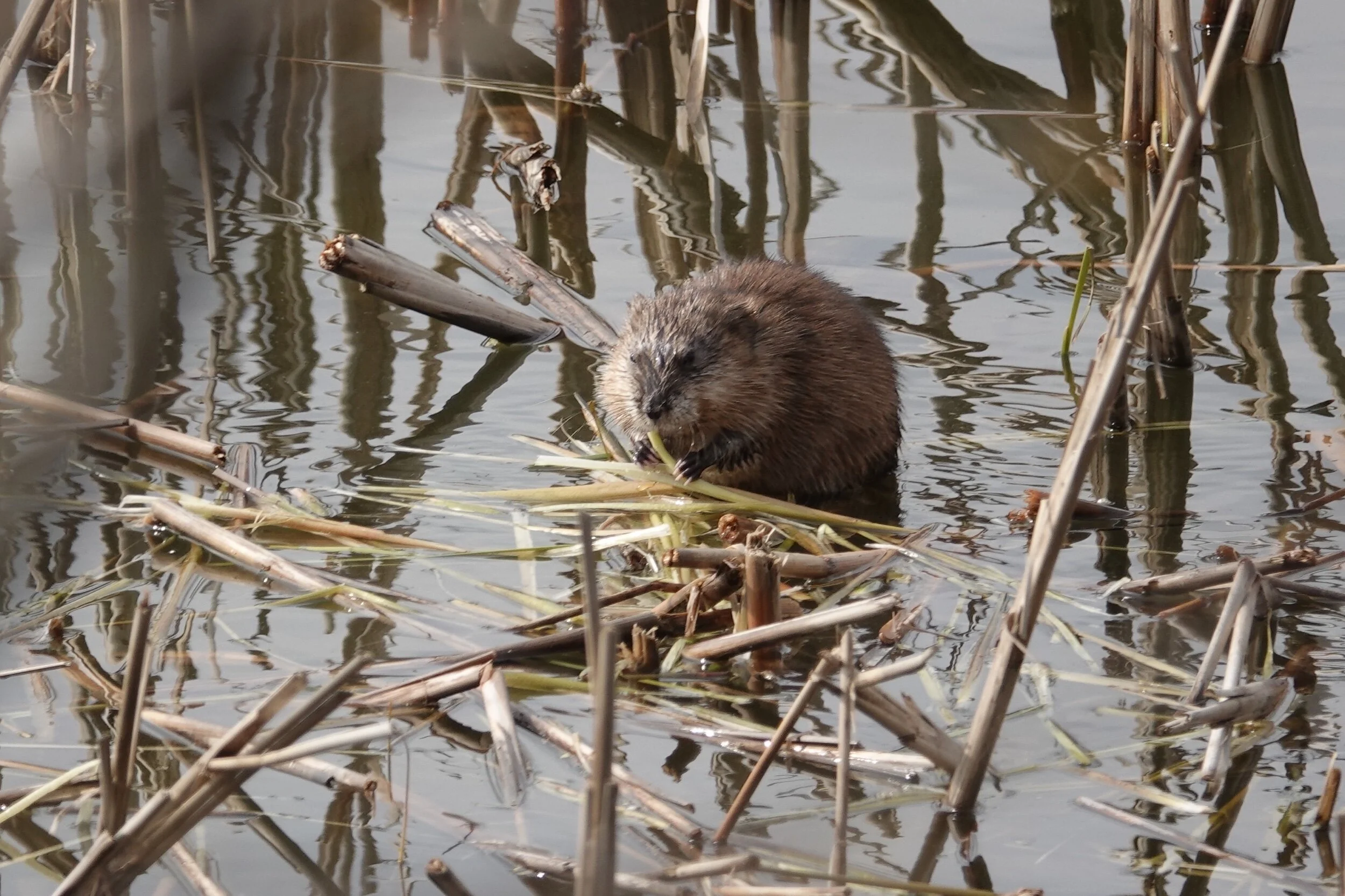
If a Muskrat owned a cafe, it would look something like this. Muskrats feed on cattails, waterlilies, pondweed and other aquatic vegetation.
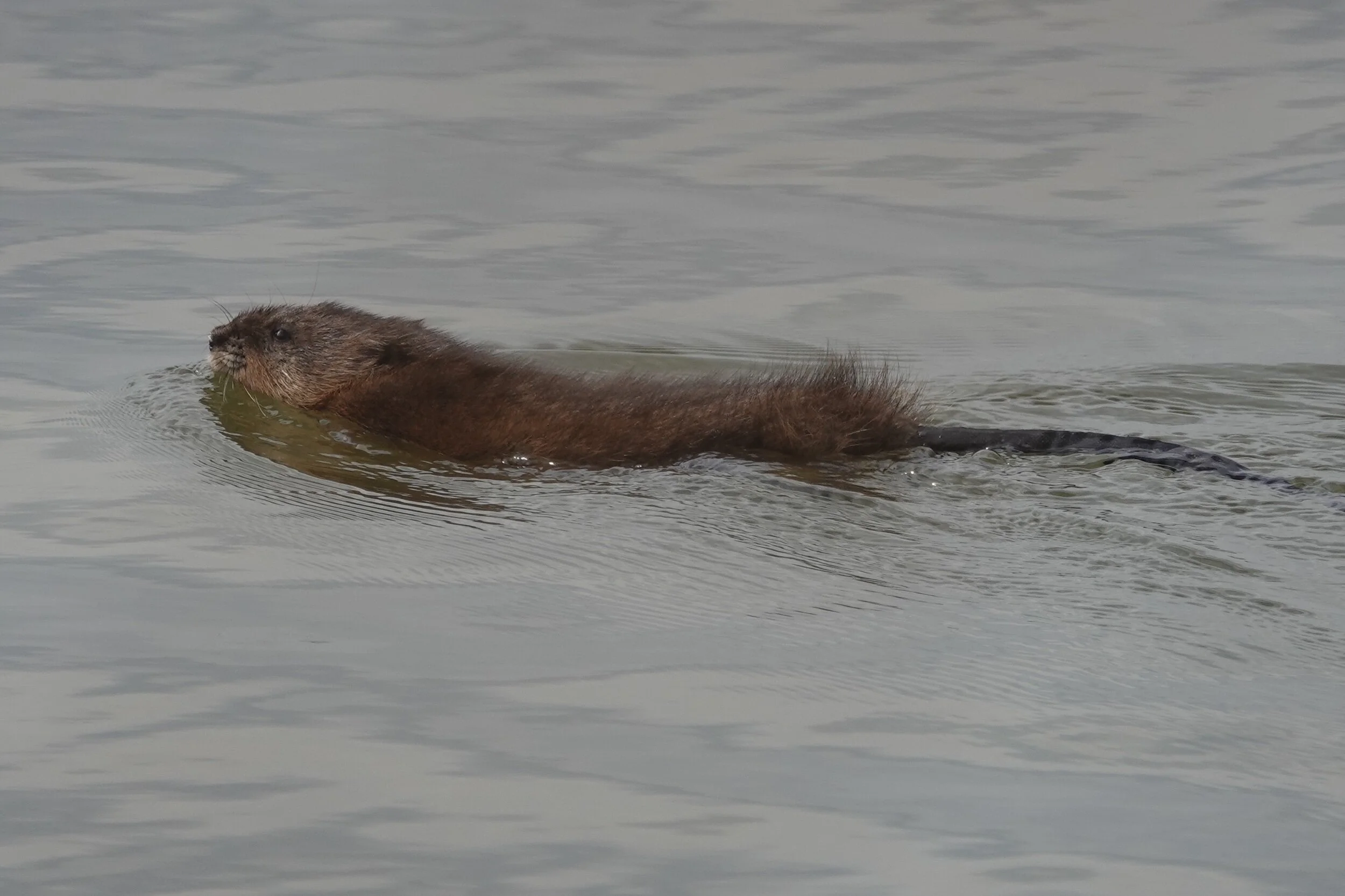
Muskrats can swim up to 3 mph and are able to swim backwards.
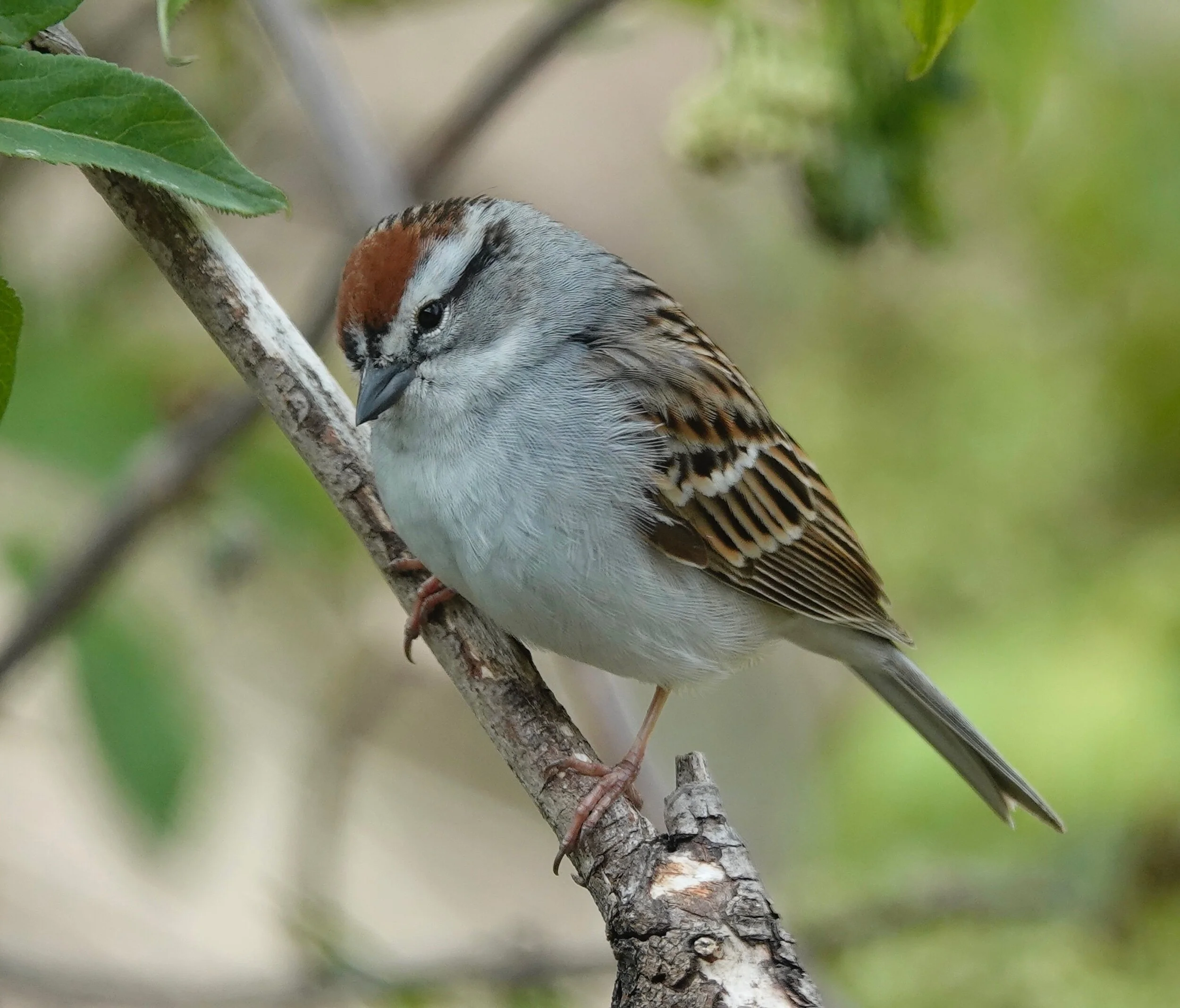
The Chipping Sparrow is a frequent foster parent of Brown-headed Cowbird chicks.
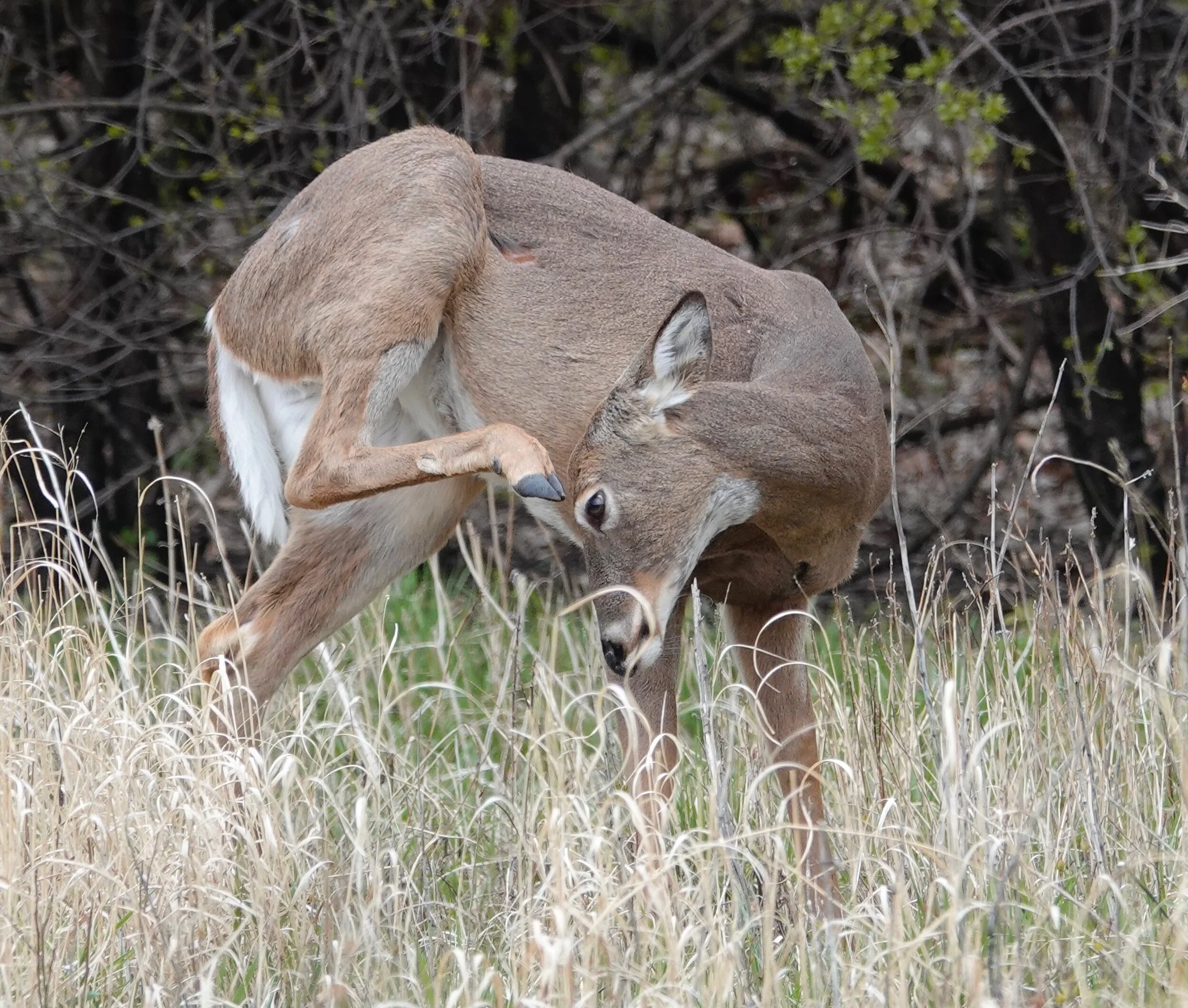
A deer falling victim to self-induced noogies.
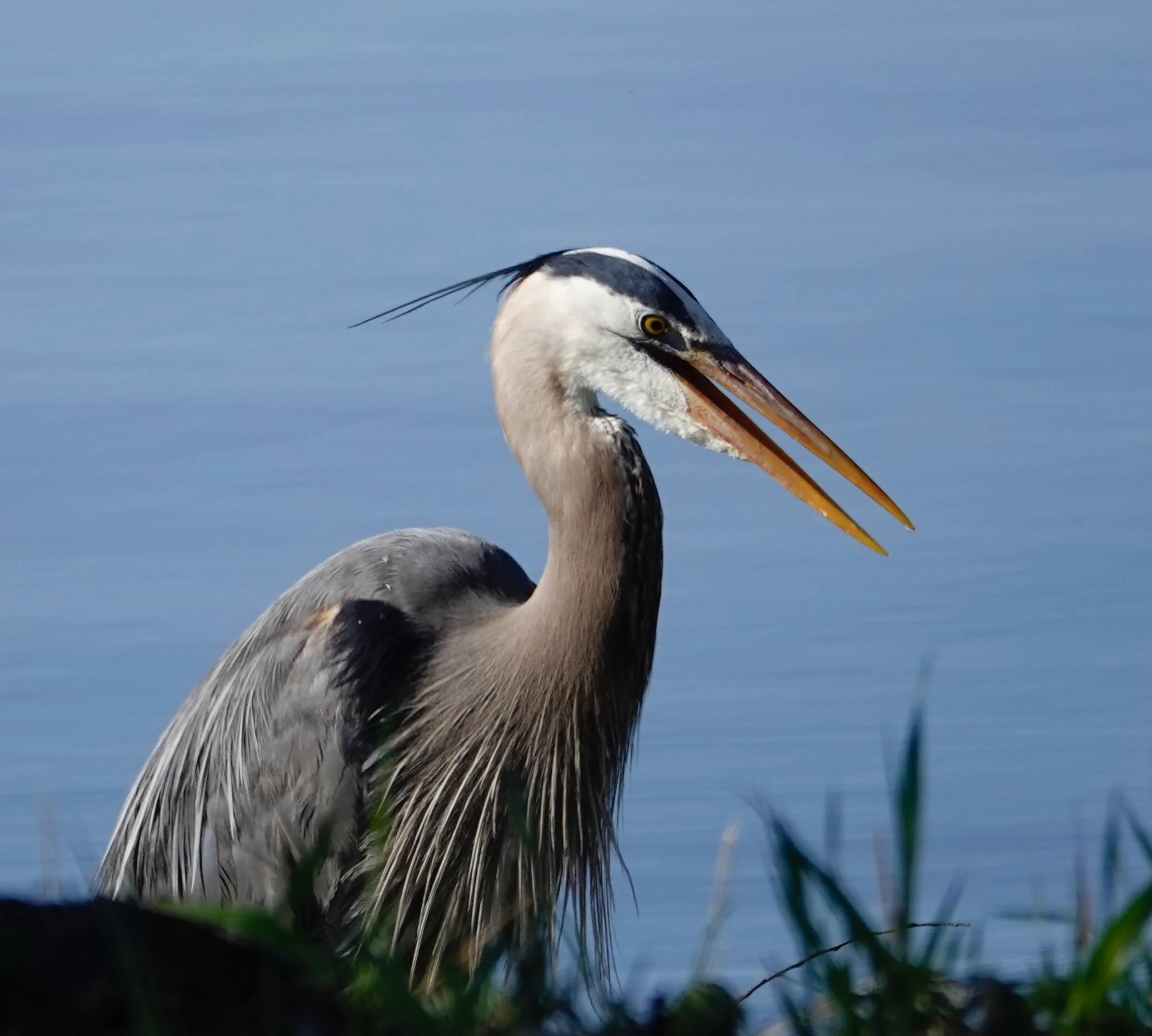
Old Cranky, the Great Blue Heron.
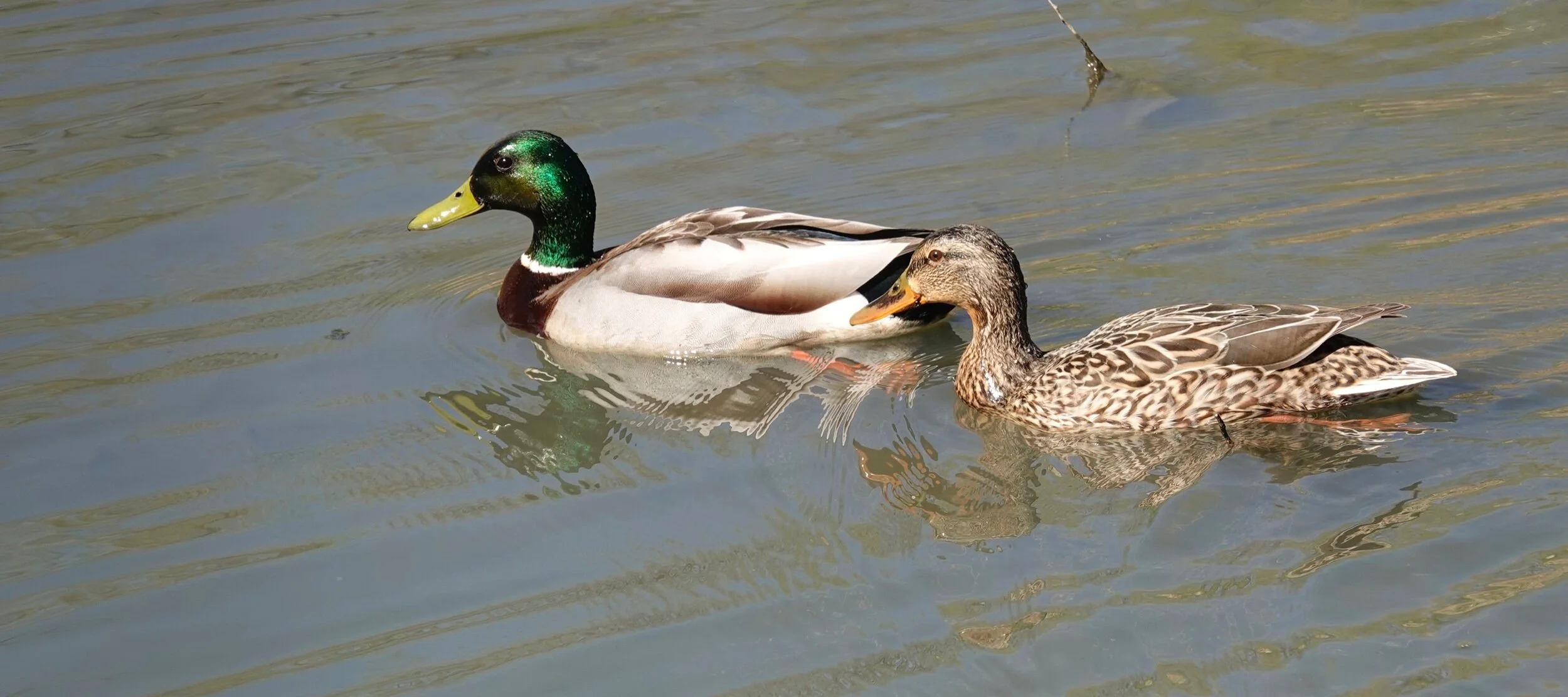
Ma and Pa Mallard go to town.