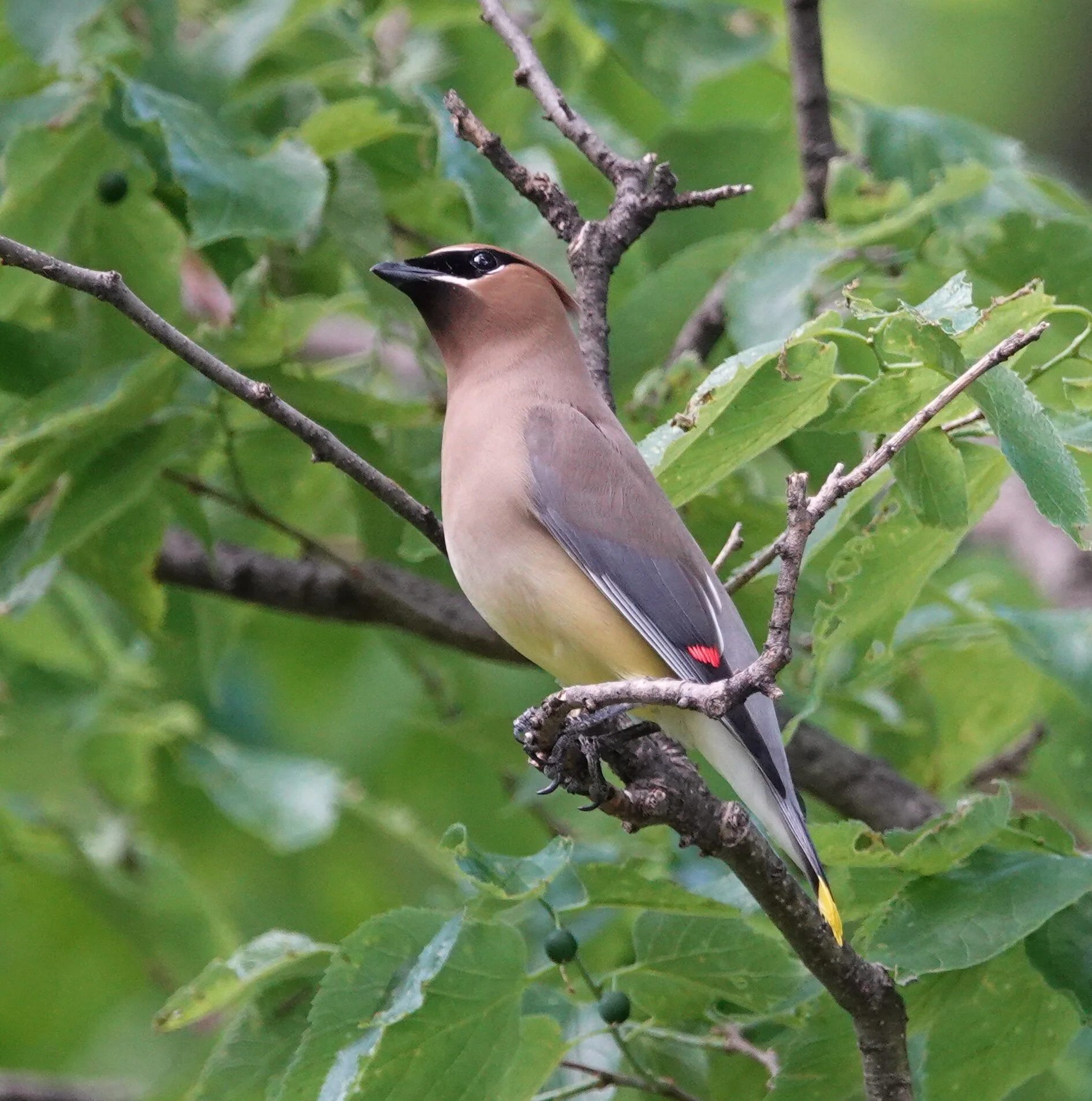
One collective noun for Cedar Waxwings is a museum.

One collective noun for Cedar Waxwings is a museum. A waxwing museum is too perfect.

One collective noun for Cedar Waxwings is a museum. A waxwing museum is too perfect.

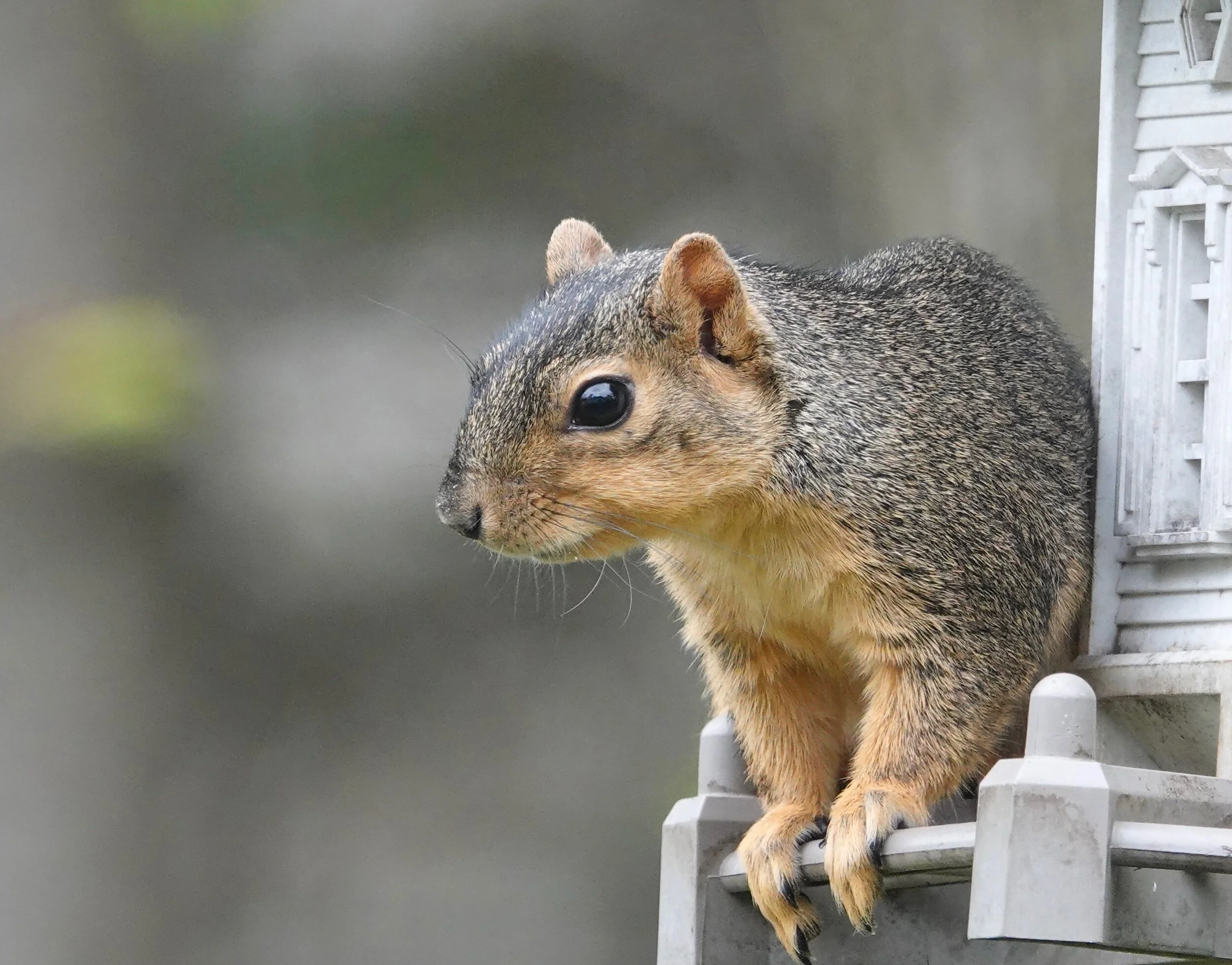
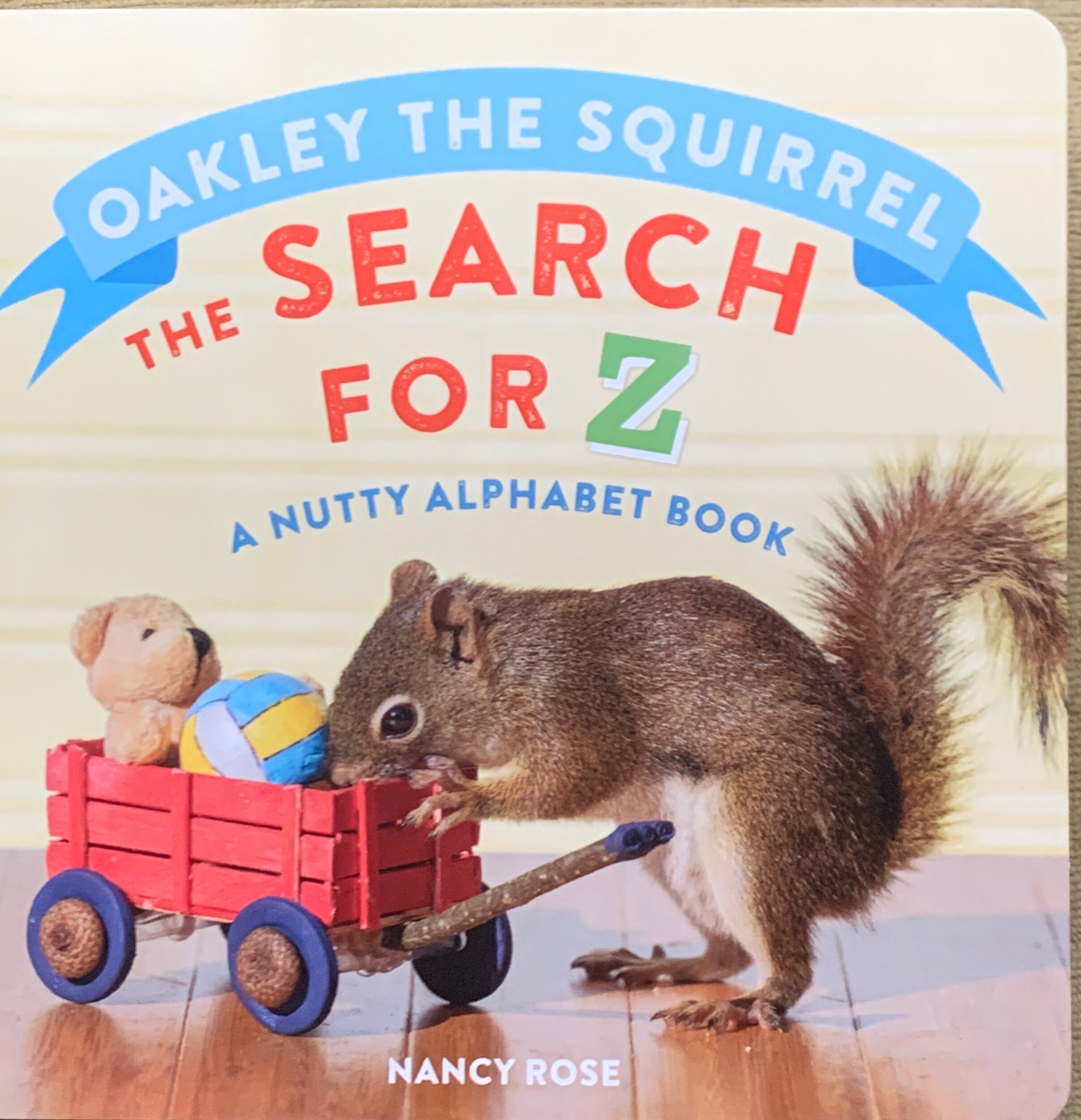
Just one look, that’s all it took—to see this was a professional squirrel.

Just one look, that’s all it took—to see this was a professional squirrel.

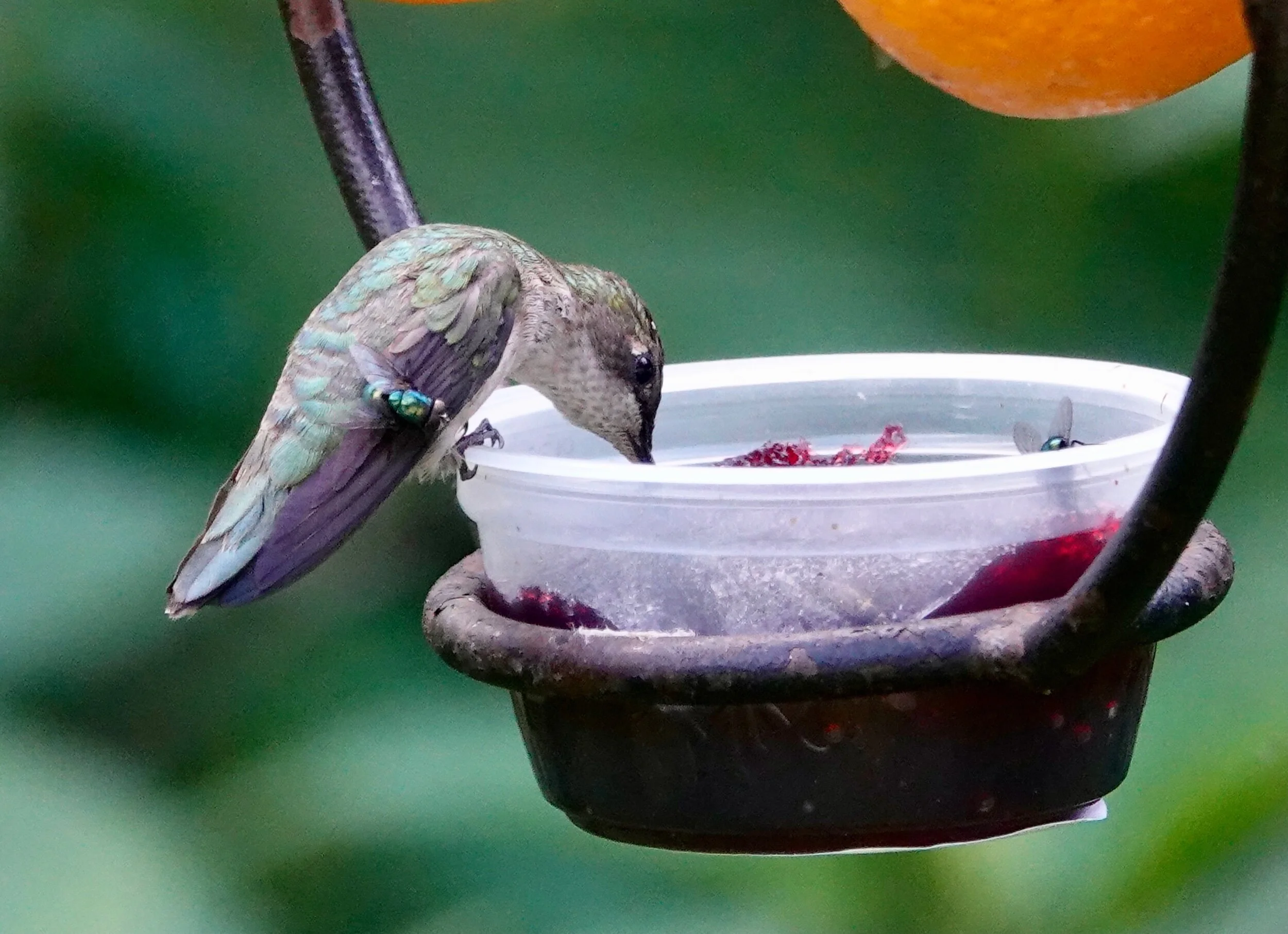
A large fly on a small bird. This hummingbird was drinking grape jelly juice.

A large fly on a small bird. This hummingbird was drinking grape jelly juice.

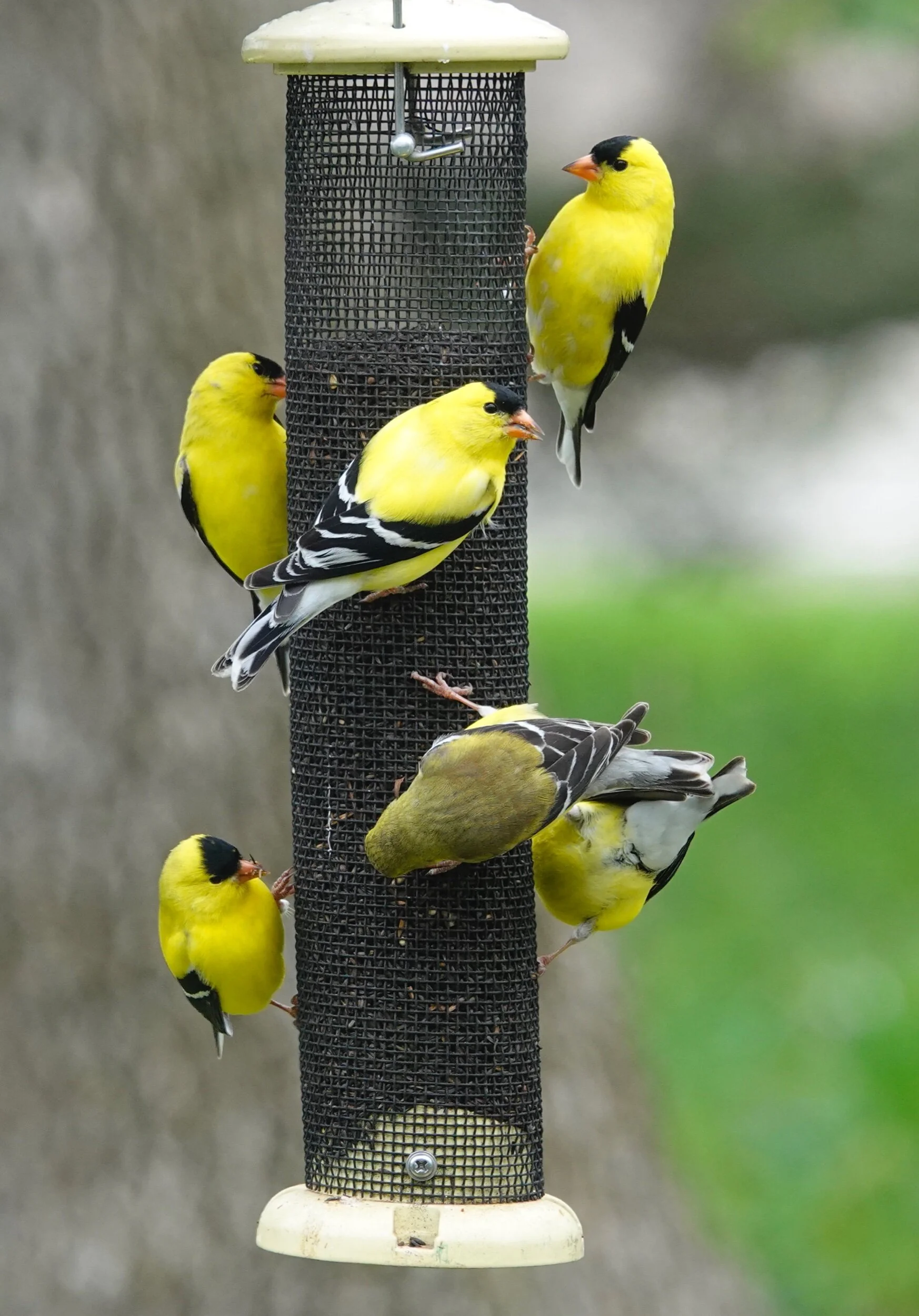
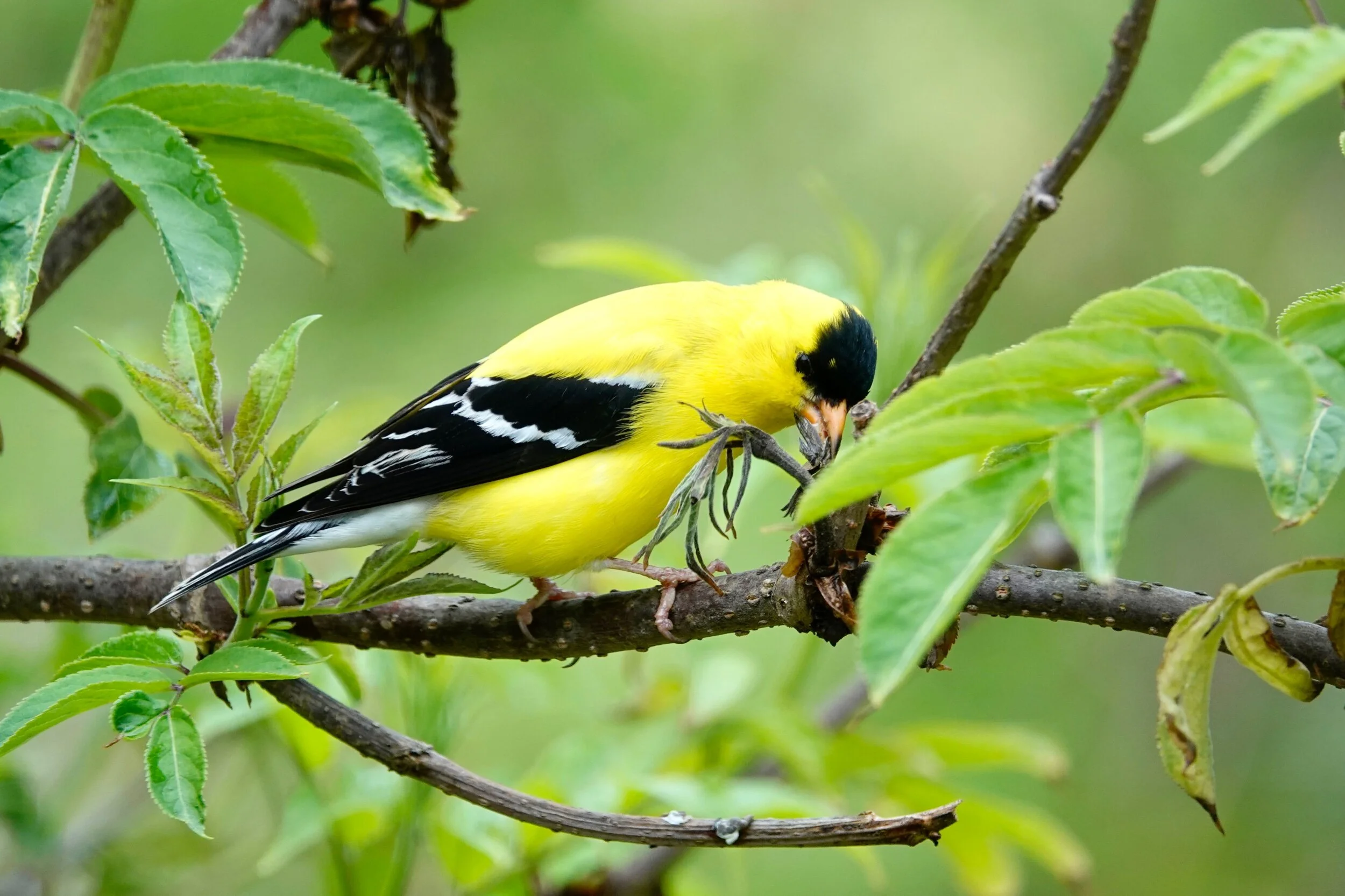
A charm or trembling of goldfinches

A charm or trembling of goldfinches. #birding

A charm or trembling of goldfinches. #birding

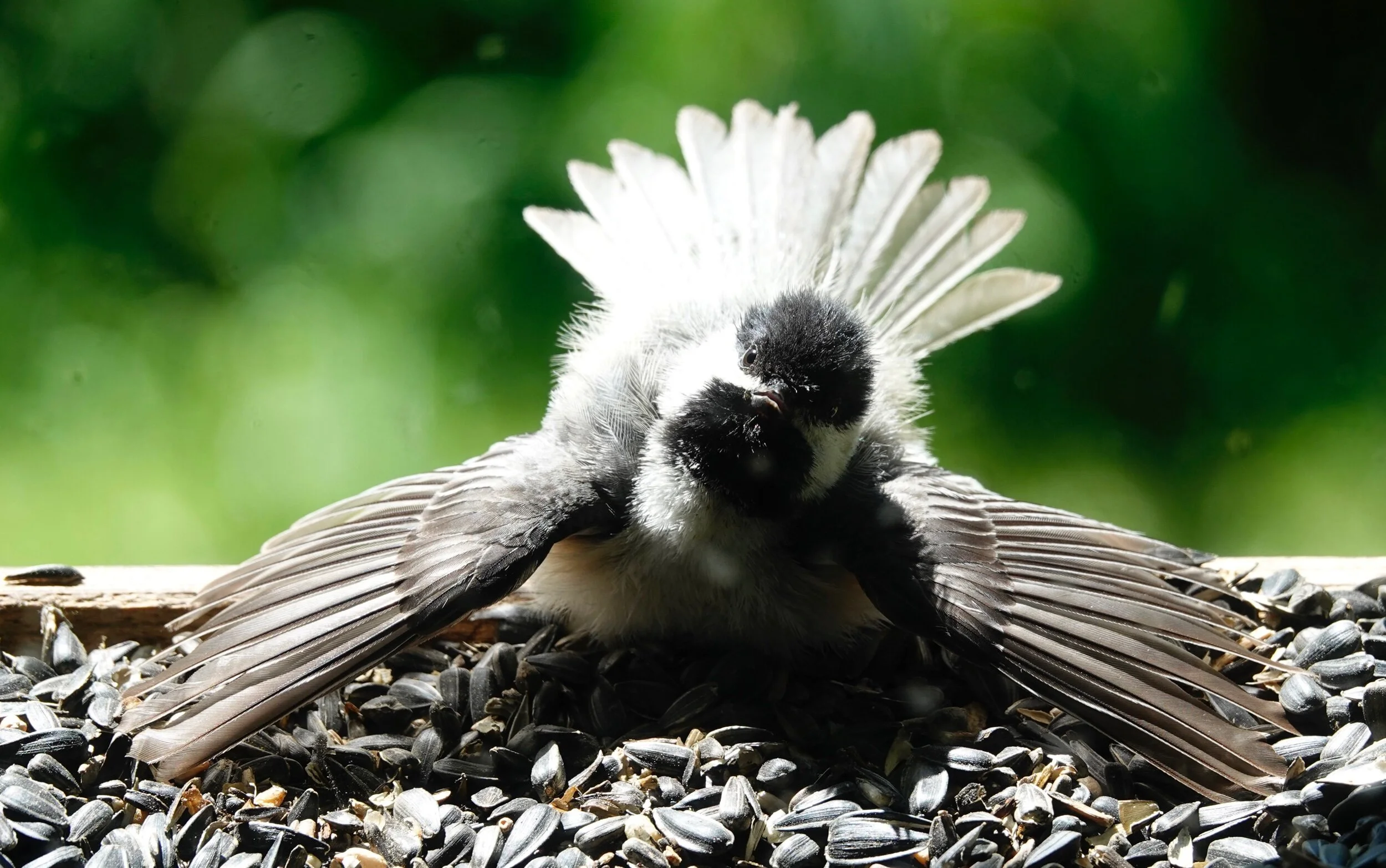
A sunbathing chickadee.

A sunbathing chickadee.

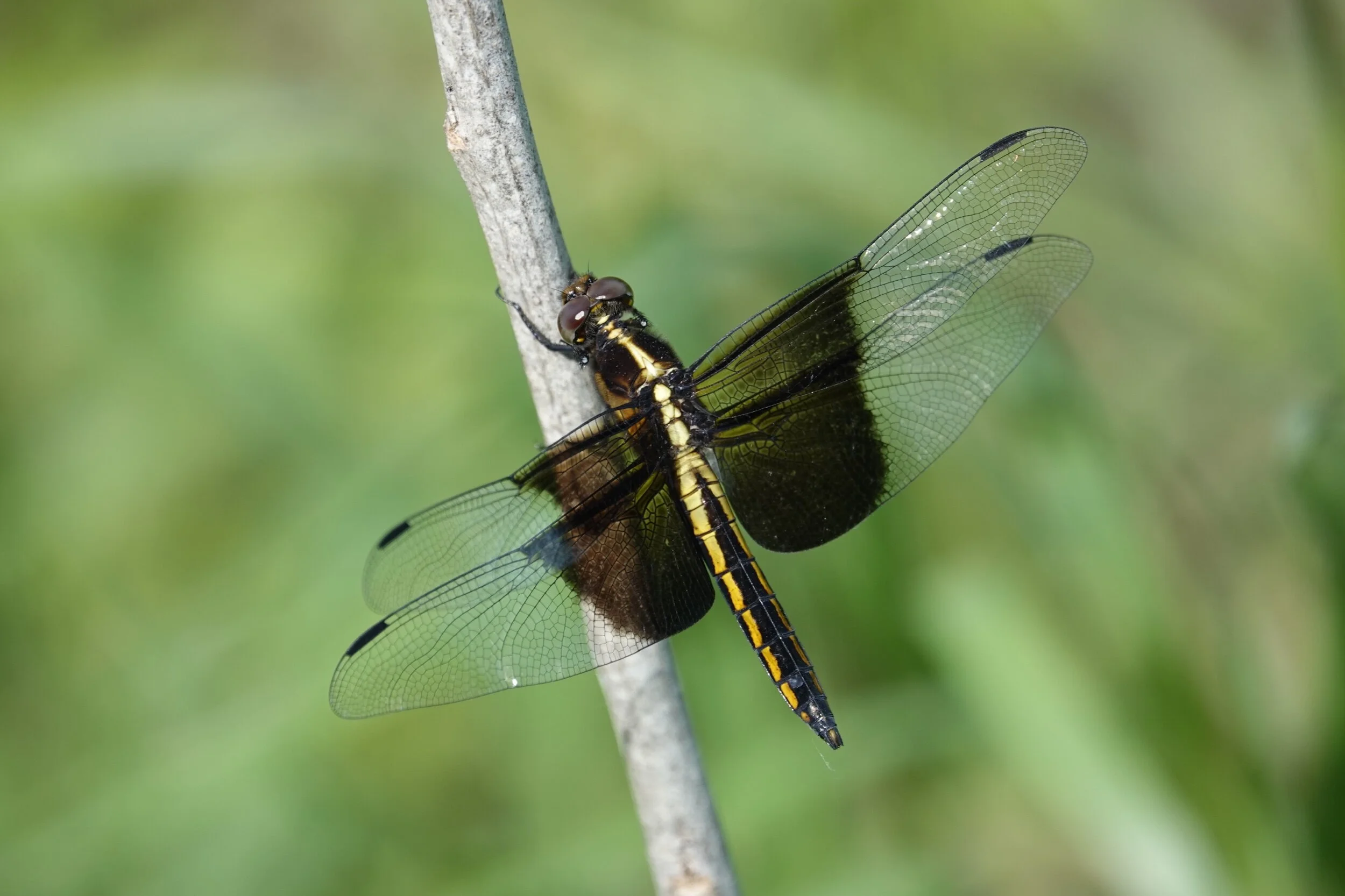
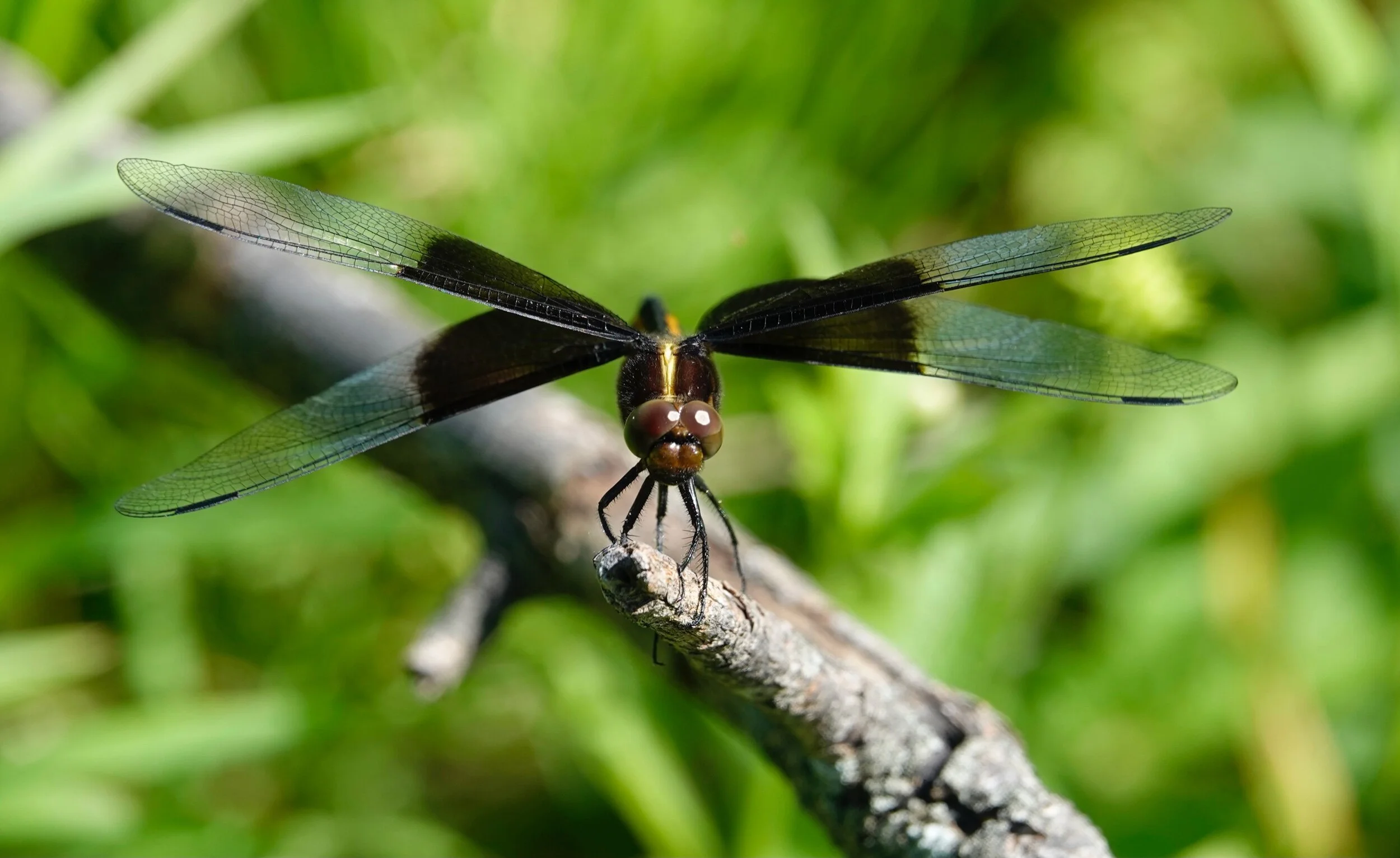
A Widow Skimmer dragonfly resting from skimming widows.

A Widow Skimmer dragonfly resting from skimming widows.

A Widow Skimmer dragonfly resting from skimming widows.

A Widow Skimmer dragonfly resting from skimming widows.

Will you marry me?

I saw this on a walking trail. I hope the answer was “yes.”

I saw this on a walking trail. I hope the answer was “yes.”

An only duckling.

An only duckling.

An only Mallard duckling.

An only Mallard duckling.

This pair of House Sparrows were working hard building a nest in a spot that likely will be unappreciated by humans.

This pair of House Sparrows were working hard building a nest in a spot that likely will be unappreciated by humans.

The Tree Swallows paid their damage deposit (a white feather for the nest) and rented the place. I’m happy to be their penny-pinching landlord.

The Tree Swallows paid their damage deposit (a white feather for the nest) and rented the place. I’m happy to be their penny-pinching landlord.

The Rose-breasted Grosbeak whistles up delight in my yard. One of the first things I was told about birdsong was that the grosbeak’s song sounds like a robin that has had singing lessons.

The Rose-breasted Grosbeak whistles up delight in my yard. One of the first things I was told about birdsong was that the grosbeak’s song sounds like a robin that has had singing lessons.

The Rose-breasted Grosbeak whistles up delight in my yard.

One of the first things I was told about birdsong was that the grosbeak’s song sounds like a robin that has had singing lessons.

Red columbine is attractive to hummingbirds.

Red columbine is attractive to hummingbirds.

A Chipping Sparrow’s song is a long trill that can sound insect-like. Some insect songs have a long trill that can sound Chipping Sparrow-like.

A Chipping Sparrow’s song is a long trill that can sound insect-like. Some insect songs have a long trill that can sound Chipping Sparrow-like.

The Vietnam Memorial Wall. “When words are most empty, tears are most apt.”–Max Lucado

The Vietnam Memorial Wall.

“When words are most empty, tears are most apt.”–Max Lucado

The Oldsmobile Orchard Oriole 4-door

Naturally
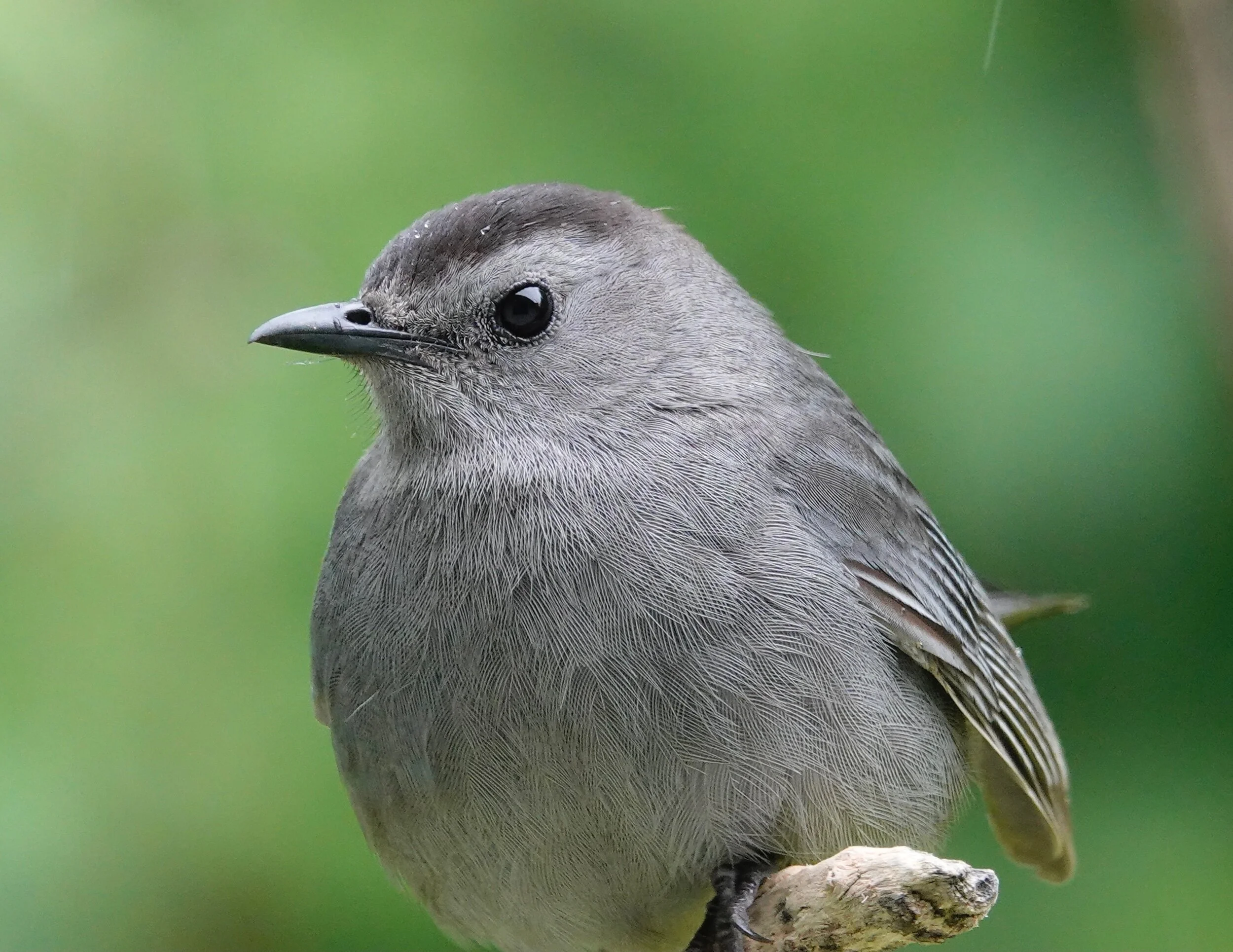
The day was an infant when I listened to a gray catbird produce a series of chirps, mewing, snippets of sounds and renditions of birdsong. The catbird uses other birds’ words against them.
There were whispers from the shadows. It’s the time of the year for the LBJ (Little Brown Job) and the LBB (Little Brown Bird).
I rode the day up like a vulture on a thermal. I don’t often see turkey vultures in flight before mid-morning. It takes time for the sun to generate enough heat to form thermals. I love seeing turkey vultures at work. They clean our roads. They eat carrion as do many of our raptors, including the bald eagle. A group of perched vultures is called a wake or committee. A bumblebee buzzed past—it was a May bee. May—it may rain, it may snow, it may be 90º, it may be 30º. Grackles buzzed the tower (feeder) trying to dislodge a squirrel.
First- and second-year Canada geese (too young to breed) along with those that lost nests early in the breeding season undertake a molt migration. Individuals may move hundreds of miles in late spring and early summer to bodies of water where they’re safer as they molt and become flightless. In September and October, they return and may fly in any direction.
The lilac is traditionally a funeral flower in parts of Europe and was placed in caskets, likely because the perfume from the flower masked the scent of death before modern funerary practices were adopted.
The two common ants in lawns are field ants and cornfield ants. Field ants are about 1/4 inch long and are black or red and black. Their nests are mound-like and can cover an area up to two feet in diameter. Field ants can be found in healthy, growing turf. People mistake them for fire ants, which are found as close as southern Tennessee. Field ants bite, but it isn’t as painful as the stings of fire ants. Cornfield ants can also be found in lawns. They are smaller than field ants, about 1/8 inch long and range in color from light to dark brown. They construct small, conical mounds, in bare or thinning areas.
I corresponded with bluebirding friends located in the Midwest who indicated their bluebird numbers are down 10-20% from last year. February brought harsh winter weather to the south of us and it killed bluebirds and other early migrants.
Q&A
“When do hummingbirds arrive?” In the spring, the males arrive in Minnesota in early May (sometimes in late April) and females in early to mid-May. They feed on flower nectar, tiny insects, spiders, sweetened water from feeders and yellow-bellied sapsucker wells. In the fall, adult males begin migrating in early August. Females follow soon afterward. They fly across the Gulf of Mexico or along the western coast of Mexico and spend the winter in Central or South America.
Rae Jerrel of Kensel, North Dakota, asked for identification of young owls. Her photo showed owlets with yellow eyes, looked as if they wore too much mascara and had dark bills. That means they should be great horned owls. The adults have plumicorns (feathered tufts that resemble horns). Great horned owls begin nesting in January or February. They usually lay their eggs in abandoned nests of squirrels, hawks or crows but sometimes nest on cliff ledges or in hollow trees. Female owls lay one to five eggs, which hatch in 30-37 days. They leave the nest in 6-9 weeks. Barred owls have dark eyes, light-colored bills and have more rounded heads. Barred owls nest later than great horned owls, starting in March, with two or three eggs in a clutch. Incubation is 28-33 days with the owlets leaving the nest in 4-5 weeks. Barred owls eat mice, squirrels, rabbits, birds, frogs, fish and crayfish.
“Do blue jays reuse nests?” Occasionally. They do rarely use nests of other species, including squirrels.
“What is the rarest bird ever seen in Minnesota?” I’d vote for the fieldfare seen in Cook County in November 1991.
Smithsonian Coloring Book
“The Smithsonian Birds Coloring Book” illustrated by Rachel Curtis is a wonderful gift for that coloring book aficionado who is a birder. The back of the book says this, “Fans of coloring books and birds in their majestic diversity will find an enchanting realm to explore with their own creativity.” Interesting facts are provided for each bird. The book is excellent for those of all ages who enjoy birds.
Thanks for stopping by
“I think if you listen closely in the sweet, glad days of spring, with the song of the brook, the breeze and the birds, you can hear the flowers sing.”–Helen Isabel Moorhouse
"We seem to think that we can substitute an irreplaceable and irretrievable beauty with something which we have created ourselves."—Pope Francis
Do good.

©Al Batt 2021

The orchard oriole. I always thought that would have been a fine name for a model of an Oldsmobile. Who wouldn’t look sharp behind the wheel of an Oldsmobile Orchard Oriole? Photo by Al Batt

The orchard oriole. I always thought that would have been a fine name for a model of an Oldsmobile. Who wouldn’t look sharp behind the wheel of an Oldsmobile Orchard Oriole? Photo by Al Batt

Here’s an easy way to increase the number of books you’ve read—and it’s educational.

Here’s an easy way to increase the number of books you’ve read—and it’s educational.

Yellow-rumps and yellow heads

Yellow-rumps and yellow heads.Yellow-rumped Warbler and the rare dandelion.

Yellow-rumps and yellow heads.

Yellow-rumped Warbler and the rare dandelion.

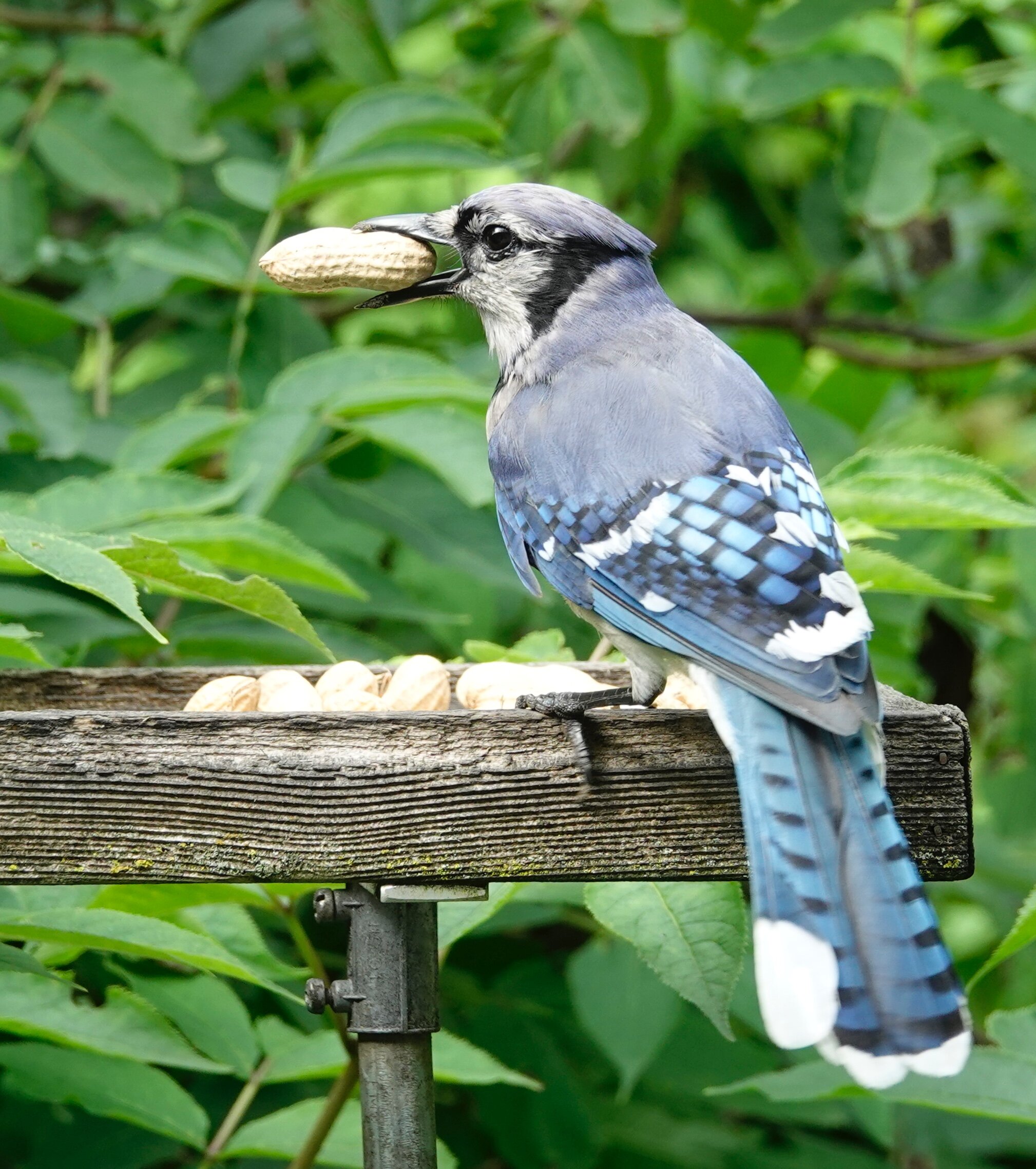
A Blue Jay is crestfallen when it takes the last peanut. It carries away as much as it can in its bill because it has no pockets.

A Blue Jay is crestfallen when it takes the last peanut. It carries away as much as it can in its bill because it has no pockets.

Which Wild Turkey has the discount GPS?

Which Wild Turkey has the discount GPS?

Blah, blah, blah

Blah, blah, blah.

Blah, blah, blah.

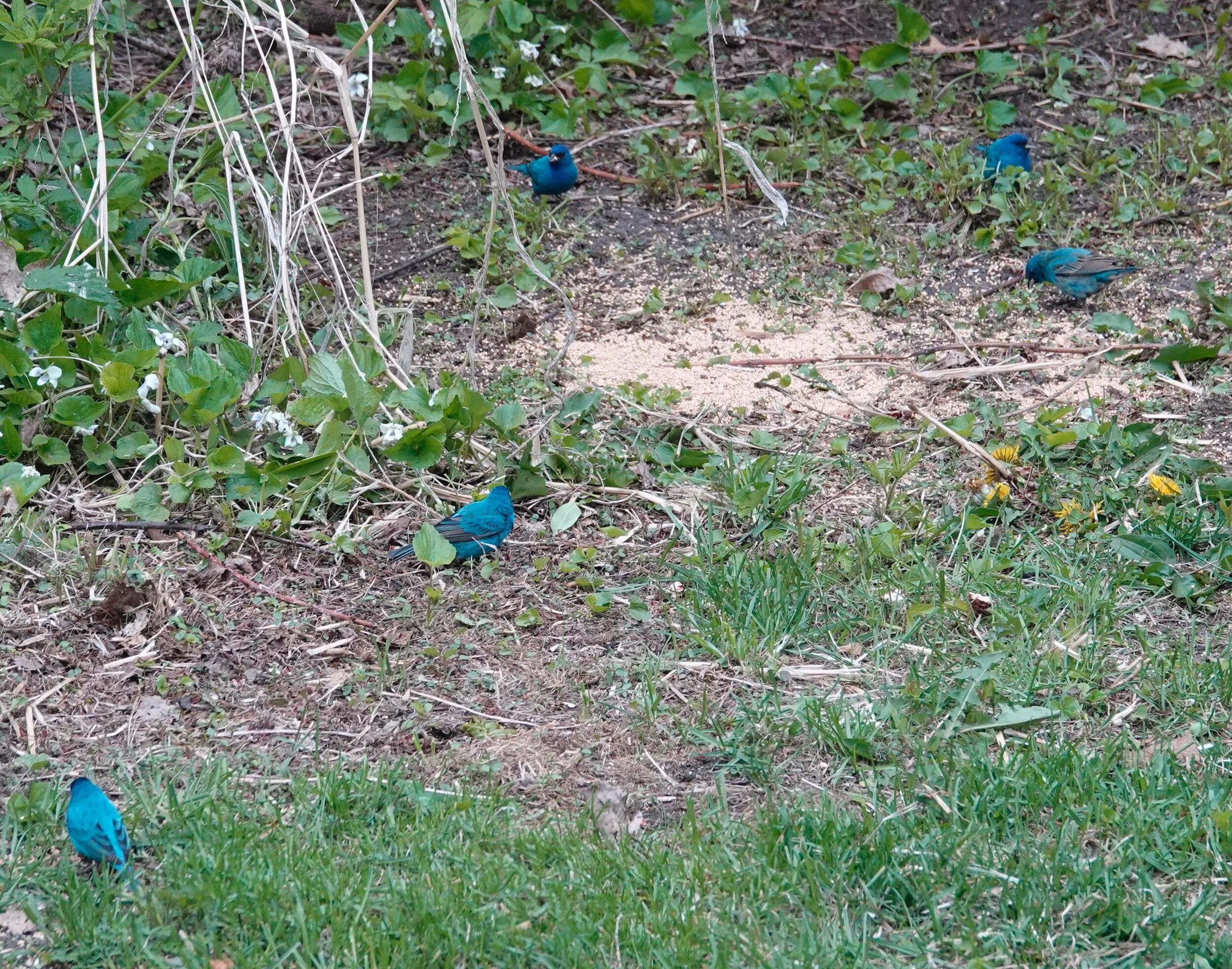
An Indigo Bunting basketball team has its starting five on the court.

An Indigo Bunting basketball team has its starting five on the court.

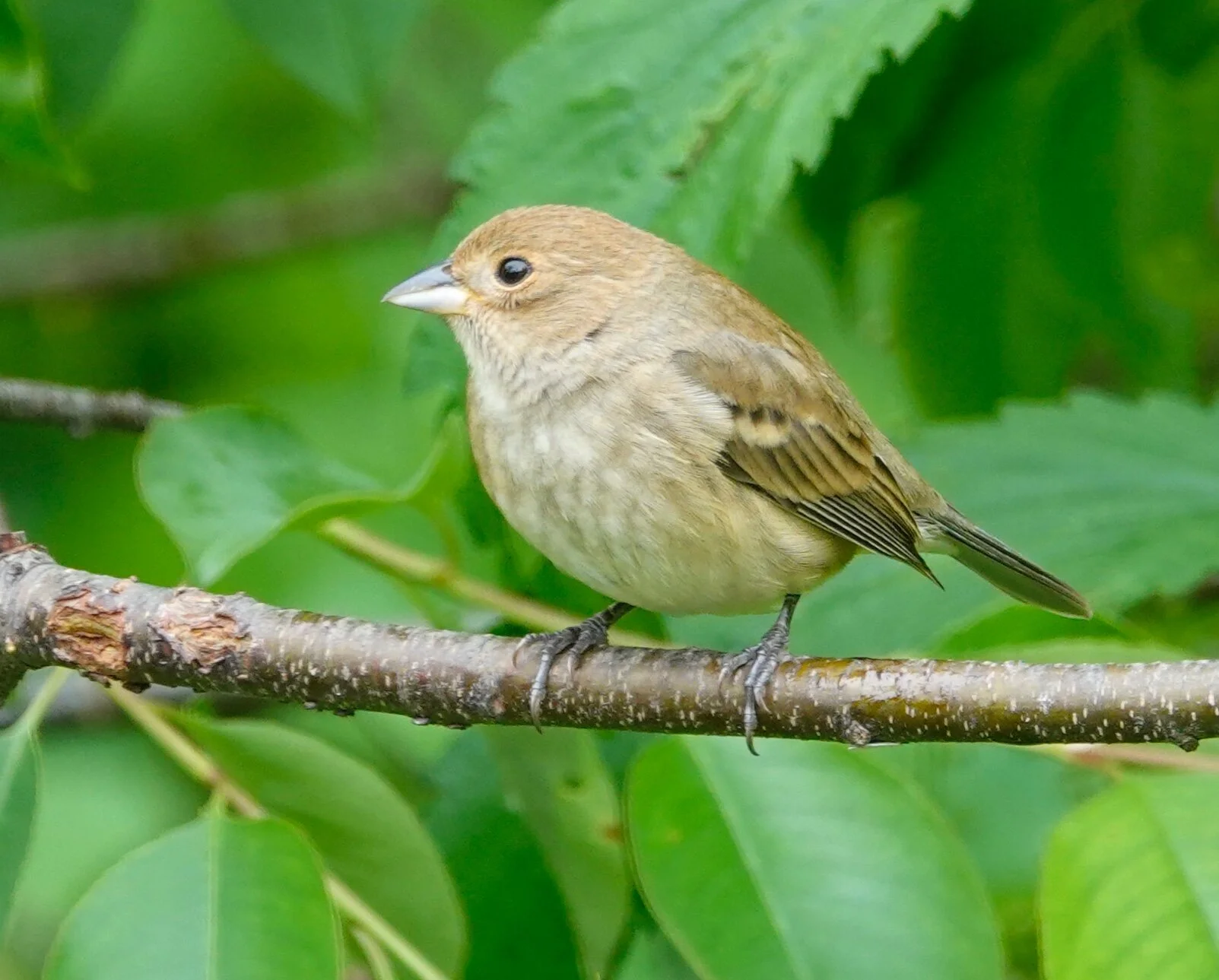
A female Indigo Bunting is lovely.

A female Indigo Bunting is lovely.

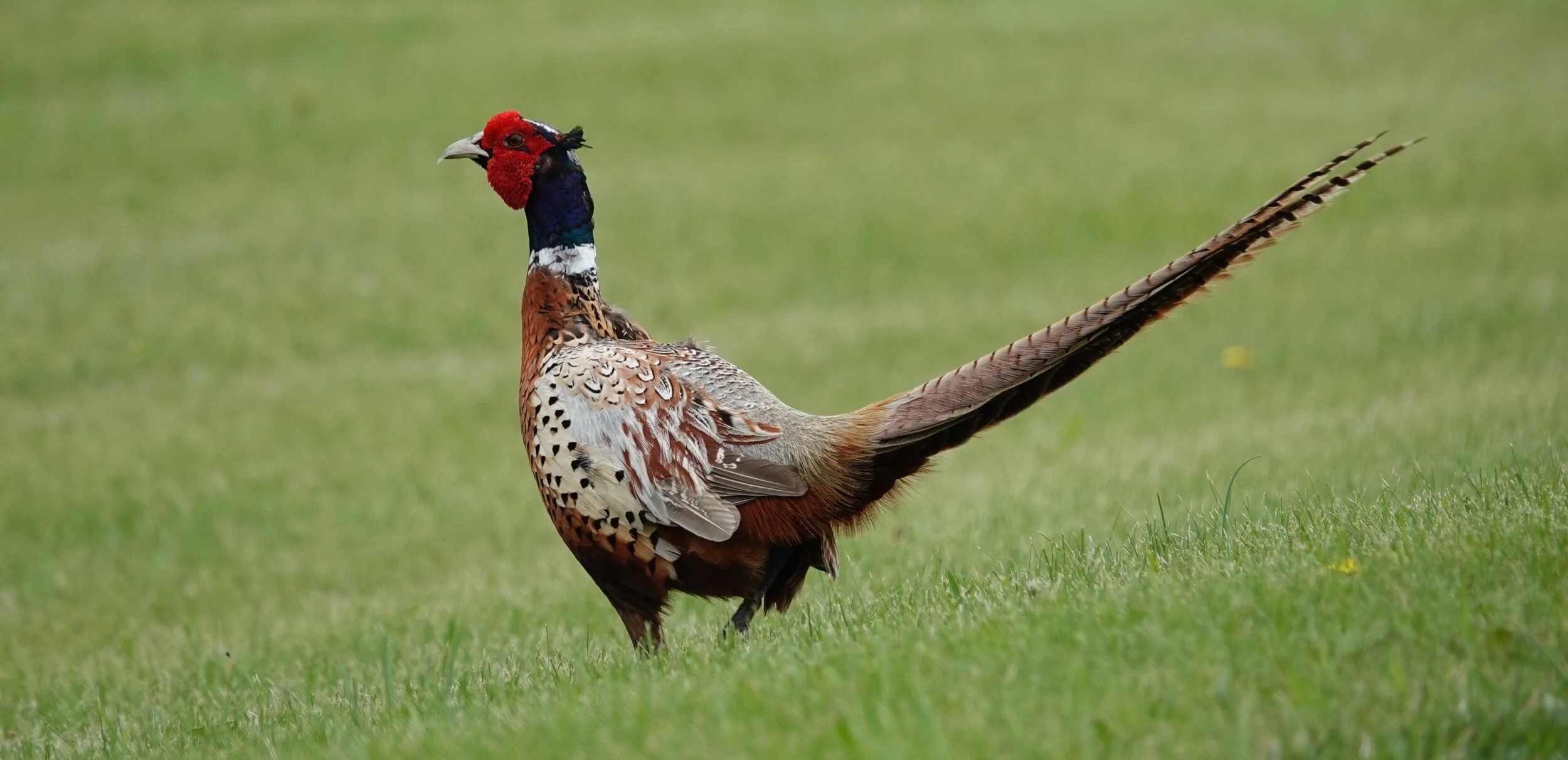
It’s not easy to sneak the sun past this guy. He is not Rooster Cogburn.

It’s not easy to sneak the sun past this guy. He is not Rooster Cogburn.

It’s not easy to sneak the sun past this guy. He is not Rooster Cogburn.

When the sap runs, sapsuckers notch holes in trees. A number of other birds. Including hummingbirds, feed at those sap wells.

When the sap runs, sapsuckers notch holes in trees. A number of other birds. Including hummingbirds, feed at those sap wells.

Little Rickie. The four-letter alpha code used by the U.S. Bird Banding Lab is RCKI, which turns the Ruby-crowned Kinglet into Little Rickie.

Little Rickie. The four-letter alpha code used by the U.S. Bird Banding Lab is RCKI, which turns the Ruby-crowned Kinglet into Little Rickie.

Please do the same at all the other mile markers, too.

Please do the same at all the other mile markers, too.

A Blue Jay dressed for the cold.

A Blue Jay dressed for the cold.

A Blue Jay dressed for the cold.

Dame's rocket flowers are white, pink, lavender and purple. This plant is confused with native phlox, but phlox has five-petaled flowers and dame’s rocket has four.

Dame's rocket flowers are white, pink, lavender and purple. This plant is confused with native phlox, but phlox has five-petaled flowers and dame’s rocket has four.

Dame's rocket flowers are white, pink, lavender and purple. This plant is confused with native phlox, but phlox has five-petaled flowers and dame’s rocket has four.

Dame's rocket flowers are white, pink, lavender and purple. This plant is confused with native phlox, but phlox has five-petaled flowers and dame’s rocket has four.

Dame's rocket flowers are white, pink, lavender and purple. This plant is confused with native phlox, but phlox has five-petaled flowers and dame’s rocket has four.

Dame's rocket flowers are white, pink, lavender and purple. This plant is confused with native phlox, but phlox has five-petaled flowers and dame’s rocket has four.

The underside of the bill of an Eastern Wood-Pewee is mostly yellow-orange on an adult.

The underside of the bill of an Eastern Wood-Pewee is mostly yellow-orange on an adult.

How many quills does a porcupine have?

Naturally
 I helped some birders from Utah find Waldo amid a slew of warblers at a state park. The beauty of the warblers (mostly American redstarts), orchard orioles, indigo buntings and Swainson’s thrushes enthralled us. I didn’t have enough eyes to go around.
 I’d gotten photos from a column customer in St. Paul. They were of a yellow-eyed hawk peering through a window into a break room located on the 9th floor of an office building. It was a red-tailed hawk, a raptor that in its first year has pale yellowish eyes and as an adult has dark brown eyes. The color change from yellow to brown happens over several years and more quickly in some birds than in others.
 A grackle enjoyed the peanuts in the shell I put out for the blue jays and red-bellied woodpeckers. He grabbed one, flew to the ground and pecked the shell open to find the prize inside. How did the grackle repay me? It did a drive-by dropping of droppings that hit the tip of my sandal, missing my toe by the width of a pencil stroke. That’s what happens when you put your best foot forward. Then the bird went off to chase a squirrel.

Q&A
 “Do cats kill rats?” They could, but most cats avoid doing so. Cats and rats are more likely to ignore or avoid each other than engage in conflict. Given the choice between attacking a large rat, a bird or a mouse, cats tend to opt for the latter two.
 “Are bees unable to see red?” Bees see a range of colors, but not red. While we see colors as combinations of blue, green and red, bees see combinations of blue, green and ultraviolet.
 “How do I make hummingbird nectar?” Use a 1:4 ratio of refined white sugar to water. You need water just hot enough to dissolve the table sugar you're mixing in. Don’t use organic, natural or raw sugars. Avoid honey and red dye. 
 “How did the dragonfly get its name?” In “Folklore of the Dragonfly: A Linguistic Approach” it’s theorized the name dragonfly came about because of an ancient Romanian folktale in which the devil turned a horse ridden by St. George into a giant, flying insect. The Romanian names the people used for this giant insect translated into St. George’s horse, devil’s horse or devil’s fly. The Romanian word for devil was “drac,” also the word for dragon. The book suggests the Romanian name for the devil’s fly evolved into the English “dragonfly.” Swedish folklore holds the devil uses dragonflies to weigh people’s souls. 
 “Do ladybugs sleep?” Yes, mostly at night, but they don’t close their eyes and fall asleep as we do. They enter a resting period, during which they remain still and unresponsive for hours in tree bark, logs, bushes, cracks in trees, leaves, dense vegetation and ground cover. 
 “Are owls able to turn their heads all the way around?” As I walked a trail recently, I heard a barred owl call its distinctive "Who cooks for you? Who cooks for you-all?” Owls can rotate their heads 270 degrees in either direction without damaging blood vessels or cutting off blood flow to the brain. The owl has bone and vascular structures running along its neck and into its skull that keep the blood flowing even when the head is swiveled up to 270 degrees. If an owl were human size, the eyes would be the size of grapefruits. Owl eyes face forward and are immovable, providing great binocular vision. Owls compensate for immovable eyes by the ability to rotate their heads. Owls have excellent vision both in daylight and at night.
 “Are spiders insects?” They are arachnids as are harvestmen, mites, ticks and scorpions. All arachnids have eight legs, and unlike insects, they don't have antennae. 
 “Why do bucks shed their antlers?” The prime reason bucks have antlers is to fight with other bucks for dominance. Once the deer breeding season is over, they don’t need them. The antlers become excess weight. When testosterone levels drop, so do antlers.
 “How many quills does a porcupine have?” Around 30,000.
 Daniel and Kim Otten of Hayward saw a raptor take an adult wood duck and wondered about its identity. It was a peregrine falcon. Other predators of adult wood ducks are the raccoon, fox, great horned owl, barred owl and goshawk. On the subject of peregrine falcons, a Peregrine Falcon nest cam at the Mayo Building in Rochester can be seen at https://www.earthcam.com/usa/minnesota/rochester/falcon/?cam=falcon_mn Another riveting nest cam is the Decorah North Bald Eagle Cam found at 
https://youtu.be/VlNV1L9qnrk
Thanks for stopping by
 “Spring: the music of open windows.”—Terri Guillemets 
 “The day the Lord created hope was probably the same day he created Spring.”—Bernard Williams
 Do good.

©Al Batt 2021

Red fox kits/pups/cubs are cuter than a bug’s ear. Photo by Al Batt

Red fox kits/pups/cubs are cuter than a bug’s ear. Photo by Al Batt

Fending off a wild turkey attack with a loaf of bread

Naturally
Silent shadows moved past me on a walking trail. Vultures were flying between me and the sun. I watched a movie called “Miami Blues.” It wasn’t my cup of tea, but one of its scenes showed vultures flying overhead with the sounds of red-tailed hawks dubbed in.
The insistent whistle of a cardinal provided background music. It’s impossible to ignore a redbird. May brings the musical trills of American toads as they all chime in at once. House wren song accompanied the cardinal as my steps added up. I walked past plantain, which native people called “white man’s footstep.”
Raccoons were noisy. Their mating season is February to March and after a 63-day gestation period, the female gives birth to a litter of 2-6 young in April or May in either hollow trees, woodchuck burrows, culverts, under buildings, etc.
Tiny spring azures are among the first butterflies seen in spring that haven’t hibernated overwinter as adults. They have bright blue upper wings that are apparent as they fly in search of mates or food. They seldom perch with wings open and the undersides of their wings are gray with spots.
Countless 17-year periodical cicadas are emerging in many major media markets, but not in Minnesota. The cicadas are about an inch long and I’ve heard there may be 20,000-40,000 in a single tree. The nymphs had spent their lives 12-24 inches deep in the soil where they fed on tree sap. They are noisy because they are teenagers. Brood X emerges this year. Two broods have gone extinct and a third is declining due to deforestation.
I watched trumpeter swans feed in a shallow wetland. They used their strong webbed feet to dig into the pond bottom for roots, shoots and tubers. Their big feet churn like the swans are on a Peloton bike before they plunge their heads and necks underwater to eat what they’d dislodged.
Speak softly and carry a loaf of bread
A friend came home from grocery shopping to discover a wild turkey tom in his yard. The turkey had been courting a nearby hen. The tom identified the returning shopper as a competitor and shifted into attack mode. My friend retreated swiftly to the deck of his home, but the tom followed him nimbly. The man kicked the turkey twice, but it only encouraged the tom’s assault. The tom put the man’s castle under siege. Finally, in desperation, the man pulled a loaf of bread from his shopping bag and struck the big bird with it. That did the trick and sent the tom into retreat.
Q&A
“I watched a crow dip bread in a birdbath. What was it doing?” Crows dip their food in water to soften it. Crows will soak food for nestlings to make it easier to eat and to provide them with water.
“Why are they called ladybugs?” The name was coined by European farmers who prayed to the Virgin Mary when pests were eating their crops. After ladybugs had come and destroyed the pests, the farmers named them "beetle of Our Lady." This was eventually shortened to "lady beetle" and "ladybug."
“What is the largest rodent in the U. S.?” The largest rodent in North America is the beaver. The porcupine is the second largest.
“What is eating my tulips?” Deer, rabbits, squirrels, chipmunks and woodchucks eat tulips. Rabbit damage is easy to recognize because they make sharp cuts as if someone has trimmed the plants with scissors. The cut is often angled at 45 degrees. A rabbit will sometimes nibble the tulip bloom and not eat the entire flower at one sitting. Squirrels and chipmunks are the most common pests of tulip bulbs.
“What animal eats asparagus?” Deer eat what is available and likely would sample fresh spears.
Dennis Anderson of Hartland asked when pelicans nest? Minnesota has 10 lakes, a city and a river that include pelican as part of their names. In April and May, they nest in large dense groups. Pelicans nest on the ground, mainly on isolated islands. American white pelicans reach sexual maturity at around three years of age and average two eggs in a nest. Minnesota has 15 known nesting colonies, but the number and locations can vary.
Customer comments
Grant Garriott of McGregor wrote, “We bought a fake owl one summer to discourage woodpeckers from attacking our home’s cedar siding. The only thing it accomplished was luring screaming crows to the house. The woodpeckers ignored it and continued their drilling operations.”
Thanks for stopping by
“I would feel more optimistic about a bright future for man if he spent less time proving that he can outwit Nature and more time tasting her sweetness and respecting her seniority.”—E. B. White
“Animals don't hate, and we're supposed to be better than them.”―Elvis Presley
Do good.

©Al Batt 2021

The eastern towhee used to be called the rufous-sided towhee. I named a family dog Towhee because of this exquisite bird. Photo by Al Batt

The eastern towhee used to be called the rufous-sided towhee. I named a family dog Towhee because of this exquisite bird. Photo by Al Batt