
Vanilla Fudge sang to this Red-winged Blackbird, “You really don't need me, you just keep me hanging on.”
“Holy gourds, Batman!” Purple Martins.
These Purple Martins are out of their gourds.

Vanilla Fudge sang to this Red-winged Blackbird, “You really don't need me, you just keep me hanging on.”

“Holy gourds, Batman!” Purple Martins.

These Purple Martins are out of their gourds.
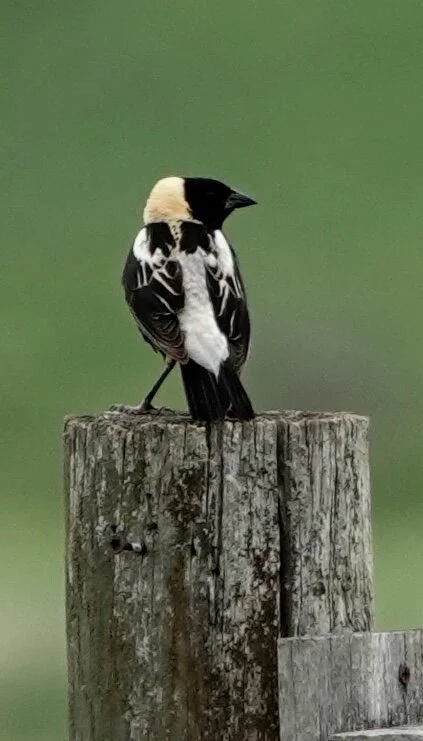
The Bobolink has one of the happiest birdsongs.
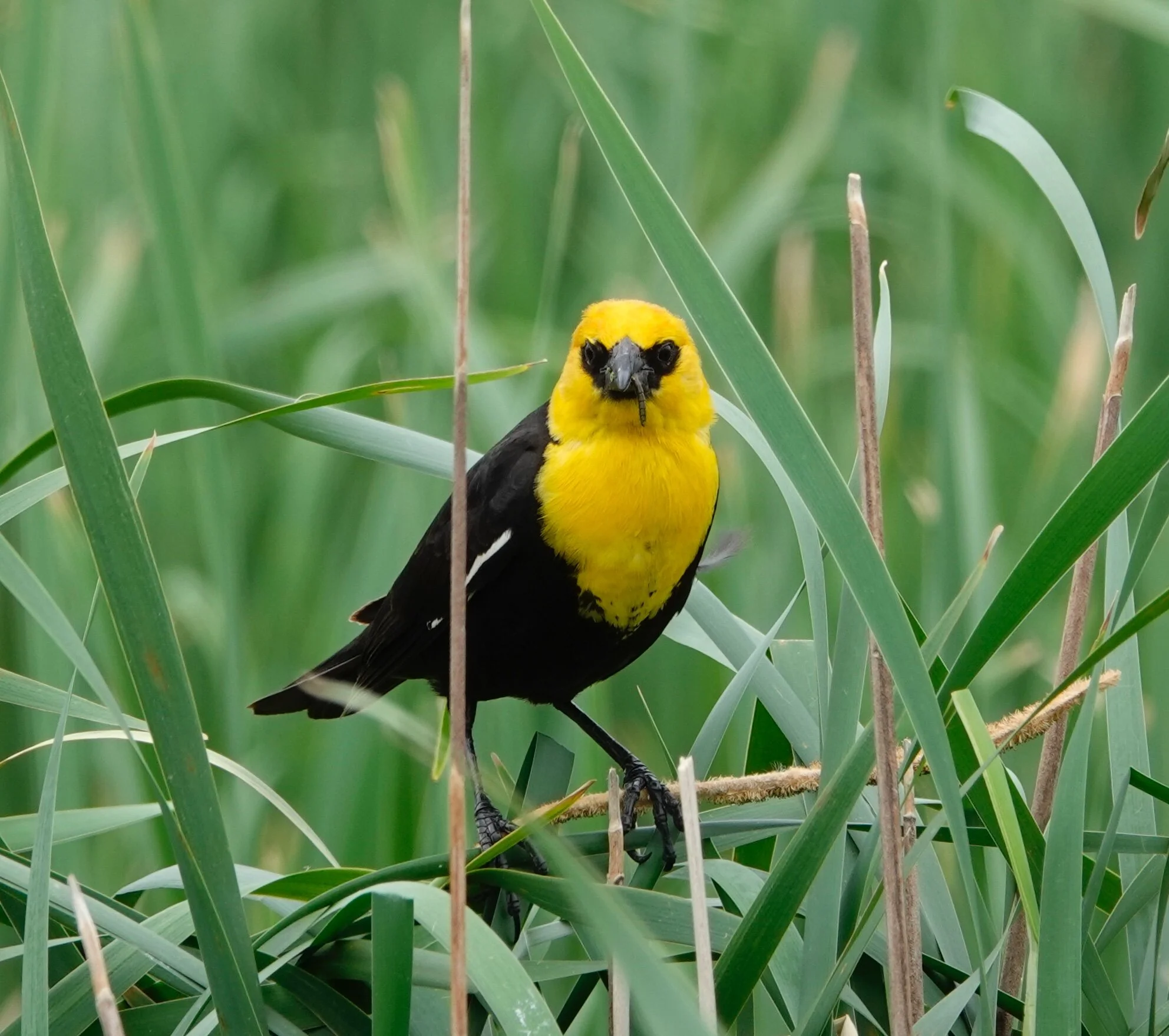
A Yellow-headed Blackbird is a mustard head extraordinaire.
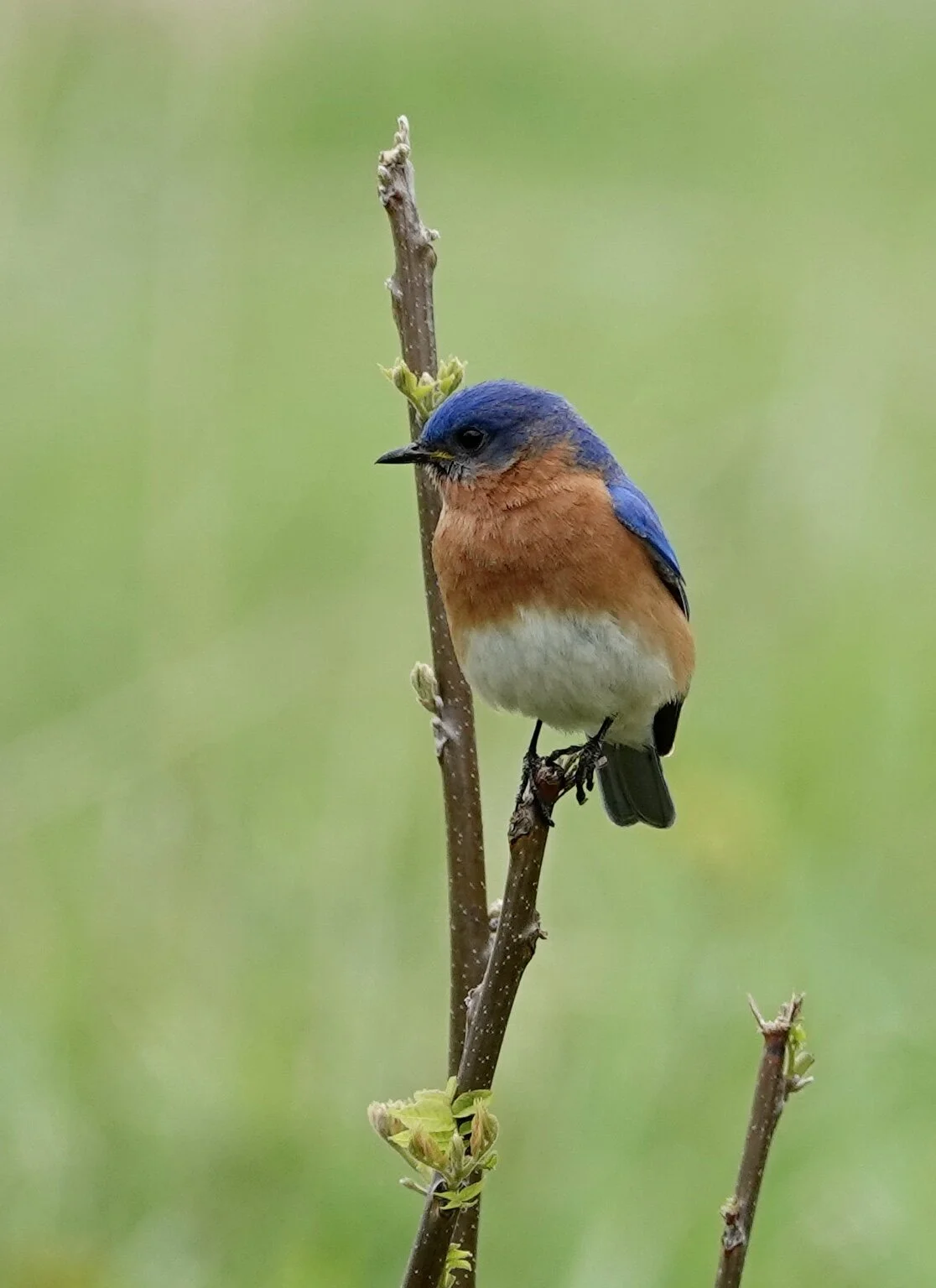
“Morning begins with the singing of the bluebird
Up with the sun, rise everyone
Filling the air is the music of the bluebird
Till the day is done.” —Piglet.
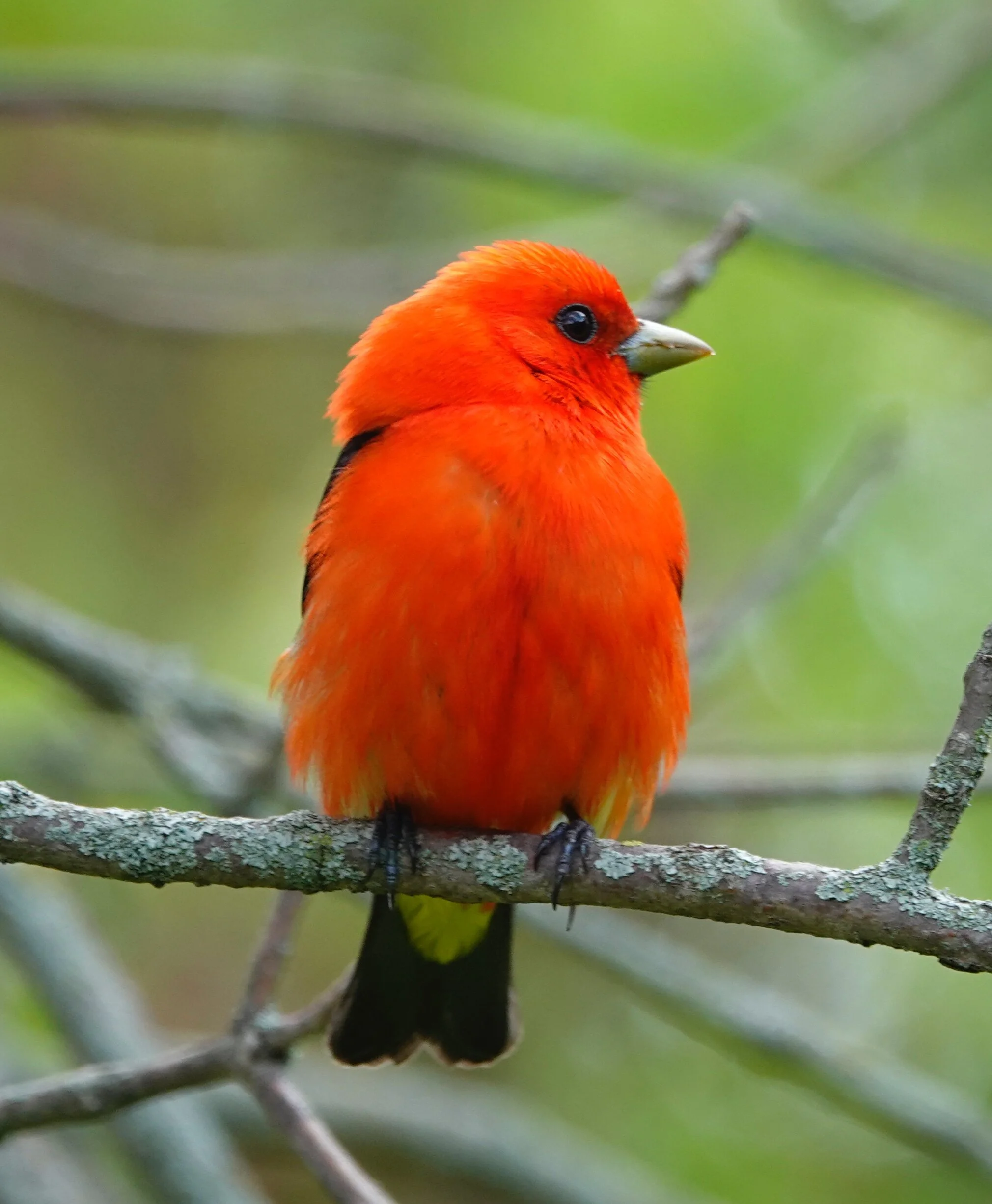
“O my Luve is like a red, red rose
That’s newly sprung in June.—Robert Burns. A Scarlet Tanager.
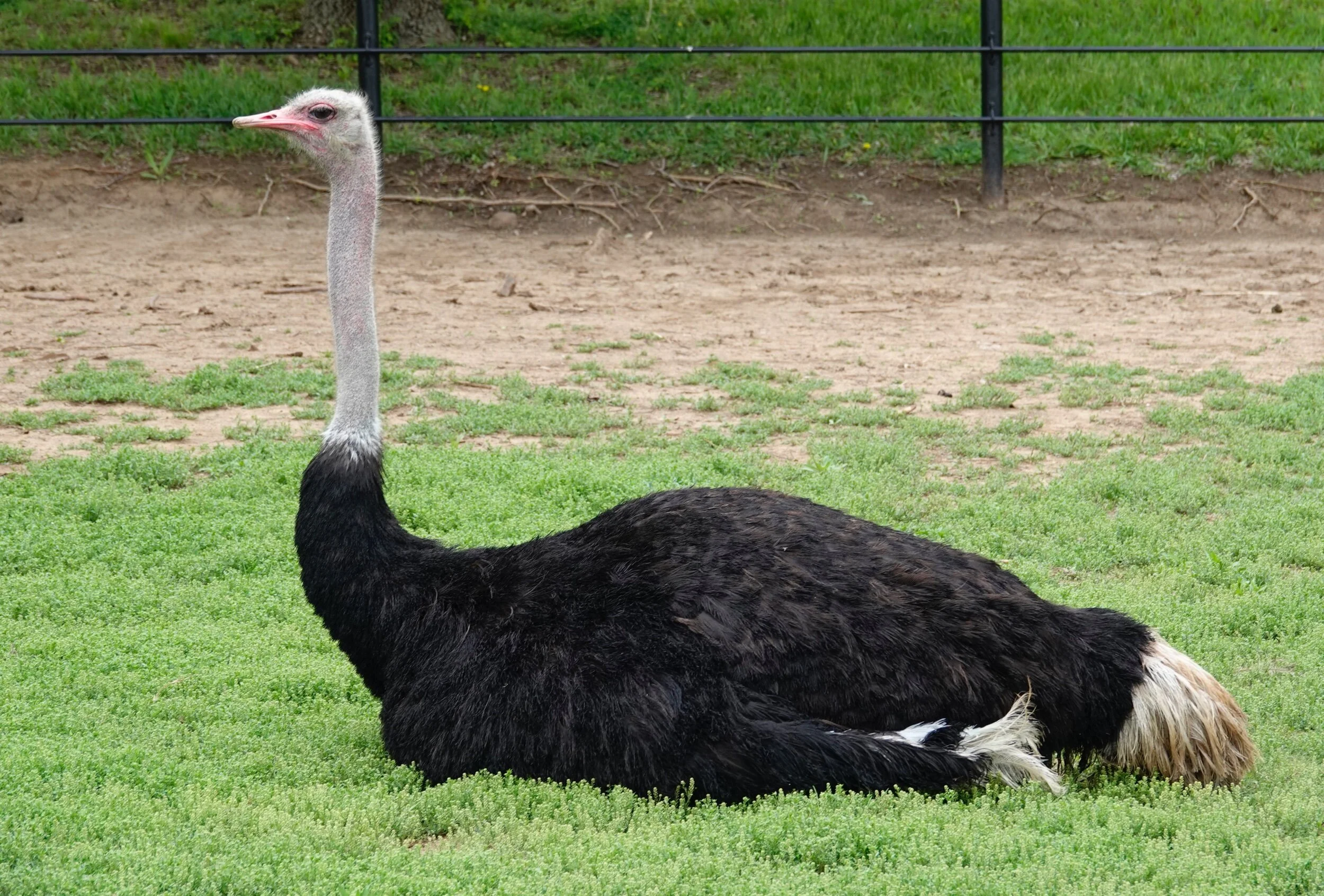
I didn’t want any trouble, so I hid my head in the sand.
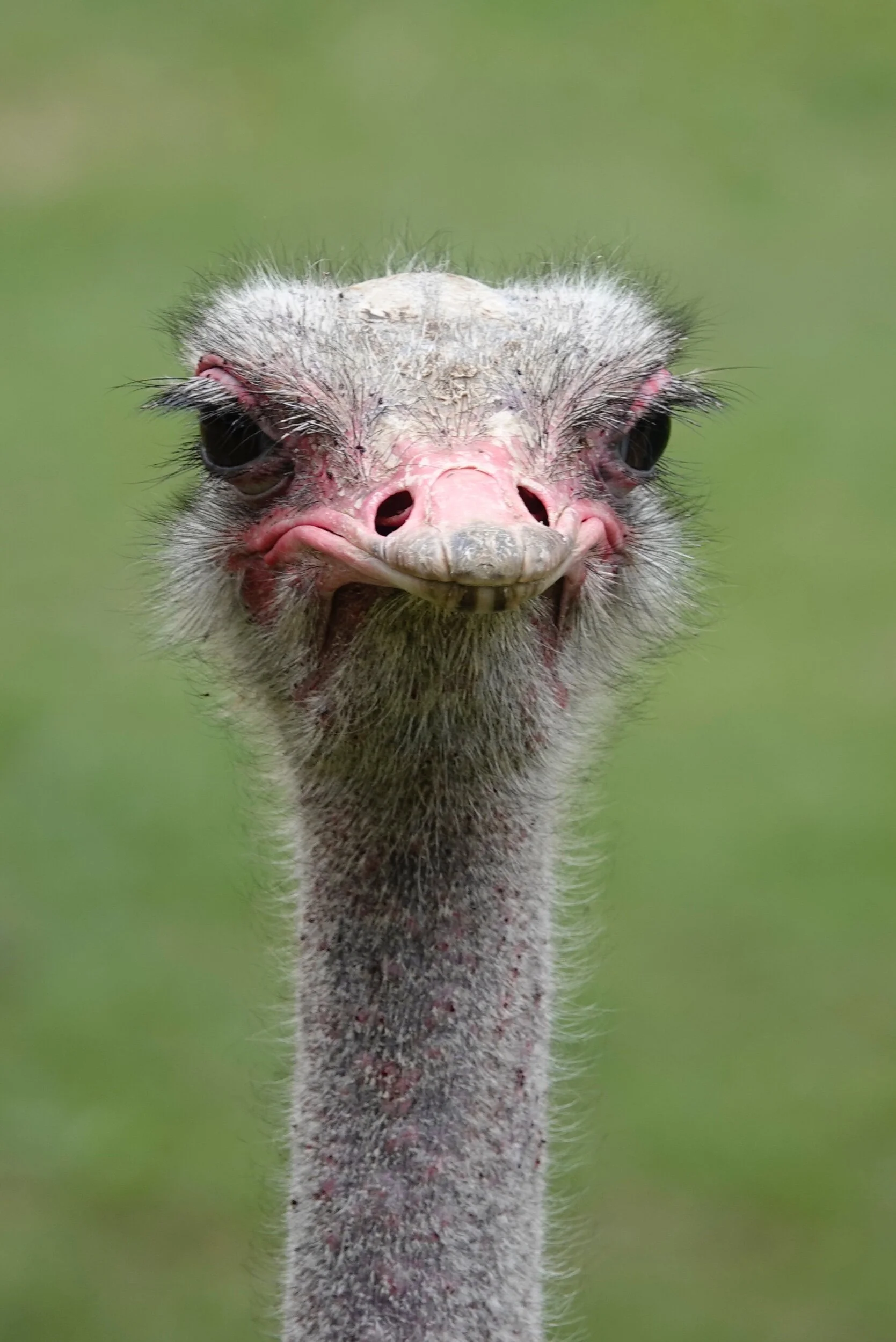
A friend raised ostriches years ago and had one that tipped the scales at well over 300 pounds. That was before it found a CrossFit gym.
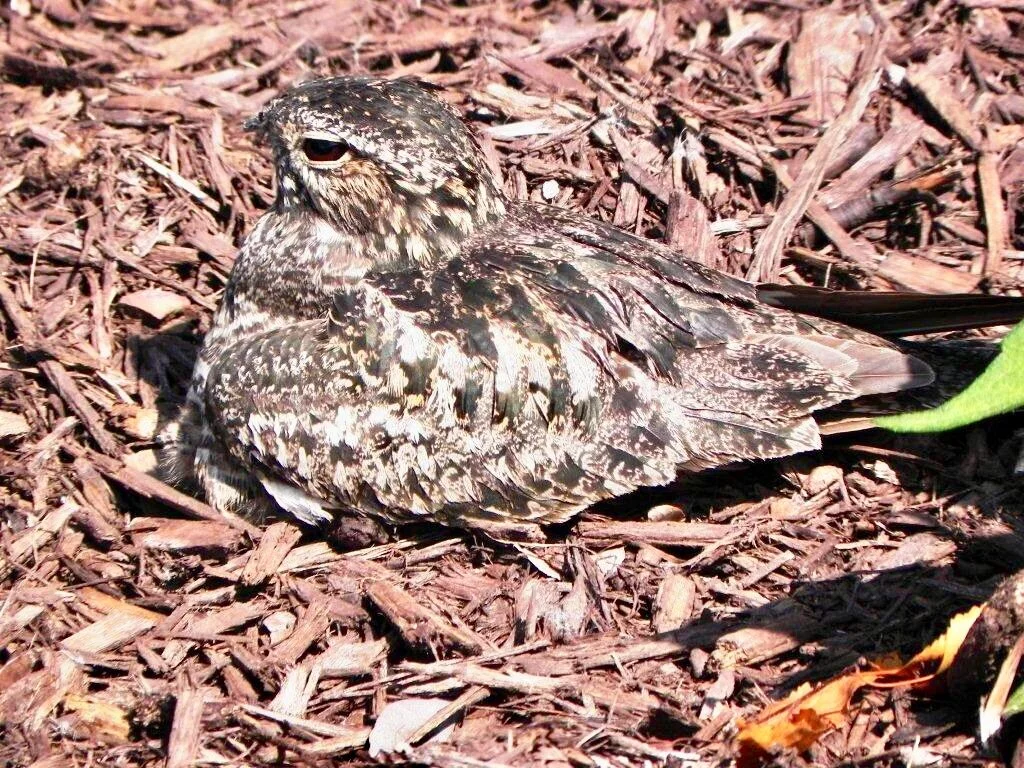
I heard it calling “beans.” I watched a common nighthawk slice the sky above a ballpark in New Ulm and realized the bird had become the baseball game.
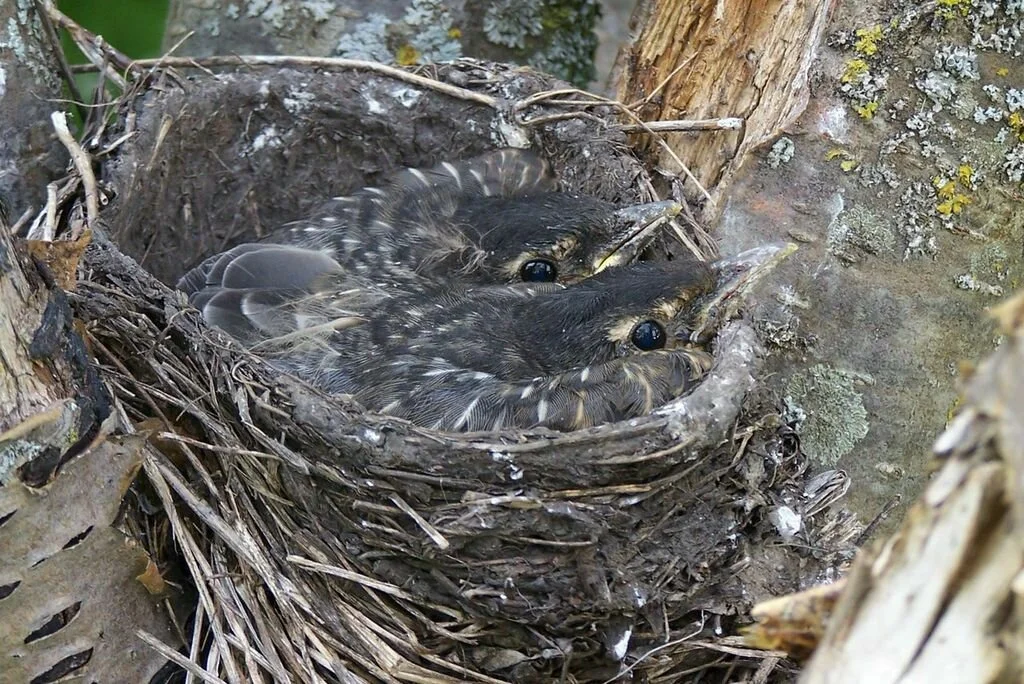
The baby robins came out of the blue—blue eggs, that is.
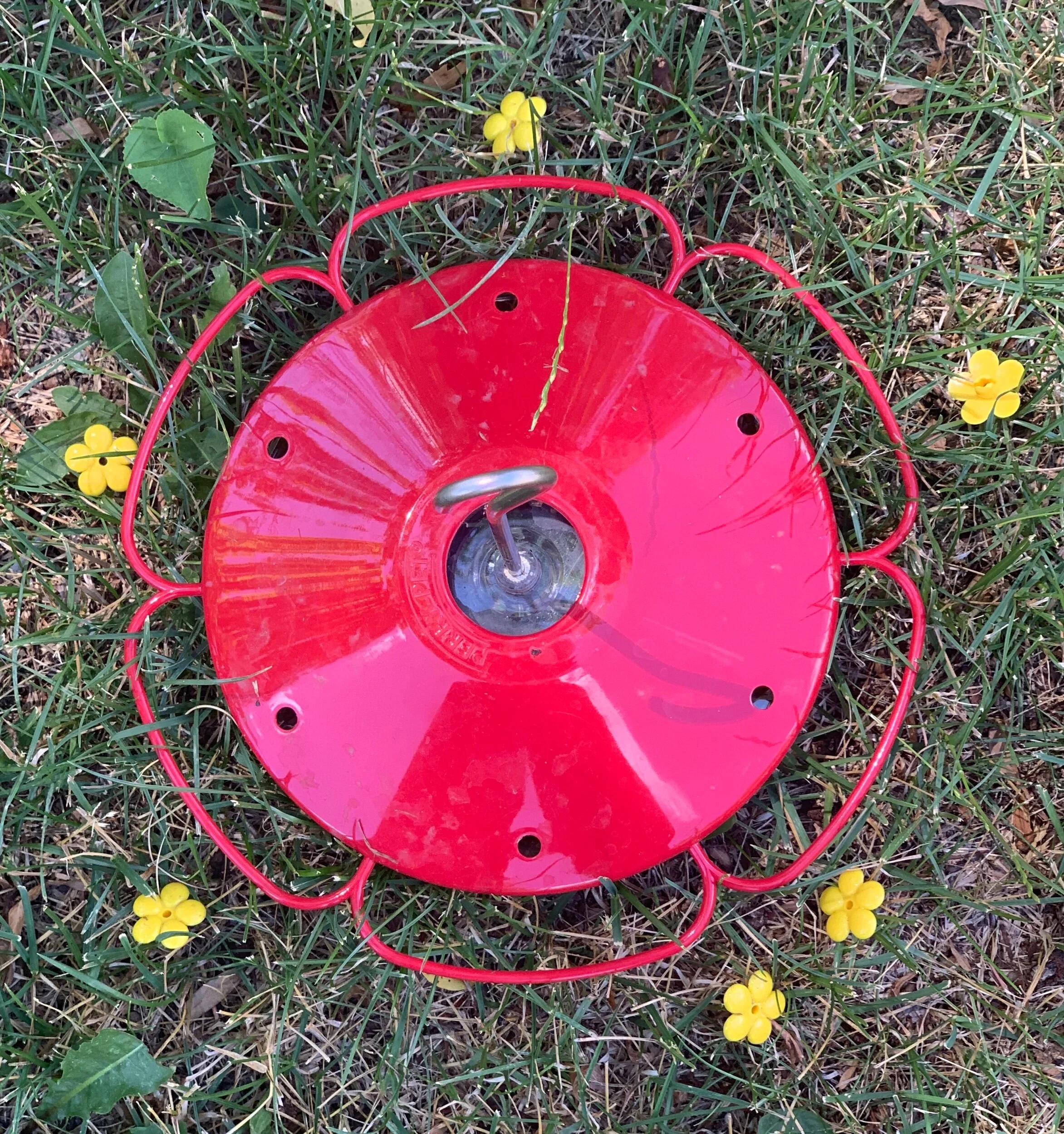
I was late getting home and didn’t get the hummingbird feeder down before a raccoon had the opportunity to take it down for me. The raccoon had removed all six of the yellow flowers from their cavities and slurped down all the sweet water.
Naturally
In another time, I traveled around one day a week taking photos and peering at birds. No birds were harmed in the process. My faithful Chihuahua companion Sancho accompanied me. He got his name because of the book I was reading at the time I brought the puppy home in my coat pocket. Sancho Panza was Don Quixote’s squire in the novel “Don Quixote” by Miguel de Cervantes. Don Quixote represented illusion, Sancho Panza represented reality. The canine Sancho was a good friend. A good listener to my quixotic ideas.
Such undertakings built a thirst and I’d swing into the drive-through of a fast-food restaurant to get a cup of iced tea. This was Sancho’s favorite part of birding and photography. He perked up when he saw the person at the restaurant’s window and immediately looked his sweetest. “Oh, your dog is so cute. Would it be OK if I gave him a little bit of hamburger?” said the worker. It was OK with Sancho.
Bluebird blues
Keith Radel of Faribault maintains 175 sites for bluebird nest boxes and told me bluebird numbers in those boxes were down 53% from last year. Many of his birds winter in Arkansas, Texas or Oklahoma and winter storms were hard on them. The best year Keith has had fledging bluebirds was in 2012. A nasty spring here dropped that number 53% in 2013. The availability of houses has led to double the number of chickadees nesting in them this year. He has two chickadee pairs nesting 10 feet apart and has noticed no disputes among them.
President of birding
President Theodore Roosevelt was one of the most powerful voices in the history of American conservation. After becoming president in 1901, Roosevelt established 150 national forests, 51 federal bird reserves, four national game preserves, five national parks and 18 national monuments on over 230 million acres of public land. He identified 91 bird species he saw or heard on the White House lawn.
Hummingbird highlights
When the Spanish first encountered hummingbirds, they called them resurrection birds—believing something that shining must die each night and be reborn the next morning. Spanish missionaries used hummingbirds to explain the resurrection. Male Anna's hummingbirds dive at speeds of 385 body lengths per second according to a study in the U.K. journal “Proceedings of the Royal Society B.” Mayan legend said the first two hummingbirds were created from small feather scraps left over from the construction of other birds. Hummingbirds are attracted to the color red. That includes parked cars, lipstick and hats.
Guy wires
Bob Janssen of Golden Valley told me he and Ray Glassel were birding years ago when they found 978 dead birds (including two yellow rails) near a communications tower by Lewisville. Guy wires can be bird-killers in a fog.
Q&A
“What is your favorite raptor?” I think the American kestrel is the most beautiful. The northern harrier, once called a marsh hawk, kept me company when I was a mere stripling along Mule Lake. The peregrine falcon because its TV channel kept me entertained when I was hospitalized. And the merlin because I can’t help but watch one when I see one. My least favorite is a Toronto Raptor.
“Does any bird have a beak longer than its body?” The sword-billed hummingbird is the only bird to have a beak longer than its body.
“Will barn swallows reuse nests?” They may use nests from previous years, but avoid those heavily infested with mites or other parasites. When reusing nests, they clean out old feathers and add new mud to the nest’s rim. They put their cup-shaped nests on upright surfaces like docks, bridges, barns and the eaves of other buildings. The nests are built of mud reinforced with grass and lined with feathers and fine grasses.
“How many nests does a cardinal have each year?” Cardinals (Cardinalis cardinalis) commonly raise two broods in Minnesota. When the first brood fledges, the father takes care of the fledglings as the mother builds a second nest, and lays and incubates eggs.
“Do dragonflies eat many mosquitoes?” Not nearly as many as I wish they did because adult dragonflies and mosquitoes can keep different hours, but the carnivorous dragonfly nymphs devour mosquito larvae.
Thanks for stopping by
“The animal shall not be measured by man. In a world older and more complete than ours, they move finished and complete, gifted with extension of the senses we have lost or never attained, living by voices we shall never hear. They are not brethren; they are not underlings; they are other nations, caught with ourselves in the net of life and time, fellow prisoners of the splendor and travail of the earth.”—Henry Beston
“And since all this loveliness can not be Heaven, I know in my heart it is June.”—Abba Gould Woolson
Do good.
©Al Batt 2021
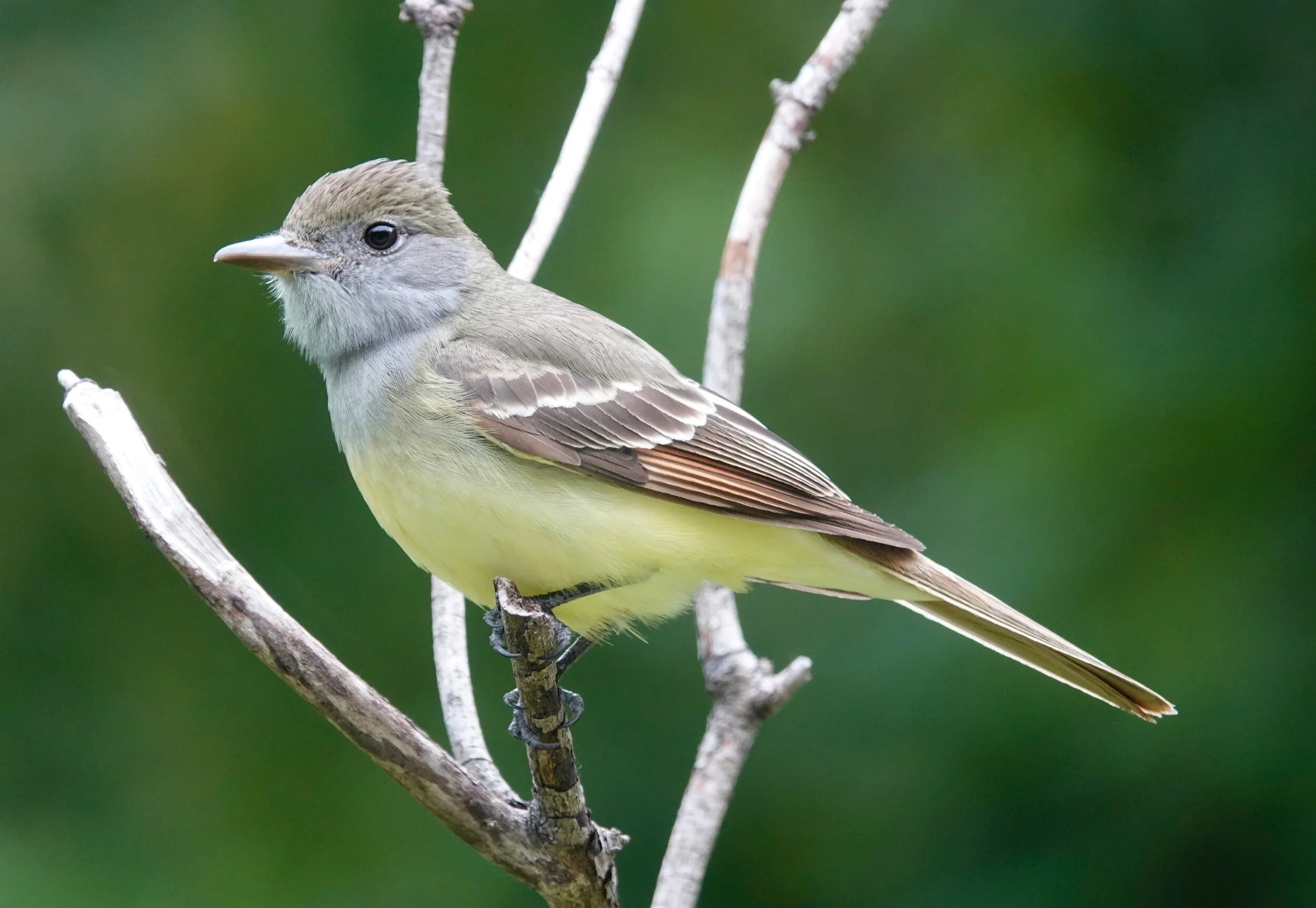
There are OK crested flycatchers and there are good crested flycatchers, but this is a great crested flycatcher. Photo by Al Batt
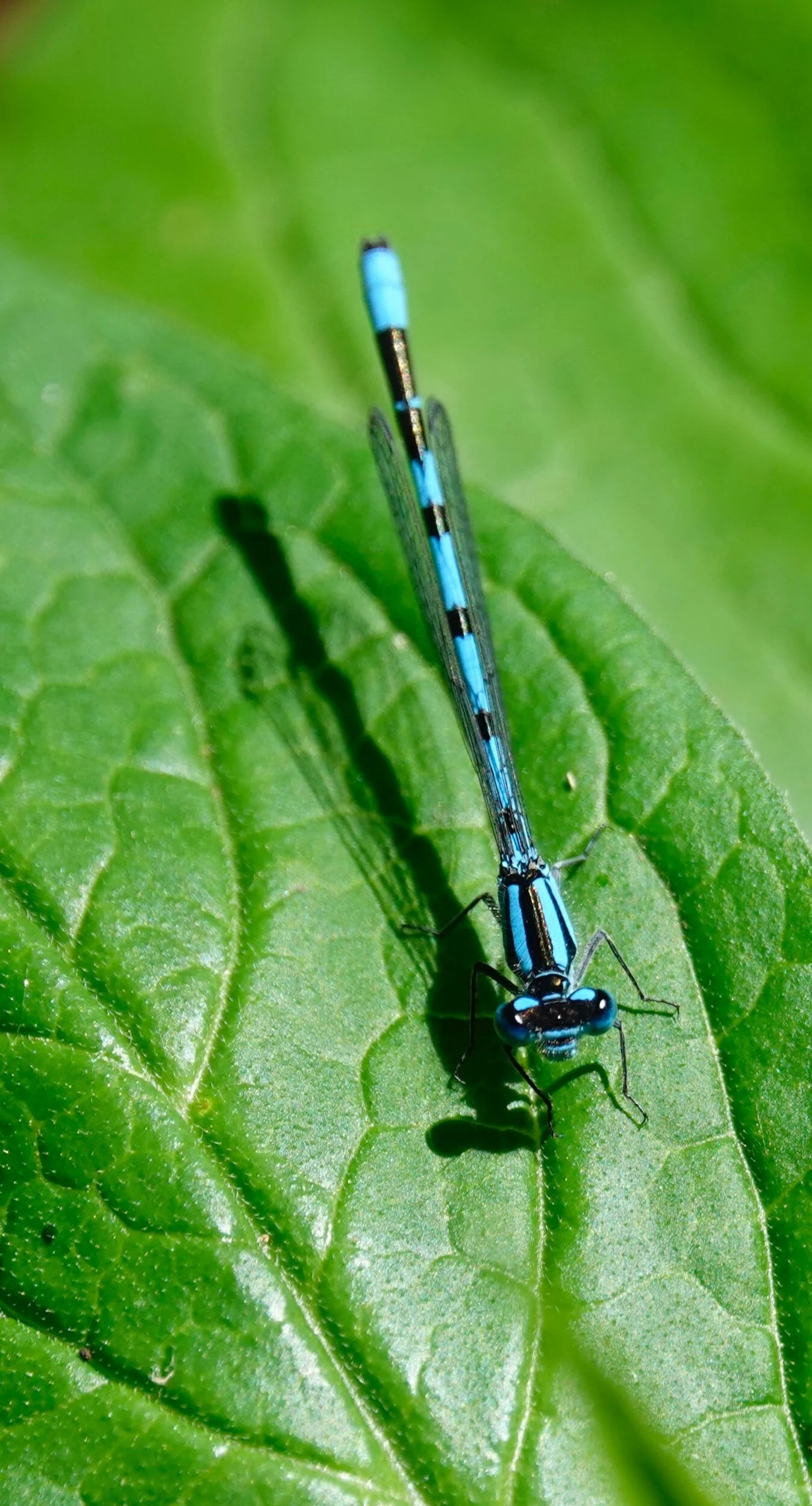
A Bluet Damselfly is a lovely thing to encounter.
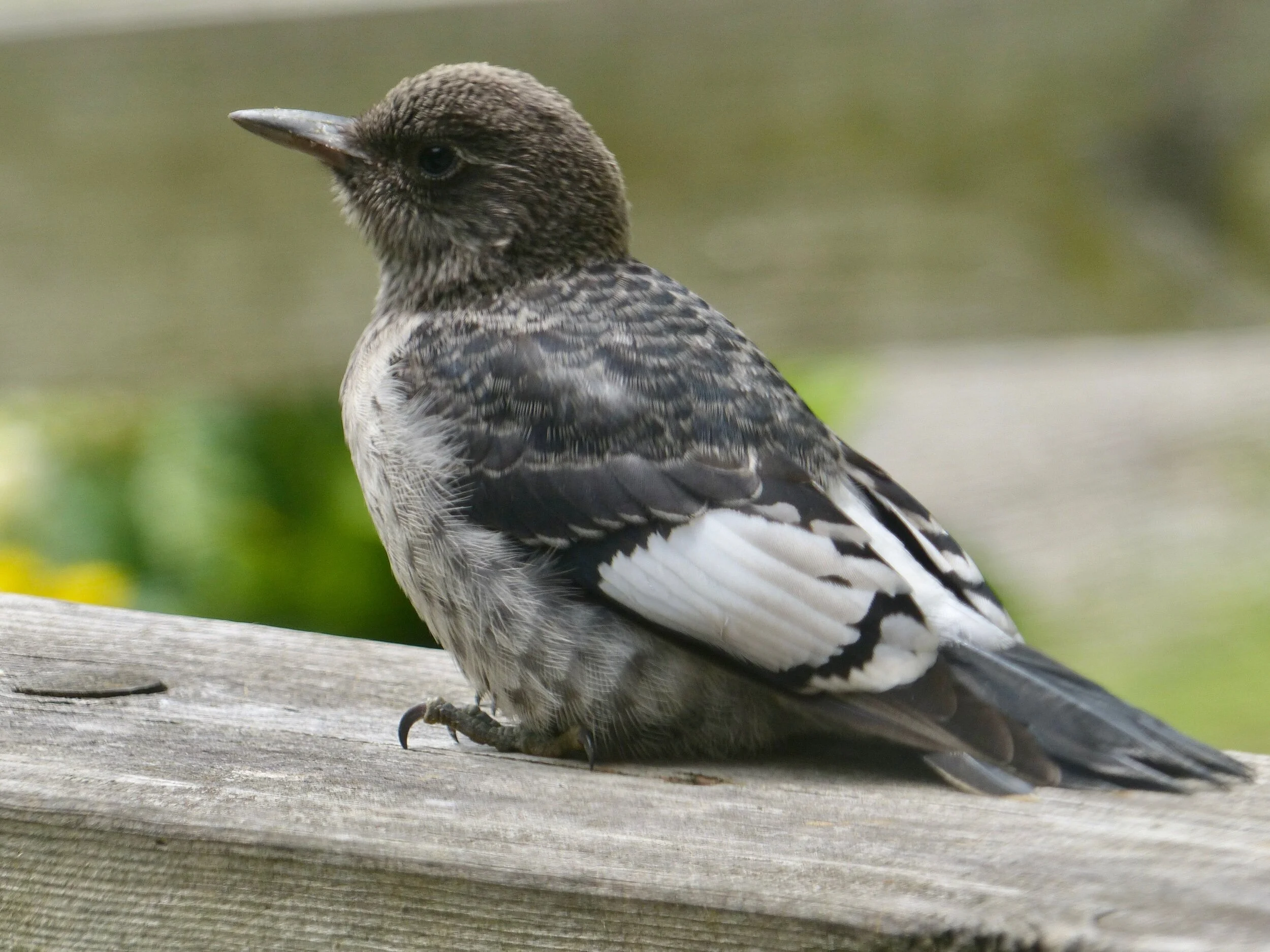
When you’re too young to be an expert at flying, you just wing it.
A young Red-headed Woodpecker.
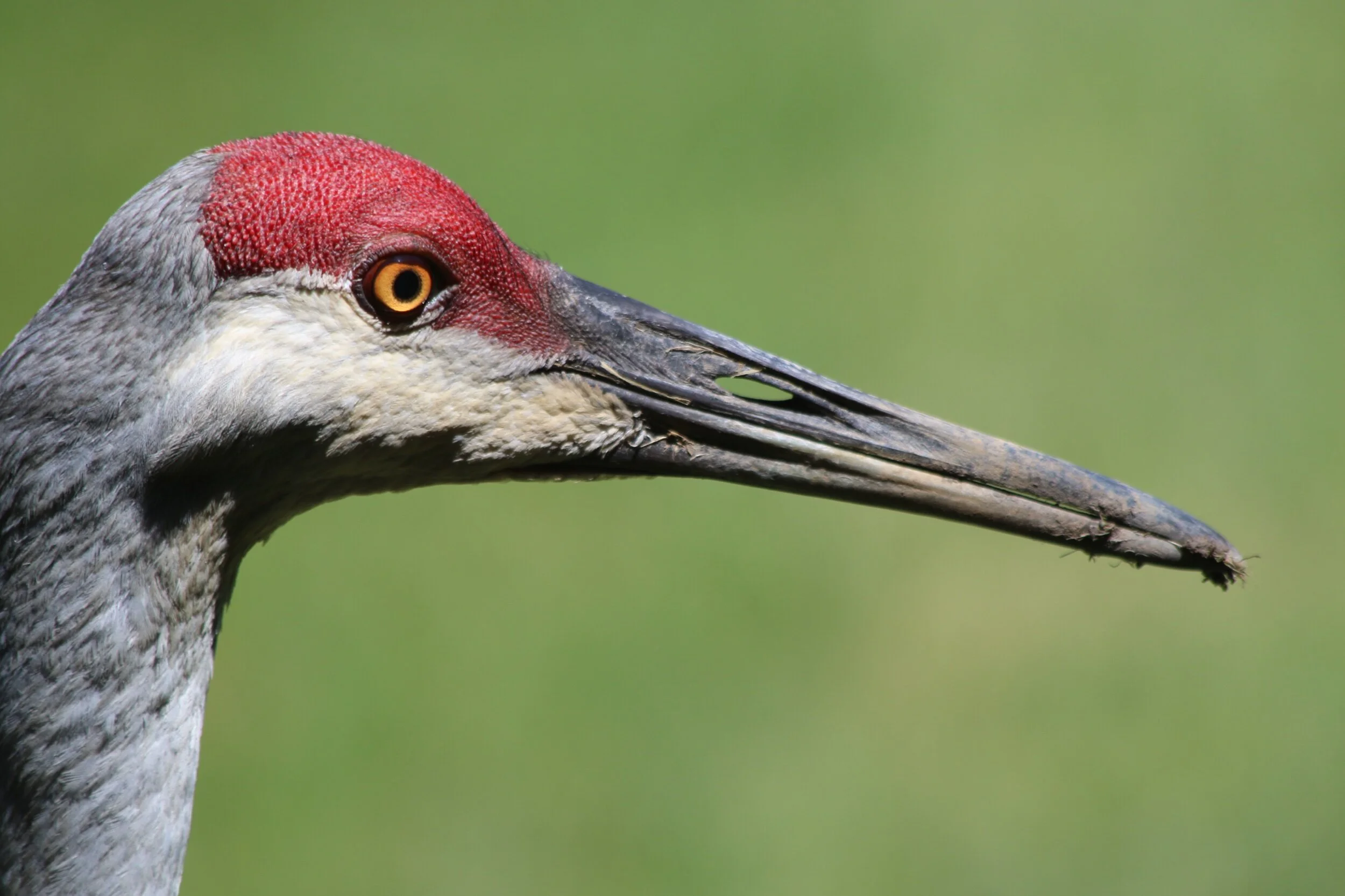
I found a number of Sandhill Cranes on my Breeding Bird Survey route. It was a very good day.
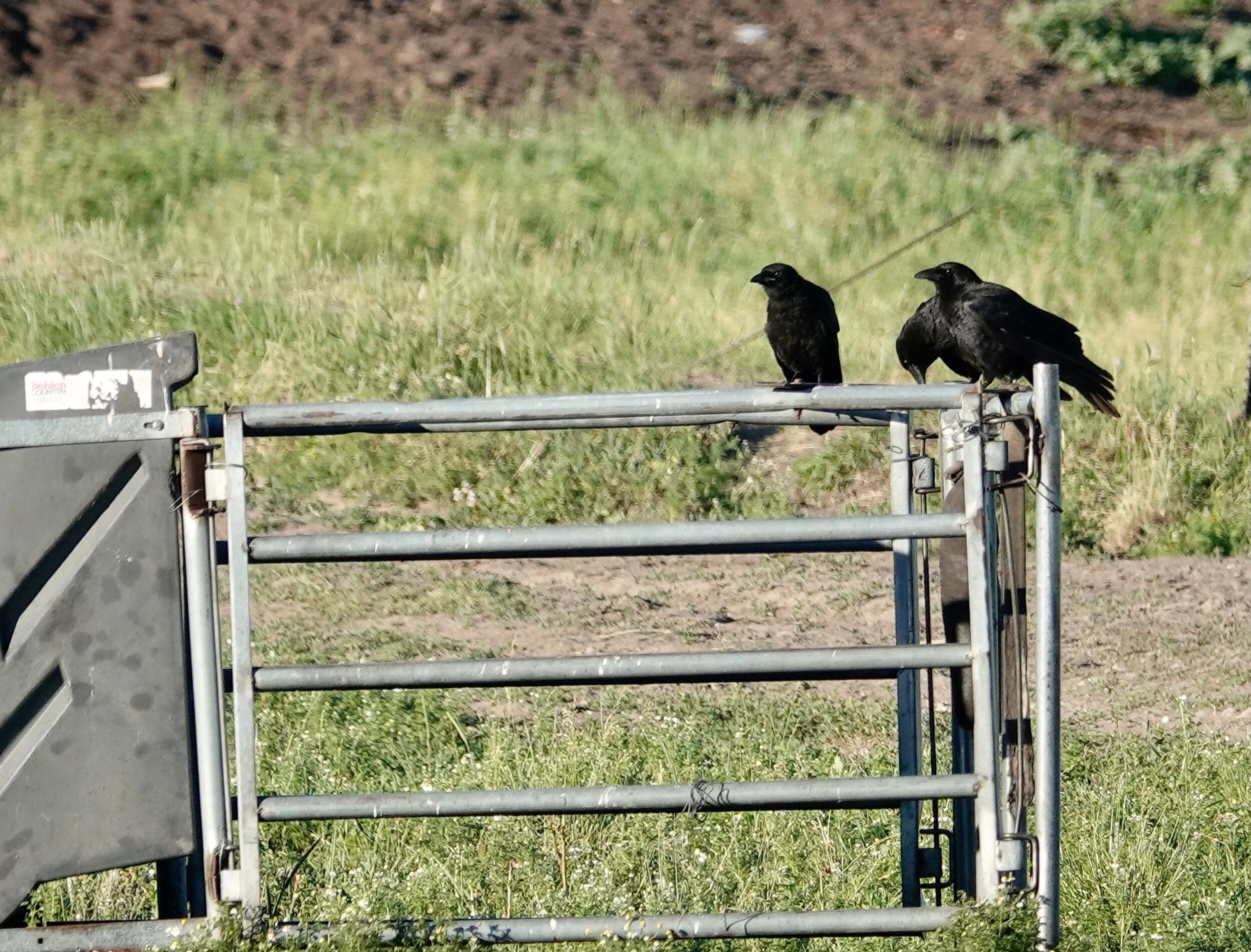
Crows pecking a lock.
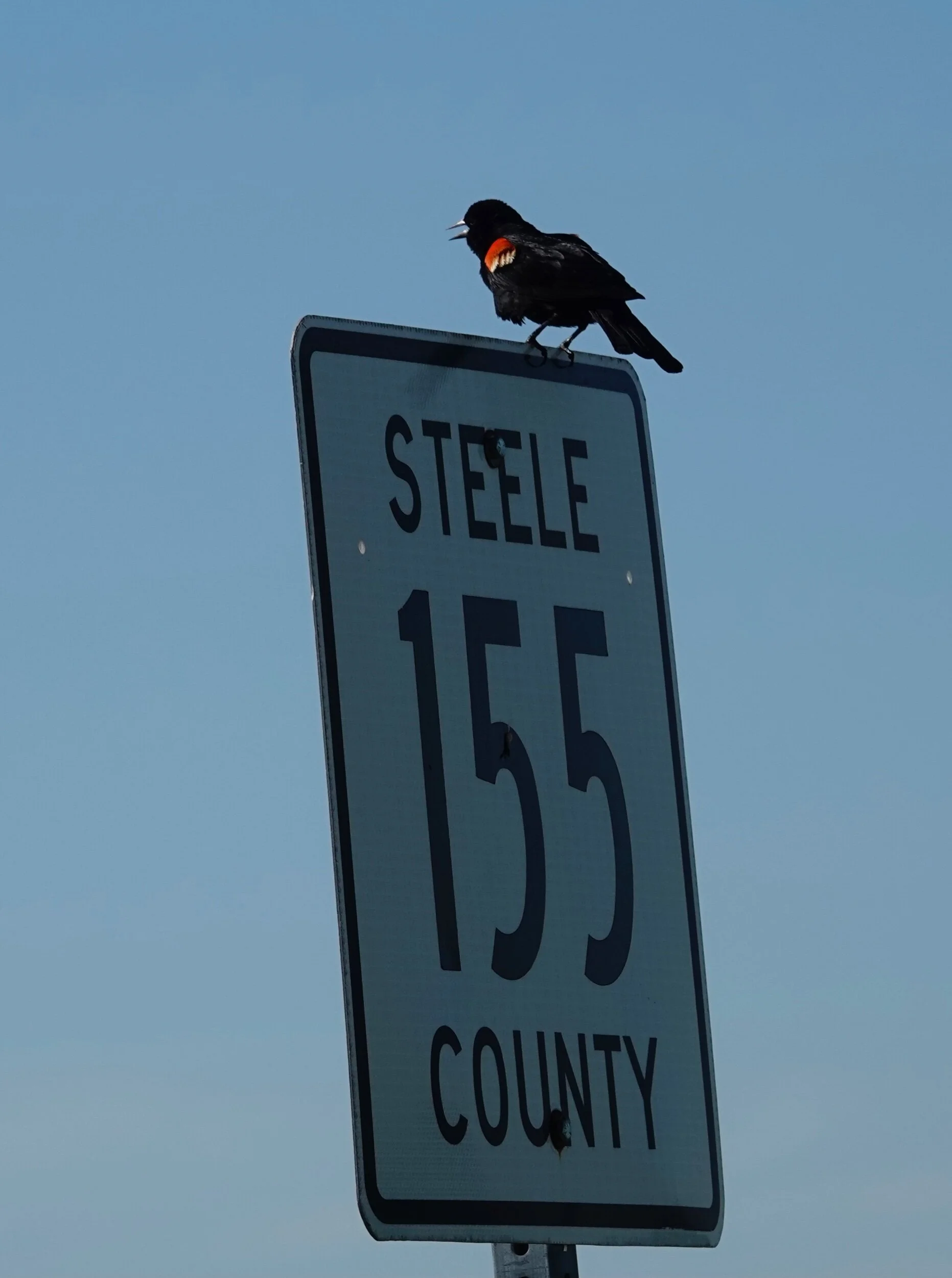
I know what county it was where I saw this Red-winged Blackbird.

Birdsfoot Trefoil smiling for my iPhone.
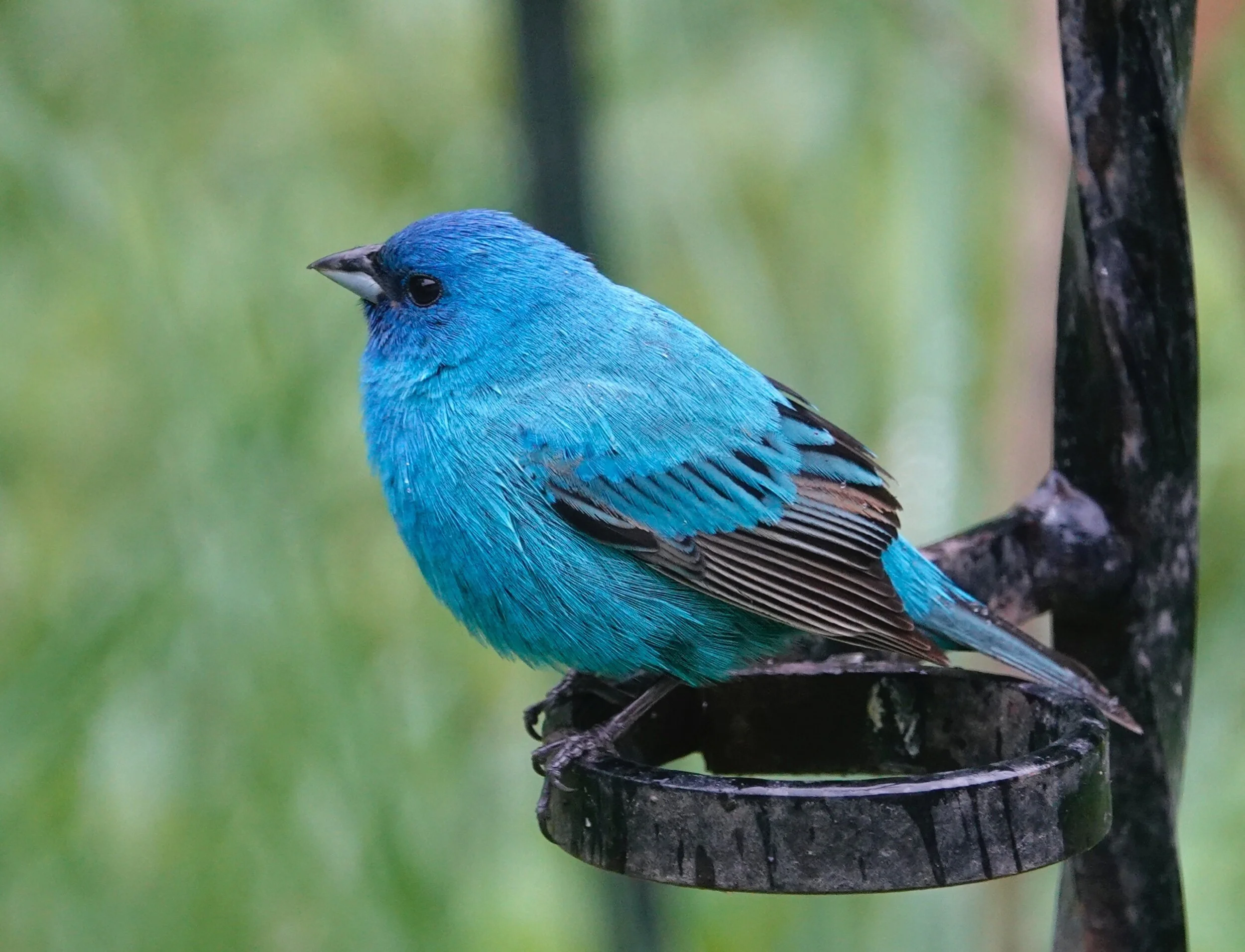
An Indigo Bunting male looking for the Indigo Girls.
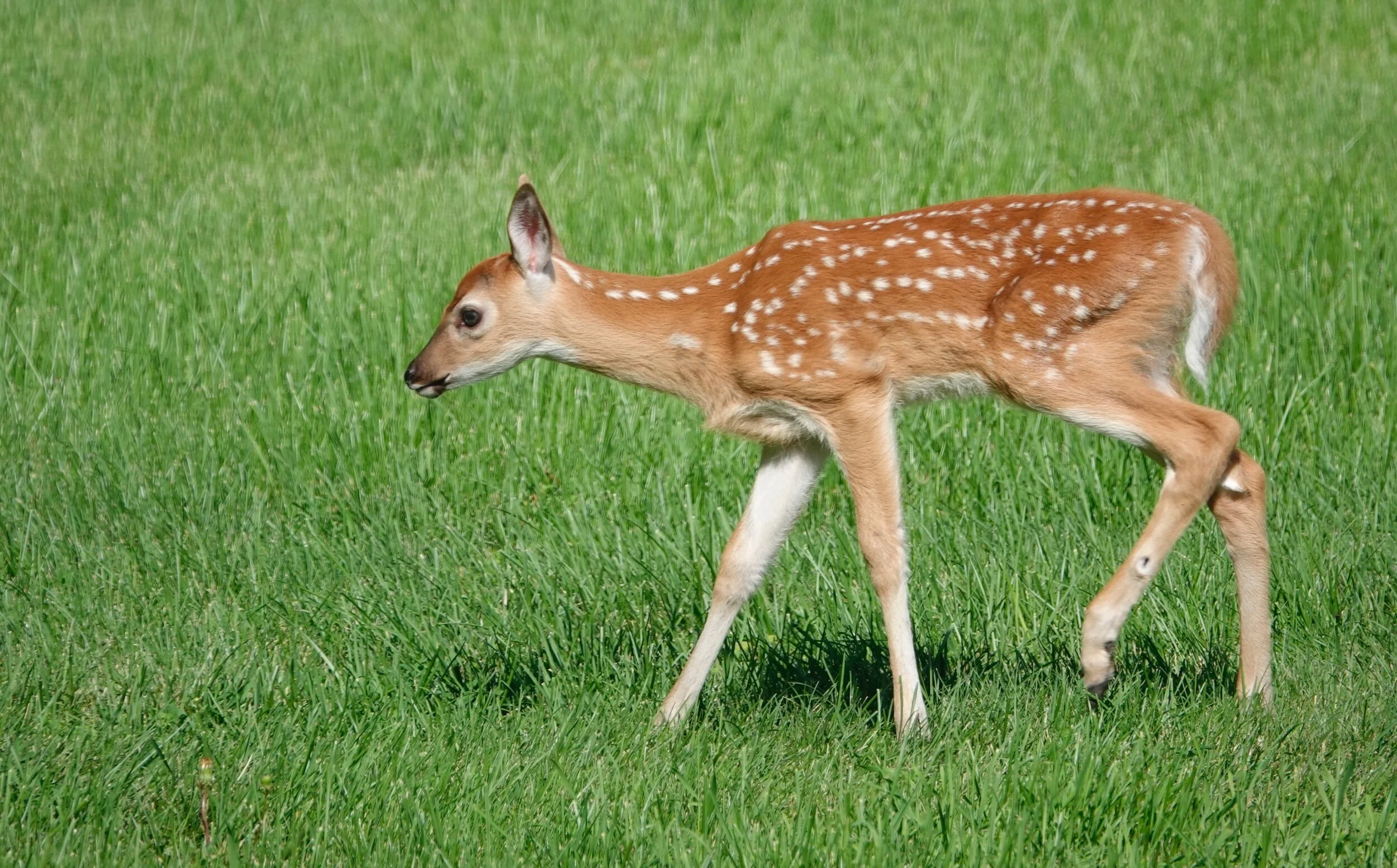
The fawn followed me to the mailbox. There was no mail for it.

The fawn followed me to the mailbox. There was no mail for it.
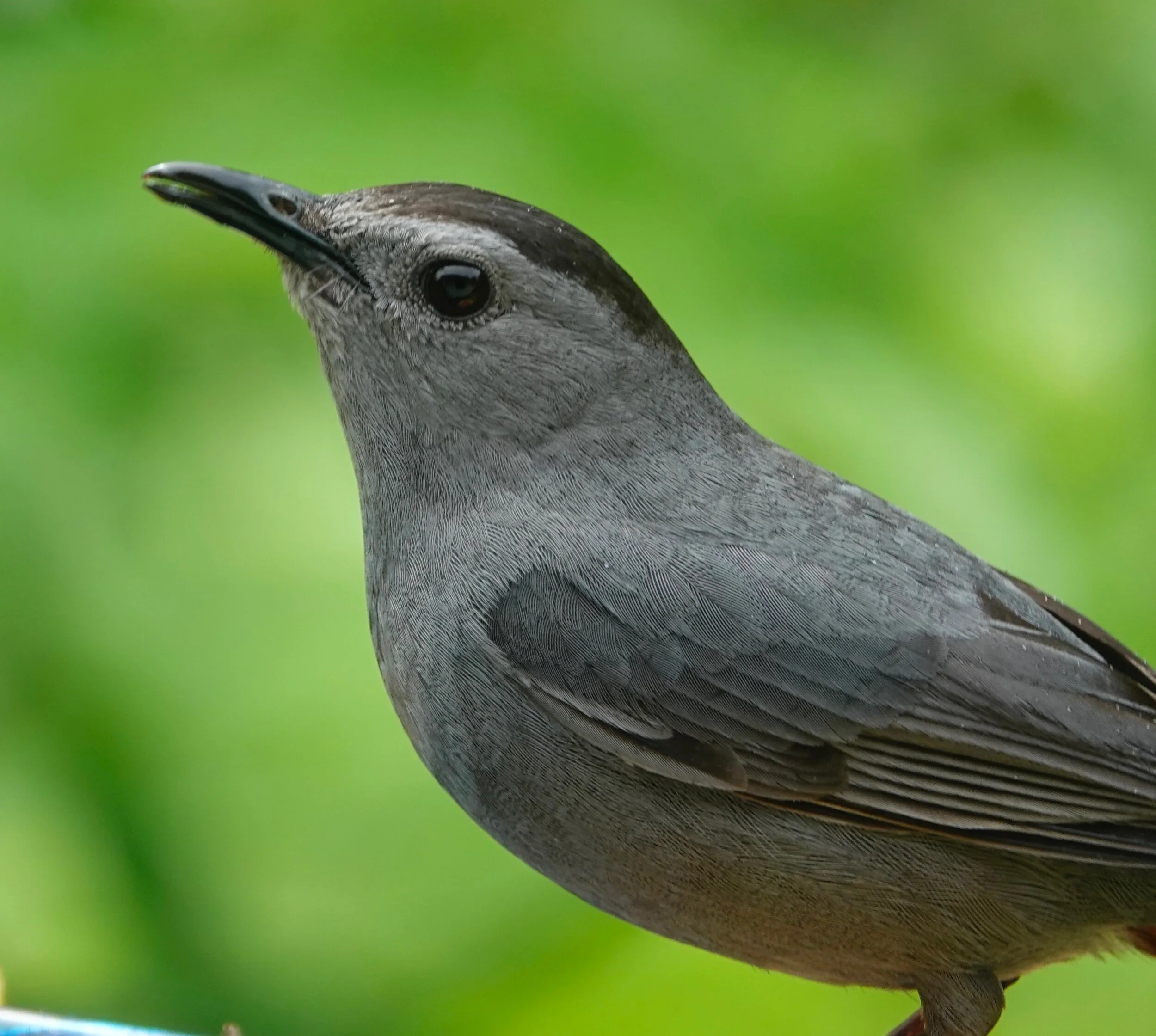
A dapper dandy, the Gray Catbird.
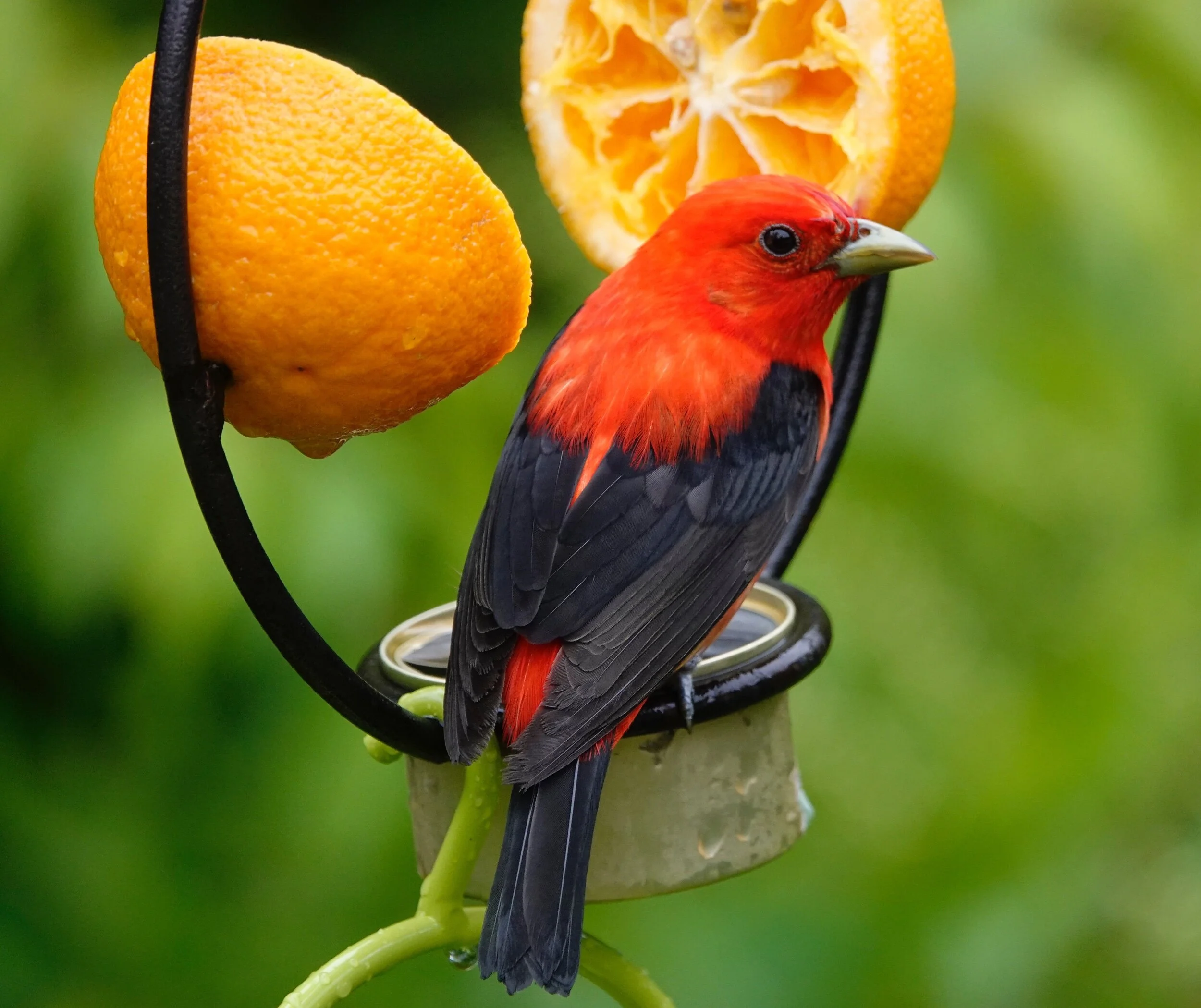
I am so glad I’m a birder. I am so glad this is a Scarlet Tanager.
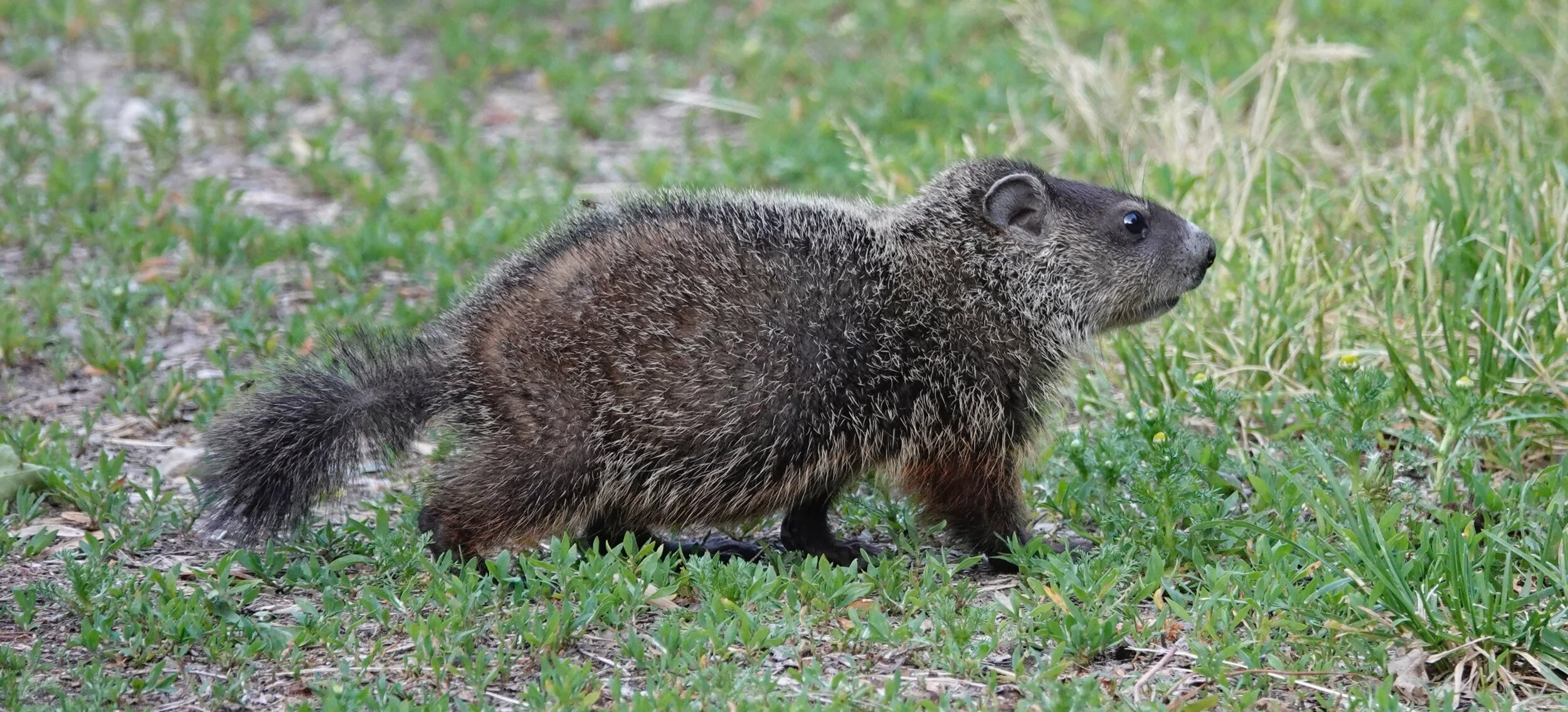
A rare young groundhog that isn’t named Phil.
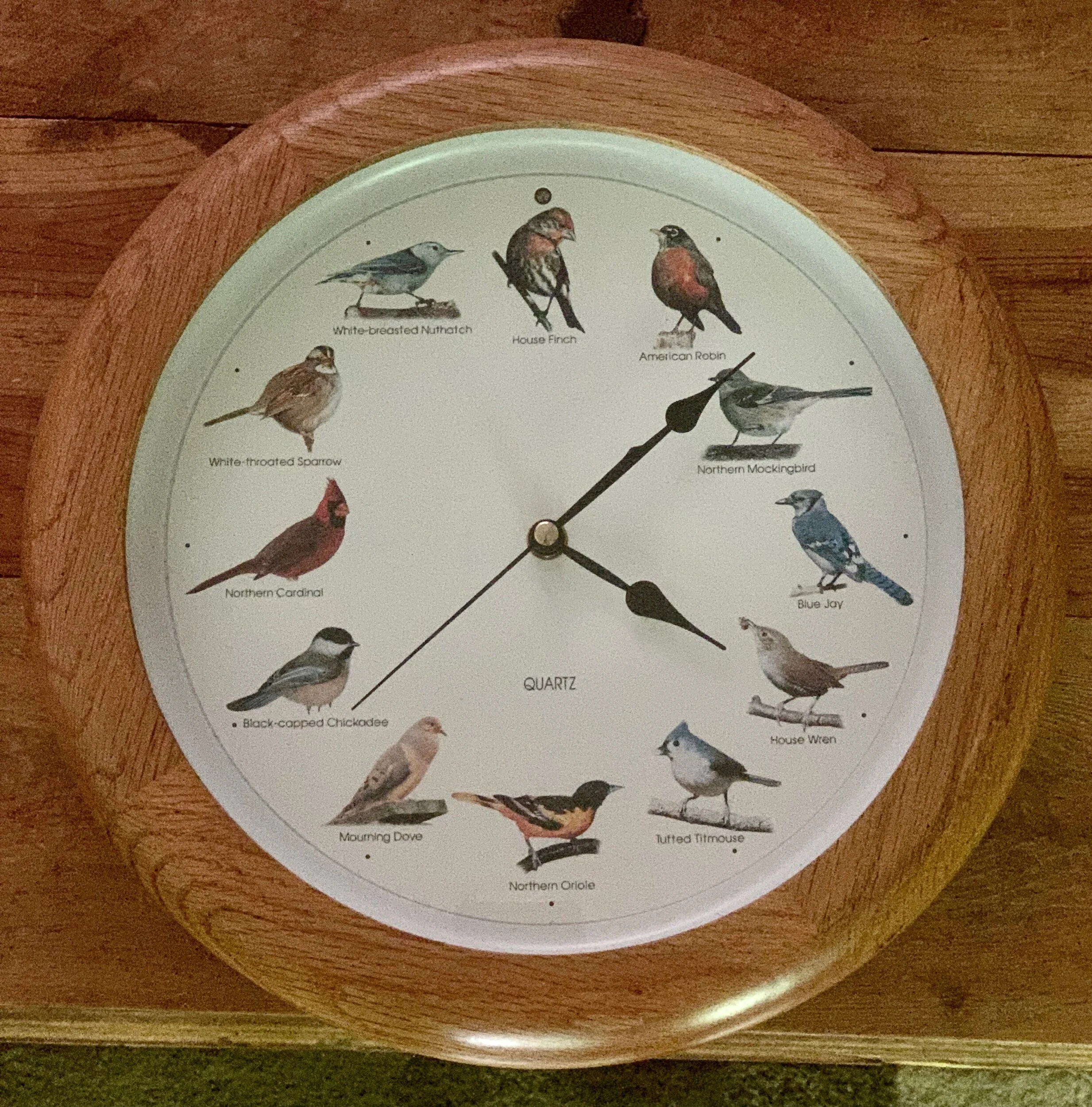
My late father-in-law Gene gave me this bird clock many years ago. I still haven’t decided which of the 12 birds reminds me the most of that good man.
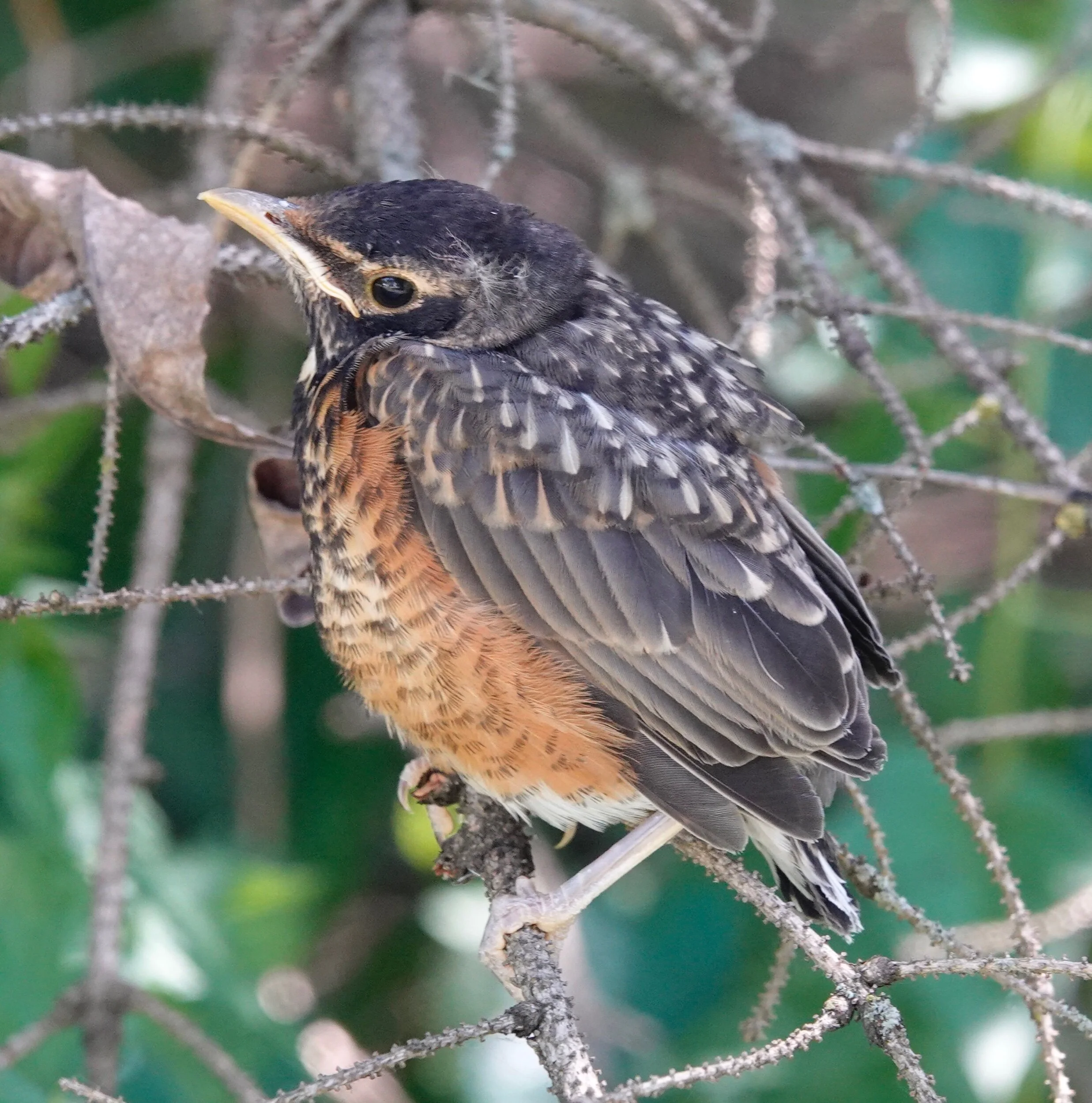
The young guns are out and about.
American Robin.
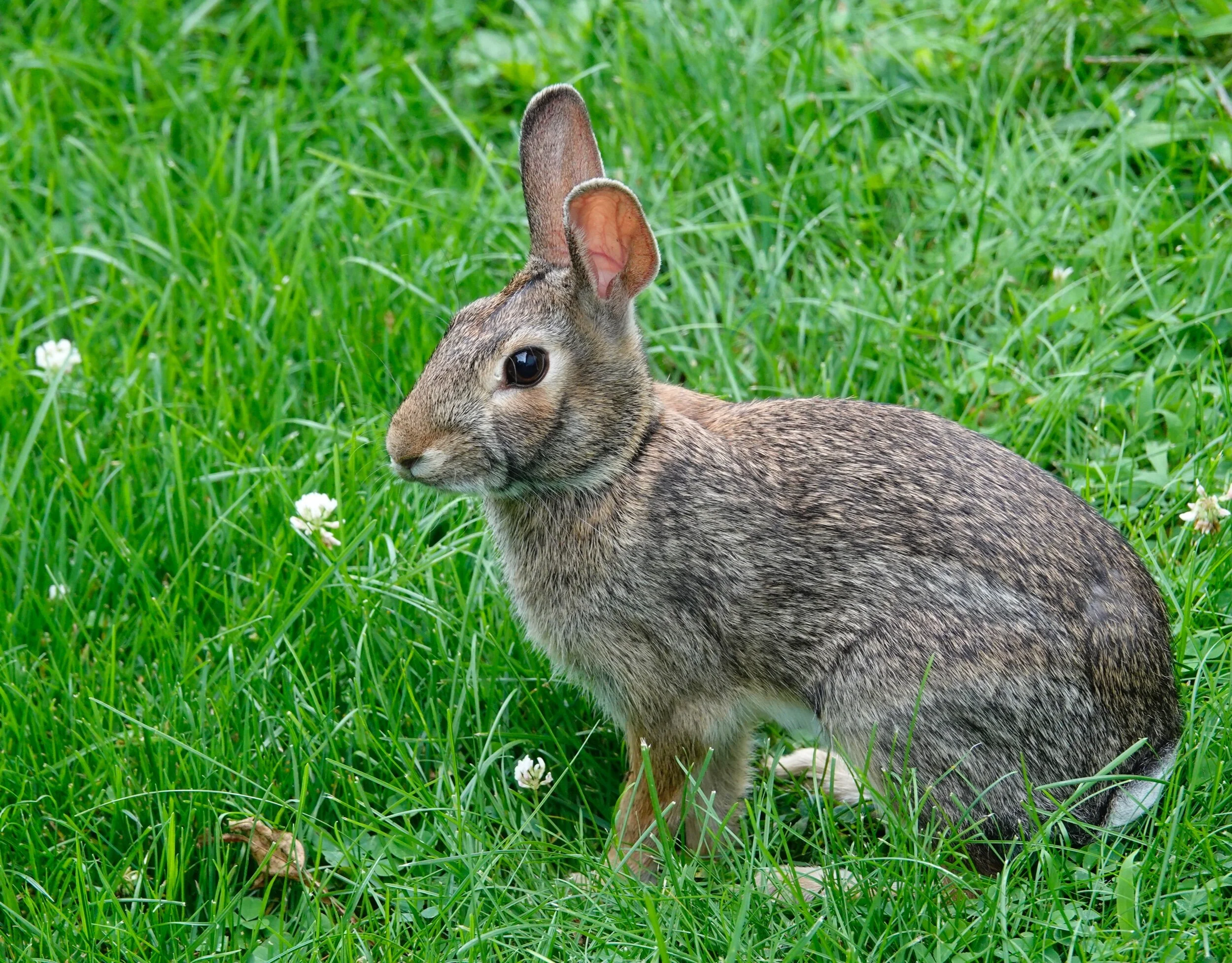
Making “Rabbit, rabbit” the first words you say on the first day of the month is supposed to bring you a month’s worth of good luck.
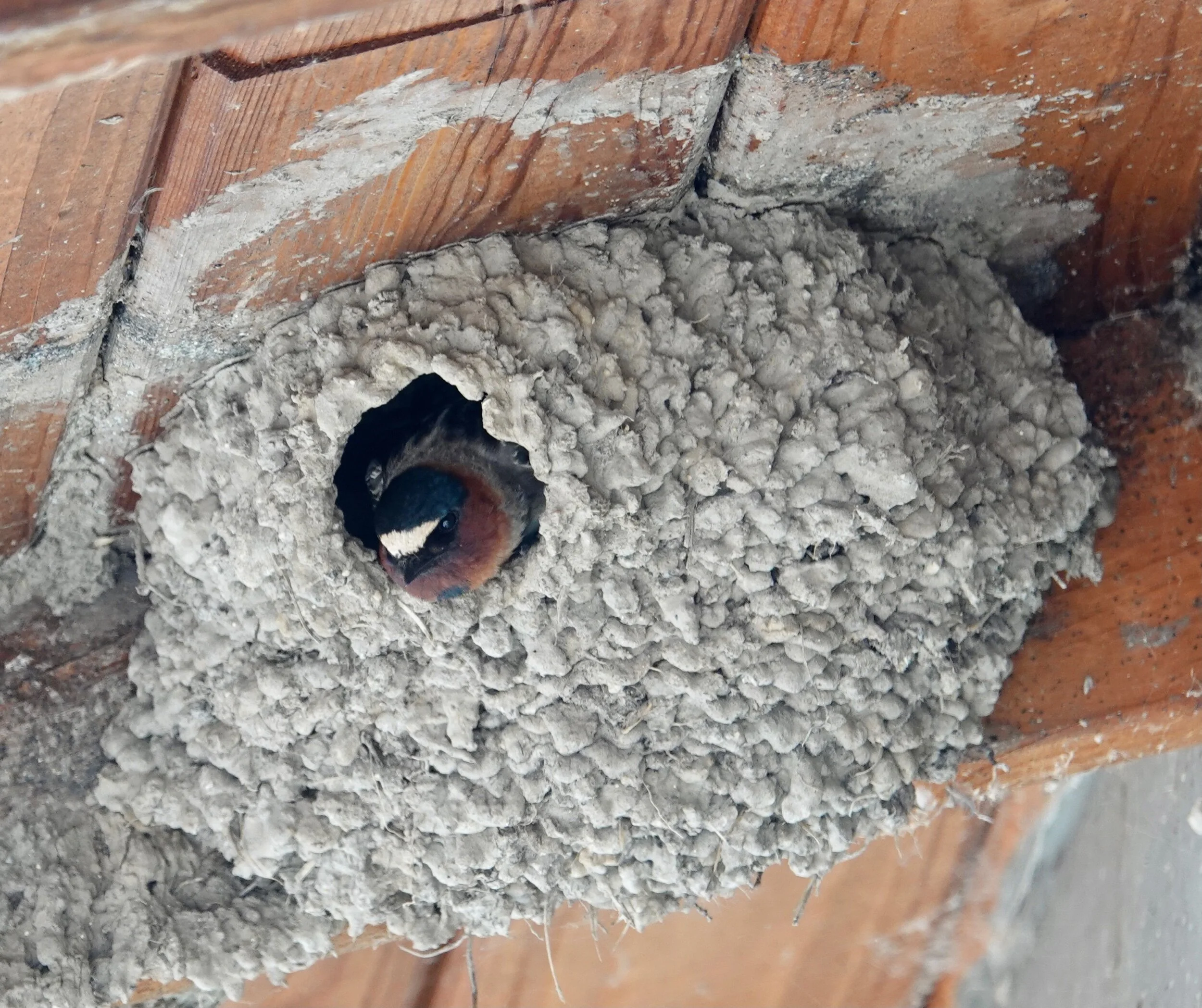
It’s a little know fact that the Cliff Swallow and Cliff Clavin are not related.
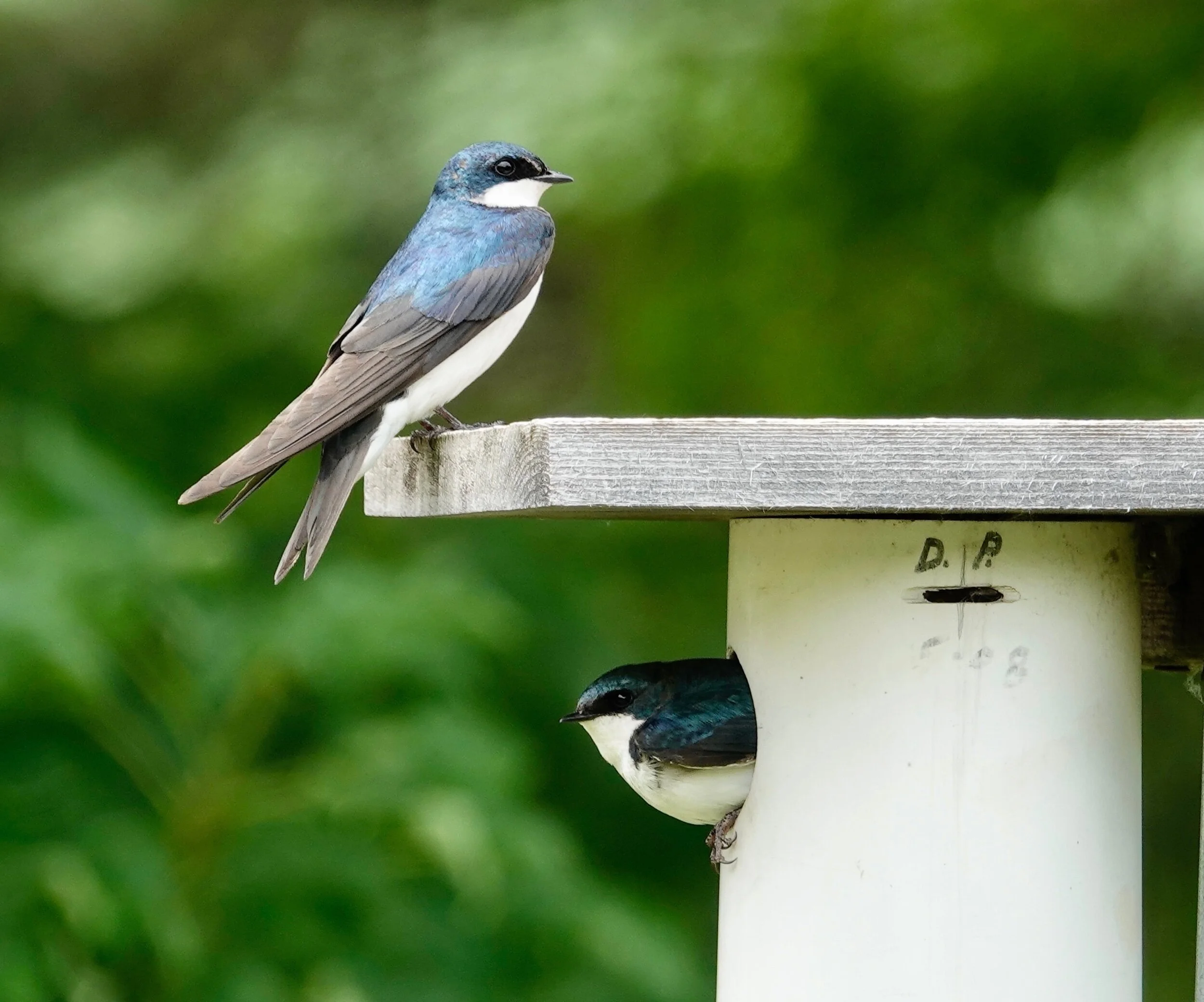
I like Tree Swallows, but I don’t know who D. P. is.
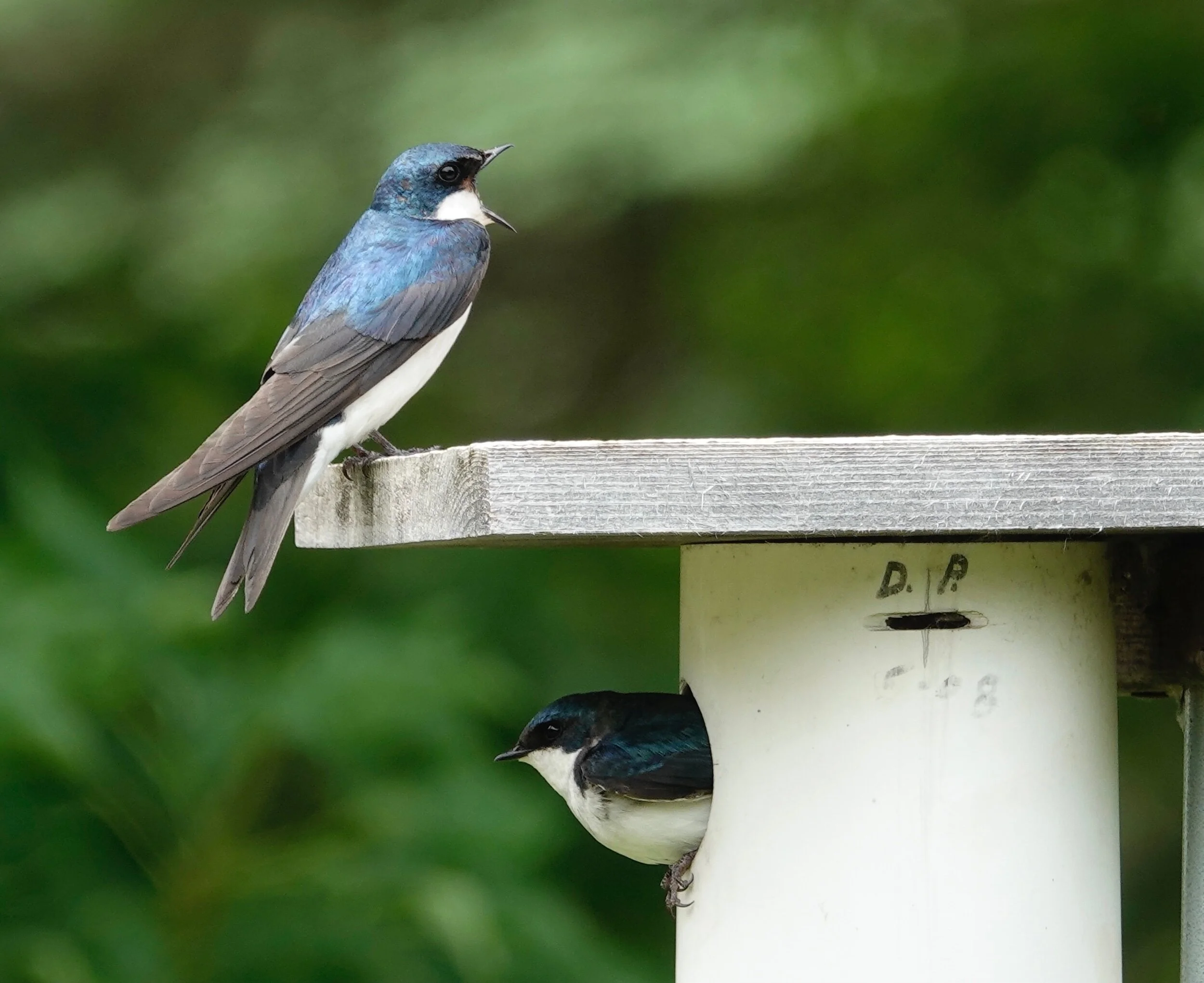
This Tree Swallow is either yawning or practicing up to catch a record-sized flying insect for lunch.
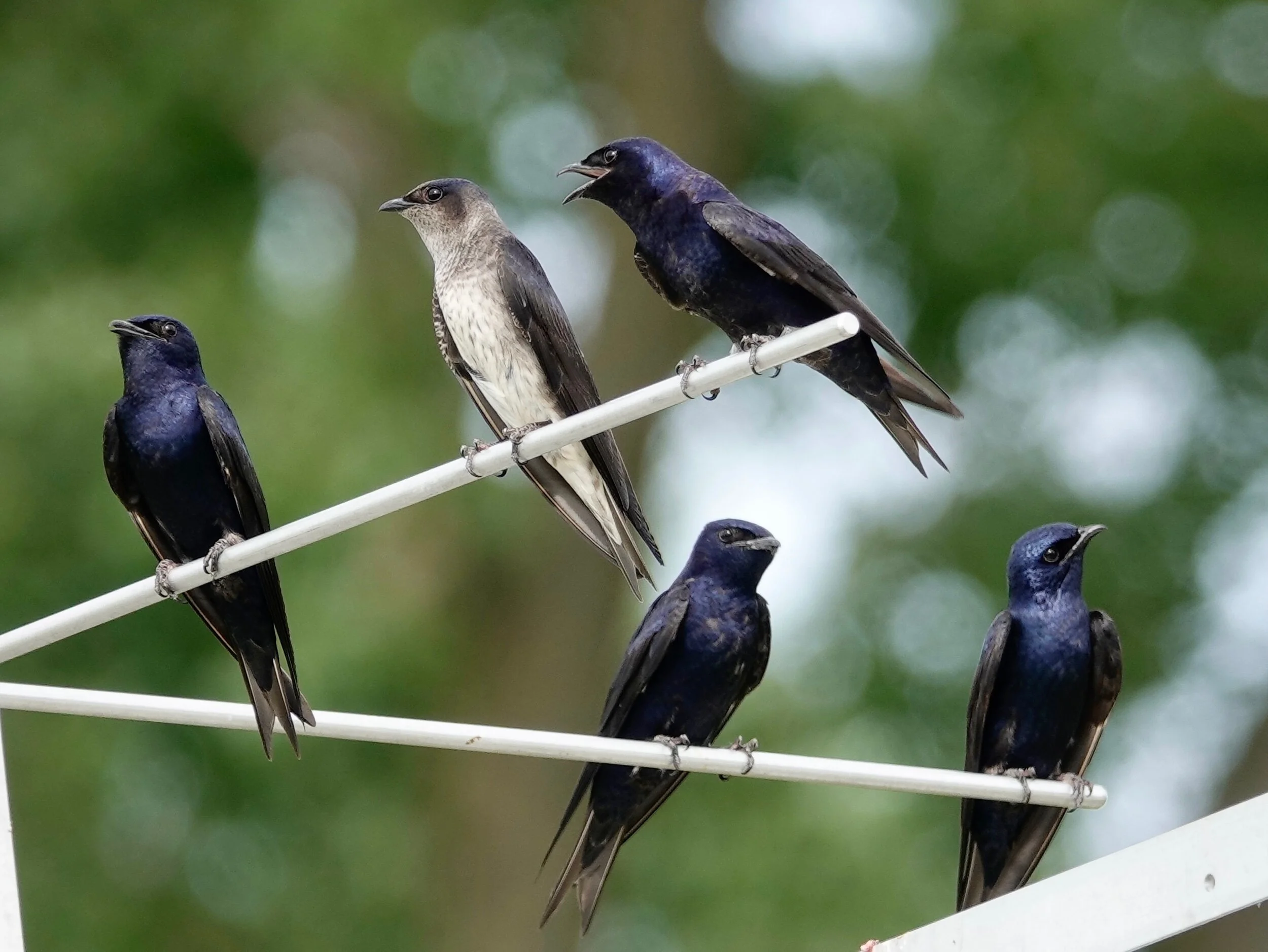
Purple Martins aren’t really purple. Cows are purple.
Naturally
I walked across the yard, moving past the named and the nameless. I saw a professional squirrel had moved with ease past obstacles meant to keep it from a feeder. A red-winged blackbird male at a feeder displayed bling on his wing.
Brown thrashers put the world in tune with this long-winded song: "Plant a seed, plant a seed, bury it, bury it, cover it up, cover it up, let it grow, let it grow, pull it up, pull it up, eat it, eat it. Hello, hello. Yes, yes, yes. Who is this? Who is this? Well, well, well, I should say, I should say. How's that? How's that? I don't know, I don't know. What did you say? What did you say? Certainly, certainly. Well, well, well. Not that I know of, not that I know of. Tomorrow? Tomorrow? I guess so, I guess so. All right, all right. Goodbye, goodbye."
As I gathered sticks I saw a Baltimore oriole build a nest. It was quite a divertissement. An oriole takes up to 12 days to weave a nest, but most are completed within a week. I filled the grape jelly feeder because an oriole has a sweet beak.
Pearl crescent, mourning cloak and mid-May monarchs were butterflies dancing in the wind. The monarchs return at about the same time each year. Their migration is determined by day length, temperature and host plant quality.
Goat's-beard (salsify) might be found in every county in Minnesota. Its blossom and seedhead are similar to the dandelion but much larger. Its 1-3 foot tall flowering stems are seen in grassy areas along roadside ditches.
Q&A
“What ferns could I grow in my yard?” Maidenhair fern makes a dandy border with wild geranium or cranesbill (showy flowers and not invasive) and is deer-resistant. The fern has wiry stems and delicate, airy, green fronds that curve into a semi-circle. Ostrich fern, named for its similarity to ostrich feathers, is easy to grow in wet woodland locations, spreads slowly by rhizomes and is deer-resistant. Foragers seek the curled fronds, called fiddleheads, in early spring and prepare them like asparagus. Ostrich ferns have a celery-like, U-shaped stem. Sensitive fern fronds brown quickly after the first fall frost. Interrupted ferns prefer moist, rich, acidic soil, but adapt to drier soils and nearly full sun. The broad fronds are interrupted in the middle by spore-bearing leaflets. Lady ferns enjoy the company of wild ginger and Jack-in-the-pulpit, and all three are rabbit- and deer-resistant. Its name refers to its graceful, feminine appearance, the curved sori (clusters of spore-producing structures on the lower surface of leaves) that resemble a lady's eyebrow or the scales on the stem are like a woman's hairy legs.
“It looks like a bee but has short antennae. What is it?” There are around 450 bee species in Minnesota and of the nearly 900 species of flower flies in North America, most have yellow-and-black stripes and are excellent mimics of bees or wasps. They can’t sting, but looking like insects that can make predators avoid them.
“Were wood ducks nearly extinct?” By the late 1800s to early 1900s, extinction of the wood duck was imminent. Destruction of bottomland hardwood forests and market hunting were the two major factors that contributed to the species' decline. The species was given a standing eight-count, but in 1918, the Migratory Bird Treaty Act prohibited the hunting of wood ducks nationwide. Wood duck populations recovered, and seasons were reopened in 1941.
“Why do songbirds leave the nests so soon?” Predators have an easy time finding a nest full of loud baby birds and nests can be hotbeds of parasites. Parents work to get their young out of the nest as quickly as possible. The parents keep feeding the young after they’ve left the nest and the social-distancing young birds enhance their chance of survival.
“What can I feed mourning doves?” Cracked corn, white millet, sunflower seeds and safflower.
“How big is a bald eagle nest?” The typical nest is 4-5 feet in diameter. They show incredible nest fidelity, meaning the same pair returns to the same site and adds sticks as part of the pair-bonding, which produces gigantic nests, like the largest recorded bald eagle nest in St. Petersburg, Florida, which was 9.5 feet in diameter, 20 feet deep and weighed almost 6,000 pounds.
“Do cowbirds parasitize purple martin nests?” Cowbird females dump eggs into the nests of other birds for the nest owners to raise. They primarily parasitize the nests of birds that build open nests in the edges of woodlots and rarely enter nest cavities.
Thanks for stopping by
“You can't be suspicious of a tree, or accuse a bird or a squirrel of subversion or challenge the ideology of a violet.”—Hal Borland
“Every spring is the only spring, a perpetual astonishment.”—Ellis Peters
Do good.
©Al Batt 2021

A chipping sparrow’s song is a long trill that can sound insect-like. Some insect songs have a long trill that can sound chipping sparrow-like. Photo by Al Batt
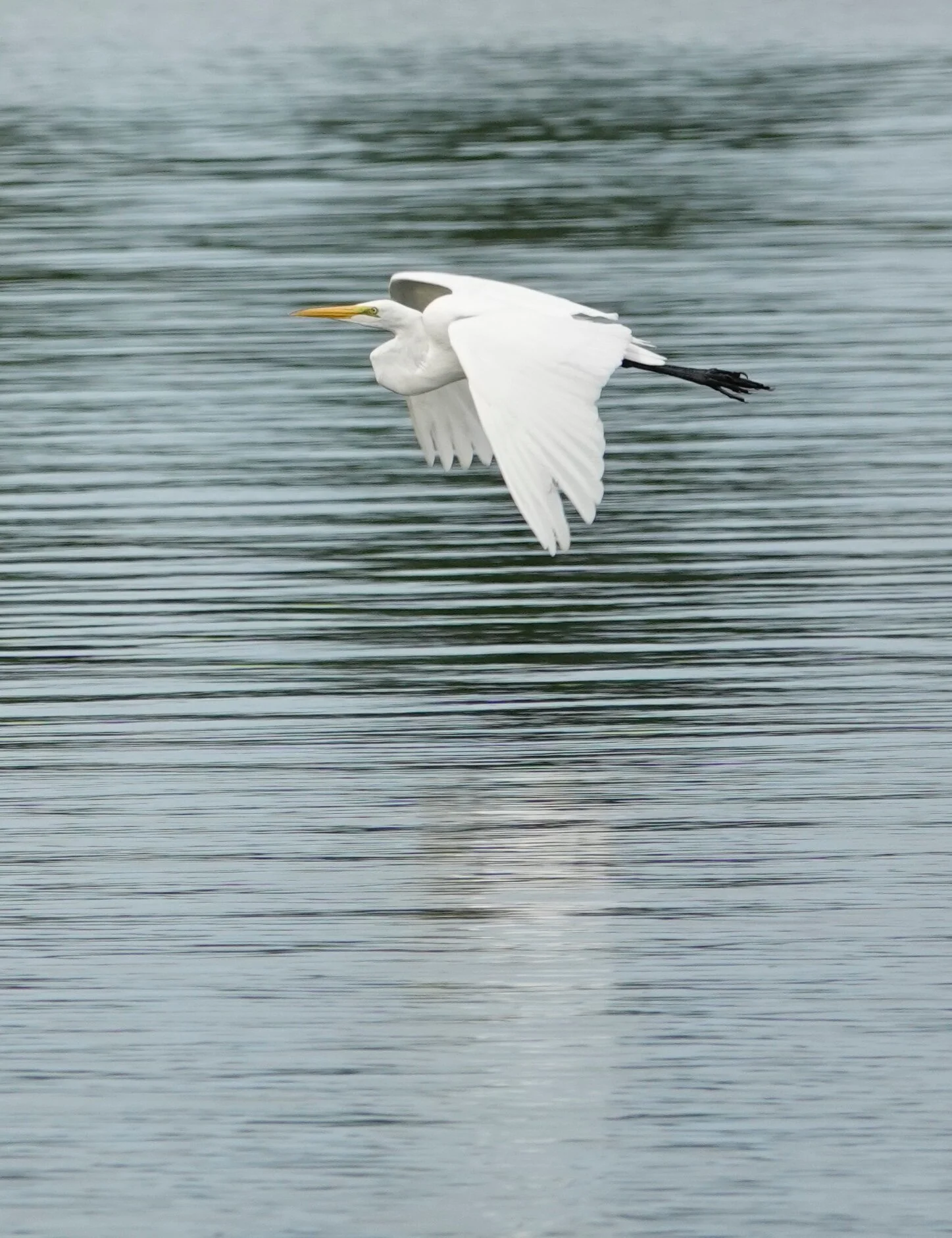
A Great Egret. The song could have been “Fly Like an Egret.”
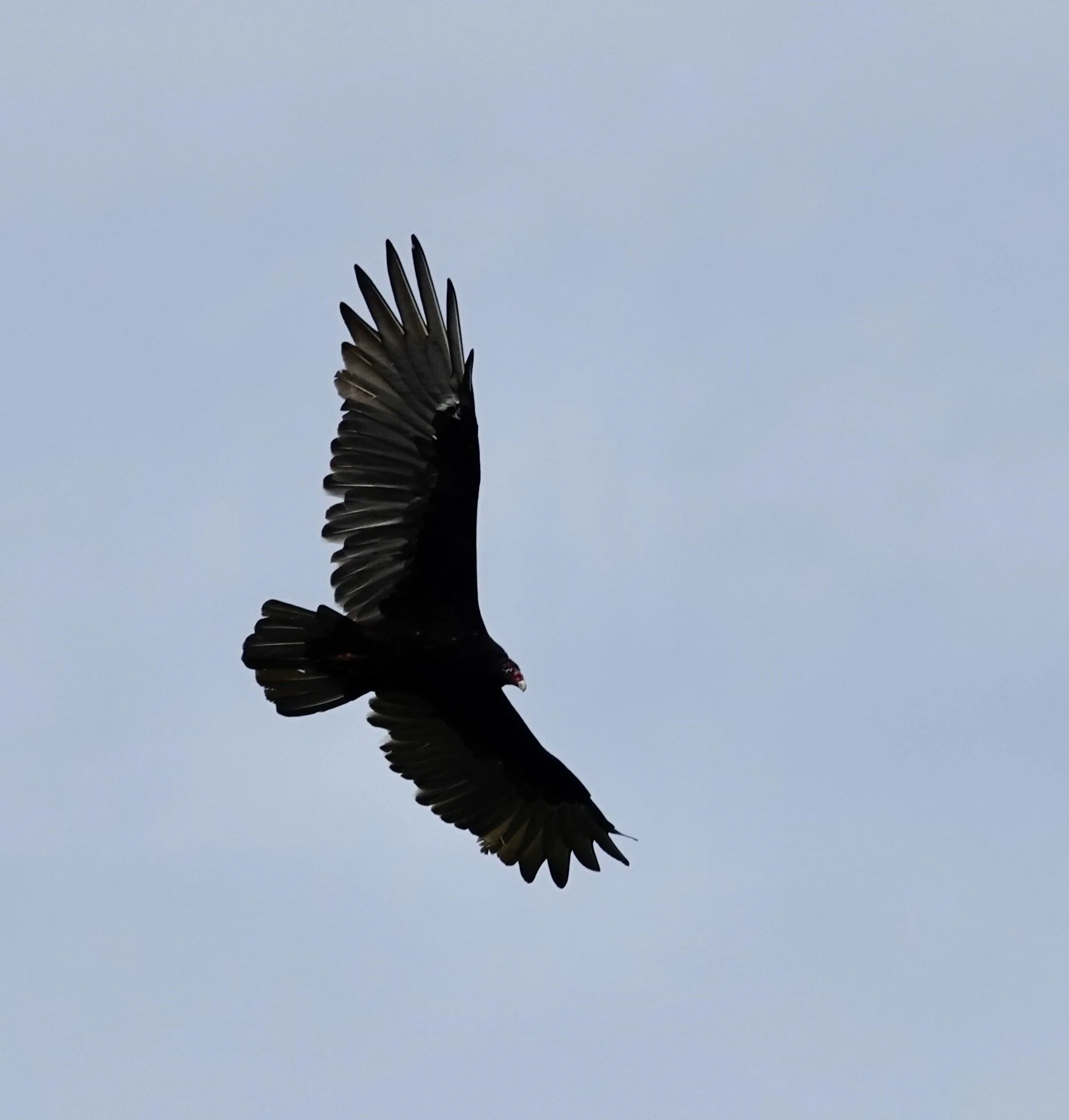
Turkey Vulture. The song could have been “Fly Like a Vulture.”
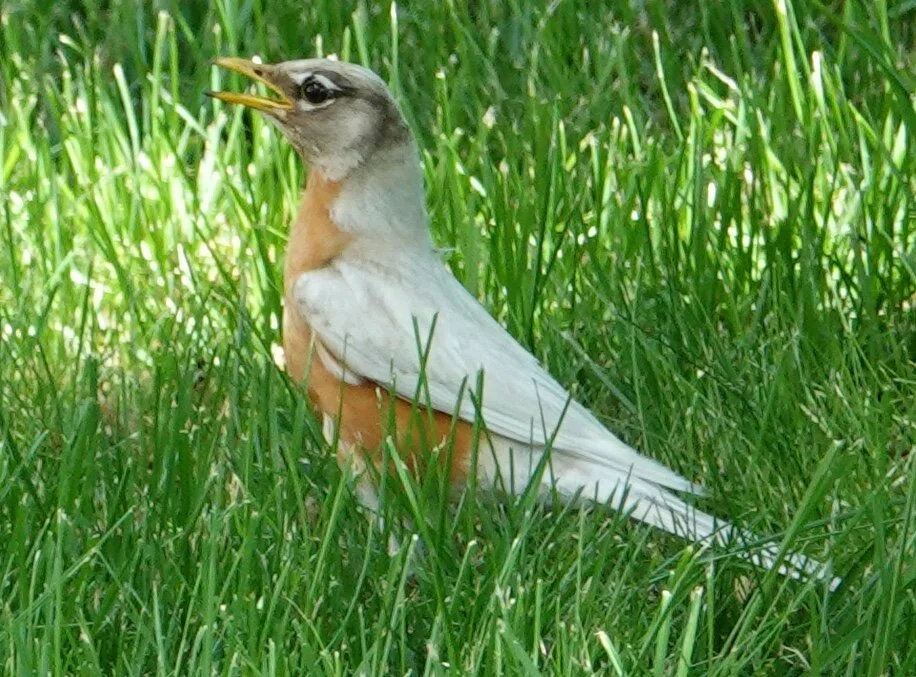
A leucistic robin in the grass. When we get the band back together, that’s what we’re going to call ourselves.
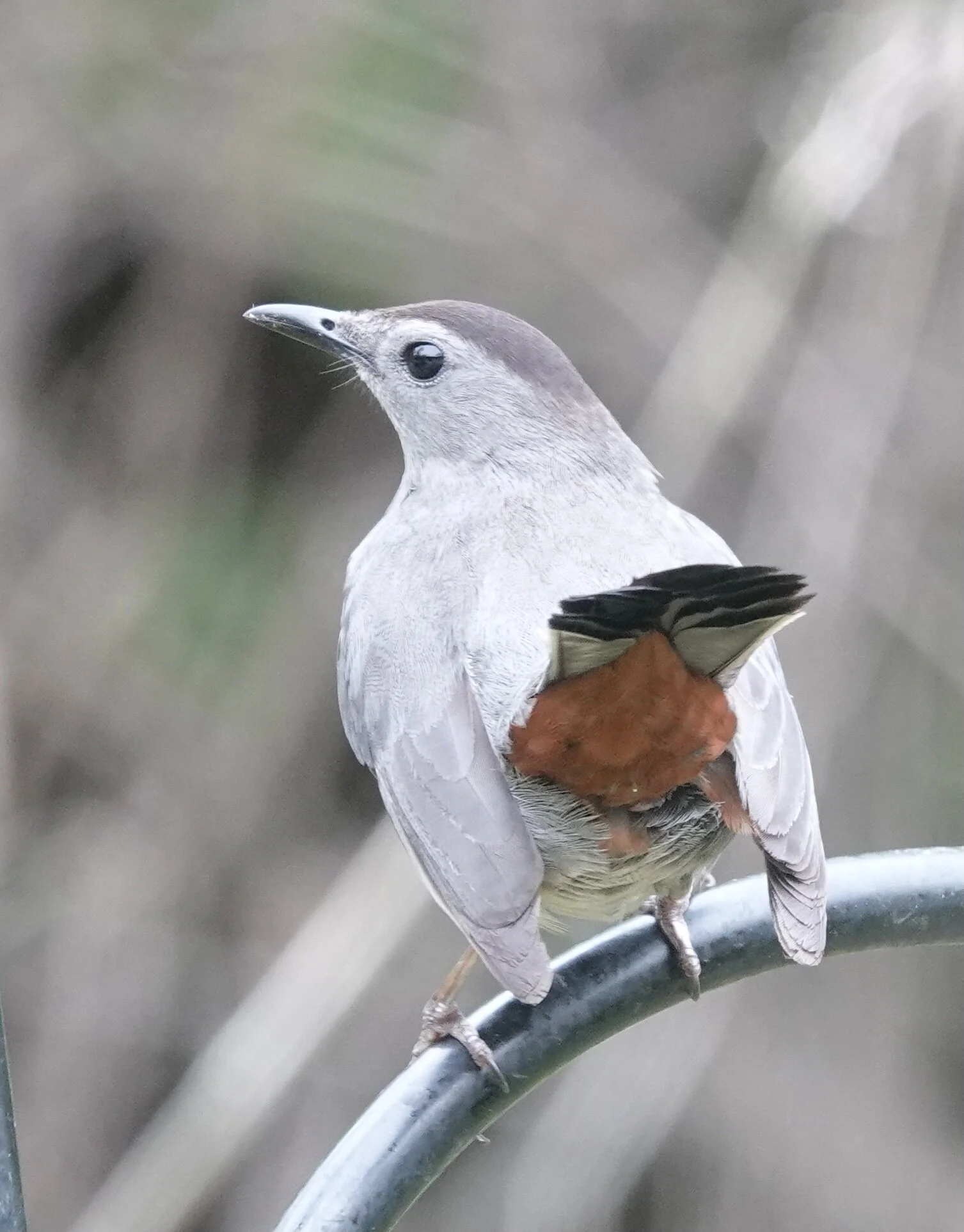
Hot, hot, hot, sunny and a catbird’s rear.
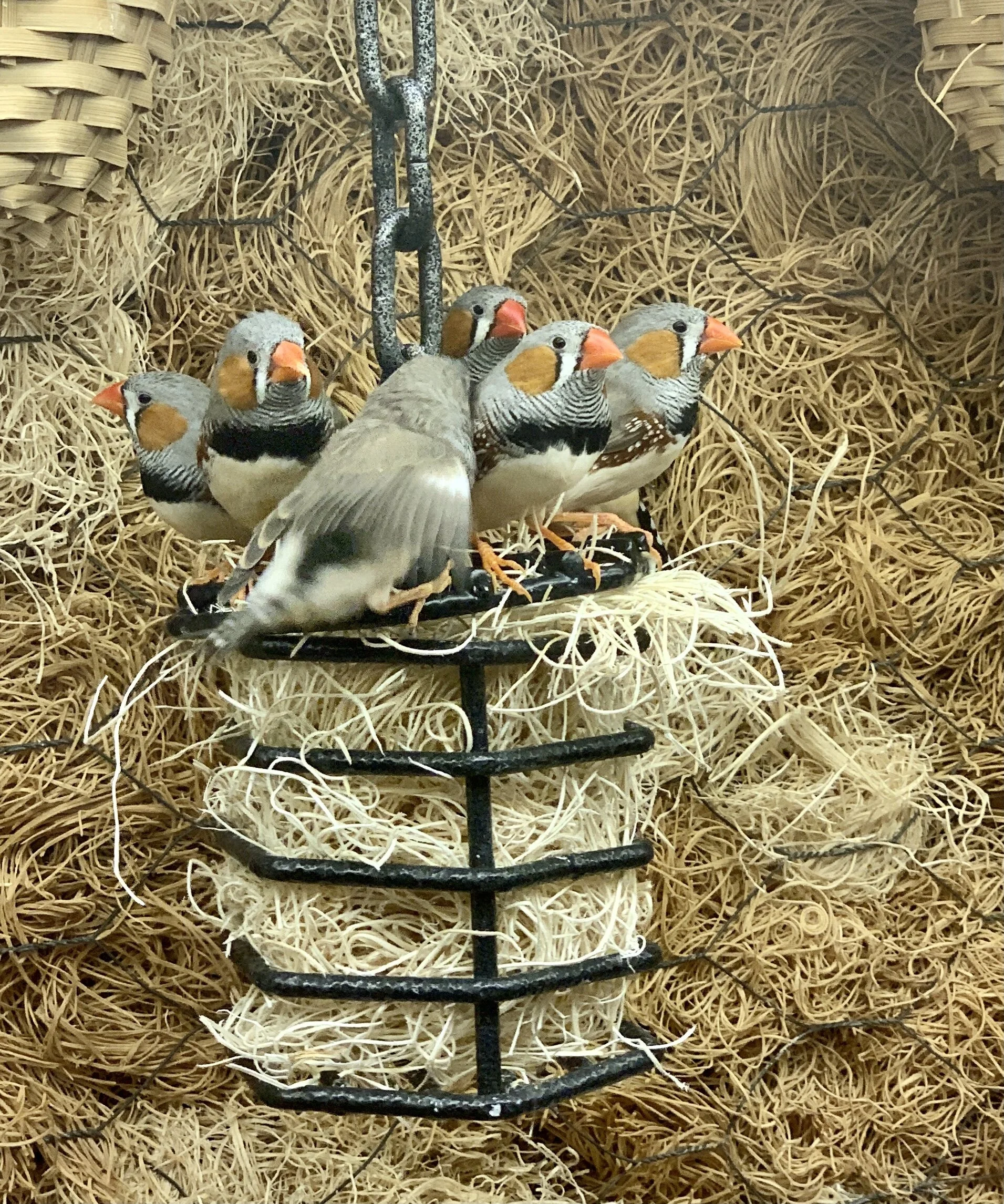
A friend spotted a Zebra Finch in his yard. It was likely an escapee from an aviary.
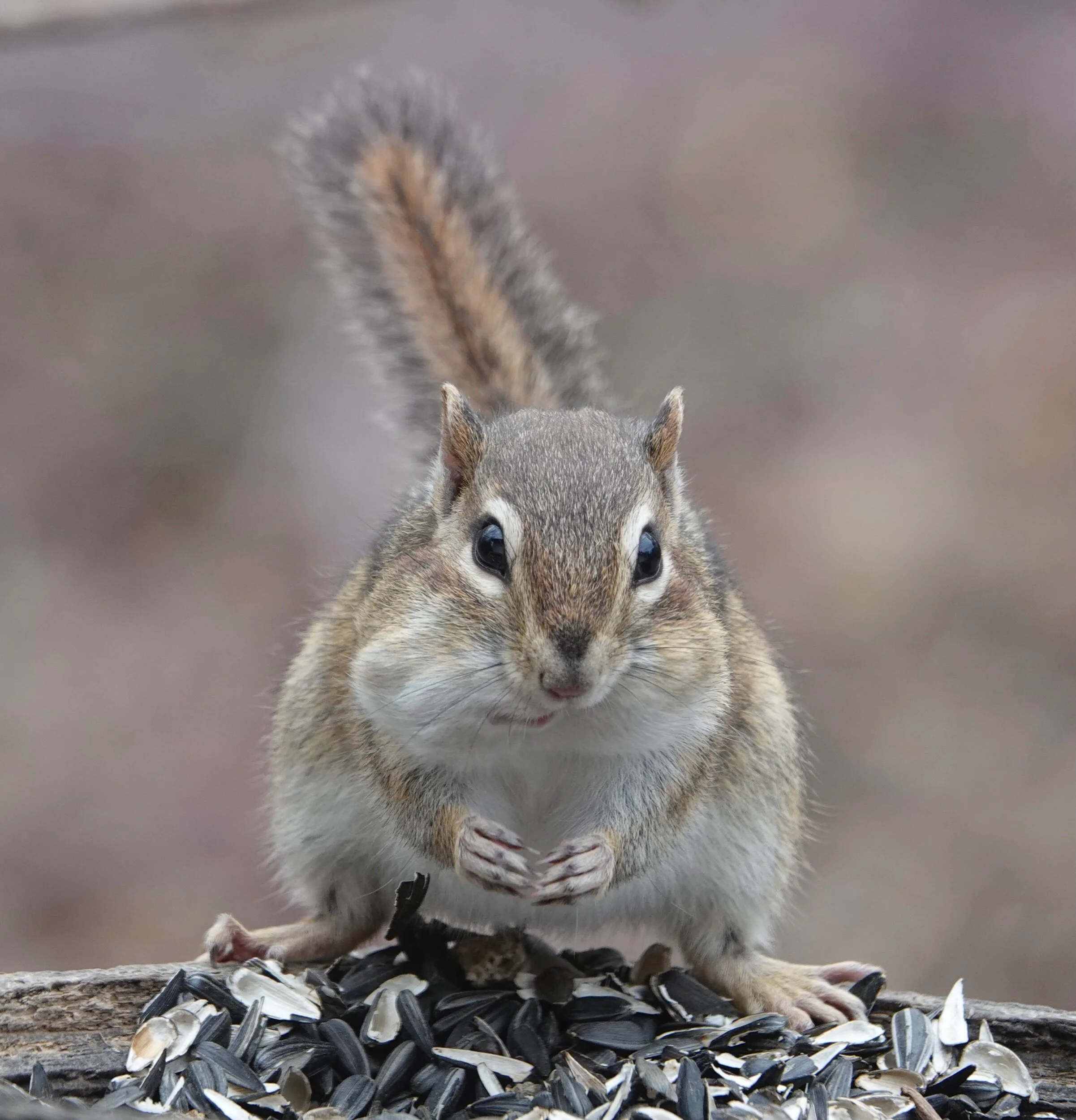
A charming eastern chipmunk, though less than cherubic, cheers me.
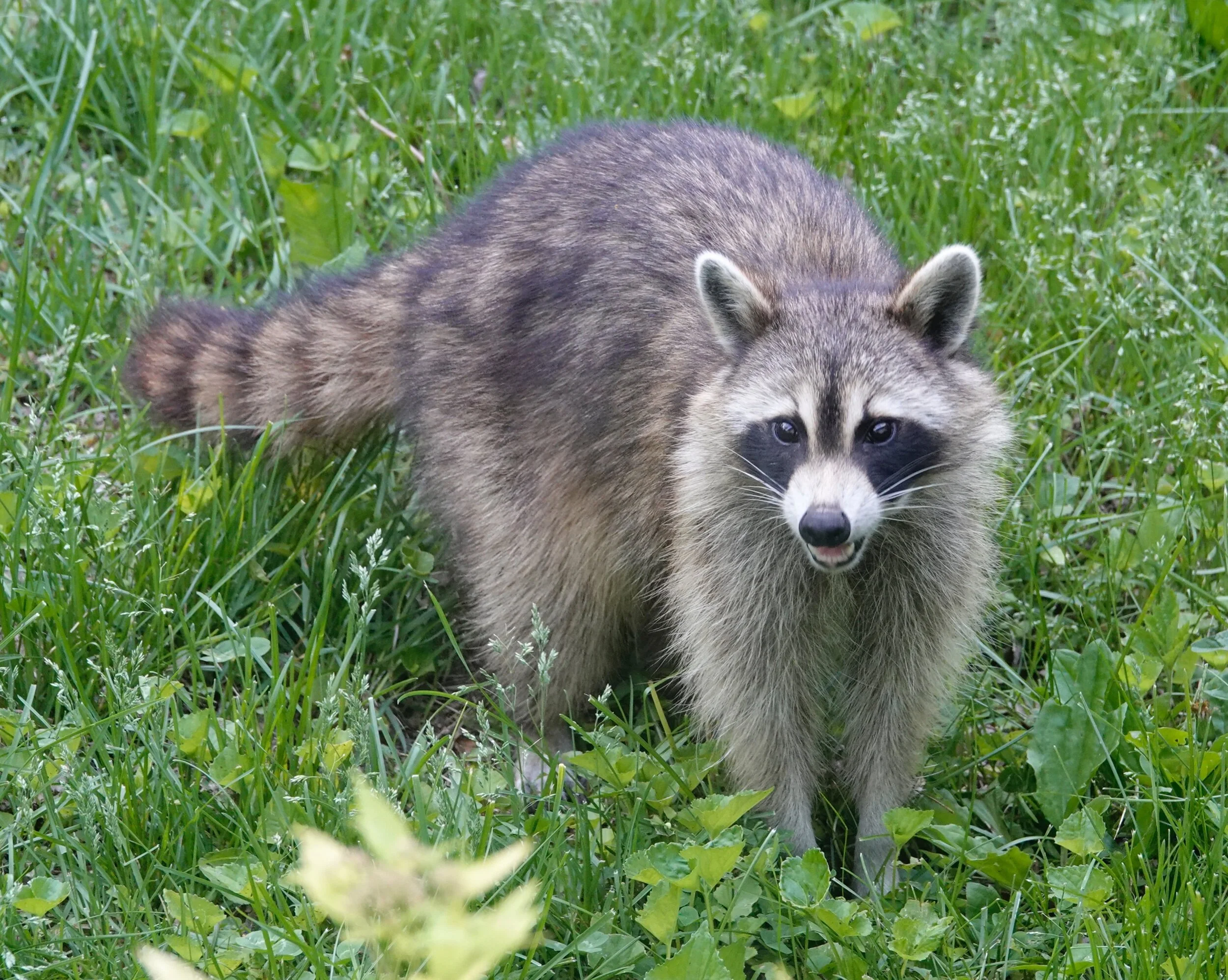
Raccoons laugh at my feeble attempts to discourage their visits. I played the radio in the garden in the hopes it would frighten them away. The raccoons danced to the music.
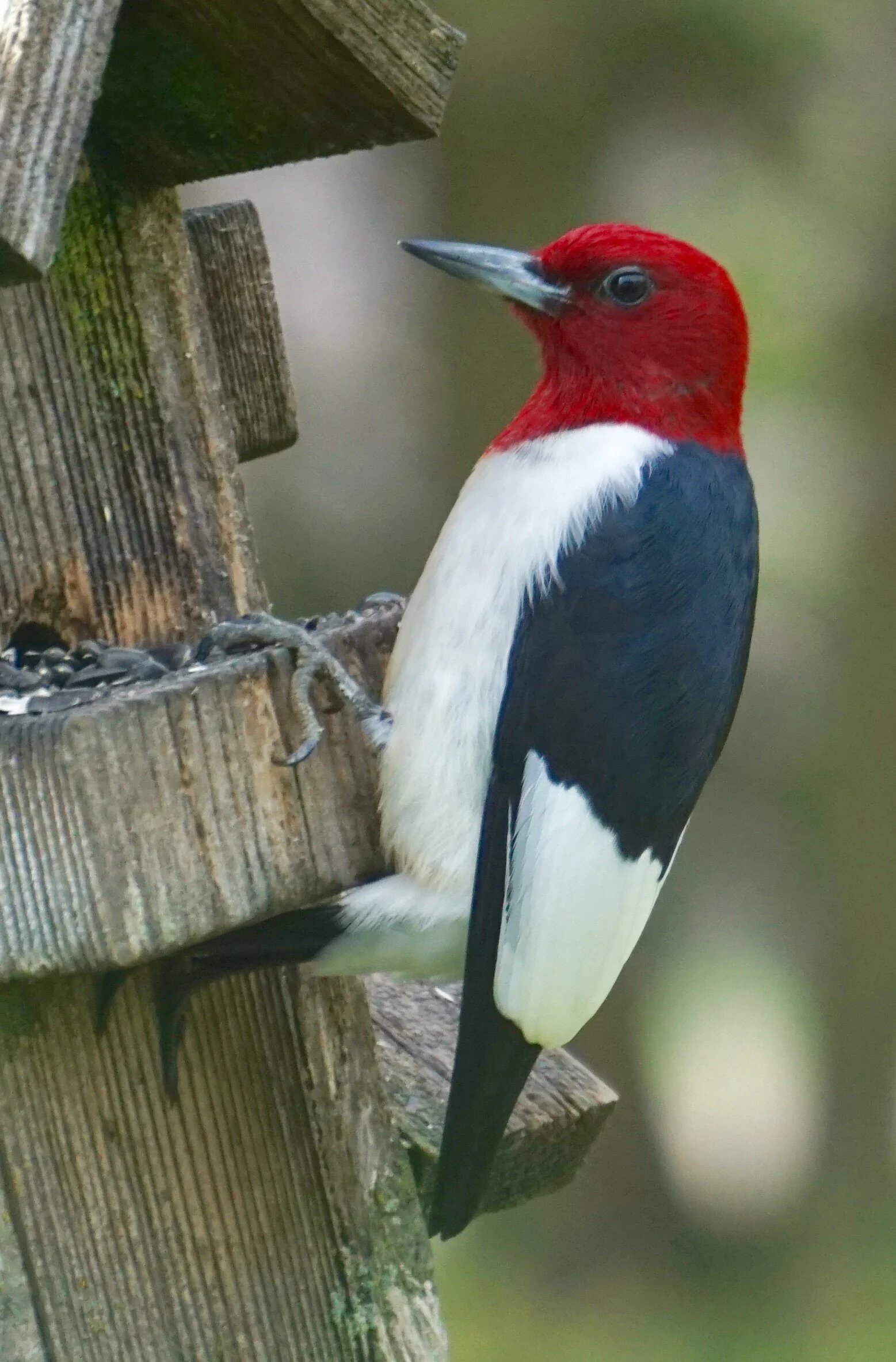
When I was a mere stripling, I was certain Woody the Woodpecker was based on a Red-headed Woodpecker. What else could he be? I was dumbfounded when I learned Walter Lantz had based Woody upon an Acorn Woodpecker.
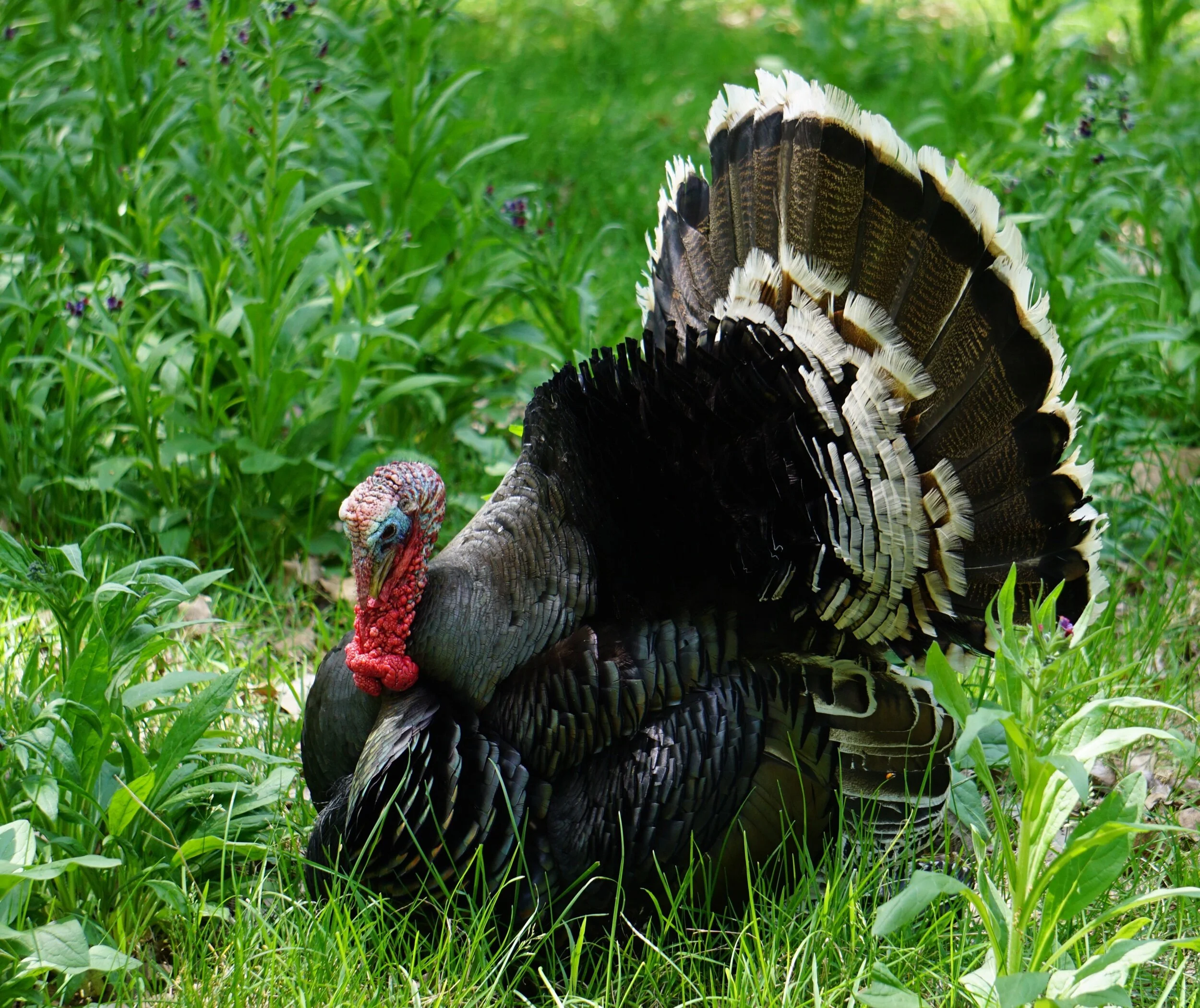
Whenever I see a turkey like this, I think of one of those little, wax turkey candles I’d get at school at Thanksgiving each year.
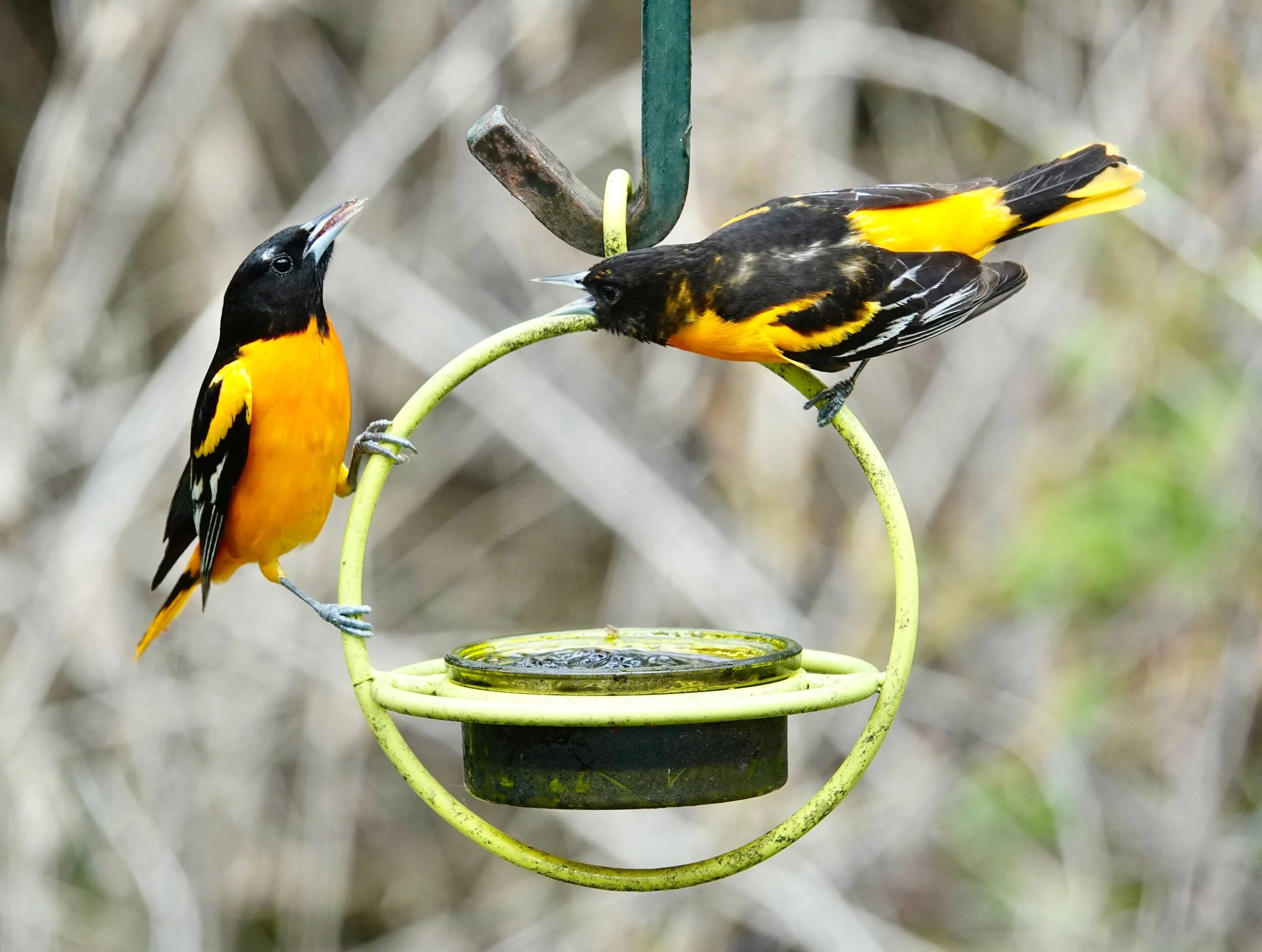
Too much of the grape can lead to altercations.
Baltimore Orioles enjoy grape jelly.
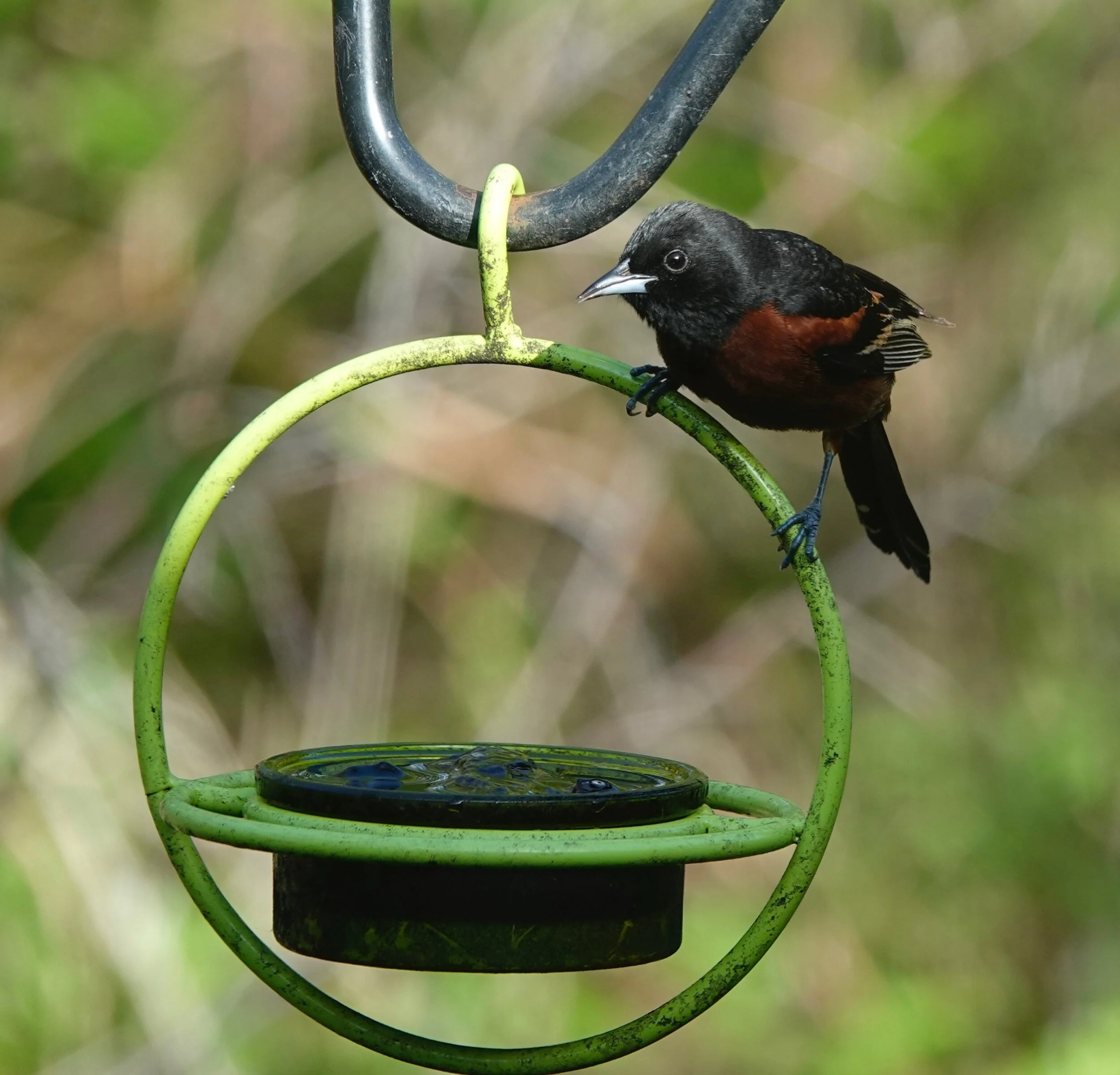
An Orchard Oriole enjoys a bit to the jellied fruit of the vine.
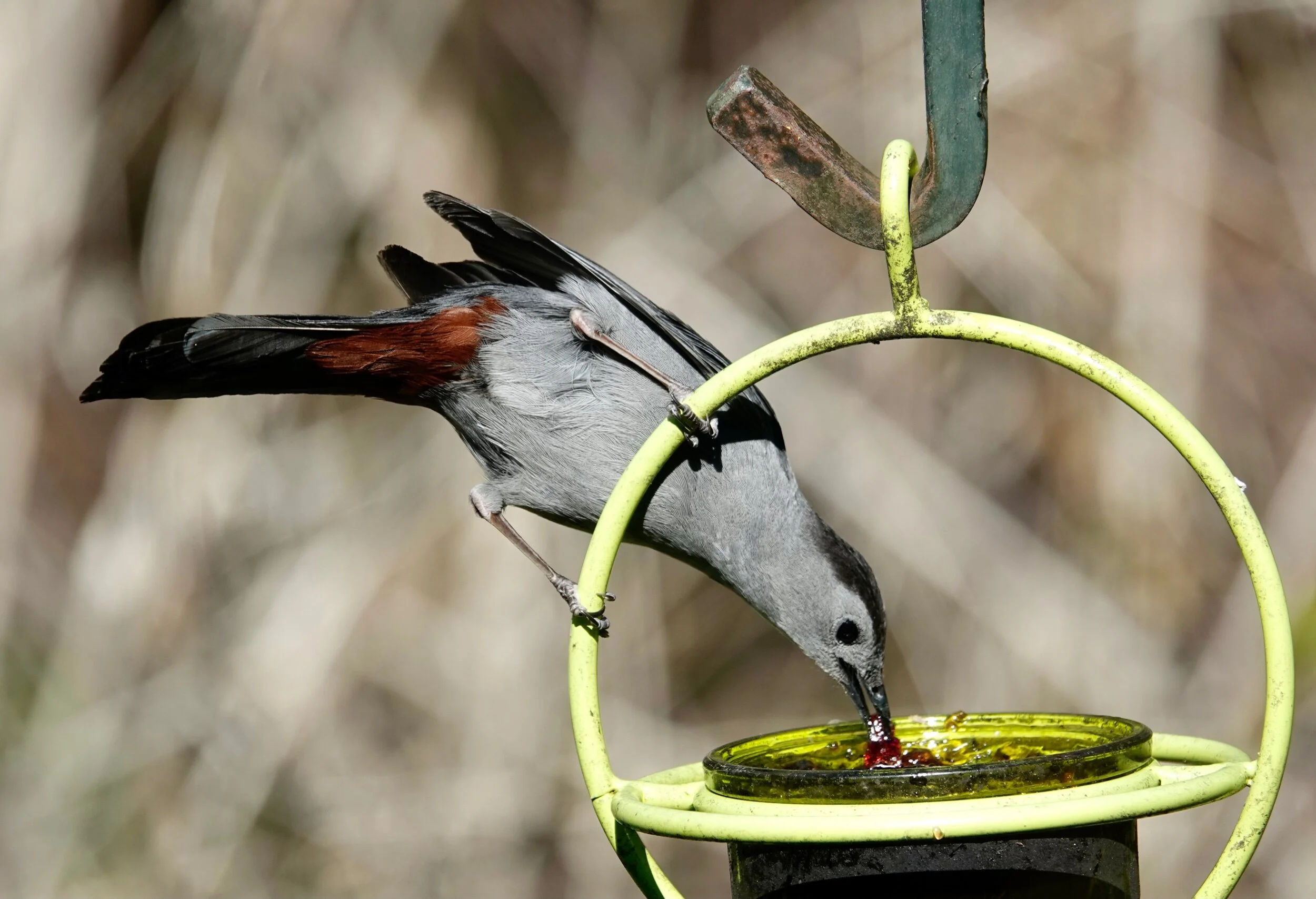
Gray Catbirds like grape jelly.
And Grape Catbirds like gray jelly.
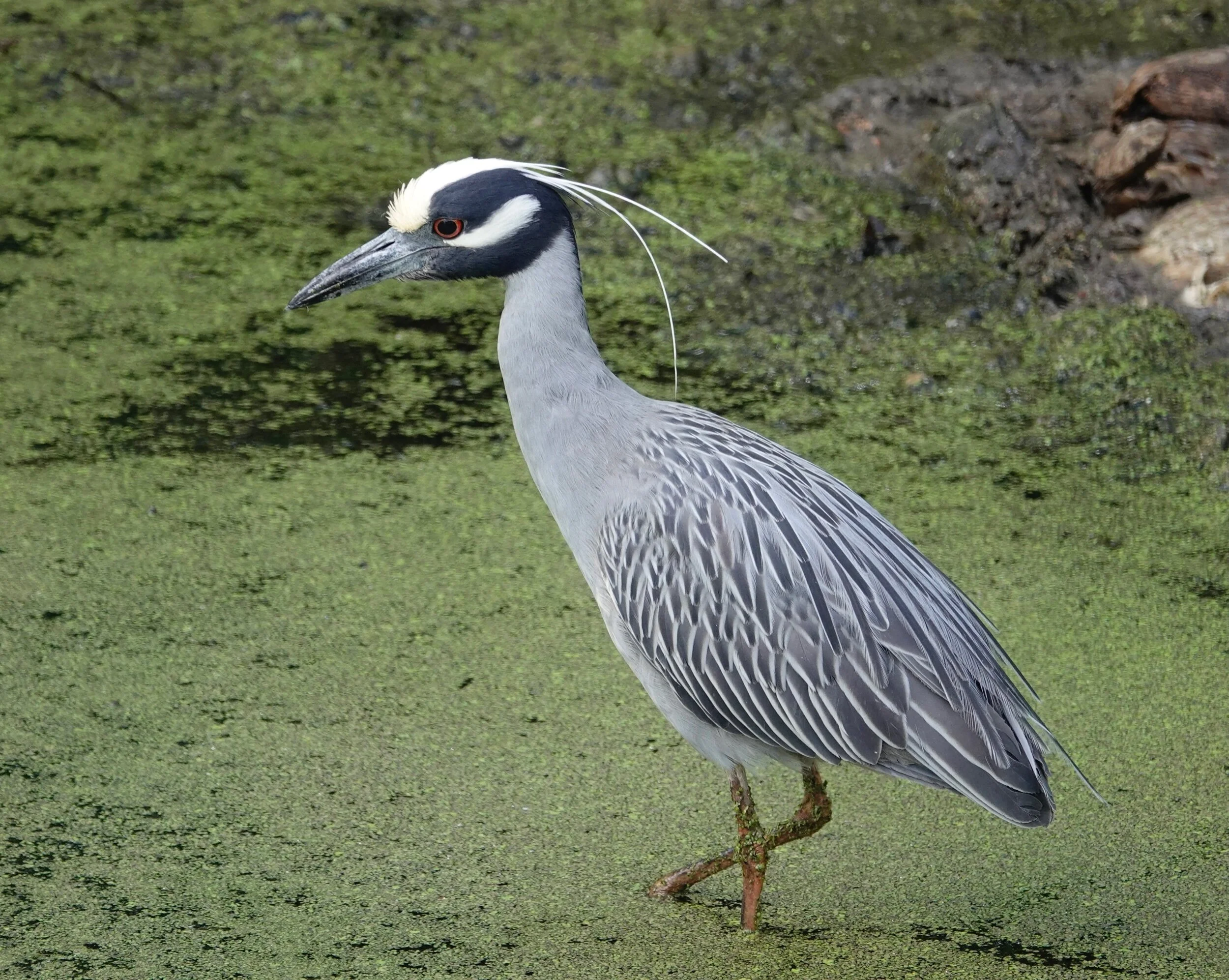
A Yellow-crowned Night-Heron trying to be inconspicuous.
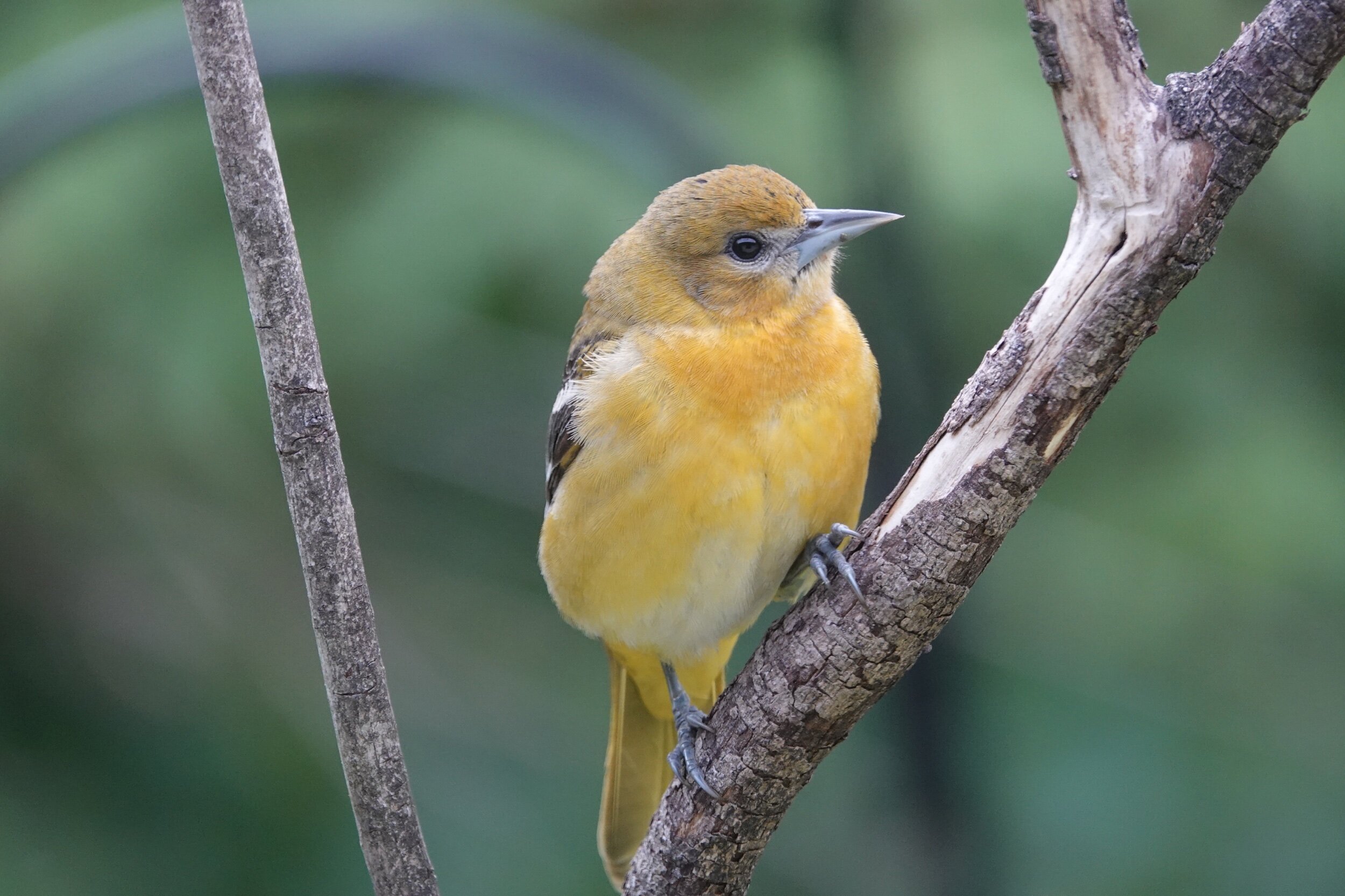
The Baltimore Oriole has a sweet beak that causes it to order grape jelly at the bird table.
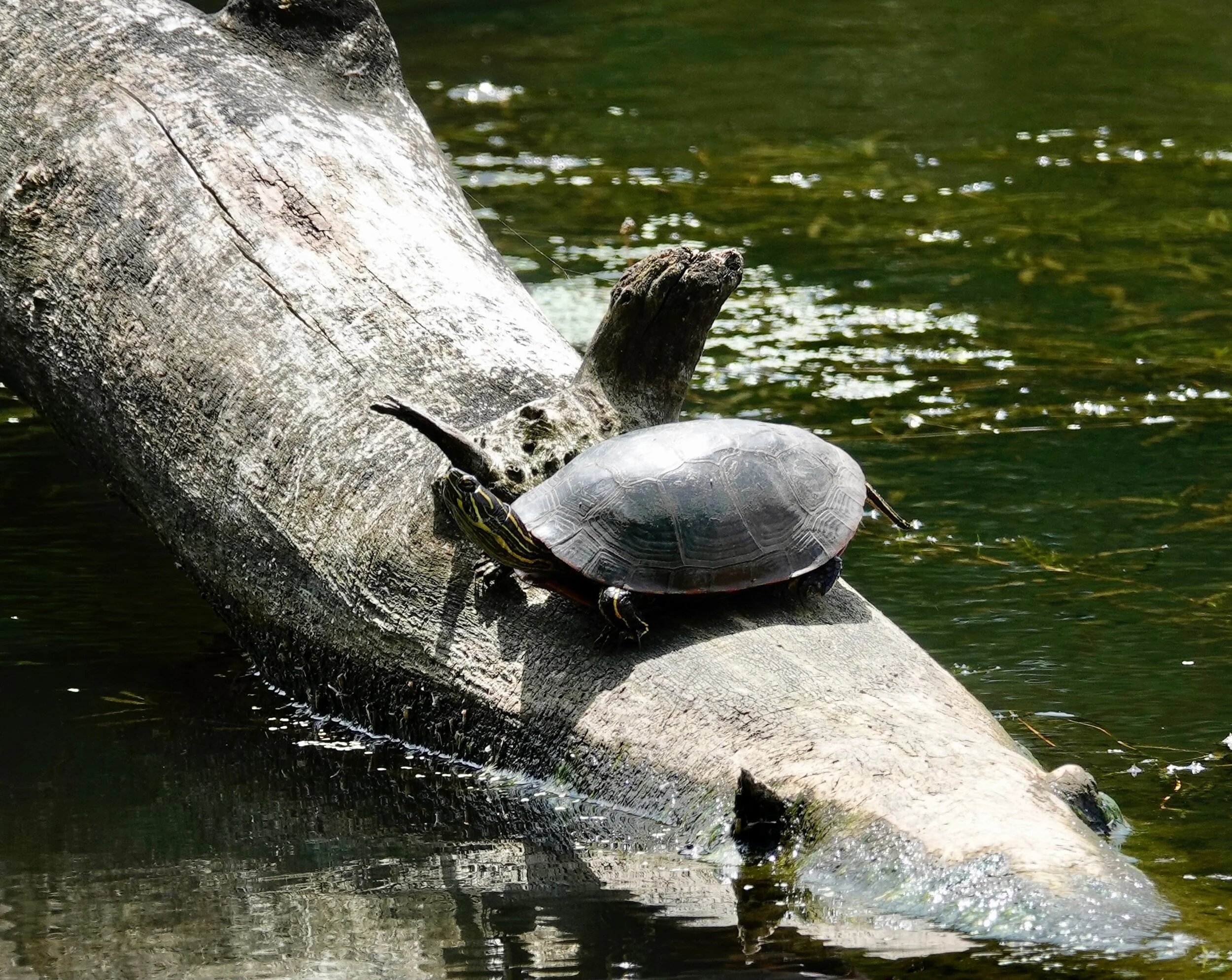
We saw a Painted Turtle. Mick Jagger wanted it painted black.
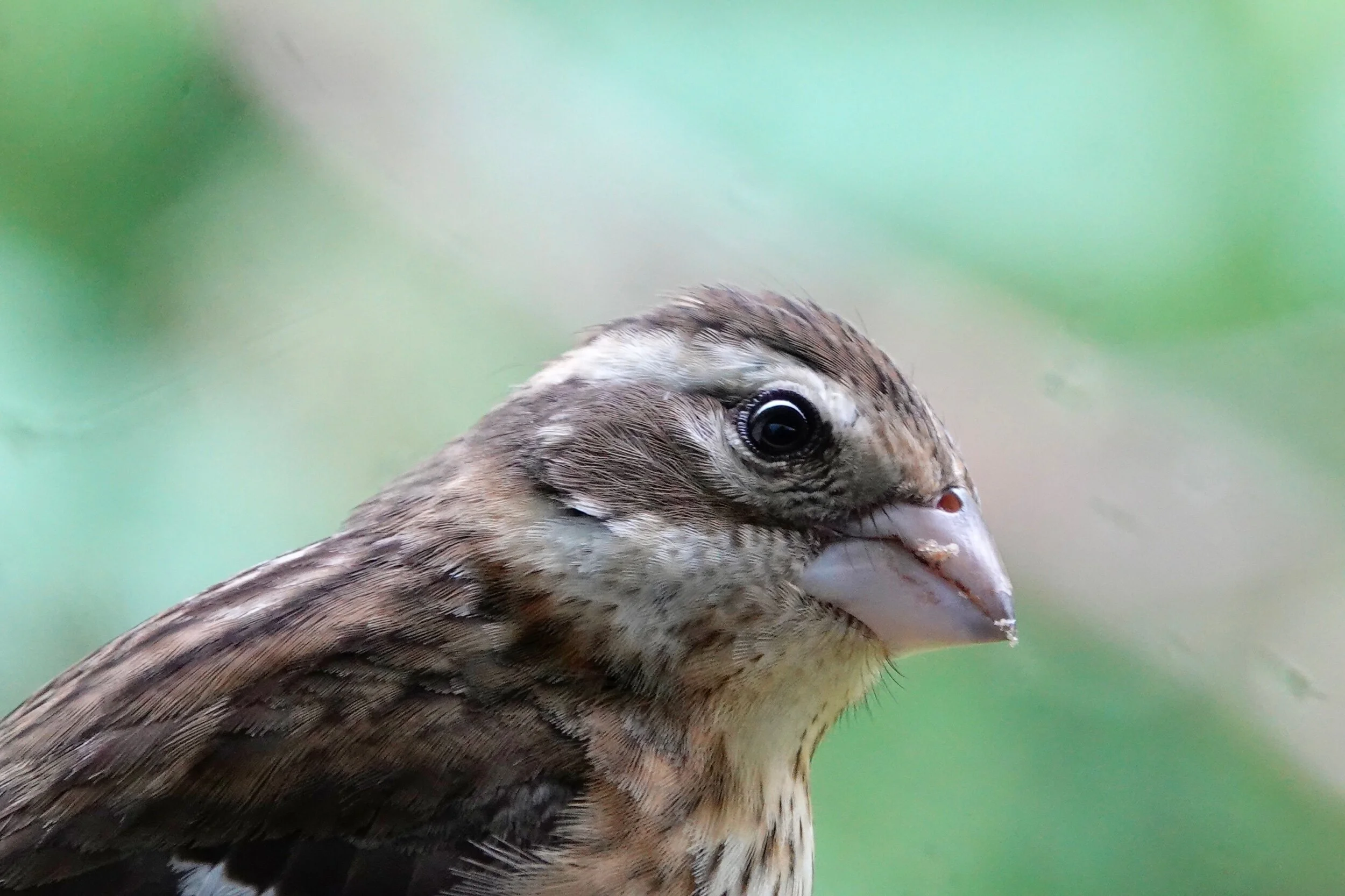
A female Rose-breasted Grosbeak in need of a napkin.
Naturally
I watched a red-headed woodpecker and was taken with its beauty. Many woodpeckers have some red on their heads, but the red-headed woodpecker sets the standard. By the turn of the 20th century, red-headed woodpeckers had suffered population declines due to several factors. Road mortality, competition with European starlings for nesting cavities and the harvesting of their feathers all contributed to the decline. Populations of many avian species were reduced to provide feathers for women’s hats. Farmers killed red-headed woodpeckers because they damaged fruit and berry crops. Further population declines were observed from the 1930s on. Habitat loss, the limited availability of nesting sites and road mortality worsened the decline. Turkey vultures are also lovely redheads, but I’ve heard one described as unpleasantly beautiful.
I took photos of trumpeter swans on a day when I’d enjoyed the company of bald eagles, wood ducks and a peregrine falcon. The remarkable recovery of these four species reminded me that in this time of population decline for many birds, waterfowl and raptors are doing well. I looked at the illustrations of “The Sibley Guide to Birds,” (the book weighs as much or more than a red-tailed hawk), to marvel at the colors of the wood duck.
I delved into corners and saw damselflies, needle-shaped odonates that fold wings over their abdomen when perched (unlike dragonflies).
In early to mid-June, 2-3 weeks after the goslings hatch, adult Canada geese molt and are unable to fly for about a month. Goslings cannot fly until around mid-July when they’re 8-12 weeks old. During the molt, resident geese lose their flight feathers and remain flightless from mid-June to early July. This vulnerability causes the geese to become secretive, preferring areas that provide food and water. Goslings fly in 63 days and adults in 32 days after losing their flight feathers.
Q&A
“The stripes on the heads of white-throated sparrows vary in color. Why?” The striking stripes on the heads of white-throated sparrows are either white or tan. Author Pete Dunne said, “White-throated Sparrows come in two plumages—stunning and shabby.” The two color forms are genetically determined. All males prefer females with white stripes. All females prefer tan-striped males.
“Did women wear birds on their hats at one time?” Such fashion would lay an egg today, but in the late 19th and early 20th century, birds were killed for their feathers. On Manhattan's Ladies' Mile, a principal shopping district, retail stores sold the feathers of snowy egrets, white ibises and great blue herons. Stuffed owl heads found their way onto hats. At Cape Cod, 40,000 terns were killed in one season by an agent of the hat trade. Frank Chapman, ornithologist and field guide writer, described heron massacres, “Mercilessly they were shot down at their roosts or nesting grounds, the coveted feathers are stripped from their backs, the carcasses are left to rot, while the young in the nest above are starving.” Entire songbirds were used on many hats, mounted on wires and springs that permitted the heads and wings to move in a natural manner. Chapman counted 40 different species of birds on women’s hats in New York City over two days in 1886. In 1896, a Boston socialite Harriet Lawrence Hemenway read an article about feather hunting. She was upset by what the article described and took action. She contacted her cousin, Minna B. Hall, and together they organized a series of teas where they asked the wealthy ladies who attended to stop wearing hats with feathers. Over 900 women joined the cause and boycotted feathered hats. In 1896, women didn't have the right to vote and had difficulty being taken seriously by politicians and other powerful people. Hemenway convinced scientists and Bostonian men to help her form the Massachusetts Audubon Society, the oldest Audubon Society in the country, which in 1897, played a key role in convincing that state’s legislature to outlaw the wild bird feather trade. The Migratory Bird Treaty Act of 1918 made it unlawful, unless licensed, to pursue, hunt, take, capture, kill, possess, sell, purchase, barter, import, export, or transport any migratory bird.
“What kind of jelly should I feed orioles?” Grape jelly is good, the darker the better they like it. The birds will take orange marmalade or cherry, strawberry, apple or raspberry jams or jellies. All brands are good, but a woman told me that her orioles ate only Welch’s. She tried Smucker’s, but they ignored it. She gave it to her husband because he eats anything. Some people add crushed grapes to grape jelly for additional nutrition and offer mealworms separately.
Thanks for stopping by
“Nature is filled with words of love, but how can we listen to them amid constant noise, interminable and nerve-wracking distractions, or the cult of appearances?"—Pope Francis
“All it takes is one good person to restore hope.”—Pope Francis
Do good.
©Al Batt 2021
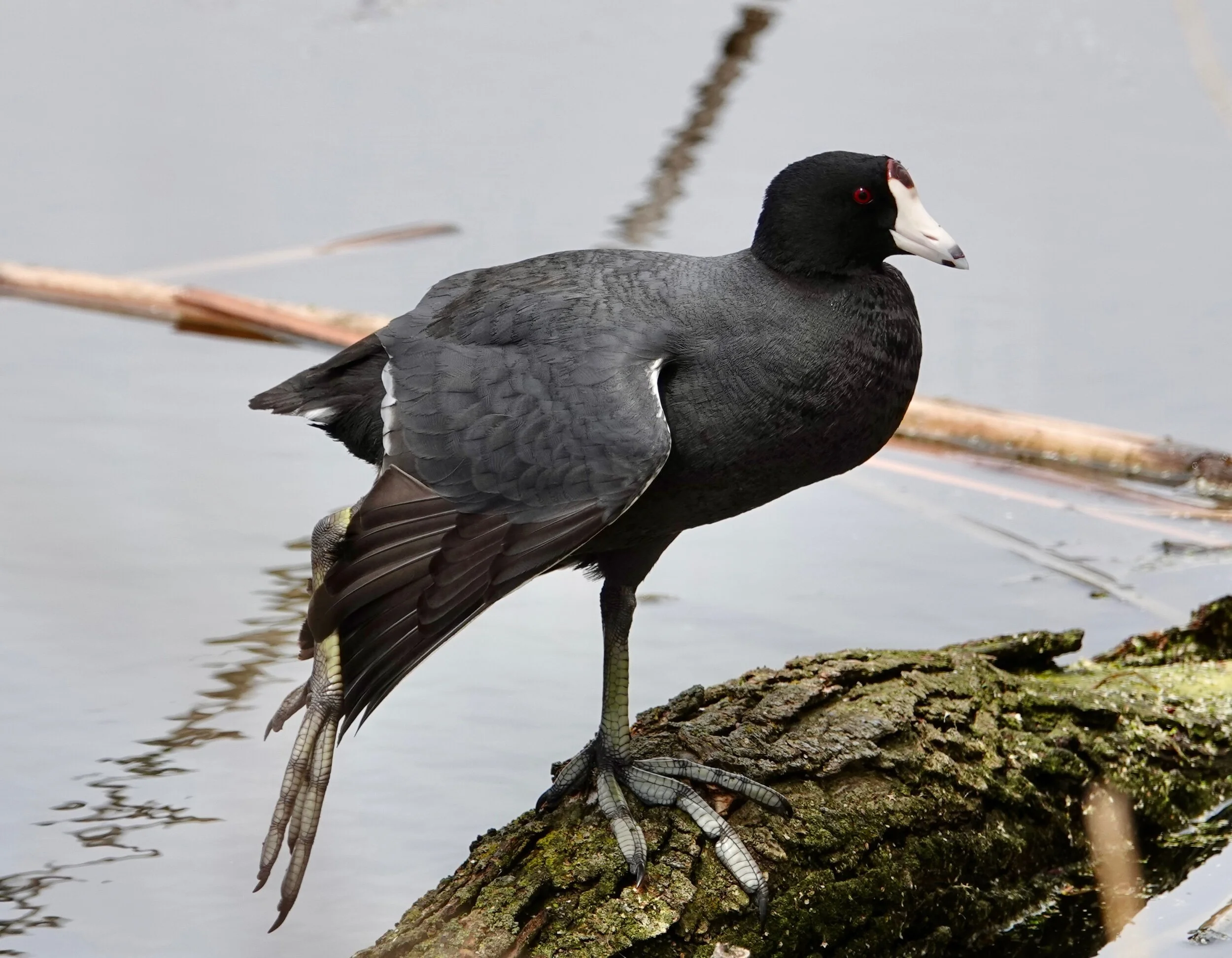
Old coots need to stretch. Photo by Al Batt