
Naturally
A flock of blue jays blew into my yard at the end of September. They acted as if they were new to the area and were amazed to find feeders in unfamiliar places. They might have been tourists.
Hawk Ridge Nature Reserve is a 365-acre protected wildlife area in Duluth. It overlooks the western tip of Lake Superior and is globally renowned as one of the premier sites in North America for viewing raptor migrations. Counters log all other avian migrants passing through the flyway, including the massive morning flights of blue jays, which can exceed 50,000 jays in a season. Birds migrating south from Canada are reluctant to fly across the cold expanse of Lake Superior and follow the shoreline. This funnels the birds over the 550-foot bluffs of Hawk Ridge. Hawk Ridge’s blue jay flights have been good this fall, with most of the blue jays being young birds in dispersal. This indicates a successful breeding season. Counters tallied over 15,000 blue jays in a single day in September, setting a new Minnesota state high count for a single day. Hawk Ridge Bird Observatory staff determines if a blue jay is a hatch-year bird by examining wing feathers called coverts. In the fall, young blue jays replace some coverts with shiny adult feathers but retain some juvenile coverts. Banders look for a noticeable contrast between the glossy new adult feathers and the worn, dull juvenile feathers. Adult jays undergo a complete molt, so their wings display uniform, shiny feathers with no worn juvenile contrast. In September, blue jays gather in loose flocks to move southward or to redistribute. Their migration patterns are puzzling—some migrate every year, some do not migrate at all, and others move only short distances. Some visit my yard.
Hawk Ridge also counts migrating insects, specifically monarch butterflies and common green darner dragonflies. The 2026 fall migration has seen a considerable surge of monarch butterflies traveling from Canada down the North Shore. Feel free to applaud.
I saw an area of lawn that looked like it had been the victim of a drive-through garden tilling. Raccoons and skunks relish eating the grubs found in the lawn. Raccoons roll the sod. Their work is neater than skunks, which just dig.
Q&A
Jennifer, Lily, Duncan and Derek of Pipestone asked how to tell butterflies and moths apart, and how those insects survive our winters. Here are a few generalizations. Butterflies have long, slender antennae ending in a distinct club or knob. Moths usually have feathery, comb-like or thread-like antennae without a club tip. Butterflies typically fold their wings vertically straight over their backs when resting. Moths generally rest with their wings flat or folded tent-like or roof-like over their bodies. Butterflies have smooth, slender and streamlined bodies. Moths tend to have chunkier, thicker and furrier bodies. Butterflies are diurnal, active during the day. Most moths are nocturnal, flying and feeding at night (though some species are diurnal). Butterflies usually display bright, vibrant colors and bold patterns for attracting mates. Moths often feature more muted, earthy tones like brown, gray and/or white for camouflage. Butterfly caterpillars form a hard, smooth outer shell called a chrysalis. Many moth caterpillars spin a soft, fibrous silk cocoon. Moths and butterflies survive winter by migrating to warmer regions, entering a dormant state called diapause across various life stages, or remaining active. Some species lay eggs that withstand freezing temperatures until spring. Woolly bear (Isabella tiger moths) caterpillars curl up under leaf litter, loose soil or tree bark to wait out the winter. Many swallowtails overwinter as suspended chrysalises, while large silk moths spend the winter inside camouflaged cocoons. Hardier species, like the mourning cloak butterfly, hide the winter away in hollow trees, rock piles or buildings.
A woman ahead of me in line at the pharmacy asked why hummingbirds chase others from the feeders. “They can’t eat that much,” she said. DNA testing found that the average ruby-throated hummingbird is 19% grizzly bear. Hummingbirds cannot be sure there will be enough food to go around, so they protect their sources.
Jim Knutson of Hartland sent me a photo of spiderwebs galore, highlighted in the morning dew of a lawn. He wondered about the producer’s identity. These flat sheets with a funnel-shaped hideout on one side are the work of a funnel weaver, a spider that waits inside the funnel, ready to seize any insect that stumbles onto the web.
Jerry Viktora of Ellendale, wrote, “Al. We have had a screech owl making lots of racket the last few early mornings. Starts talking about 3 until the sun rises. Hollers about every 2-3 minutes steady. Would think it would get hoarse and slow down after a while. Noisy, yes, but cool. Thoughts.” Eastern screech owls are socially monogamous and generally stay with the same partner for life, with some exceptions, usually involving the need for divorce lawyers. Pairs often use the same tree cavity, old woodpecker hole or nest box for consecutive breeding seasons. Adult screech owls call in the fall to defend territories and to reconnect with mates. Autumn is a secondary peak period for their vocalization when both adult and young owls stake out and defend their home ranges before the harsh winter weather hits. Mated pairs use smooth tremolo "bounce songs" to stay connected, reinforce pair bonds, and confirm boundary ownership. Descending whinnies and barks warn off rivals or intruders encroaching on established territories. Hatch-year owls are learning the ropes. Their calls can sound unprofessional as they practice becoming professional owls.
Thanks for stopping by
“We are here to witness the creation and to abet it. We are here to notice each thing so each thing gets noticed.”—Annie Dillard.
"Whoever you are, no matter how lonely, the world offers itself to your imagination, calls to you like the wild geese, harsh and exciting—over and over announcing your place in the family of things."–Mary Oliver.
Do good.
©Al Batt 2026
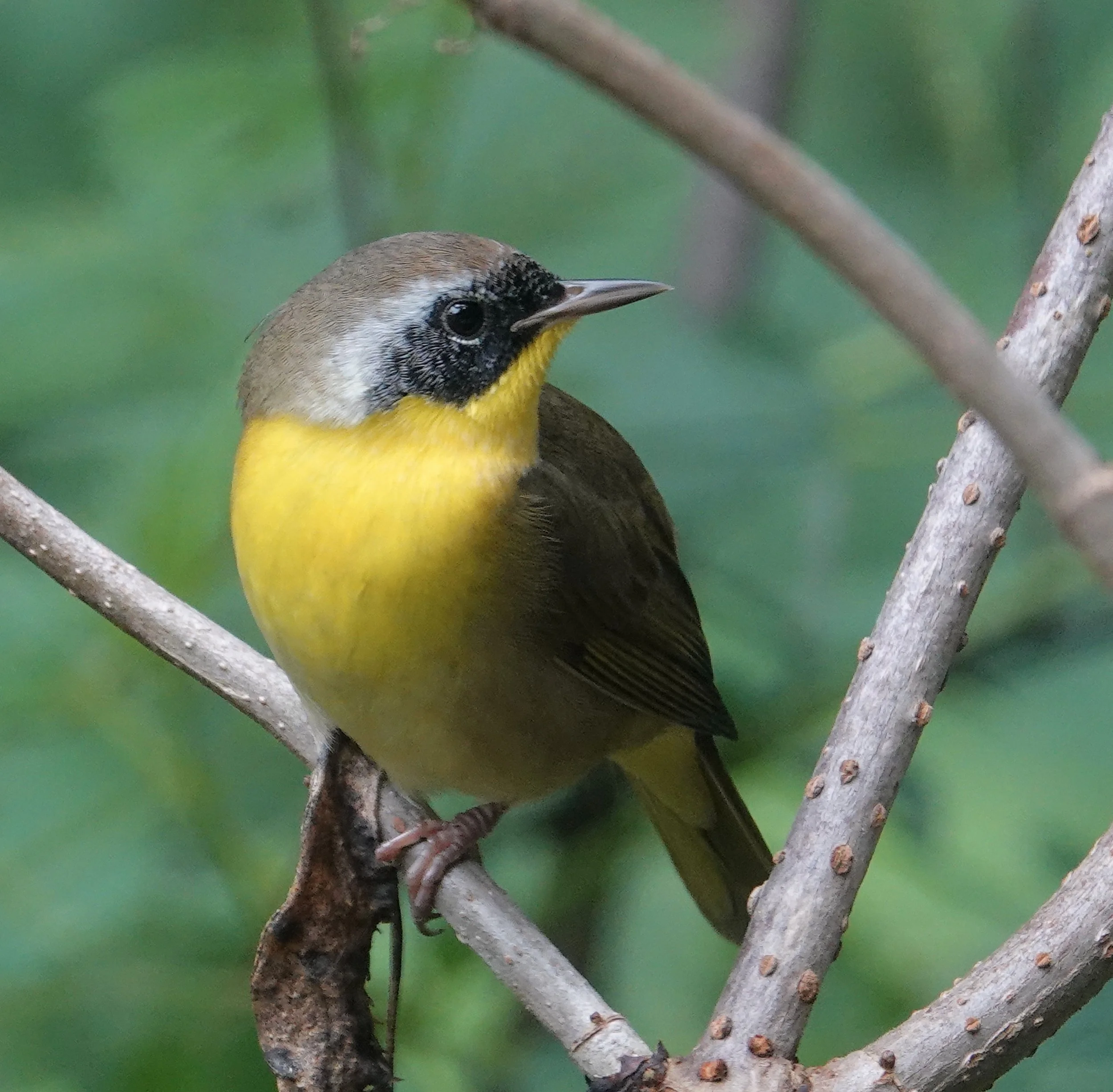
The common yellowthroat is one of my favorite warblers because it keeps me company all summer. The male sports a black bandit mask, and a yellow throat and belly. I watched this guy searching the undersides of leaves for juicy caterpillars. His song announcing its goodness is “Witchety-witchety-witchety.” The Cornell Lab of Ornithology found that a male can average 125 of these 2-second songs per hour. Photo by Al Batt.

Seen at Fireside Orchard & Gardens near Northfield, Minnesota.
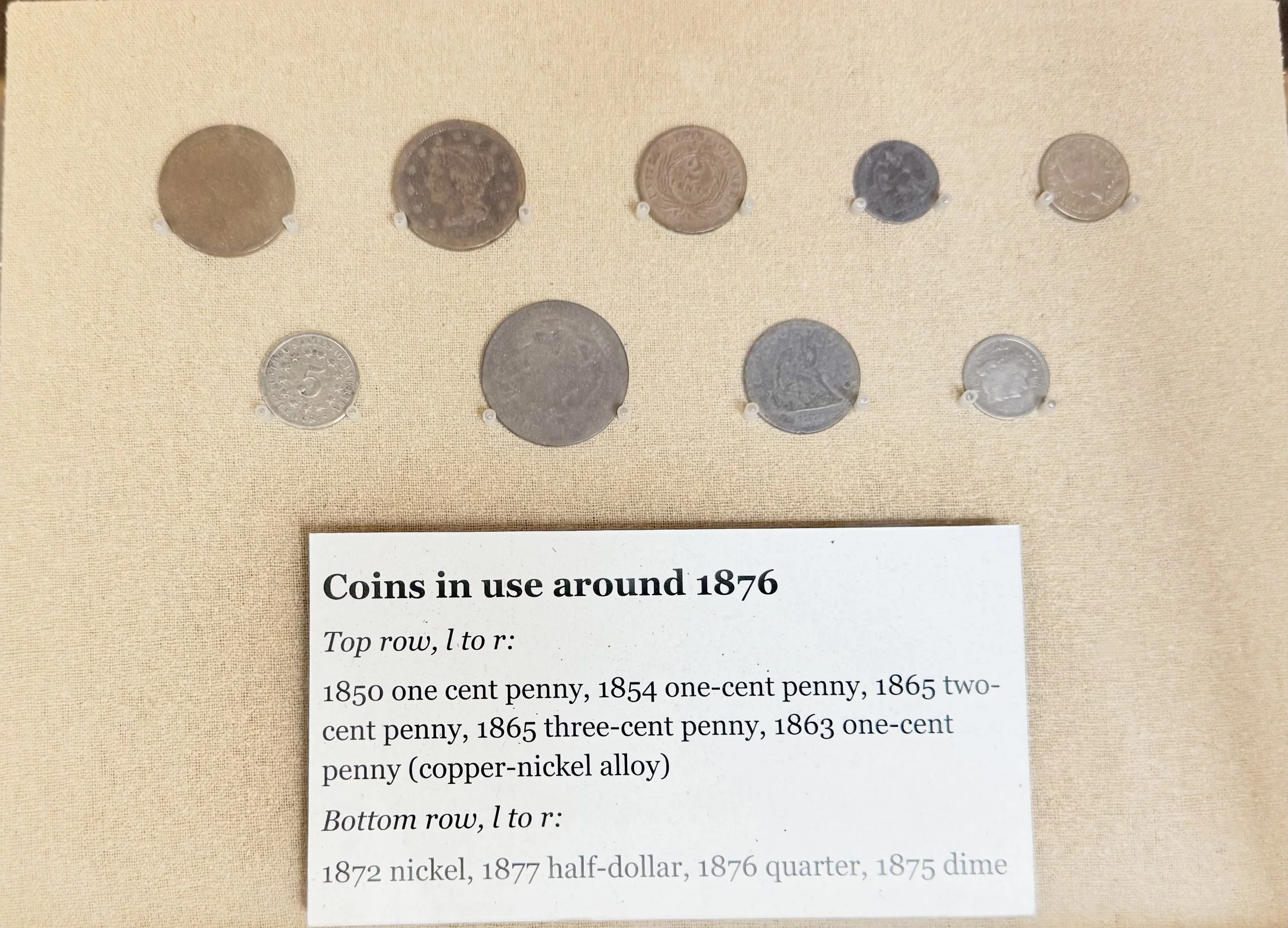
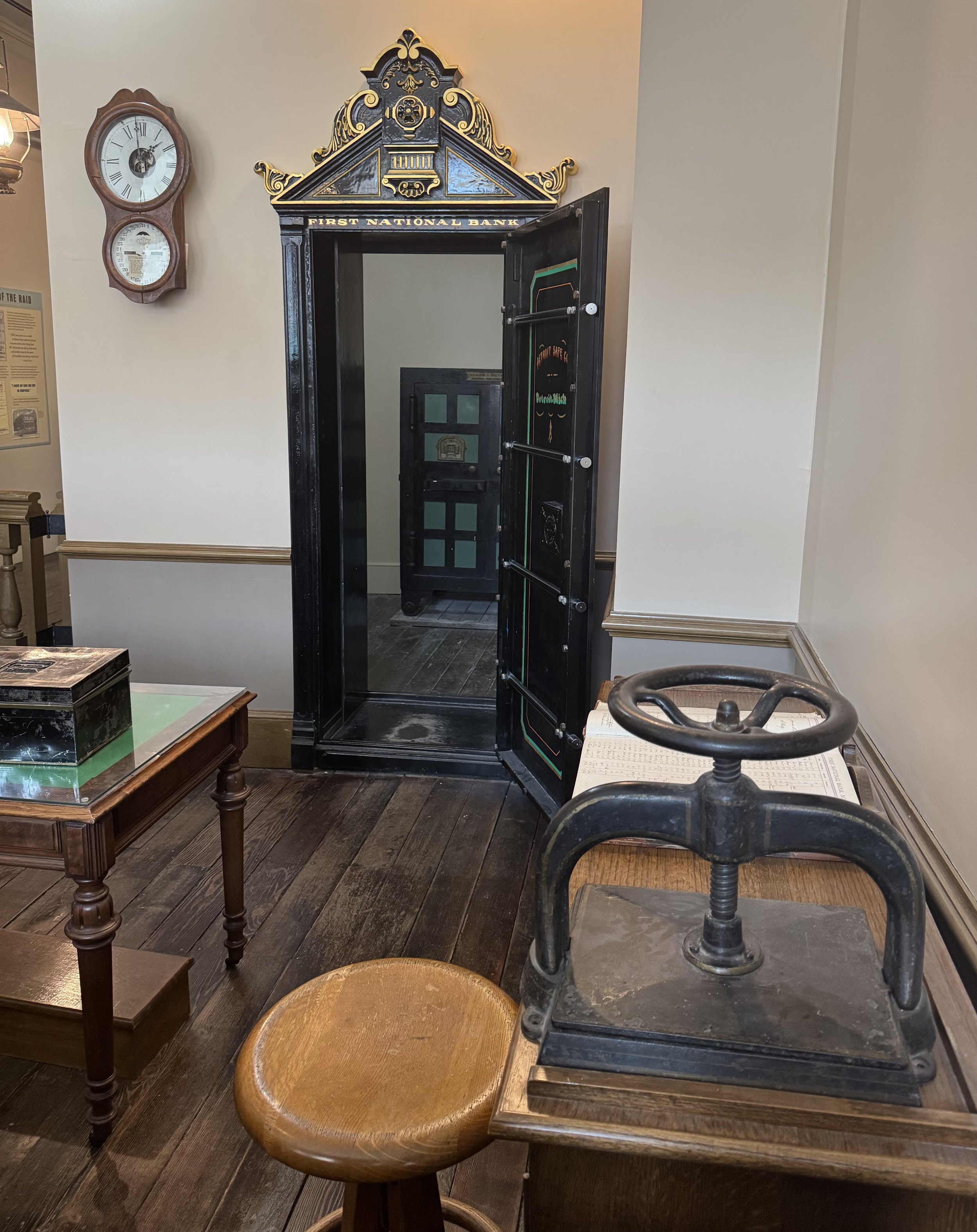
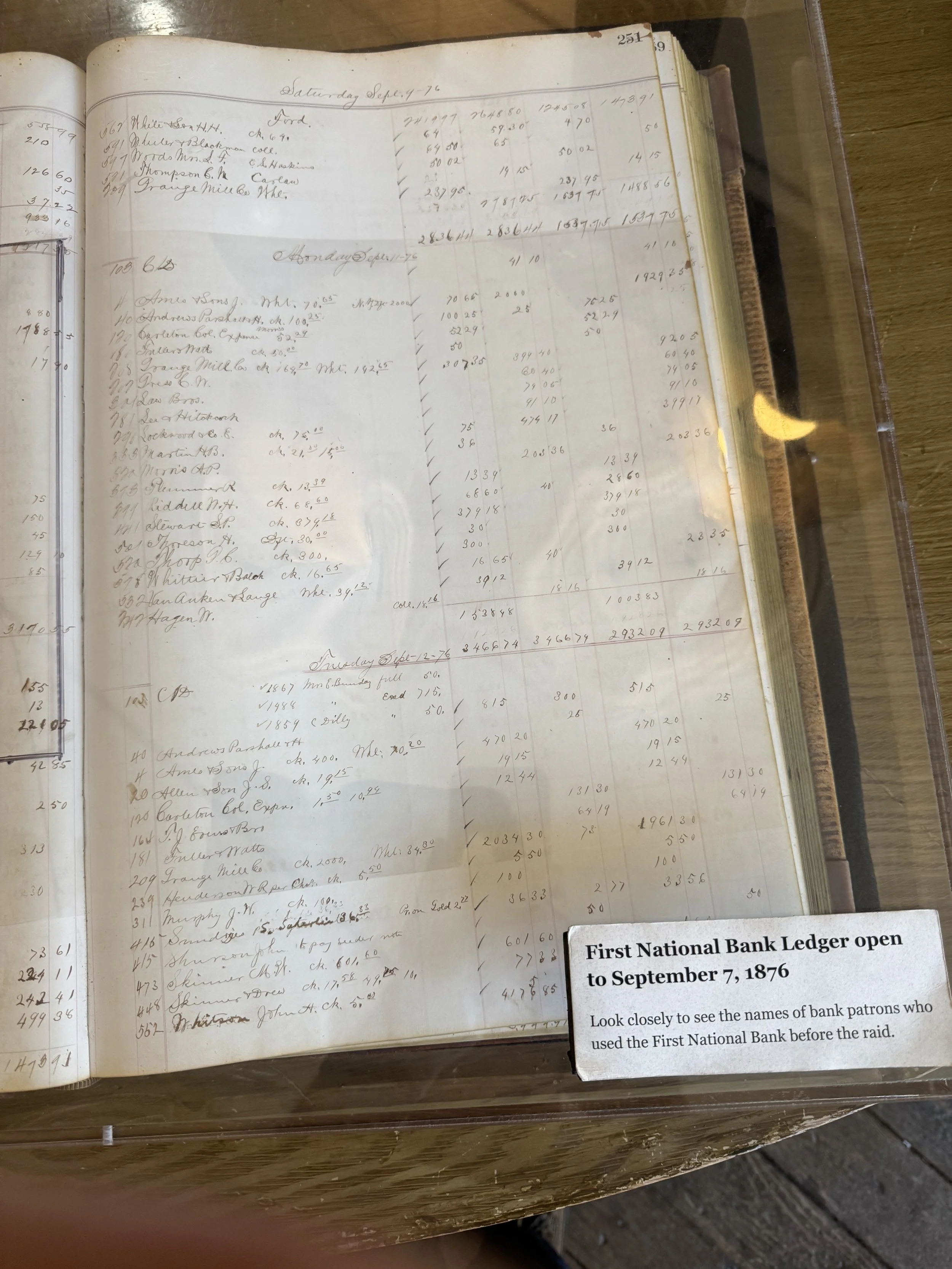
The photos are from the Northfield History Center. Northfield celebrates the Defeat of the James-Younger Gang each year. The leaders of that gang were Frank James and Cole Younger.
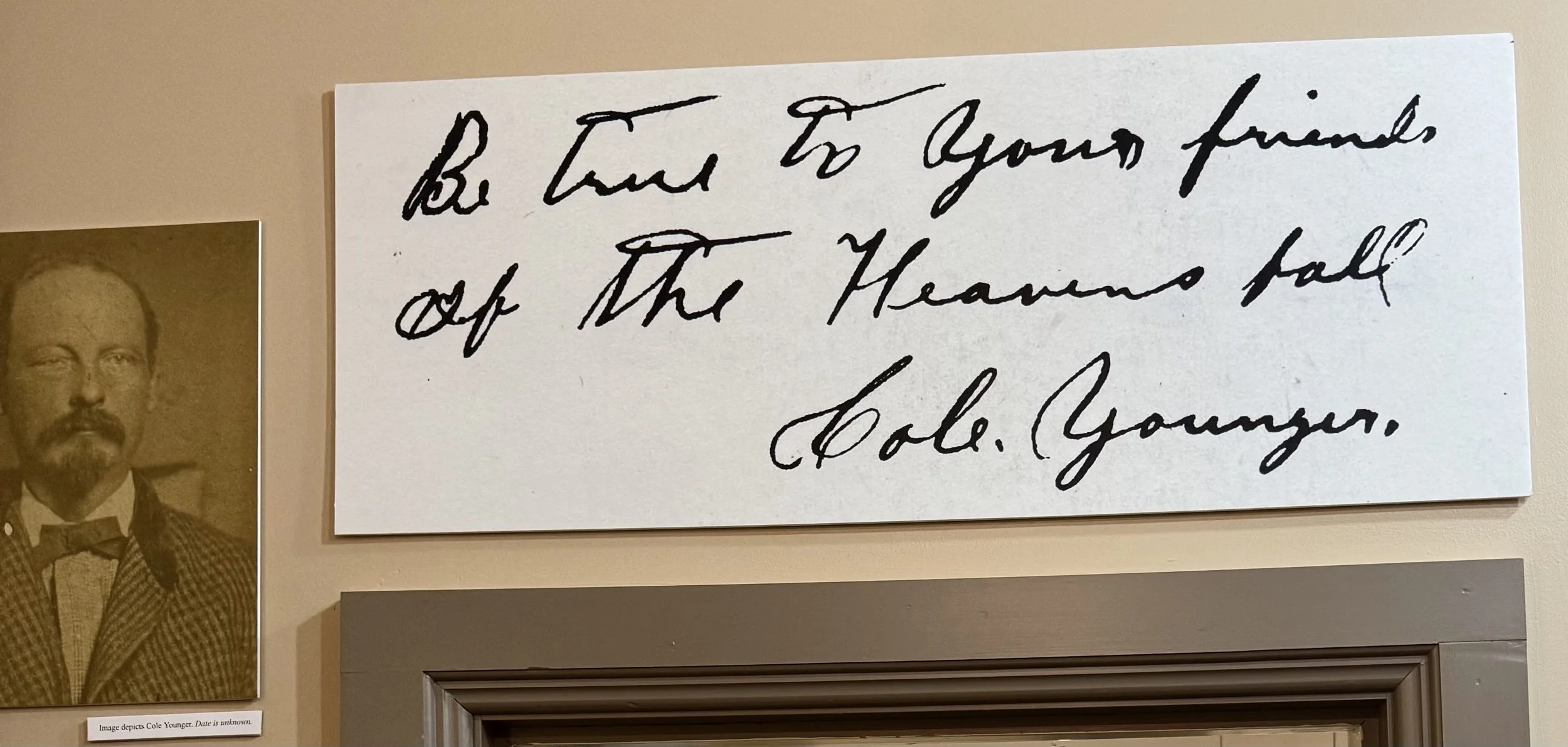
Cole Younger was repeatedly pressed to reveal the names of his accomplices, who shot the acting cashier Joseph Lee Heywood, and which members (Frank and Jesse James) managed to escape. He wrote the note above to the sheriff: “Be true to your friends if the heavens fall.”
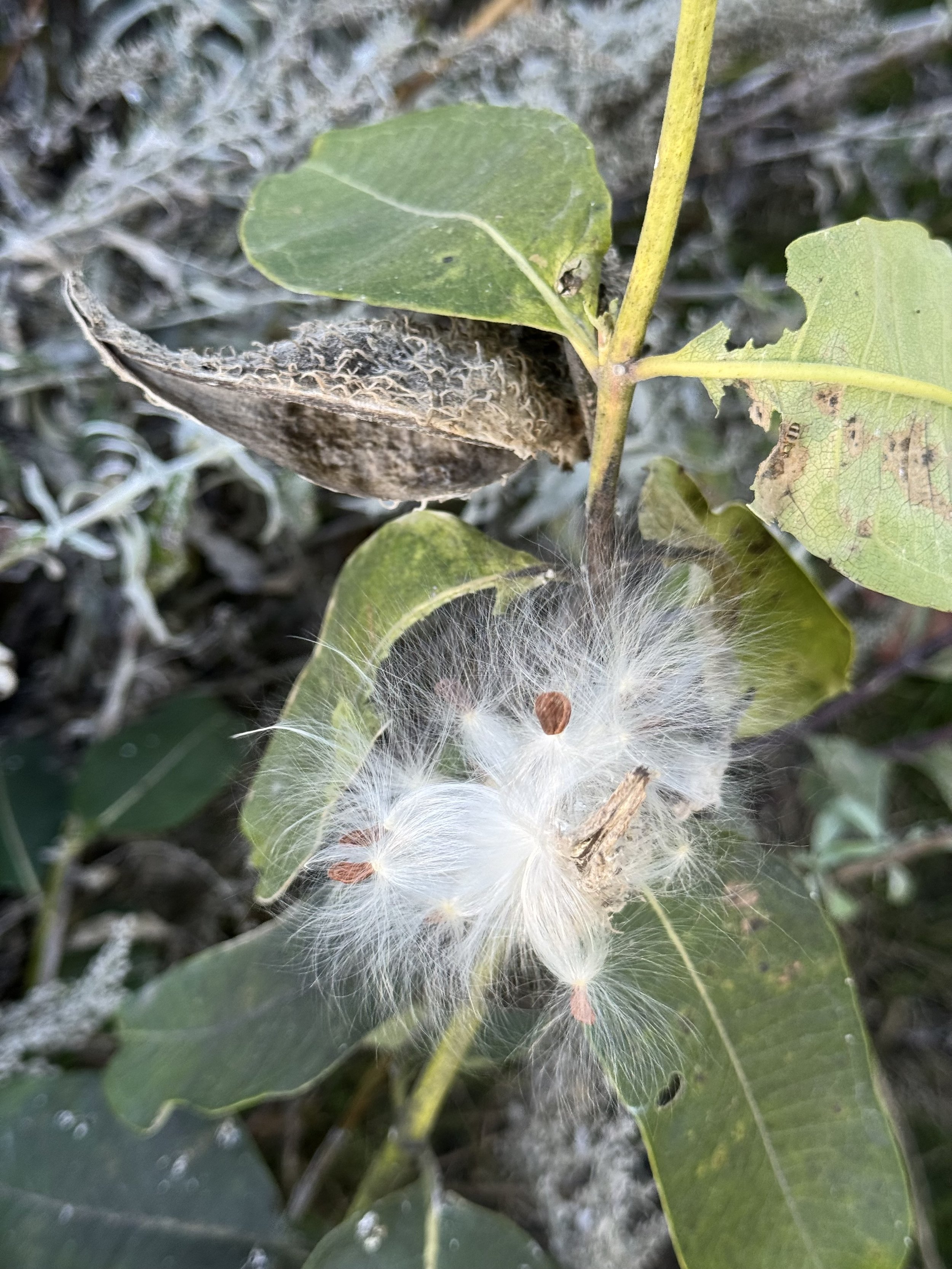
Hope seen in the seeds of common milkweed.