
Naturally
Chipmunks store a winter supply of food in their dens. Unlike animals that add heavy body fat for hibernation, chipmunks enter a lighter resting state called torpor during the cold months. They wake up frequently throughout the winter to snack on the food they stored in their underground pantries. They transport food in their expandable cheek pouches, which let them gather food quickly.
According to State Farm, West Virginia drivers have the highest likelihood of an animal collision, a spot the state has held for over a decade. The insurer tracks collisions with all animals, though deer are by far the most commonly struck. Nationally, the odds are 1 in 145. Here are the 10 states with the highest odds for July 2025 through June 2026: 1. West Virginia: 1 in 46 2. Montana: 1 in 54 3. Wisconsin: 1 in 62 4. Pennsylvania: 1 in 64 5. Michigan: 1 in 68 6. Iowa: 1 in 81 7. Mississippi: 1 in 81 8. Virginia: 1 in 81 9. Maine: 1 in 85 10. South Dakota: 1 in 86. Minnesota came in 12th with a driver having a 1 in 91 chance of hitting an animal.
Did you know?
Research showed it takes 6,000 to 9,000 caterpillars for a pair of chickadees to raise a single clutch. Oak trees support 950 species of caterpillars that feed birds who depend on caterpillars, especially to raise their young. An oak tree is a baby bird’s food jar with leaves.
A rock pigeon has a 340-degree field of view without moving its head.
A Virginia opossum has 50 teeth (most of any North American mammal), gives birth to 4 to 25 young called joeys. It isn’t related to rats.
Q&A
Jennifer, Lily, Duncan and Derek from Pipestone asked why leaves change colors later in Minneapolis than in Pipestone, and why leaves change colors. Leaf colors change later in the Twin Cities primarily due to the urban heat island effect. Concrete, asphalt, brick and buildings absorb and store heat during the day and release it slowly at night. This keeps temperatures in the metro area roughly 2 to 5 degrees warmer than surrounding regions. Trees rely on cooler nights and shorter days to signal a halt to chlorophyll production. The city’s warmer microclimate delays these natural cues, and artificial lighting can slightly disrupt natural photoperiod cues. During spring and summer, leaves produce chlorophyll—the green pigment that helps trees turn sunlight into food. When fall arrives, shorter days and less sunlight signal the trees to stop making chlorophyll. As the green color fades, other pigments show through. Pigments called carotenoids (yellows and oranges) are inside the leaf all year long. They were hidden by the green chlorophyll. Colors like red and purple come from new pigments called anthocyanins. Trees make these pigments in the fall when trapped sugars in the leaves react with sunlight and cool weather.
“A friend said that he thinks deer are becoming nocturnal. Are they?” Deer are crepuscular, meaning they are most active at dawn and dusk. Deer appear to become more nocturnal or shift their movements to the dark in response to specific environmental pressures. Auburn University and the MSU Deer Lab research shows a link between human disturbance and daytime movement. When hunting seasons open, mature bucks decrease daytime visits to avoid humans. In suburban areas, deer often move and feed under the cover of night because neighborhoods are quieter and free of vehicles, dogs and people. During hot weather or warm autumn days, deer might limit daytime movement to stay cool in heavy cover, shifting more activity to the cooler nighttime hours.
Drake and Ruth Ann Rosenwinkel from Madison Lake asked why ruffed grouse are displaying now and when sandhill cranes leave. More prominent in males, a dark, glossy tuft of neck feathers that they can raise into a collar-like ruff—hence the bird’s name. Male ruffed grouse display and strut in November as part of a territorial behavior rather than a true mating ritual. The daylight length in autumn mimics the photoperiods of spring, triggering a secondary hormonal surge in males. Sandhill cranes typically leave Minnesota between mid and late November, though warm weather can delay their departure.
“Why do oak leaves mat down?” Oak leaves mat down because their tough, leathery texture and high tannin content cause them to break down much more slowly than other leaves. Their rigid structure and lobed edges allow them to resist matting at first when they are dry, but once a heavy layer gets wet from rain or snow, the leaves flatten into a dense, impermeable barrier.
Thanks for stopping by
“Autumn carries more gold in its pocket than all the other seasons.”—Jim Bishop.
“We still do not know one thousandth of one percent of what nature has revealed to us.”—Albert Einstein.
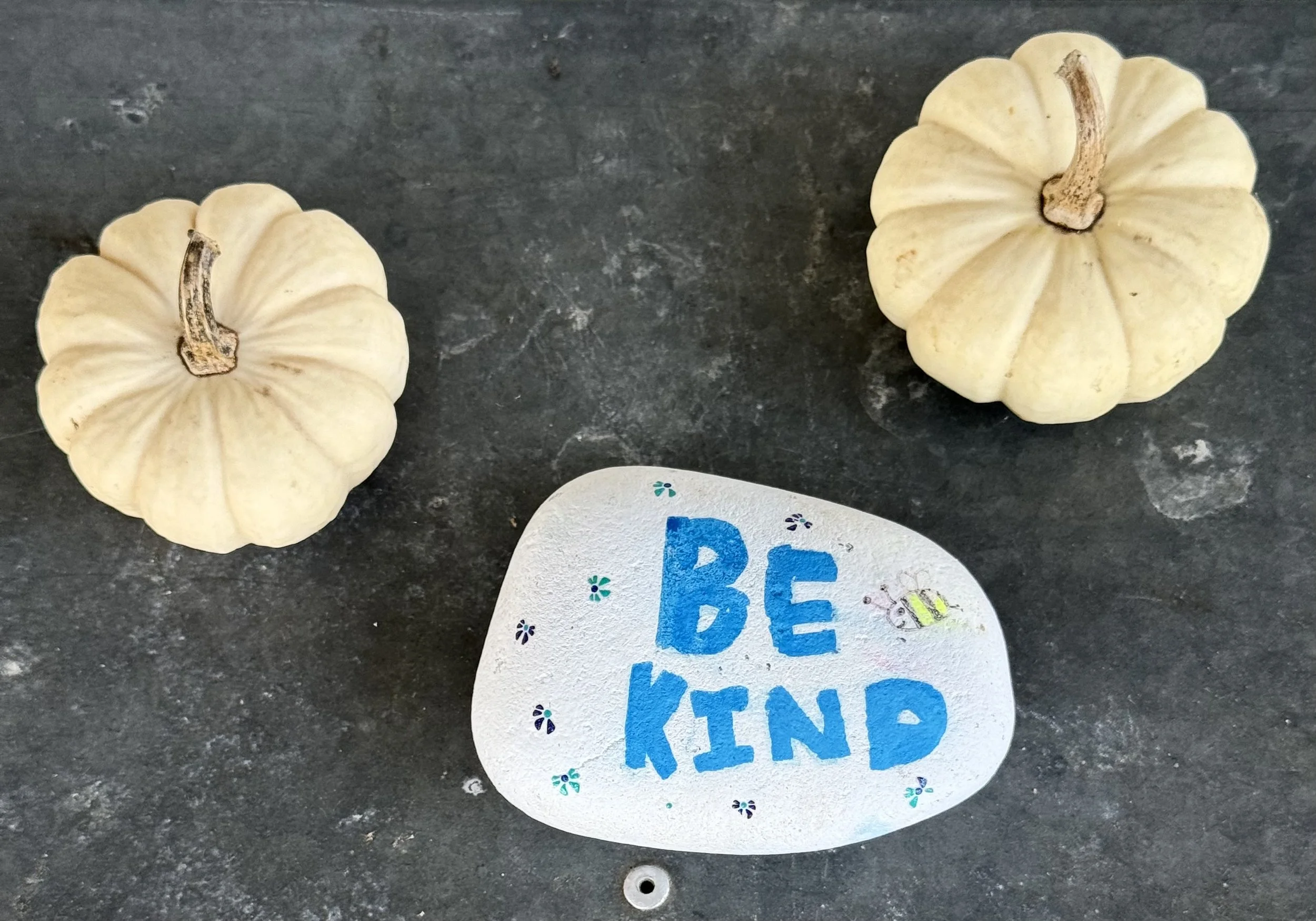
Do good.
©️Al Batt 2026
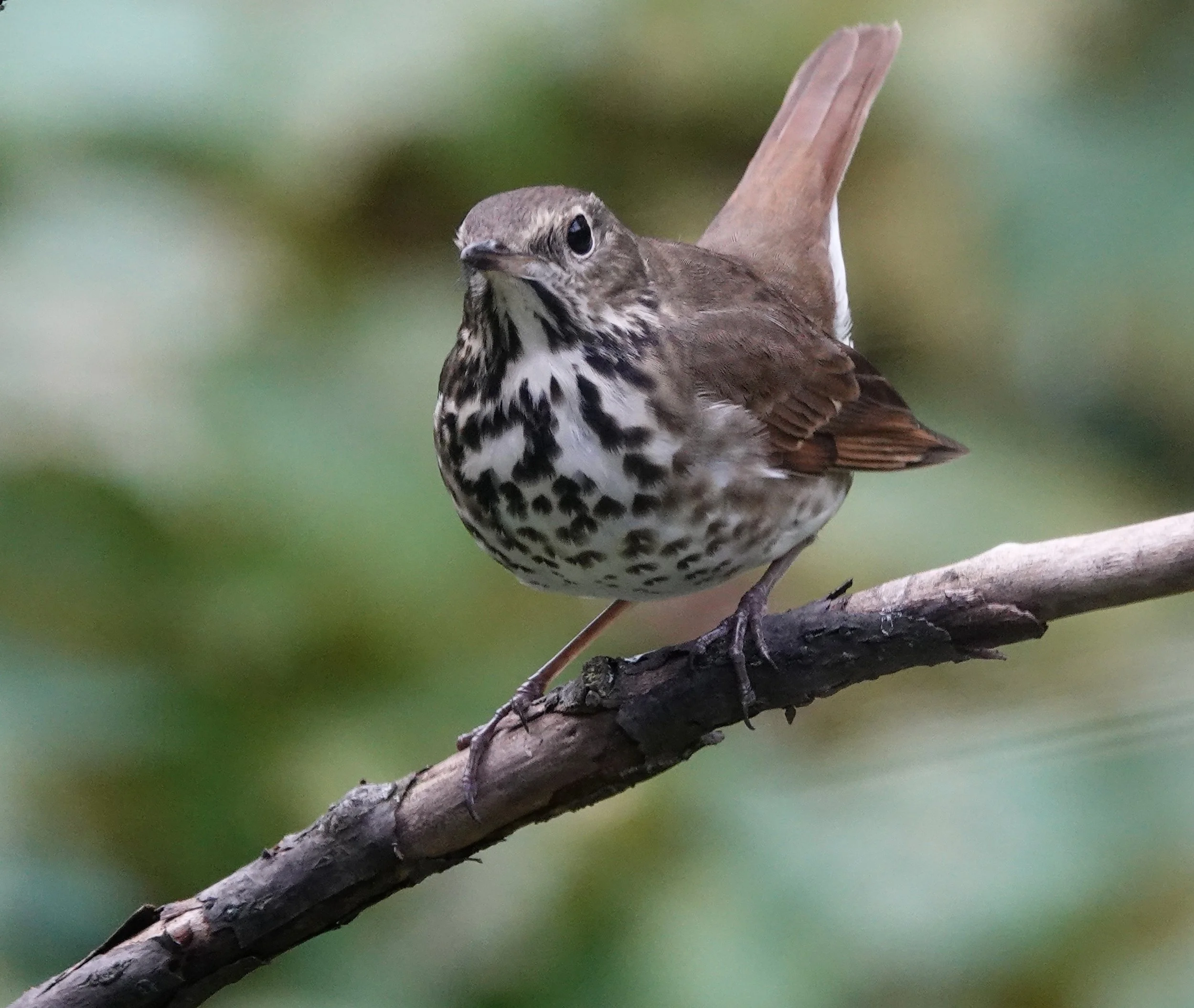
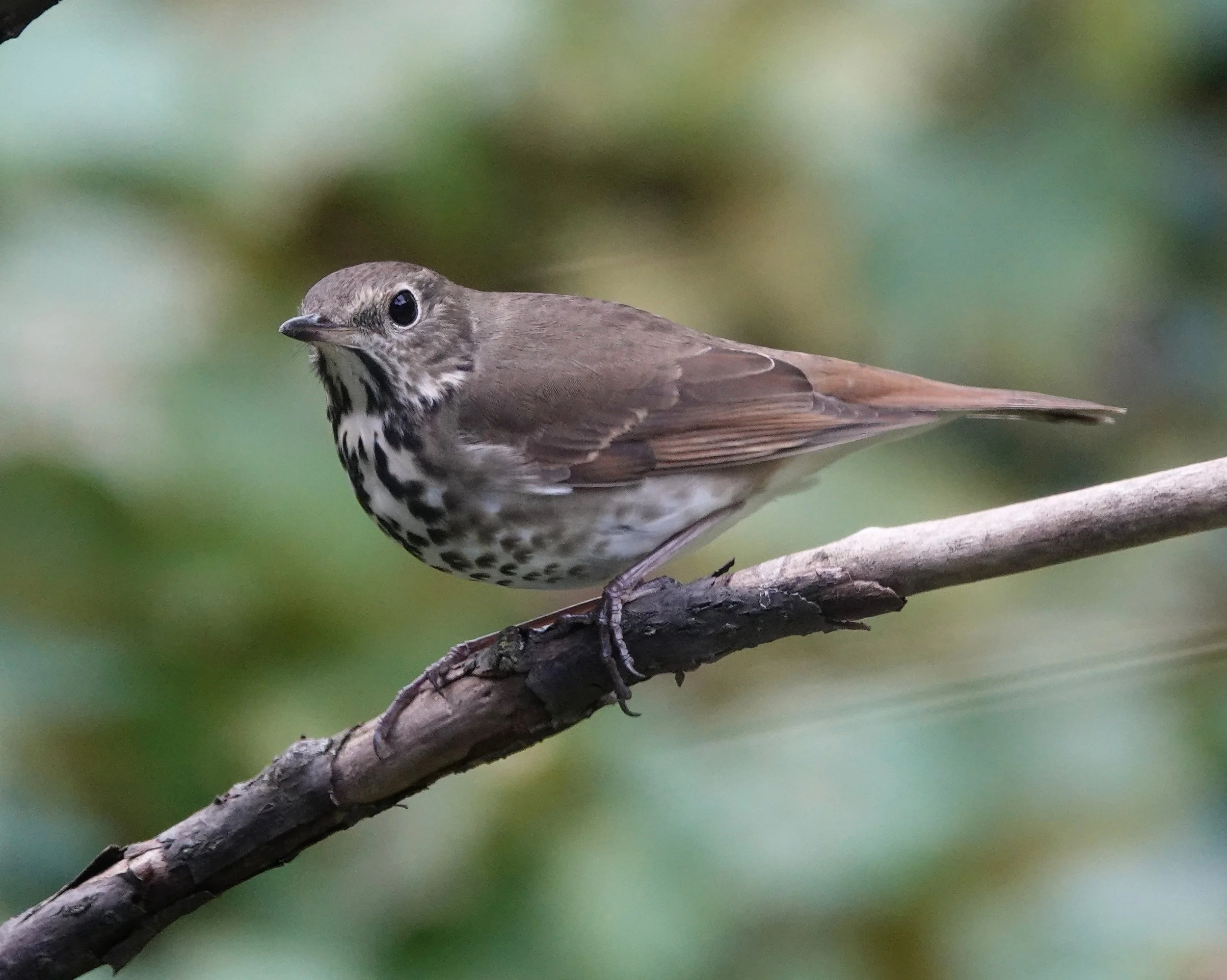
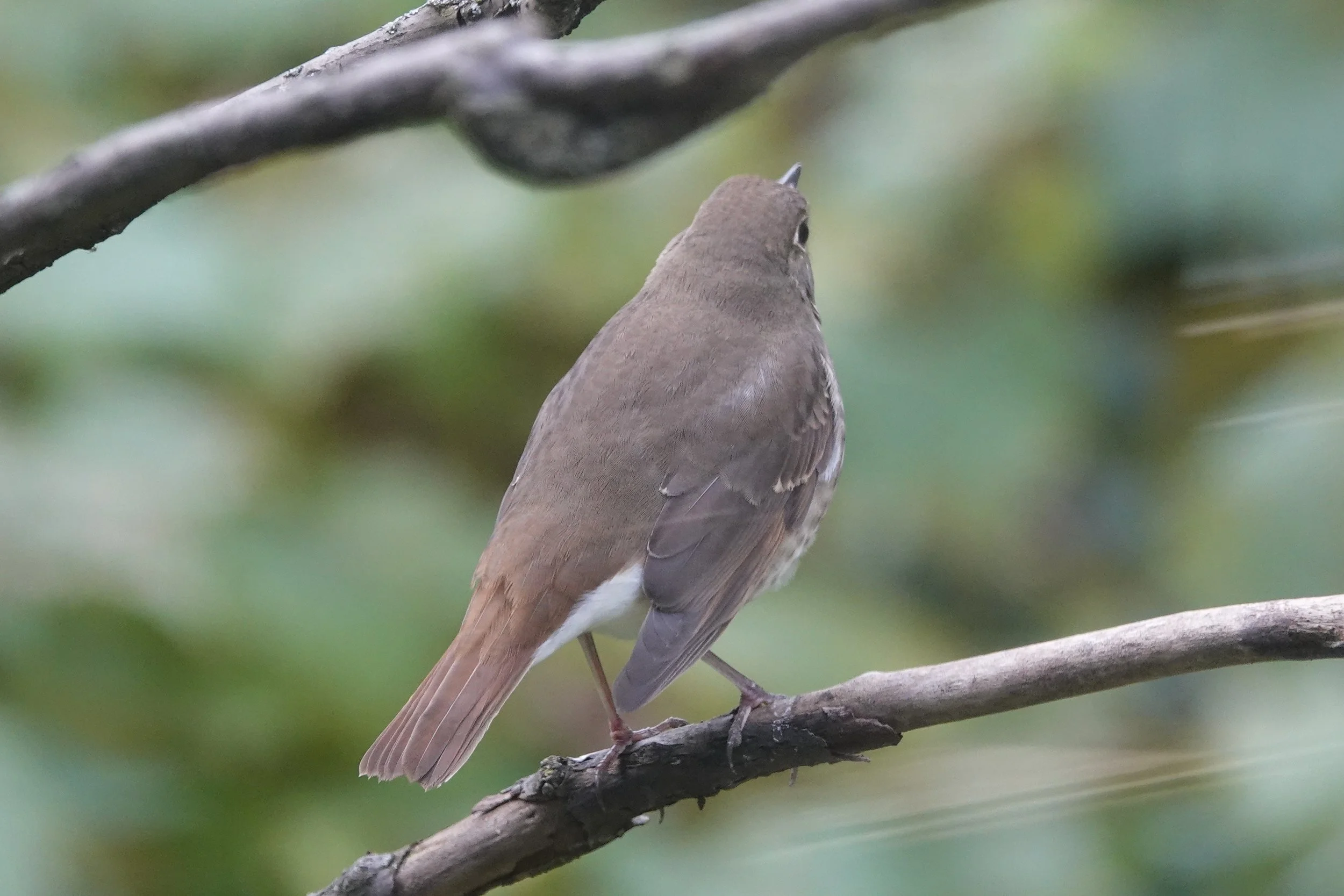
A hermit thrush has a rich brown upper body, white underparts with dark brown spots on the breast, a pale eye ring, and a bright chestnut-red tail that sets it apart from other thrushes. The hermit thrush nests in northeastern and north-central Minnesota, and is the state bird of Vermont. It sometimes forages by foot quivering or foot trembling, in which it shakes bits of grass with its feet. Photos by Al Batt.
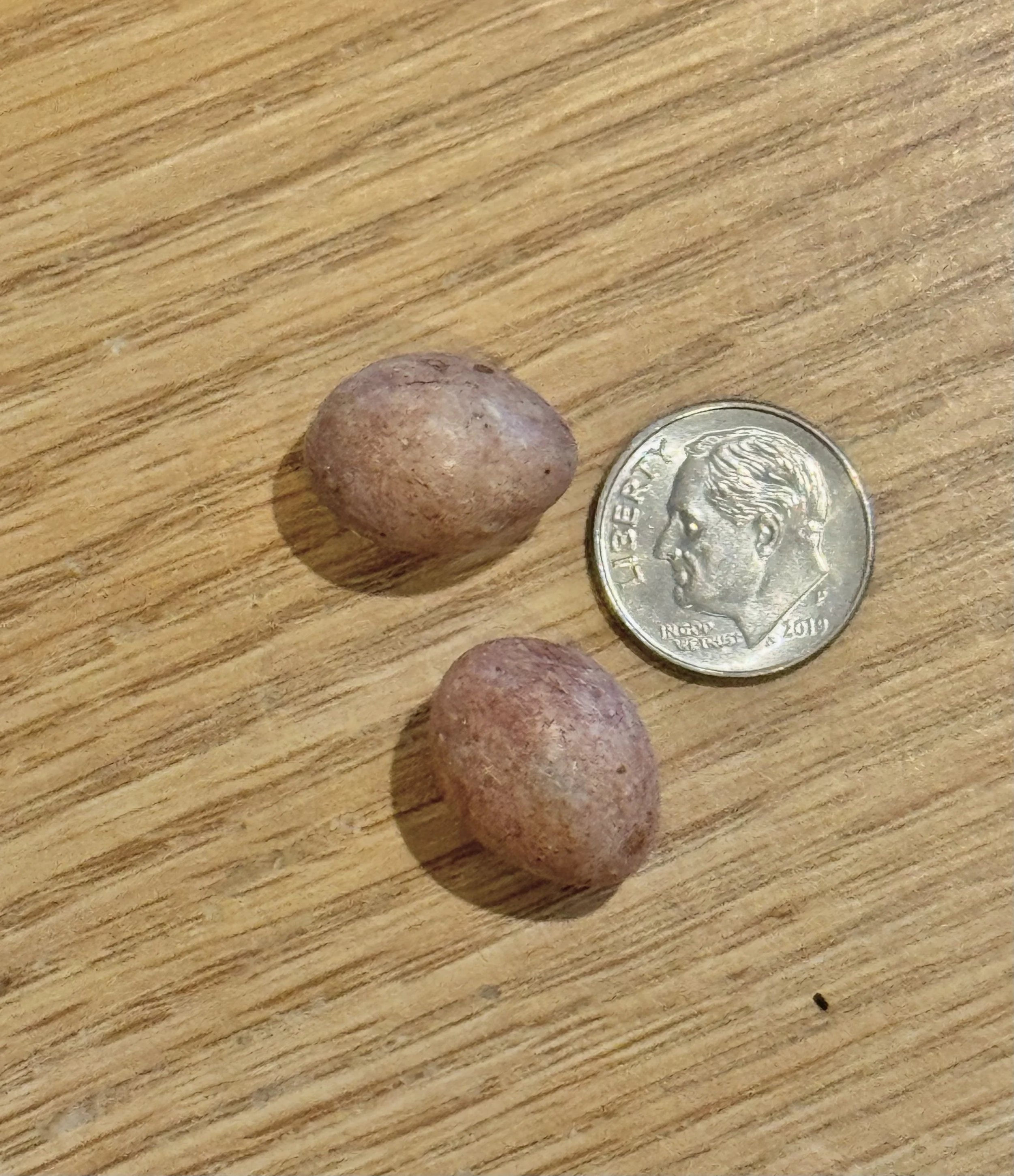
As I finished cleaning out the bluebird boxes. I discovered these two house wren eggs that had failed to hatch. Photo by Al Batt.