
Naturally
The morning was eerily quiet. A cold rain had cast a cloak of silence over my world. Then the hush was punctured by the outraged calls of blue jays. They had likely found the perch of a Cooper’s hawk.
I put out some sunflower seeds because every feeder looks better covered in birds. A chickadee arrived at the feeders shortly thereafter. The tiny bird is an emblem of optimism. My happy kicked in.
A fledgling goldfinch used a voice sweet enough to be spread on toast, while asking to be fed by its father. I heard its voice and I rejoiced. It spoke goldfinchian, a language I’m not fluent in, but I think the fledgling was saying, “Feed me.” Nature offers an open invitation for meditation and I was reminded of something written by Emily Dickinson, “‘Hope’ is the thing with feathers - That perches in the soul - And sings the tune without the words - And never stops - at all.”
I crossed paths with a large toad. I love seeing toads in a garden. The toad is a most important predator of slugs, but garter snakes, several species of ground beetles, rove beetles, firefly larvae, wild birds like starlings, robins and other backyard birds, ducks, frogs, shrews, centipedes, ants, millipedes, earwigs, wasps and chickens also eat slugs. I watched an opossum eating a snail one day, so I expect opossums would eat slugs, too.
Q&A
Lisa Klosterman of Northfield wrote to say that five of the six young trumpeter swans she’d been watching all summer disappeared in one week. They had all seemed active and healthy. The mallards and wood ducks in the same water were thriving. She saw two dead cygnets; one was in the water and one on land. She wondered what could have killed them. I thought of giving Lisa an answer that was so long she wouldn’t have been able to finish it without breaking for a nap and a snack. I’ll give a condensed version. Up to 50% of swan cygnets die within the first three months of life due to natural vulnerabilities. Common predators are foxes, otters, snapping turtles, coyotes, mink, large fish (like northern pike or largemouth bass) and large raptors. Great blue herons could prey upon smaller ones. Cold, wet or stormy weather chills and exhausts small cygnets, leading to hypothermia if they cannot stay warm under the parents' feathers. Bacterial infections, avian illnesses and severe parasite loads impact young waterfowl in crowded or stagnant wetlands, causing them to succumb while on the water. If local water vegetation is sparse or disrupted by invasive species, young cygnets may struggle to get enough nutrition. Toxic chemicals and water pollution pose a lethal threat to cygnets. And sadly, human mischief could be the culprit. My best guess is that they fell victim to lead. Lead sinkers and tackle are a major cause of death for trumpeter swans in Minnesota, accounting for roughly 40% of all documented swan fatalities (according to the DNR). Swans swallow lead sinkers and jigs from lake and marsh bottoms while eating grit or foraging for roots and tubers. One small sinker can be a lethal dose for an adult trumpeter swan. I expect it would require even less to dispatch a cygnet. Lead settles into sediment and remains toxic indefinitely unless buried or removed. The danger spikes during periods of drought because lower water levels expose more lead in the sediment to foraging birds.
“How many red birds are there in Minnesota?” It could be argued that there is only one redbird—a nickname for the northern cardinal. But there is at least a bit of red on many species, so the answer to your question would depend on how much red makes a bird a red bird. But here’s my list. The northern cardinal tops the list—after all, it is the redbird. Scarlet tanager, summer tanager, house finch, common redpoll, white-winged crossbill, purple finch, pine grosbeak, red crossbill, rose-breasted grosbeak and red-headed woodpecker.
“I feed peanuts in the shell to the birds. This summer, I found shells in the birdbath. What bird is doing that?” Common grackles, crows and blue jays are known to do that. Dunking or soaking the shells in water softens them, making them easier to crack open and break apart with their bills.
“Are hummingbird houses worth putting up?” The tiny nest boxes being sold as "hummingbird houses" are decorative at best and a gimmick at its worst. One might be welcomed by someone who collects hummingbird items. Many styles exist, but hummingbirds do not nest in enclosed spaces like this.
Thanks for stopping by
From the obituary of Stacy Hanning of Armstrong, Iowa: “Stacy requests for everyone to feed the birds, to plant and enjoy watching the beautiful flowers, and TAKE THAT TRIP!”
"If we save our wild places, we will ultimately save ourselves."—Steve Irwin.
Do good.
©️Al Batt 2026
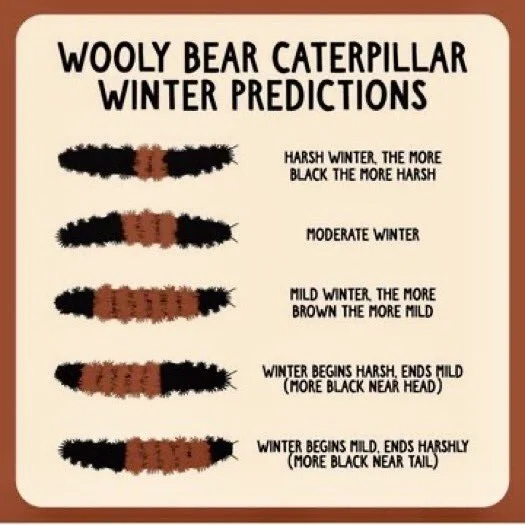
I took this photo at one of the countless nature centers I have visited through the years. I wish I could remember which one.
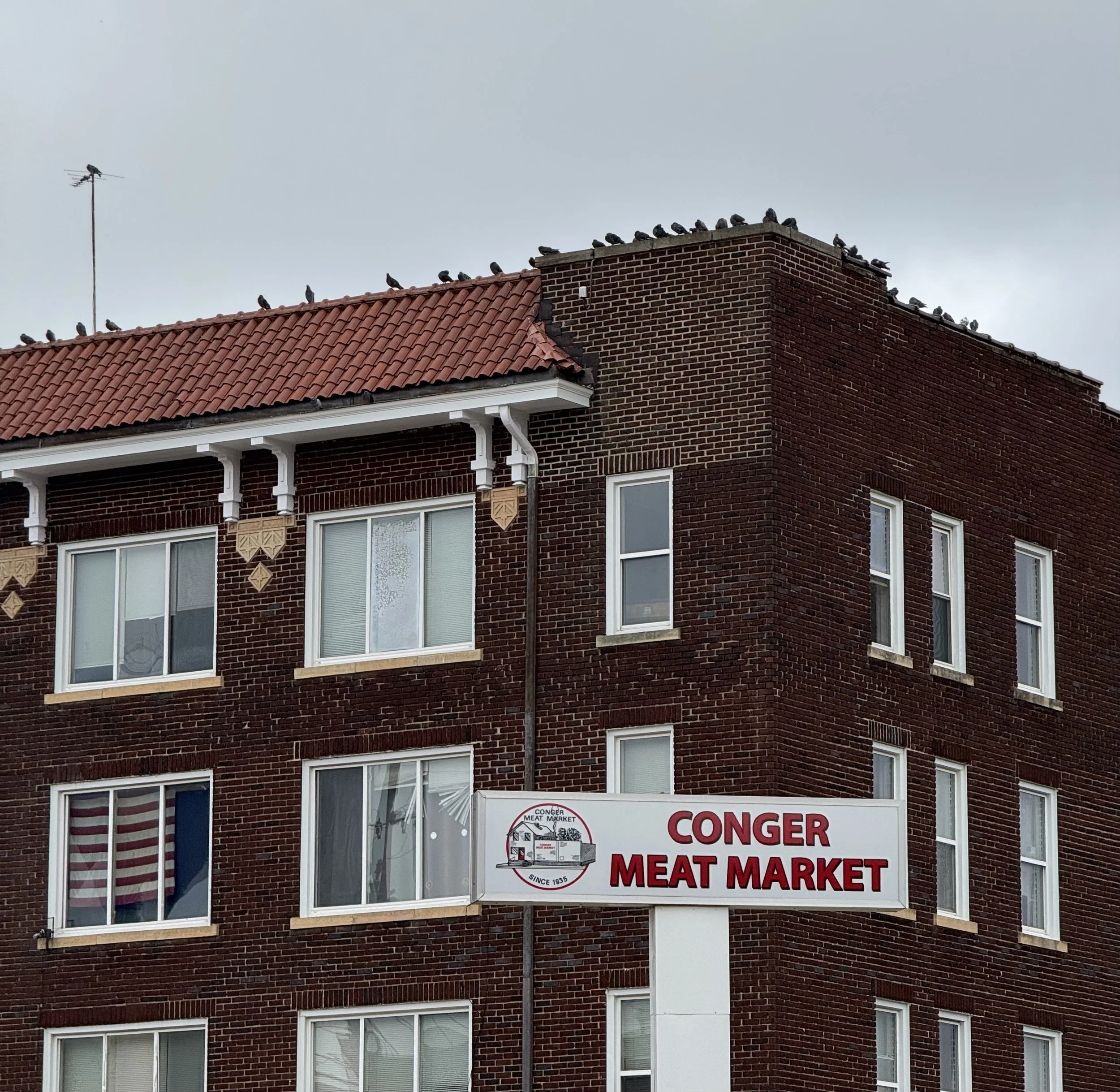
I’m guessing the one rock pigeon that perches on the TV antenna is the king of the rock pigeons.
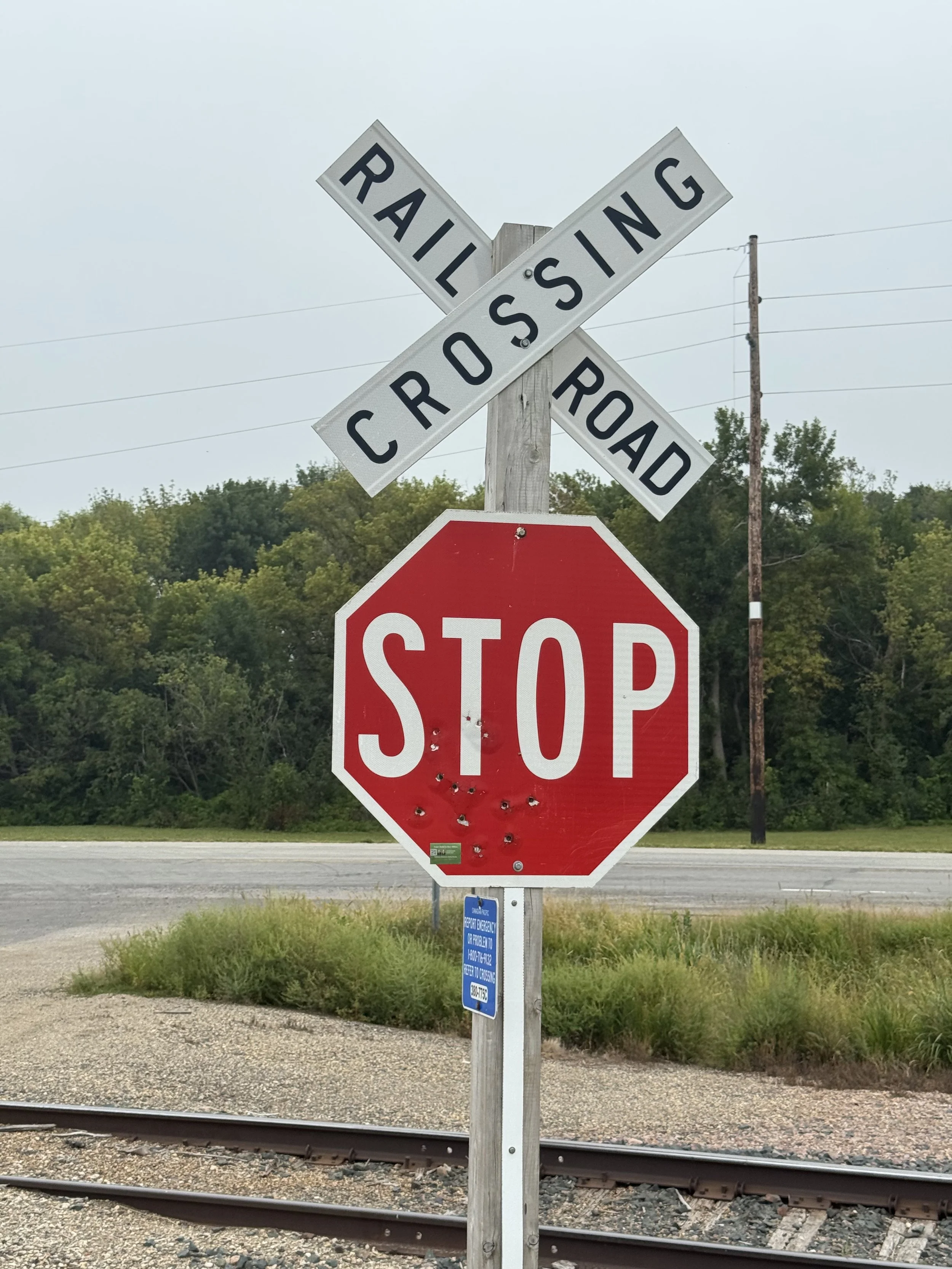
Sadly, a stop sign is always in season.